
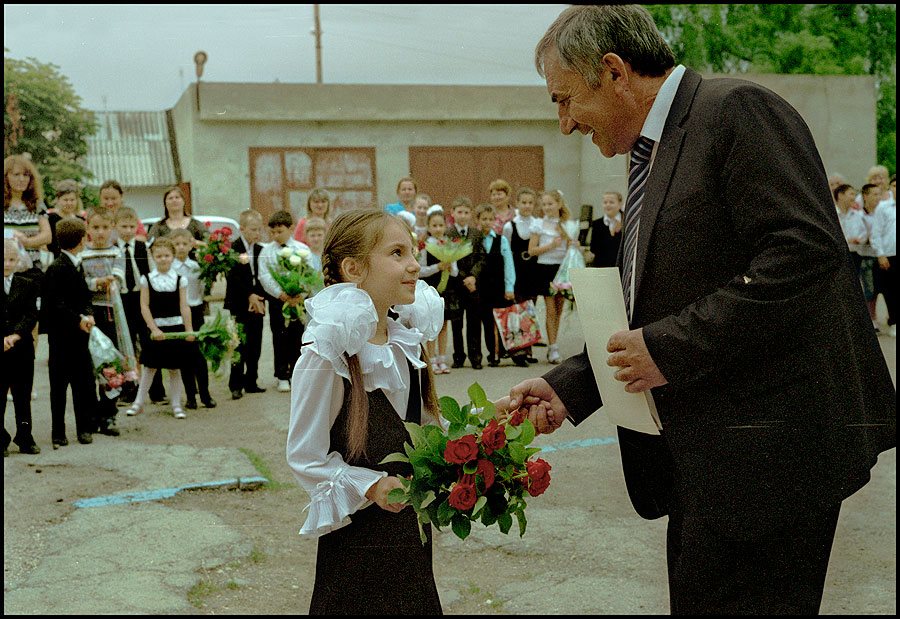
1992 – War That Cannot Be Forgotten // Ion Iovcev, Former Principal of Lucian Blaga Lyceum in Tiraspol: I took out children, stamp and school bell
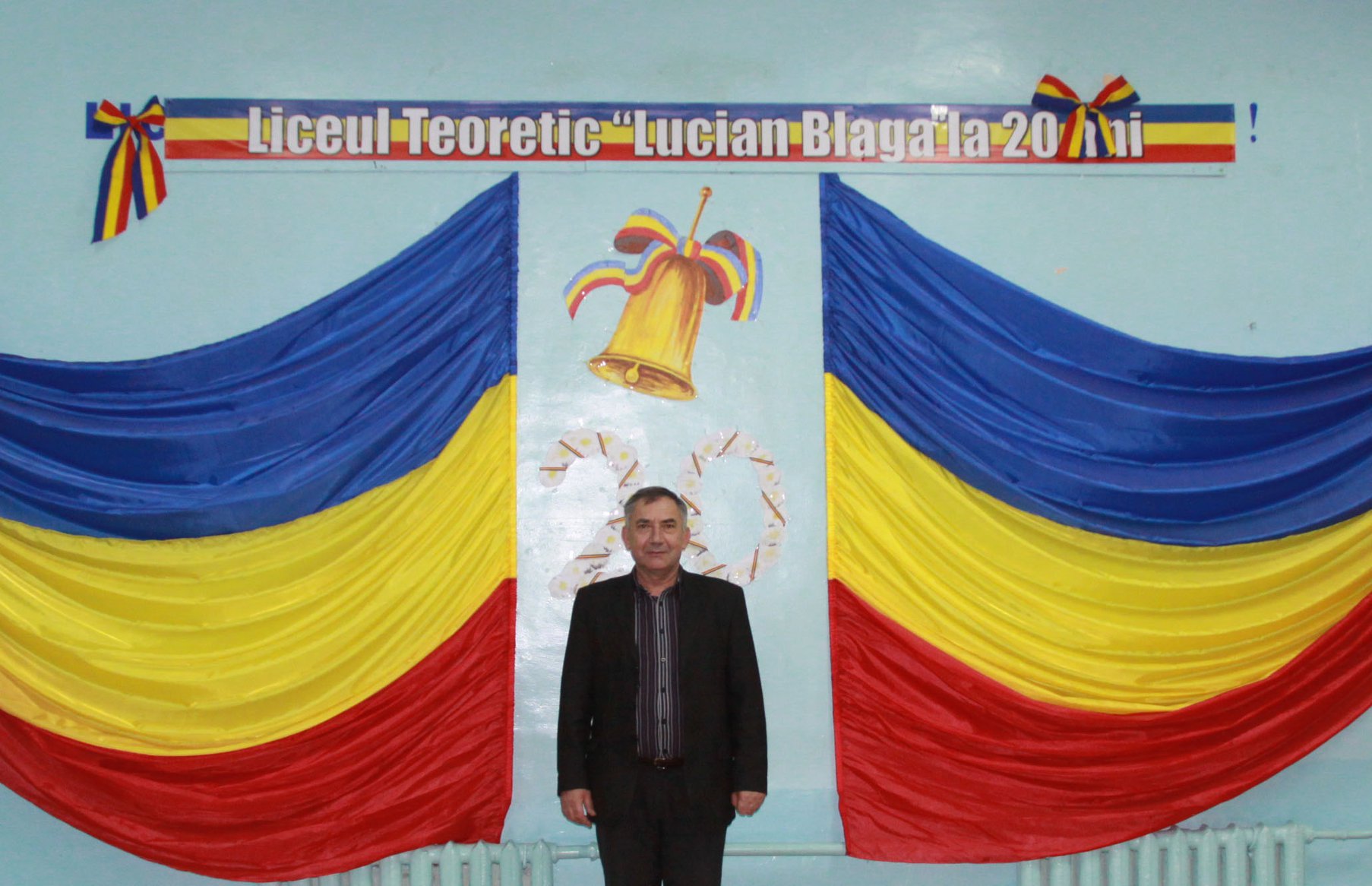
“I took the children, the school stamp, the bell and that was it. I was left alone with four employees, but I did not give in,” recalls Ion Iovcev, former principal of the Theoretical Lyceum “Lucian Blaga” in Tiraspol, about the beginning of 1992, when the war broke out. “The functioning of schools teaching in the Romanian language in the Transnistrian region was put at risk,” the teacher states.
During the period, educational institutions in the region were forced to cope with harsh conditions, and the school’s activity continued with minimal resources.
“The university in Tiraspol was evacuated to Chișinău. I took the children, the school stamp, the bell and that was it. We had no typewriters, no resources, practically we no longer even had a school. The children were sent to Romania for safety. I was left alone with four employees,” said Ion Iovcev.
The situation gradually began to stabilize after the signing of the ceasefire agreement, and pupils and some of the teachers returned to Tiraspol.“On September 1, after the signing of the ceasefire agreement, the children and some of the teachers returned. Many teachers had left for Chișinău. We did not have enough teaching staff, but parents kept bringing their children. They were largely intellectuals, doctors, engineers, many originally from the right bank of the Dniester, but who lived in Tiraspol and had nowhere to go,” said the former principal.
The decision to keep the school open was a firm one, supported by both teachers and parents.“We decided to keep the school at any cost. On November 28, 1992, we consecrated it. From that moment, the number of pupils began to grow. We opened primary classes in several kindergartens in the city. In one year we had five first grades, totaling 125 children. It was proof that parents had confidence,” declared Ion Iovcev.
In the following years, the pressures on the institution became increasingly strong, including attempts to force it to abandon the Latin script.
“Constant pressure followed. I was asked to give up the Latin script. I refused. They sent commissions, tried intimidation and ‘amicable discussions’. I did not give in. In 1994, the school was occupied. Pupils were driven out into the street, and people supported by separatist structures entered the building. The furniture was destroyed, school documents were devastated. I was dismissed from my position. Parents reacted immediately: they organized permanent guard, day and night, and declared that the principal would remain in office as long as they supported him,” recounted Ion Iovcev.
At the same time, the lyceums in Tighina and Tiraspol organized a protest march in which pupils, parents and teachers took part.“In the same year, the lyceums in Tighina and Tiraspol organized a protest march. Over a thousand children, parents and teachers set off on foot towards Tiraspol. The roads were blocked, and military equipment was stationed along the roadside. It was a moment of maximum tension,” said the former principal.
Looking back, Iovcev says that all these efforts were worth it, as the school managed to survive and to educate generations of pupils.
“Today, looking back, I can say that the sacrifices were not in vain. Many of our pupils have become accomplished people: doctors, university professors, businesspeople, athletes. The school has endured,” concluded Ion Iovcev.
The former education manager believes that the initiative of the authorities in Chișinău to switch to teaching in Romanian in all schools in the Transnistrian region is “a correct step”. According to him, education is the strongest form of resistance and the safest investment in the future.
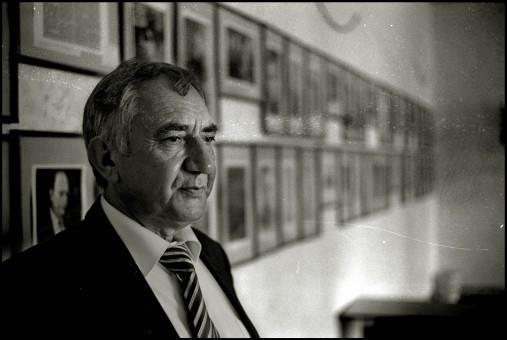
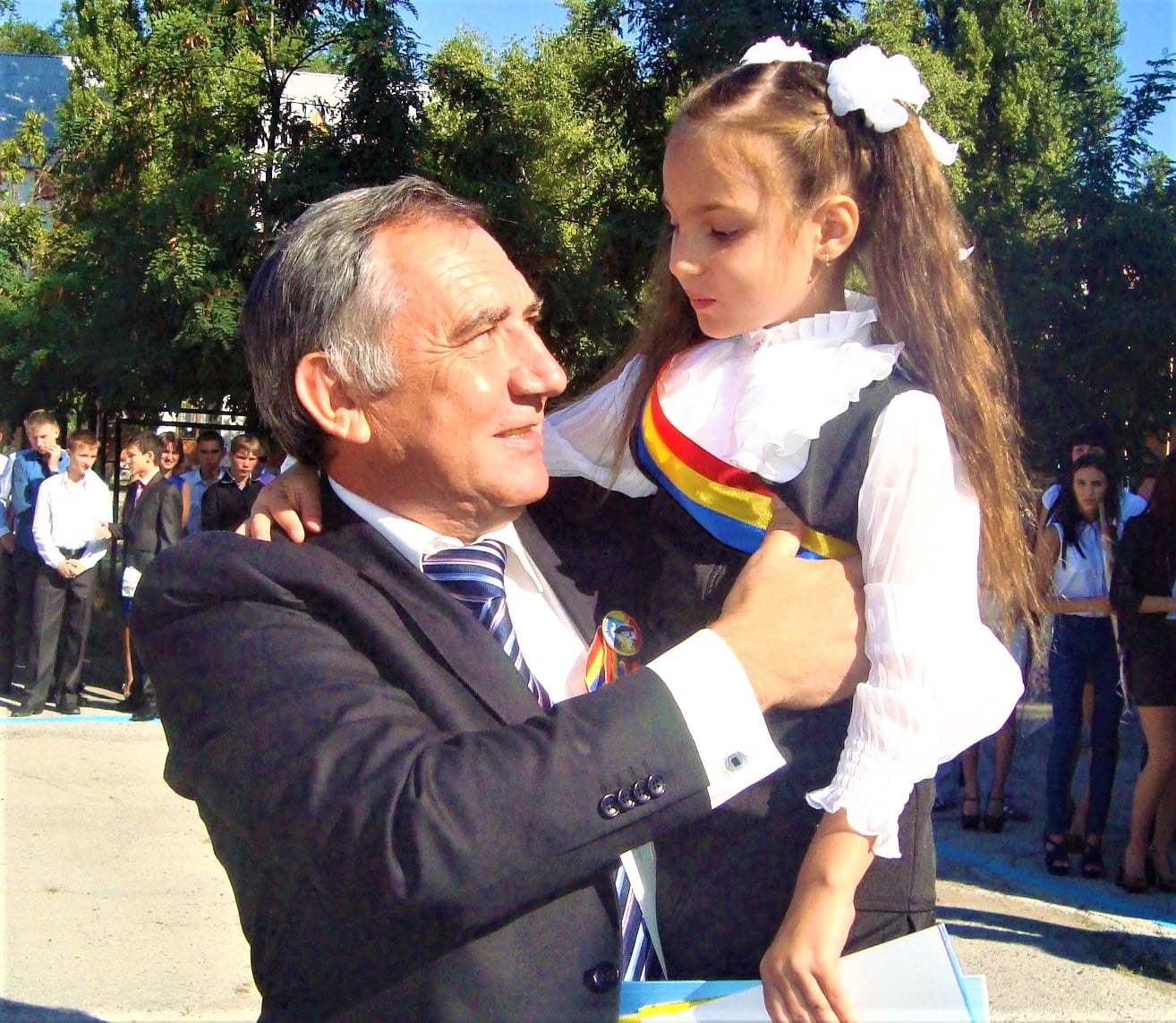
For almost three decades, Ion Iovcev led the Theoretical Lyceum “Lucian Blaga” in Tiraspol, with instruction in Romanian, contributing to the preservation of education and cultural identity in the region. For his activity, he was awarded the Order of the Republic, one of the state’s highest distinctions. In 2014 he also received the Order “Star of Romania”, granted by the former President of Romania, Traian Băsescu, in recognition of his role in defending cultural values and Romanian communities.
 Facebook
 Instagram
 X/Twitter
 Telegram
CNMC director after Tuesday’s heavy rains: There are no major risks
Old-Calendar Orthodox Christians celebrate Saints Constantine and Helen
Moldova to establish National Erasmus+ Agency; EU provides 5 million euros in support for candidate countries
Attention for transport operators and travelers: traffic on Giurgiu–Ruse Friendship Bridge to be temporarily restricted on 4–5 June
Happy National Day, Italy! Italian Flag projected on National Museum of History
Travel alert for Japan due to approaching tropical storm Typhoon No. 6
Yellow Code for heavy rain, thunderstorms in Moldova on June 2
VIDEO // Moldovan parliament speaker conveys message for Children's Day
Moldovan PM says children represent most important future of Moldova
Moldovan president launches children’s reading competition for June 1
Increased support for families in Moldova: birth allowance reaches 21,866 lei
Moldova has over 833,000 children; Public Services Agency says more than 9,000 babies born in first five months of 2026
Moldova marks International Children’s Day: diverse schedule of activities for whole family
PHOTO // President: It is important to keep alive customs and values that bring us together
Over 1,000 Diaspora Moldovans register for Online Career Fair
PHOTO // European Commissioner for Enlargement urges young people to defend democracy, combat disinformation
Moldova Presents exhibition inaugurated in Vaslui: Moldovan products promoted in Romania by 60 local companies
Moldovan president conveys message on World Environment Day
Moldovan president attends ceremony on 24th anniversary of foundation of National Anticorruption Centre
Environment Minister announces when fish safety to be checked
Moldova prepares new edition of Red Book
 National Bank of Moldova
Moldovan president attends ceremony on 24th anniversary of foundation of National Anticorruption Centre
Prime Minister at Moldova Digital Summit 2026: Our ambition is not only to join EU, but to help build Europe’s digital future
Over 1 billion euros in new investment partnerships, financing announced for Moldova
Topical issues addressed at meeting of Joint Control Commission
Moldovan president, European Commissioner for Enlargement discuss reforms, next steps in accession process

Republic of Moldova to receive 250 million dollars from World Bank to advance reforms
Moldova Digital Summit 2026 starts in Chișinău
Moldova prepares case against Russia over Dniester pollution
Chișinău and Bratislava discuss next steps in EU accession negotiations
International post-disaster needs assessment mechanism launched in Chișinău following Dniester river pollution crisis
EU Commissioner in talks with Prime Minister and Deputy Prime Ministers
Right to fair trial – most frequently reported problem by Moldovan citizens in 2025: Ombudsman’s report presented in parliament
Moldovan parliament sets up inquiry committee on phone, online scams: damages exceeding 270 million lei
Moldovan parliament speaker describes Russia’s intention to move Russian Center of Culture to Tiraspol as political provocation
PHOTO GALLERY // Major event in Chisinau: EU announces 1 billion euros in investments in Moldova
Stricter rules for taxi platforms: payments to be required to obligatorily go through banks of Moldova
Moldovan parliament speaker says each day of delay of elections in Gagauzia works against autonomy
Digital solutions for schools of Moldova: 140 institutions equipped with 700 interactive boards, computers
Moldova hosts 4th international conference on noncommunicable diseases
Voted in parliament: Moldovan citizens who worked legally in Canada to be able to receive social benefits
Moldovans working in Ukraine to be able to receive pensions, other social benefits
Receive the latest news directly to your email

Receive the latest news directly to your email