
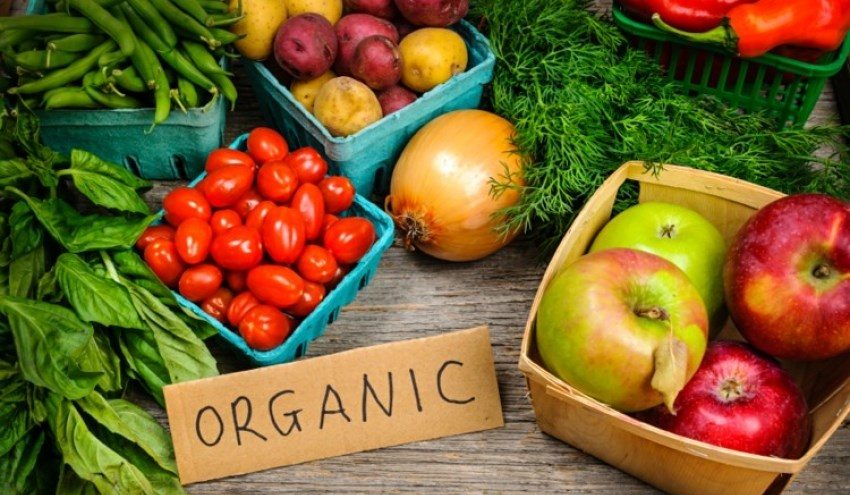
Moldovan Agriculture Ministry says demand for organic products growing; how consumers can recognize truly “eco” products
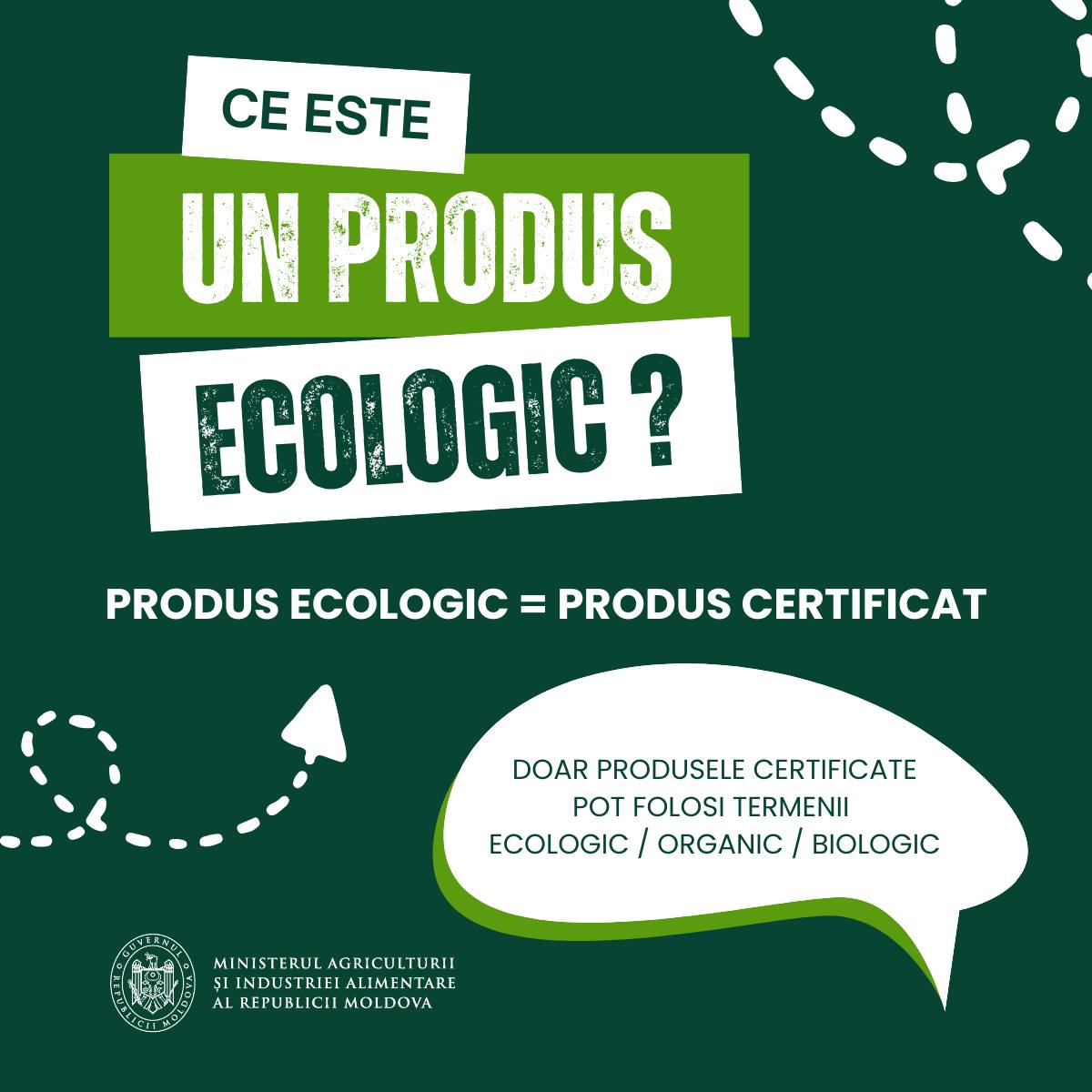
Organic farming is gaining more and more ground both globally and in Moldova, amid rising consumers’ interest in healthy products and environmentally friendly production methods. The Ministry of Agriculture and Food Industry (MAIA) warns that products labeled as “eco”, “bio” or “organic” may be marketed under these names only if they are certified in accordance with current legislation.

According to MAIA, organic farming is a sector in continuous development and demand for such products is increasing both on international markets and on the domestic market. In this context, the authorities emphasize the importance of complying with certification standards, in order to guarantee the authenticity of organic products.

“Organic farming is an increasingly widespread practice, appreciated by consumers. At present, globally, this sector is quickly developing and demand for organic products is constantly growing,” notes the Agriculture Ministry.

For a product to be marketed as organic, farmers must get a special certificate confirming compliance with the production and processing rules specific to organic farming. Certified products must meet a string of clear and verifiable conditions.

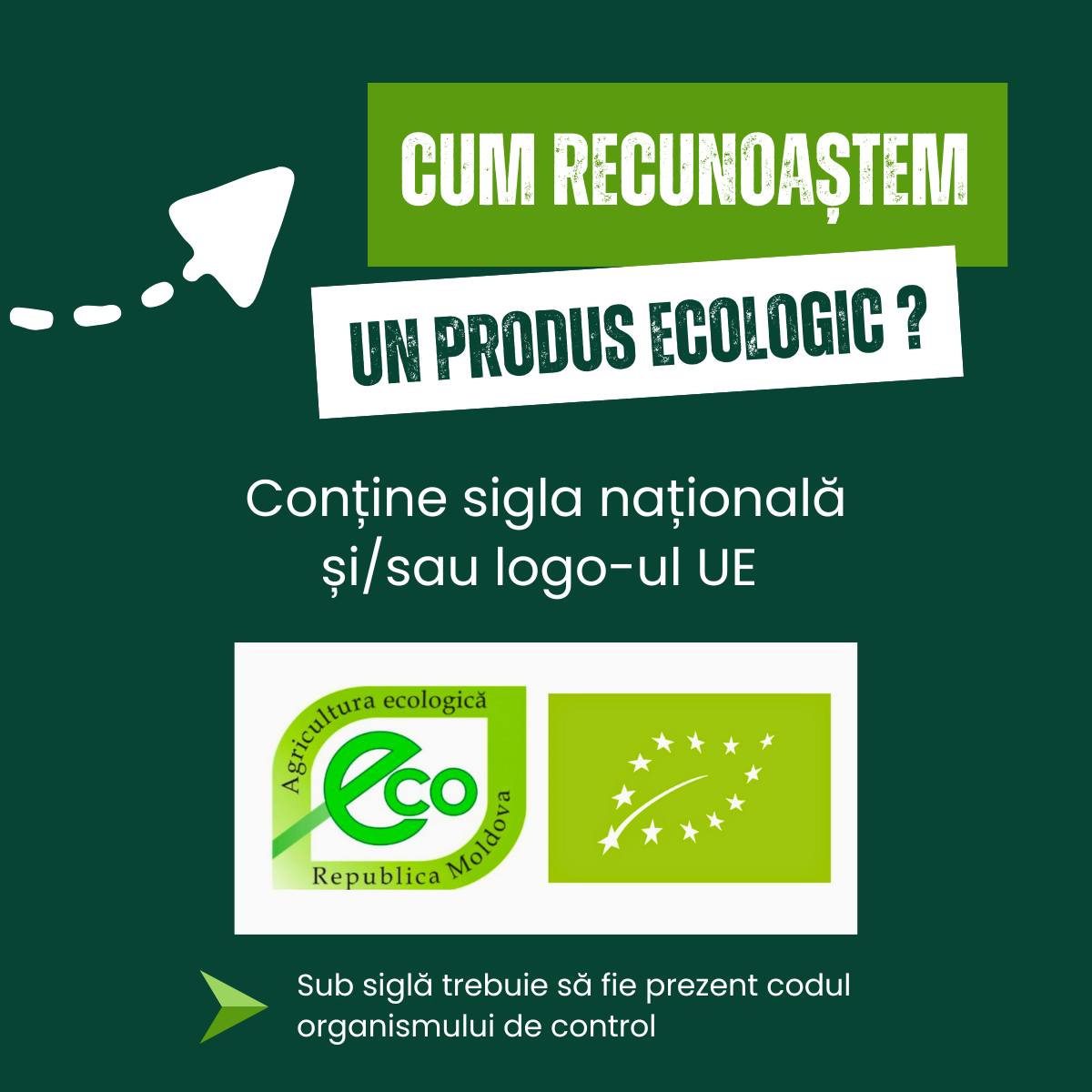
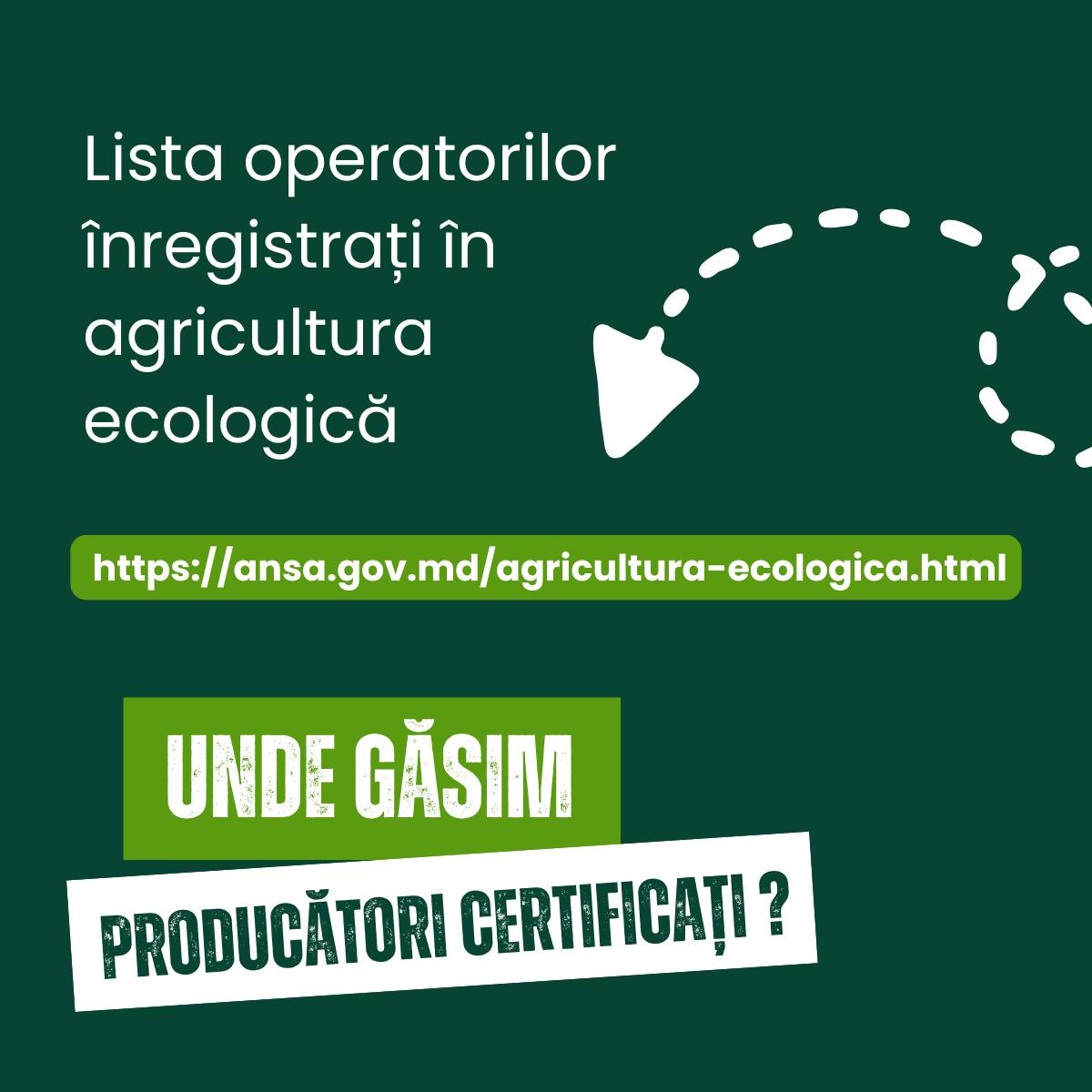
Thus, the product label must display the national logo “Organic Farming – Republic of Moldova” or the European Union logo for organic products. Under this logo, the code of the control body that carried out the certification must be indicated. At the same time, the producer must be included in the official list of operators registered in organic farming, and the product must have gone through the full inspection and certification process.

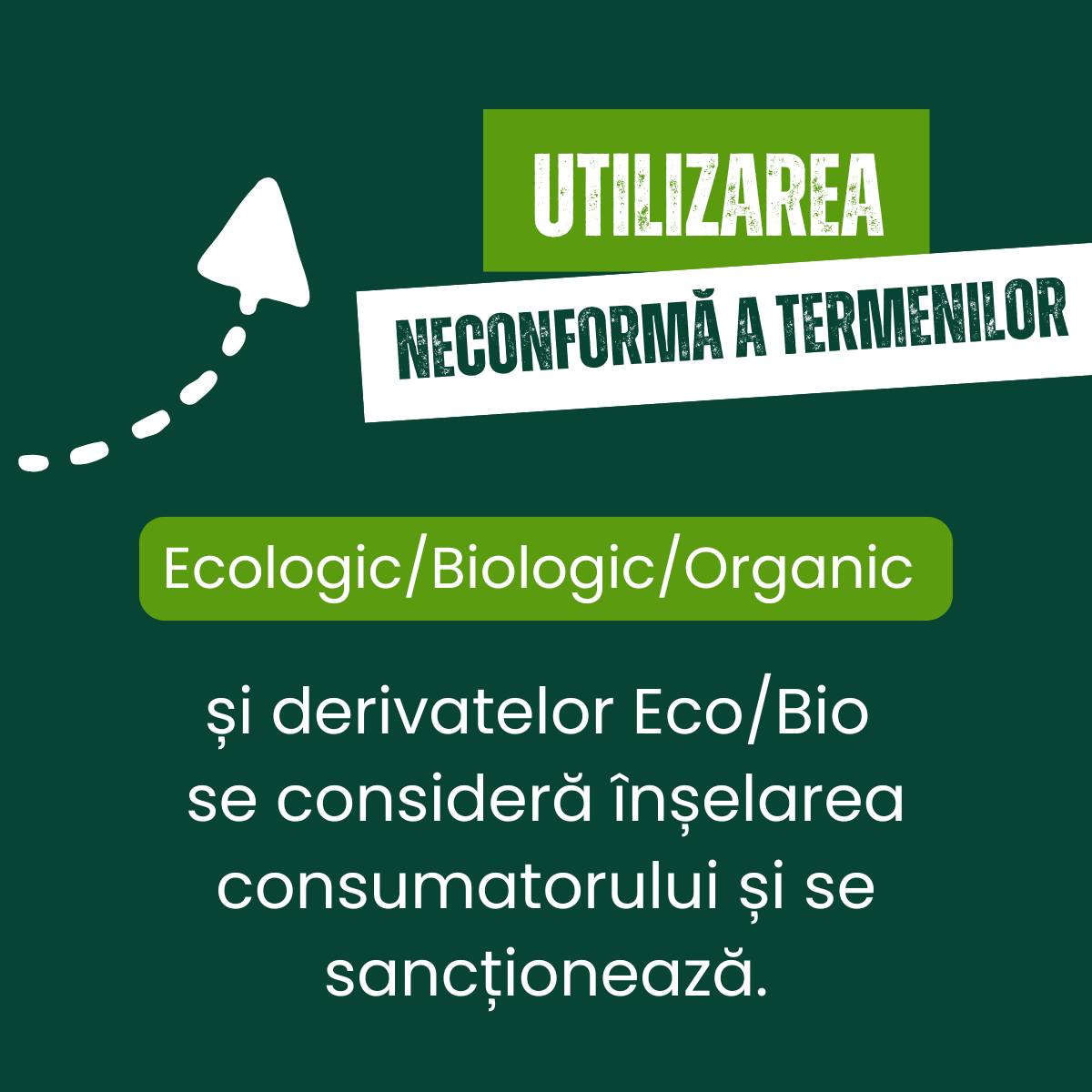
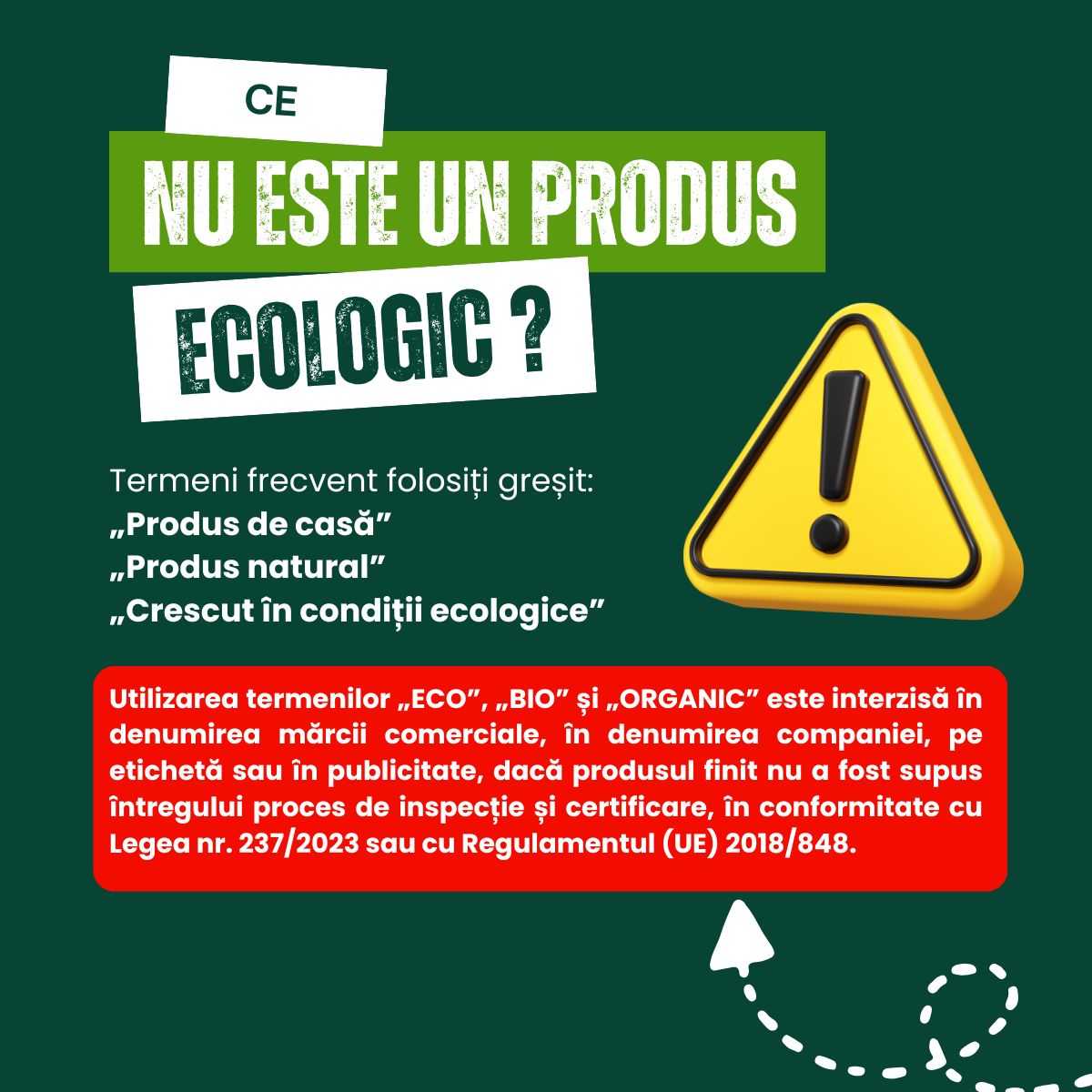
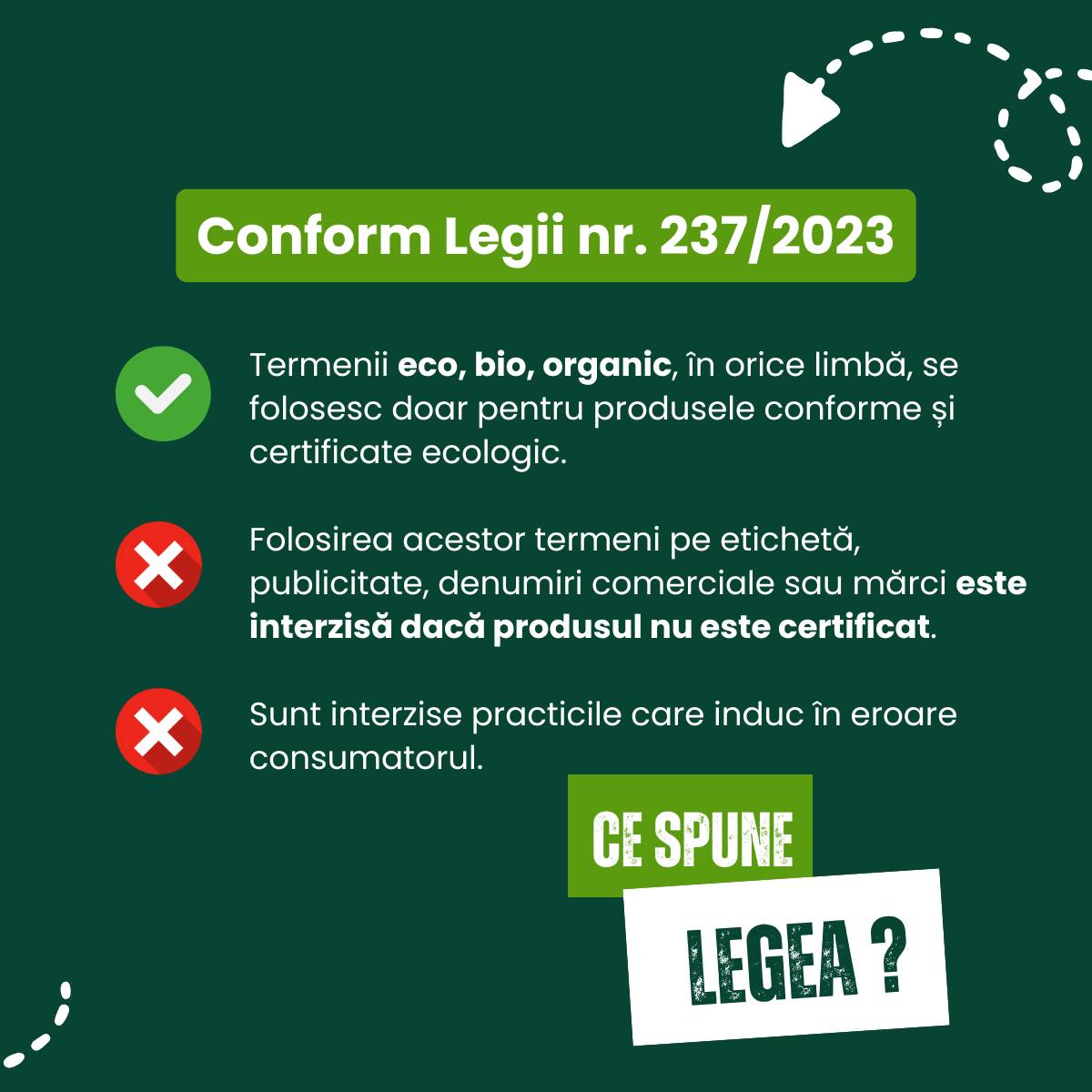
“Consumers need to know that the terms ‘eco’, ‘bio’ and ‘organic’ can legally be used only for products that have been certified. These designations are strictly regulated by legislation and cannot be used arbitrarily,” specifies the MAIA.

The authorities say that the use of these terms is regulated by Law No. 237/2023 on organic farming and by European Union Regulation 2018/848. Under these legal acts, the use of the designations “eco”, “bio” or “organic” in companies’ names, trademarks, on labels or in advertising materials is prohibited, if the product is not certified organic.

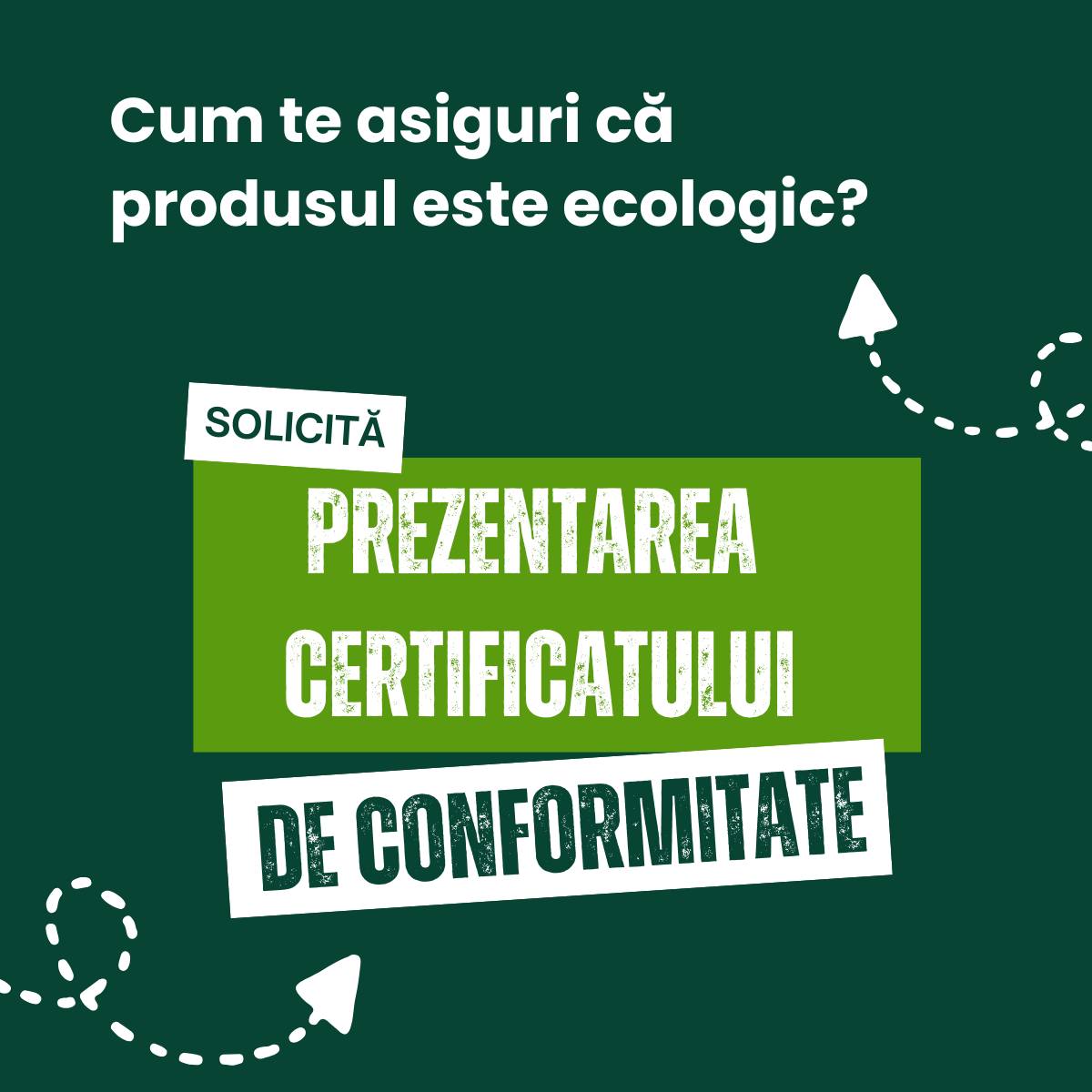
The Ministry of Agriculture and Food Industry recommends that consumers pay close attention to products’ labels and check for elements confirming organic certification. If in doubt, buyers may request from retailers the certificate of conformity for the organic product.

“To make sure that a product on the shelf is truly organic, consumers have the right to ask the store for the certificate of conformity. The latter confirms that the product has gone through all stages of control and certification,” the ministry’s representatives also say.

The authorities believe that the development of organic farming can significantly contribute to environmental protection, to the diversification of agricultural production and to enhancing the competitiveness of Moldovan producers on foreign markets, given that demand for organic products continues to grow globally.
 Facebook
 Instagram
 X/Twitter
 Telegram
State of alert in energy sector. Customs Service introduced temporary measures on export and re-export of petroleum products
Progress of works on Vulcănești–Chișinău power line assessed by European Commission delegation
DOC // Published in Official Journal: Government maintains 70% subsidy for agricultural insurance policy
Moldovagaz to stay responsible for supplying natural gas to Transnistrian region in continuation
Moldova's National Energy Regulatory Agency explains impact of situation in Middle East on fuel market
Electricity procured by Energocom company of Moldova cheaper in last February
Deputy Prime Minister about impact of possible licensing of Moldovan wines in Ukraine: Only 2% of wines exported to neighboring state
Authorities assure that petroleum product stocks and energy resources sufficient
Government allocates resources for paying membership fees to international organizations
Agriculture Minister: We are seeking balance in trade with Ukraine without sacrificing quality standards
Government declares energy sector alert in connection with Middle East war
Moldova prepares new development model for airport sector
Wage inequality reaches critical level: women of Moldova worked 41 extra days for same income
War in Iran shakes energy markets: Will Moldovans pay more for gas and fuel?
Moldova denounces Agreement establishing Commonwealth of Independent States
Moldovan president among honorary members of European Order of Merit – award provided for significant contributions to promotion, defense of European values
Moldovan government indexes minimum guaranteed monthly income
Moldovan president has meetings with top leadership of Lithuania
Nominal composition of parliamentary working group on Gagauzia established in Moldova
Moldovan president says biggest obstacle to resolving Transnistrian conflict illegal presence of Russian troops on left bank of Dniester
Environmental authorities of Moldova monitor oily patches noticed on Dniester River upstream from Naslavcea
 National Bank of Moldova
Moldovan president has meetings with top leadership of Lithuania
Nominal composition of parliamentary working group on Gagauzia established in Moldova
Moldovan deputy PM has meetings in Bucharest with officials of Foreign Affairs Ministry, Presidential Administration of Romania
Moldova's State Chancellery gets CAF User Certificate, strengthening commitment to excellence in organizational management
Lithuanian President awarded Order of Republic

Moldovan president in Vilnius says year 2030 realistic target for Moldova to join European Union
Moldovan Agriculture Ministry says demand for organic products growing; how consumers can recognize truly “eco” products
Moldovan prosecutors' evaluation commission summons more prosecutors for hearings in March
PHOTO // Lithuanian President: Accession of the Republic of Moldova and Ukraine to EU by 2030 - strategic objective of country
Around 25 percent of gross final electricity consumption covered last year by renewable energy
Lithuanian President awarded Order of Republic
Measures to ensure security of gas supply to Transnistrian region
Deputy Prime Minister for Reintegration meets with Minister of Foreign Affairs of Romania
Crisis Cell: 30 Moldovan citizens evacuated from United Arab Emirates
Citizens can collect February heating compensation
Over 200 million lei invested in local development: dozens of projects funded in February through European Village and Europe is Near programs
MOLDPRES INTERVIEW // ANSC Director: We make sure that path of public money to hospitals, schools or infrastructure fair and transparent
Moldovan Foreign Minister to visit Brussels for meetings with EU and NATO leaders
Over 300 draft laws for harmonization with EU legislation to be examined by Parliament this year
DOC // Moldova to establish oil products' stocks sufficient for 90 days of consumption
Moldovan women’s voices at United Nations; Deputy parliament speaker says no woman should have to suffer in silence anymore
Receive the latest news directly to your email

Receive the latest news directly to your email