
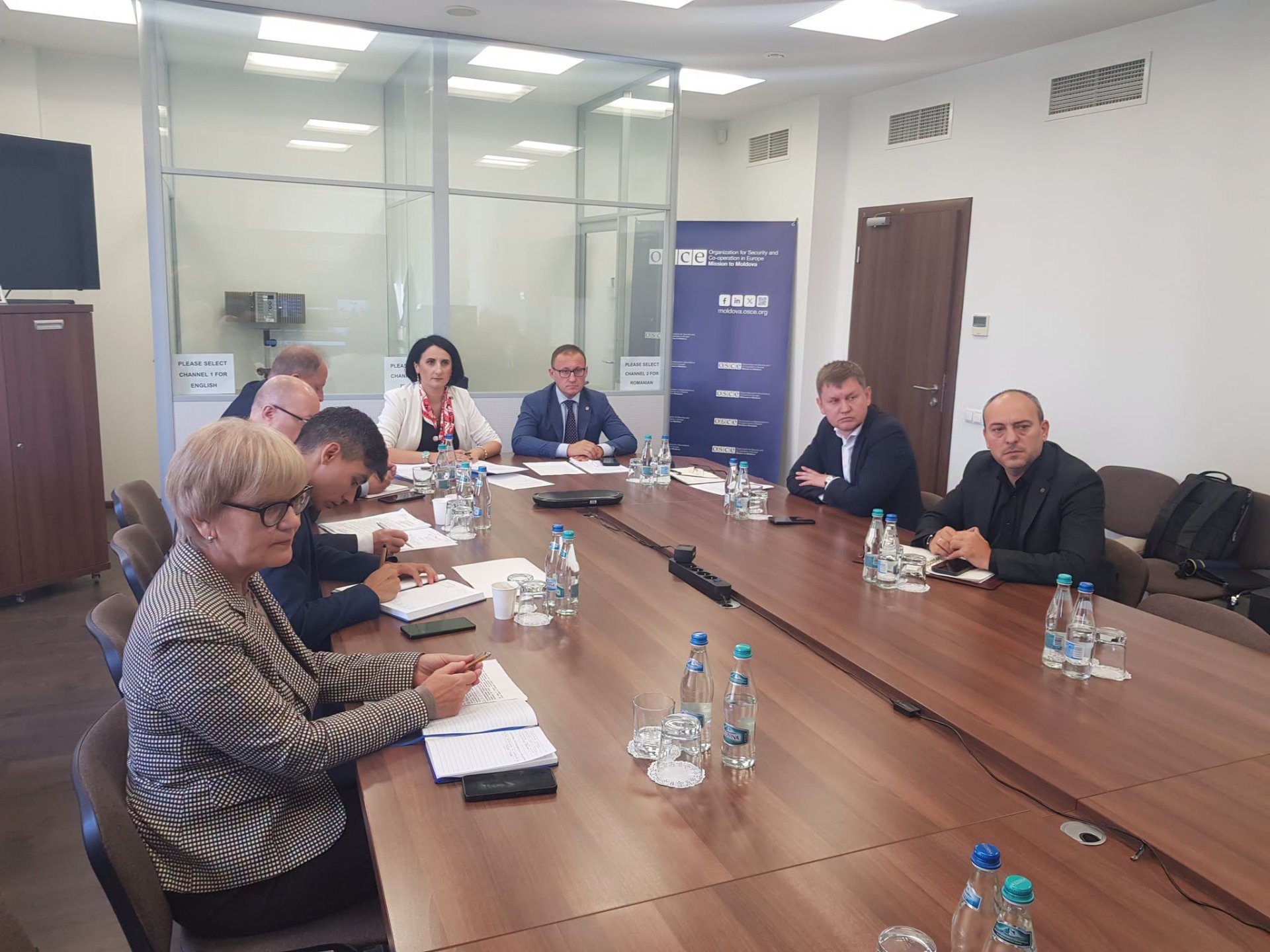
Hydrological situation of Dniester River, rehabilitation of Bender wastewater treatment plant discussed by experts from both banks
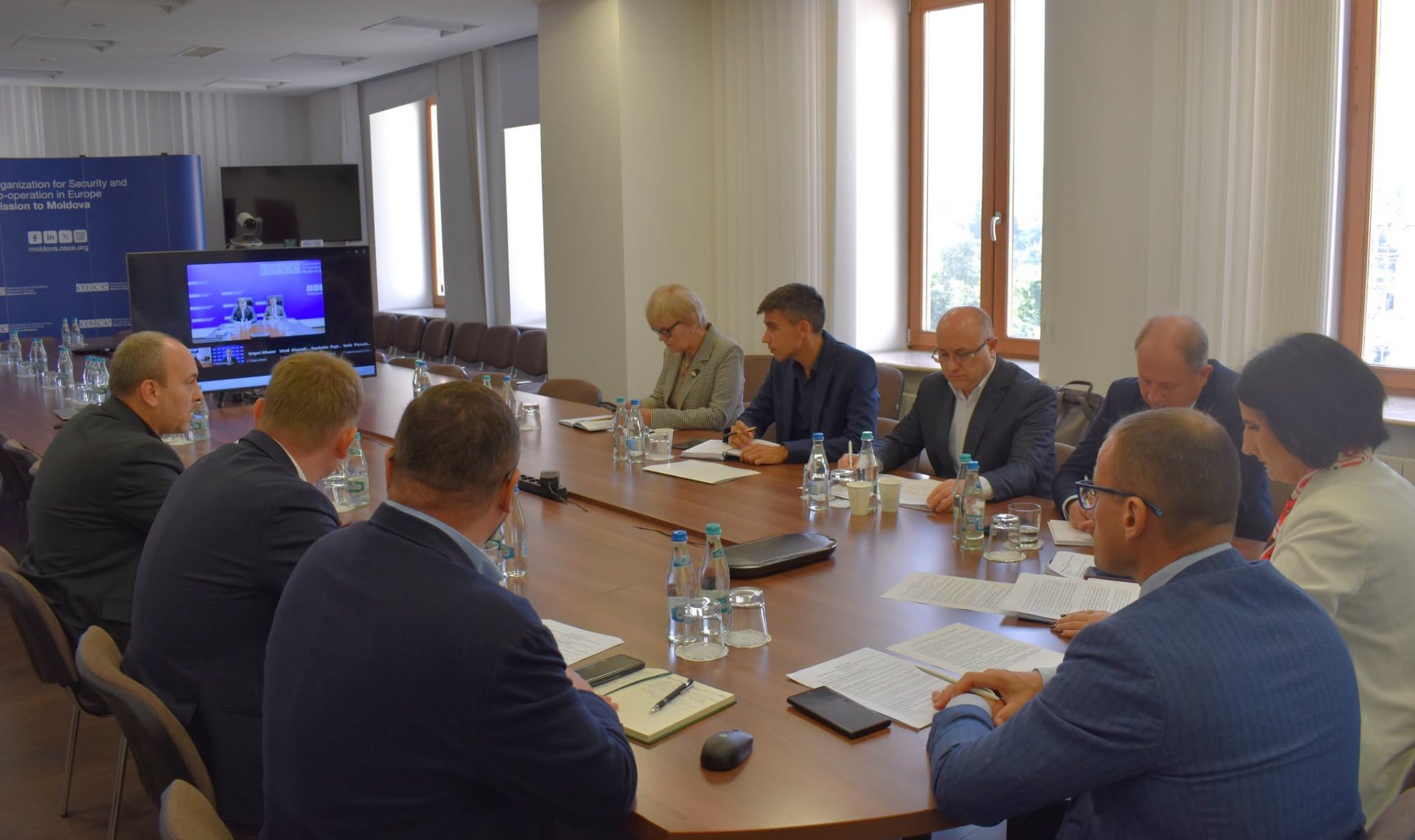
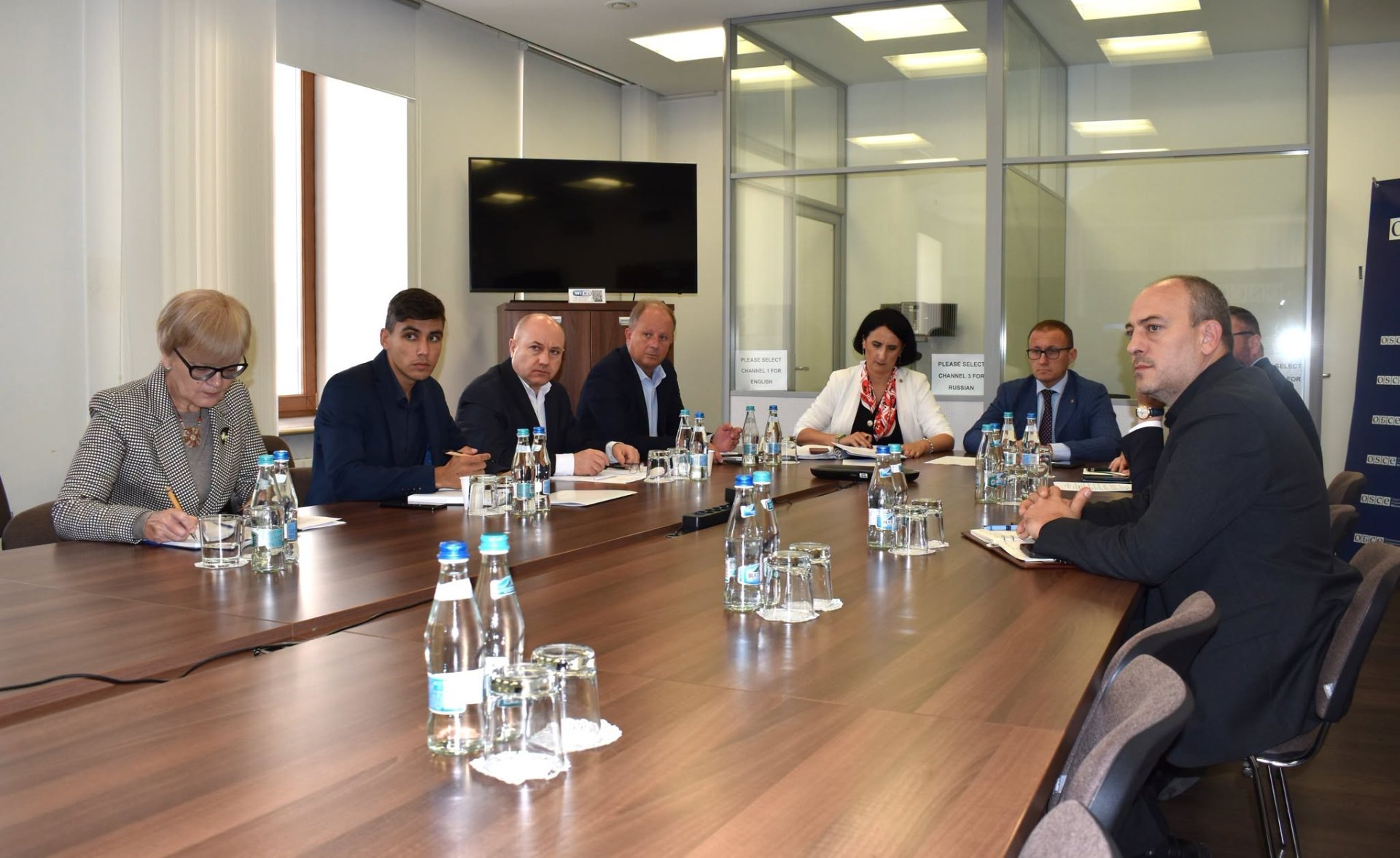
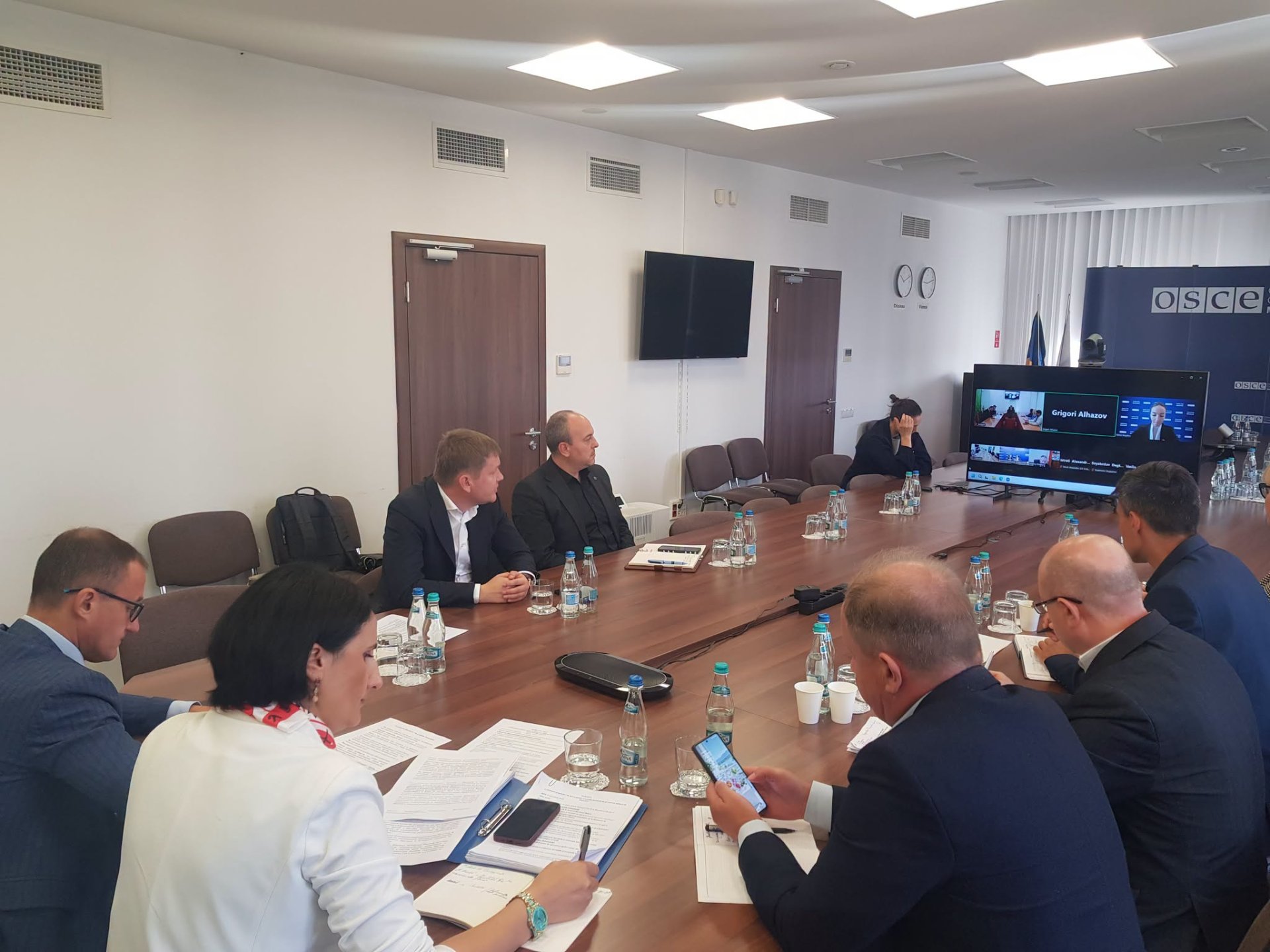
The current hydrological situation of the Dniester River, the operation of the Dubasari Hydropower Complex amid reduced water flows, and the possibility of rehabilitating the wastewater treatment plant in the municipality of Bender have been the main topics examined by experts from both banks of Dniester. The discussions took place during a meeting of the working groups on environmental protection, held via videoconference at the premises of the OSCE Mission to Moldova.

The participants analyzed developments in water levels and flows, the need for continuous monitoring of the river and improvements to the exchange of hydrological data. Another topic concerned the impact of the operating regime of the Dubasari Hydropower Complex on the middle and lower sections of the Dniester amid reduced water flows.

In the context, experts discussed the possibility of conducting hydrological measurements in predetermined sections of the river and facilitating access for specialists from relevant institutions to carry out these activities. The participants in the meeting also emphasized the importance of using automated monitoring equipment to improve data collection and exchange.

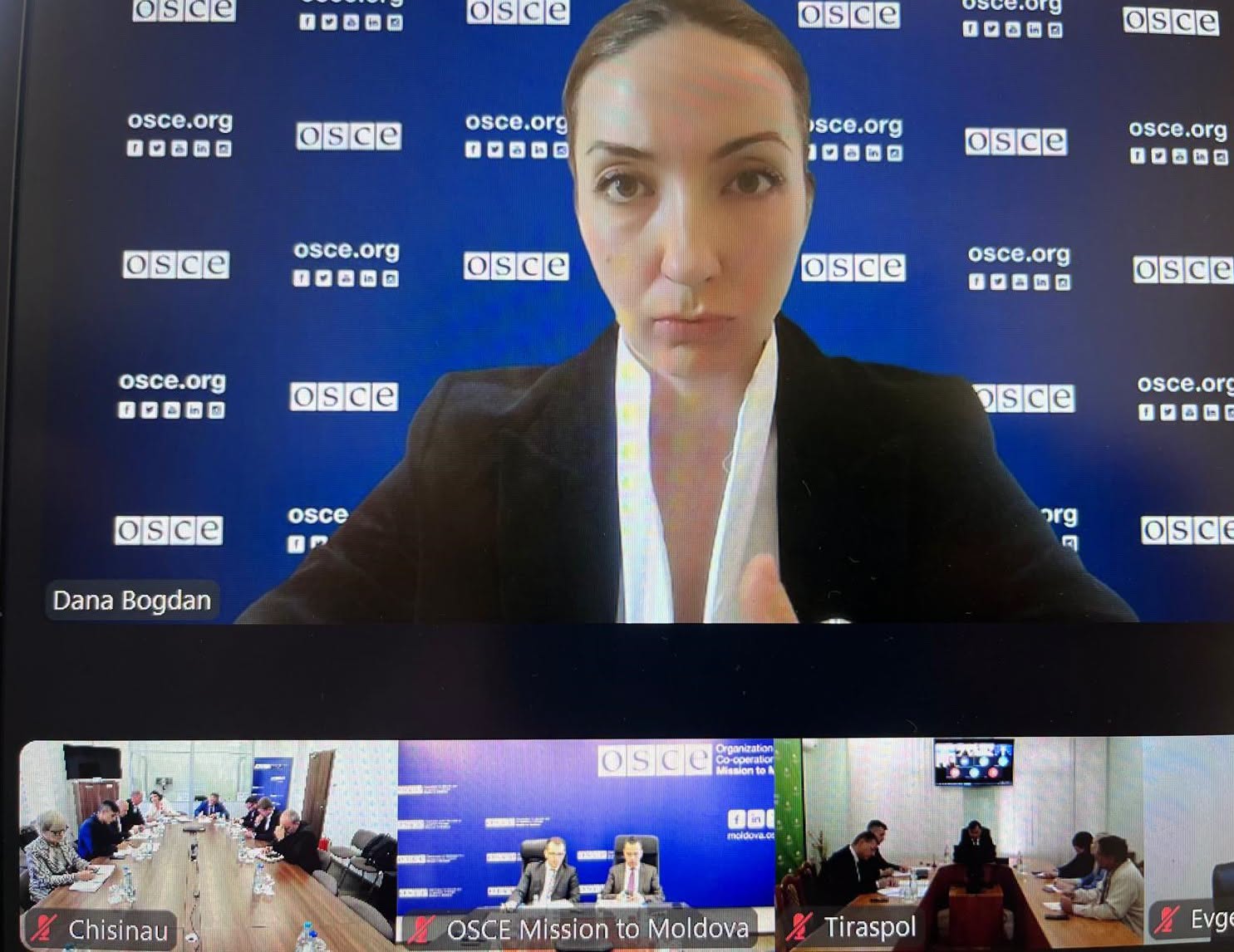
During the meeting, international expert Dana Bogdan presented the project, Strengthening Cross-Border Cooperation and Integrated Water Resources Management in the Dniester River Basin through the Implementation of the Strategic Action Programme. The project is being implemented between 2025 and 2029, has a budget of six million dollars and is financed by the Global Environment Facility (GEF).

The project aims to improve water resources’ management, reduce environmental impacts and strengthen resilience to climate change. Dana Bogdan noted that, within the initiative, the possibility of providing technical support to address the current hydrological situation of the Dniester could be examined, depending on the available objectives and resources.

Another important topic was the initiative to rehabilitate the wastewater treatment plant in the municipality of Bender. Experts from Chisinau expressed their openness to examining the proposal, emphasizing the importance of reducing pollution in the Dniester and improving the environmental situation for the benefit of residents on both banks.

According to the Environment Ministry, information on the current condition of the plant, the estimated volume of necessary works, preliminary costs and the availability of project documentation is to be presented, in order to technically assess the initiative and identify the next steps. Materials from previous assessments and data on measures already undertaken are also required. Based on this information, a specialist assessment may be organized and options for continuing the project may be analyzed.

At the same time, participants noted the possibility of financing the works through the mechanisms of the Convergence Fund. The potential provision of support and the involvement of international donors are to be examined by the competent authorities of Moldova, based on the documentation submitted.

The meeting also addressed the work of the Commission for the Sustainable Use and Protection of the Dniester River Basin. Representatives of Chisinau emphasized the transparent nature of its work, noting that relevant information, including the Commission’s documents and decisions, was published on the official websites of the competent institutions and is accessible to the public.

The meeting provided a framework for consultations and an exchange of opinions on environmental challenges in the Dniester Basin, with a focus on hydrological monitoring, access to relevant data and the identification of technical solutions for water resources management, the environmental authority concludes.
 Facebook
 Instagram
 X/Twitter
 Telegram
StratCom: Norway's military support attacked by manipulation on anonymous Telegram channels
VIDEO // Defense Minister ahead of Moldova Security Forum: Security means more than defense
Moldovan General Police Inspectorate receives new batch of equipment from EU Partnership Mission
Activity at Palanca-Maiaki-Udobnoe border crossing point resumed
Moldovan PM says Moldova must enhance air defense capacity, amid drone incidents
Romania condemns incident in Palanca area
VIDEO // Speaker congratulated teachers across country
Projectile fell in area of Palanca-Maiaki-Udobnoe border crossing
National Wine Day, 25th edition, brings together around 100,000 people and over 110 producers in PMAN
Teachers celebrate professional day on October 5
VIDEO // President on Teacher's Day: Thank you for work you do every day for every child
PHOTOS // Head of state, at National Wine Day, says Moldovan wine getting better, reaching farther around the world
Severe weather warning in Spain; Embassy of Moldova issues recommendations for citizens
PHOTO // Moldova sets Guinness world record with world's largest human grapevine
Foreign Affairs Ministry's state secretary says Moldova firmly committed to path toward EU, determined to be part of safer Europe
Railway of Moldova enterprise to increase freight transport tariffs by 15 per cent as of November 1
Moldovan PM attends enlarged meeting of Administrative Council of Congress of Local Authorities of Moldova
Hydrological situation of Dniester River, rehabilitation of Bender wastewater treatment plant discussed by experts from both banks
Eight violations of Moldova’s Airspace recorded in recent days; five cause explosions on ground
Moldova Security Forum 2026 // Moldovan president's adviser on national defence and security says Russia’s strategy not aimed only at winning elections, but at undermining trust in democracy
Foreign affairs minister says Moldova ready to open next four EU negotiation clusters
 National Bank of Moldova
Environmental protection experts discuss critical hydrological situation in Dniester River basin
Moldovan PM attends enlarged meeting of Administrative Council of Congress of Local Authorities of Moldova
Moldovan deputy PM for reintegration has meeting with Lithuanian officials
Moldovan president has meeting with NATO Deputy Secretary General
Moldovan president, at Moldova Security Forum, says Moldova to be better protected against Russia’s threats in European Union

Moldovan president has meeting with NATO Deputy Secretary General
Moldova Security Forum 2026 // NATO Deputy Secretary General says strong, stable, resilient Moldova contributes to stability, resilience on NATO’s border
Elections in Gagauzia: 83 candidates registered for Popular Assembly
European Commissioner for Defence and Space says Moldova can count on EU's support in security, defence
Moldova Security Forum 2026 // Moldovan official says resilience not defined only by preventing Shocks, but also by systemic capacity to maintain core functions
Moldovan president says local power must be in mayor’s office
Moldova must accelerate investments under Growth Plan; EU Ambassador explains conditions for funding
DOC // New general structure, staffing of Moldova's National Army enter into force
EU Ambassador to Moldova says elections in Gagauzia must be free, democratic, without foreign interference
EU seeks solutions to support Moldova in energy crisis, to mobilize other donors
EU supports government’s intention to conclude accession negotiations in 2028; European Union's Ambassador: “Two more clusters will be opened soon”
Two internal customs posts from Chisinau to operate on weekends
PHOTO GALLERY // Moldova Security Forum 2026 held in Chisinau; over 90 experts from 20 countries discuss regional security
Moldova ready to open all remaining negotiation clusters for EU accession; Moldovan president discusses matter with EU Council President
Moldovan president, at Moldova Security Forum, says Moldova to be better protected against Russia’s threats in European Union
Moldovan president has meeting with delegation of MEPs
Receive the latest news directly to your email

Receive the latest news directly to your email