
New water filtration system to be installed at north Moldova treatment plant
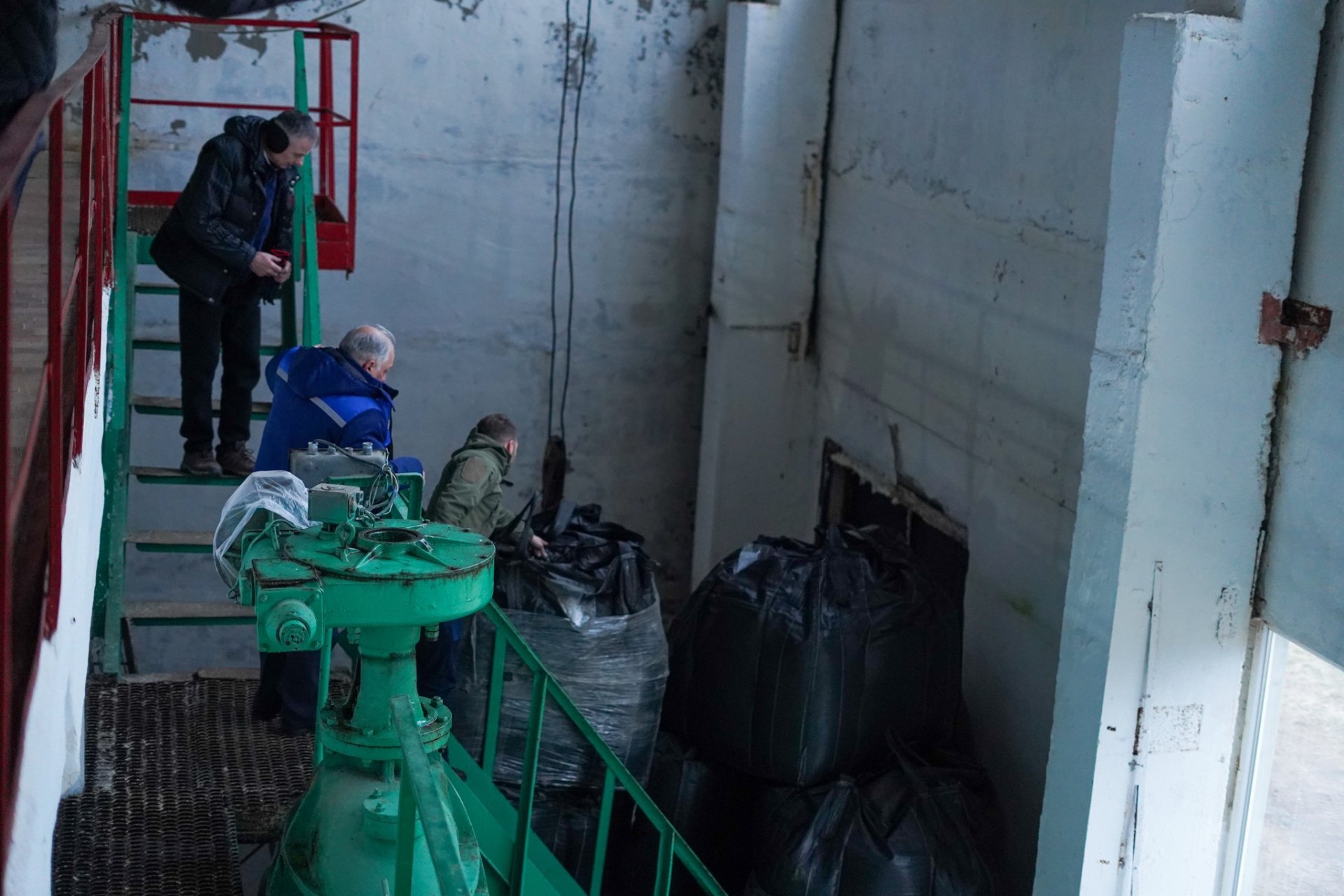
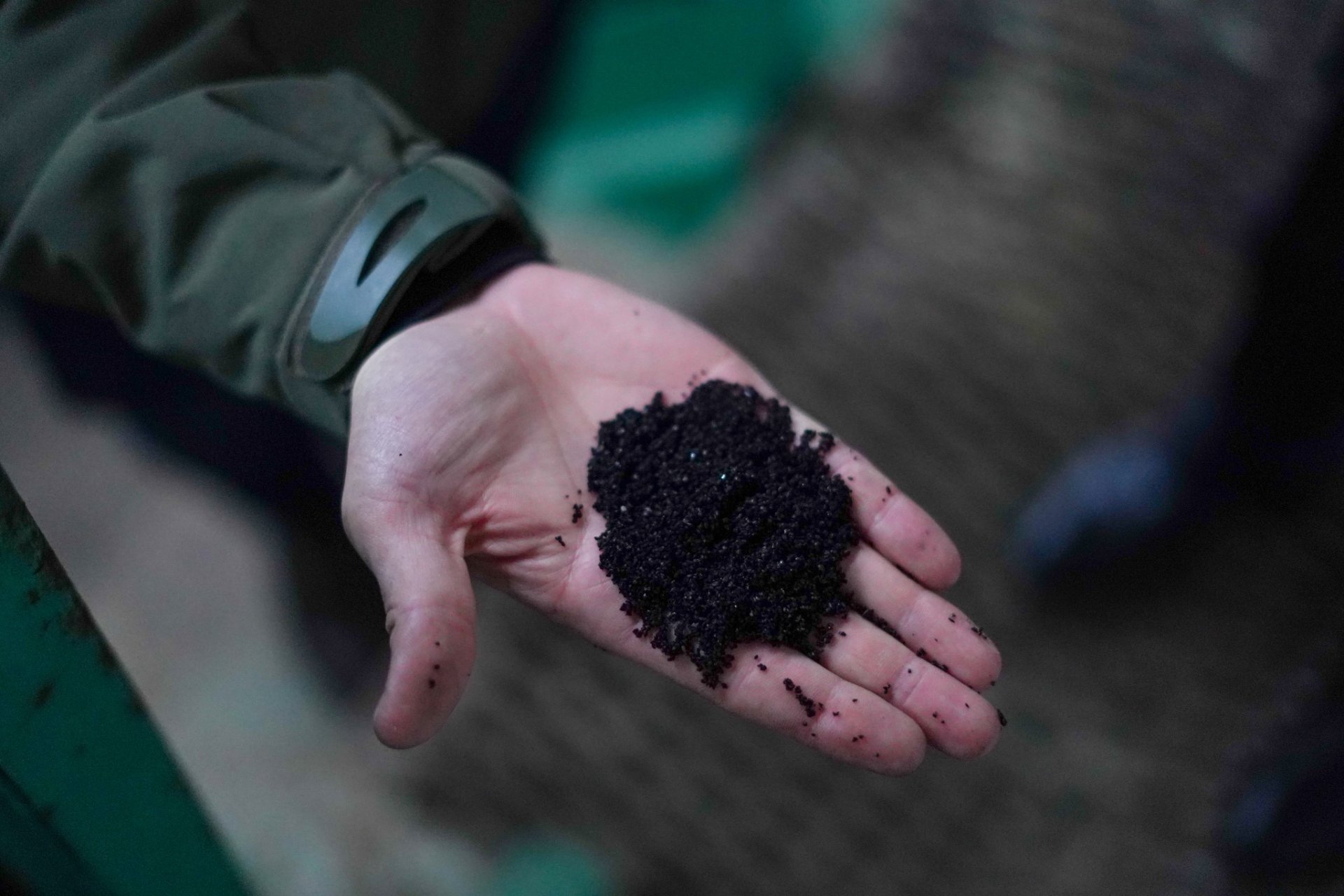
A new granular activated carbon filtration system will be installed at the Cosauti water treatment plant, in order to enhance the safety of the drinking water purification process. Environment Minister Gheorghe Hajder has made statements to this effect.

The minister specified that the measure targeted securing the water source for more localities of north Moldova, including the districts of Floresti, Sangerei, Soroca and the Balti municipality.

“The 10 tons of material have already been delivered and work is currently underway to integrate them into the treatment flow,” the minister said.

The minister stressed that the authorities’ priority was to ensure quick access to safe and quality water for the population, in the context of recent pollution risks.

Specialists note that granular activated carbon filtration is an effective method for removing hydrocarbons, including oil compounds, due to its porous structure, which retains pollutant particles and contributes to water purification.

Also today evening, Gheorghe Hajder announced that a third absorbent dam would be installed in the locality of Arionesti, Donduseni district, to prevent the spread of pollution in the waters entering Moldova from Ukraine.

According to the official, recent tests indicate a positive trend in water quality, but the traces of oil products detected require maintaining precautionary measures.

“Although recent tests indicate a positive trend in water quality, the presence of traces of oil products obliges us to remain cautious and to monitor constantly. For this reason, we have decided to increase the number of dams in this sector tomorrow,” the minister concluded.

Today, Prime Minister Alexandru Munteanu said that seven dams had already been installed on the Dniester and that interventions were being carried out jointly with the authorities of Romania. He stressed that the authorities’ priority was to restore the water supply for all consumers in the north of the country, where the water supply was cut off a few days ago, but that this must be done only under conditions of full safety for people’s health.

“For several days now, residents of Balti, Soroca, Sangerei and Floresti have been without water in the public supply network. We know that water is a vital necessity, and we understand the real pressure and accumulated fatigue that the lack of water places on daily activities, from hygiene to childcare. Our teams are working non-stop in the field, with all available resources and our priority is to restore the water supply. However, this will be done only under conditions of full safety,” the prime minister said.

The official pointed out that the latest reports from the National Public Health Agency (ANSP) show positive developments, with values of 0.1 mg/l.

According to the prime minister, if, over the next 48 hours, the tests show the same results or further improvements, a decision can be taken to reopen the Cosauti pumping station.

“It is important to have at least two consecutive compliant results, taken at an interval of at least 24 hours. Only in this way, will we ensure that the water  supplied does not pose a risk to people’s health,” the PM stressed.

In recent days, intervention operations have been carried out by Army teams, rescuers from the General Inspectorate for Emergency Situations (IGSU), carabineers, employees of the Material Reserves Agency and the National Center for Crises Management (CNMC), in order to ensure a coordinated and rapid response in the localities hit.

Since March 16, seven artesian wells have been put into operation in Soroca, in Floresti the wells that pump groundwater are being used and in Sangerei most localities are using their own wells, Alexandru Munteanu said.

At the same time, in Balti more than 300 employees from the force structures have been mobilized to provide the population with water. Over 150 tons of drinking and technical water are being made available to residents to cover current needs.

The Dniester River has been affected by contamination with oil substances following an attack on a hydropower plant in Ukraine by Russian forces on March 7. The pollutant was discharged into the watercourse and started moving towards the territory of Moldova, endangering aquatic ecosystems and water sources for riparian communities.

The authorities reacted immediately, mobilizing intervention teams and implementing complex measures to limit and monitor the pollution. These measures included the installation of filters and barriers to capture oil substances, continuous monitoring of water quality and coordination with local authorities and emergency services to prevent the spread of contamination.
 Facebook
 Instagram
 X/Twitter
 Telegram
Prosecutors appealed court ruling in case of Vladimir Plahotniuc
VIDEO // Children with disabilities to receive annual payment of 3,000 lei
PHOTO // Journalists from several European countries visit Moldova to explore economic potential and cultural values
President congratulates Gagauzia residents on Hederlez holiday
PHOTO // Moldova hosts Study in Europe events for first time
USMF "Nicolae Testemițanu" to organize SimOlympic simulation Olympiad
Reform of local public administration: nine mayoralties in north Moldova district rule to merge; incentives of 85 million lei provided by authorities
Moldova to take over Japanese models for emergency management
Head of State on domestic violence and Ludmila Vartic case: We need justice, not speculation
Moldova and Japan strengthen cooperation for faster response and modernized emergency services
European Union supports work of Moldovan journalists to ensure all citizens have access to objective information
Prime Minister’s message on World Press Freedom Day
President expresses gratitude to dedicated journalists who defend democracy and truth in Moldova
Changes for shipments to USA: Moldovan Post Office announces new rules and fees for parcels with goods
Exports of Moldovan fruits to EU grow steadily: apples, sweet cherries record largest increases
VIDEO // Moldovan foreign affairs minister comments on case involving former ambassador to India
Kaja Kallas on May 9: We all have different pasts, but we must focus on our common future. That is what Europe Day means
Head of State: Goal remains same. Moldova aims to sign EU accession treaty by 2028
Local councils in Moldova approved 451 decisions on voluntary amalgamation
EuroQuiz Moldova 2026 Grand Final held in Chișinău
Silver and bronze medals for students from Moldova at Balkan Mathematical Olympiad
 National Bank of Moldova
Reforms, security, Moldova’s European path on agenda of meeting between Moldovan president and European Commission's vice-president
Moldovan head of state to host president of Cyprus in Chisinau on Europe Day
Local councils in Moldova approved 451 decisions on voluntary amalgamation
Speech by President of the Republic of Moldova at joint press conference with EU High Representative for Foreign Affairs and Security Policy
Moldovan PM has meeting with businesspeople from Balti

Foreign Ministry condemns unauthorized overflight of national airspace by unmanned aircraft
EU may increase financial support for Moldova in security sector
President: Moldova’s accession to EU to be act of strategic coherence for entire Union
Case of activist Ghenadie Ciorba reaches ECHR: allegations of unlawful detention and persecution for criticizing Tiraspol
European Commission Vice-President: Transnistrian region will not be obstacle to European future of Moldova
Speech by President of the Republic of Moldova at joint press conference with EU High Representative for Foreign Affairs and Security Policy
Drone found in airspace of the Republic of Moldova
VIDEO // President welcomes visit to Chișinău of European Commission Vice-President on eve of Europe Day
EU official in Chișinău: Civil society plays key role in strengthening democracy
Parliament appointed new member to ANRE Board of Directors
ANSP: Risk of hantavirus infection in Moldova remains low
Parliament marks Museum Night with special program for public
Moldova inaugurates first national pavilion at Venice Art Biennale
European Commission Vice-President welcomes Moldova’s progress in aligning with EU’s foreign, security policy
VIDEO // Governmental investments in Balti; Moldovan PM says ongoing projects mean better conditions for citizens, security in future
Moldovan PM has meeting with businesspeople from Balti
Receive the latest news directly to your email

Receive the latest news directly to your email