
Scythian tomb over 2,000 years old discovered in east Moldova settlement
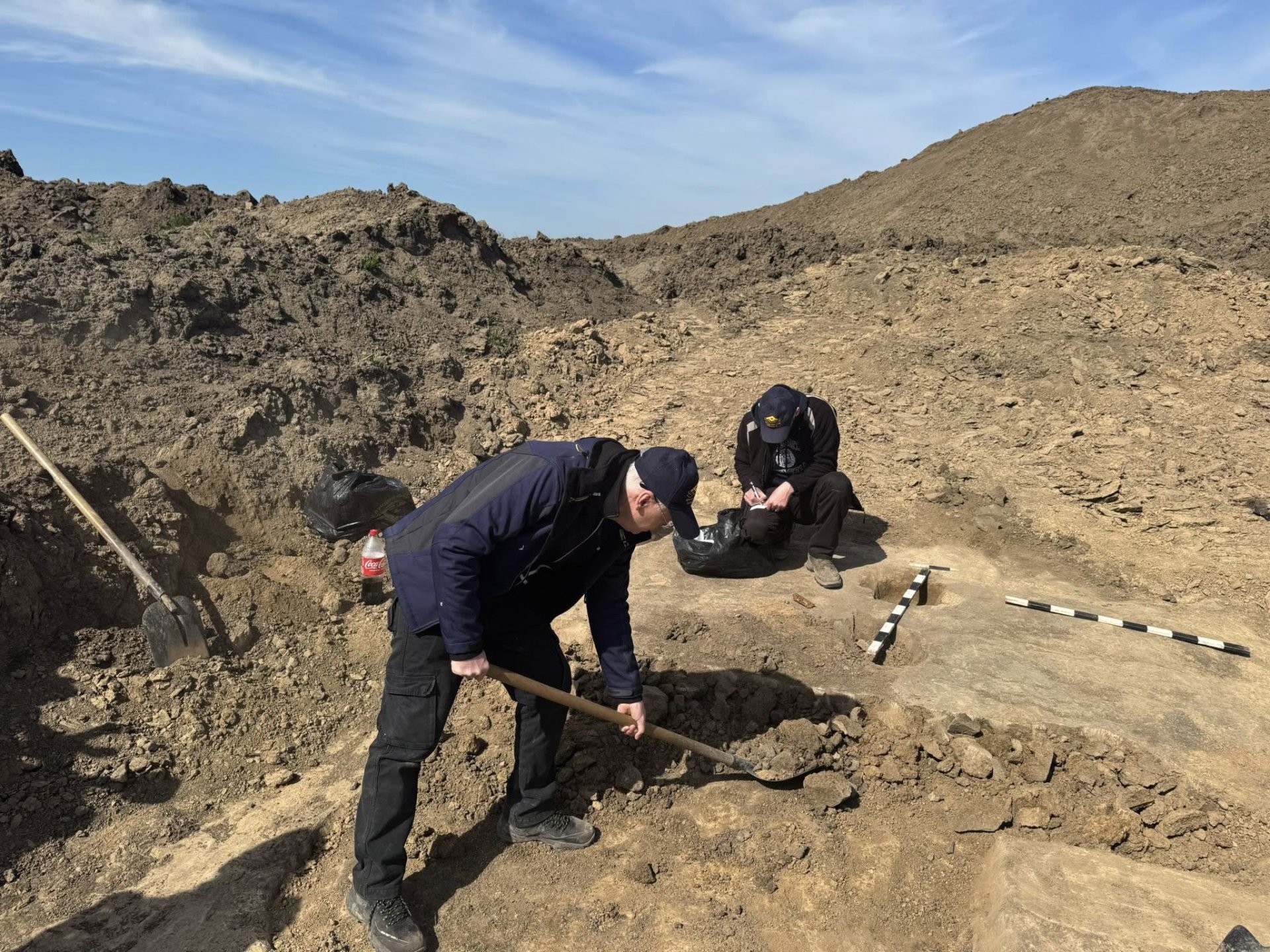
A tomb from the 3rd century BC has been discovered in the tumular necropolis at Gura Bacului, east Moldova, an archaeological site attributed to the Scythian culture of the Late Iron Age. The discovery is considered important for the study of funerary practices among late Scythian communities in the lower Dniester region and brings new information about the archaeological heritage of Moldova.

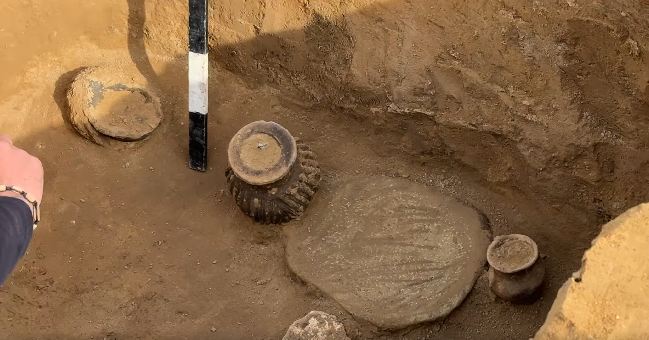
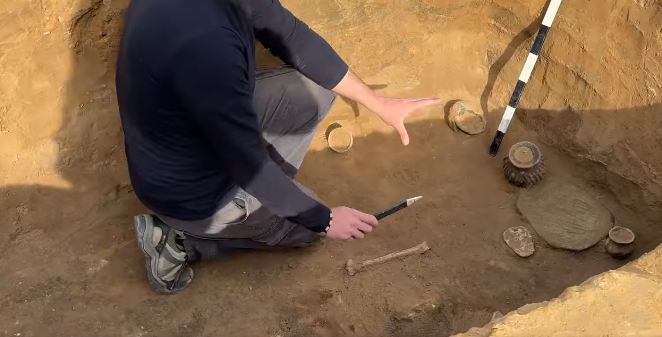
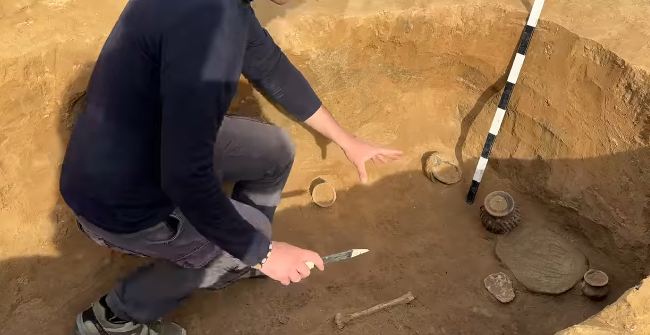
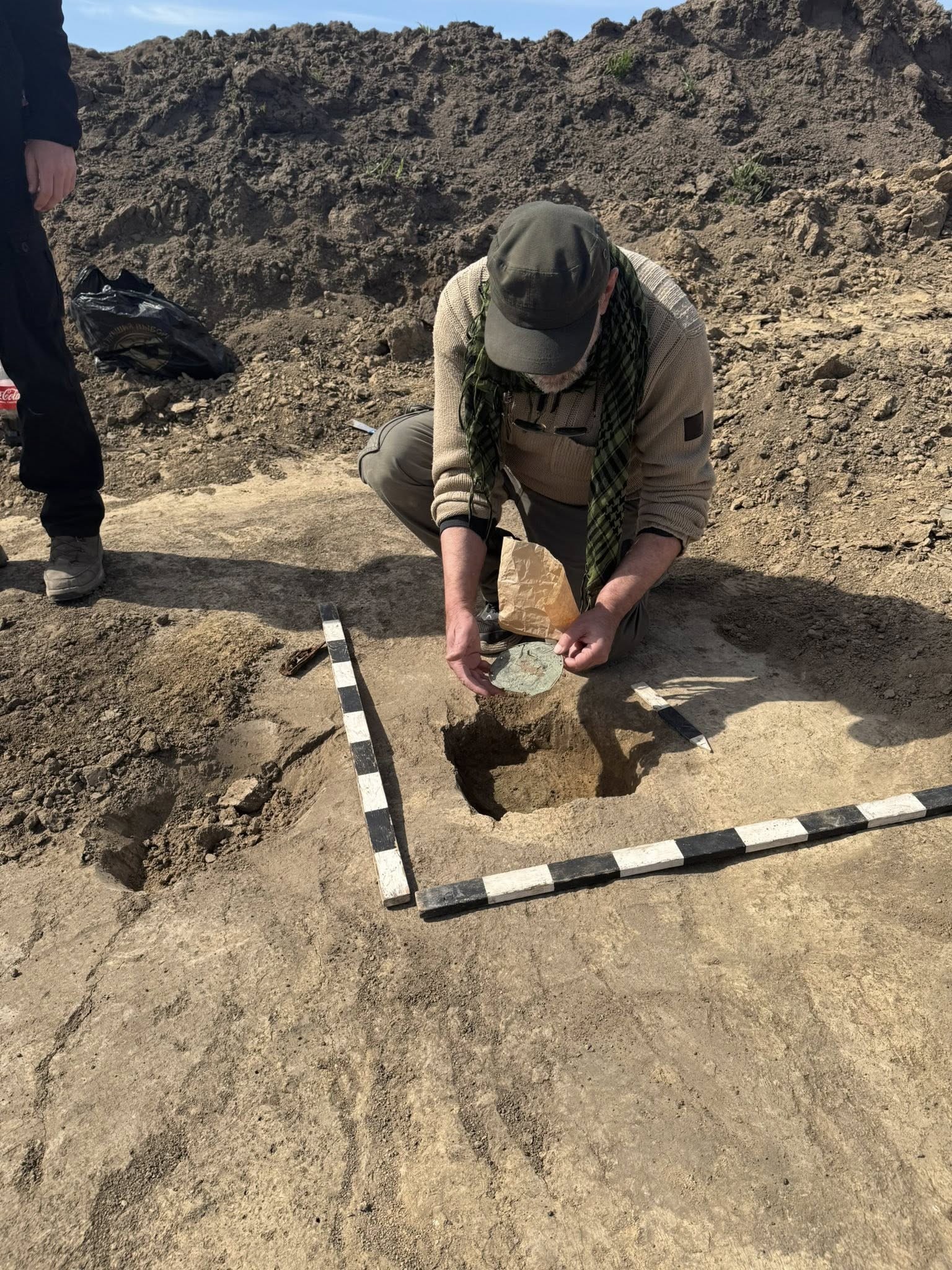
According to specialists from the National Archaeological Agency, the funerary complex consists of a burial chamber, an access shaft and a dromos, the corridor leading to the actual funerary chamber. Inside, more grave goods were found, including ceramic vessels, arrowheads, beads, a sheathed knife and a worked stone that archaeologists believe may have served as a small altar.

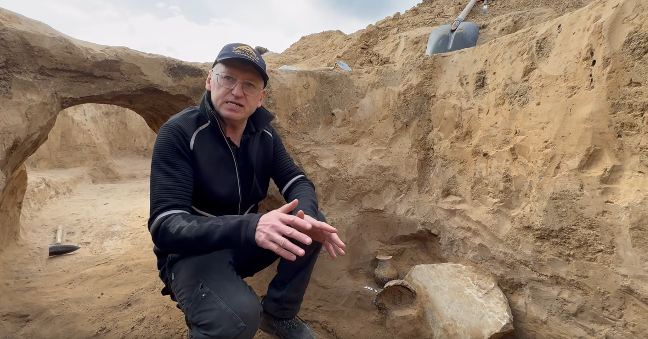
"We are investigating a burial mound and here we have discovered a tomb from the 3rd century BC, consisting of a funerary chamber, an access shaft, and an access passage. In the funerary chamber, more items were identified – ceramic vessels, a worked stone that probably represented a small altar, a censer and other objects typical of Scythian populations," representatives of the agency said.

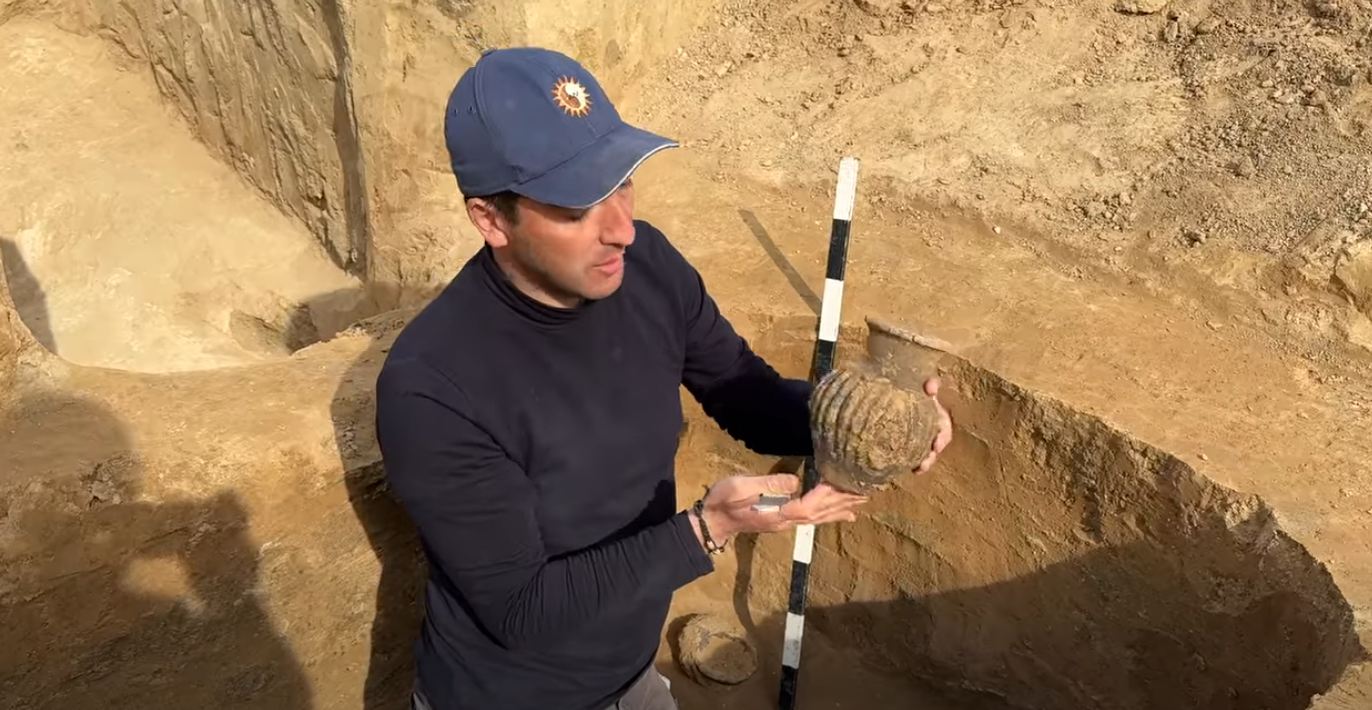
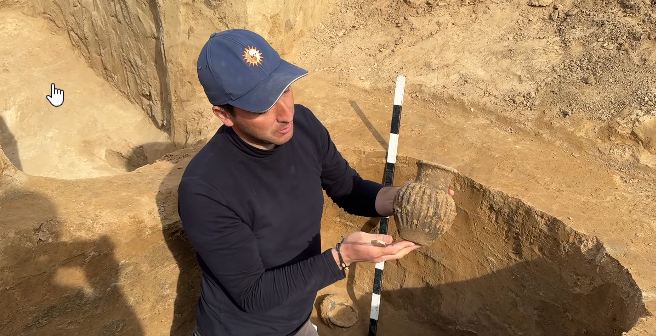
One of the most valuable finds is a ceramic censer specific to Scythian necropolises from the 3rd–2nd centuries BC, considered a rare piece for the national archaeological heritage.

"This censer is a unique vessel for the archaeological heritage of Moldova and will be an exceptional piece for the National Museum of History," the researchers noted.

The director of the National Archaeological Agency, Vlad Vornic, said that the rescue excavations were in full swing and that the tomb had not yet been completely uncovered.

"We are inside an interesting funerary complex, consisting of an entrance chamber and a dromos. In the south-eastern part of the funerary chamber, we already have more important discoveries: a polished stone, an intact vessel and other objects typical of Scythian necropolises from the 3rd–2nd centuries BC. We hope to identify additional items as the research continues," said Vlad Vornic.

Archaeologists say that the new discovery adds to existing data on the tumular necropolis at Gura Bacului and reconfirms the outstanding scientific and heritage value of the site. The research will continue throughout May.
 Facebook
 Instagram
 X/Twitter
 Telegram
PHOTO // Rare publications dedicated to Grigore Vieru donated to Parliament Library by poet’s son
VIDEO // EU Ambassador recites poem written by her daughter in Romanian
Romanian Language Day celebrated in Chișinău through Great National Dictation and cultural events
BTA: Javor Gardev’s Production of Euripides’ “The Bacchae” Returns to Athens with Performance at Lycabettus Theatre
PHOTO GALLERY // “Serenades in Butuceni”: Story of concert told through pictures
BTA: Javor Gardev’s Production of Euripides’ “The Bacchae” Staged at Ancient Theatre in Dion
PHOTO GALLERY // Thousands celebrate Independence of the Republic of Moldova in Great National Assembly Square
Ministry of Culture launches call for offers to translate national book abroad
Romanian-language TV programmes, domestic content to have a greater share in audiovisual space of Moldova; legislative initiative supported by parliament
Moldova to have new law on mass media's activity, aligned with European standards
Moldova and United States discuss strengthening cooperation in culture and media
Commission to nominate 2026 national award laureates approved
Diaspora Days // Story about Moldova told through colors
Diaspora Forum // “The Seven Wonders of Moldova” – project aiming to bring diaspora children closer to country of origin
Moldovan PM has meeting with U.S. Ambassador
Moldovan president awards Order of Honour to honorary consuls of Moldova in Denmark, Brazil
Moldovan president receives letters of accreditation on behalf of new ambassadors of United States, Turkey, Canada, Saudi Arabia, Algeria
Moldova denounces agreement on cooperation between Commonwealth of Independent States member countries on combating crime in transport
Revenues of 63.3 billion lei collected in Moldova's national public budget in first half of 2026
Moldovan president to pay working visit to Finland
VIDEO // Moldovan PM speaks about insolvency administrators’ activities
 National Bank of Moldova
Moldovan PM meets Ambassador of Kingdom of Saudi Arabia
Moldovan PM has meeting with U.S. Ambassador
Moldovan president awards Order of Honour to honorary consuls of Moldova in Denmark, Brazil
Moldovan president receives accreditation letters on behalf of new ambassadors of United States, Turkey, Canada, Saudi Arabia, Algeria
Moldovan parliament’s standing bureau approves agenda for plenary meeting scheduled for October 2

Moldovan president to pay working visit to Finland
VIDEO // Moldovan PM speaks about insolvency administrators’ activities
Moldovan deputy PM for reintegration, delegation from Germany’s Federal Ministry for Economic Cooperation and Development discuss development projects benefiting residents on both banks of Dniester
Moldovan pupils propose draft laws on first job, free transportation, psychological counseling at sixth edition of educational game “LAW for YOU(th)”
Government seeks solutions to increase budget for energy compensation during cold season
VIDEO // Country's energy resource supply amid state of emergency: Energy Minister presents updated information
Fuel prices to fall in Moldova on October 1: drivers to pay less for petrol, diesel
Foreign Ministry condemns violation of Moldova’s airspace by drone
VIDEO // Prime Minister about situation on Dniester River: We must focus on solutions, not point fingers where cause of problem does not lie
National Army preparing projects for systems capable of intercepting drones and missiles
New actions for competitiveness and modernization of industrial sector
Office for Implementation of Strategic Projects “Moldova Proiect” to accelerate major infrastructure investments
More financing and development opportunities for small and medium-sized enterprises
Creation of Office for Implementation of Strategic National Infrastructure Projects approved by Government
Moldova’s energy strategy for 2026–2050 approved by Government
Breaking news
New drone flew over airspace of Moldova in Lunga, Dubăsari
Receive the latest news directly to your email

Receive the latest news directly to your email