
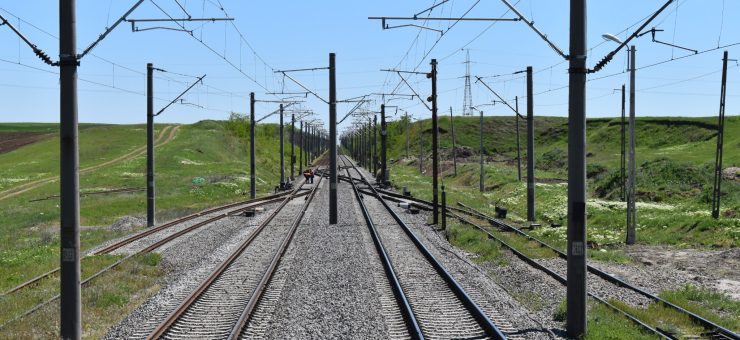
Faster, greener European rail: Chișinău–Ungheni line enters electrification phase
The Republic of Moldova is beginning the modernization of its railway transport by electrifying the Chișinău–Ungheni line, a strategic project that will bring the national infrastructure closer to European standards.

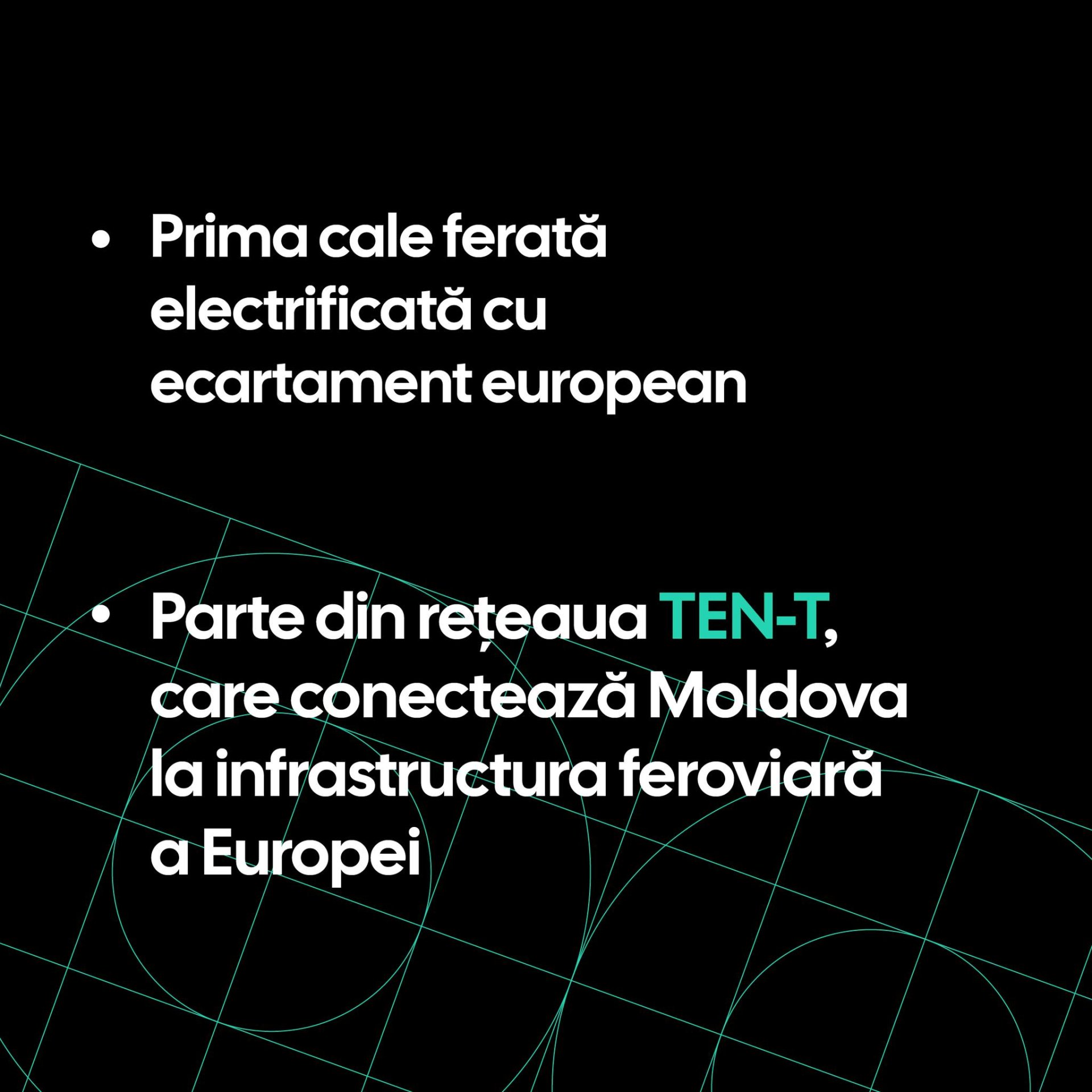
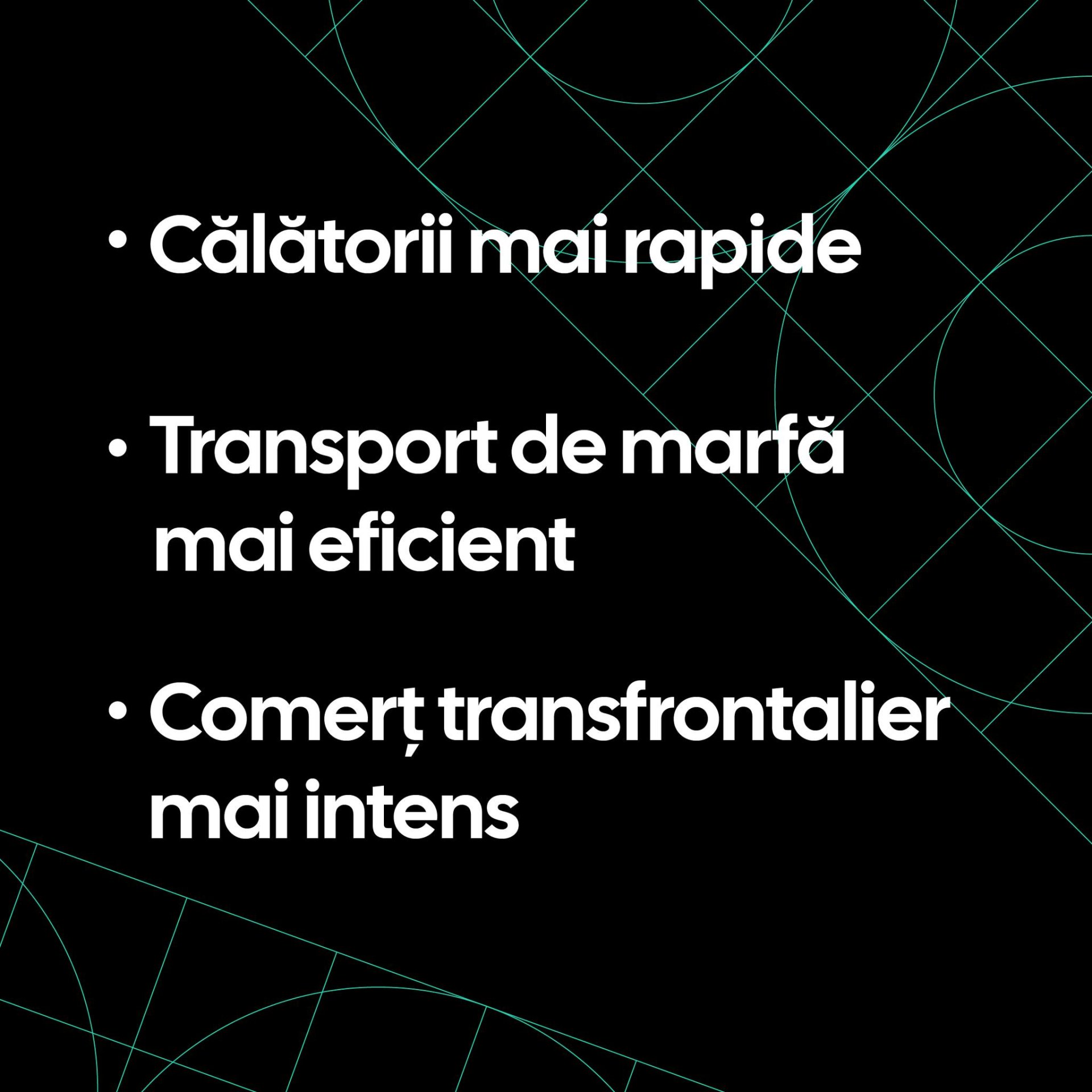
According to the EU Delegation to the Republic of Moldova, the Chișinău–Ungheni segment will become the first electrified railway in the country and will allow trains to run at speeds of up to 140 km/h. This will reduce travel time and make freight transport more efficient and competitive.

The project also includes connecting Moldova’s railway infrastructure to the European TEN-T network, facilitating integration into regional transport corridors and strengthening economic ties. Railway electrification is an important step towards sustainable transport, with authorities emphasizing that it will help reduce carbon emissions and increase energy efficiency. The initiative is part of a broader transport infrastructure modernization program focused on sustainable development and alignment with European Union standards.

Previously, Deputy Prime Minister, Minister of Infrastructure and Regional Development Vladimir Bolea announced that this year the feasibility study will be completed for the construction of the first electrified railway line with European gauge on the Chișinău–Ungheni segment.

In Chișinău the electrified railway line will extend to the vicinity of the Airport. It will be a continuation of the electrified railway section starting in Iași and reaching Ungheni.

“We are talking about a railway built from scratch, in line with European requirements and design, fully electrified, with European gauge and a minimum train speed of 140 km per hour,” said Bolea.

The official noted that the project will ensure direct connection to the modern European railway network.

“It will be the train that will initially connect the Republic of Moldova to Bucharest, but later, when the Romanian side completes the construction project from Iași to Pașcani and from Pașcani northwards towards the European Union, we will be able to reach, via Ungheni, any city in the European Union by high-speed train running at 140–160 km/h,” Bolea added.

The Ministry of Infrastructure and Regional Development announced that the project’s pre-feasibility study is being carried out with the support of the Eastern Partnership Connectivity Investment Facility (EPIC), an initiative that contributes to the development of sustainable infrastructure and the expansion of the European transport network.
 Facebook
 Instagram
 X/Twitter
 Telegram
Vignette payment now available online via EVO government platform
DOC // Published in Official Journal of Moldova: special measures to protect energy system, reduce consumption during state of emergency enter into force
Tax exemptions for eastern districts of Moldova to be gradually eliminated
Salary increases for more categories of public sector employees not to be postponed in Moldova
What state of emergency in energy sector means: explanations of Moldova's Energy Ministry
Energocom: electricity needs for March 25 fully covered in Moldova
Isaccea–Vulcanesti power line stays disconnected; intervention teams arrive on site, make first assessments
State institutions make efforts to avoid power cuts
Government to change mechanism for setting transport fares
Government introduces measures to manage state of emergency in energy sector: prioritizing consumption and securing fuel stocks
Over 3,600 tons of gasoline and diesel imported into Moldova on Tuesday
VIDEO // Minister of Energy explains reasons behind declaration of state of emergency
PHOTO // Moldova's energy minister pays unannounced visit to Vulcanesti substation
Director of National Crisis Management center says proposal on declaring emergency state measure to protect national security of Moldova
Prosecutor’s Office provides new details on investigation into death of Ludmila Vartic
Faster, greener European rail: Chișinău–Ungheni line enters electrification phase
Moldova, Romania to sign Agreement on extending coordinated control at Leuseni–Albita border crossing point
Driving licenses issued in Moldova to be recognized in Ireland
 National Bank of Moldova
President to pay visits to Finland and Latvia
Moldova switches to daylight saving time on night of March 28 to March 29
Moldovan government joins Earth Hour international initiative
Moldovan president, EU Commissioner for Justice discuss accelerating justice reforms
Moldovan PM has discussions with European Commissioner for Democracy, Justice and the Rule of Law


Exhibition, Queen Marie and Chisinau, opened at National Museum of History of Moldova
Moldovan president to meet Moldovans living in Ireland
Moldovan government joins Earth Hour international initiative
Increased flow of passengers in Moldova on eve of Easter holidays; Customs Service head announces measures to streamline traffic
Moldova switches to daylight saving time: clock hands to be moved forward by one hour
Moldovan president, EU Commissioner for Justice discuss accelerating justice reforms
PHOTO // Professional training in urology: resident physicians of Moldovan Medical University participate in European study programme
Judge’s Day established in Moldova
Moldovan PM has discussions with European Commissioner for Democracy, Justice and the Rule of Law
Electricity consumption decreases by 3 per cent in Moldova on March 26; energy minister describes this as important result of efforts of all country's consumers
VIDEO // Energy minister says solidarity of European partners helps country overcome energy crises
PHOTO // Moldovan defense minister meets Slovak counterpart; regional security, strengthening national resilience on agenda
Moldovan PM has meeting with Romania’s economy minister
EU provides additional support for justice reform in Moldova
Moldova again avoids power cuts through emergency measures, regional cooperation
President conveys message at Assembly of Judges
Receive the latest news directly to your email

Receive the latest news directly to your email