
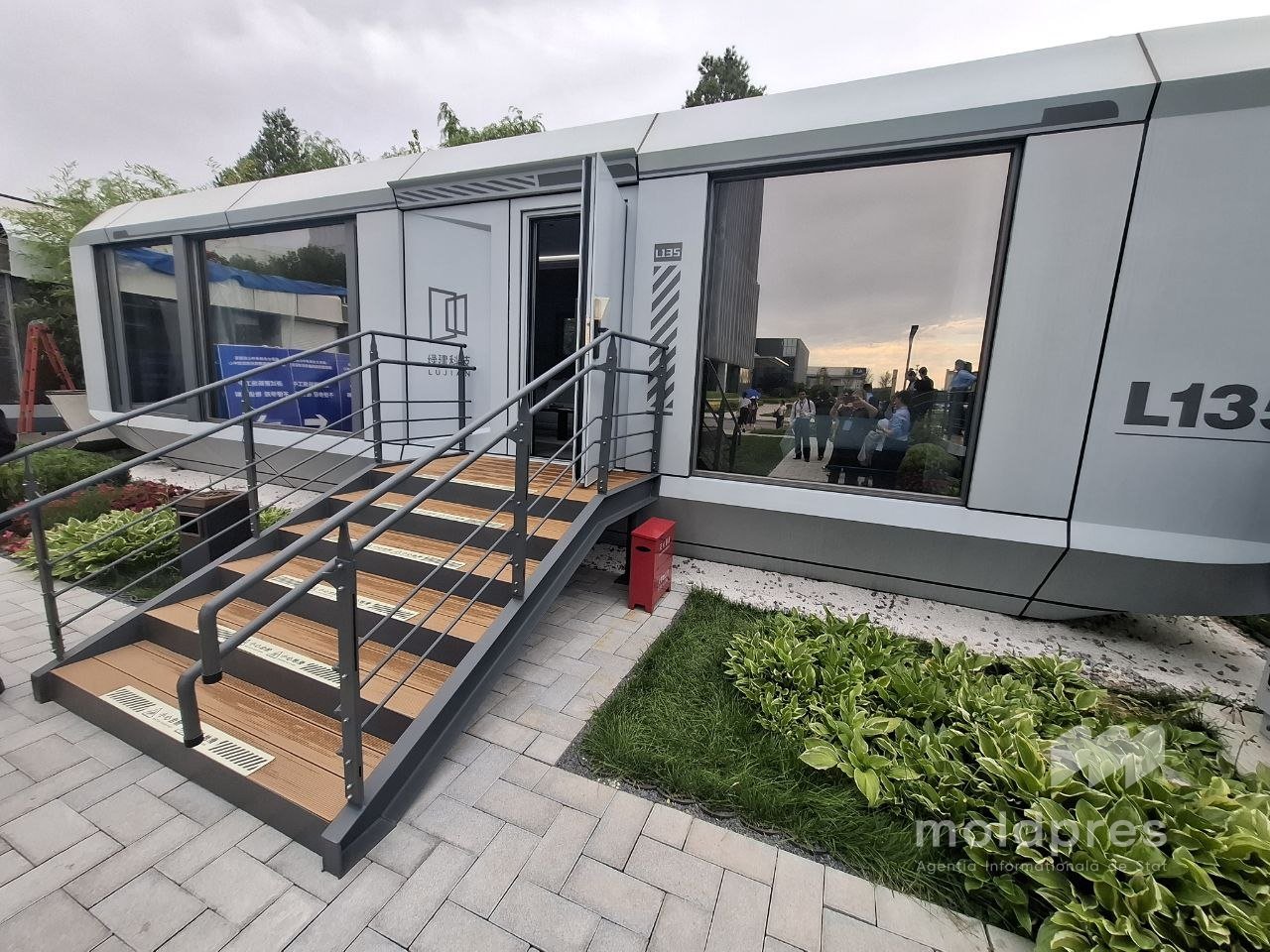
Chinese smart home model might become source inspiration for Moldova
A house that regulates its own temperature, uses up to 90 percent less energy for heating and cooling, purifies indoor air, eliminates formaldehyde, generates negative oxygen ions and protects its residents from outside noise. For many people, this sounds like a glimpse of the future. In China, however, these homes represent already a reality.

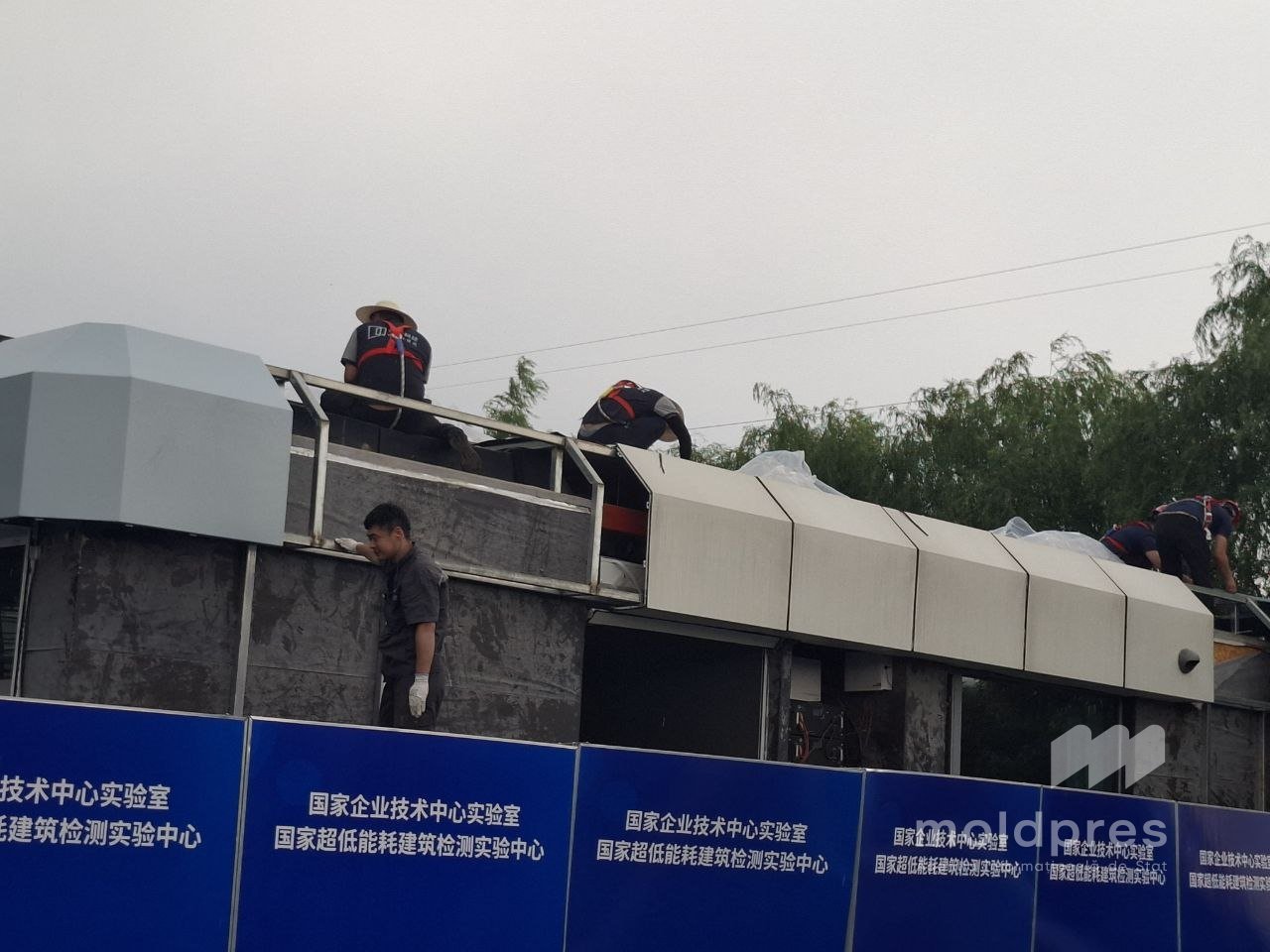
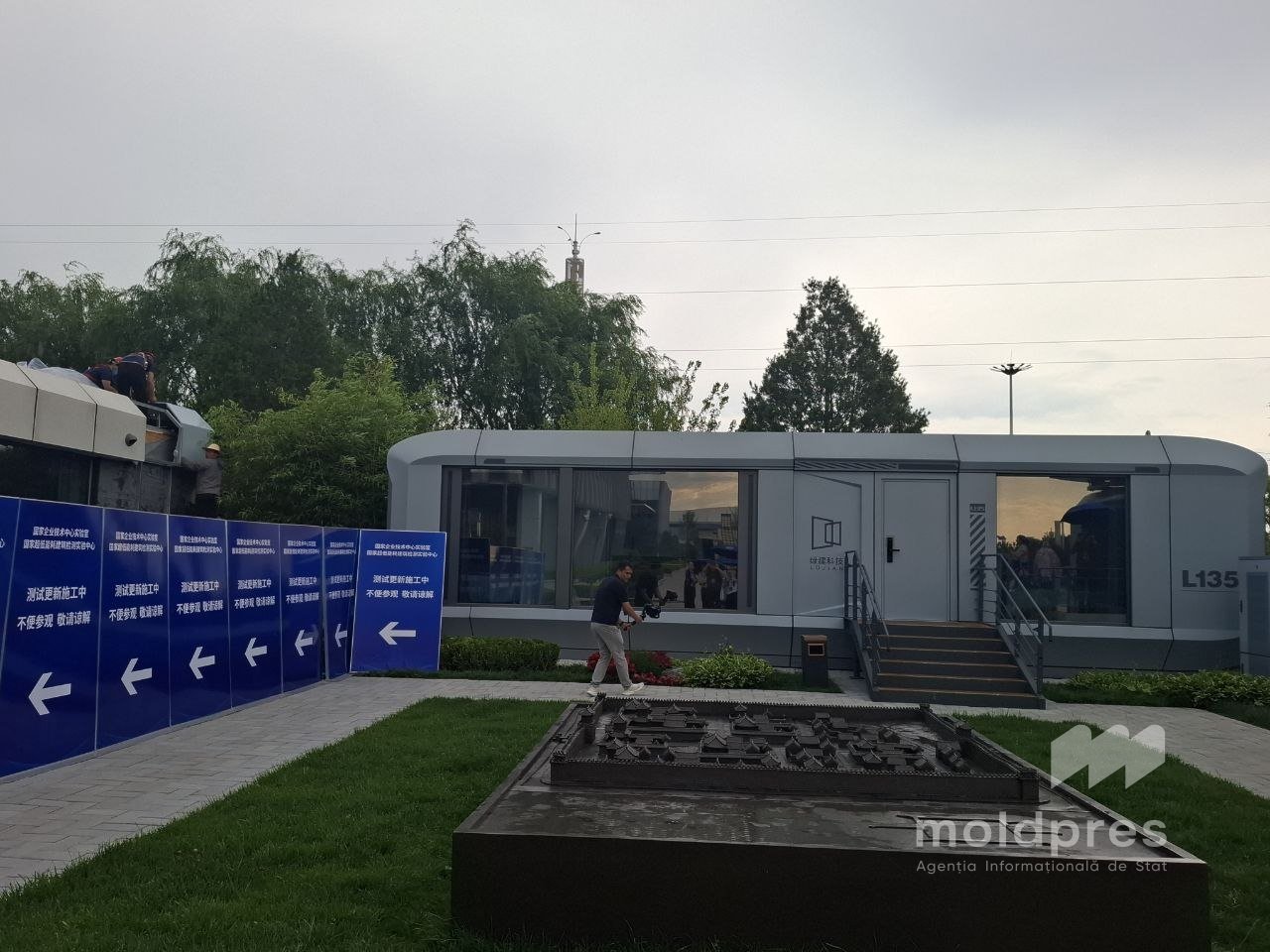
Сity of Gaobeidian, one of China’s most important hubs dedicated to green and smart construction, where the Aorun Shunda corporation operates. Over almsot four decades, the company has become one of the global leaders in the field of energy‑efficient buildings.

A house that saves money every month

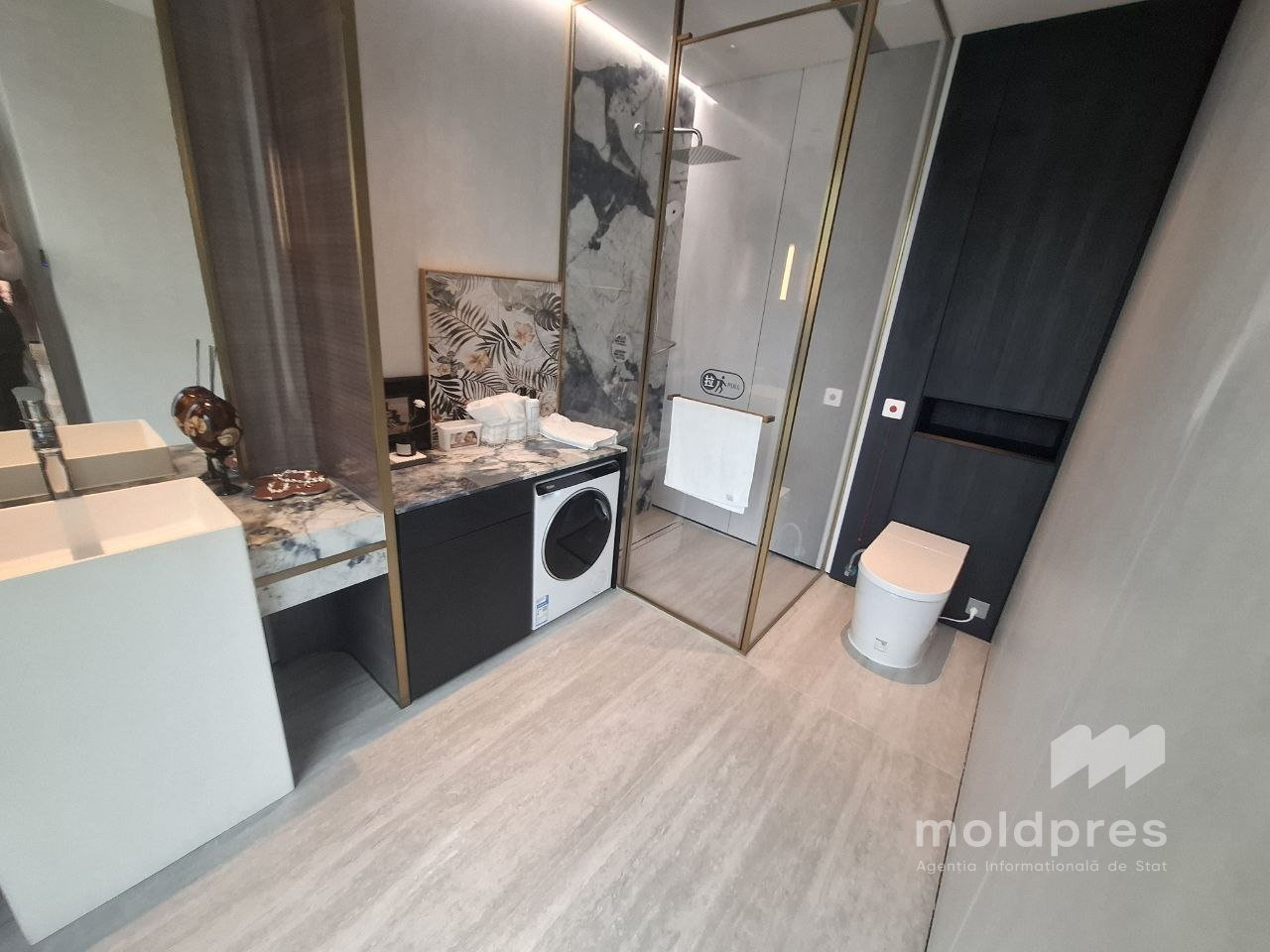
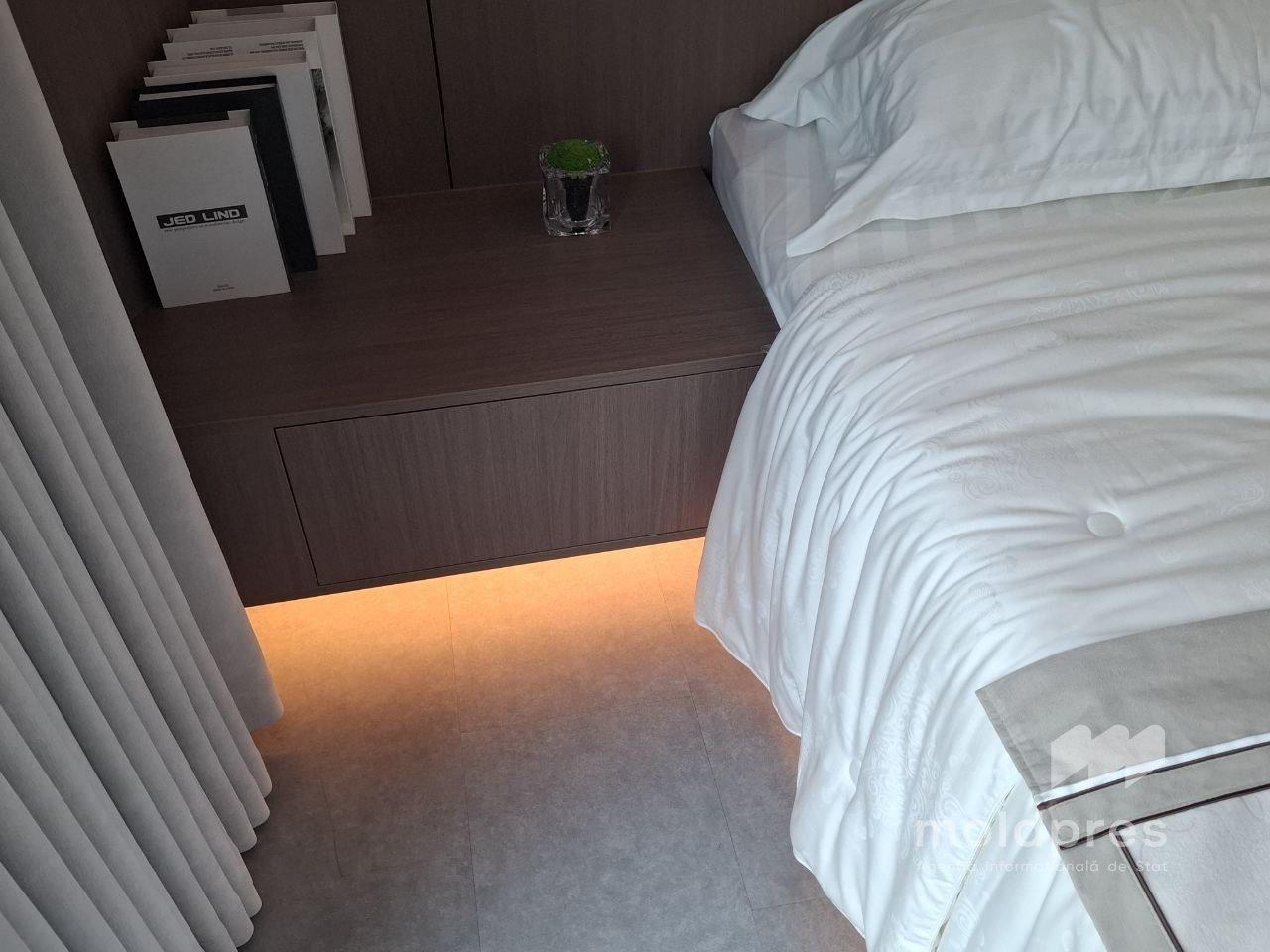
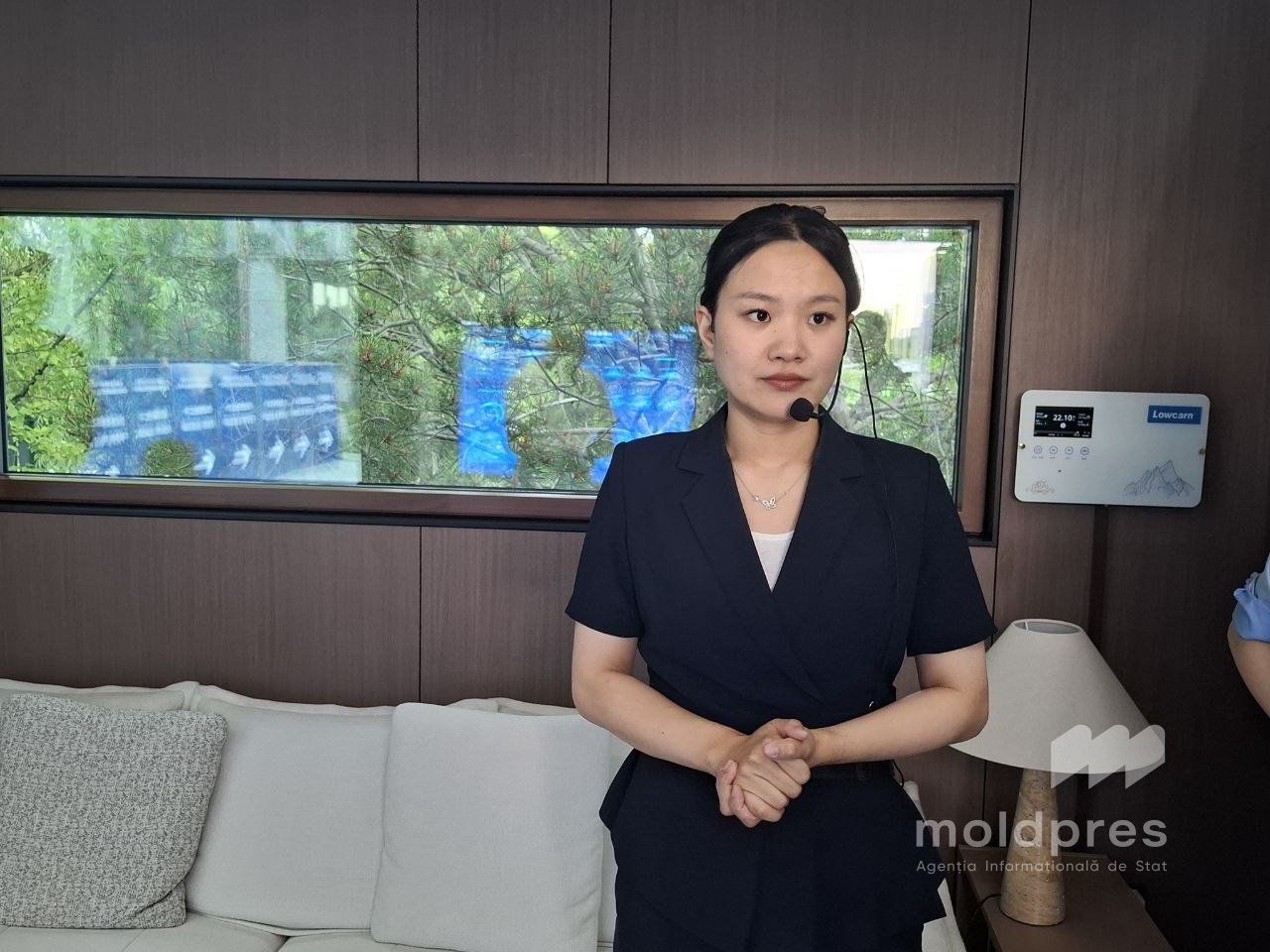
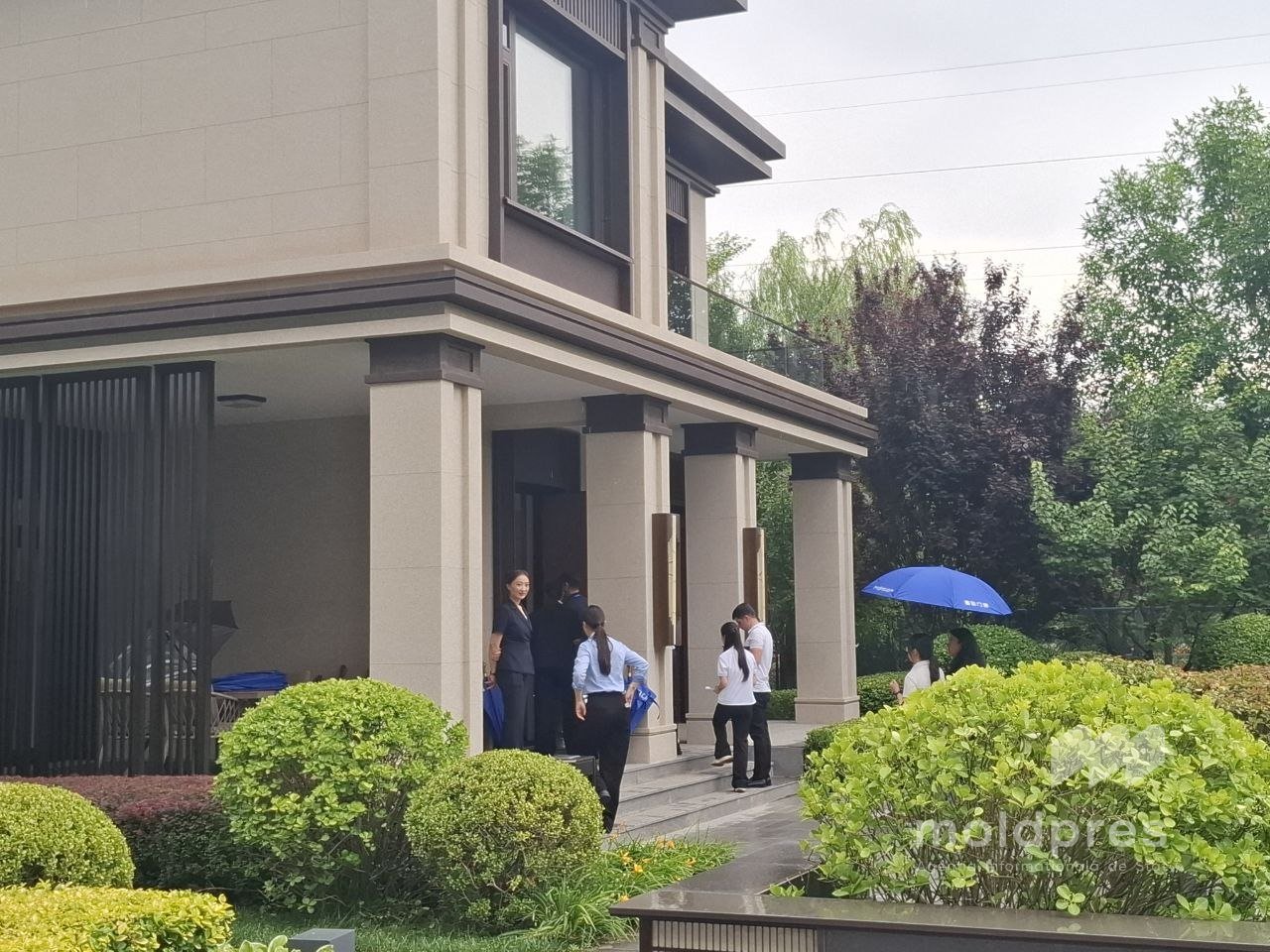
The visit begins in a smart home where the first thing you notice is... the silence. Special windows block outside noise and the temperature remains constant whether it is over 35 degrees outside or freezing cold.

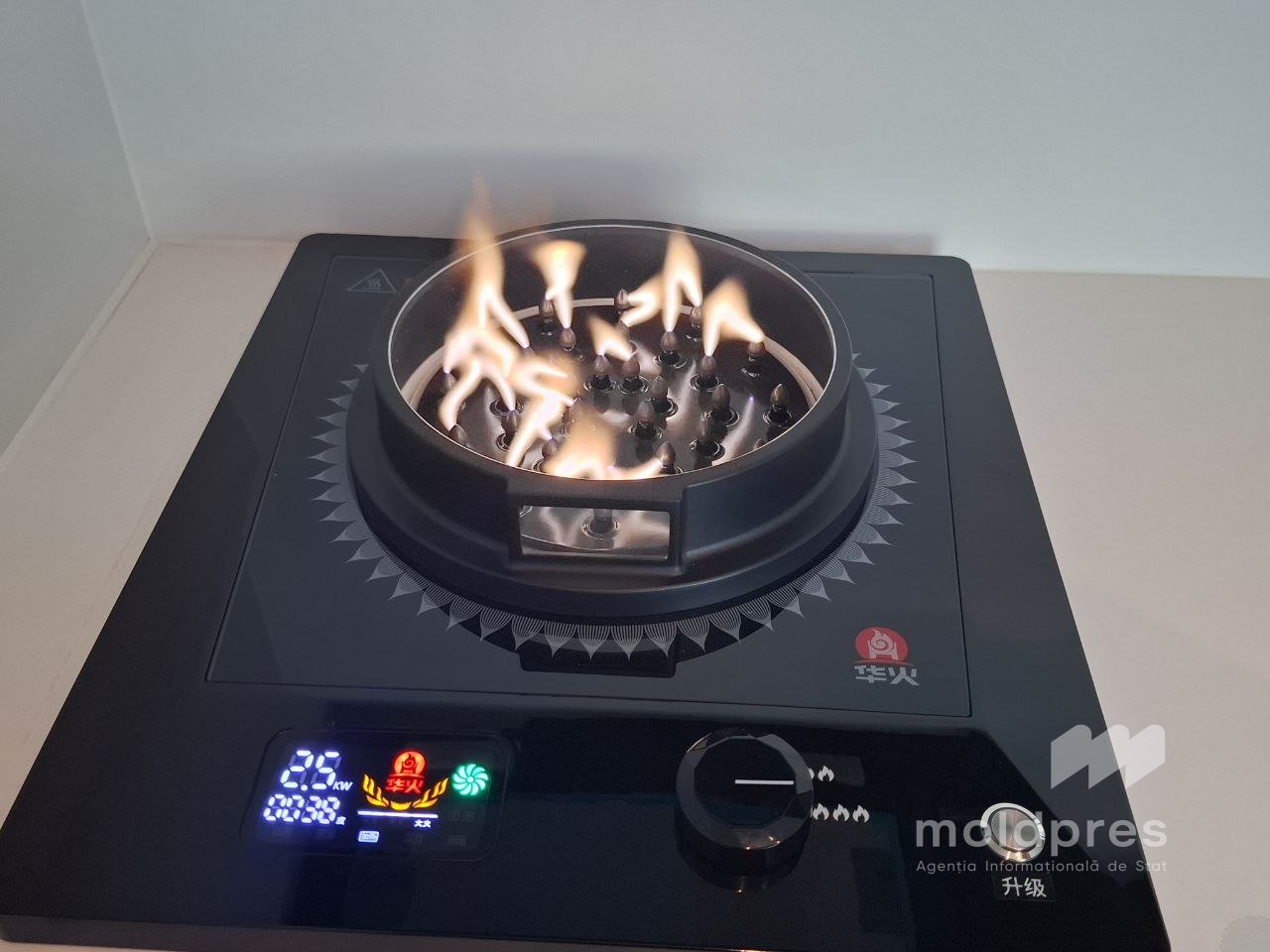
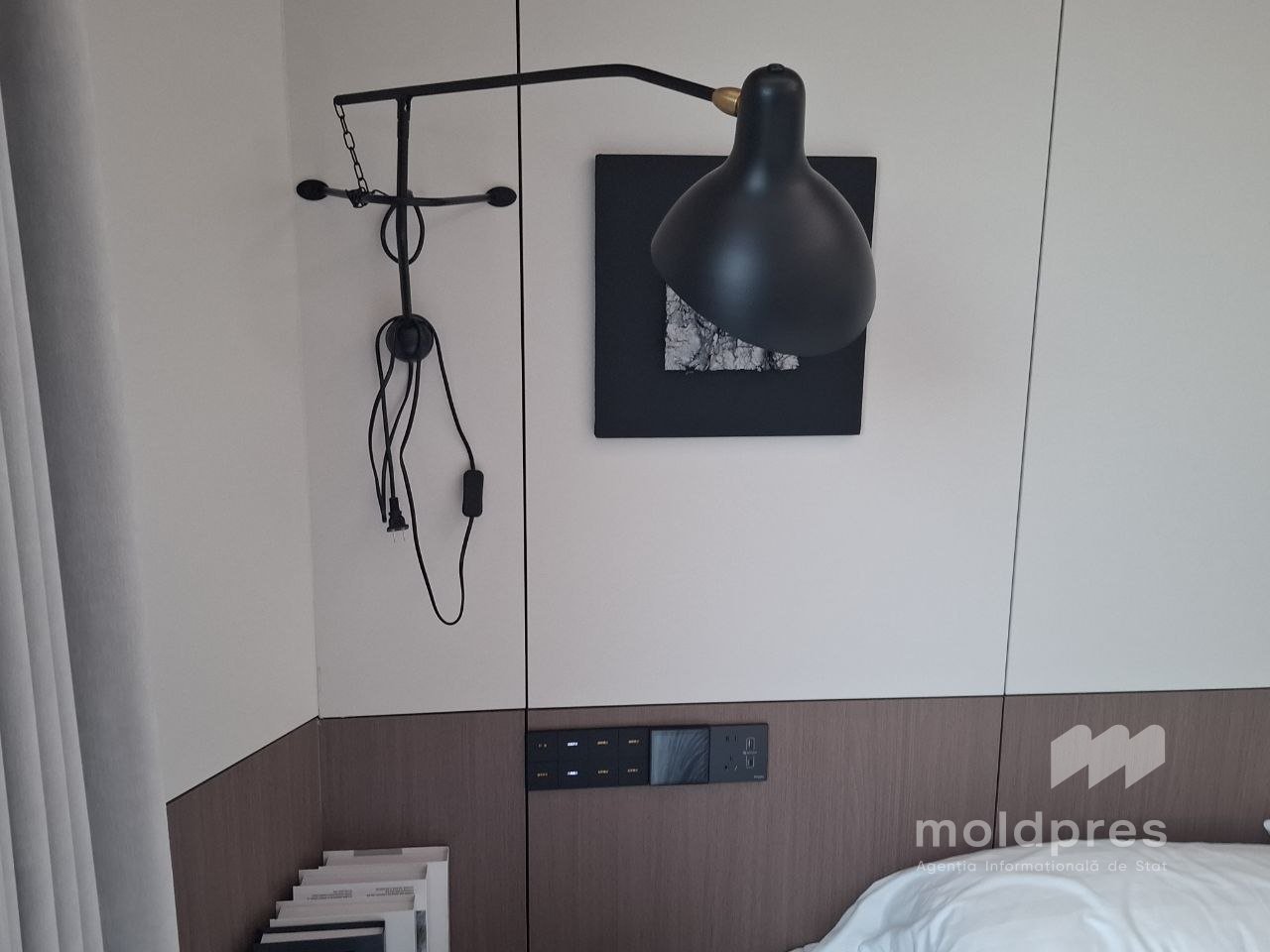
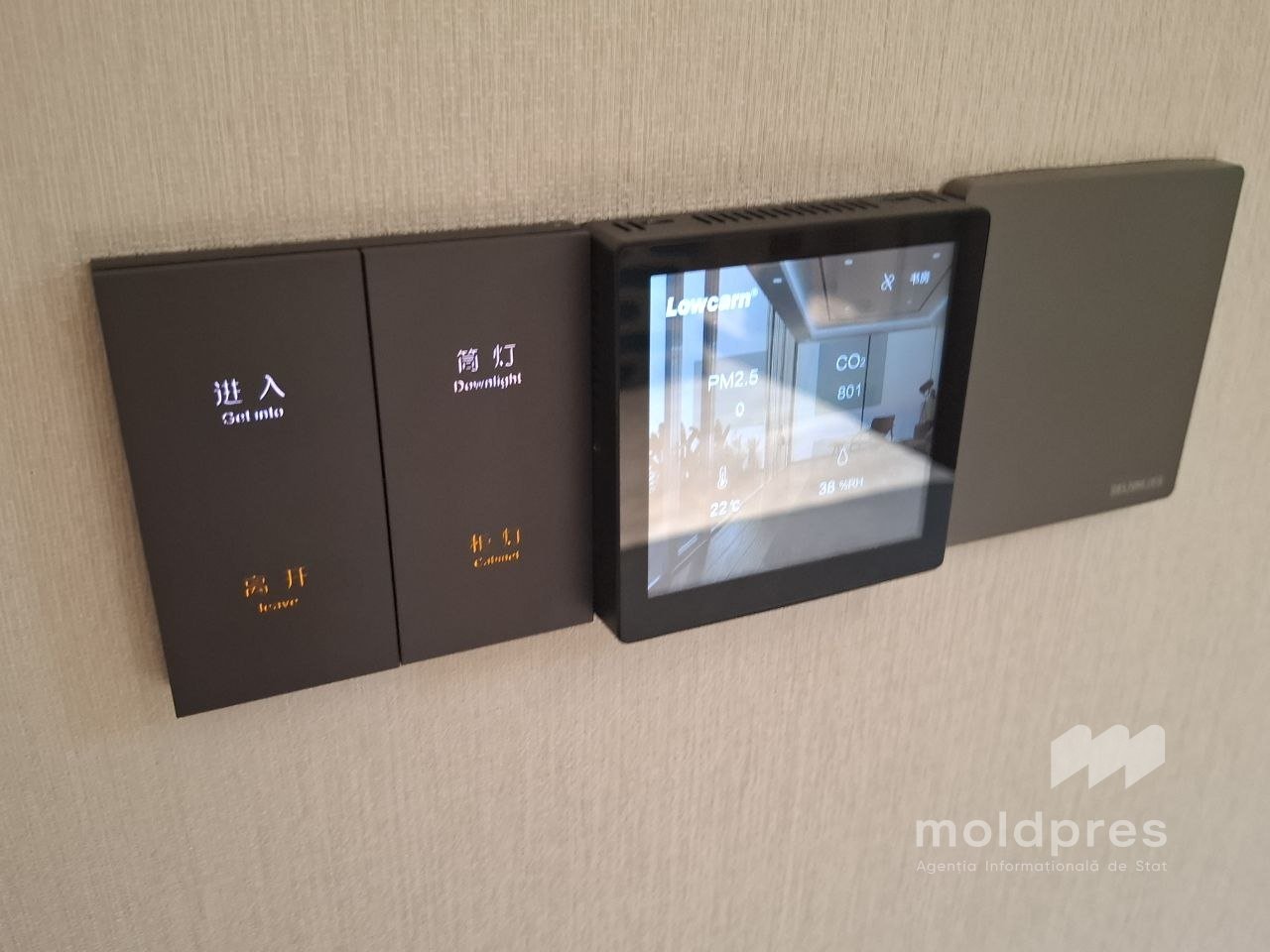
There are no traditional radiators and air conditioners are almost unnecessary. The entire indoor climate is controlled by an intelligent system that continuously regulates temperature, humidity and air quality.

According to the company’s specialists, these buildings use several times less energy than conventional constructions, which means significantly lower invoices for owners over the entire life cycle of the home.

The initial investment is higher than for a traditional house, but the additional costs are gradually recovered through savings on heating, cooling and maintenance.

Intelligence starts with the walls and windows

While in many countries the concept of a “smart home” is associated mainly with lighting or appliances controlled by phone, in China the emphasis is on the energy efficiency of the entire building.

The passive windows developed by the company are considered the key element of the construction. They reduce heat loss, limit overheating during the hot season, and decisively contribute to lowering energy consumption.

They are complemented by intelligent shading systems, high‑performance materials for wall insulation, automated installations for microclimate control and integrated systems for energy circulation.

Cleaner air indoors than outdoors

Another impressive aspect is the concern for residents’ health.

The buildings developed by the company use technologies that eliminate formaldehyde from the air through active manganese ions and generate negative oxygen ions, helping to improve indoor air quality.

In addition, intelligent systems continuously monitor carbon dioxide levels, humidity and temperature, automatically adjusting system operation to maintain an optimal climate.

How much a smart home costs

According to company representatives, asked by the MOLDPRES correspondent, the final cost of building a smart home constructed at Chinese energy‑efficiency standards and equipped with integrated smart systems is estimated at about 2,000 dollars per square meter.

Thus, a dwelling with an area of 80 square meters would require an investment of around 160,000 dollars.

At first glance, the amount may seem high compared with a conventional construction. However, specialists say that the analysis must be made in the long term. Such a house significantly reduces energy consumption for heating and cooling, requires lower maintenance costs, and offers a higher level of comfort and safety. In addition, the long service life of the materials and the energy efficiency allow for gradual recovery of the investment through savings on utilities.

For Moldova, where energy invoices represent a major burden for many families, such solutions could become increasingly attractive, especially if accompanied by support programmes, green loans, or subsidies for energy‑efficient buildings.

A city built around green technologies

Gaobeidian is home to more than just a successful company. Around Aorun Shunda, a real industrial cluster has developed, bringing together over one hundred enterprises specialized in all components of smart and energy‑efficient construction.

Here, manufacturers produce high‑performance glass, special profiles, thermal insulation materials, sealing systems, intelligent climate control installations, water treatment technologies and digital solutions based on data analysis.

The products developed in this industrial center reach five continents and are used in more than 30 countries.

The company has participated in landmark projects, including for the G20 summit, the ASEM (Asia-Europe Meeting) summit in Mongolia and the palace complex of the Emir of Kuwait.

What Moldova can learn

China’s experience shows that investments in energy efficiency mean not only environmental protection, but also substantial savings for the population and public administrations.

For Moldova, where heating costs represent a burden both for households and public institutions, such solutions could have a significant impact.

Chinese specialists believe that technologies, such as high‑performance windows, modern thermal insulation, intelligent ventilation systems and smart energy‑consumption control, can be gradually integrated into the construction of new homes, as well as in the renovation of schools, hospitals and apartment blocks.

Such a model would help reduce energy consumption, lower carbon emissions and increase the energy independence of Moldova.

Investment in comfort becomes an investment in future

The visit to Gaobeidian shows that smart homes are no longer an experimental project, but a clear direction in the development of modern construction.

China shows that energy efficiency, digitalization and residents’ health can be integrated into a single concept, with benefits visible both in people’s daily comfort and in reducing long‑term costs.

For Moldova, which is undergoing a broad process of modernization and energy optimization, Chinese experience provides a relevant example of how smart investments in construction can transform not only homes, but also people’s quality of life.
 Facebook
 Instagram
 X/Twitter
 Telegram
Natural gas price in European exchanges stays high, amid regional situation
Investing in government securities: Ministry of Finance launches new subscription round
PHOTO // PM, after visiting companies in southern region, says products made in Moldova competitive
Moldovan energy minister explains why security stocks cannot be used to reduce gas prices
Over 20 companies from Moldova present products in Baia Mare, Romania
VIDEO // Prime Minister about privatization of Zarea Hotel: Our goal - to generate as much money as possible for state budget, while also making good use of important property in central Chișinău
VIDEO // More than 218 million lei directed toward objectives of Convergence Fund, although mechanism has not yet begun operating
Moldova strengthens public finances in line with European standards with Slovenia’s support
Mircea Esanu leaves Public Services Agency to lead Moldova Project
VIDEO // Moldova to have single structure for implementing strategic projects
EBRD lends €344 million to upgrade Moldova’s strategic road corridors
Giant grapevine to be set up in PMAN for National Wine Day
VIDEO // This year’s National Wine Day to bring together more than 110 producers in central Chișinău
DOC // Law on crypto-asset market published in Official Journal and enters into force
Farmers’ registry launched in Moldova: less bureaucracy, easier access to funding
Polish Ambassador awarded Order of Honor at end of term
Moldova International Exchange initiates admission process for capital market
European Commissioner at Moldova Business Week 2026: Whoever invests in Moldova today is investing in European success story
 National Bank of Moldova
Moldovan PM has phone conversation with Austrian chancellor
Deputy PM for reintegration has meeting with Ambassador of Kingdom of Netherlands to Moldova
“Parliament through children’s eyes”: pupils of Moldova express vision of democracy through art
Polish Ambassador awarded Order of Honor at end of term
Prime Minister to Moldova Business Week 2026 participants: Moldova can win through speed, agility and trust


Moldova International Exchange initiates admission process for capital market
PHOTO GALLERY //11th edition of Moldova Business Week starts in Chisinau
European Commissioner at Moldova Business Week 2026: Whoever invests in Moldova today is investing in European success story
VIDEO // Speaker - one year after parliamentary elections: We have made faster progress than ever on path to joining European Union
Prime Minister to Moldova Business Week 2026 participants: Moldova can win through speed, agility and trust
Moldova Business Week 2026 starts in Chișinău
Severe hydrological conditions also affect Prut river
Chișinău and Bălți residents to pay more for heating
Chișinău International Airport launches app for more accessible travel
New natural gas tariffs for final consumers approved by ANRE
Foreign Minister: 868 Moldovan citizens in Canada benefited from consular services through the “Embassy Comes Closer to You” Program
Moldovan parliamentary delegation to attend PACE autumn session
Nearly 500 children took up President’s reading challenge
Moldovan athlete becomes world champion, marking historic first for para-judo in Moldova
Prime Minister meets with UN Secretary-General
Deputy Prime Minister to visit Canada: talks on strengthening bilateral relations and developing economic partnerships
Receive the latest news directly to your email

Receive the latest news directly to your email