
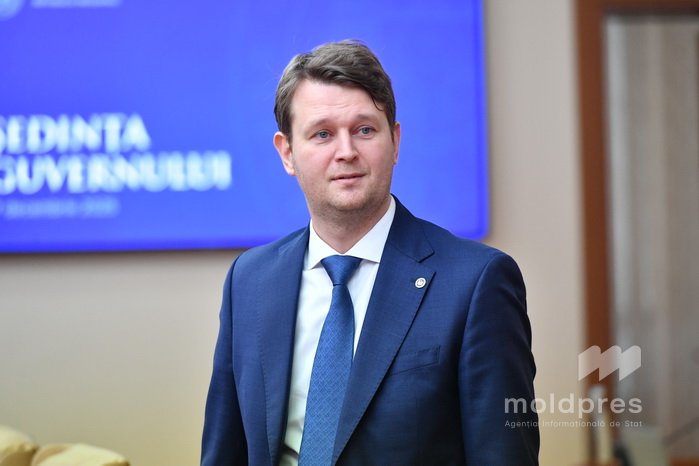
MOLDPRES INTERVIEW // Moldovan finance minister says government aims to modernize financial system for benefit of businesses, citizens
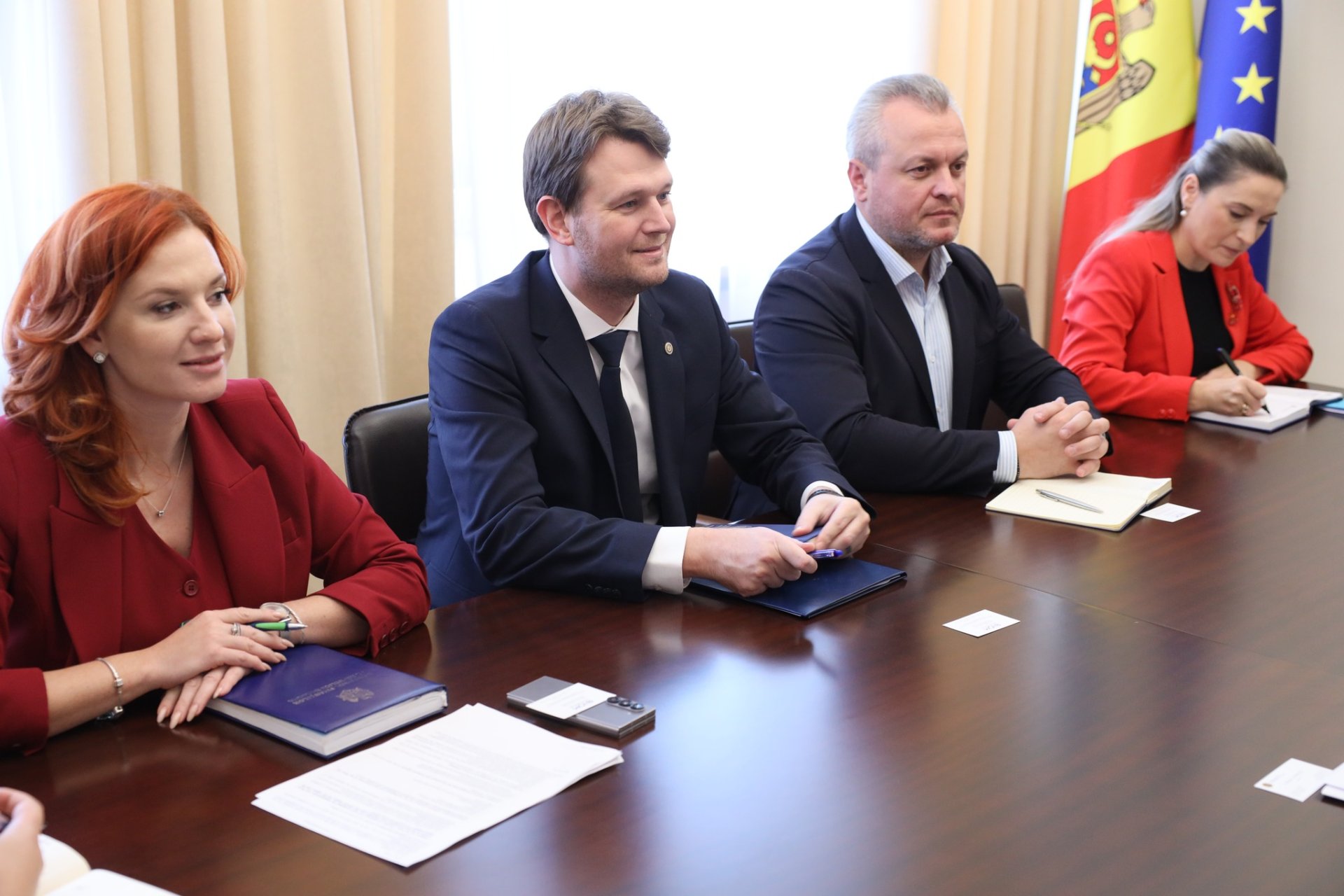
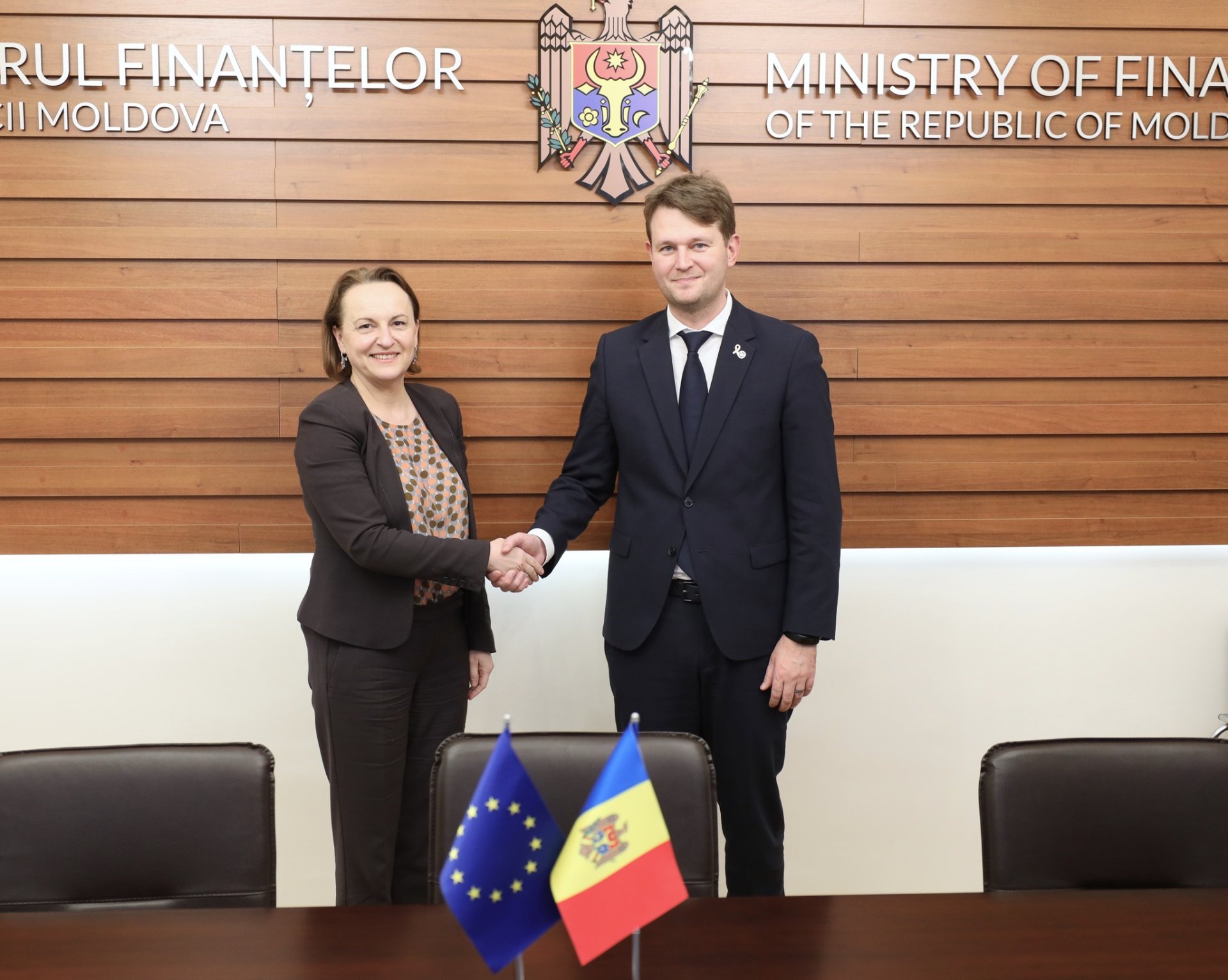
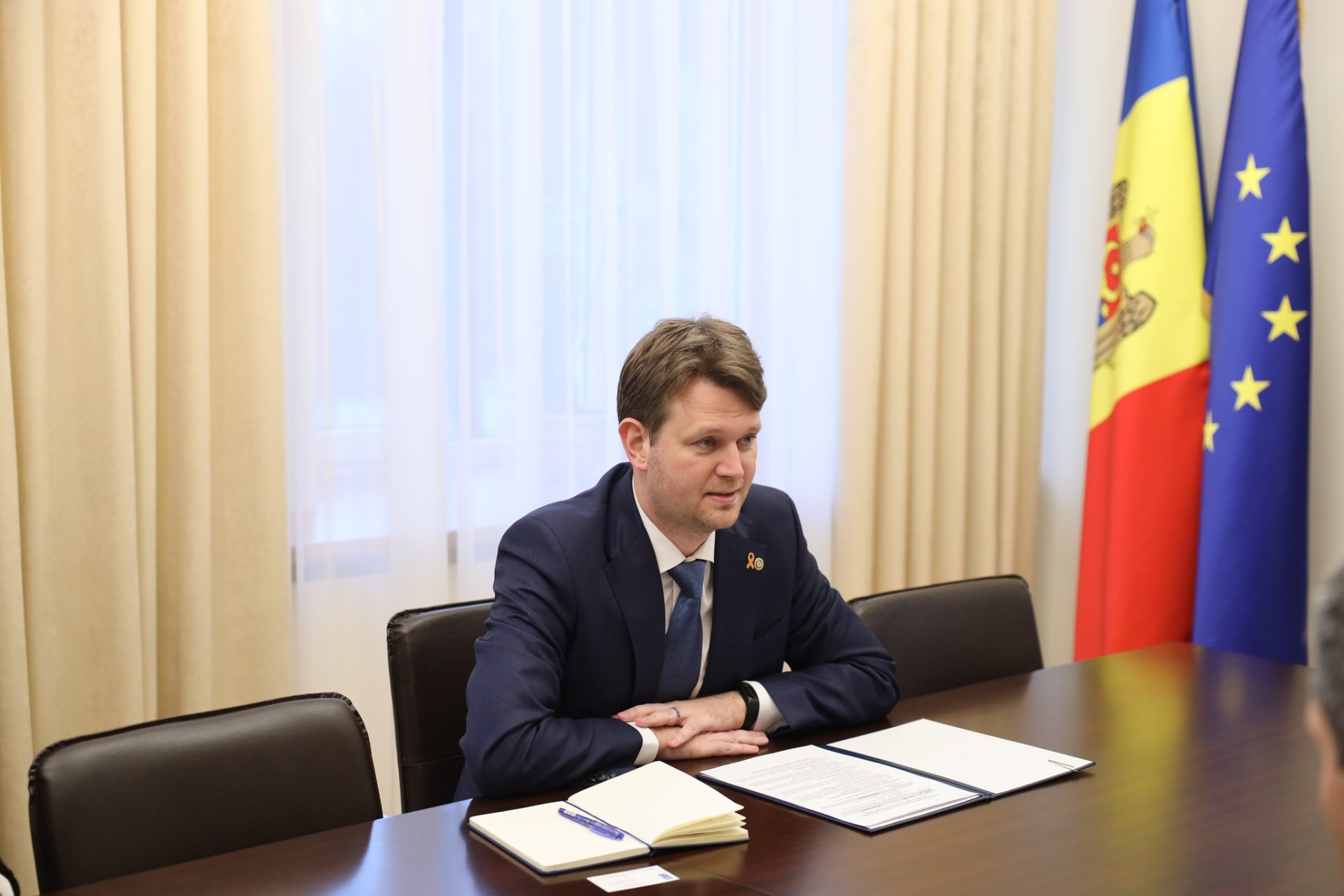
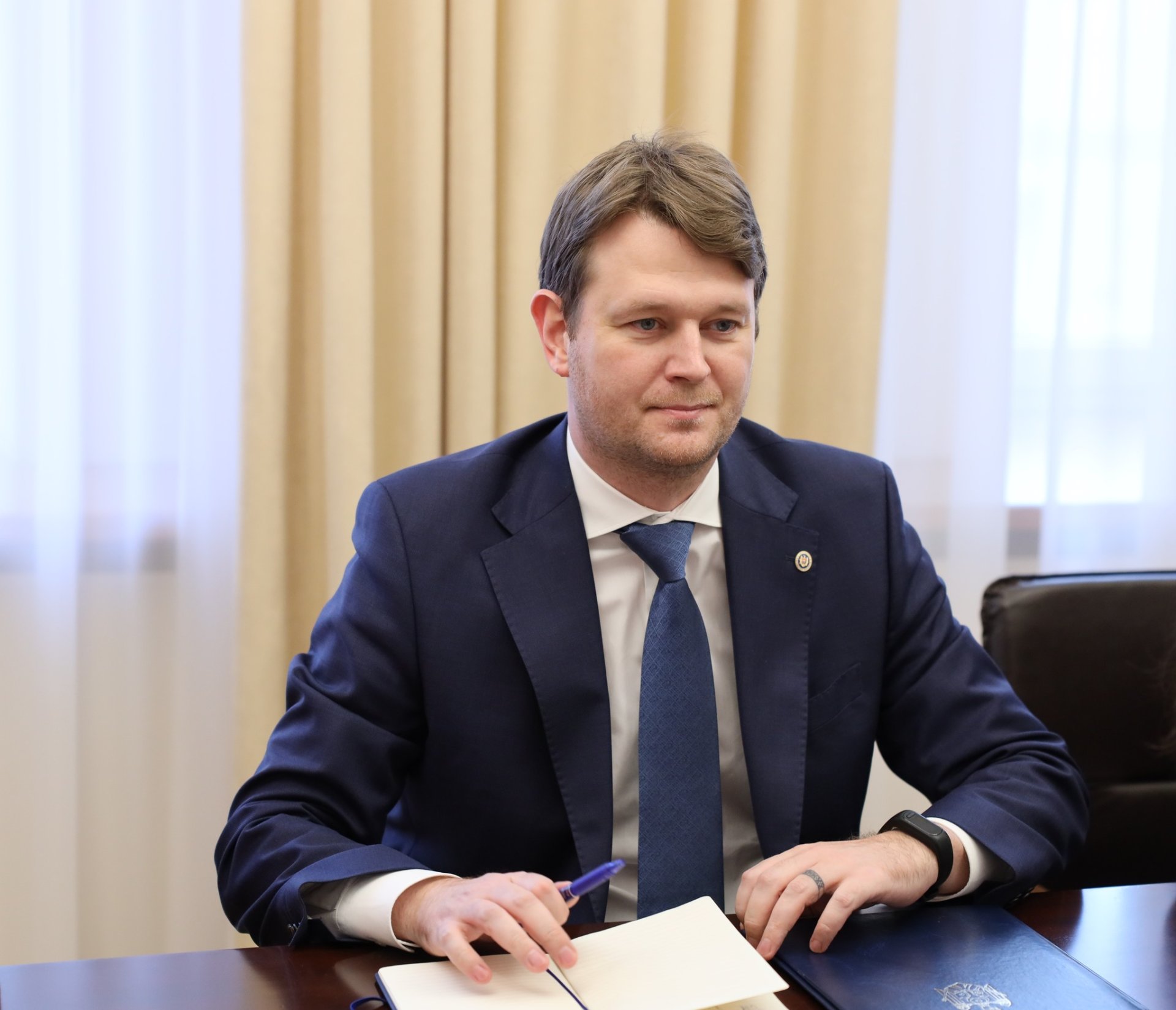
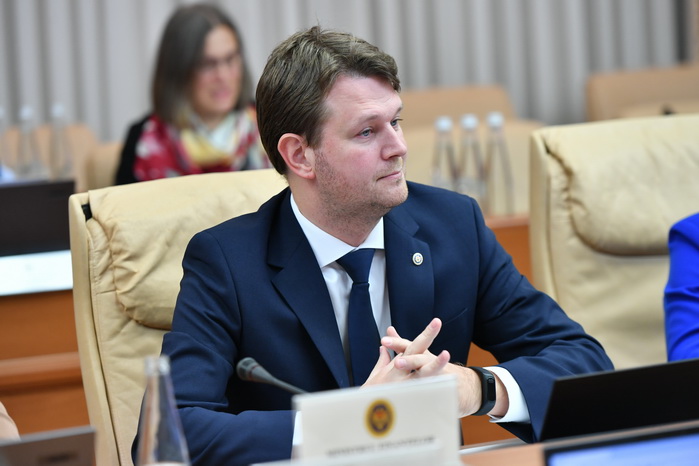
The priorities of the Finance Ministry for the upcoming period focus on creating a simpler tax system, improving public investment management and modernizing the financial system, so that businesses gain better access to financing and citizens have more investment opportunities. The priority areas were presented by Finance Minister Andrian Gavrilita in an exclusive interview given with the MOLDPRES Agency.

MOLDPRES: Mr. Gavrilita, you have recently taken over the position of finance minister, in a context marked by multiple crises, but also by the opportunities provided by the European integration process. What does the financial system of Moldova look like today and what are the main challenges?

Andrian Gavrilita: Today, we can say that the financial system of Moldova is stable, but it is in a stage of transition and adaptation. On the one hand, the banking sector is well capitalized, meets prudential indicators and lending to the economy is growing. This provides a solid basis for the work of the economy.

On the other hand, the country’s financial situation must be viewed more broadly. In recent years, public finances have been put under pressure by successive crises – the pandemic, the war in Ukraine, the energy crisis, inflation and a complicated regional context. The state was forced to intervene to protect the population, to support the business environment and to maintain macroeconomic stability, which required additional expenditures and a considerable budgetary effort.

The main challenges concern ensuring a sustainable balance between revenues and expenditures, responsible management of the budget deficit and keeping public debt at a sustainable level. At the same time, we face structural challenges regarding the modernization of the entire financial system: strengthening cybersecurity and trust in digital financial services, developing the capital market, in order to offer companies real alternative sources of financing, as well as helping the business environment to adapt to ongoing reforms, including the ones required for European integration.

The process of accession to the European Union is also a major opportunity that helps us accelerate reforms, improve the quality of public policies and build stronger, more transparent and more predictable financial institutions.

MOLDPRES: What changes have the fiscal and customs policy for 2026 brought?

Andrian Gavrilita: The most important changes will be proposed for the coming years, while for 2026 only some improvements were made. Among the most important provisions of the fiscal policy for 2026, there are, first of all, the extension of the zero tax rate on undistributed profit for most small and medium-sized enterprises (SMEs), the increase of the threshold above which companies become VAT payers, the start of implementing a tax regime for freelancers, as well as the expansion of the range of deductible expenses for employers.

The latter concerns both the providing of holiday vouchers and the reimbursement of expenses incurred by employees in tourist accommodation structures located in rural areas. The deductible amount for these expenses will be up to 50 per cent of the projected average monthly wage in the economy. Also, the right to deduction is extended to expenses incurred by employers for organizing alternative childcare services for employees’ children up to 3 years old.

In agriculture, the rules for accessing VAT refunds are simplified, so that more producers can benefit from this measure.

MOLDPRES: The decision to postpone the application of VAT on car imports until Moldova joins the EU has been announced. Have you assessed the impact of this decision on the market, as well as on the state budget?

Andrian Gavrilita: Yes, this decision was analyzed in terms of its impact on both the car market and budget revenues. It was decided to maintain, for the time being, the current system of vehicle taxation through excise duties, a mechanism already known and predictable for importers and consumers.

Thus, the car market will continue to operate under the same conditions as before, without sudden changes or disruptions. From a budgetary perspective, the state will continue to collect revenues from excise duties without significant losses.

After additional analysis on the impact and the establishment of effective mechanisms for correctly assessing vehicles, we will return to this subject.

MOLDPRES: Moldova has committed to important reforms in the process of European integration. To what extent is the Finance Ministry prepared to cope with these tasks?

Andrian Gavrilita: European integration is a complex, but well-structured process, and the Finance Ministry is prepared to cope with these tasks. We have a clear roadmap, reflected in the National Programme for Accession to the EU for the period 2025–2029, which lays down concrete steps for aligning our legislation and institutions with the European acquis. The bilateral screening exercise carried out in 2024–2025 confirmed our level of preparedness and gives us a solid basis to enter negotiations with clear objectives and well-defined deadlines.

In the accession process, the Finance Ministry has important responsibilities in such key areas as the free movement of capital and financial services, public procurement, taxation, economic and monetary policy, the customs union, financial control and financial and budgetary provisions. For each of these areas, there are already dedicated teams, action plans and reforms at various stages of implementation.

Our priorities include aligning legislation with European Union standards, modernizing tax and customs administration, developing the capital market, strengthening budgetary discipline and reinforcing financial control mechanisms. Special emphasis is placed on digitalization, transparency and creating better access to financing for businesses and citizens.

MOLDPRES: In recent years, Moldova has benefited from the continuous support of external partners. Who are the main donors of our country and what is the volume of financial assistance provided in the last three to four years?

Andrian Gavrilita: In recent years, external support has played a fundamental role in maintaining the economic stability of Moldova. In the context of successive crises, external assistance has contributed decisively to managing macroeconomic pressures and consolidating public finances.

In the last five years, the total volume of external assistance received in the form of state loans amounted to 73.2 billion lei. Of this amount, 46.1 billion lei was directed to covering the state budget financing needs, including support for the population, while 27.2 billion lei was contracted for infrastructure projects, regional development, energy efficiency and capacity building in public institutions, in line with the government’s strategic priorities.

MOLDPRES: How will the financial support of 1.9 billion euros granted by the European Union through the Growth Plan for Moldova be used?

Andrian Gavrilita: The European Union’s Growth Plan represents an important opportunity for Moldova. The funds include grants and technical assistance, as well as concessional loans with low interest rates and long repayment periods. These resources will be used for reforms and investments aimed at modernizing the economy, supporting the business environment, developing infrastructure, increasing energy efficiency and improving public services.

The financial assistance under the Growth Plan for Moldova is provided over three years, 2025–2027. Of the total assistance, approximately 385 million euros represent grants (non-repayable aid that is not included in the state budget and is not administered by the government), which will be provided in the form of technical assistance, and about 1.5 billion euros represent loans with interest rates lower than general market conditions and favorable repayment terms (maturity up to 40 years, including a grace period of up to 10 years).

The loan-related funds will be provided as budget support, mainly for implementing reform measures and boosting investments, and at least 25 per cent will be directed to co-financing investment projects funded by international financial institutions.

So far, under the Reform and Growth Facility, disbursements related to pre-financing in the amount of 270.0 million euros were made in June 2025 – meant for the preparation and launch of priority reforms – as well as the first installment,  worth 18.9 million euros, in September 2025. The disbursement of the next installment, in the amount of 168 million euros, is planned for the end of February or the beginning of March, this year.

MOLDPRES: What are the priorities of the Finance Ministry for the coming period, in the context of regional and global economic uncertainties?

Andrian Gavrilita: We are focusing on three major directions. The first is a simpler and more business-friendly tax system, in which rules are clear and easy to apply. The second is better management of public investments – we want state funds to be spent quickly, efficiently and with real impact for people.

The third direction is the modernization of the financial system, so that businesses have better access to financing and citizens have more opportunities to save and invest. Essentially, we want financial policies to translate into economic growth and prosperity for all.

Mr. Minister Andrian Gavrilita, thank you for the interview.

Reporter: Natalia Sandu
 Facebook
 Instagram
 X/Twitter
 Telegram
MOLDPRES INTERVIEW // Customs Service Director: Moldova has necessary experience to contribute to development of European customs system
MOLDPRES INTERVIEW // ANSC Director: We make sure that path of public money to hospitals, schools or infrastructure fair and transparent
MOLDPRES INTERVIEW // Vice President of Romanian Academy says academic, research environment of Moldova advanced, can be efficiently integrated into European, international structures
MOLDPRES INTERVIEW // Rector of University from Romanian city says if someone overturns your history, national identity, it means you don’t have enough knowledge
MOLDPRES INTERVIEW // Director of South Regional Development Agency says Agency creating better living conditions, easier life for thousands of residents
MOLDPRES INTERVIEW // Lithuanian Ambassador about prospects of Moldova’s EU accession: If you make things real, they will become achievable
MOLDPRES INTERVIEW // Ambassador of State of Qatar to Moldova: We are working to improve ways of attracting Qatari investors to Moldovan market
MOLDPRES INTERVIEW // President of Moldova's Chamber of Commerce and Industry says country must use opportunities provided by European integration to attract investments, become competitive
MOLDPRES Interview // Minister of Internal Affairs: Interior Ministry applies European security standards and is ready to advance in EU accession process
MOLDPRES INTERVIEW // Moldovan energy minister says foremost interest citizens to have secure energy at affordable prices
Moldovan justice minister says, according to European Commission’s Report, Moldova made greatest progress among EU candidate states, including in justice field
INTERVIEW MOLDPRES // Moldovan defense minister says Russia's war in Ukraine highlighted vulnerability of defense sector, need of building strong, prepared, resilient army to current challenges
INTERVIEW WITH MOLDPRES // Deputy PM says wants Moldova where a child from any village has same opportunities as a child from Chisinau
INTERVIEW MOLDPRES // Deputy Prime Minister on Ukraine Peace Agreement: No discussion about Moldova can take place without Chișinău's participation
Moldovan Prime Minister in talks with Ukrainian President
Prime Minister's message of appreciation for Ukraine: Your resistance allows us to live in peace
Anti-Corruption Prosecutor Vadim Prisacari fails external evaluation
Technical-military cooperation agreement between Moldova and Ukraine signed in Kyiv
 National Bank of Moldova
Moldovan Prime Minister in talks with Ukrainian President
Prime Minister following meeting with Ukrainian counterpart: Every day Ukrainians defend their cities, families and freedom, they also contribute to security of Moldova
Speech by Prime Minister following meeting with Ukrainian counterpart
Prime Minister attends Kyiv International Economic Forum
Prime Minister's speech at Kyiv International Economic Forum

Speech by Prime Minister following meeting with Ukrainian counterpart
Moldova's European path and regional security discussed by Foreign Ministers of Moldova and Cyprus
Republic of Moldova fully covered electricity consumption on October 19–25
Romania’s Prime Minister to visit Chișinău on Tuesday
VIDEO // Ukrainian citizen illegally crossed border into Moldova by motorized paraglider and requested asylum
Powered paraglider illegally entered airspace of the Republic of Moldova
Republic of Moldova to promote tourism offering at WTM London 2026
Republic of Moldova and Cyprus seek to deepen interparliamentary cooperation
Prime Minister attends Kyiv International Economic Forum
Prime Minister's speech at Kyiv International Economic Forum
Moldovan parliament speaker, Metropolitan of Moldova Vladimir discuss spiritual values, society's unity
Moldovan Education Ministry introduces mandatory training to prevent plagiarism, fraud at universities
Foreign affairs minister of Moldova, President of Cyprus discuss strengthening Moldovan-Cypriot relations, Moldova’s European agenda
VIDEO // Moldovan PM in Kyiv says Moldova reconfirms firm support for Ukraine
Online services for submitting, issuing permits restored after cyberattacks in Moldova
Chisinau Airport to operate direct flights to 61 destinations during next winter season
Receive the latest news directly to your email

Receive the latest news directly to your email