
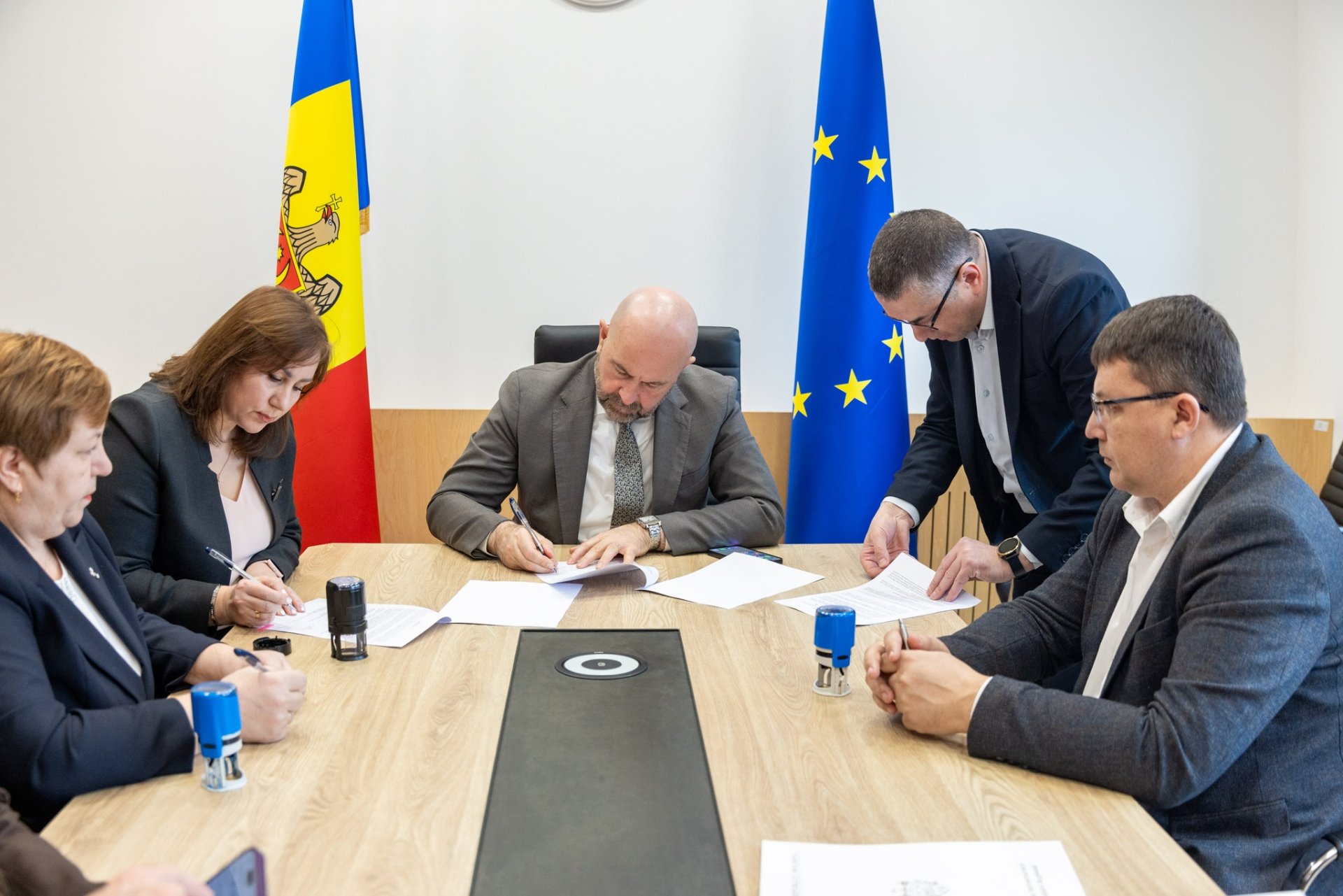
First four localities in Moldova benefit from decentralized drinking water supply project supported by Belgium
The first four localities selected under the project “Decentralized Drinking Water Supply for Moldova” signed implementation agreements today, marking the start of the installation of modular drinking water treatment systems.

Through this project, over 21,000 citizens from Ciorescu commune, Chișinău municipality; the town of Anenii Noi; the village of Mereni, Anenii Noi district; and Boșcana commune, Criuleni district, will gain access to quality drinking water:

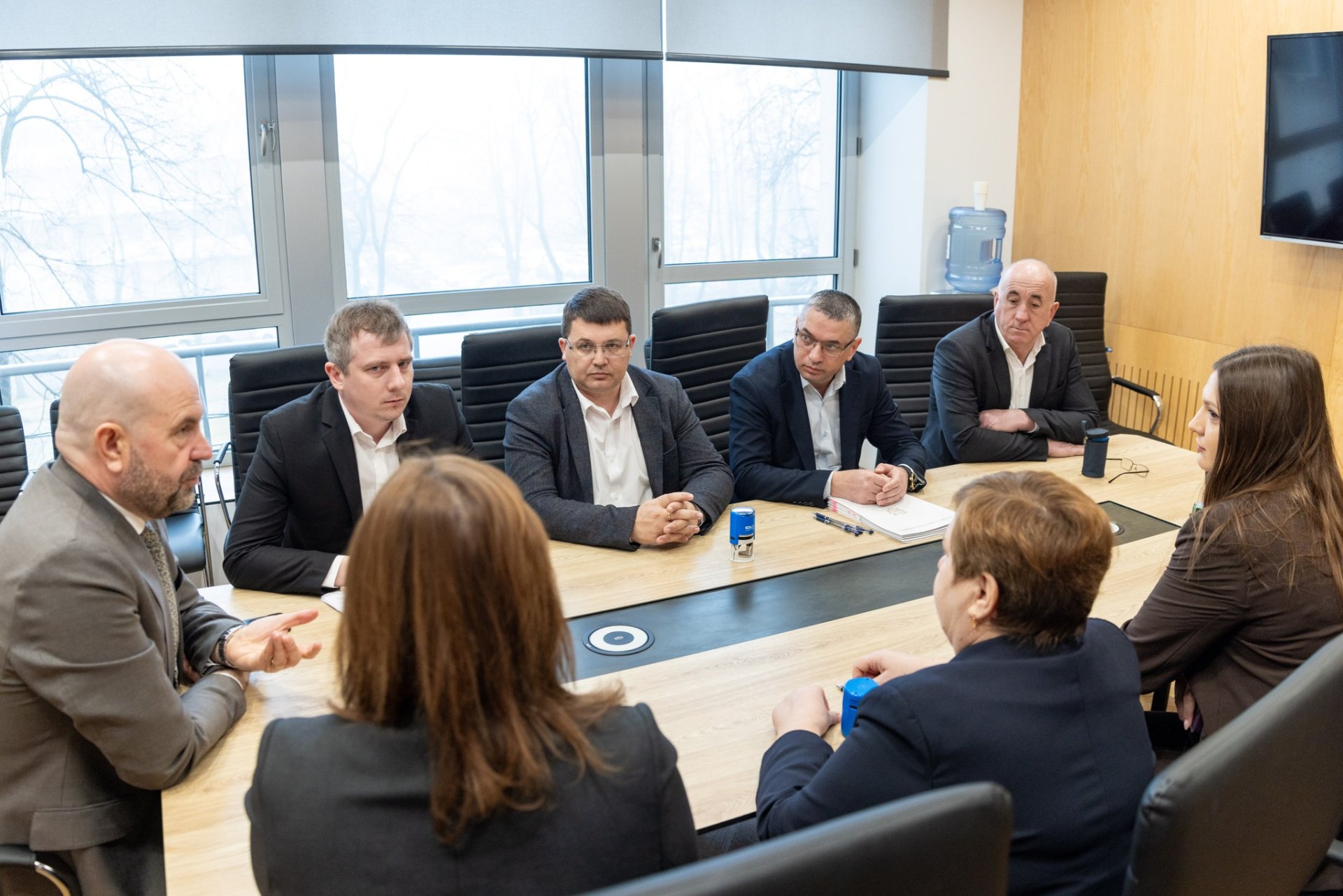
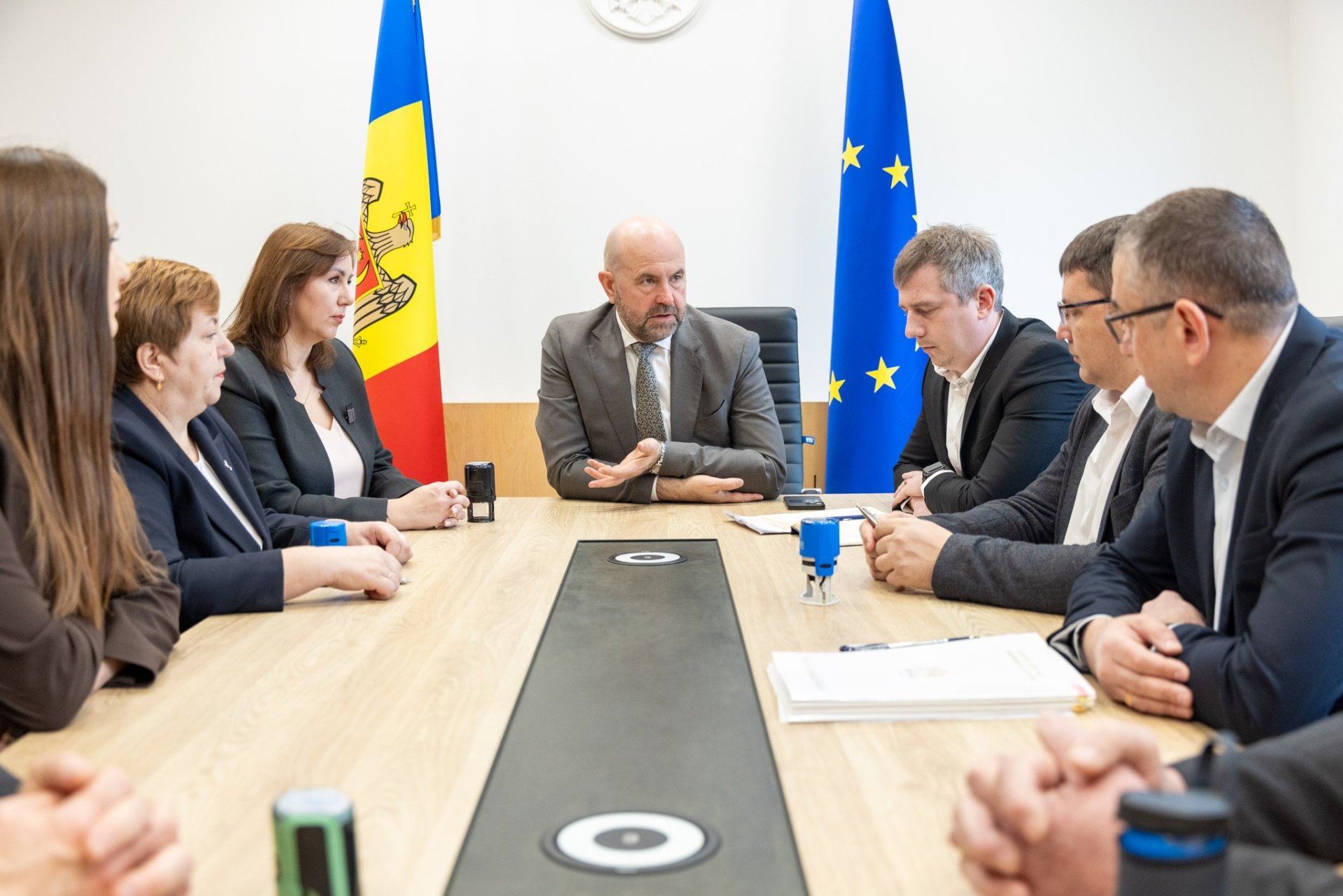
The event was attended by Deputy Prime Minister Vladimir Bolea, Minister of Infrastructure and Regional Development (MIDR), representatives of the Chișinău Regional Development Agency and ADR Center, as well as the mayors of the four localities. They signed the agreements for the implementation of the project, establishing the framework for the installation and operation of the modular drinking water treatment systems.


“In the beneficiary localities, six modular drinking water treatment systems produced by the Belgian company BOSAQ BV will be installed: Ciorescu – 1 system; Anenii Noi – 2 systems; Mereni – 2 systems; Boșcana – 1 system. The value of the financial support granted to local public authorities in the form of a grant is over 141,000 euros for each installation,” explains MIDR.


Over the next two years, the project provides for the installation of 85 modular systems, which will ensure access to drinking water for more than 55,000 citizens from various localities across the country.

The project is financed through a 12-million-euro loan granted by the Government of the Kingdom of Belgium, in accordance with the loan agreement signed in June 2025 with the Government of the Republic of Moldova. This initiative represents a significant step toward modernizing drinking water infrastructure and providing essential services for communities throughout the country.

Access to quality drinking water directly contributes to the health and well-being of the population, reduces the risk of communicable diseases and supports the sustainable development of local communities. The project strengthens cooperation between the Government, local public authorities and international partners, demonstrating a commitment to modern infrastructure and efficient public services.
 Facebook
 Instagram
 X/Twitter
 Telegram
Competitions for hospital leadership: Ministry of Health seeks managers for 20 institutions
Over 51,000 medical leave certificates issued digitally in first month after portal’s launch
As of 1 April drivers may drive without using low beam headlights during day
Higher pensions and social benefits: 6.84 percent indexation applied as of today
Over 1,800 hectares of forest to be planted in 15 districts along Dniester River, under World Bank–supported programme
Over 900,000 unique beneficiaries, representing 38% of population received reimbursed medicines through ePrescription system
Ben Gurion Airport in Tel Aviv remains closed until 16 April
Another Shahed-type drone detected while unauthorizedly flying over national airspace in Transnistrian segment
DOC // Official Journal publishes implementation mechanism for CEEPUS IV
Moldova’s airspace violated again: Shahed drone found in Dubăsari–Orhei area
Nicolae Testemitanu Medical University of Moldova launches new master’s programme, Health Promotion and Protection
Permanent teaching grades and less bureaucracy in schools
Prosecutor’s Office provides new details on investigation into death of Ludmila Vartic
Moldova, Romania to sign Agreement on extending coordinated control at Leuseni–Albita border crossing point
New oil slicks on Dniester River; Moldovan authorities order reinforcement, expansion of anti-pollution barriers
New wave of oil products' slicks detected on Dniester River; authorities convene for emergency meeting
Moldovan PM participates in awards ceremony recognizing rescuers' achievements
Large wind farms with energy storage systems to be built in Moldova: 16 bids submitted in tender
Environmental protection experts from two banks of Dniester hold new working meeting
Moldovan Central Electoral Commission accredits 14 national observers to monitor new local elections, local referendums
New milestone for green energy: Moldova surpassed 1 Gigawatt of installed renewable energy capacity
 National Bank of Moldova
Moldovan authorities step up prevention, response measures on Dniester, amid anticipated new pollution wave
Moldovan PM participates in awards ceremony recognizing rescuers' achievements
Environmental protection experts from two banks of Dniester hold new working meeting
Moldovan deputy PM has meeting with Ambassador of Germany
President met with U.S. Senator

President met with U.S. Senator
PAS faction to have new MP
VIDEO // Single institution to manage Moldova’s forests
CNMC: Eenergy sector remains fragile, ending state of emergency requires caution
Foreign Ministry: We condemn violation of airspace. Such actions endanger citizens’ security
Support for export promotion: 16 business associations to receive 14.6 million lei through Bridge Export Program
Over 20 media projects to get funding from media subsidy fund
Shahed drone illegally flew over airspace of Moldova
Over 25,000 residents from left bank of Dniester commute daily to right bank, Deputy Prime Minister for Reintegration says
BTA: Bulgarian Literature Has Become Increasingly Visible on International Stage - Deputy Culture Minister Stoyanov
Simple motion on public policies implemented by Ministry of Labour and Social Protection failed
Proposals for improving efficiency of ministries discussed at roundtable
PHOTO GALLERY // Premiere at Mihai Eminescu National Theater: “Intrigue and Love,” directed by Alexandru Cozub
Moldova to sign social security agreements with Quebec (Canada), Albania, Croatia and Ireland
Around 622,000 vulnerable families receive energy compensation
Prime Minister visited agricultural business in Unguri village, Ocnița district
Receive the latest news directly to your email

Receive the latest news directly to your email