
Small farms in villages to be able to operate under clearly established conditions
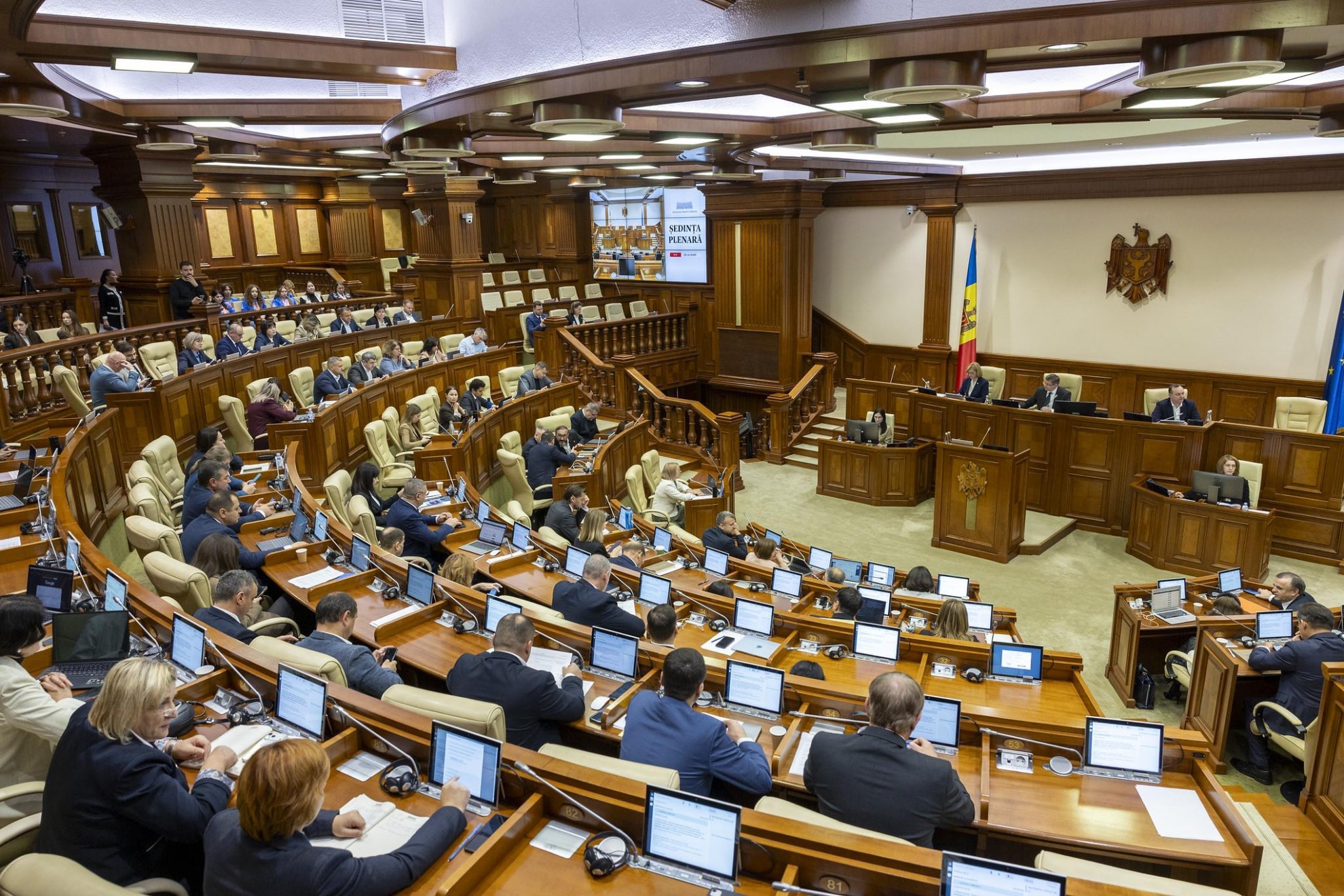
Chișinău, October 29, 2026 – Small farms in rural communities will be allowed to operate provided they comply with conditions designed to protect public health and the environment, as well as ensure animal welfare. A draft law regulating these conditions was adopted by Parliament in the second reading.

According to the document, the establishment of animal holdings other than non-professional ones within the built-up areas of rural communities may be permitted by a reasoned decision of the local council, subject to compliance with certain requirements. These concern the conformity of the site with urban planning documentation, compliance with sanitary protection zones and environmental protection regulations, as well as proper waste management to prevent pollution and limit emissions, odors, and noise.

The draft decision of the local council will be subject to public consultations, and owners and residents within the sanitary protection zone of the holding will be notified. The decision of the local council will not replace the permits required by law, and the holding may begin operating only after these permits have been obtained.

The document also establishes the maximum number of animals that may be kept on these holdings, depending on the species. Thus, a holding may include up to 150 adult sheep or goats and their offspring; 30 equines, including horses, donkeys, or mules; 30 adult cattle and their offspring; 5,000 quails or pigeons; 3,000 rabbits or poultry; and 100 bee colonies.

The draft law also provides for amendments to the Law on Veterinary Activity aimed at improving the traceability of veterinary medicines. Accordingly, importers, manufacturers, distributors, veterinary medicine retailers, veterinarians, and animal owners will be required, depending on their activities, to record data concerning the placing on the market, distribution, dispensing, and use of these medicines. The data will be recorded through the e-ANSA electronic system, which is connected to the State Register of Veterinary Medicines and other relevant registers.

At the same time, the draft law provides for stricter penalties for purchasing animals subject to mandatory identification and registration that have not been identified in accordance with legal requirements or are not listed in the State Register of Animals. Fines will be imposed for each unidentified or unregistered animal and will range from 1,000 to 1,500 lei for individuals and persons holding positions of responsibility, and from 1,500 to 2,500 lei for legal entities.

The legislative initiative was drafted by Iurie Levinschi, a member of the Parliamentary Faction of the Party of Action and Solidarity.


Communication and Public Relations Department of the Parliament of the Republic of Moldova
 Facebook
 Instagram
 X/Twitter
 Telegram
Moldovan President held farewell meeting with Slovak Ambassador
Deputy Prime Minister for Reintegration holds talks with Romanian Foreign Minister
Prime Minister encouraged Ukrainian entrepreneurs to invest in Moldova
Moldovan Prime Minister in talks with Ukrainian President
Prime Minister following meeting with Ukrainian counterpart: Every day Ukrainians defend their cities, families and freedom, they also contribute to security of Moldova
Speech by Prime Minister following meeting with Ukrainian counterpart
Prime Minister attends Kyiv International Economic Forum
Prime Minister's speech at Kyiv International Economic Forum
Moldovan PM pays working visit to Ukraine: meeting with Ukrainian head of state, participation in International Economic Forum
Moldovan President meets with Hungarian President and Prime Minister
President attends commemoration in Budapest marking 70th anniversary of 1956 anti-communist revolution
Moldovan PM meets young people who won three medals for Moldova at World Robotics Championship
Moldovan PM, vice-president of European Investment Bank discuss accelerating development projects in Moldova
Moldovan deputy PM for reintegration participates in marking 30 years of work of theoretical lyceum from Grigoriopol
Taras Shevchenko gymnasium's library enriched with Ukrainian children’s literature
BUILDING MOLDOVA // Prime Minister presents strategic projects financed through Moldova Growth Plan
Parliament to hold closed-door hearings on cyberattack and compromise of data of 750,000 citizens
Moldovan Speaker's message on National Greening Day
 National Bank of Moldova

Moldova aligns audiovisual legislation with European standards
National legislation on electronic evidence adjusted to international standards
Regulatory framework on civil protection and fire safety aligned with European standards
Romanian language courses and integration support for foreigners in Moldova: Parliament passed bill on integration of foreigners
Passed by Parliament: Tractors and agricultural machinery to be type-approved in line with European standards

BUILDING MOLDOVA // Prime Minister presents strategic projects financed through Moldova Growth Plan
Parliament to hold closed-door hearings on cyberattack and compromise of data of 750,000 citizens
Moldovan Speaker's message on National Greening Day
LIVE // Building Moldova: Government presents strategic investment projects from Growth Plan
Minister of Economic Development and Digitalization announces broad reform of state enterprises
Irina Rîngaci wins silver at World Wrestling Championships in Astana
New 250 million-euros-worth project in central Moldova settlement; PM: “These are investors who know Moldova, invested here, and are choosing to invest again – on a much larger scale”
Moldovan president highlights risks artificial intelligence to cybersecurity at leaders’ meeting on frontier model control, convenes Moldova's National Security Council
Moldovan PM, IMF's teams discuss economic outlook, fiscal, budgetary policy priorities
VIDEO // Remote medical consultations for village residents; Moldovan Health Ministry launches pilot project
Moldovan parliament's standing bureau approves agenda for plenary meeting due on October 29
Moldovan president offers condolences to families of victims of railway accident in Toledo province: “Moldova stands with Spanish people”
Moldovan Foreign Affairs Ministry extends condolences to families of victims of railway accident in Spain
Train accident in Spain; Moldova's Foreign Affairs Ministry checks whether Moldovan citizens are among victims
Defense Minister on agreement with Ukraine: goal is to protect population and airspace
Moldovan students can get scholarships for high school studies in USA and UK
Receive the latest news directly to your email

Receive the latest news directly to your email