
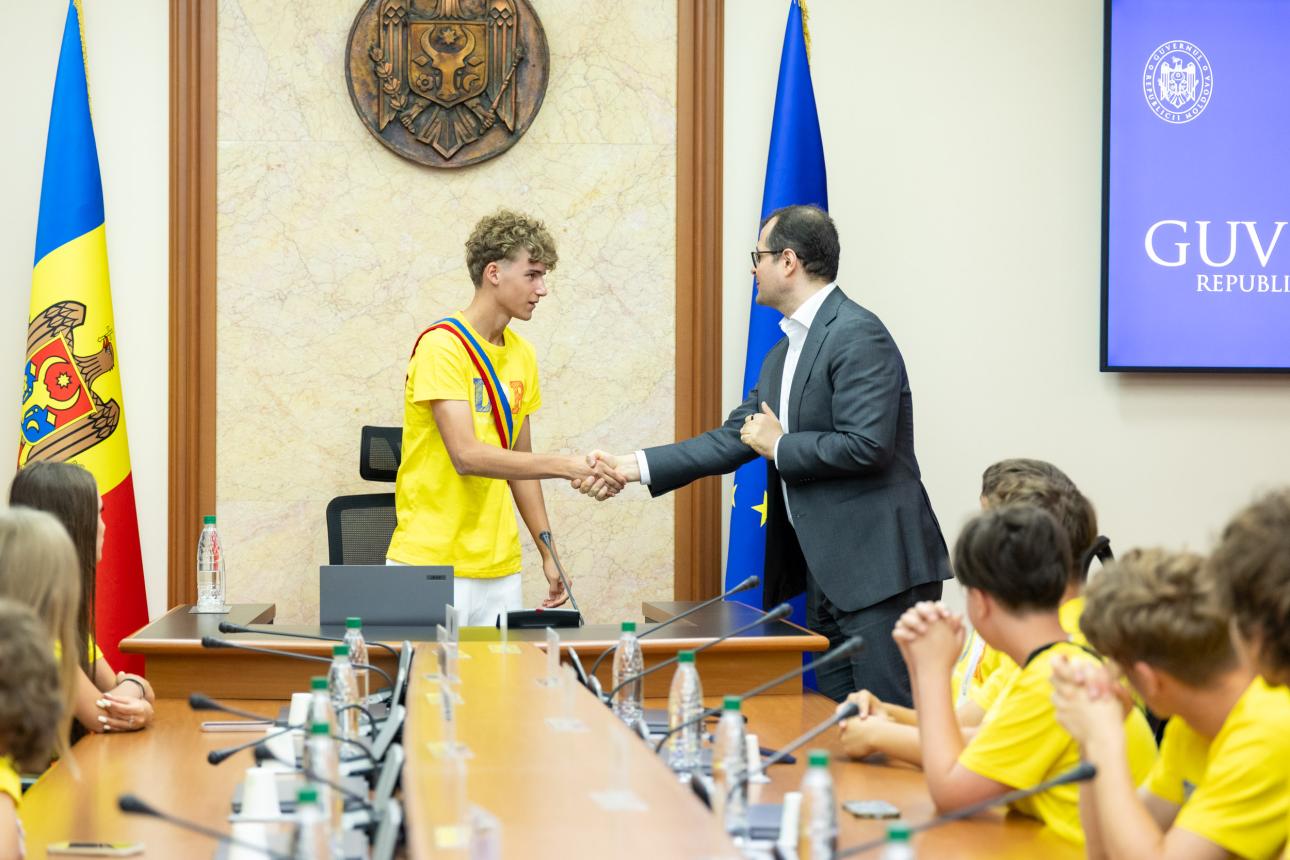
Prime Minister to young people of diaspora: Stay connected to Moldova – great advantage for you
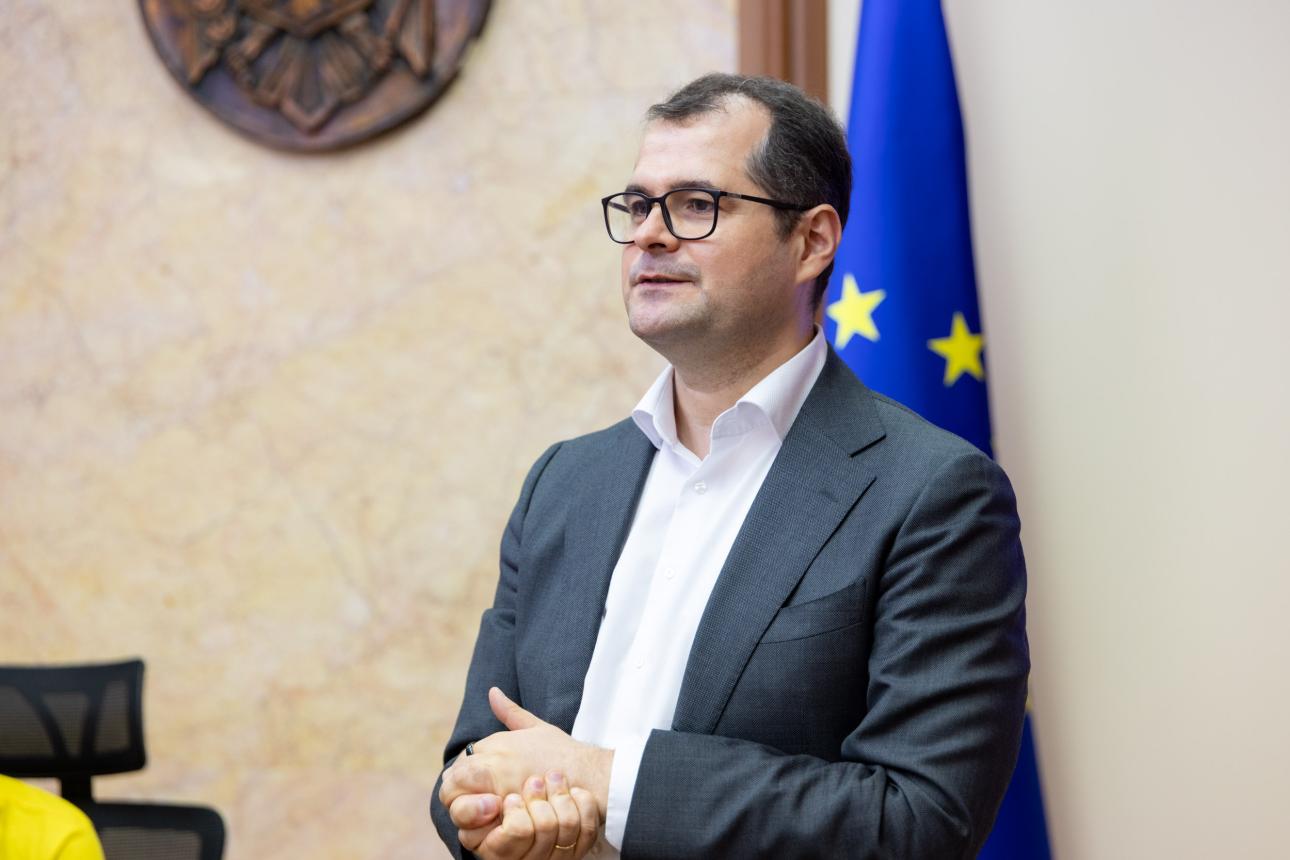
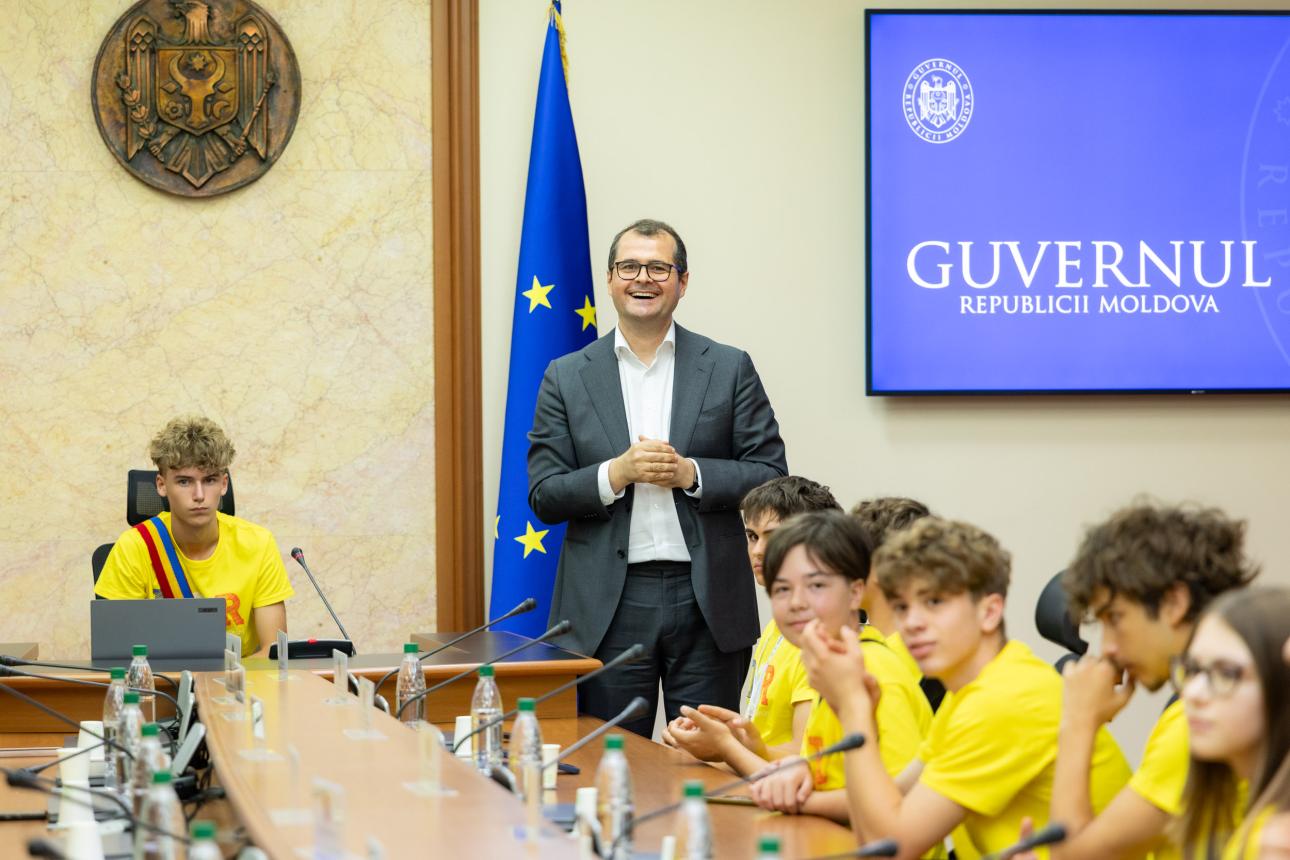
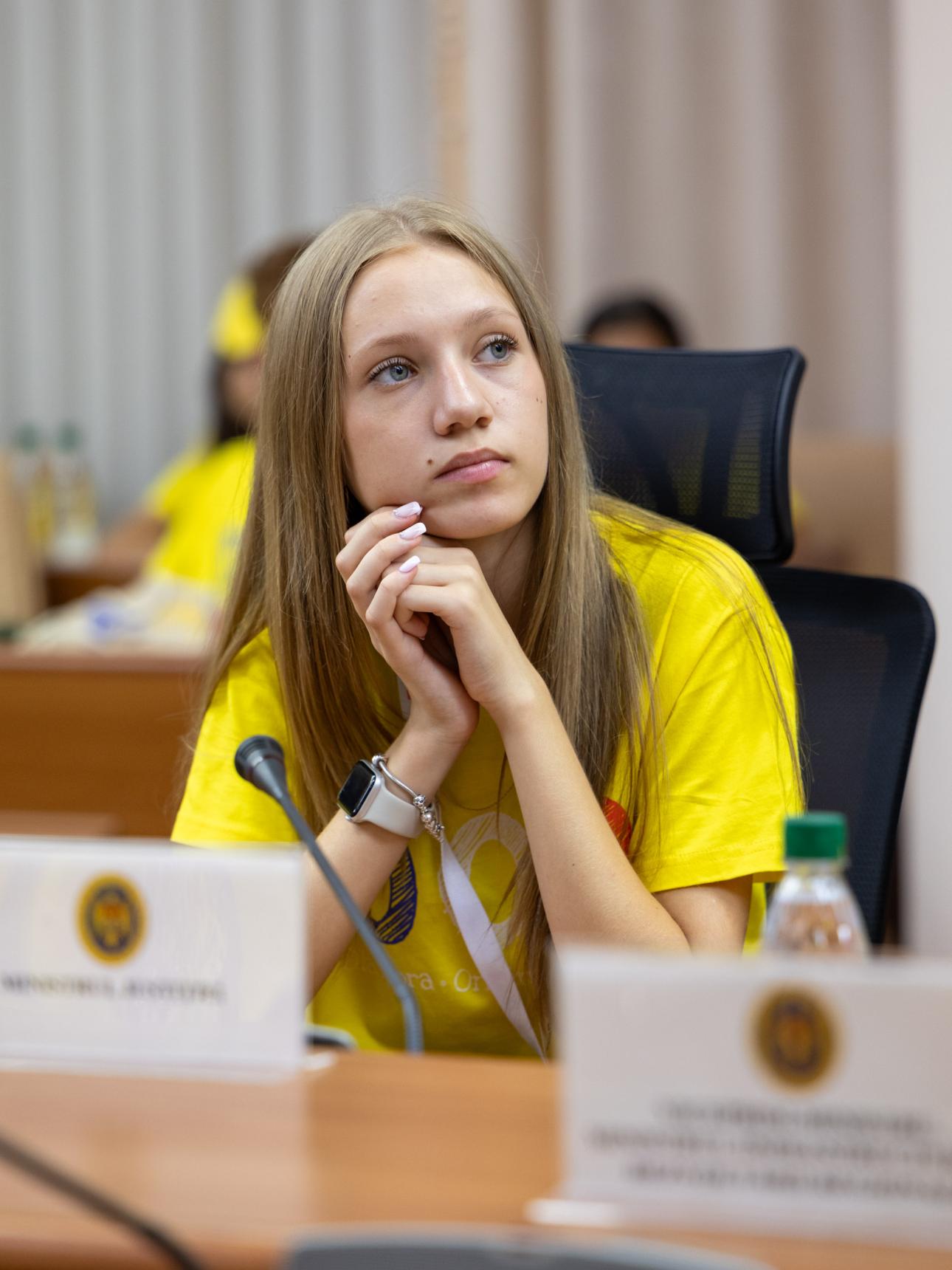
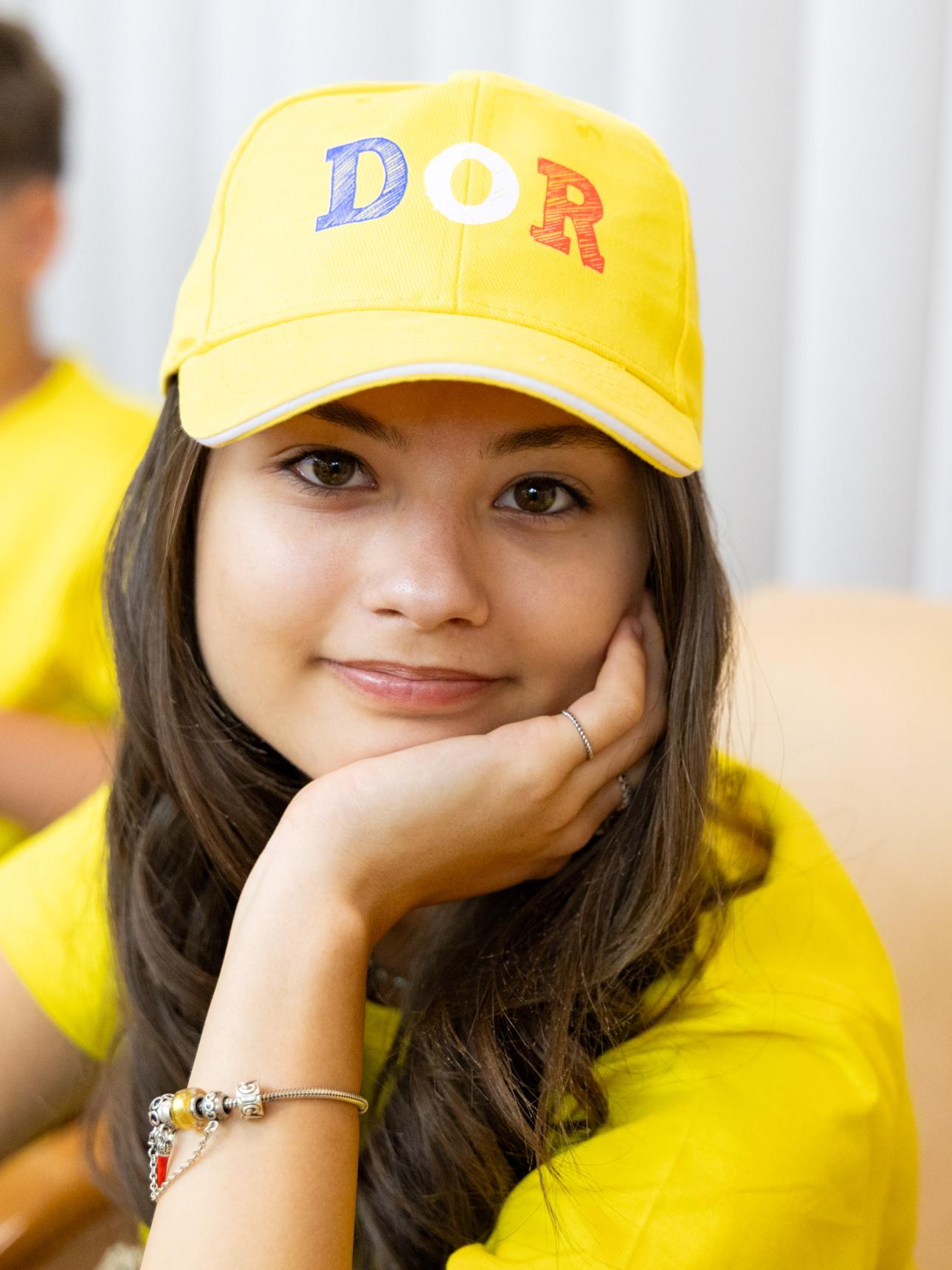
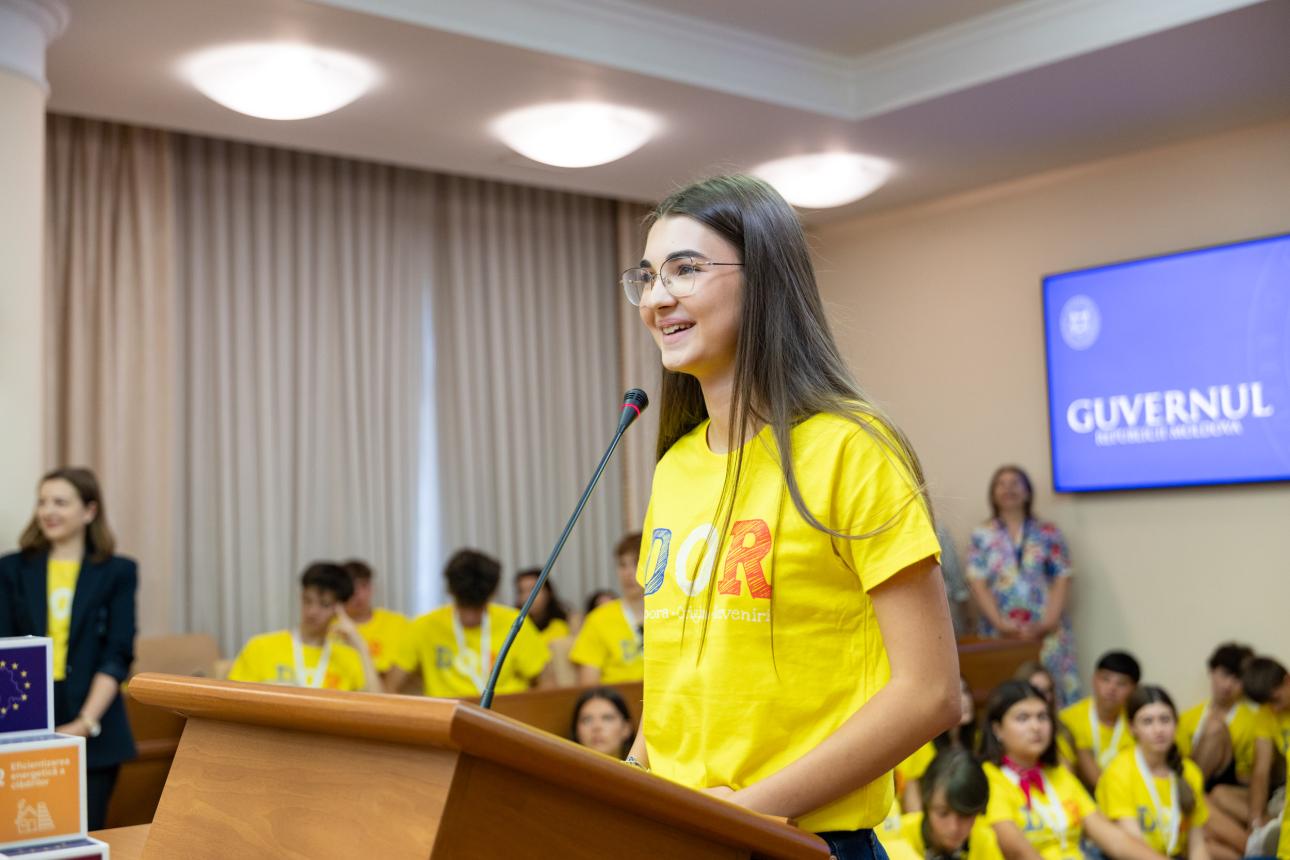
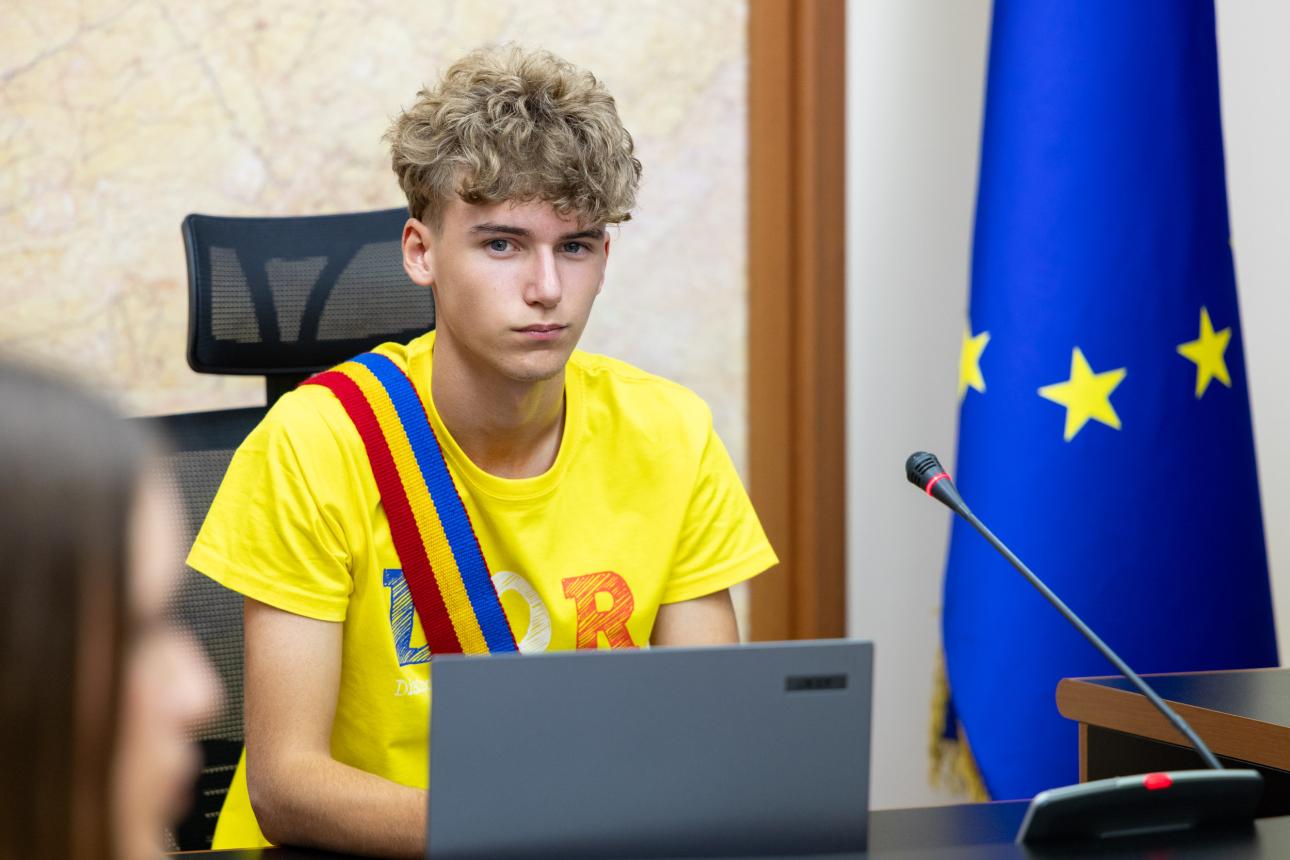
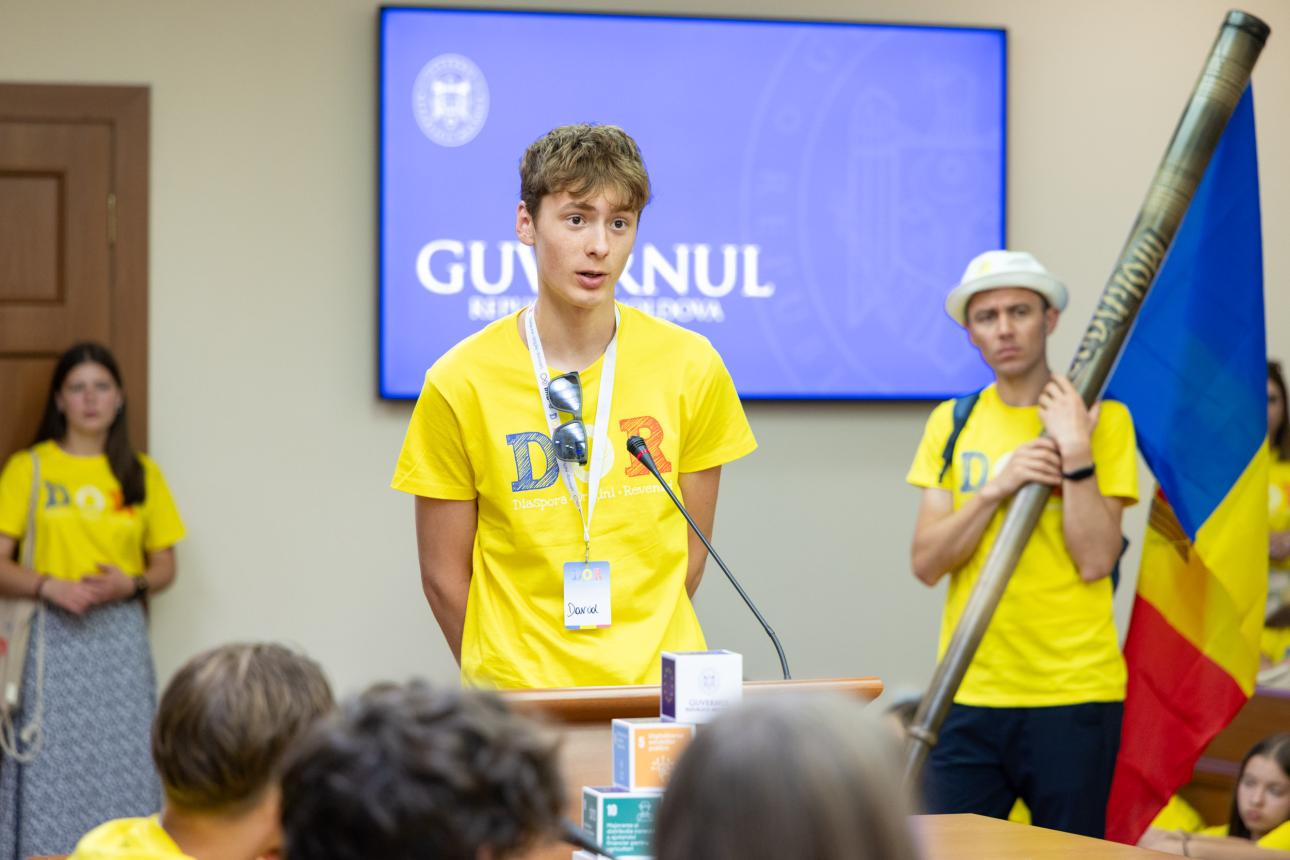
Roots in the Republic of Moldova are an important asset for Moldovan children and young people in the diaspora, and knowing the Romanian language and the specifics of this part of the world offers them more opportunities. These were some of the messages delivered by Prime Minister Vasile Tofan to the participants in the second series of the governmental program Diaspora*Origins*Returns (DOR), during a discussion about identity, opportunities and the country’s European future.

The Prime Minister encouraged young people to view belonging to multiple cultures as an advantage and to stay connected to the Republic of Moldova, regardless of the country in which they live or study.

“In the global, interconnected world we live in, it is normal to be Italian, Spanish or Portuguese and, at the same time, to remain Moldovan. The fact that you speak Romanian and that you have this connection with the Republic of Moldova is a great advantage; I urge you to cherish it and make the most of it,” said the Prime Minister.

The official also spoke about the role that the young generation in the diaspora can play as the Republic of Moldova advances on the path of European integration.

“Moldova is moving rapidly towards the European Union, and you can be the people who will represent the interests of our country in European structures. Stay connected to the Republic of Moldova – this will be an advantage for you and for your careers,” the Prime Minister noted.

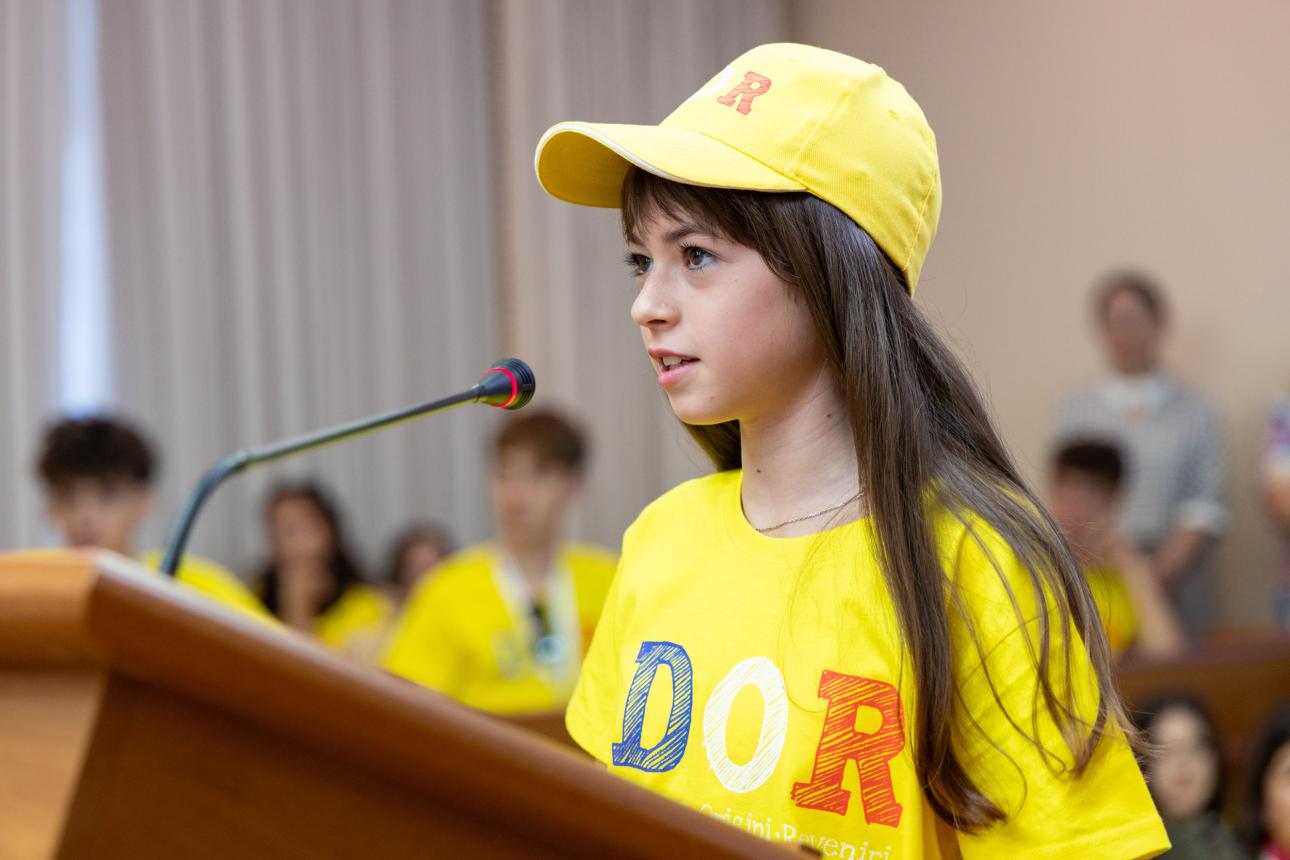
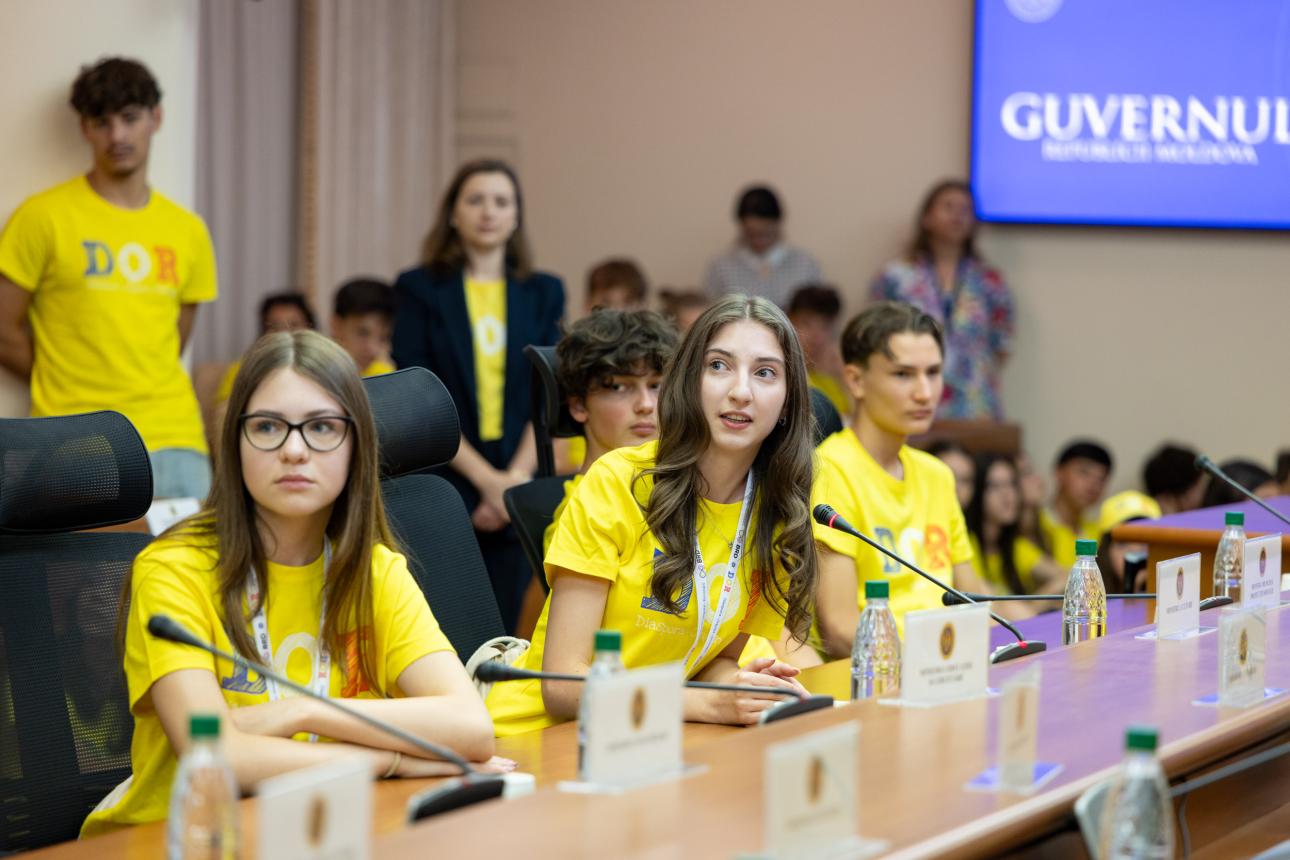
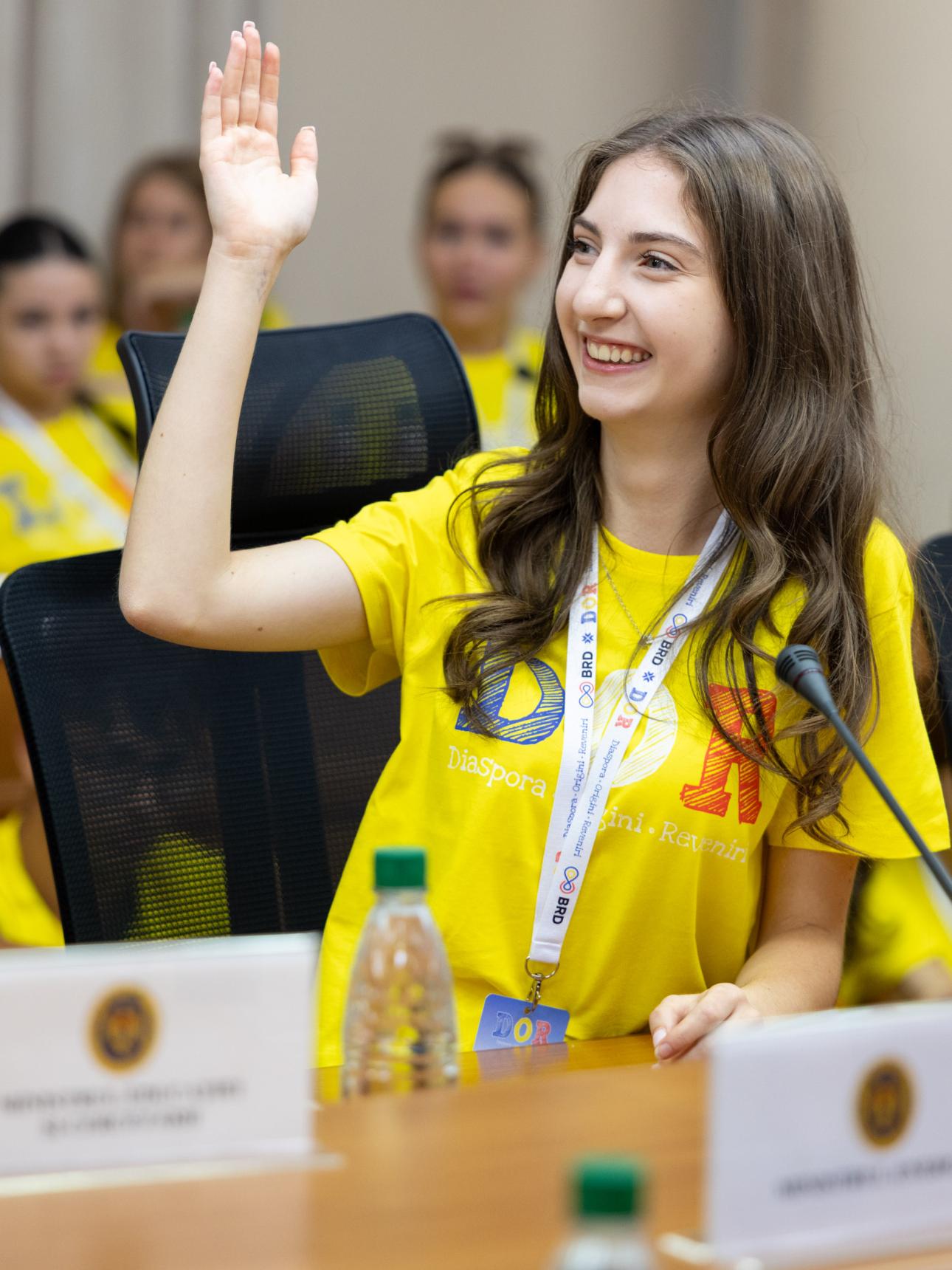
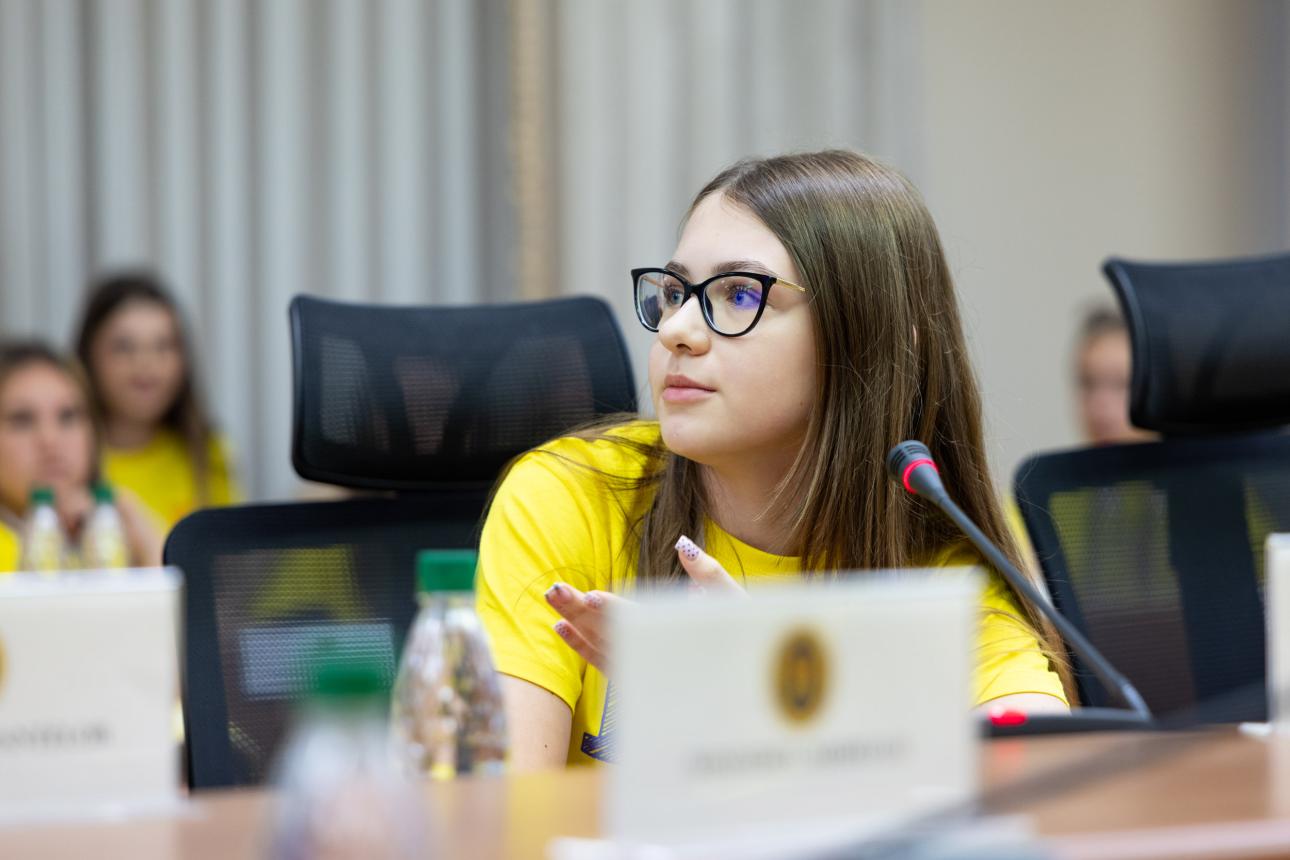
The young participants showed interest in reforms in education, in measures to support the business environment and in programs to improve infrastructure, asking the Prime Minister questions about the Government’s priorities in these areas.

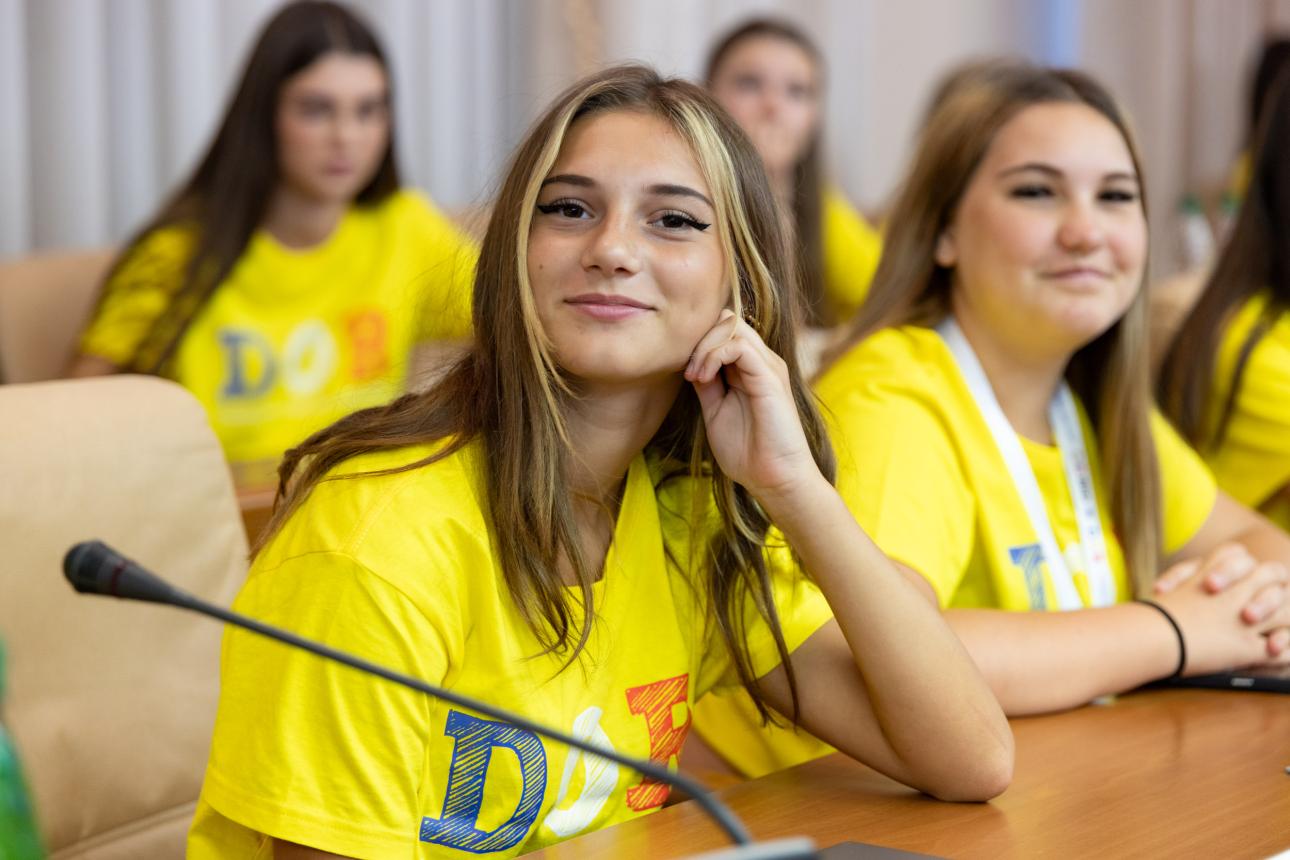
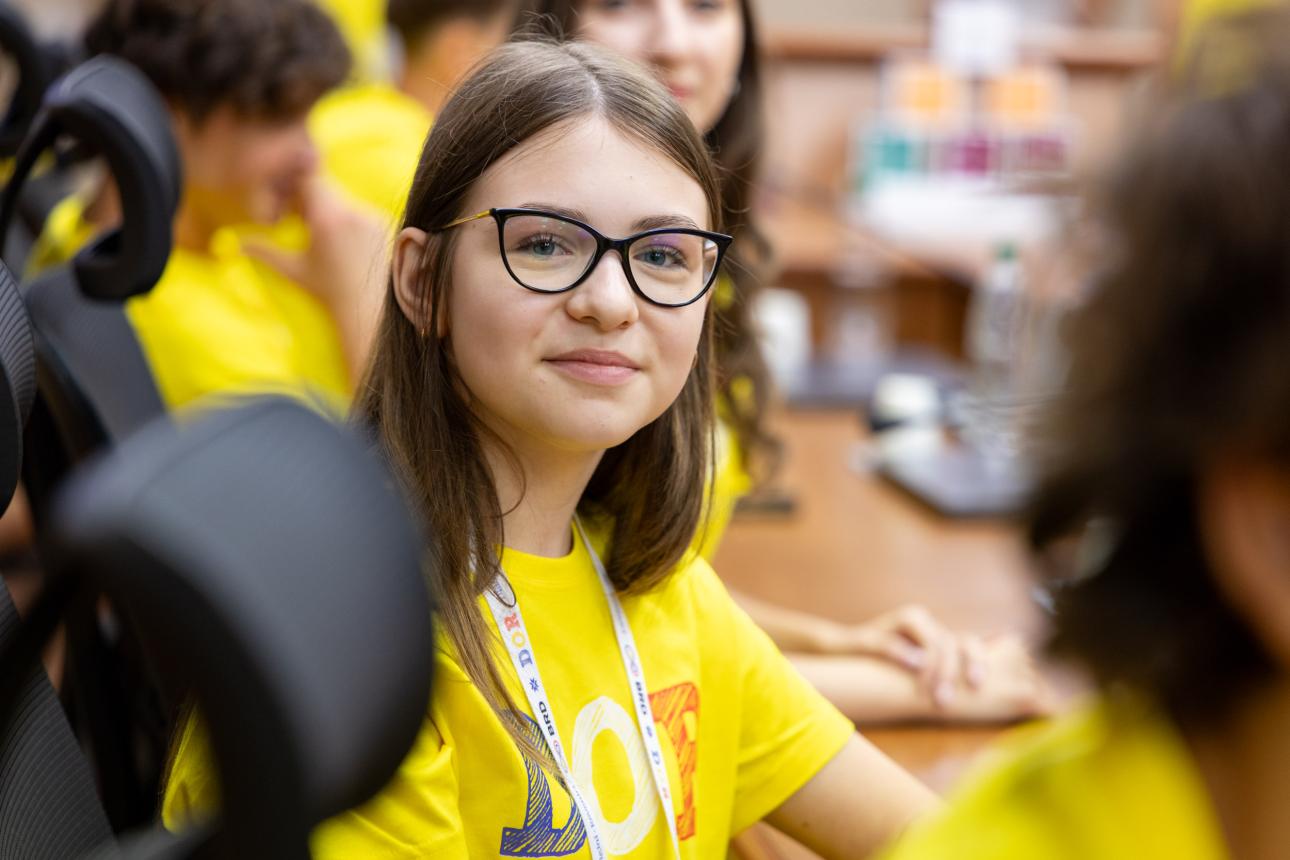
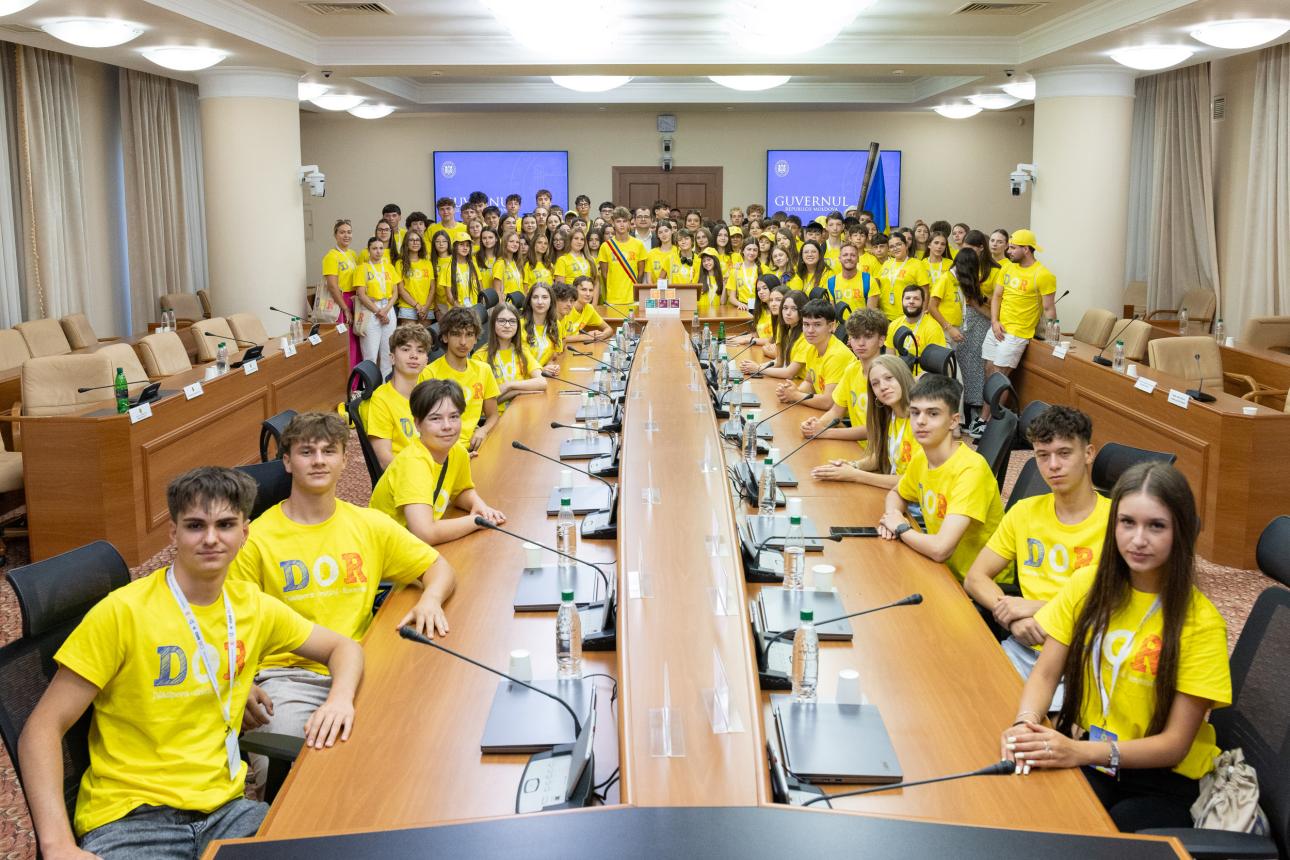
The DOR program, organized by the Government of the Republic of Moldova through the Diaspora Relations Bureau, aims to bring children and young people in the diaspora closer to the language, culture, traditions and realities of the Republic of Moldova.

This year, the two series of the program bring together 240 participants from 20 countries, including France, Italy, Germany, the United Kingdom, Romania, Portugal, Spain, the United States of America, Canada, the United Arab Emirates and other states. Since the first edition in 2013, approximately 1,500 children and young people have taken part in the program.
 Facebook
 Instagram
 X/Twitter
 Telegram
Information session for businesses on both banks of Dniester on application of VAT and excise duties to goods imported into Moldova
Prime Minister attended Sports Festival held in Nisporeni
Information session for economic agents on both banks of Dniester River on application of VAT and excise duties to goods imported into Moldova
Mayors from northern regions participated in first round of consultations at Government on investments for merged localities
Plan for construction of Moldova HiTech Park – new technology and innovation center presented in Stăuceni
Prime Minister met with young people participating in Government and European Union public service internship program
Prime Minister discussed with Czech counterpart
Over 23,000 residents from Transnistrian region officially employed on right bank of Dniester River
More investment in national economy: Government encourages investors through clearer rules and incentives for strategic projects
Moldovan government approves five‑year national development program
Measures to reduce risks caused by natural disasters approved by Government
Ceiling for foreign exchange transactions without NBM authorization to be increased
Government State Secretary for Reintegration meets with delegation from Kingdom of Norway
Prime Minister discussed with Lithuanian counterpart progress of Moldova’s European path
VIDEO // Energy Minister: Situation regarding fuel supply continues to improve
President condemns Russian attacks on Ukraine: Much greater pressure must be brought to bear on Russia to put end to these actions
Prime Minister to young people of diaspora: Stay connected to Moldova – great advantage for you
Parliament convenes in extraordinary session: standing bureau approves agenda of meetings
VIDEO // Environment Ministry advocates for modern waste management centers instead of unauthorized dumpsites
A Book From You – A World for Me campaign launched by UNICEF and Ministry of Education and Research: book donations for kindergartens across country
Two drone incidents recorded near Moldova–Ukraine border in Giurgiulești
 National Bank of Moldova
Working visit by Government State Secretary for Reintegration to educational institutions in Coșnița
Economic working groups held new meeting
World Bank to continue to support modernization of Moldova
Speaker spoke with Turkish Parliament member about development of Gagauzia and strengthening partnership with Turkey
Moldova and Turkey to strengthen economic and investment partnership

Economic working groups held new meeting
World Bank to continue to support modernization of Moldova
Speaker spoke with Turkish Parliament member about development of Gagauzia and strengthening partnership with Turkey
Moldova and Turkey to strengthen economic and investment partnership
New Minister of Agriculture selected from “very narrow circle”
Prime Minister held talks with Latvian counterpart
ARMENPRESS: 14-year-old Armenian chess player defeats Magnus Carlsen in Titled Tuesday tournament
Deputy Prime Minister meets with U.S. Congress delegation
Public sector employees’ salaries to increase starting 1 January 2027
Wage Law: Government announces one-off compensation payments from October and public sector salary increases starting 1 January 2027
President meets with Turkish MP, Vice President of ruling AK Party
President received bipartisan delegation of U.S. House Appropriations Committee
Deputy Prime Minister: CFM must attract transit of Ukrainian grain to increase revenues
LIVE // Salary increases to be applied starting 1 January 2027
Public sector employees with gross salary below 20,000 lei to receive one-off payment in October
Energocom to supply Termoelectrica with almost 1.9 million MWh of gas during cold season
Receive the latest news directly to your email

Receive the latest news directly to your email