
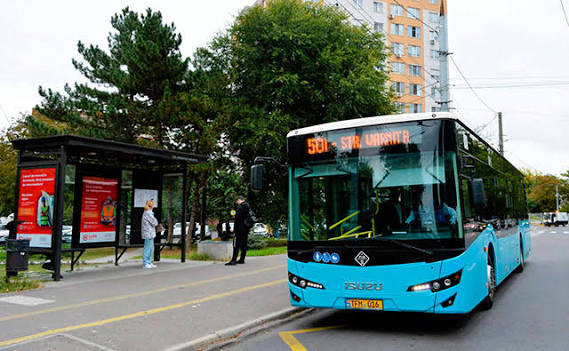
More accessible public transport, safer streets and better-organized parking: new rules for urban mobility approved by Government
The Government has approved the draft law on sustainable urban mobility in the Republic of Moldova, which introduces new rules for traffic management, public transport development, the organization of paid parking and the management of abandoned vehicles. The new provisions aim to make travel in cities safer and more efficient and to provide local authorities with clear tools for managing public space.

The need for such rules is also driven by the rapid increase in the number of cars. In less than two years, the Republic of Moldova’s vehicle fleet has grown from approximately 1.2 million to more than 1.35 million vehicles. More than 387,000 vehicles are registered in the municipality of Chișinău, while the municipality of Bălți has over 57,000.

The draft law also introduces new tools that local public authorities will be able to use to manage traffic and urban space:

Removal of abandoned vehicles – a vehicle left in the same place for at least six months and for which there is a reasonable presumption that the owner has relinquished ownership may be identified as abandoned. Once notified, the identified owner will have 15 days to remove it. If the vehicle is removed and is not claimed within 60 days of its removal, the local authority may ask the court to establish that it is abandoned property and transfer it into the ownership of the administrative-territorial unit.

Paid public parking – paid public parking will be organized as a local public service, while tariffs and operating rules will be established by local councils. Failure to pay for parking or improper use of parking spaces will constitute an offense. If the owner or user is not present, the vehicle’s wheel may be clamped. If the release of the vehicle is not requested within the period established by local regulations, the automobile may be removed to a specially designated facility, but no earlier than 72 hours after the wheel has been clamped. The costs of wheel release, removal and storage will be borne by the vehicle’s owner or user.

Money collected from paid parking will be used primarily to improve mobility at the local level – for the maintenance, modernization and expansion of parking facilities, the development of local road infrastructure, road safety measures, public transport subsidies and the implementation of intelligent transport systems. Local authorities may also establish subscriptions, discounts or exemptions for certain categories of users.

Low-Emission Zones – local authorities will be able to establish access rules for these zones, including vehicle emissions standards and/or access fees. Exceptions will apply, including for public transport, emergency services and people who live or work within the zone.

Under the draft law, the municipalities of Chișinău and Bălți will develop Sustainable Urban Mobility Plans (SUMPs), which will replace the mobility plans currently provided for by the Urban Planning and Construction Code. These plans will establish concrete measures for the development of public transport, pedestrian and cycling infrastructure, parking management, road safety and the use of digital solutions for traffic management.

“People are waiting for this draft law, especially those who spend time in traffic jams. We have the legal framework for parking facilities to be built; what matters is that local public authorities take the initiative. Finally, we have the legal framework that will allow abandoned cars blocking routes to be removed. This regulatory framework, together with active involvement from municipal authorities, will help us free up our cities,” said Prime Minister Vasile Tofan.

Public transport and pedestrian safety will have priority in urban planning. When designing new areas or reorganizing existing ones, modes of travel will be prioritized in the following order: walking, cycling, public transport and private automobiles. New urban areas will also have to include, from the design stage, routes and lanes intended for public transport.

In Chișinău and Bălți, public transport planning will aim to ensure that stops are located no more than 300 meters from educational, medical, elderly-care and community institutions, and that at least 60% of the population lives within 500 meters of a public transport route, with a service interval of no more than 20 minutes.

The measures included in the Sustainable Urban Mobility Plans may be financed from the National Fund for Regional and Local Development and through European Union programs. The preparation of SUMPs will not generate additional costs for local authorities, as these plans will replace the mobility plans already required by urban planning legislation. At the same time, the costs of organizing paid parking and procedures for removing vehicles may be covered by revenues from the respective services.

The draft law is part of the measures included in the National Program for the Accession of the Republic of Moldova to the European Union for 2025–2029 and in the Reform Agenda related to the Growth Plan for the Republic of Moldova 2025–2027. Its aim is to bring the planning and management of urban mobility closer to European standards and practices.
 Facebook
 Instagram
 X/Twitter
 Telegram
Moldovan PM attends ceremony dedicated to Professional Day of Education Workers
Moldovan PM to pay working visit to Brussels
Measurement of performance, monitoring of government's priorities discussed at Moldova's government
Preparing of Moldovan authorities to access EU funds: Poland’s experience presented in Chisinau
PM attends annual meeting of Moldova's honorary consuls
Parliament's foreign policy commission hears Foreign Affairs Ministry's report on economic diplomacy's goals of Moldova
Moldovan president proposes Moldova–Finland dialogue on resilience in Helsinki
Summary of Moldovan parliament's plenary meeting held on October 2, 2026
Moldovan PM has meeting with Austria’s Ambassador: European integration, strengthening economic cooperation on discussions' agenda
Moldovan PM meets Ambassador of Azerbaijan
Press statements by President Maia Sandu in Helsinki
Moldova's regulatory framework for irrigation, drainage infrastructure updated to facilitate investments in agriculture
Fruiting of horticultural plantations to be established according to clearer criteria in Moldova
Moldova transposes European rules, conditions governing activities in postal communications sector into national legislation
All persons with disabilities since childhood to be eligible to receive disability and survivors’ pensions
Government simplifies procedures for construction of Strășeni–Gutinaș power line
VIDEO // Prime Minister: Brussels wants Moldova to move forward, and reforms linked to Growth Plan designed to bring country closer to EU
Moldova to receive EU accession roadmap by year-end
 National Bank of Moldova
People with severe disabilities since childhood to be able to combine disability and survivor’s pensions
All persons with disabilities since childhood to be eligible to receive disability and survivors’ pensions
Government simplifies procedures for construction of Strășeni–Gutinaș power line
Deputy Prime Minister for Reintegration discussed priorities of Moldova’s reintegration process with representatives of international partners
Investments of about €130 million to modernize irrigation infrastructure

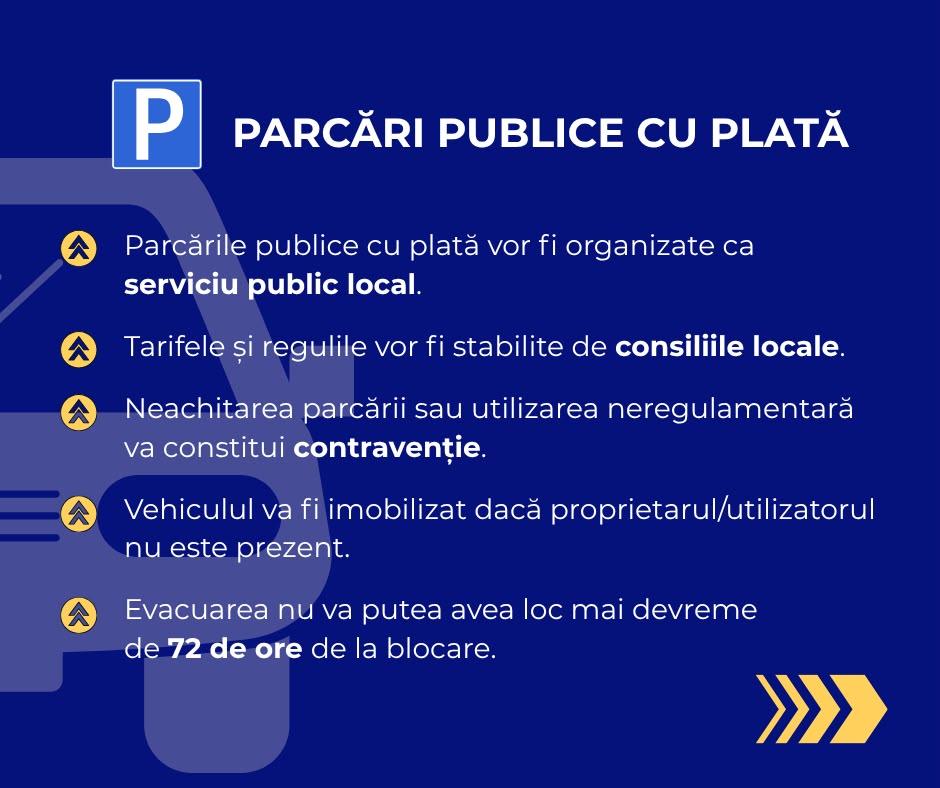
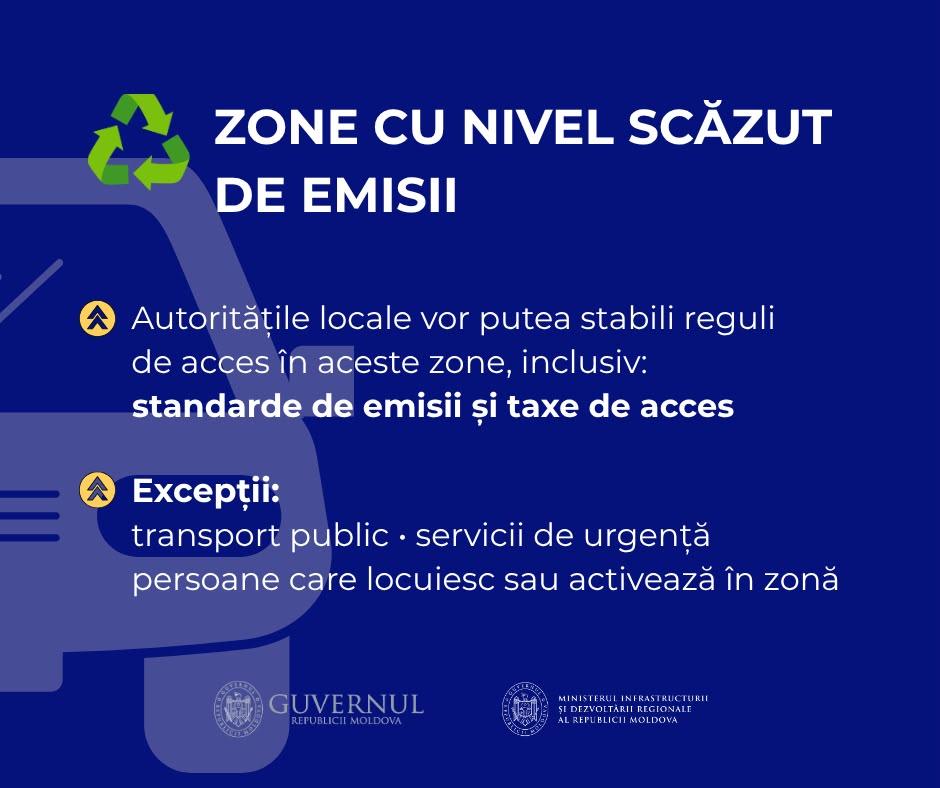
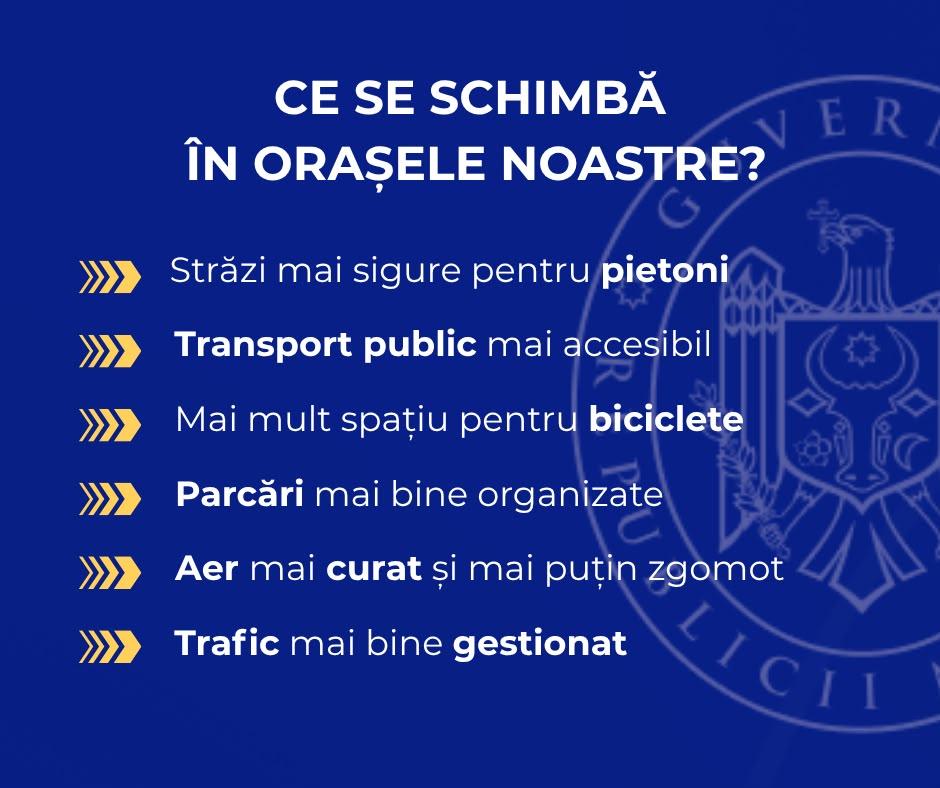
PHOTO GALLERY // “Tricolors’” loss to Slovakia, captured frame by frame by MOLDPRES. Intense action, fierce battles, and key moments at Zimbru Stadium
Investments of about €130 million to modernize irrigation infrastructure
VIDEO SUMMARY // Moldova loses 0-4 to Slovakia, drops to third place in group
Government accepts Dumitru Pâslaru’s resignation as Secretary General of Ministry of Labor and Social Protection
Moldova has nearly 243 MWh of energy storage capacity
Presidency publishes register of gifts received in July–September 2026
Unauthorized flight detected in Moldova's airspace
Moldovan ambassador presented credentials to French President
VIDEO // Moldovan deputy PM for European integration says Moldova might conclude EU accession negotiations in early 2028
Moldova's Superior Council of Magistracy finds that judge Alina Gorceac passes external evaluation
VIDEO // Moldovan government welcomes European Commission's analysis on EU's preparedness for enlargement
VIDEO // European Commissioner for Enlargement says Moldova to receive a roadmap for EU accession on October 28
Moldovan president discusses, leadership of NATO Parliamentary Assembly discuss security of Moldova
National Wine Day 2026, record edition in Moldova: 114 wineries, more than 116,000 tastings
Officials, parliamentarians from 22 countries discuss regional security in Chisinau
Moldovan parliament hosts 109th Rose-Roth Seminar
Receive the latest news directly to your email

Receive the latest news directly to your email