
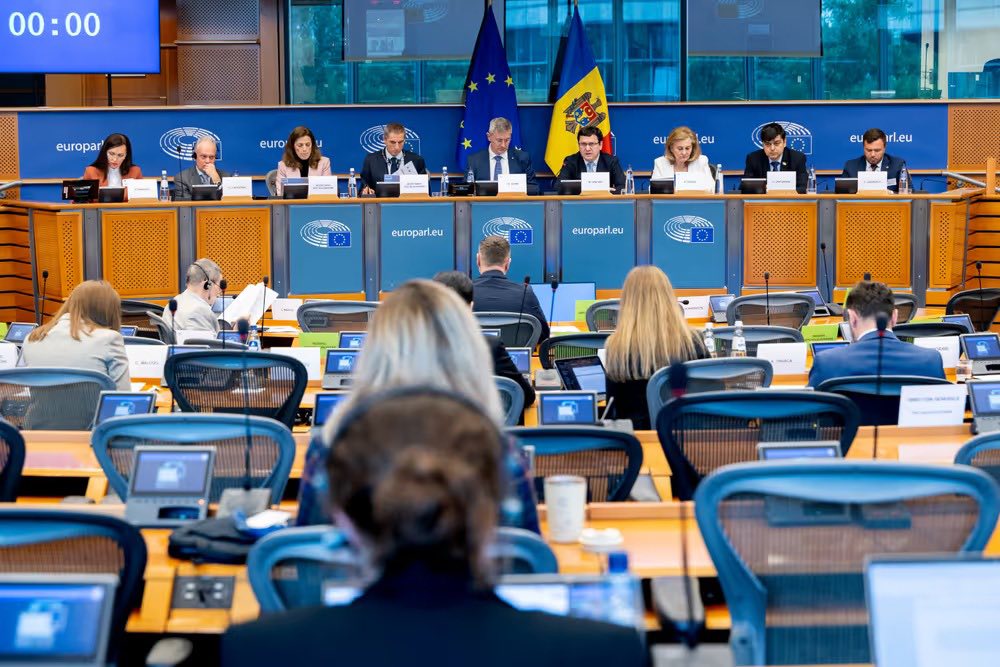
EU–Moldova Parliamentary Association Committee calls for opening accession negotiations on all chapters
EU–Moldova Parliamentary Association Committee has called on the EU Council to open, without delay, accession negotiations for all clusters of chapters, stressing that this step would confirm recognition of Chisinau’s progress and strengthen the credibility of the enlargement process. The appeal is included in the final declaration adopted at the 17th meeting of the EU–Moldova Parliamentary Association Committee, held in Brussels.

The Parliamentary Association Committee discussed the state of Moldova’s EU accession negotiations, the country’s economic situation, as well as the geopolitical and security context, and calls on the European Council “to formally open negotiations for all clusters of chapters without any further delay, starting with the ‘Fundamentals’ cluster during the Cypriot Presidency of the Council and continuing with the other five clusters by the end of 2026,” the Declaration states.

At the same time, the Association Committee “underlines that the formal opening of accession negotiations would send a clear signal that the EU recognizes and rewards Moldova’s achievements, thereby strengthening the credibility and integrity of the enlargement process.”

The Association Committee firmly condemns the actions of the Russian Federation, including attacks on energy infrastructure and the illegal overflight of the airspace of the Republic of Moldova by drones and missiles, which are considered serious violations of sovereignty and threats to regional security.

“It firmly condemns the repeated incursions of Russian drones and missiles into the airspace of the Republic of Moldova, which since Russia’s full-scale invasion of Ukraine have exceeded 50 cases; underlines that these are serious violations of sovereignty and involve significant risks to the safety of civilians and regional stability; highlights that such actions are part of a broader pattern of hybrid threats aimed at destabilising the country and bringing it back into Moscow’s sphere of influence,” the Declaration further states.

In the declaration, the Committee welcomes the “record” pace of reforms implemented by the authorities in Chisinau, as well as the launch of technical negotiations on all six clusters of accession chapters. The document highlights the major financial support provided by the EU, including the €1.9 billion package dedicated to reforms and economic growth.

The integration of the Republic of Moldova into important European initiatives, such as “Roam Like at Home” and the SEPA area, is also appreciated as bringing direct benefits to citizens and the business environment.

Particular emphasis is placed on cooperation with Romania, especially in the field of energy security. Electricity interconnection projects are considered essential for reducing energy dependence and enabling integration into the European market.

The declaration reflects major security concerns. The Committee condemns attacks on energy infrastructure and underlines their impact on the country’s energy stability, calling for intensified cooperation between the EU and Moldova in defence, cybersecurity and crisis management.

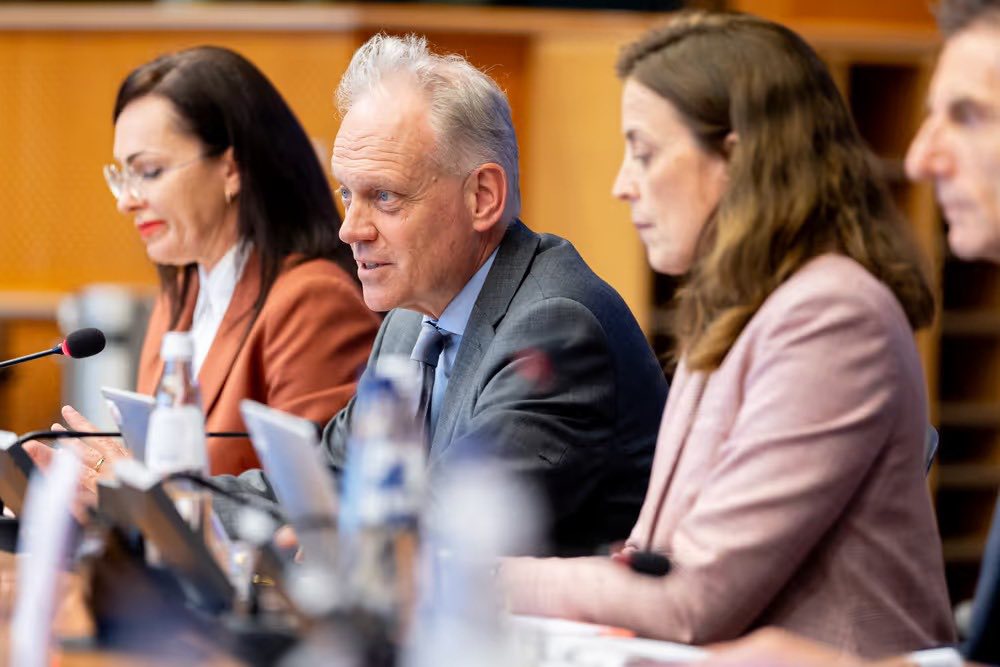
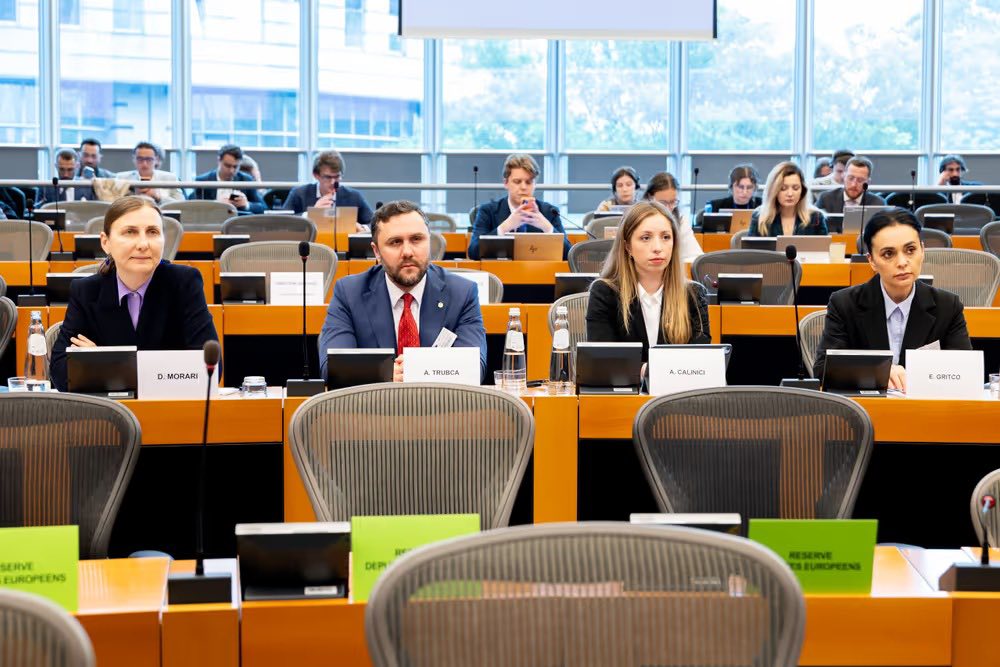
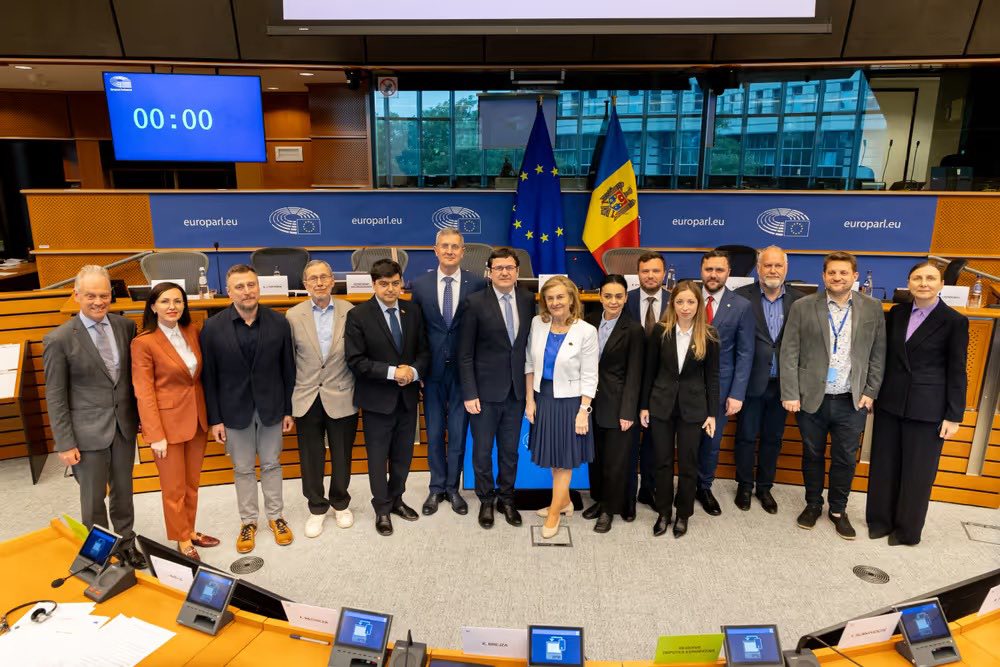
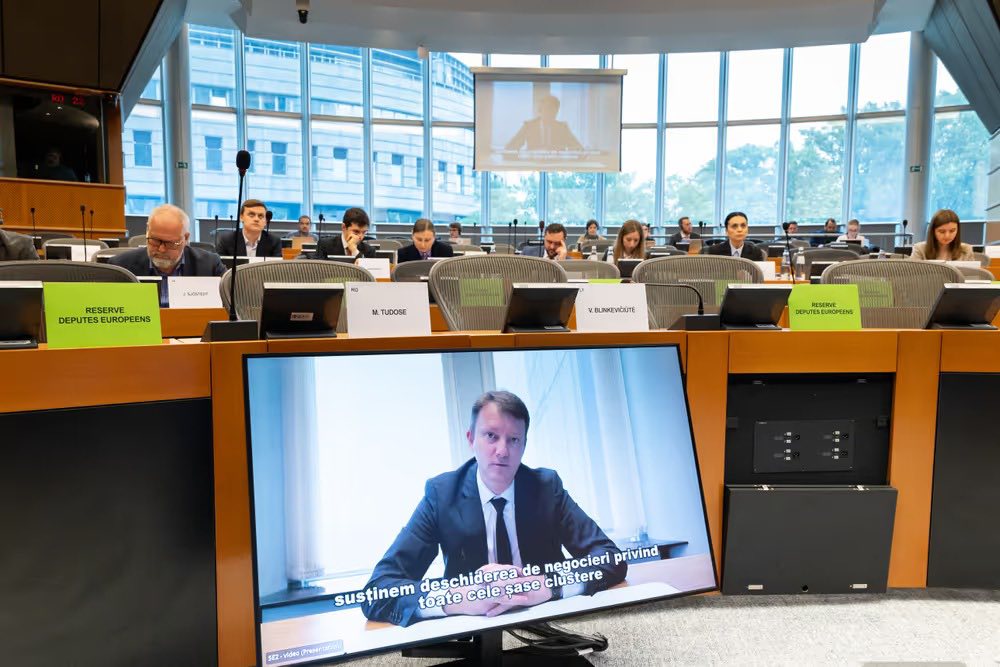
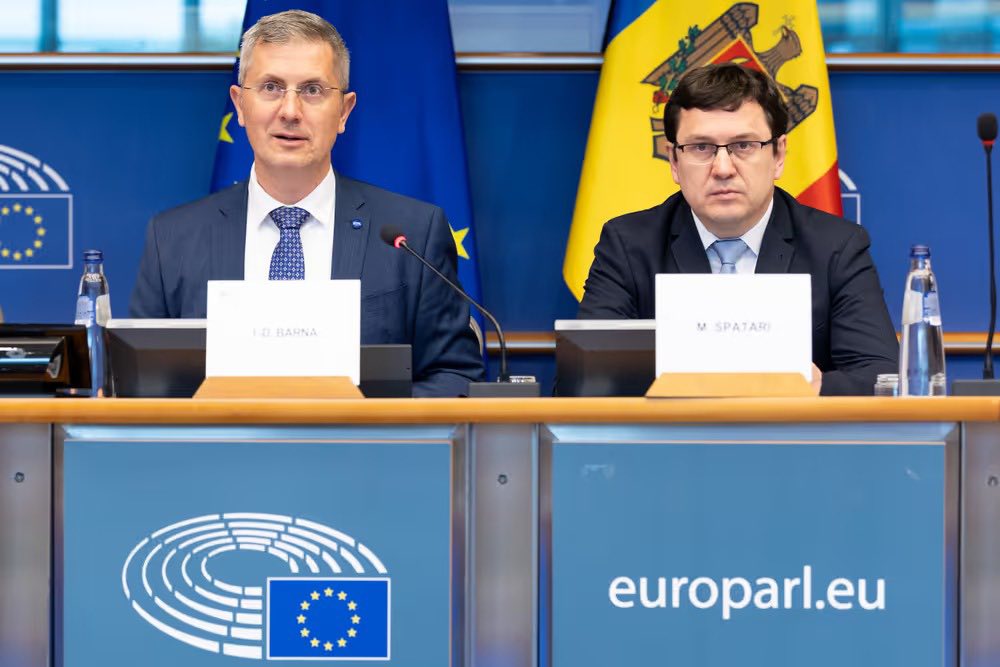
The meeting was co-chaired by MP Marcel Spatari and MEP Dan Barna, Vice-Chair of the European Parliament Delegation for relations with Moldova. The head of the European Parliament delegation, Siegfried Mureșan, took part in the discussions online.

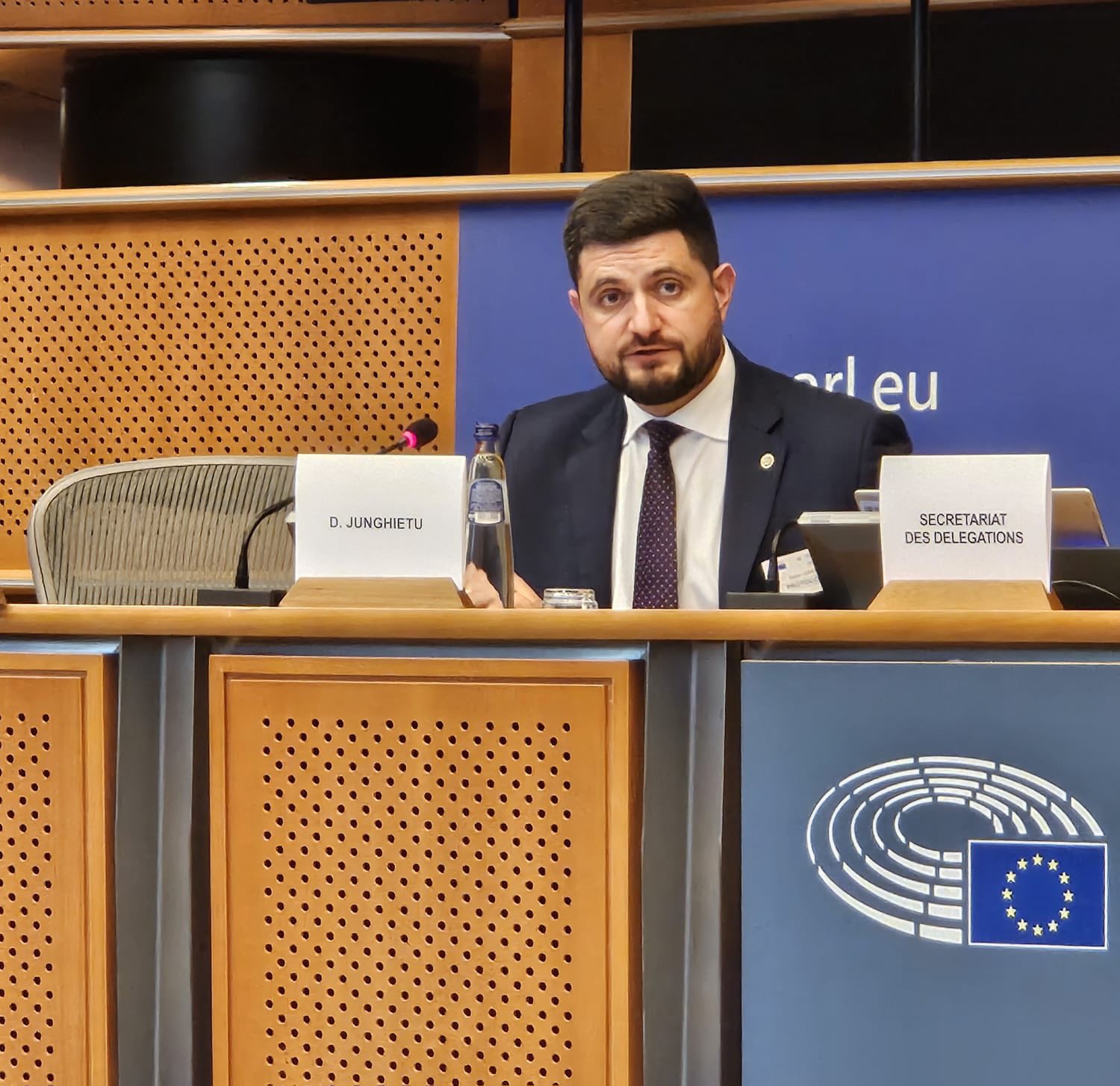
On the Moldovan side, the meeting was attended by several high-ranking officials, including Deputy Prime Minister for European Integration Cristina Gherasimov, Secretary General of the Government Alexei Buzu, Minister of Energy Dorin Junghietu and Deputy Secretary General of the Ministry of Justice Stela Braniște.

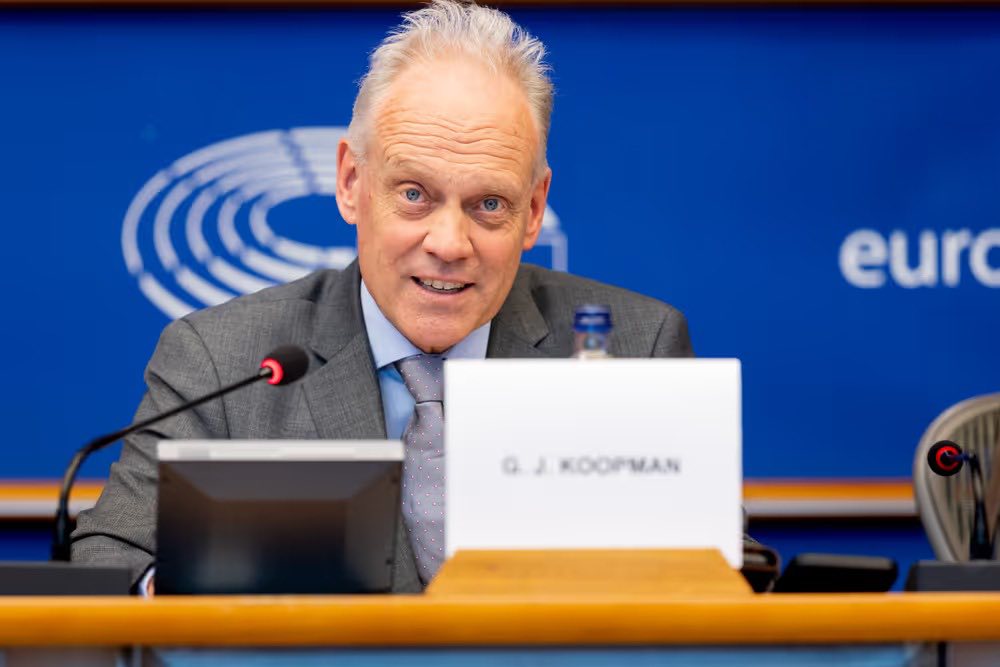
From the European Union, participants included Gert Jan Koopman, Director-General for Neighbourhood and Enlargement Negotiations (DG NEAR), Cristian Pîrvulescu, Co-Chair of the EU–Moldova Civil Society Platform, and Deren Derya, Head of the EEAS Division for the region.

The agenda focused on Chisinau’s main priorities: EU accession negotiations, justice reform, economic developments in the context of the Growth Plan and the future EU multiannual budget, as well as security and energy challenges.

On the margins of the meeting, Marcel Spatari held a bilateral meeting with Sven Mikser, rapporteur for the Republic of Moldova in the European Parliament’s Committee on Foreign Affairs.
 Facebook
 Instagram
 X/Twitter
 Telegram
Speaker after drone explosion in Ivancea: We categorically condemn and will continue to condemn every illegal overflight of our airspace
People’s Republic of China celebrates National Day
Moldova denounces agreement on cooperation between Commonwealth of Independent States member countries on combating crime in transport
VIDEO // Moldovan PM speaks about insolvency administrators’ activities
Foreign Ministry condemns violation of Moldova’s airspace by drone
Vision for administrative reform at district level to be presented Thursday in Chișinău
New state secretary appointed to Health Ministry
CEC to organize 12 polling stations in seven localities for November by-elections
European Commissioner to visit Chișinău for talks on Growth Plan and economic integration into EU
Speaker on opposition’s initiative to suspend head of state: Maia Sandu was elected President by nearly 1 million citizens, who called for and expect us to become EU member state
Presidency, following opposition initiative to suspend head of state: Maia Sandu won trust of more than 930,000 citizens to preserve peace and European path
Moldova supports international efforts to return Ukrainian children
Moldova, Canada to strengthen cooperation in security and trade
Moldovan president condemns Russia’s latest attacks on Ukraine: “Russia must answer for its crimes”
Severe weather warning in Spain; Embassy of Moldova issues recommendations for citizens
PHOTO // New air connection between Bucharest and Chisinau to be named after famed Romanian Olympic sportsman Ivan Patzaichin
PHOTO // Moldova sets Guinness world record with world's largest human grapevine
PHOTO GALLERY // National Wine Day 2026 - ''The Wine that United Us''
Drones entering Moldova’s airspace left craters, debris across extensive areas
Bomb threat at Chisinau-based Eugen Doga Airport unconfirmed; passengers' access to terminal resumed
Moldovan Foreign Affairs Ministry again summons Russian Ambassador over violation of Moldova's airspace
 National Bank of Moldova
Moldovan PM, on National Wine Day, says winemakers country's ambassadors in the world, calling card
Moldovan PM attends ceremony dedicated to Professional Day of Education Workers
Moldovan PM to pay working visit to Brussels
Measurement of performance, monitoring of government's priorities discussed at Moldova's government
Preparing of Moldovan authorities to access EU funds: Poland’s experience presented in Chisinau

Moldovan PM attends ceremony dedicated to Professional Day of Education Workers
National Army detects six unauthorized flights in Moldova’s airspace on October 3
Parliament speaker denounces violation of Moldova’s airspace
Moldovan president says Russia’s war against Ukraine directly endangers lives of Moldova's citizens
Foreign Affairs Ministry condemns violation of Moldova’s airspace by five drones: “Russia’s war against Ukraine continues to generate concrete threats for Moldova”
VIDEO // Drone fragments detected in more settlements of Moldova; police investigate explosions reported
More drones fly over airspace of Moldova
National Wine Day 2026 in Moldova: 25 years of tradition, award-winning wines, industry conquering international markets
PHOTO GALLERY // National Wine Day during 25 years: celebration of Moldovan wine in photographs from MOLDPRES Archive
Bomb alert at Eugen Doga International Airport – Chisinau proves to be hoax; Airport operations resumed
Moldovan police officers to receive training in modern forensic techniques in Turkey
Moldovan PM to pay working visit to Brussels
Measurement of performance, monitoring of government's priorities discussed at Moldova's government
Three honorary consuls of Moldova awarded Diplomatic Merit medal
Preparing of Moldovan authorities to access EU funds: Poland’s experience presented in Chisinau
Candidates for position of Gagauzia's bashkan must know Romanian language; Moldova's Constitutional Court rejects challenge by Party of Socialists
Receive the latest news directly to your email

Receive the latest news directly to your email