
Parliament may adopt new code of operation
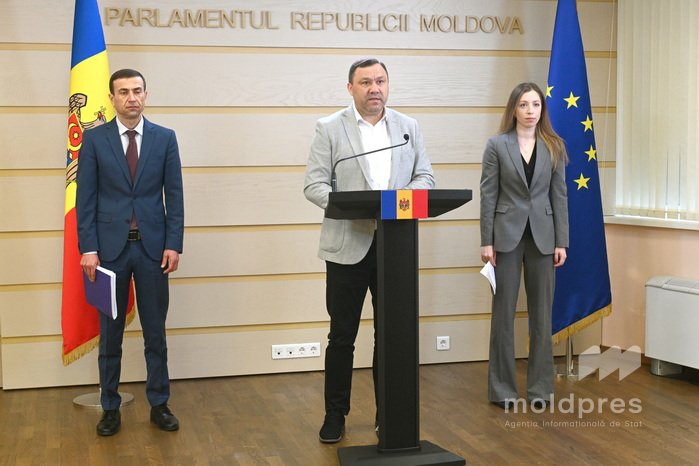
A draft law amending the Parliament’s Code has been registered in the Legislature. Action and Solidarity Party (PAS) MPs Ana Calinici, Vasile Grădinaru and Igor Talmazan made the statement today.
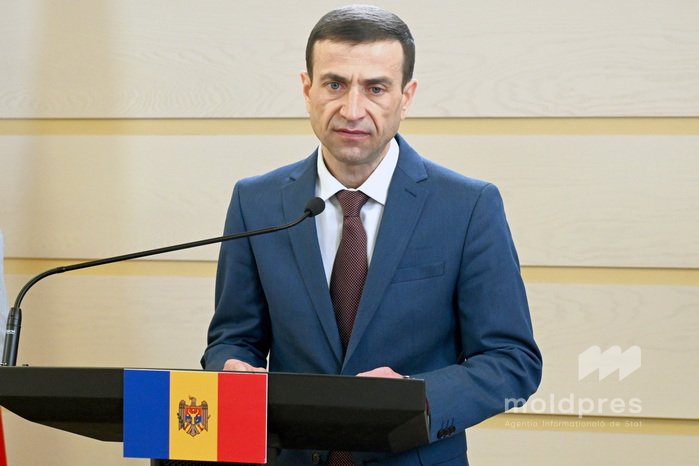
Vasile Grădinaru, deputy head of the legal committee on rules and immunities announced that the new document aims to update the rules governing the activity of the Legislature.
According to the author, the draft is not new, but has a longer history, having also been examined in the previous legislature. Initially, the document covered both the organisation and functioning of Parliament, as well as issues related to the ethics and status of MPs.
“Subsequently, in order to streamline the legislative process, the draft was divided into two separate initiatives. Thus, the component on ethics and conduct was adopted in the first reading, while the current draft concerns strictly the organisation and functioning of Parliament,” the MP said.
Updating the rules and combating political party switching
The new code aims to modernise the legislative framework, given that the current regulations date back to 1996. One of the main objectives is to prevent political party switching. Thus, MPs who leave a parliamentary group will only be able to act as unaffiliated MPs, and the formation of a new parliamentary group will be allowed only on the basis of the same political party.
Stricter rules for parliamentary debates
The draft sets clearer rules on the conduct of plenary sittings, so that debates focus strictly on the items on the agenda. The length of interventions is to be limited: from 7 to 5 minutes for parliamentary groups and to 3 minutes for MPs. A 60-minute framework for debates is also proposed, with the possibility of extending it if necessary.
“Government Hour” and “Opposition Day”
The code provides for setting “Government Hour”, which involves inviting a minister to Parliament at least once a month to answer MPs’ questions. It also regulates an “Opposition Day”, which will give the opposition the opportunity to present its legislative initiatives and to take part in dedicated debates.
Voting time, more clearly set
Another new element is the setting of an exact time for voting, in order to ensure better organisation and to facilitate citizens’ monitoring of the process.
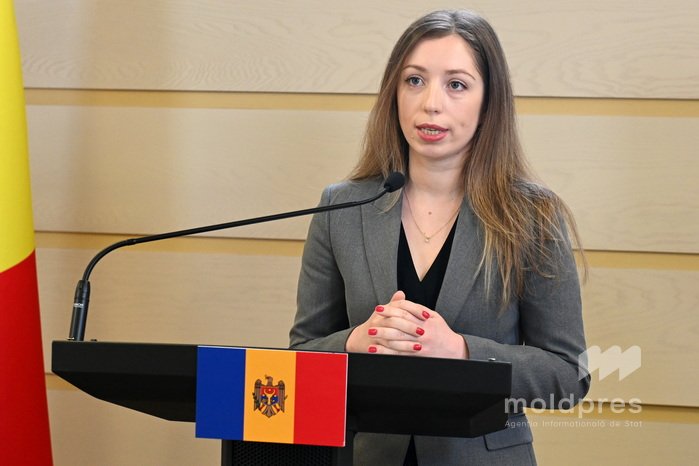
MP Ana Calinici said that the adoption of the new code also represents an important commitment in the context of European integration, as it is included in the roadmap on the functioning of democratic institutions. She said that the draft will be sent for opinion to the Venice Commission and the European Commission, in order to receive recommendations that will be taken into account at subsequent readings.
According to Ana Calinici, the new code introduces a section dedicated to the legislative programme, which becomes mandatory and will be drawn up together with the Government. It will include the agenda of the national accession programme and will provide greater predictability regarding the work of Parliament. The document will also help inform all interested parties so that they can participate more actively in the decision-making process.Enhanced role for Parliament in European agenda
The draft strengthens Parliament’s powers in the European integration, as well as its cooperation with the Government in this regard. At the same time, it reinforces the role of the Committee for European Integration in monitoring and implementing the commitments undertaken.
A separate chapter concerns cooperation with civil society. The authorities say they have already held consultations and included many of the proposals, but remain open to new suggestions, including between readings.
The draft will also be correlated with initiatives on public participation in the decision-making process, which are currently being developed by the State Chancellery.
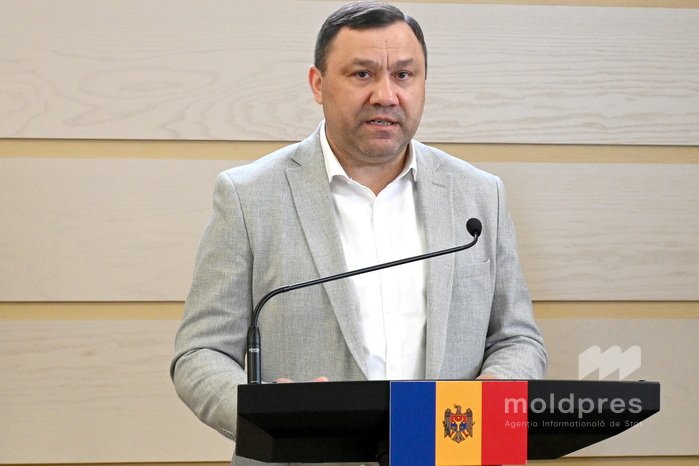
According to Igor Talmazan, the new code also provides more detailed regulations on the establishment and functioning of inquiry committees – a subject frequently cited as requiring improvements.
The MP said that the draft aims to make Parliament’s work more efficient and to improve the way plenary debates are organised.According to him, in many cases topics can be examined more efficiently within parliamentary committees than directly in the plenary. For this reason, the new code proposes setting a clearer framework for debates and limiting interventions, both by parliamentary groups and by individual MPs. The measure is intended to discipline parliamentary activity and allow more efficient use of time, so that only issues relevant for the plenary are debated there, while the rest are examined in committees.
The draft has already been subject to public consultations, and some of the proposals have been included in its current form. The authorities announce that discussions will continue, including after the official registration of the draft, in order to reach a final version that is as balanced as possible.

 Facebook
 Instagram
 X/Twitter
 Telegram
PHOTO // President in Riga: European Moldova cannot be destabilized and cannot be used as pressure point against continent
Stricter rules against terrorism: Moldova joins new European protocol
VIDEO // Moldovan President welcomed by Latvian counterpart at Riga Castle
Government staff reshuffle
Prime Minister about state of emergency: We will not maintain it for even one day longer than necessary
Moldovan President pays official visit to Latvia
Romanian president says Moldova can always count on Romania’s support
VIDEO // Moldovan parliament speaker at Bucha Summit says Ukrainians deserve just victory, Ukraine to prevail
Moldovan president conveys message at Romania Government Roundtable conference
Moldovan expert says Moldova becomes strategic constant in Romania
Romania supports Moldova's economic integration; Romanian president says Romania to continue to support Moldova's integration into European Union, integration of two economies
Prime Minister at The Economist conference on accelerating EU accession process: Moldova moves forward despite challenges
PAS to have new MP in Parliament
Ben Gurion Airport in Tel Aviv remains closed until 16 April
Parliament may adopt new code of operation
Today - last day to submit documents for registration of candidates in new local elections
Over 1,200 tons of gasoline and diesel imported into Moldova on Monday
PHOTO GALLERY // 7 April 2009 protests captured by MOLDPRES
 National Bank of Moldova
Head of State to pay official visit to Ireland, which will hold rotating presidency of Council of European Union starting July
Moody’s Agency upgrades Moldova’s rating to B2, highest level in last 25 years
Moldovan authorities step up prevention, response measures on Dniester, amid anticipated new pollution wave
Moldovan PM participates in awards ceremony recognizing rescuers' achievements
Environmental protection experts from two banks of Dniester hold new working meeting

Moldovan President: 7 April remains lesson about how easily fundamental rights can be violated and about importance of defending freedom
Polish MPs visit Chișinău to strengthen bilateral relations
PHOTO // 17 years since 7 April 2009: Protests that changed country’s development path, still shrouded in uncertainty
Changeable weather, wind gusts forecast in Moldova for April 7: air temperatures up to 15 degrees
Justice reform, anti-corruption efforts in Moldova, essential conditions for concluding EU accession negotiations
Moldovan president to deliver speech in Dublin on reforms, European path of Moldova
Moldovan energy minister pays unannounced visit to Chisinau Electrical Substation
Moldova to benefit from Greece’s support in leveraging external assistance, advancing its European path
Moody’s Agency upgrades Moldova’s rating to B2, highest level in last 25 years
Over 800 teams registered for EuroQuiz 2026: final to take place in Chisinau on 8 May
Yellow wind warning in Moldova: authorities issue safety recommendations for residents
Energocom company of Moldova in last March purchases electricity at average price of 130 Euros/MWh
Higher fines for carriers: Hungary imposes penalties of up to 1,000 euros for deviations from transit routes
PM says Moldova receives clear signal of confidence from abroad
Moody’s Agency upgrades Moldova’s rating; Economy Ministry says country becomes more attractive for investors
Parliament to analyze fuel prices at public hearings
Receive the latest news directly to your email

Receive the latest news directly to your email