
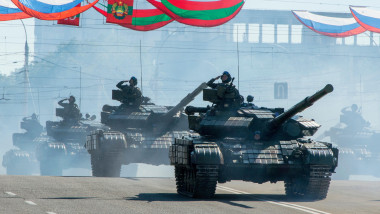
Political analyst says withdrawal of Russian troops, demilitarization of Transnistrian region priorities for European path of Moldova
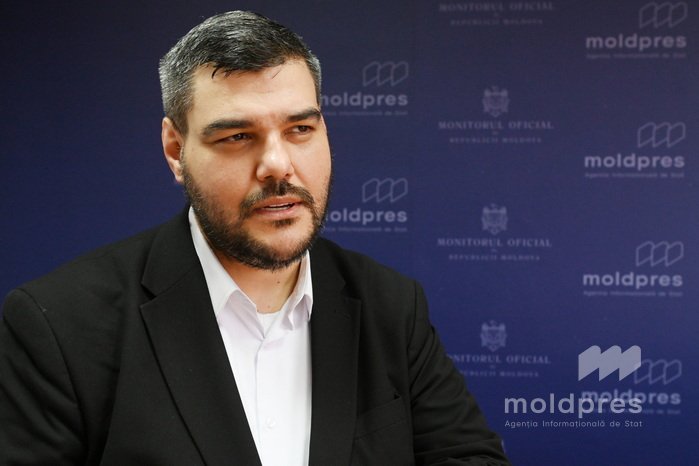
The withdrawal of Russian troops and the demilitarization of the Transnistrian region are becoming essential elements for advancing the process of Moldova’s European integration. Political analyst Mihai Isac says that, without eliminating the consequences of the Russian military invasion of the 1990s, some member states of the European Union could express reservations about Moldova’s accession.

Asked by MOLDPRES, the expert commented on the significance of the statements made by Vice-President Kaja Kallas regarding the need for the withdrawal of Russian troops from Transnistria.

“These developments are turning the Transnistria file from an issue considered only a Moldovan one into an element of European and international security.”

Mihai Isac: In essence, the initiative associated with Kaja Kallas’s name is not just a political phrase, but an attempt to set, within the logic of a possible peace agreement in Ukraine, the conditions that would reduce the risk of Russia keeping its army outside Russian territory as an instrument of pressure on its neighbours. At a news conference after the Foreign Affairs Council on February 23, 2026, Kallas confirmed that she had circulated to member states a document on the concessions that the EU should expect to see from Russia and said explicitly that Russia had long ago agreed to withdraw its troops from the occupied territories in Moldova and other states, pointing out that there are numerous international obligations that Moscow does not observe.

According to official sources, one of the central points is the prohibition of Russian military presence and deployments in more neighbouring states, including  Moldova. These developments transform the Transnistria file from a problem considered solely Moldovan into an element of European and international security.

If Russia keeps troops in Transnistria, it also retains an important military lever at the border of the EU and Ukraine.

The legal and political basis is also important, given that the withdrawal of Russian troops from Moldova has long been demanded on the international political and diplomatic stage.

In 2018, the UN General Assembly adopted a resolution calling for the complete and unconditional withdrawal of Russian forces and armaments from the territory of Moldova and recalling the commitments undertaken at the OSCE Istanbul Summit in 1999. The OSCE also records the withdrawal commitment and the fact that progress has been incomplete. Also, at the 2023 Vilnius summit, NATO called on Russia to withdraw its forces deployed in Transnistria without the consent of Moldova, while reaffirming its respect for Chisinau’s constitutional neutrality.

The reintegration of this region into the constitutional space, the withdrawal of the Russian occupation forces, and demilitarization are becoming priorities in the context of the European integration process. Without eliminating the consequences of the Russian military invasion of the 1990s, some member states of the European Union could oppose the integration of Moldova.

Russia is illegally maintaining in the Transnistrian region a contingent of approximately 1,500–2,500 troops, known as the Operational Group of Russian Forces (OGRF), consisting mainly of local residents with Russian citizenship. They guard the massive ammunition depot at Cobasna (about 20,000–22,000 tons) and are equipped with Soviet-era military hardware, including T-64BV tanks, BMP-1, BMP-2, MTLB armoured vehicles and Grad rocket systems.

Chisinau constantly demands the withdrawal of Russian troops and ammunition from the Transnistrian region, but Moscow and the Tiraspol administration claim that the presence of this contingent is necessary for guarding the ammunition depots at Cobasna and for maintaining the peacekeeping mission on the Dniester, led by the Russian Federation.
 Facebook
 Instagram
 X/Twitter
 Telegram
Speaker after drone explosion in Ivancea: We categorically condemn and will continue to condemn every illegal overflight of our airspace
People’s Republic of China celebrates National Day
Moldova denounces agreement on cooperation between Commonwealth of Independent States member countries on combating crime in transport
VIDEO // Moldovan PM speaks about insolvency administrators’ activities
Foreign Ministry condemns violation of Moldova’s airspace by drone
Vision for administrative reform at district level to be presented Thursday in Chișinău
New state secretary appointed to Health Ministry
CEC to organize 12 polling stations in seven localities for November by-elections
European Commissioner to visit Chișinău for talks on Growth Plan and economic integration into EU
Speaker on opposition’s initiative to suspend head of state: Maia Sandu was elected President by nearly 1 million citizens, who called for and expect us to become EU member state
Presidency, following opposition initiative to suspend head of state: Maia Sandu won trust of more than 930,000 citizens to preserve peace and European path
Moldova supports international efforts to return Ukrainian children
Moldova, Canada to strengthen cooperation in security and trade
Moldovan president condemns Russia’s latest attacks on Ukraine: “Russia must answer for its crimes”
Severe weather warning in Spain; Embassy of Moldova issues recommendations for citizens
PHOTO // New air connection between Bucharest and Chisinau to be named after famed Romanian Olympic sportsman Ivan Patzaichin
PHOTO // Moldova sets Guinness world record with world's largest human grapevine
PHOTO GALLERY // National Wine Day 2026 - ''The Wine that United Us''
Drones entering Moldova’s airspace left craters, debris across extensive areas
Bomb threat at Chisinau-based Eugen Doga Airport unconfirmed; passengers' access to terminal resumed
Moldovan Foreign Affairs Ministry again summons Russian Ambassador over violation of Moldova's airspace
 National Bank of Moldova
Moldovan PM, on National Wine Day, says winemakers country's ambassadors in the world, calling card
Moldovan PM attends ceremony dedicated to Professional Day of Education Workers
Moldovan PM to pay working visit to Brussels
Measurement of performance, monitoring of government's priorities discussed at Moldova's government
Preparing of Moldovan authorities to access EU funds: Poland’s experience presented in Chisinau

Moldovan PM attends ceremony dedicated to Professional Day of Education Workers
National Army detects six unauthorized flights in Moldova’s airspace on October 3
Parliament speaker denounces violation of Moldova’s airspace
Moldovan president says Russia’s war against Ukraine directly endangers lives of Moldova's citizens
Foreign Affairs Ministry condemns violation of Moldova’s airspace by five drones: “Russia’s war against Ukraine continues to generate concrete threats for Moldova”
VIDEO // Drone fragments detected in more settlements of Moldova; police investigate explosions reported
More drones fly over airspace of Moldova
National Wine Day 2026 in Moldova: 25 years of tradition, award-winning wines, industry conquering international markets
PHOTO GALLERY // National Wine Day during 25 years: celebration of Moldovan wine in photographs from MOLDPRES Archive
Bomb alert at Eugen Doga International Airport – Chisinau proves to be hoax; Airport operations resumed
Moldovan police officers to receive training in modern forensic techniques in Turkey
Moldovan PM to pay working visit to Brussels
Measurement of performance, monitoring of government's priorities discussed at Moldova's government
Three honorary consuls of Moldova awarded Diplomatic Merit medal
Preparing of Moldovan authorities to access EU funds: Poland’s experience presented in Chisinau
Candidates for position of Gagauzia's bashkan must know Romanian language; Moldova's Constitutional Court rejects challenge by Party of Socialists
Receive the latest news directly to your email

Receive the latest news directly to your email