
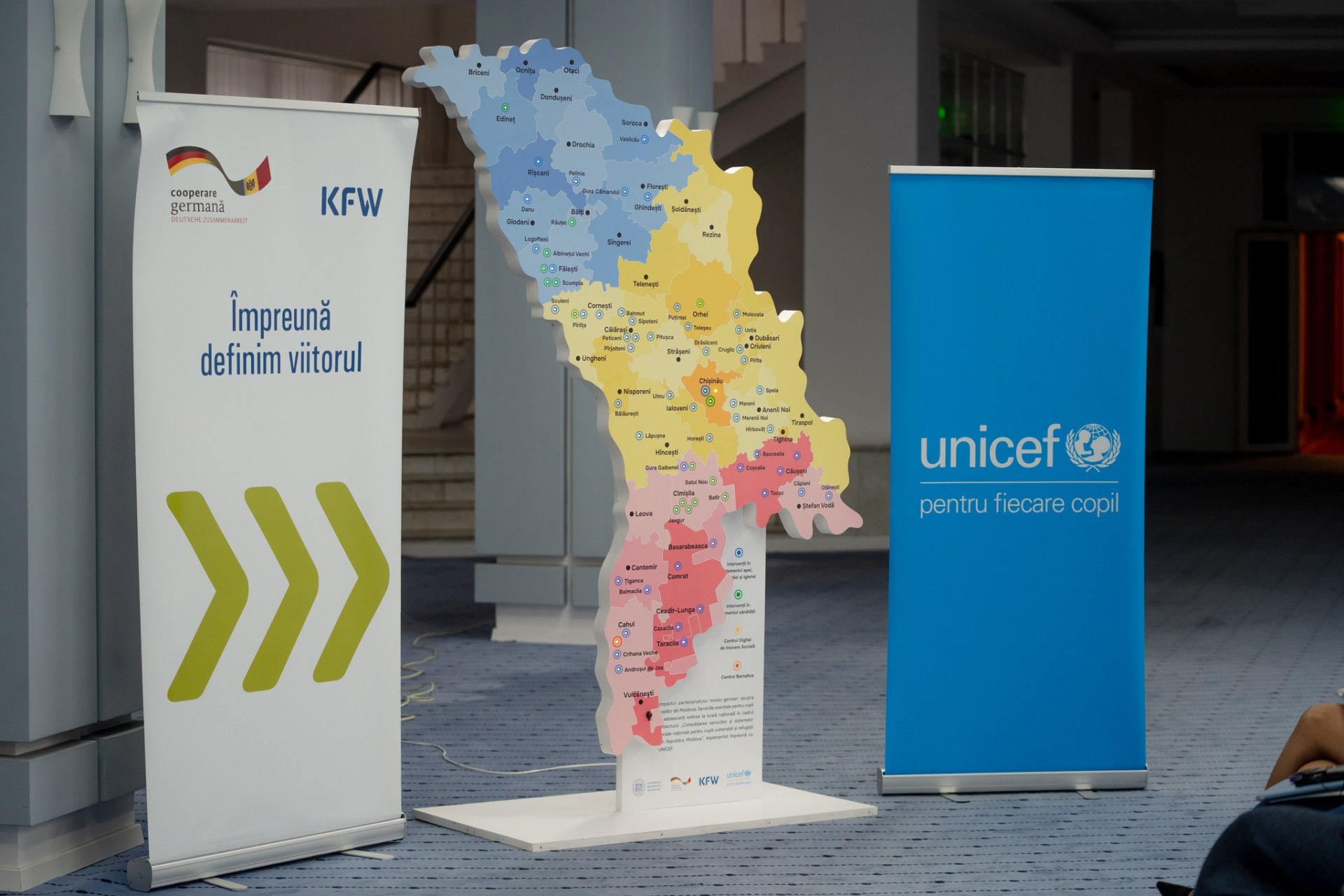
Grant worth 10 million euros to be used to strengthen essential services for children, families of Moldova
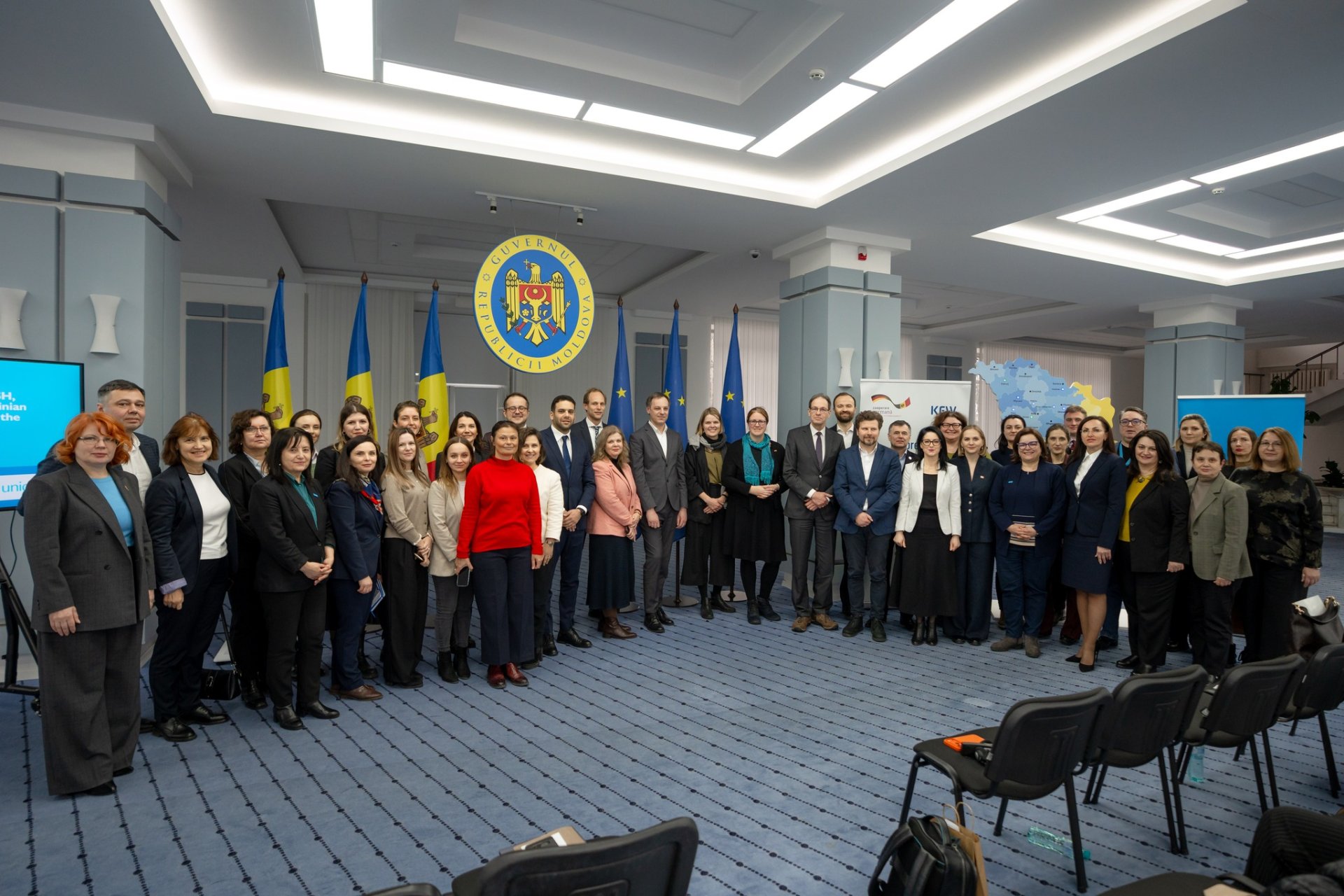
The government of Moldova, the government of Germany, through the German Development Bank KfW, and UNICEF will join forces to strengthen and expand essential services for children and families across Moldova, including Ukrainian refugees and host communities. Thus, a grant of 10 million euros will be used to support an even larger number of children, both Moldovans and Ukrainians, in order to have access to protection services, healthcare, inclusive education, safe drinking water and sanitation in their communities.

The grant is provided under Phase II of the project, Child Protection and Access to Water, Sanitation and Hygiene (WASH), Health and Social Services for Ukrainian Refugees and Host Communities of Moldova.

This new phase of the partnership focuses on facilitating access to services for children and on increasing the capacity to respond quickly to their needs. During the period 2026–2028, support will aim at expanding child protection and justice services, strengthening early intervention for young children with developmental delays, improving inclusion in schools and kindergartens, bringing health services closer to adolescents and modernizing water and sanitation conditions in early childhood education institutions.

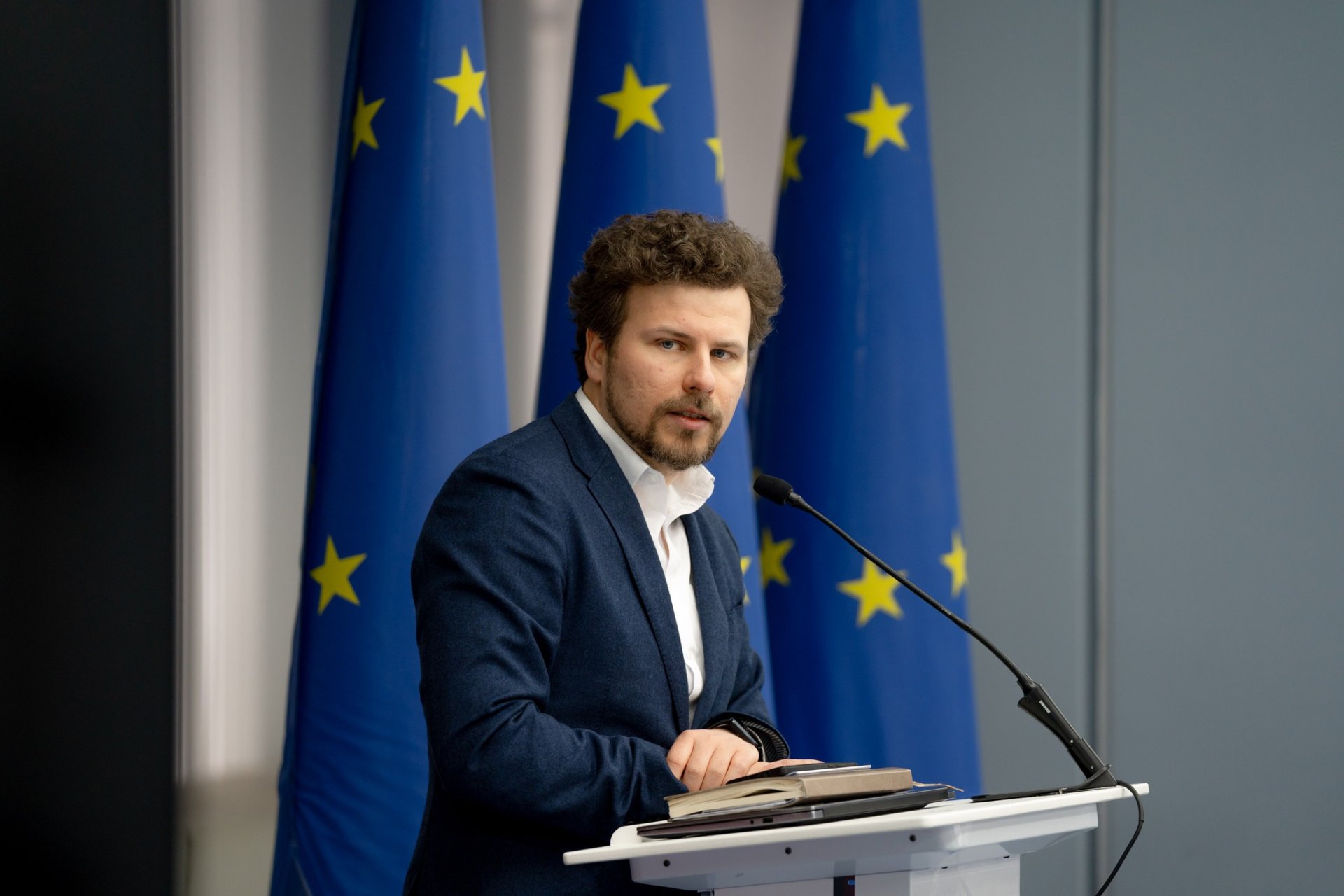
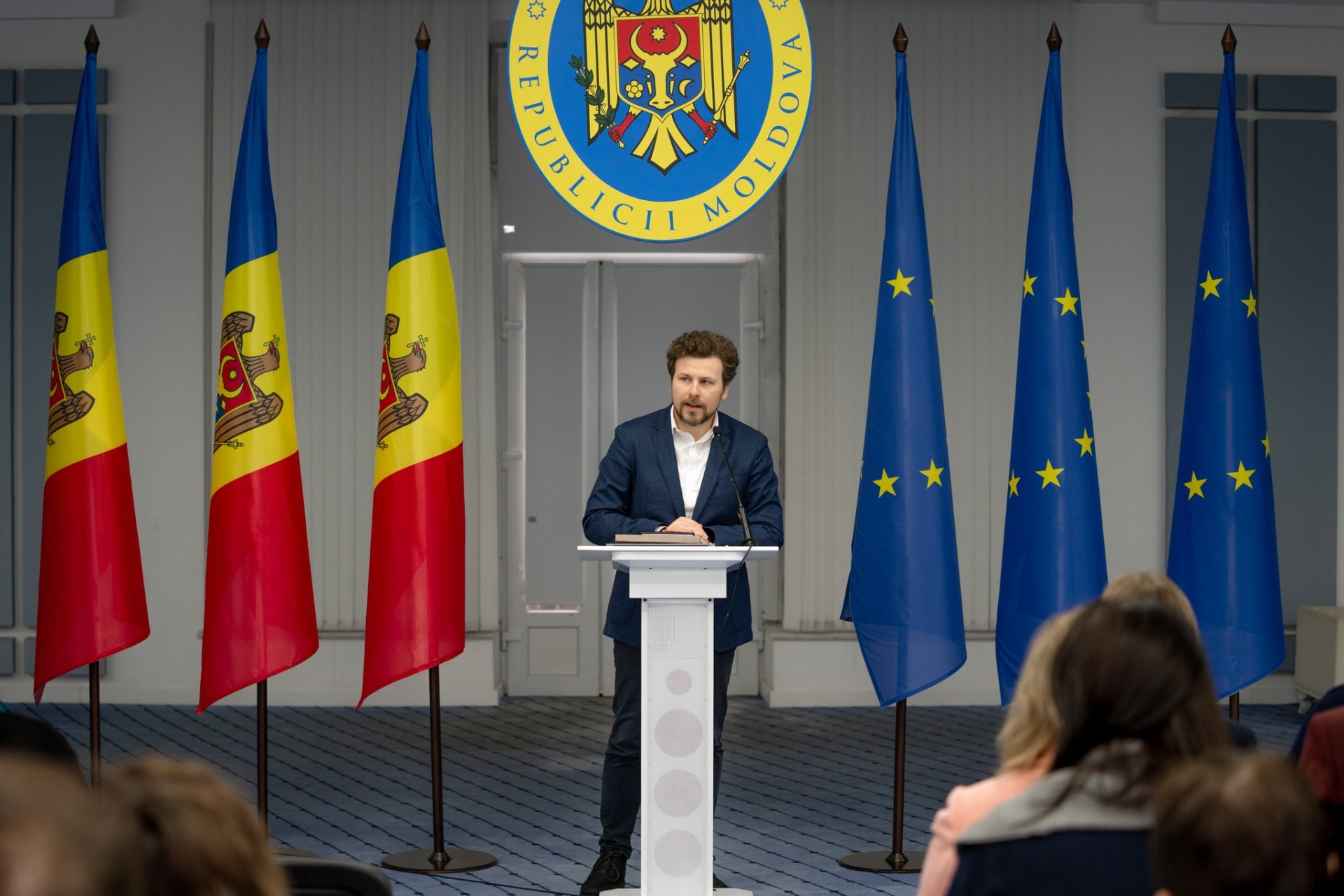
“In recent years, we have modernized the infrastructure of more educational institutions, in order to ensure better learning conditions for both children and teaching staff. In the coming years, we will continue to support these initiatives to develop water, sanitation and hygiene infrastructure in schools, so that all children, including refugees, can benefit from a safe and hygienic school environment,” said Dan Perciun, Minister of Education and Research.

According to the official, the new investments will lead to the creation of Resource Centers in six districts of the country, which will provide preschool-aged children with a friendly and inclusive environment to develop.

Health services will be expanded for both young children and adolescents. Early intervention centers will be modernized and equipped to more effectively support children with developmental delays, while adolescent-friendly mobile health services will reach more districts, providing mental health and psychosocial support, sexual and reproductive health services, as well as preventive information, including in rural areas.

For young children, water and sanitation conditions in kindergartens will be improved, with a focus on accessibility for children with disabilities and for communities hosting refugees.

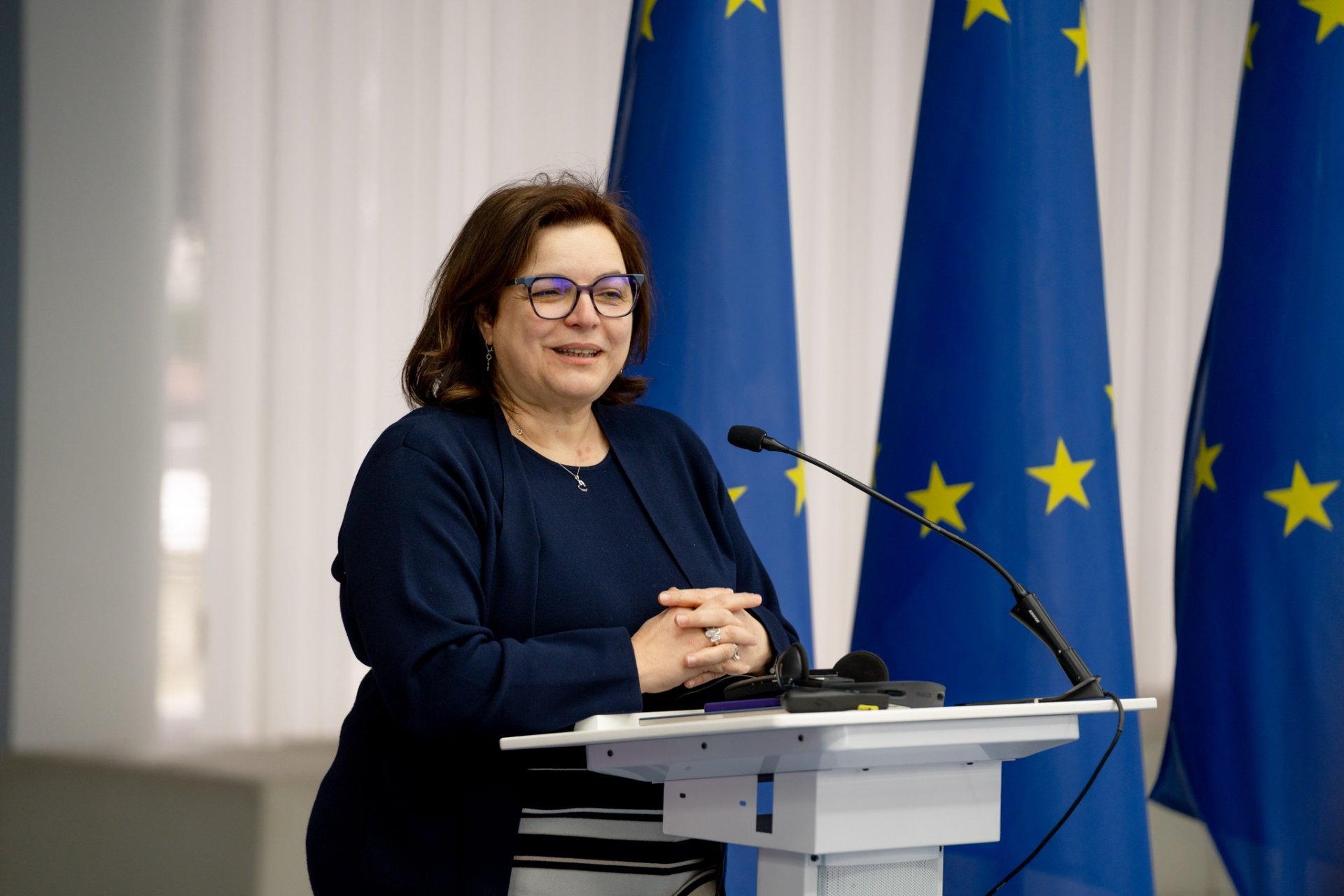
“This partnership means turning public commitments into services that children can rely on every day. By investing in coordinated and sustainable services, we ensure that each child can grow up safe, supported and included,” said Maha Damaj, Representative of the United Nations Children’s Fund (UNICEF) in Moldova.

A key priority is the expansion of the Barnahus model, so that children affected by violence can receive support in a safe and child-friendly environment. A new Barnahus center will be supported in the central region, complementing a national network of three regional centers (in the north, center and south of the country) and ensuring that no child will have to be sent from one institution to another to receive help.

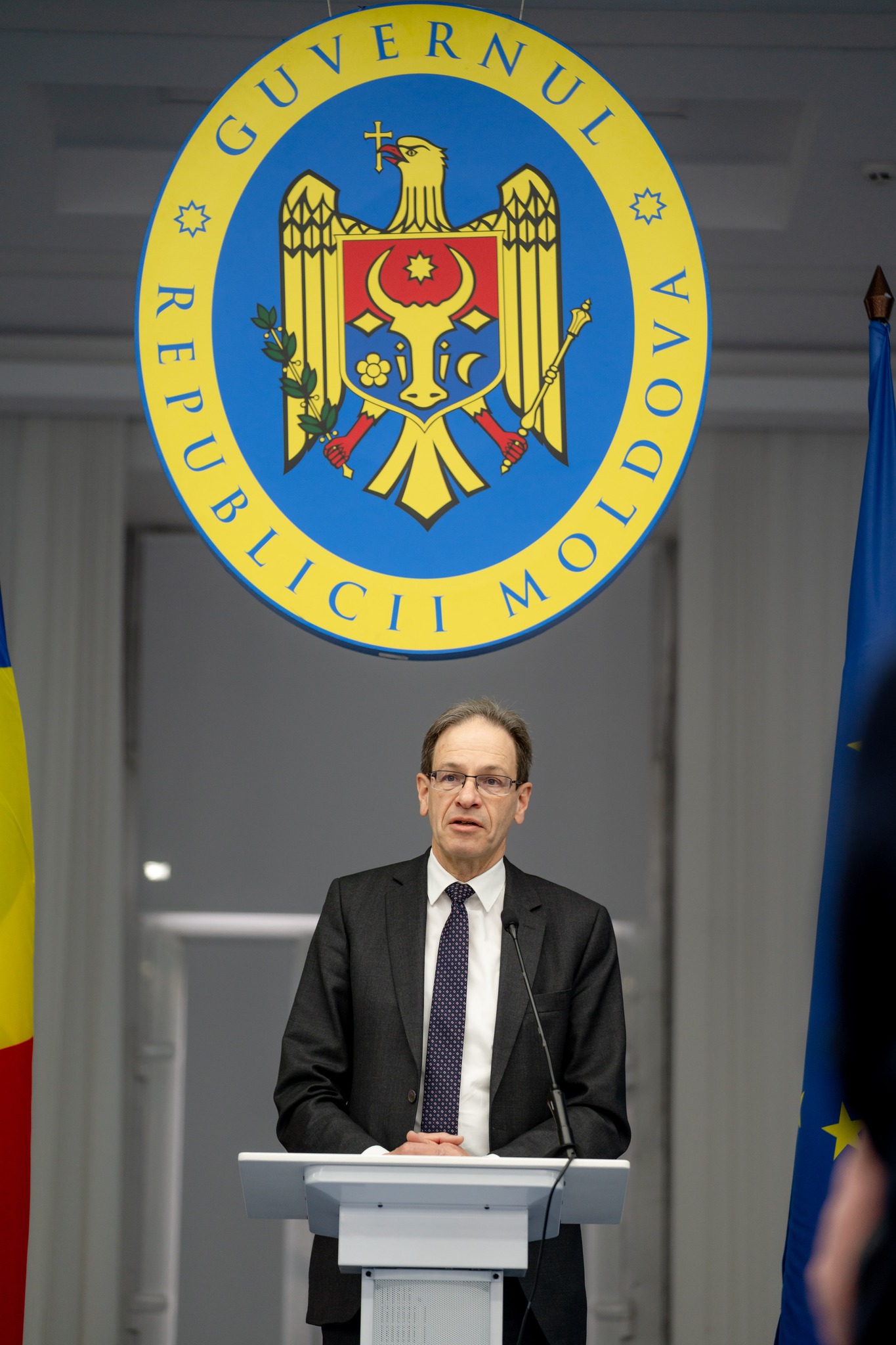
“We stay committed to supporting services that make a real difference in children’s lives, from protection and justice to health, inclusive education and access to safe water and sanitation, reaching both children from refugee families and those from host communities,” emphasized Hubert Knirsch, Ambassador of Germany to  Moldova.

Preventing violence from an early stage is also a central pillar of this phase of the project. Nationwide, parenting support programmes will be expanded, helping caregivers create safer and more positive family environments, including for refugee families and for parents of children with disabilities.

In the first phase of this trilateral partnership, targeted improvements were supported in the areas of child protection, health, water and sanitation, as well as social services, benefiting more than 100,000 children and parents in Moldova and laying the foundation for the current scale-up.

The project is implemented by UNICEF, in partnership with the government of Moldova, with non-reimbursable financial support from the German Federal Ministry for Economic Cooperation and Development (BMZ), through the German Development Bank KfW.
 Facebook
 Instagram
 X/Twitter
 Telegram
LIVE // 14,000 tons of ammunition stored at Cobasna, gross quantity
UPDATE Increased traffic at Leușeni and Sculeni border crossings eased
Number of people accommodated in tourist facilities in country increased by around 16 percent in first half of year
Border crossing between Ukraine and Moldova attacked by drones
Five former officers convicted for illegal interception of communications of activists, journalists, politicians
MAI: Drone debris of Geran type discovered near Giurgiulești
VIDEO // Environment Ministry advocates for modern waste management centers instead of unauthorized dumpsites
A Book From You – A World for Me campaign launched by UNICEF and Ministry of Education and Research: book donations for kindergartens across country
Two drone incidents recorded near Moldova–Ukraine border in Giurgiulești
UPDATE // Heavy traffic at Leușeni–Albița border crossing point cleared
Drone illegally flew over airspace of Moldova
LIVE // Salary increases to be applied starting 1 January 2027
Public sector employees with gross salary below 20,000 lei to receive one-off payment in October
PHOTO GALLERY // Teachers protested in Great National Assembly Square demanding salary increases from September 1. Government promises solutions
Moldovan president in Kyiv says more air defense for Ukraine means safer sky for Moldova as well
Moldovan parliament speaker says ammunition at Cobasna used by Russia as argument to maintain troops in Transnistrian region
Voted by Moldova's parliament: Electoral Code supplemented with provisions on postal voting, organization of elections in Gagauz autonomy
Moldovan parliament changes rules of work: new provisions for MPs, parliamentary factions
Inga Ionesii assumes office of Moldova's Ambassador to India
Moldova denounces another agreement signed within Commonwealth of Independent States: parliament votes withdrawal from treaty on books and printing
Harvest of grapes for wine might increase by up to 15 per cent in Moldova in 2026; reference price between 6.8 and 8.2 lei per kilogram
 National Bank of Moldova
Moldovan president advocates in Kyiv for strengthening Ukraine’s air defense
Moldovan PM conveys message to Ukrainian people at opening of exhibition dedicated to Ukraine’s sacred heritage
Moldovan president awarded Princess Olga Order by Ukraine's head of state
President of Ukraine awarded Order of Republic
Independence Unites Us: Moldovan government announces official schedule of events for August 27

Moldova denounces another agreement signed within Commonwealth of Independent States: parliament votes withdrawal from treaty on books and printing
Harvest of grapes for wine might increase by up to 15 per cent in Moldova in 2026; reference price between 6.8 and 8.2 lei per kilogram
More judicial procedures to be digitalized in Moldova: documents, summonses to be able to be sent electronically
New MPs in faction of Moldova's Action and Solidarity Party: Roman Rosca, Victor Matraguna start work in parliament
Roads' safety to be assessed at least once every five years in Moldova; drivers to be able to report dangerous areas online
Energocom company of Moldova announces price of natural gas delivered in last July
Moldovan parliament speaker conveys message on Independence Day of Ukraine
Financial instruments market of Moldova to be aligned with EU standards
Moldovan PM conveys message to Ukrainian people at opening of exhibition dedicated to Ukraine’s sacred heritage
Moldovan president awarded Princess Olga Order by Ukraine's head of state
PHOTO GALLERY // Images of Ukraine’s sacred heritage destroyed in war presented in parliament at exhibition, Rebirth in Glory and Power
PHOTO // National teachers’ forum held in Moldovan capital: “Education is one of the strongest guarantees of our independence”
PHOTO // Moldovan parliament hosts exhibition dedicated to Ukraine’s sacred heritage destroyed by war
Prime Minister on Ukraine’s Independence Day: Moldova is and will remain reliable neighbor and steadfast partner of Ukraine
Prime Minister invites Turkish companies to invest in Moldova
Parliament to convene in solemn session marking 35th anniversary of proclamation of independence
Receive the latest news directly to your email

Receive the latest news directly to your email