
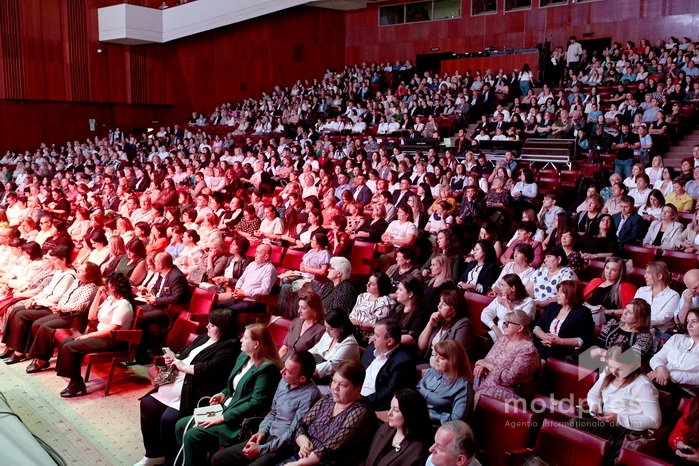
VIDEO, PHOTO // Social protection professionals gather in Chisinau for first National Forum dedicated to competent field
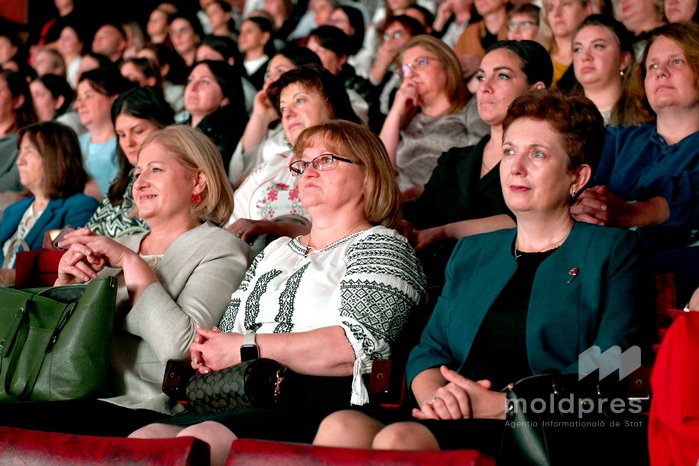
Professionals in the field of social protection from Moldova today gathered at the National Forum of Social Protection Professionals, organized by the Labour and Social Protection Ministry on the occasion of the Professional Day of Social Protection Workers. The event was dedicated to the exchange of experience, recognition of specialists’ merits and discussion of reforms and directions for the sector’s development.
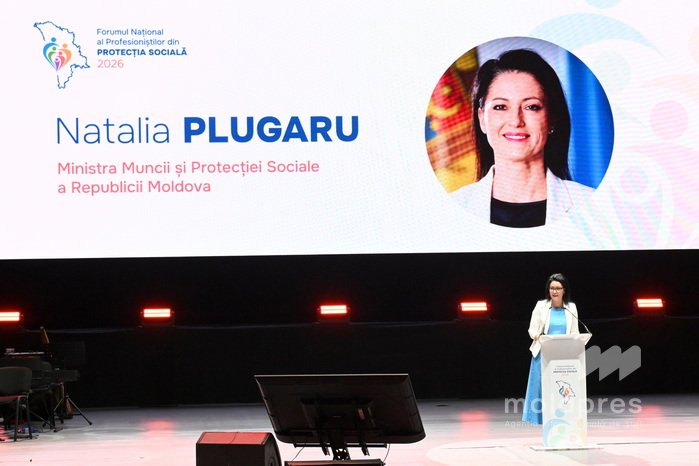
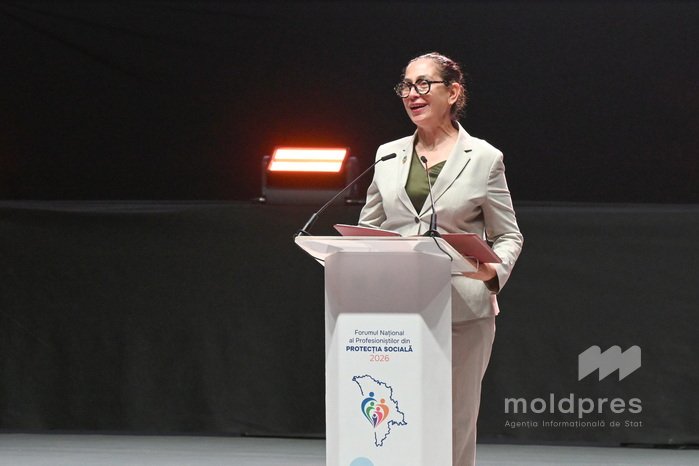
Labour and Social Protection Minister Natalia Plugaru emphasized that the social protection system is primarily made up of the people who work directly with beneficiaries.
“The social protection system is you. Every day, people come to you when their lives need help. And yet, your work remains unseen,” Natalia Plugaru said.
The minister referred to the work of community social assistants, child protection specialists, personal assistants, social workers, labour inspectors, employment specialists, as well as those who determine pensions, allowances or disability grades.
According to Natalia Plugaru, following the Restart reform, the number of people monitored through case management has increased significantly. While approximately 3,000 people were assisted annually in 2024, around 78,000 beneficiaries are currently covered. At the same time, the number of monitoring visits increased from approximately 1,200 per week to 17,000.
“If a person cannot get to the service, the service must reach the person,” the minister said, referring to the development of mobile teams and community services.
In the field of child protection, the number of children under case management has increased, according to the minister, from approximately 2,700 before the Restart reform to 23,000 at present. At the same time, the number of children in residential institutions was reduced from around 11,000 to 360.
Natalia Plugaru also mentioned the expansion of services for people with disabilities and home-based care services. Presently, approximately 15,000 beneficiaries receive assistance annually through the home-based social care service, and their number, according to the minister, has tripled.
As for the area of preventing and combating violence, the minister said that the number of women receiving support from specialized services increased from approximately 100 before the Restart reform to 6,900 at present.
“For one person, it can mean medicine, food, warmth and peace of mind for an entire month,” Natalia Plugaru said about the social benefits provided to beneficiaries.
The minister also highlighted the role of employment services. According to the data presented at the Forum, more than 20,000 people were supported in finding a job last year, while in the coming years the authorities aim to help more than 100,000 people enter or return to the labour market.
Another area mentioned was combating undeclared work. While in 2021 inspectors identified approximately 80 people working without a contract, more than 8,000 people were identified last year, and the target for this year is to reach 10,000.
“A contract means more than a piece of paper. It means a declared salary. It means protection, if an accident occurs. It means contributions toward a pension. It means security. And, ultimately, it means dignity at work,” Natalia Plugaru stated.
The minister emphasized that the development of the system must also include investments in the professionals who ensure its functioning. She mentioned investments in transport, vehicles, equipment, digitalization and professional training, as well as the introduction of new specializations and qualification levels.
“We cannot ask people to take care of others without taking care of them ourselves,” Natalia Plugaru said.
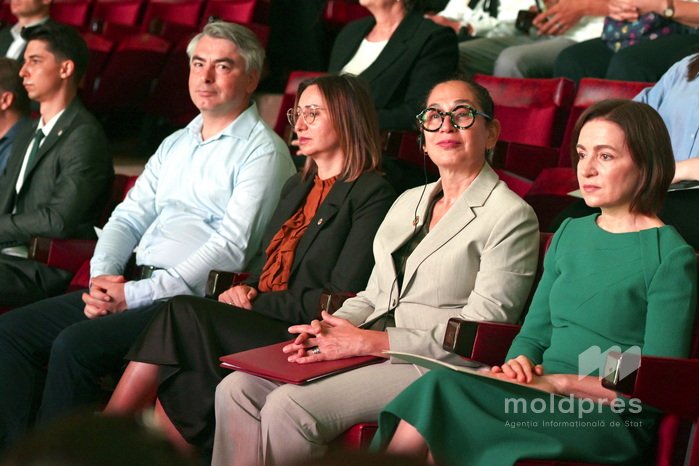
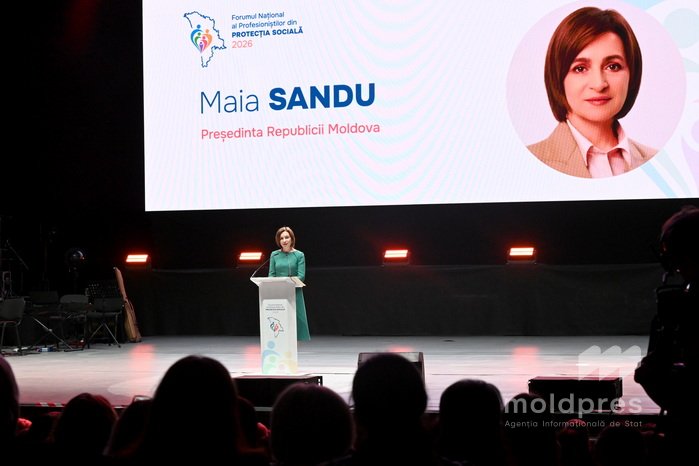
President Maia Sandu also attended the Forum and praised the role of social protection professionals in supporting vulnerable people.
“The work of a social worker requires knowledge and professionalism, but above all, it requires knowing how to listen, being empathetic and having patience,” the head of state said.
Maia Sandu noted that the pandemic, the war in Ukraine and the energy crisis had placed pressure on the social protection system, while professionals in the field were called upon to respond quickly to the needs of affected people.
According to the president, the Restart reform sought to build a better-organized, more professional system that is closer to communities, so that access to support does not depend on the locality where a person lives.
“No problem, no reform can be better than the people who put it into practice. That is why, the professionalization of social assistance is so important,” Maia Sandu said.
The Moldovan president also emphasized the need to develop services that help people capable of working become independent and support themselves through employment. She highlighted measures supporting labour-market participation, including for women returning to work after periods devoted to caring for their families, as well as actions to combat undeclared work.
“For those who can work, a legal and stable job is one of the best forms of social protection,” Maia Sandu said.
Also present at the event, United Nations Resident Coordinator in Moldova Yesim Oruc praised the contribution of professionals in the field to supporting people in vulnerable situations.
“Every day you are on the front line, supporting children, families, older people, people with disabilities and many others in need. I am deeply impressed by your dedication, compassion, professionalism and, of course, your work. Your commitment does not go unnoticed,” Yesim Oruc said.
According to the UN Resident Coordinator, the work of social protection professionals contributes both to achieving global development goals and to concretely improving people’s lives.
“Your success as social protection professionals helps Moldova advance toward achieving global goals. But, more importantly, your success means a chance to succeed for a child, for men and women looking for a job. Your success means safety for workers in the workplace and dignity for pensioners,” Yesim Oruc said.
She reaffirmed the United Nations’ commitment to continuing cooperation with the Ministry of Labour and Social Protection and with professionals in the field.
“From child protection and digitalization to combating gender-based violence and supporting refugees, from active labour-market measures to women’s participation in the workforce and protecting the rights of workers and pensioners – all UN agencies [...] will continue to work alongside you, the professionals in the field of social protection,” the UN Resident Coordinator said.
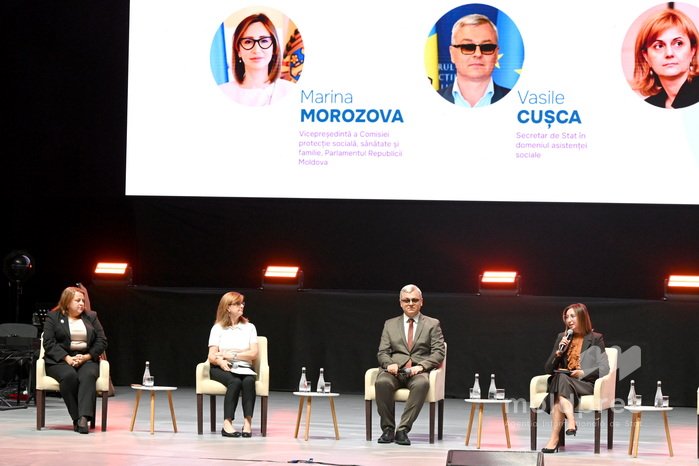
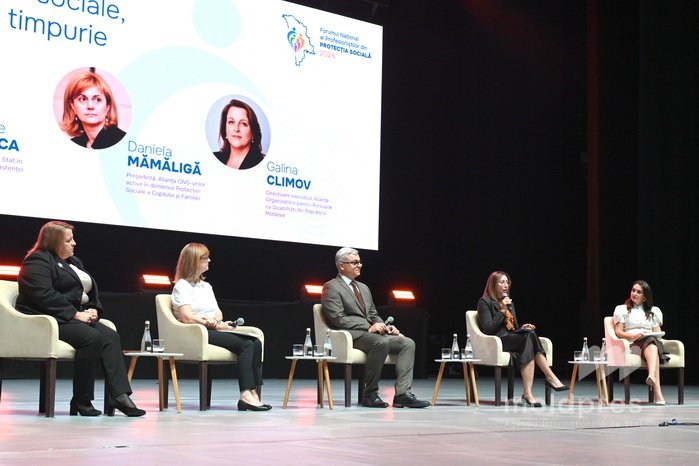
Four discussion panels were organized as part of the Forum, focusing on social services for children and families, the development of community services, equal opportunities and employment, as well as transformations in the labour market, digitalization and social dialogue.
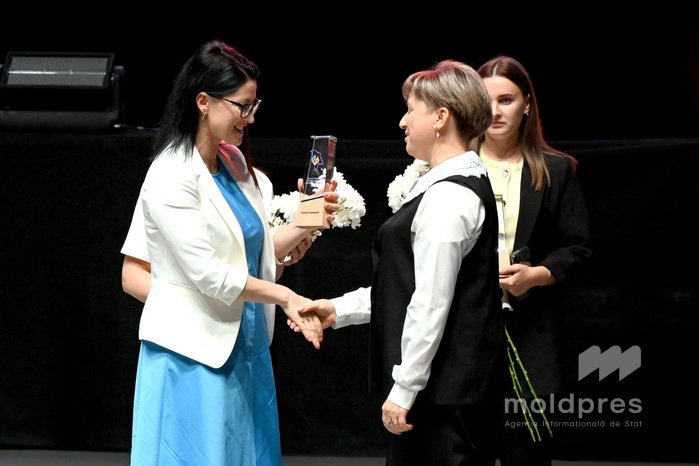
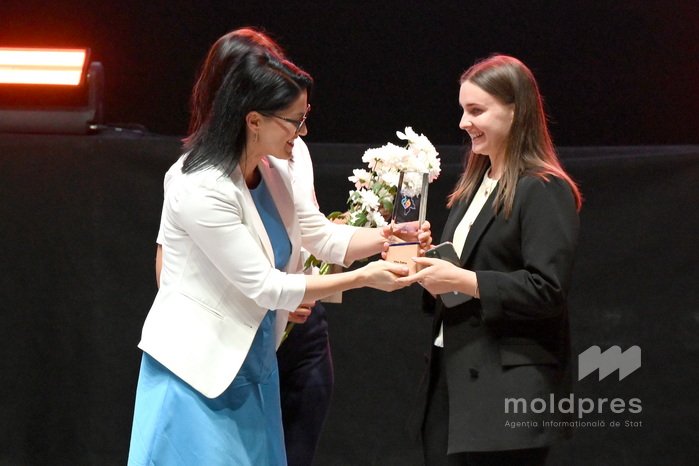
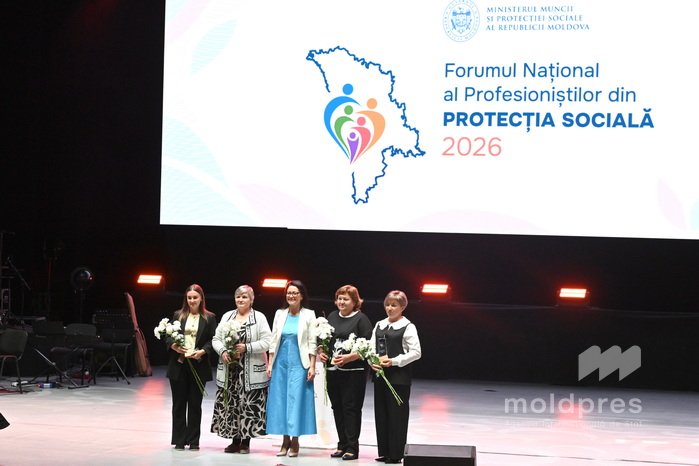
An important moment of the event was the awards ceremony for social protection workers. Distinctions were awarded for professionalism, dedication and significant contributions to the development of the system, along with special awards and diplomas for representatives of civil society and academia. Participants also discussed important topics during four discussion panels: Panel 1. Child and family: social services, prevention and early intervention; Panel 2. From institutional protection to autonomy and participation: development of community services and professionalization; Panel 3. Equal opportunities, employment and demographics: policies for a changing society; Panel 4. The transforming labour market: policies, digitalization and social dialogue.
The National Forum of Social Protection Professionals will be held annually, with the Professional Day of Social Protection Workers marked on the third Sunday of September. This year’s event brought together representatives of the entire system, in order to exchange experience, present reforms and innovations and strengthen the professional community.

 Facebook
 Instagram
 X/Twitter
 Telegram
Government appoints new directors at SFS, CNAM, APP, AIPA
PHOTO GALLERY // Meeting of Joint Consultative Committee between European Committee of the Regions and Moldova
Moldova, Ukraine continue negotiations on water discharge from Novodnistrovsk reservoir
PHOTO GALLERY // Chisinau hosts annual meeting of Conference of Regional and Local Authorities for Eastern Partnership
Interferon medication, unavailable at Oncology Institute from Chisinau, to be available as of September 15, Health Ministry says
Prosecutors seek six-year prison sentence for former PM in Chisinau airport's concession case
Moldova’s airspace violated again: drone enters from direction of Ukraine
Drone briefly entered airspace of Moldova near Palanca
As of today, Chisinau Airport implements special access measures: rules for travelers
DOC // Law on accessibility of products and services published in Official Journal
DOC // Tax incentives for modernizing 15 schools
PHOTO // Students from Moldova win bronze medal at International English Language Olympiad
Deputy Prime Minister: Reintegration has already begun through things that bring people closer together
Drone entered Moldova. Airspace temporarily closed
VIDEO // Moldovan labour minister presents transformations in social protection system
Moldovan president attends National Forum of Social Protection Professionals
VIDEO, PHOTO // Social protection professionals gather in Chisinau for first National Forum dedicated to competent field
VIDEO, PHOTO // Social protection professionals gather in Chisinau for first National Forum dedicated to competent field
Moldovan Foreign Affairs Ministry condemns reported aerial incident in two central districts
PHOTO // European Week of Sport 2026 opened in Chisinau with race for children, young people
Police investigate reports of flying object, possible explosion in two central Moldovan districts
 National Bank of Moldova
Moldovan president's speech at National Forum of Social Protection Professionals
Future lawyers, together with MP of first Moldova's parliament, experiment lawmaking process
Moldovan PM has meeting with mayors from Gagauz autonomy
Moldovan PM discusses with entrepreneurs from southern region, visits more local businesses
PM, at Etno Fest Taraclia, says diversity of cultures, traditions makes Moldova richer

Moldovan PM has meeting with mayors from Gagauz autonomy
Moldovan PM discusses with entrepreneurs from southern region, visits more local businesses
PHOTO // PM, after visiting companies in southern region, says products made in Moldova competitive
PHOTO // Moldovan PM says knowing another language, another culture makes Moldova richer
PM, at Etno Fest Taraclia, says diversity of cultures, traditions makes Moldova richer
Moldovan Foreign Affairs Ministry condemns incident near Colonita settlement
Moldovan Border Police monitor situation after explosion nearby border with Ukraine; no fragments found in Moldova
Art Comes to Life – immersive exhibition hosted by Moldova's parliament
Moldova European leader in growth of tourist arrivals in first half of 2026
Moldova to host International Competition for Search and Rescue Dogs for the first time
Moldovan energy minister explains why security stocks cannot be used to reduce gas prices
Data of 2024 Census used in public policy development in Moldova
Estonia to continue providing expertise to Moldova in EU accession process
Moldovan PM meets with Head of Council of Europe Office in Chisinau
Over 20 companies from Moldova present products in Baia Mare, Romania
Moldovan PM to attend 81st session of United Nations General Assembly
Receive the latest news directly to your email

Receive the latest news directly to your email