
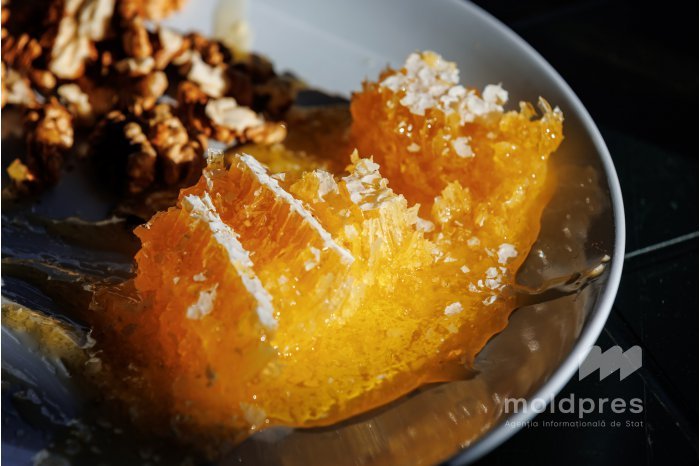
Discover Moldova with #MOLDPRES: Journey among beehives in regions with country’s most appreciated honey
Moldova is among the countries with a well-recognized beekeeping tradition, and local honey is one of the nation’s most valuable natural resources. This product was not only the first of animal origin from Moldova to reach the European Union market, but it continues to be a symbol of quality and of the hard work of local beekeepers.

The beekeeping sector has constantly benefited from support through subsidy measures provided by the Agriculture and Food Industry Ministry, which has allowed for improved product quality and expanded production capacities. “Promoting honey consumption is important both for supporting beekeepers and for better harnessing the economic potential of the sector,” experts in the field point out.

Moldovan honey stands out for its diversity and unique aromas, determined by the country’s rich flora, which includes sunflower fields, apple and pear orchards, acacia forests, linden meadows and wildflowers in the Codrii (Forests) area. Among the regions renowned for the quality and authenticity of their honey, there are Northern Moldova, with acacia honey from Soroca district, Calarasi and Anenii Noi, famous for their sunflower honey, and the Codrii area, highly appreciated for its multifloral honey with a complex aroma.

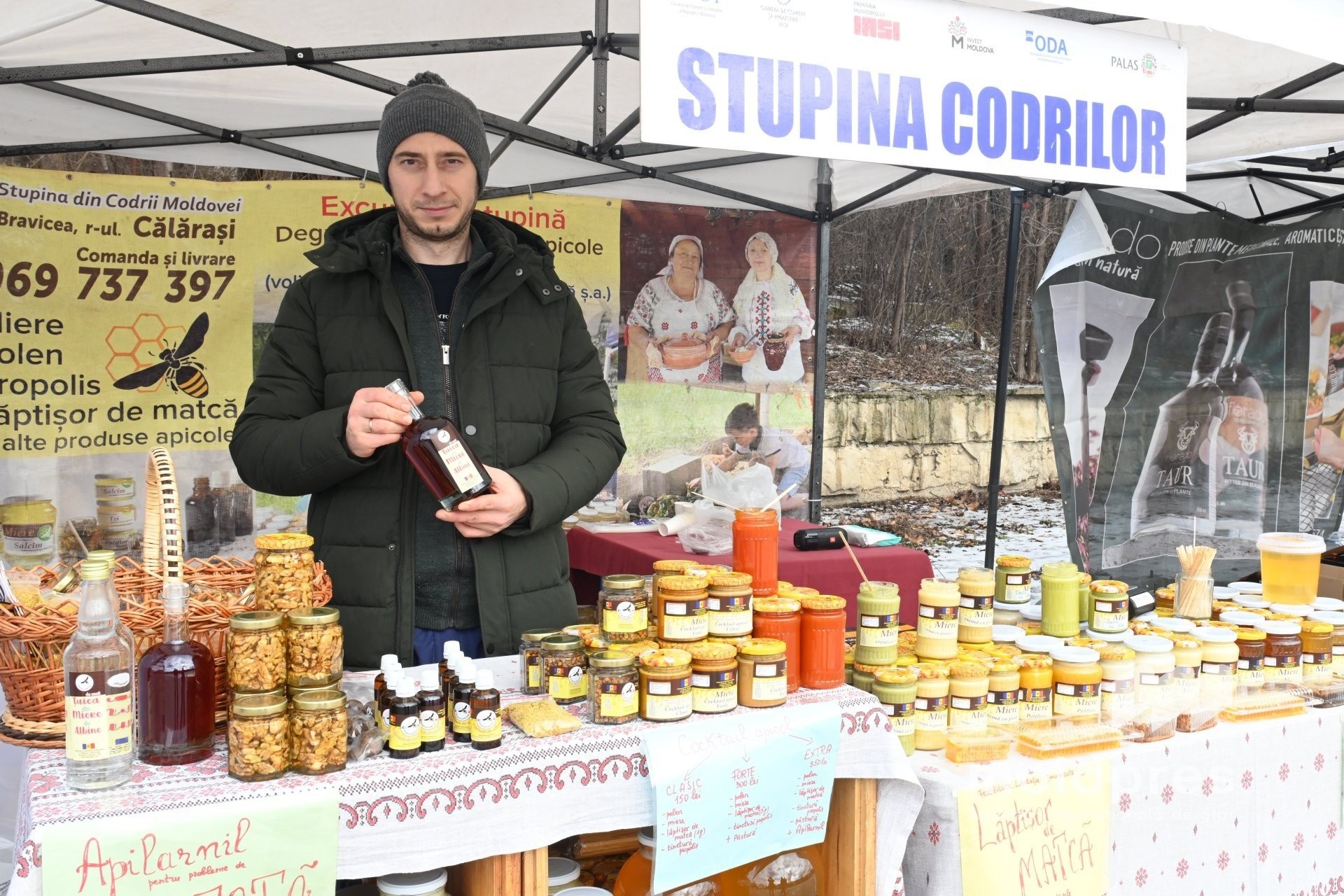
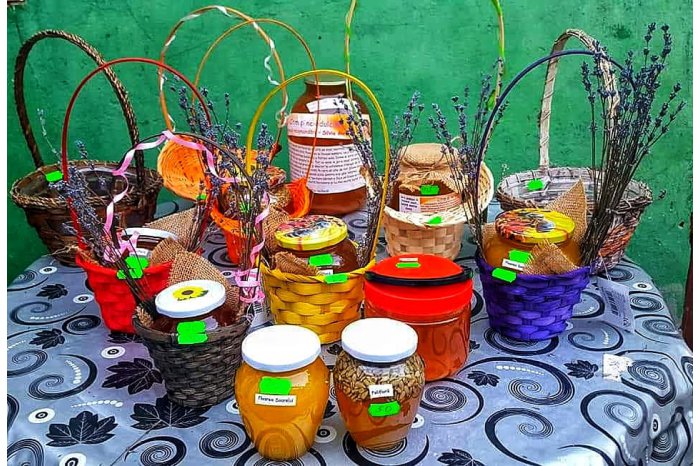
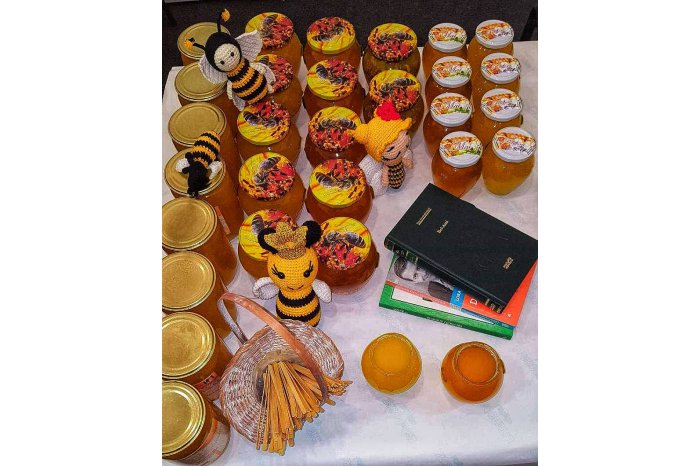
Although part of Moldova’s honey production is exported to the European Union market, most of it is sold in bulk. This limits the sector’s ability to create added value, but also opens up opportunities for developing processing and producing diversified bee products, such as honey creams, propolis, pollen, royal jelly or combinations with medicinal plants. These products not only enrich the offer for domestic consumers, but also increase the attractiveness of exports.

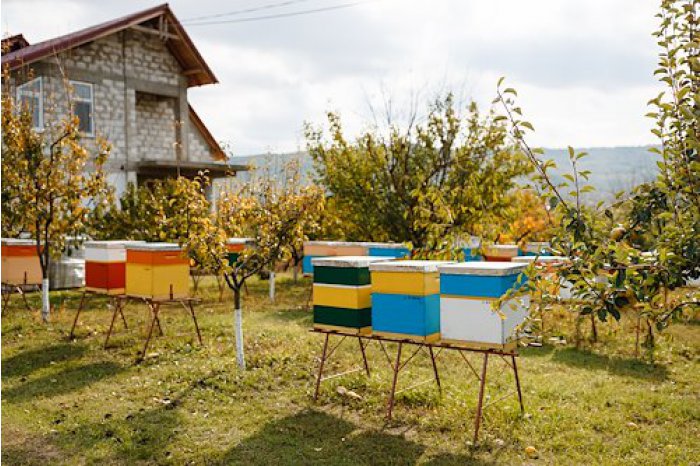
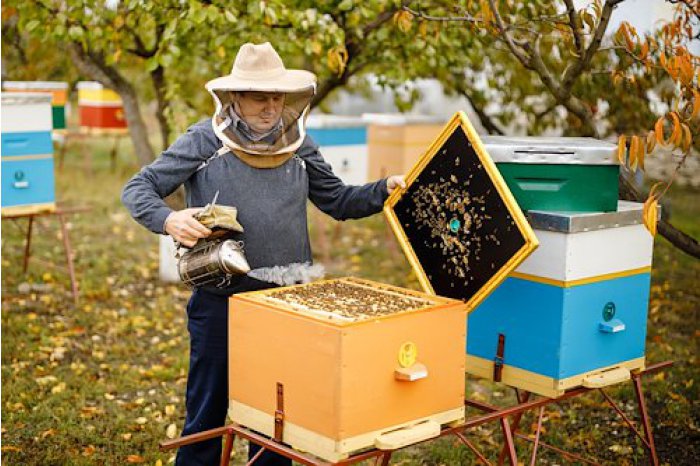
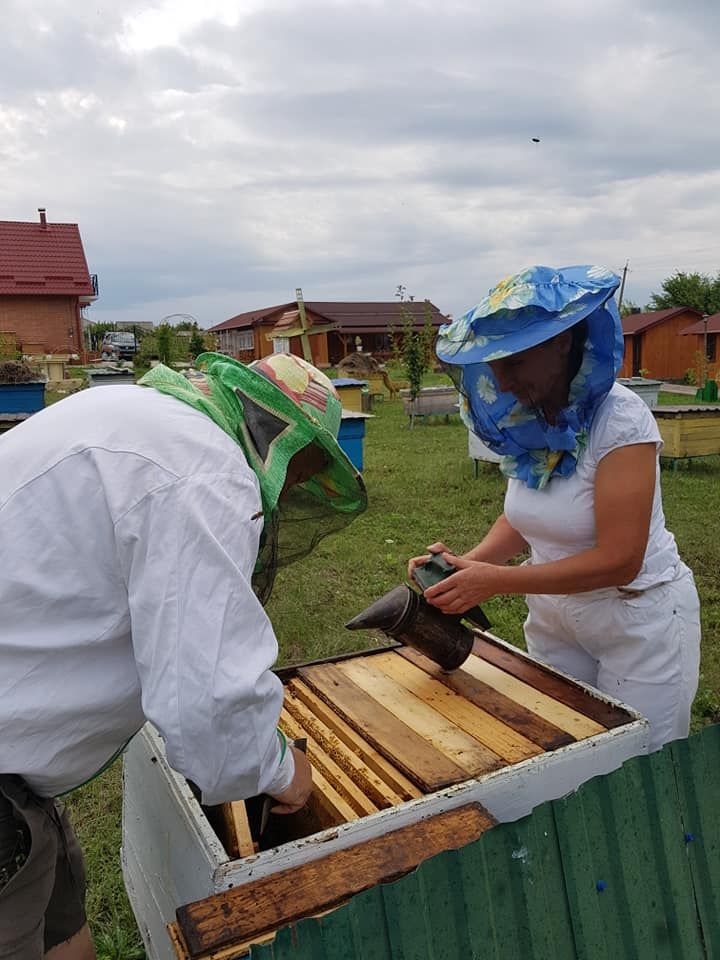
For tourists and lovers of natural products, visiting beekeepers of Moldova provides authentic experiences: tasting honey directly from the hive, learning about the harvesting process and the opportunity to purchase pure, certified honey. Thus, beekeeping regions are becoming rural and gastronomic tourism destinations, combining scenic landscapes, local traditions and the unmistakable taste of honey.

Agriculture and Food Industry Ministry continues to support beekeepers through subsidy and training programmes, as well as by promoting quality products on both external and domestic markets. The development of the processing segment and the creation of value-added products are considered essential for consolidating the sector, increasing beekeepers’ incomes and promoting the authentic gastronomy of Moldova.

“Honey Manor”, a “sweet” business for a decent life at home

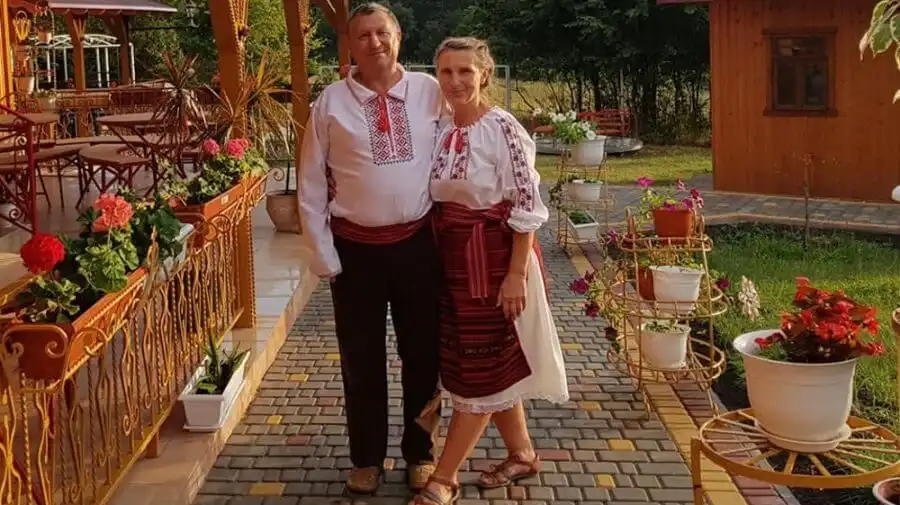
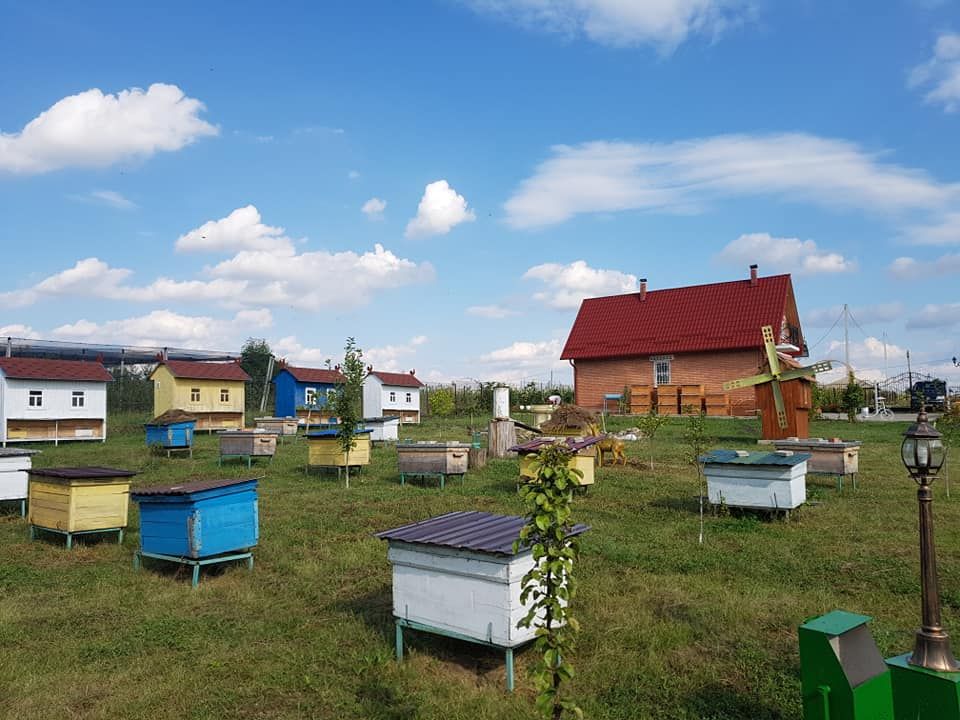
Victor Ciolacu ruled to return home after many years of working in Greece. There he realized that tourism could be developed in Moldova as well. The apiary is close to Chișinău, and the infrastructure is well developed.

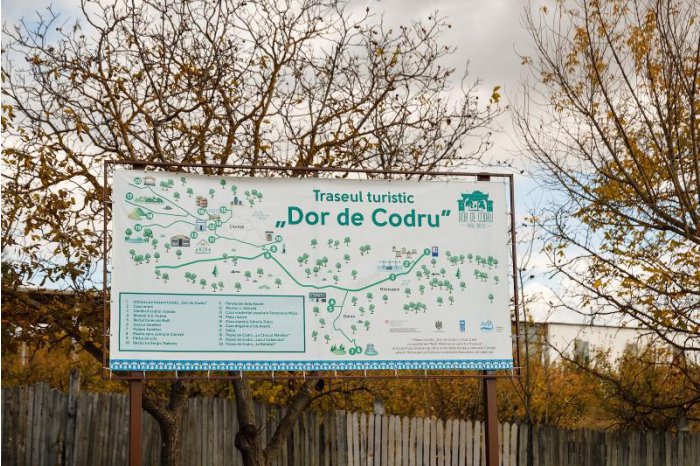
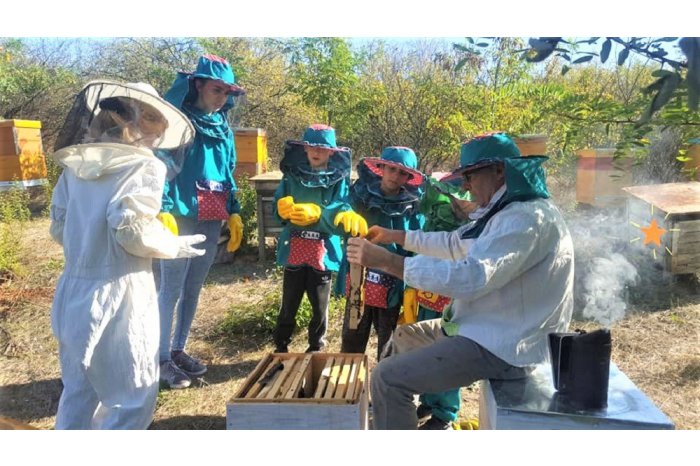
“This manor has become an attraction point on this route, and we are ready to welcome visitors to the apiary to tell everyone, especially children, about the life of bees. We are still in the process of development, but we welcome guests to our apiary by the book.”

The Ciolacu family has set in motion the construction of a guesthouse for tourists.

“The guesthouse has 10–11 accommodation places, with a local kitchen. More staff are involved in these activities. Not for a moment did I doubt that it would be a good idea. In a short time, we saw that the results exceeded our expectations,” says Victor Ciolacu.

The beekeeper says that, during honey extraction he hires, on a seasonal basis, residents of the village, paying them a decent salary. He is sure that a family business can become a tradition for locals, as well as a source of livelihood. He believes this is a strong argument to convince his children, who live in northern Italy, to come back home: “The main goal for me and my wife is to bring our children back home. And our granddaughter too, who is very little and recently received her certificate of citizenship of Moldova.”

A family from Meseni left London, returned to Rezina and built a beekeeping business despite multiple challenges

In Meseni, the Pantaz couple revived a beekeeping business as if from the ashes.

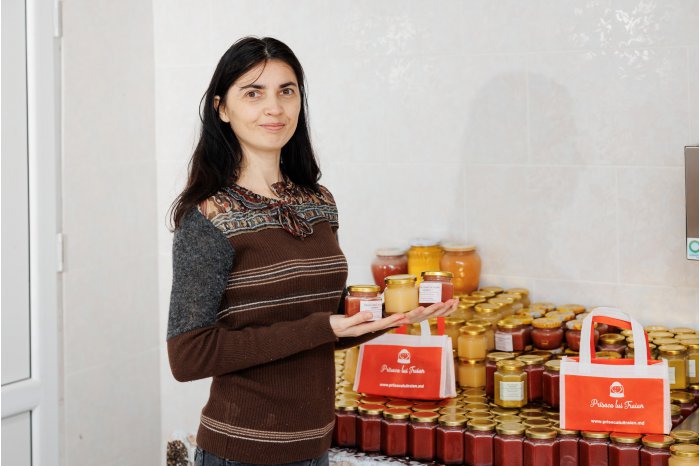
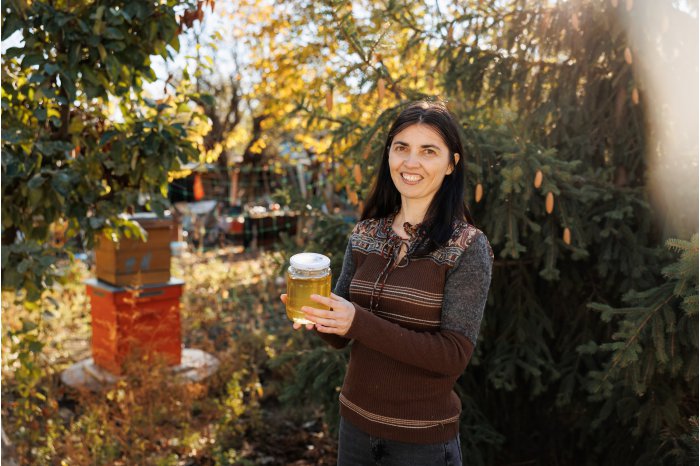
Mihai and Doina Pantaz, originally from Rezina district, are an example of courage and perseverance. After years of work in the United Kingdom, the family decided to return home and invest in beekeeping. Although Doina is a journalist by profession, she inherited from her father a love for this trade and, with his help, managed to turn her passion for bees into a thriving business in their home village of Meseni.

Contacted by MOLDPRES, Doina recounted how they came up with the idea of an apiary:

We emigrated together as a family to the United Kingdom to save money for building our own little house. We already had the land purchased, and even the project designed by an architect based on sketches we had been making for some time.

In London, I got a job at a pharmacy, in the cosmetics delivery department. I had to prepare the products for the courier, so I worked more with my hands than with my head. To avoid getting bored, I started listening to audiobooks with earphones. That’s how I came across “Rich Dad Poor Dad” by Robert Kiyosaki, which seemed to wake me up and completely turned my views on life and money upside down. I downloaded it for my husband as well, so he could listen to it on the underground on his way to work. In the evenings at home, we discussed it. That’s how we decided not to bury our money in walls, but to make it work for us. More precisely, we thought of investing in an apiary, because back home we had my father, a professional beekeeper, who could stand in for us while we were abroad.

In May 2018, we came home for a short vacation during which we registered the Peasant Farm Enterprise and transferred the money for 30 bee colonies, which were delivered to us at the end of August. That summer we couldn’t harvest any honey at all; the bees barely managed to gather enough food for the winter. Our investment was expected to start paying off only the following year. In May 2019, we left London for good and returned home, to Moldova. We quickly got the hang of working in the apiary, and beekeeping turned from a business into a hobby that also brings in money.

The Pantaz family was also struck by misfortune: unfavorable weather conditions led to the near-total loss of their bee colonies. Doina did not give up. With support from Sweden and UNDP, through the project, Climate Change Resilient Communities through Women’s Empowerment, she started over. The assistance provided included the purchase of queen bees and necessary equipment, as well as business mentoring, all essential for recovery.

With his experience in wood processing, Mihai ruled to start producing customized beehives and hive accessories, as well as modular furniture for beekeeping, integrating the ControlBee GPS system – an alarm and monitoring system for beehives. He had seen in Europe that this system was popular and effective, including for preventing theft, while in Moldova it was not yet known.

He was confident that the idea would take off, but to put it into practice, Mihai needed financial resources and entrepreneurial skills. Encouraged by Doina, he entered his business idea in the project competition launched by the UNDP project, Development of export capacities on the banks of the Dniester River (AdTrade).

Within the AdTrade project, with financial support from Sweden, the United Kingdom and UNDP, Mihai set up a workshop and purchased the equipment needed for wood processing. Thanks to mentoring, his business began to prosper, bringing in a stable income. Mihai is increasingly sought after by residents of neighboring villages for various orders.

Today, the Pantaz family’s apiary numbers over 100 bee colonies, and their business is more resilient to climate change, making a significant contribution to the development of the local economy.

At the same time, Doina can also fulfill herself as a journalist, running a blog on their business’s official page dedicated to honey and honey products.

“Casa Mierii” (Honey House) in Taul

The couple Iulia and Ion Gutu have combined their love for beekeeping with the joy of hosting guests and have been running a business together for more years. They built a guesthouse near the park in Taul, northern Donduseni district.

Their two daughters, who live abroad, were also a driving force behind this business. They insisted and supported their parents, which allowed them to apply for the “PARE 1+1” programme.

Initially, Iulia and Ion Gutu owned only an apiary, and thanks to the grant they got, they managed to build a business they had never even dreamed of. The couple built a guesthouse that aligns with Moldovan traditions.

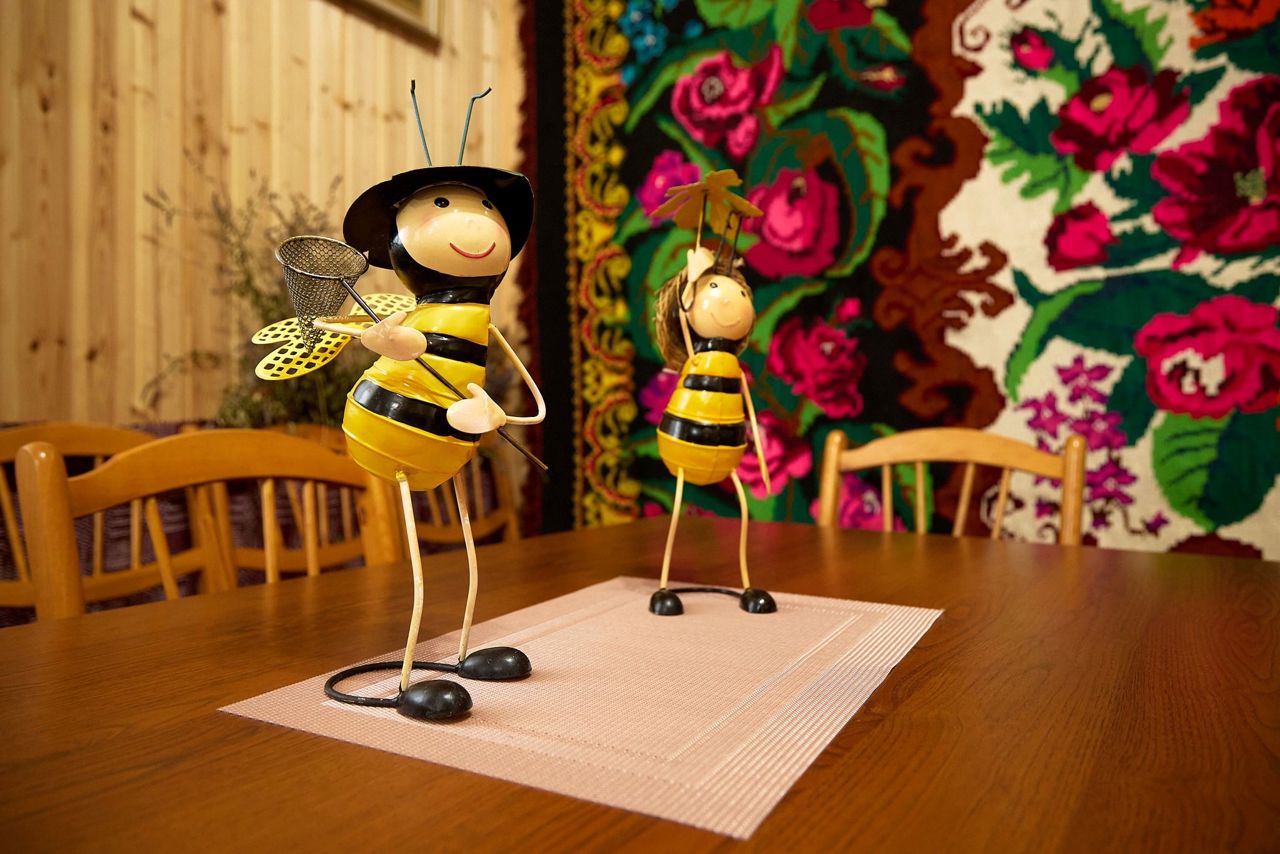
Visitors to the “Casa Mierii” guesthouse can benefit from various services, including bee-hum therapy. This method, adopted by the entrepreneurs from a guesthouse in Ukraine, is beneficial for health. Sessions take place in specially designed huts, where guests can sleep in the “company of bees”.

Those who choose an escape to the north of the country at “Casa Mierii” will also be welcomed by their hosts with traditional dishes in an environmentally friendly setting.

By visiting apiaries and tasting authentic honey, tourists discover not only an exceptional food product, but also an essential element of the country’s natural and cultural heritage. Journeys through the north, center and south of Moldova allow you to discover multifloral honey, acacia honey, sunflower honey or linden honey, all the result of a strong beekeeping tradition and a favorable climate that make Moldova an unmissable destination for lovers of nature and authentic flavors.
 Facebook
 Instagram
 X/Twitter
 Telegram
Discover Moldova with #MOLDPRES: Men’s caroling groups, tradition, spirituality at Palanca, Calarasi district
Discover Moldova with #MOLDPRES: Old Style Christmas, between traditions, customs and meanings
Discover Moldova with #MOLDPRES: Take Home from Moldova – authentic presents, memories from Moldova
VIDEO // Roman, early medieval archaeological artifacts to be exhibited at museum in southern Moldova
PHOTO // Tourist destinations from northern Moldova highlighted through Heart of Moldova tour
PHOTO, VIDEO // Discover Moldova with #MOLDPRES: Wine Vernissage 2025 - where tradition, excellence, tourism meet under sign of Moldovan wine
Moldova promoted in Vogue Polska: spectacular appearance putting country on map of inspiring destinations
PHOTO, VIDEO // Discover Moldova with #MOLDPRES: 'Wheel of Time' – a cultural and tasty journey, part of cross-border gastronomic route
PHOTO, VIDEO // Discover Moldova with #MOLDPRES: Gate of the Nation, where traditions come to life
PHOTO, VIDEO // Discover Moldova with #MOLDPRES: Mircești winery – 'Little Tuscany' of Ungheni, bridge between tradition, wine, tourism like in Europe
Discover Moldova with #MOLDPRES: Casa din Luncă - a haven of peace and tradition in heart of Old Orhei
Discover Moldova with #MOLDPRES: “At Tanti Masha's”: tradition, family recipes, tourist experiences and community on Romania-Moldova Gastronomic Route
PHOTO // Moldovan Wines conquer Switzerland at EXPOVINA 2025 in Zürich
Discover Moldova with #MOLDPRES: from vineyards to hospitality. how authentic wine, tourism experiences were promoted at World Wine Tourism Day 2025
Judicial reform, rule of law in focus of discussions between Moldovan president, new Head of Council of Europe Office
Moldovan parliament's standing bureau approves agenda for September 24 plenary meeting
Energocom company of Moldova requests gas prices' adjustment after 42-per cent rise in European quotations
Moldova, Mongolia abolish visa requirements for holders of diplomatic, service passports
Vulcănești–Chișinău Power Line: defective equipment at Chișinău substation repaired
DOC // Moldova has new media law
DOC // Decision on declaring state of emergency in energy and hydrological sectors published in Official Journal
 National Bank of Moldova
Judicial reform, rule of law in focus of discussions between Moldovan president, new Head of Council of Europe Office
Moldovan parliament's standing bureau approves agenda for September 24 plenary meeting
Topics considered at meetings of Moldovan parliament's standing commissions on September 23, 2026
New opportunities for professional development, salary supplements for employees in Moldova's social assistance system
Parliament to ratify new agreement between Moldova and Romania on strategic transport infrastructure

Civil protection and fire protection to be regulated by rules aligned with European standards
Clearer, more visible health warnings on tobacco products' packaging in Moldova
Vulcănești–Chișinău Power Line: defective equipment at Chișinău substation repaired
DOC // Moldova has new media law
DOC // Decision on declaring state of emergency in energy and hydrological sectors published in Official Journal
Legal framework for integration of foreigners in Moldova to be strengthened
National legislation on electronic evidence to be aligned with international standards
Energy communities: clearer rules for establishment and registration
VIDEO // Officials and international experts present opportunities for Moldova’s organic agriculture in Chisinau at Southeast European Conference
Modernization works for district heating systems in Chișinău and Bălți to be declared matter of national public utility
Obtaining permits and approvals for renewable energy production to be simplified
StratCom analyzes main vulnerabilities of regional information environment ahead of elections in Gagauzia
Parliament to examine legislative measures to strengthen NBM independence in line with European standards
PHOTO GALLERY // Journey through Northern Moldova through MOLDPRES lens
Prime Minister visits New York: bilateral meetings and address to plenary of UN General Assembly
Moldova and Kazakhstan strengthen cooperation
Receive the latest news directly to your email

Receive the latest news directly to your email