
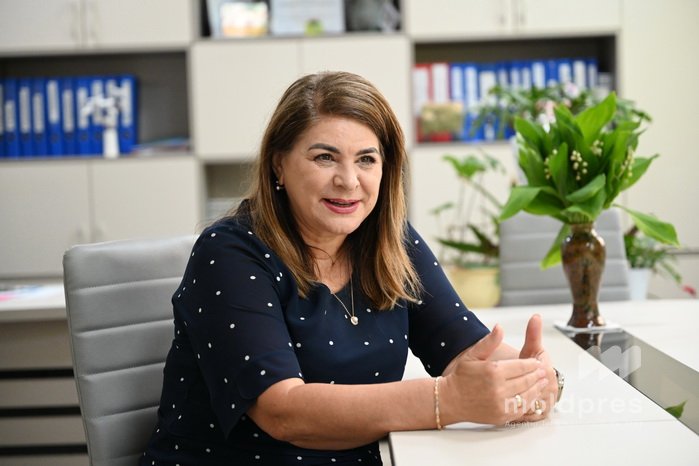
MOLDPRES INTERVIEW // Director Lucia Țurcan: Center of Excellence in Construction aligns with European standards – ERASMUS+ projects, modern technologies and more practical training for students
The Center of Excellence in Construction of Chișinău plays an important role in training specialists for the labor market, offering young people the opportunity to obtain professions and qualifications that are in demand in the construction sector. The institution trains skilled workers and competitive technicians, adapted to the current requirements of the field, while contributing to the development of vocational and technical education in the Republic of Moldova.
In addition to its educational activity, the Center of Excellence in Construction also functions as a methodological hub for affiliated institutions, playing an active role in modernizing the training process and strengthening the quality of studies in the field of construction.
What specializations can be chosen by young people who want a career in this sector, what are the advantages of vocational studies, and how will admission take place in 2026 – find out from the exclusive interview given to MOLDPRES by Lucia Țurcan, Director of the Center of Excellence in Construction of Chișinău.
MOLDPRES: The Center of Excellence in Construction is a well-known institution on the labor market, with vast experience in the field. What transformations has the Center undergone recently, and does it still maintain its leading role in training qualified specialists in construction?Lucia Țurcan: The Center of Excellence in Construction has undergone an extensive transformation, evolving from a technical-industrial school founded in 1932 into a modern vocational training institution. Over the decades, successive reorganizations (technical school, college, and since 2015 a Center of Excellence) have reflected continuous adaptation to the requirements of the economy and the labor market.
In recent years, the institution’s development has focused on modernization and diversification. The technical and material base has been improved through the renovation of classrooms and practical workshops, which allows students to be trained in conditions similar to those in the real construction sector. At the same time, the educational offer has expanded: in addition to initial training programs (ISCED levels III and IV), the center also offers continuing education for adults, as well as services for validation and certification of competences.
Another important aspect is the orientation towards sustainability and autonomy, through the development of income-generating services (for example, furniture production or training courses supported with the help of international projects such as CREATIVO). Involvement in national and international projects contributes to updating the curriculum and aligning training standards with European ones.
Today, the Center of Excellence in Construction plays an essential role in training specialists for the labor market, preparing skilled workers and competitive technicians, capable of responding to the current requirements of the construction sector. In addition, the institution functions as a methodological center for other affiliated institutions, contributing to the development of the entire system of vocational and technical education in this field.
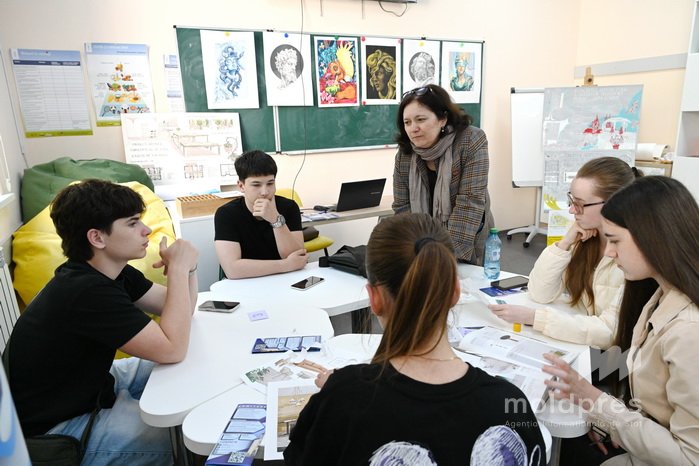
MOLDPRES: What specializations can young people study at the institution, and how well are they adapted to current requirements in fields such as construction, architecture or interior design?Lucia Țurcan: At the Center of Excellence in Construction, the educational offer is quite diverse and covers the main branches of the construction sector and related fields. Young people can study specializations such as:
- Construction and operation of buildings and structures (with qualifications of construction technician and restoration technician)
- Technology of construction materials and products
- Heat, gas supply and ventilation systems
- Wood processing technology
- Real estate valuation
- Cadastre and land management
- Road construction and operation
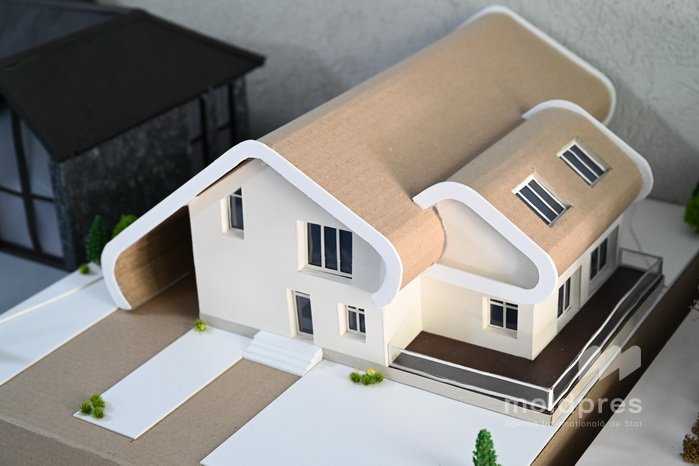
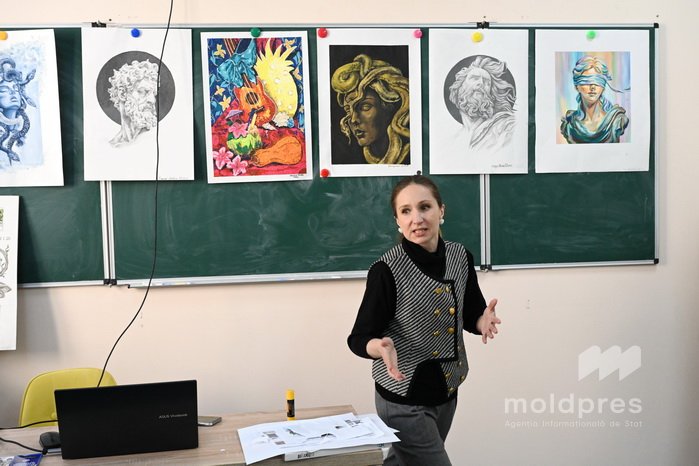
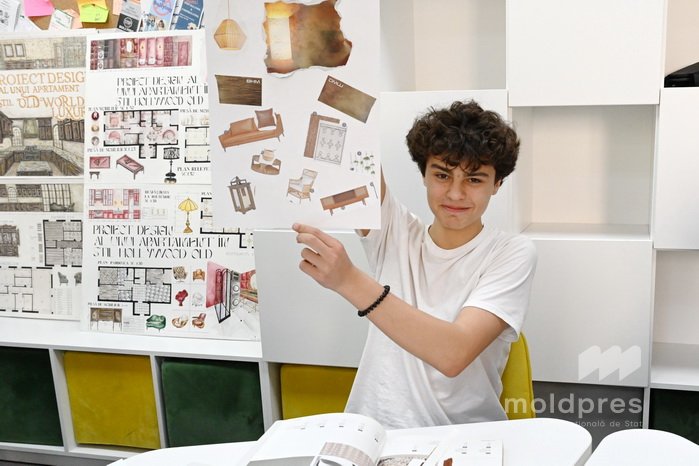
- Interior design
- Architecture
- Technical trades such as installer for heating systems, solar equipment or ventilation and air conditioning systems.
This range shows a very good adaptation to the current requirements of the labor market. Traditional fields such as civil construction or road construction remain essential, but the institution has also integrated modern or growing specializations such as interior design, architecture and the use of energy-efficient technologies (thermal installations, solar equipment, modern ventilation).
MOLDPRES: To what extent do the study programs contribute to the training of competitive specialists and what competences do students acquire during their training?
Lucia Țurcan: The study programs contribute significantly to the training of competitive specialists, due to the combination of theoretical and practical training and the focus on the real requirements of the labor market. An increasingly important element in this regard is the development of dual vocational education, which brings students closer to the working environment while they are still studying.
During their training, students acquire solid technical competences, adapted to each specialization: interpretation of project documentation, organization of works, use of modern materials and technologies, as well as compliance with quality and safety standards. In fields such as architecture and interior design, they develop design skills, creativity and the ability to use specialized digital software.
Dual education plays an essential role, complementing traditional training through on-the-job training with economic operators. Within this system, the following specializations are included:
- Wood processing technology (already in its second year of implementation),
- Road construction and operation (first year),
- Heat, gas supply and ventilation systems (first year).
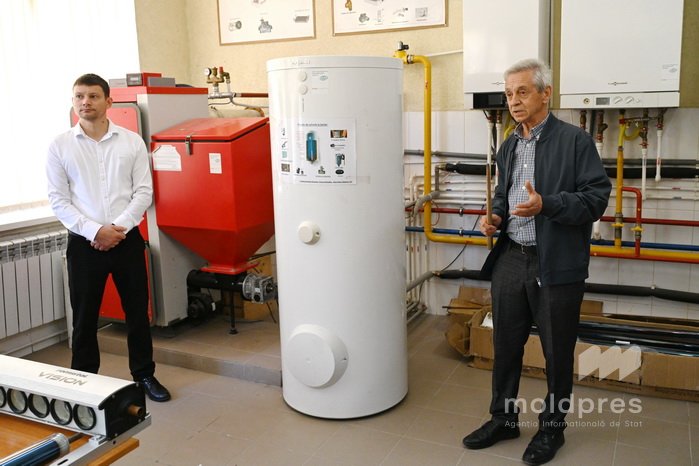
Through this model, students acquire advanced practical competences by working with real equipment and participating in real technological processes. Thus, they develop not only technical skills, but also professional discipline, adaptability and an understanding of employers’ expectations.
At the same time, key transversal competences are formed: critical thinking, problem solving, teamwork, communication and the use of digital technologies. For technical specializations, these translate into concrete skills such as installing and maintaining systems, taking measurements or managing field work.
Overall, the integration of dual education significantly strengthens the applied character of the programs and increases graduates’ chances of integrating quickly and efficiently into the labor market, making them better prepared and more competitive.
MOLDPRES: How do you manage to integrate European standards and new technologies into the educational process, and how important is the practical component in students’ training?
Lucia Țurcan: Integrating European standards and new technologies into the educational process is a strategic priority for the Center of Excellence in Construction, achieved both through curriculum modernization and active participation in international projects. ERASMUS+ projects play an important role, facilitating the exchange of good practices and the alignment of vocational training with European requirements.
In this context, projects such as “Preparing the Past for the Future” and REBUILD – Relevant Experiences in the Field of Reconstruction offer students and teachers the opportunity to gain international experience in the restoration/reconstruction of built heritage. Participation in such initiatives contributes to the development of professional competences according to European standards, to learning modern and traditional techniques for restoration/reconstruction, as well as to understanding the importance of preserving cultural heritage.
The integration of new technologies is achieved through the use of computer-aided design software, modern equipment in workshops and laboratories, and the continuous adaptation of study content to innovations in the field (new materials, energy-efficient solutions, sustainable technologies).
The practical component plays an essential role in students’ training. It is ensured through activities in workshops, laboratories, practical internships and, increasingly, through dual education, where students learn directly at economic operators. Thus, they have the opportunity to apply theoretical knowledge in real situations, use professional equipment and become familiar with workplace requirements.
MOLDPRES: Which specializations are currently most in demand, and what employment opportunities do graduates have after completing their studies?
Lucia Țurcan: All the specializations offered by the Center of Excellence in Construction are relevant and needed on the labor market, as the construction sector and related fields constantly face a shortage of qualified specialists. However, there is currently increased interest from applicants in Architecture, Interior Design and Heat, Gas Supply and Ventilation Systems, which record the highest number of admission applications.
This trend is understandable: architecture and interior design attract students through their creative component and development opportunities in design, fit-out and the real estate sector, while the specialization related to heat, gas supply and ventilation systems is highly sought after due to the growing demand for energy efficiency, building modernization and the implementation of sustainable technologies.
As for employment opportunities, graduates have good prospects in all studied fields. They can be employed in construction companies, design offices, architecture and interior design firms, enterprises producing construction materials, cadastral or real estate valuation services, as well as in companies specialized in installations and infrastructure. Many graduates also have the possibility to continue their studies or even start their own businesses in the field.
An important advantage is the practical training and, in particular, dual education, which facilitates rapid integration into the labor market, with some students being hired even before completing their studies.
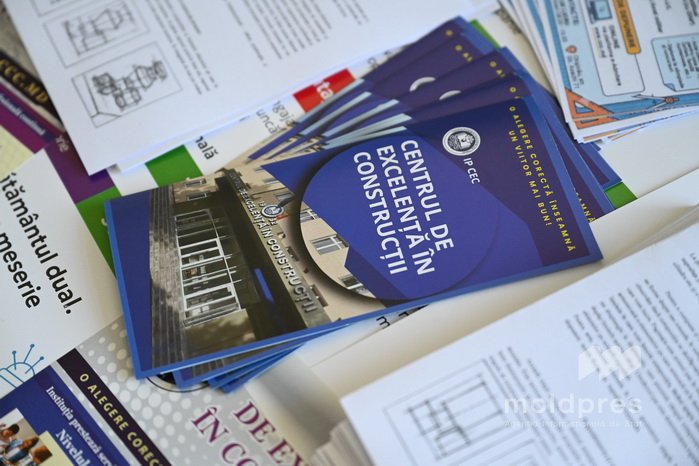
MOLDPRES: Are graduates of the Center of Excellence in Construction prepared to continue their studies at universities such as the Technical University? What partnerships do you have with the business sector for their professional integration?
Lucia Țurcan: Graduates of the Center of Excellence in Construction who choose to continue their studies at universities, including the Technical University, are generally well prepared to meet academic requirements. The solid theoretical foundation, combined with the practical experience accumulated during their studies, gives them a clear advantage: they adapt more easily to specialized subjects, understand technological processes better and already have work skills in the field.
At the same time, the practical experience gained in workshops, internships and especially through dual education contributes to the development of applied thinking, which is highly appreciated in the technical university environment. Thus, graduates not only assimilate theoretical information, but can quickly relate it to real situations in construction, architecture or installations.
Partnerships with the business sector play a crucial role in students’ training and professional integration. The institution has cooperation agreements with over 500 economic operators, who actively contribute to:
- implementing dual education,
- organizing and carrying out internships,
- developing occupational and qualification standards,
- developing study plans and curricula.
These collaborations ensure direct alignment between vocational training and the real requirements of the labor market. In addition, they facilitate graduates’ transition to employment, as many of them are already familiar with the working environment and are even recruited by the companies where they performed their internships.
In conclusion, graduates are well prepared both for continuing their studies and for rapid integration into the labor market, benefiting from relevant training supported by extensive partnership with the economic sector.
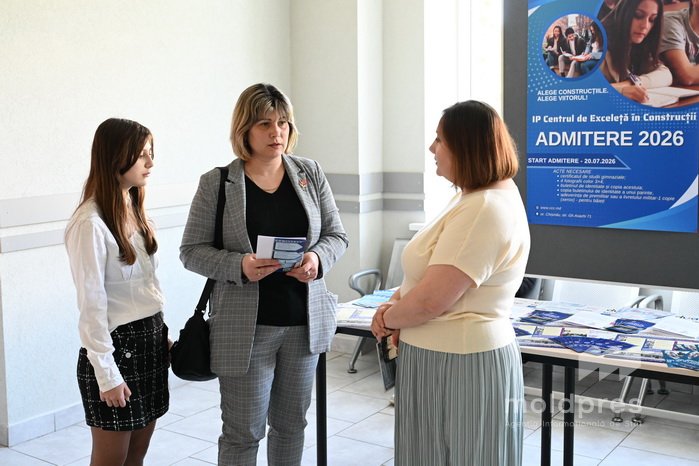
MOLDPRES: For the 2026 admission period, what new elements or changes is the Center of Excellence in Construction preparing for future applicants?
Lucia Țurcan: For the 2026 admission session, the Center of Excellence in Construction aims to maintain and further develop a diversified educational offer, adapted to the current requirements of the labor market. Applicants will be able to choose from 11 qualifications, available in different modes of organization: traditional full-time education, dual education and part-time education, which offers more flexibility depending on each candidate’s needs and goals.
An important development direction is the expansion of dual education. In this regard, the institution plans to launch dual vocational training programs at ISCED level III, in order to better respond to the demand for qualified specialists in technical fields. These proposals are currently being analyzed at the level of the specialized departments and will be adjusted according to the needs identified in the labor market and the partnerships with economic operators.
Through these measures, the Center seeks to offer increasingly relevant programs, with a greater emphasis on practical training and on the rapid integration of graduates into the labor market. The diversification of study forms and the strengthening of dual education are concrete steps towards modernization and alignment with European standards.
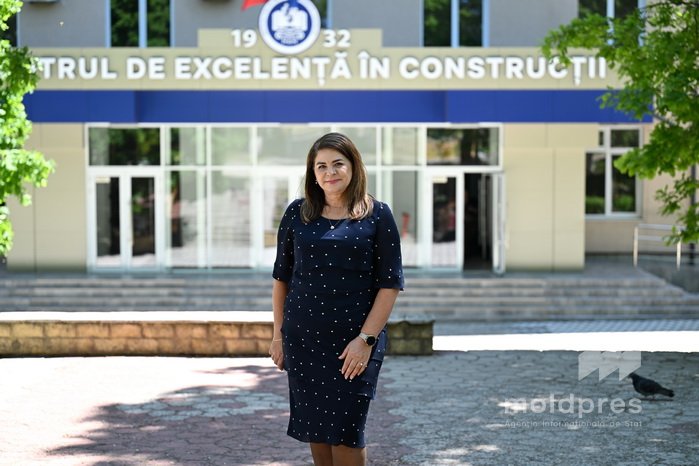
MOLDPRES: Ms. Lucia Țurcan, thank you for your willingness to talk to our team.
- Erasmus+ is the European Union’s program dedicated to education, vocational training, youth and sport. Through this program, pupils, students, teachers and educational institutions can participate in exchanges, internships, courses and international projects.
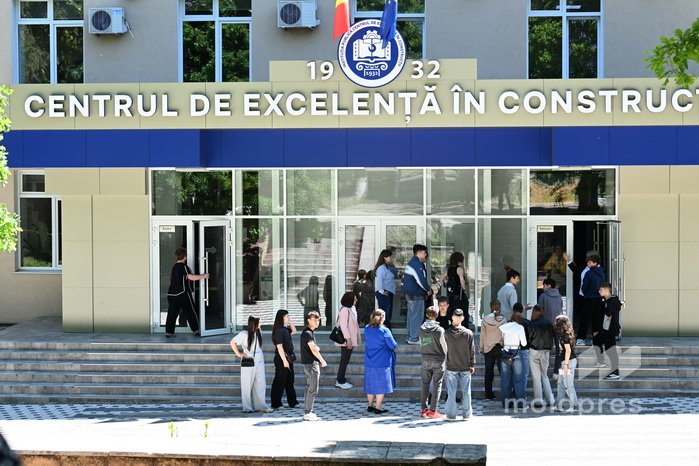
Hundreds of teenagers crossed the threshold of the Center of Excellence in Construction on Saturday, May 16, to learn more about the institution’s educational offer. The Open Doors Day gave them the opportunity to discover the specializations that can be studied here, talk to teachers and students, and take part in workshops and interactive activities.
Reforms in vocational and technical education are strongly anchored in the standards and recommendations of the European Union, especially those aimed at developing competences relevant to the labor market, lifelong learning and quality assurance.
The Ministry of Education and Research (MEC) plans for 2026 to continue modernizing the educational offer in vocational and technical education by introducing new specializations and increasing the number of state-funded places in priority areas such as energy, information technologies, modern agriculture and industry.
 Facebook
 Instagram
 X/Twitter
 Telegram
MOLDPRES INTERVIEW // Lithuanian Ambassador about prospects of Moldova’s EU accession: If you make things real, they will become achievable
MOLDPRES INTERVIEW // Moldovan finance minister says government aims to modernize financial system for benefit of businesses, citizens
MOLDPRES INTERVIEW // Ambassador of State of Qatar to Moldova: We are working to improve ways of attracting Qatari investors to Moldovan market
MOLDPRES INTERVIEW // President of Moldova's Chamber of Commerce and Industry says country must use opportunities provided by European integration to attract investments, become competitive
MOLDPRES Interview // Minister of Internal Affairs: Interior Ministry applies European security standards and is ready to advance in EU accession process
MOLDPRES INTERVIEW // Moldovan energy minister says foremost interest citizens to have secure energy at affordable prices
Moldovan justice minister says, according to European Commission’s Report, Moldova made greatest progress among EU candidate states, including in justice field
INTERVIEW MOLDPRES // Moldovan defense minister says Russia's war in Ukraine highlighted vulnerability of defense sector, need of building strong, prepared, resilient army to current challenges
INTERVIEW WITH MOLDPRES // Deputy PM says wants Moldova where a child from any village has same opportunities as a child from Chisinau
INTERVIEW MOLDPRES // Deputy Prime Minister on Ukraine Peace Agreement: No discussion about Moldova can take place without Chișinău's participation
INTERVIEW MOLDPRES // Moldovan agriculture and food industry minister says European integration fundamentally changes way leadership supports agriculture
INTERVIEW MOLDPRES // Romania's Ambassador in Chisinau says Moldova to never be alone in its efforts, Romania to stand by its side
MOLDPRES INTERVIEW // Romanian culture minister says culture adds value, rebuilds trust
MOLDPRES interview // IGP head: Russia whether through Ilan Shor or other means to constantly try to find ways to create disorder and destabilization
PHOTO // PM in New York tells Diaspora government willing to turn experience of Moldovans from United States into projects for country
Moldovan foreign affairs minister at UN says Moldova strengthening capacity to respond to health threats
Moldova under emergency state in energy, hydrological sectors as of September 26; what measures take effect
PHOTO // PM promotes Moldova's investment opportunities in New York
Balti Clinical Hospital to receive ultrasound machine through grant provided by government of Japan
Japan supports modernization of Balti Clinical Hospital with grant worth over 95,000 dollars
Moldovan parliament speaker urges students not to be afraid to express their ideas, wishes
 National Bank of Moldova
Strengthening Moldova’s cooperation with UNDP, UNOPS discussed in New York
Moldova's National Crisis Management Commission approves new measures to ensure energy security, protect water resources
Moldovan PM, U.S. investors, companies discuss potential projects in Moldova
Head of state says Moldovans must build economy where well-educated people can find opportunities at home
Moldova represented at Interparliamentary Conference on Stability, Economic Coordination and Governance in European Union

Moldova's Border Police receive six special vehicles on behalf of FRONTEX
Head of state says Moldovans must build economy where well-educated people can find opportunities at home
Moldovan president attends events dedicated to 35th anniversary of foundation of Academy of Economic Studies
New charges brought against former Moldovan president Igor Dodon in “Kuliok” case; prosecutors seek harsher sentence
Moldova represented at Interparliamentary Conference on Stability, Economic Coordination and Governance in European Union
ARMENPRESS: EU Commissioner Kos promotes Armenian products after trade measures adopted
VIDEO // Parliament speaker conveys message to coaches of Moldova
Public buildings of Moldova to undergo energy renovation with World Bank's support
Mircea Eșanu on nomination to lead Moldova Project: More information could become known in October
President’s speech at ASEM’s 35th anniversary
PHOTO GALLERY // Moldova's new passport presented by Public Service Agency
VIDEO // Moldova to introduce new passport model as of October 15; document to feature more than 100 security elements
DOC // Regulation on e-Consulat System published in Official Journal
National Award for Seniors: 15 people winners in 2026 edition
PHOTO // Moldova’s protected areas strengthened through restoration works, planting and new management tools
Moldovan, Dutch Prime Ministers discuss European path and investments
Receive the latest news directly to your email

Receive the latest news directly to your email