
Technology that can change energy of future: how China tries to revolutionize solar market, what opportunities arise for Moldova
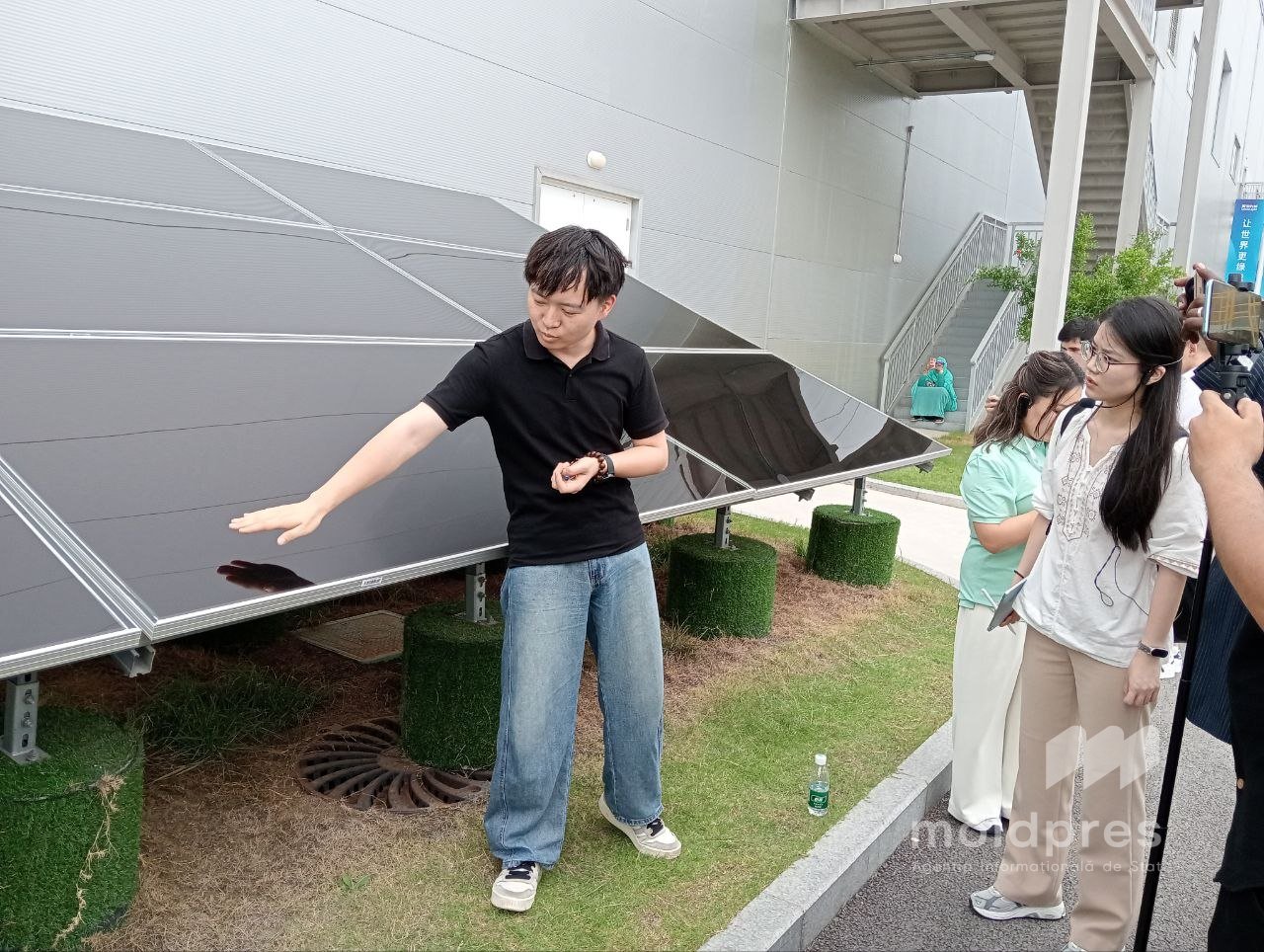
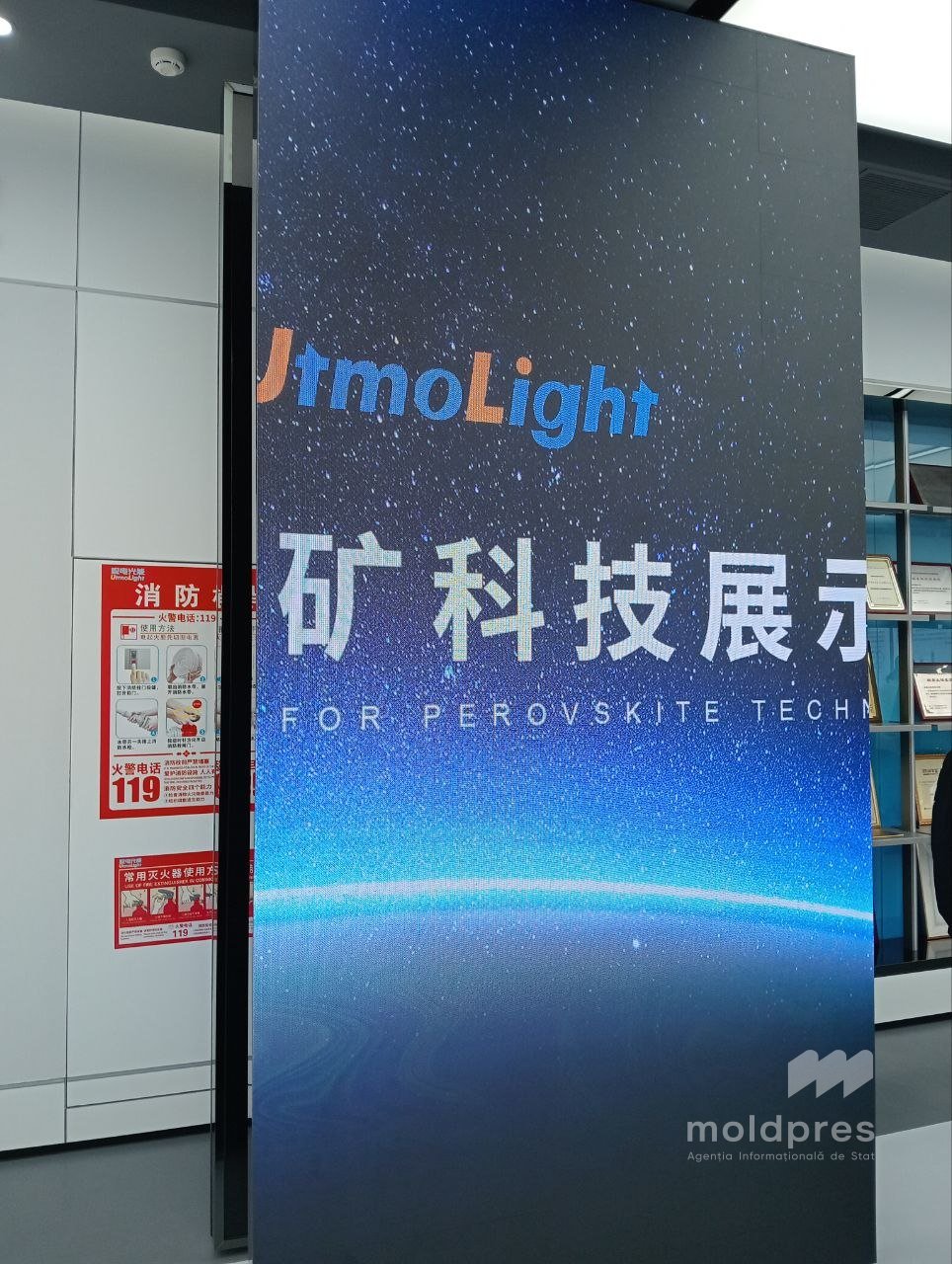
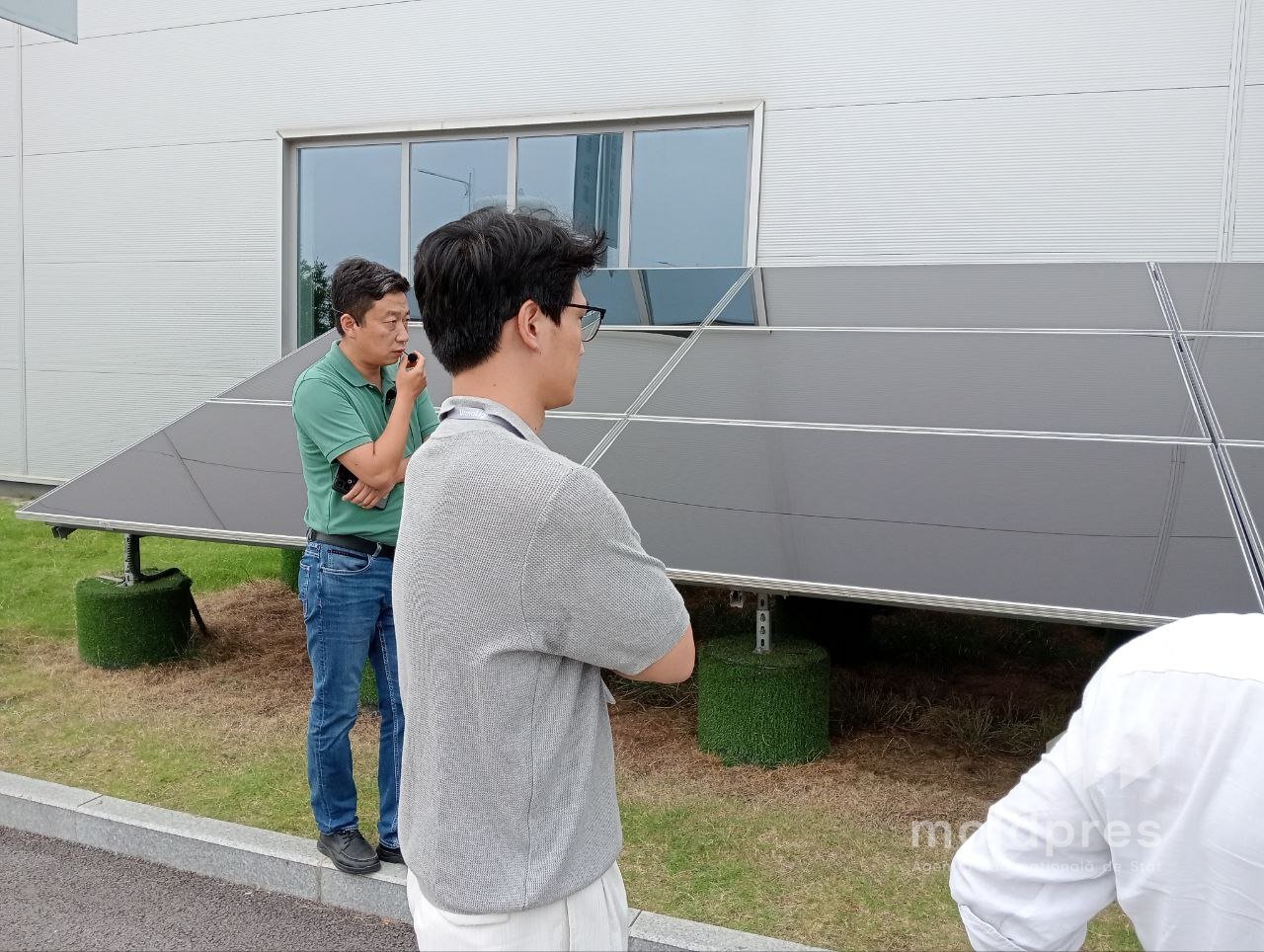
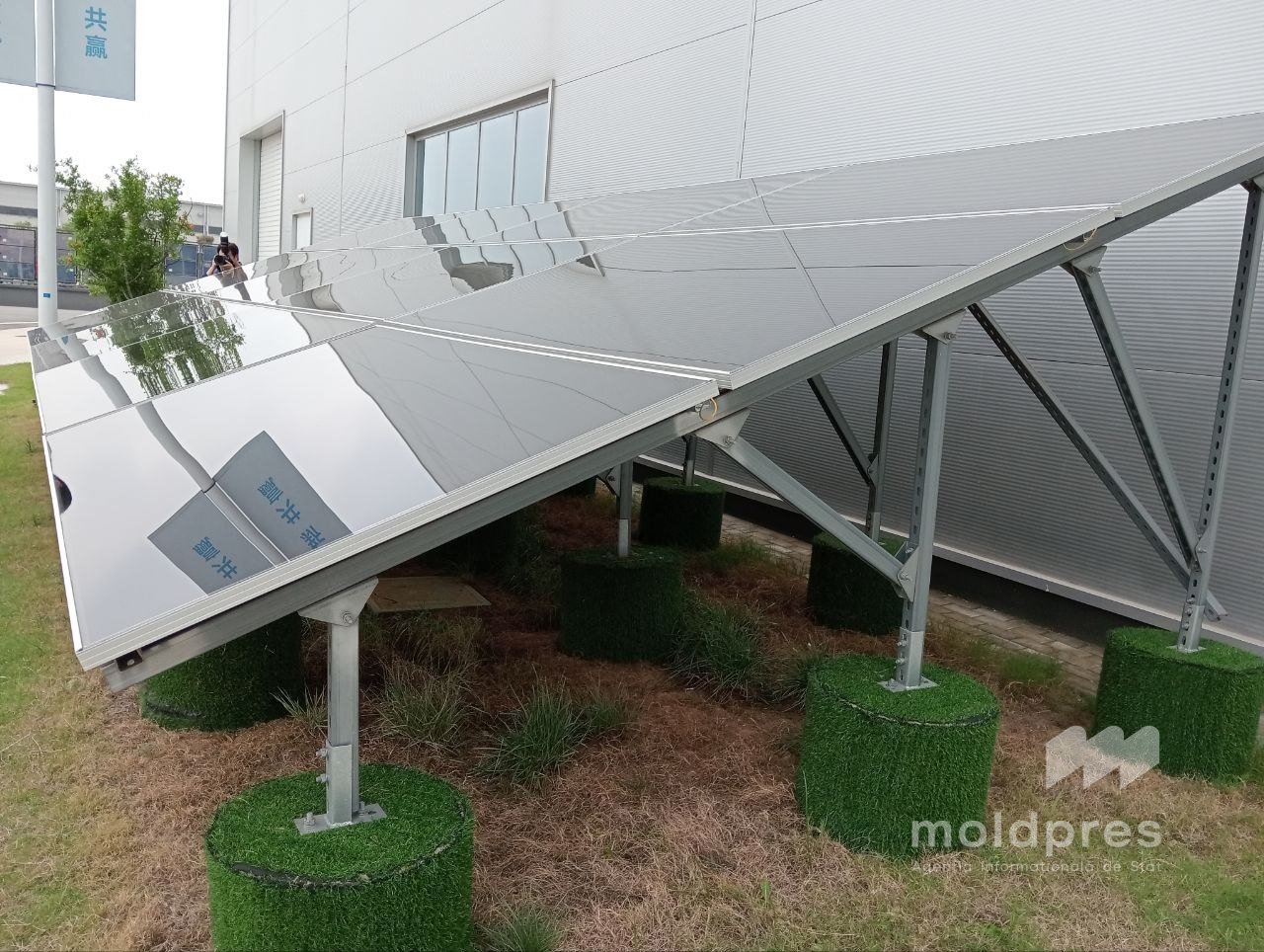
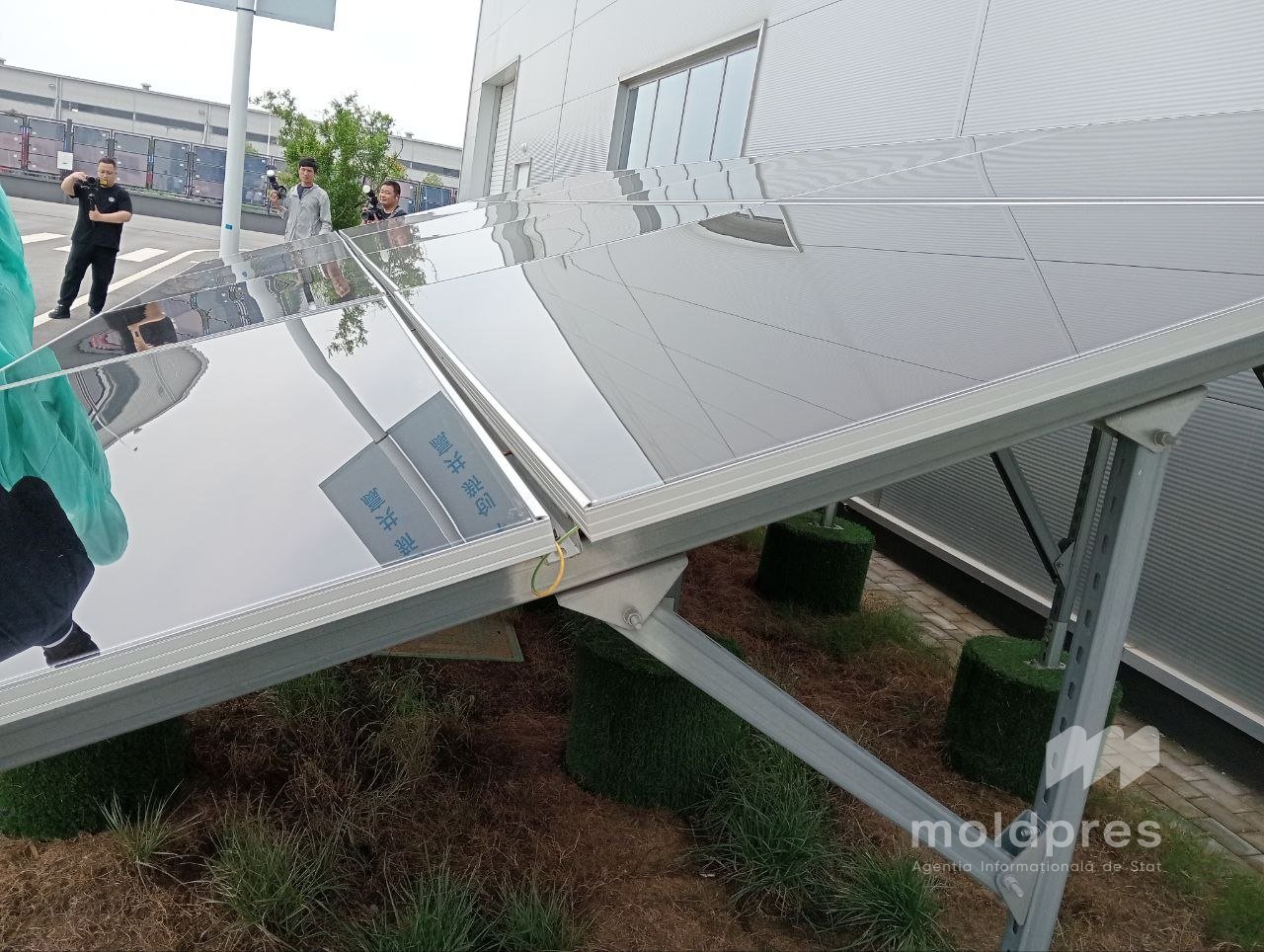
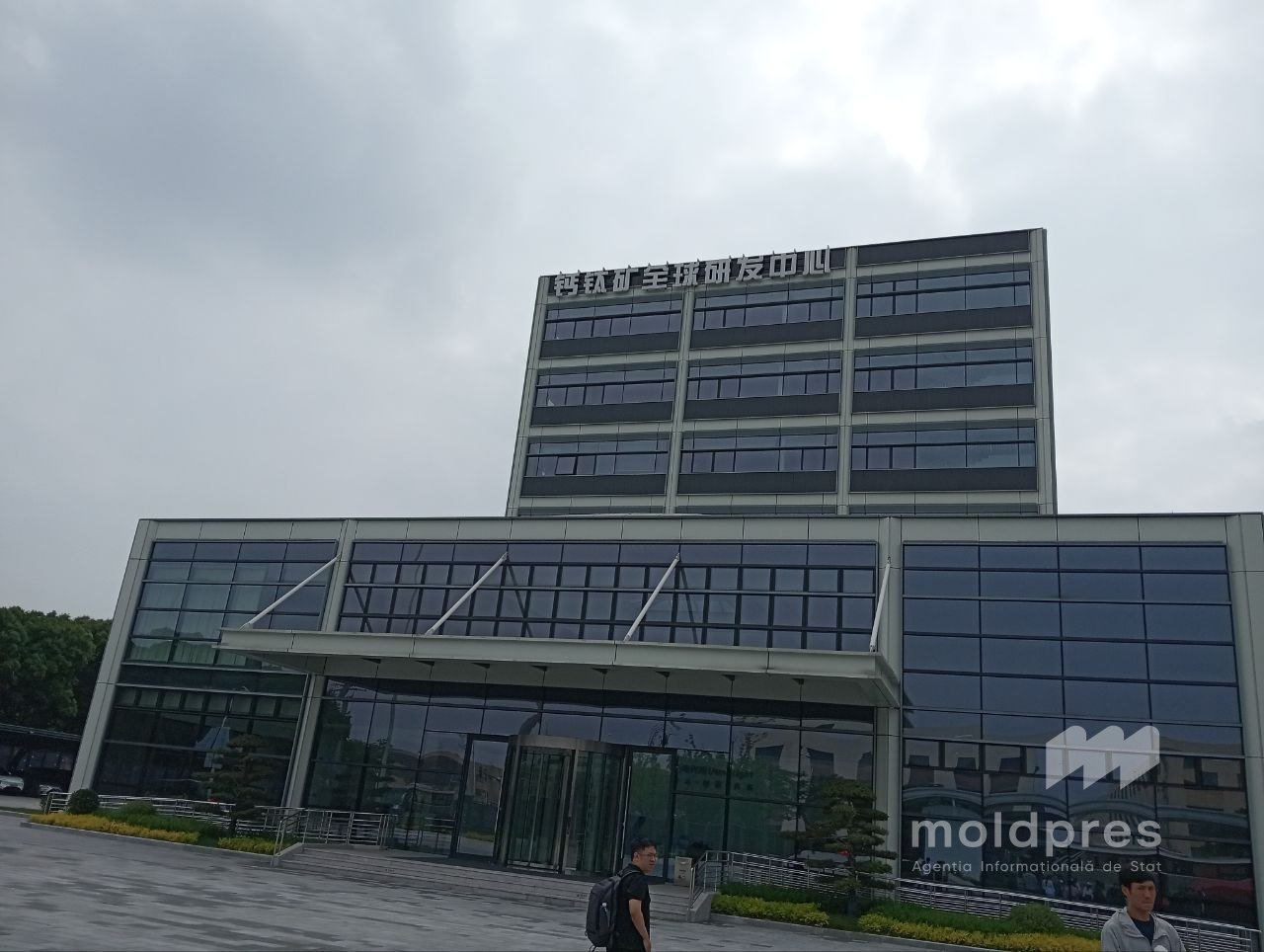
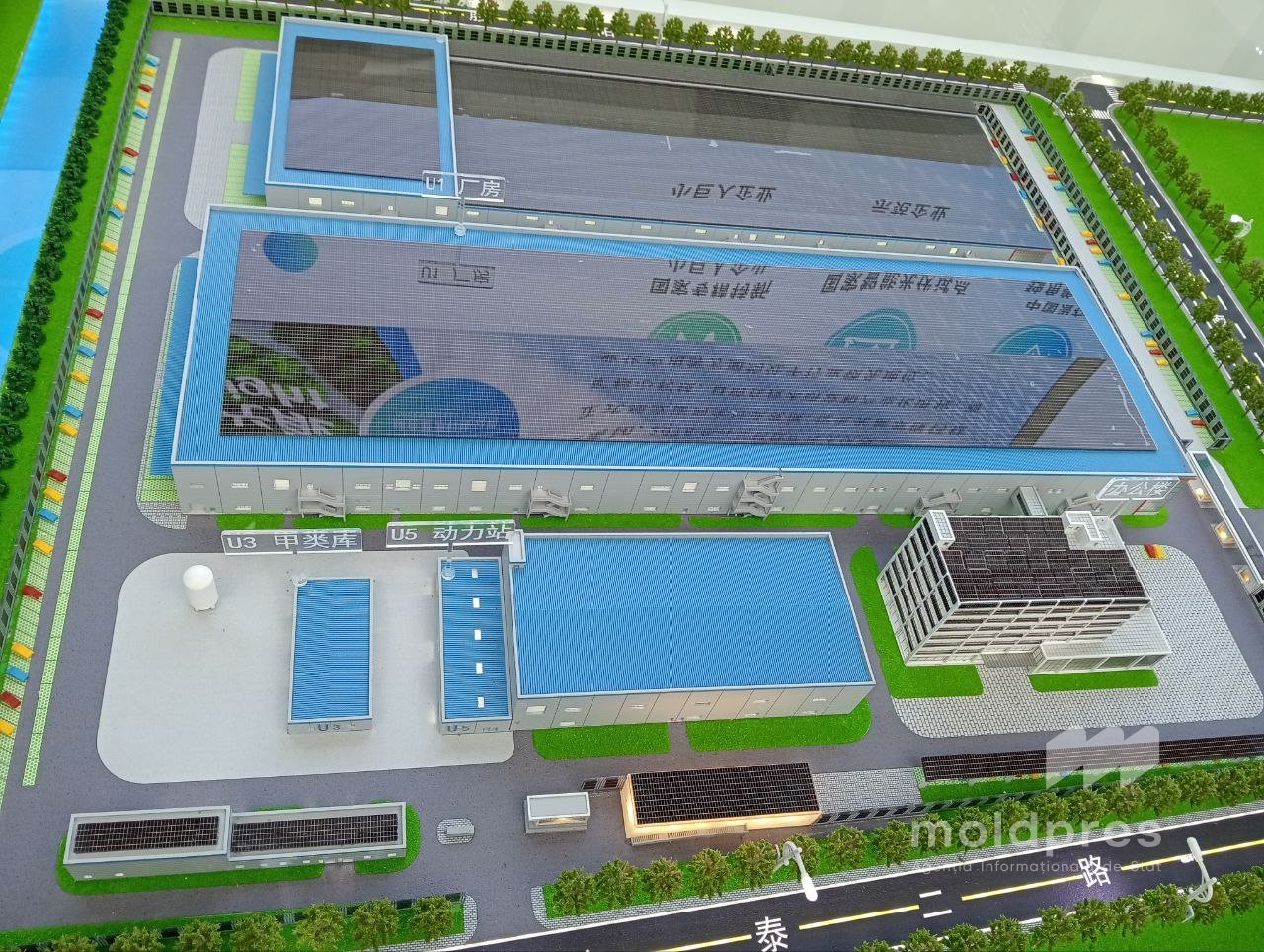
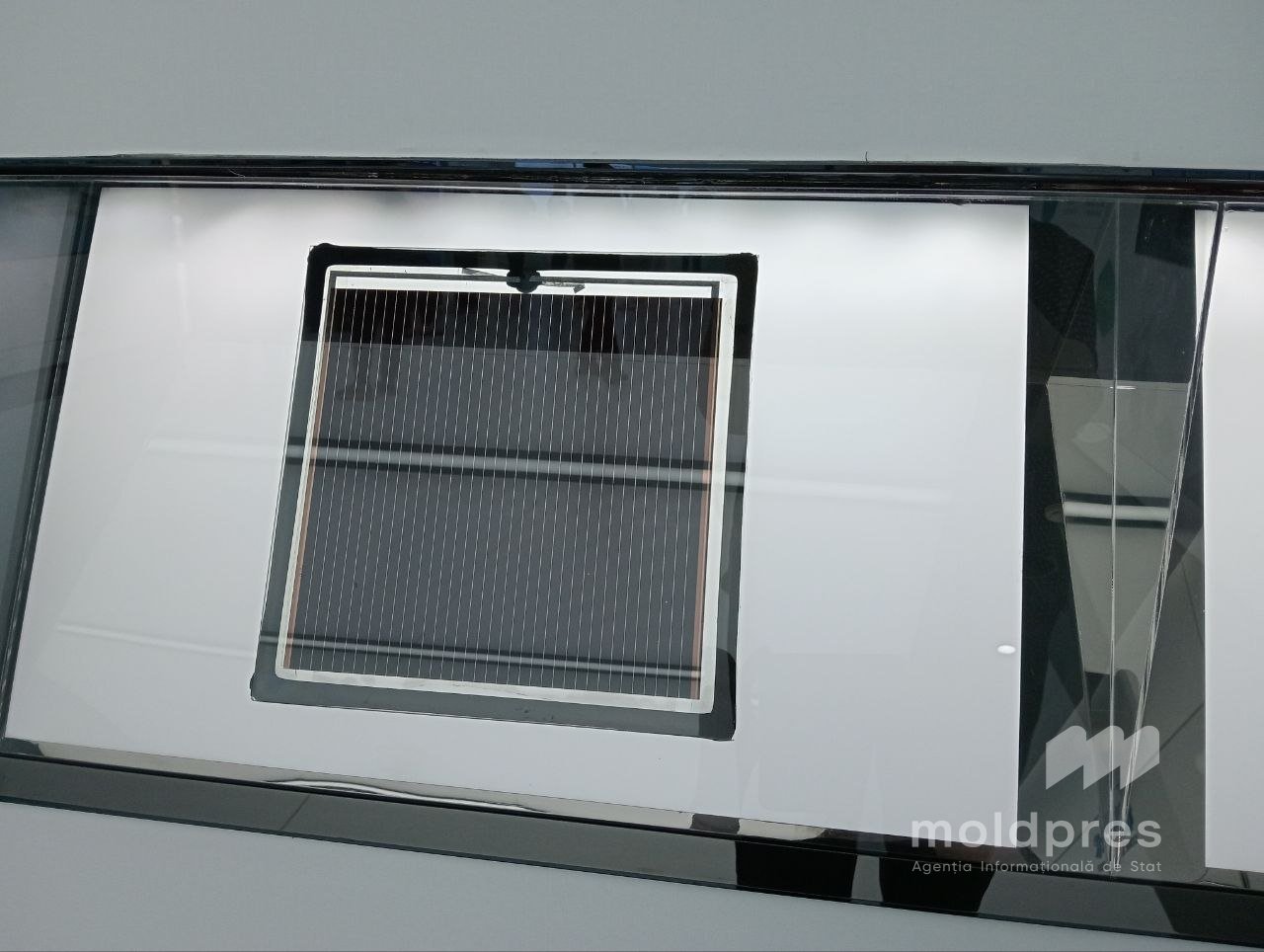
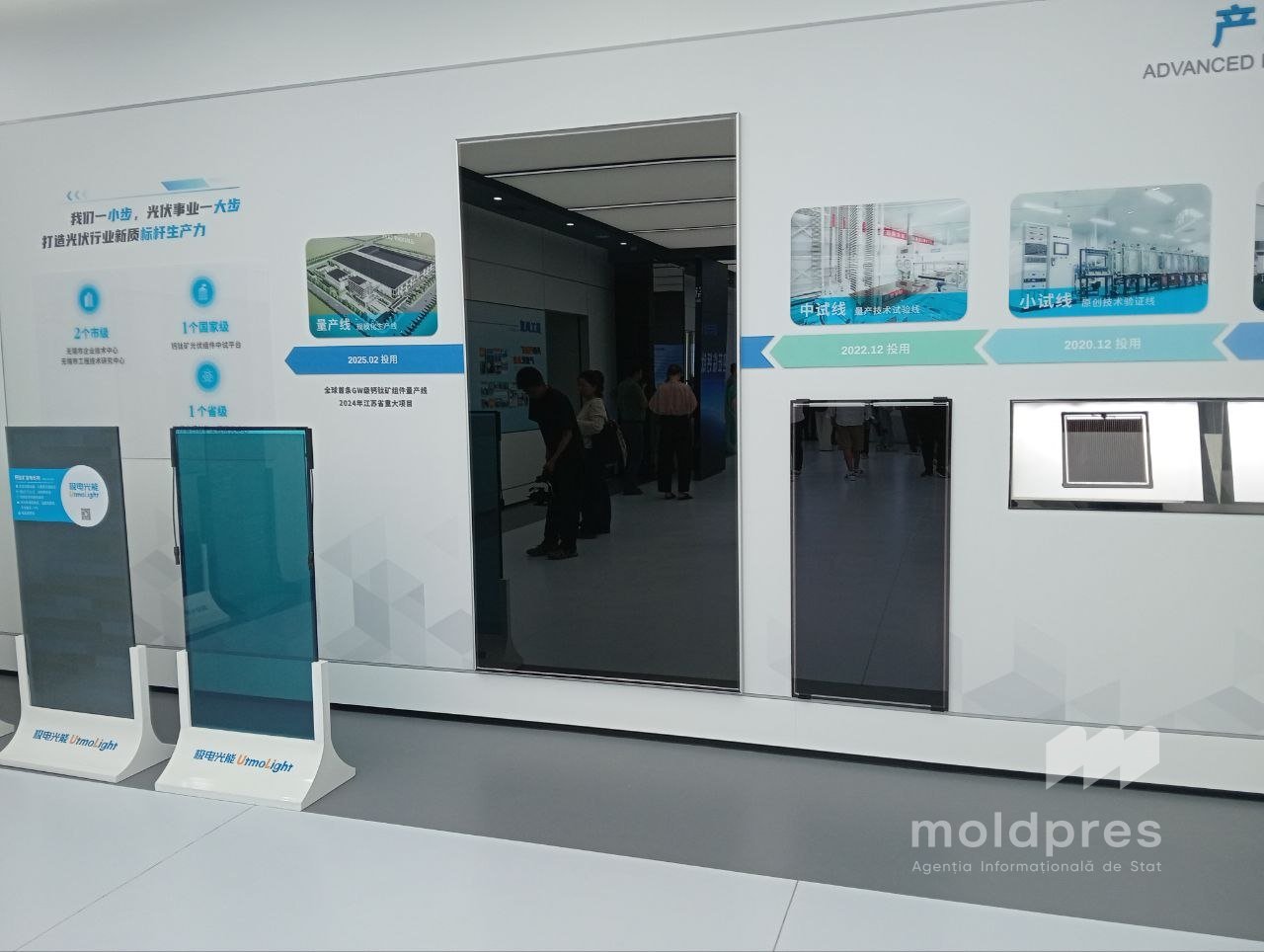
In a vast industrial park in the Chinese city of Wuxi, Jiangsu Province, engineers from the company UtmoLight are working on what many experts are already calling the “next generation of green energy.” This is not about classic silicon-based solar panels, but about perovskite technology – an innovation that promises lower costs, higher efficiency and an almost invisible integration into buildings, windows or roofs. The technological novelty was followed on-site by a special MOLDPRES correspondent, on a journalistic mission in China.

For Moldova, which is in the midst of reducing its energy dependence and modernizing its infrastructure, these technologies might represent more than just a technological curiosity: a possible strategic direction for the coming years.

Perovskite can cut costs by up to 50 per cent

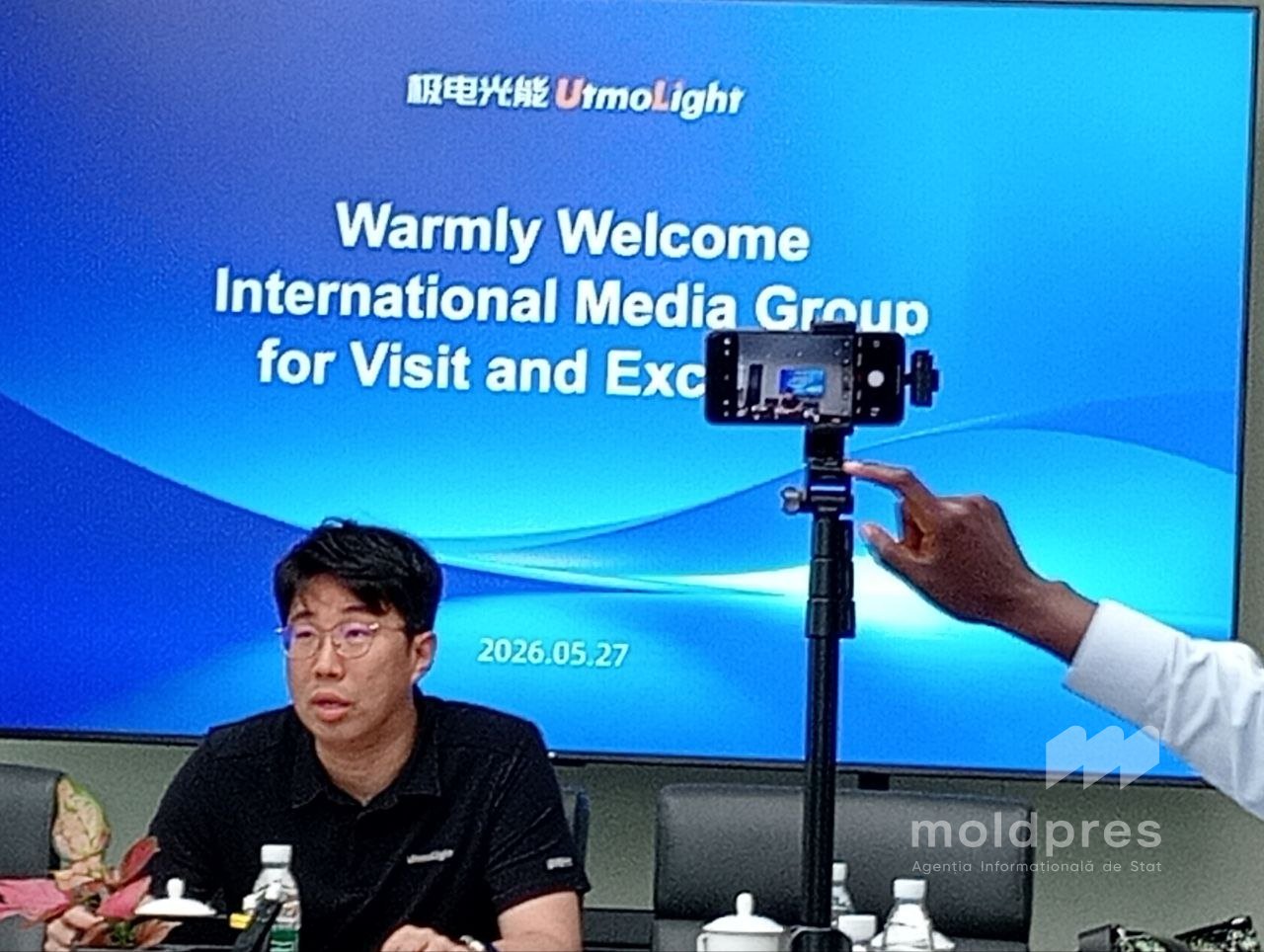
During a presentation organized for the international press, UtmoLight representatives explained that the new perovskite-based photovoltaic modules are considerably cheaper to produce than conventional panels.

“We do not use rare or expensive materials, and the industrial process is much simpler. In the future, the investment in a 1 GW factory can be reduced to about 400 million yuan,” company specialists said. According to the current exchange rate, this means around 55 million US dollars.

The company claims that the technology enables approximately 50 per cent lower production costs; higher energy efficiency; reduced energy consumption in the manufacturing process; and a carbon footprint four times smaller than in the case of silicon-based panels.

“Perovskites are regarded as a revolutionary technology for the photovoltaic industry,” say the representatives of the Chinese company.


From roofs to walls and windows that generate electricity

What sets this technology apart from traditional panels is the flexibility of its use.

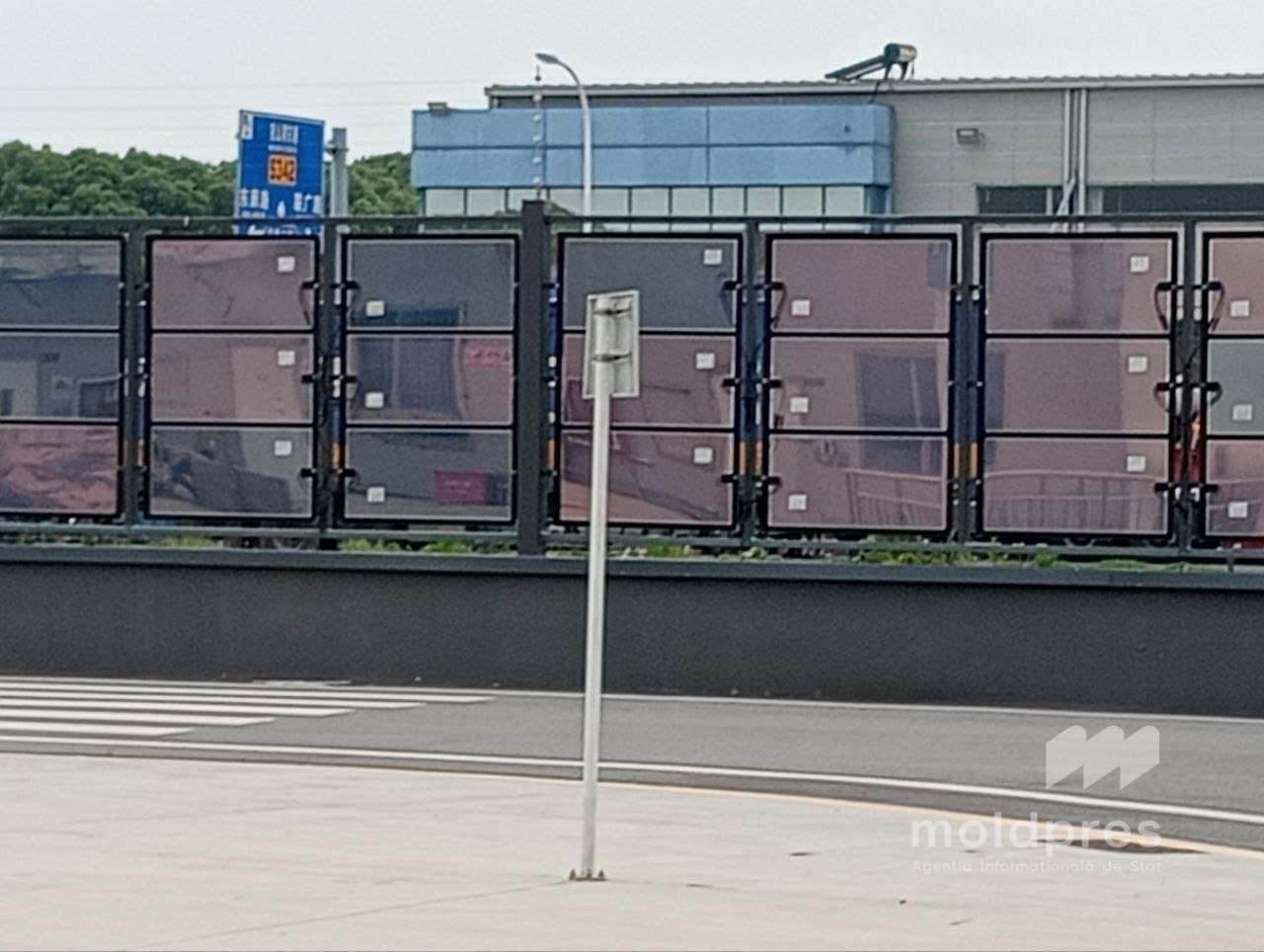
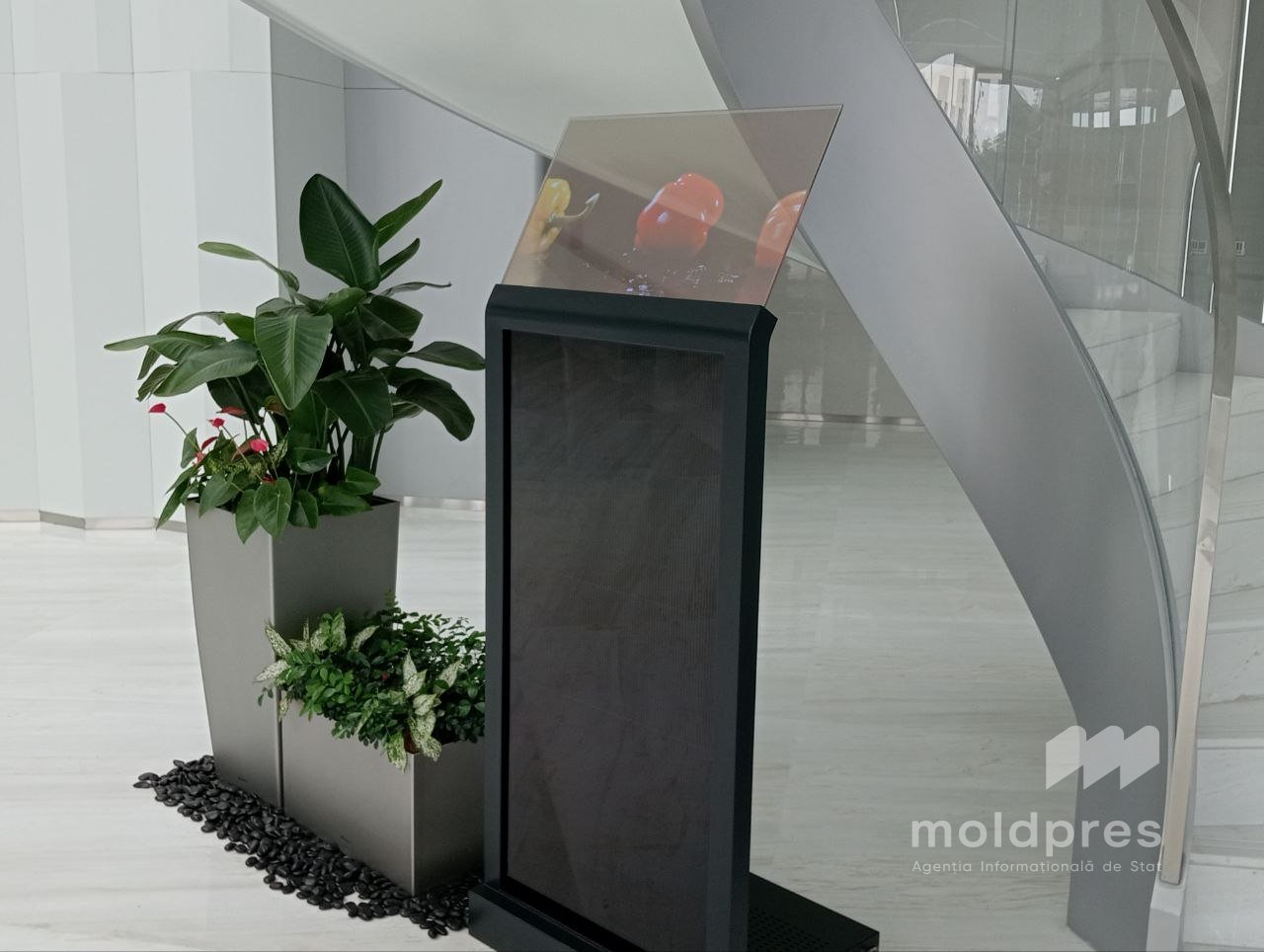
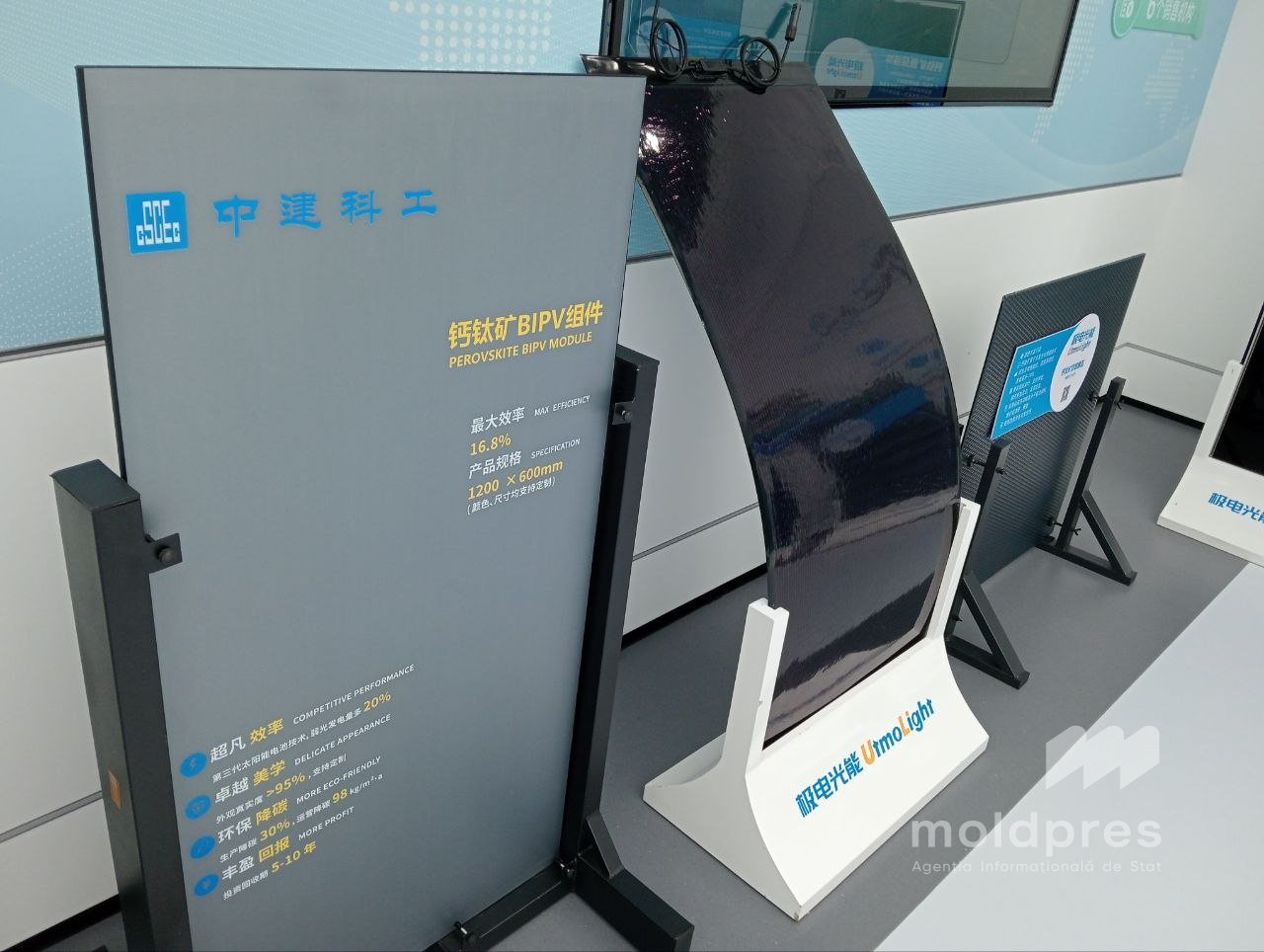
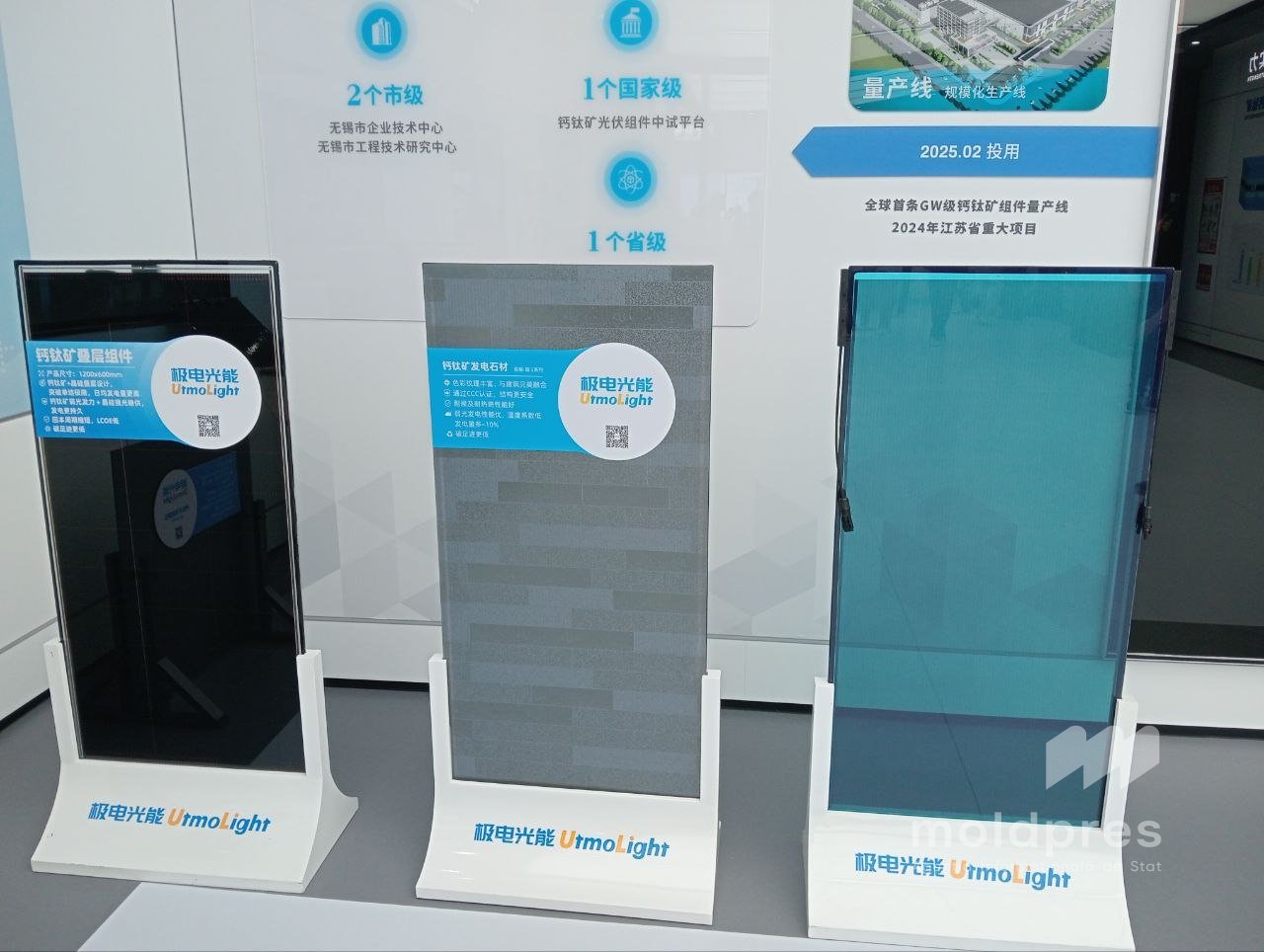
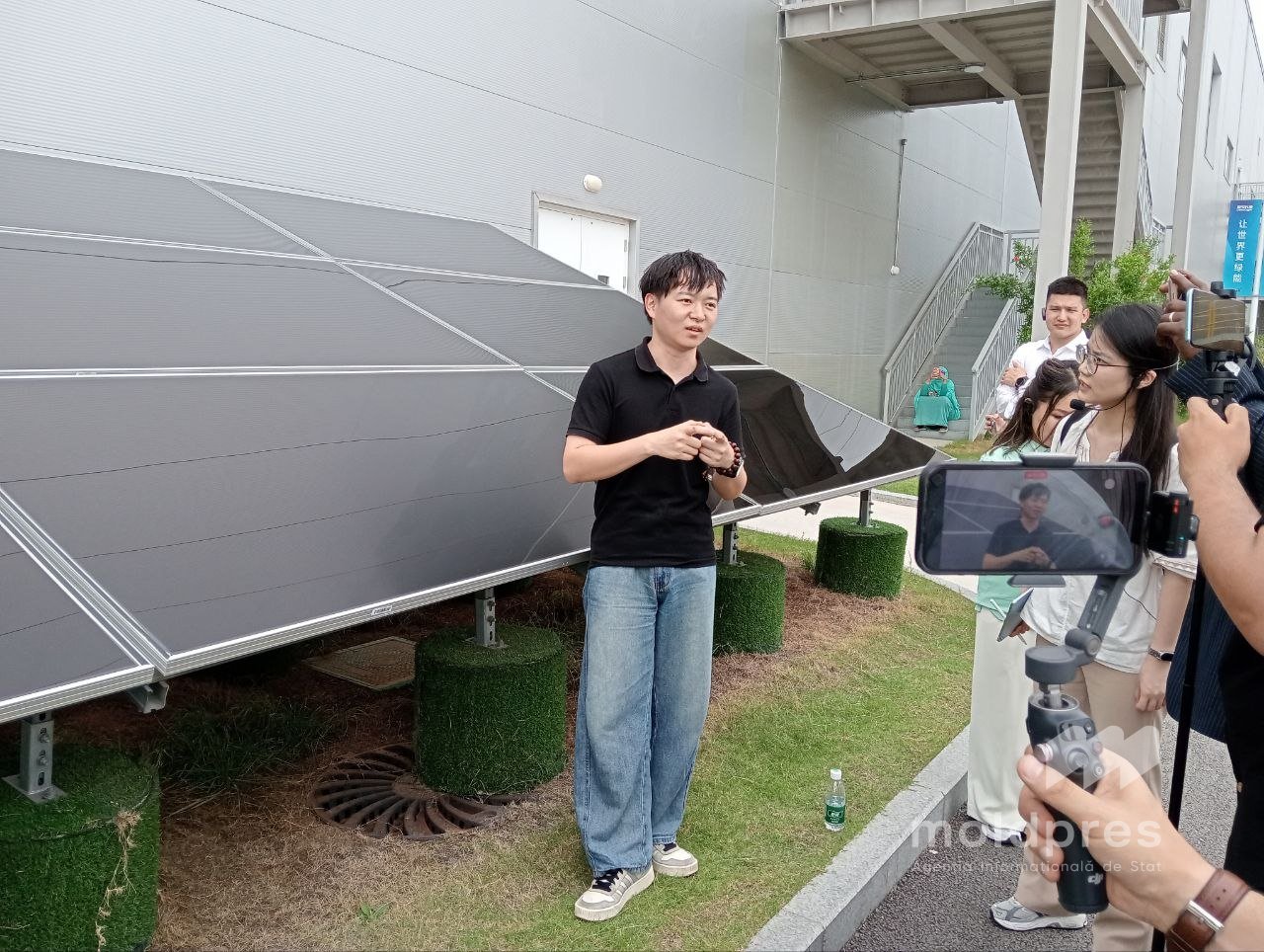
At UtmoLight’s headquarters in Wuxi, journalists were able to see building façades that generate energy; photovoltaic tiles; semi-transparent glass that produces electricity; and exterior walls fully integrated into the building’s energy system.

Practically, almost any surface of a building can become a source of energy.

“Our concept is ‘PV + everything’ – that is, solar energy integrated into anything: buildings, urban furniture, agriculture or infrastructure,” company specialists said.


Costs: how much a customer might pay

Company representatives noted that prices differ depending on customization and the type of project, but the major advantage is the reduction of industrial investments and material costs.

According to the data presented, BIPV modules (building-integrated photovoltaics) have a warranty period of 25 years; production costs can be reduced by up to 50 per cent compared to conventional technologies; and energy consumption in the manufacturing process is about four times lower.

For large projects, the company claims that the return on investment is accelerated by the high energy output and lower maintenance costs.


Specialists: “The future of energy will be building-integrated”

One of the company’s experts told MOLDPRES that the global trend is no longer represented only by separately mounted solar panels, but by the complete integration of energy into infrastructure.

“In the future, buildings will no longer be just energy consumers, but active producers of electricity,” company representatives maintain.

They say that the technology works well even in low-light conditions and at high temperatures – an important aspect for different climate regions.


What this technology could mean for Moldova

For Moldova, where energy costs remain a major problem and energy dependence is still high, the technology could have more practical applications.

• Energy-efficient public buildings

• Schools, hospitals, town halls or new apartment blocks could integrate windows and façades that produce electricity without radically changing the architectural appearance.

• Agriculture and greenhouses

• The semi-transparent technology allows natural light to pass through, which makes it attractive for agricultural greenhouses and agri-voltaic projects.

• Individual homes

• The photovoltaic tiles produced by the company could become an alternative for households seeking energy independence without installing classic rooftop panels.

• Urban infrastructure

• Charging stations for electric vehicles, parking lots, bus stops or shopping centers could generate their own energy.
 Facebook
 Instagram
 X/Twitter
 Telegram
Natural gas price in European exchanges stays high, amid regional situation
Investing in government securities: Ministry of Finance launches new subscription round
PHOTO // PM, after visiting companies in southern region, says products made in Moldova competitive
Moldovan energy minister explains why security stocks cannot be used to reduce gas prices
Over 20 companies from Moldova present products in Baia Mare, Romania
VIDEO // Prime Minister about privatization of Zarea Hotel: Our goal - to generate as much money as possible for state budget, while also making good use of important property in central Chișinău
VIDEO // More than 218 million lei directed toward objectives of Convergence Fund, although mechanism has not yet begun operating
Moldova strengthens public finances in line with European standards with Slovenia’s support
Mircea Esanu leaves Public Services Agency to lead Moldova Project
VIDEO // Moldova to have single structure for implementing strategic projects
EBRD lends €344 million to upgrade Moldova’s strategic road corridors
Giant grapevine to be set up in PMAN for National Wine Day
VIDEO // This year’s National Wine Day to bring together more than 110 producers in central Chișinău
DOC // Law on crypto-asset market published in Official Journal and enters into force
Farmers’ registry launched in Moldova: less bureaucracy, easier access to funding
Polish Ambassador awarded Order of Honor at end of term
Moldova International Exchange initiates admission process for capital market
European Commissioner at Moldova Business Week 2026: Whoever invests in Moldova today is investing in European success story
 National Bank of Moldova
Moldovan PM has phone conversation with Austrian chancellor
Deputy PM for reintegration has meeting with Ambassador of Kingdom of Netherlands to Moldova
“Parliament through children’s eyes”: pupils of Moldova express vision of democracy through art
Polish Ambassador awarded Order of Honor at end of term
Prime Minister to Moldova Business Week 2026 participants: Moldova can win through speed, agility and trust


Moldova International Exchange initiates admission process for capital market
PHOTO GALLERY //11th edition of Moldova Business Week starts in Chisinau
European Commissioner at Moldova Business Week 2026: Whoever invests in Moldova today is investing in European success story
VIDEO // Speaker - one year after parliamentary elections: We have made faster progress than ever on path to joining European Union
Prime Minister to Moldova Business Week 2026 participants: Moldova can win through speed, agility and trust
Moldova Business Week 2026 starts in Chișinău
Severe hydrological conditions also affect Prut river
Chișinău and Bălți residents to pay more for heating
Chișinău International Airport launches app for more accessible travel
New natural gas tariffs for final consumers approved by ANRE
Foreign Minister: 868 Moldovan citizens in Canada benefited from consular services through the “Embassy Comes Closer to You” Program
Moldovan parliamentary delegation to attend PACE autumn session
Nearly 500 children took up President’s reading challenge
Moldovan athlete becomes world champion, marking historic first for para-judo in Moldova
Prime Minister meets with UN Secretary-General
Deputy Prime Minister to visit Canada: talks on strengthening bilateral relations and developing economic partnerships
Receive the latest news directly to your email

Receive the latest news directly to your email