
Moldovan government proposes ending state of emergency, introducing state of alert in energy sector
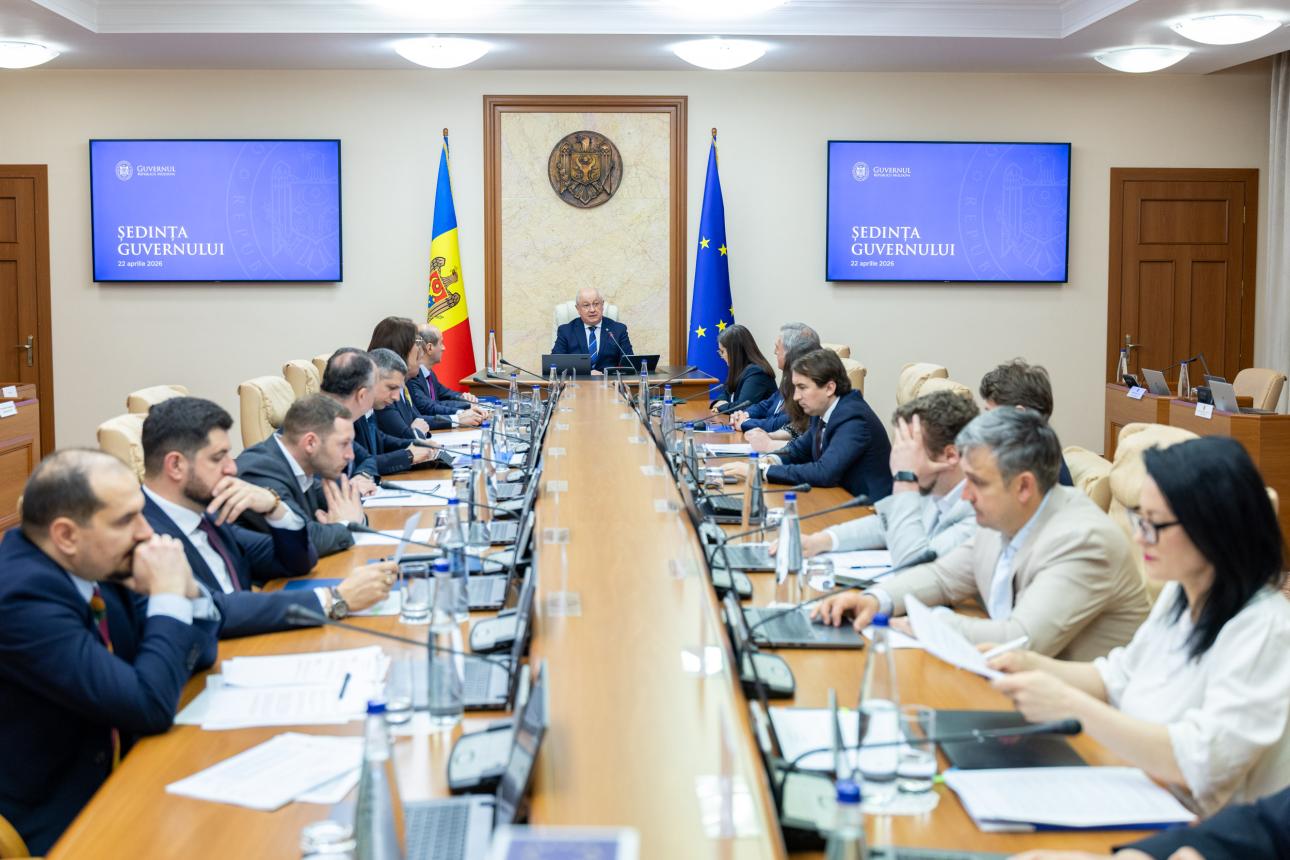
The government will ask the parliament to end the state of emergency in the energy sector as of April 25. At the same time, in order to keep the situation under control and react quickly to any developments, the cabinet is proposing the introduction of a state of alert for a period of 60 days.

“The interventions during this period have had good results. We have managed to stabilize the system and eliminate immediate risks. At present, we have energy and the system is operating within normal parameters. We propose that the level of prudence be reduced from a state of emergency to a state of alert,” said Prime Minister Alexandru Munteanu.

The introduction of the state of emergency provided the authorities with the tools needed for rapid and effective interventions in critical sectors. Thanks to these measures, the affected energy infrastructure was restored in a short time, disconnections with major impact on the economy were avoided and additional costs for consumers were limited, including through the purchase of energy on commercial markets at more advantageous prices than emergency energy.

At the same time, on the fuel market, conditions were created for stable supply, for a faster reflection of prices’ decreases at the pump, and for consolidating the stocks needed to cover domestic consumption. Presently, with the restoration of the functionality of the energy infrastructure and the gradual stabilization of the oil products market, maintaining the state of emergency is no longer proportionate.

Under these conditions, it is appropriate to return to a state of alert, which will allow the preservation of monitoring and intervention tools needed to protect consumers and prevent market imbalances. This measure stays necessary, in the context of international logistical constraints that limit supply flexibility, generated by vulnerabilities in the Strait of Hormuz area and the continued impact of Russian attacks on Ukraine.

By introducing the state of alert, state institutions will focus on more clear goals:

Protecting purchasing power. The diesel price calculation mechanism based on a 7-day average will be maintained, so that decreases on international markets are reflected more quickly at the pump and consumers benefit from greater predictability.

Ensuring supply and securing fuel stocks. Daily monitoring of stocks and import planning will continue in order to prevent any risk of shortages. At the same time, measures limiting exports will be maintained when stocks do not reach the level required for domestic consumption, and green corridors for imports will be preserved, so that supply remains stable.

Securing domestic electricity consumption. During peak hours, available energy will be directed with priority to household consumers and public institutions, while vital consumers will continue to benefit from priority in supply, if unforeseen situations arise in the system.

At the same time, measures will be applied to make public consumption more efficient. Public building managers will reduce interior lighting during peak hours — 06:00–09:00 and 17:00–23:00 — in order to reduce pressure on the energy system, avoid additional costs and help maintain stable tariffs for citizens.

The parliament of Moldova introduced a nationwide state of emergency for a period of 60 days starting from March 25, 2026, at the government’s proposal, after the Isaccea–Vulcanesti overhead power line had been disconnected on March 23 evening, following attacks on energy infrastructure in southern Ukraine.
 Facebook
 Instagram
 X/Twitter
 Telegram
Clear-cut rules for traffic management, public transport's development, paid parking arrangements in Moldova
Balti municipality's mayor to be able to be assisted by own cabinet
Government approves creation of 34 territorial education agencies to administer country’s schools
Better medicines, medical devices and technologies: Government approves single national assessment mechanism
Moldova accelerates transition to electric transport: at least 600 charging points by 2030
Moldovan citizens working in Ireland to receive pensions for years worked in both countries
French support for continuing reforms in energy sector
Moldovans working in Ireland to benefit from pensions and social benefits
Moldovan Prime Minister held phone conversation with Romanian counterpart
Implementation of Growth Plan for Moldova discussed with civil society, business community
PM has meeting with China's Ambassador to Moldova
Parliament speaker meets Ambassador of China to Moldova
Meeting between Deputy Prime Minister for Reintegration and delegation of ambassadors of Weimar format member states to OSCE
PM visits factories in two settlements of Moldova
Cooperation between Moldova, International IDEA discussed in Chisinau
Moldovan president to visit Hungary
Moldova's parliament speaker calls on Moldovan, Ukrainian border authorities to find solutions to prevent incidents on Dniester
Moldovan foreign affairs minister meets Argentina’s Ambassador
 National Bank of Moldova
Summary of Moldovan parliament's plenary meeting held on October 22, 2026
Balti city mayor to be assisted by own cabinet; Moldovan parliament passes relevant draft in first reading
Moldovan MPs vote on draft on tax, customs facilities for import of 24 musical instruments meant for national collection of musical instruments
Moldovan parliament votes in first reading: construction of Straseni–Gutinas power line, modernization of Straseni substation to be declared of national public utility
Access to education, quality public services in focus during visits by secretary general for reintegration to Tiraspol, Bender, Varnita

Access to education, quality public services in focus during visits by secretary general for reintegration to Tiraspol, Bender, Varnita
Romania's new PM to pay first visit to Chisinau on October 27
Moldovan parliament adopts fiscal, customs policy package for 2027
Moldovan government's deputy secretary general says Moldova’s European path runs through country's villages, benefits of reforms must be felt locally
Cooperation between Moldova, International IDEA discussed in Chisinau
Moldovan president to visit Hungary
Adopted by parliament: taxi platforms to be required to process payments through financial institutions licenced in Moldova
Access to cadastral information extended to more categories of individuals, institutions in Moldova
Persons with disabilities since childhood to be able to combine disability, survivor’s pensions; Moldovan parliament adopts relevant draft
Works for modernization of district heating systems from Chisinau, Balti declared to be of national public interest
Moldova's parliament speaker calls on Moldovan, Ukrainian border authorities to find solutions to prevent incidents on Dniester
Moldovan foreign affairs minister meets Argentina’s Ambassador
PHOTO GALLERY // Moldova Team for Dakar 2026 Youth Olympic Games officially presented
Moldovan parliament speaker announces solutions to protect personal data, control payments after journalistic investigation into taxi platform
Speaker after Constitutional Court’s decision in von Hebel case: We will amend law where necessary
Environmental impact, energy efficiency made mandatory when purchasing vehicles with public funds in Moldova
Receive the latest news directly to your email

Receive the latest news directly to your email