
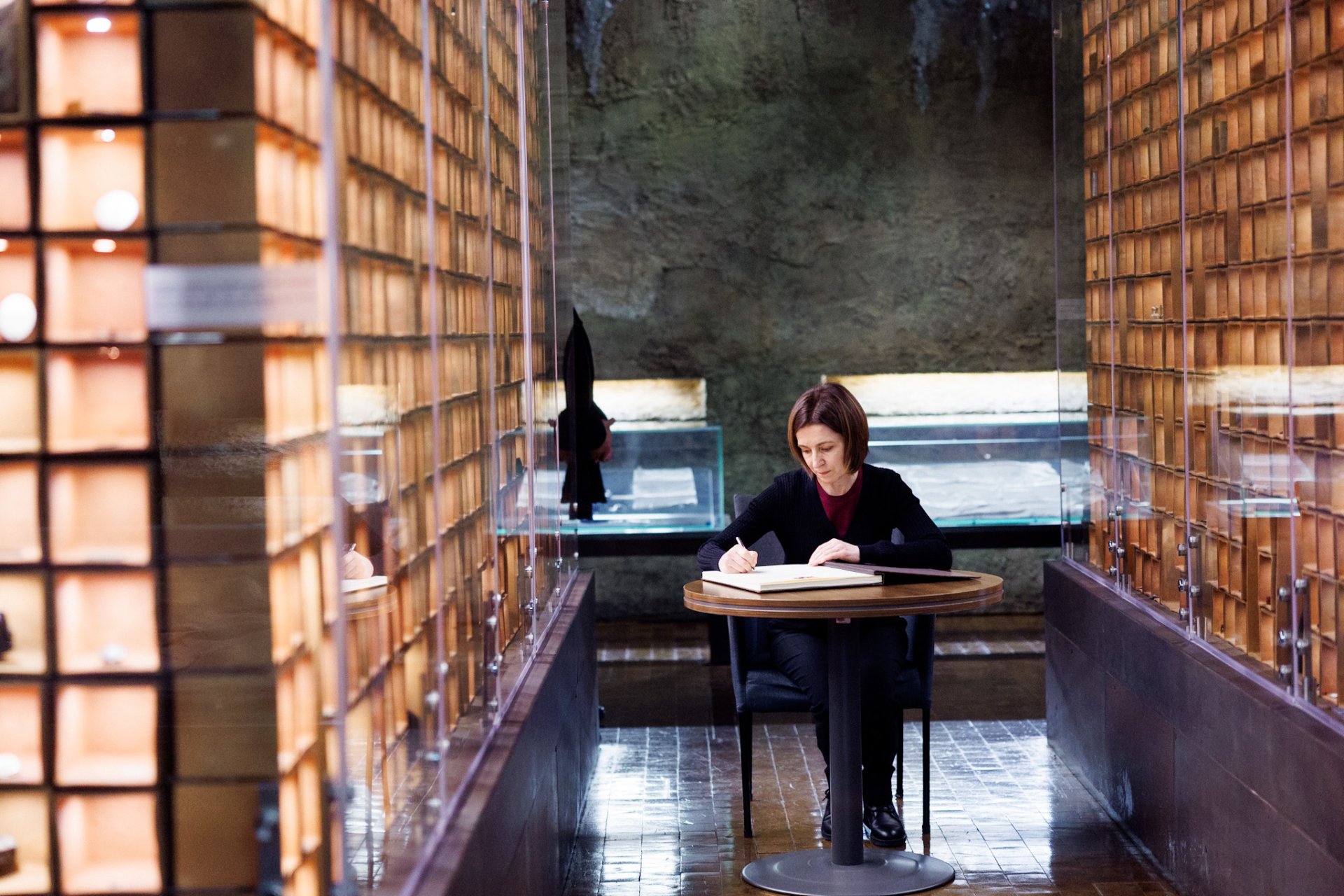
Moldovan President visits Katyn Massacre Museum: History helps us understand and cherish freedom
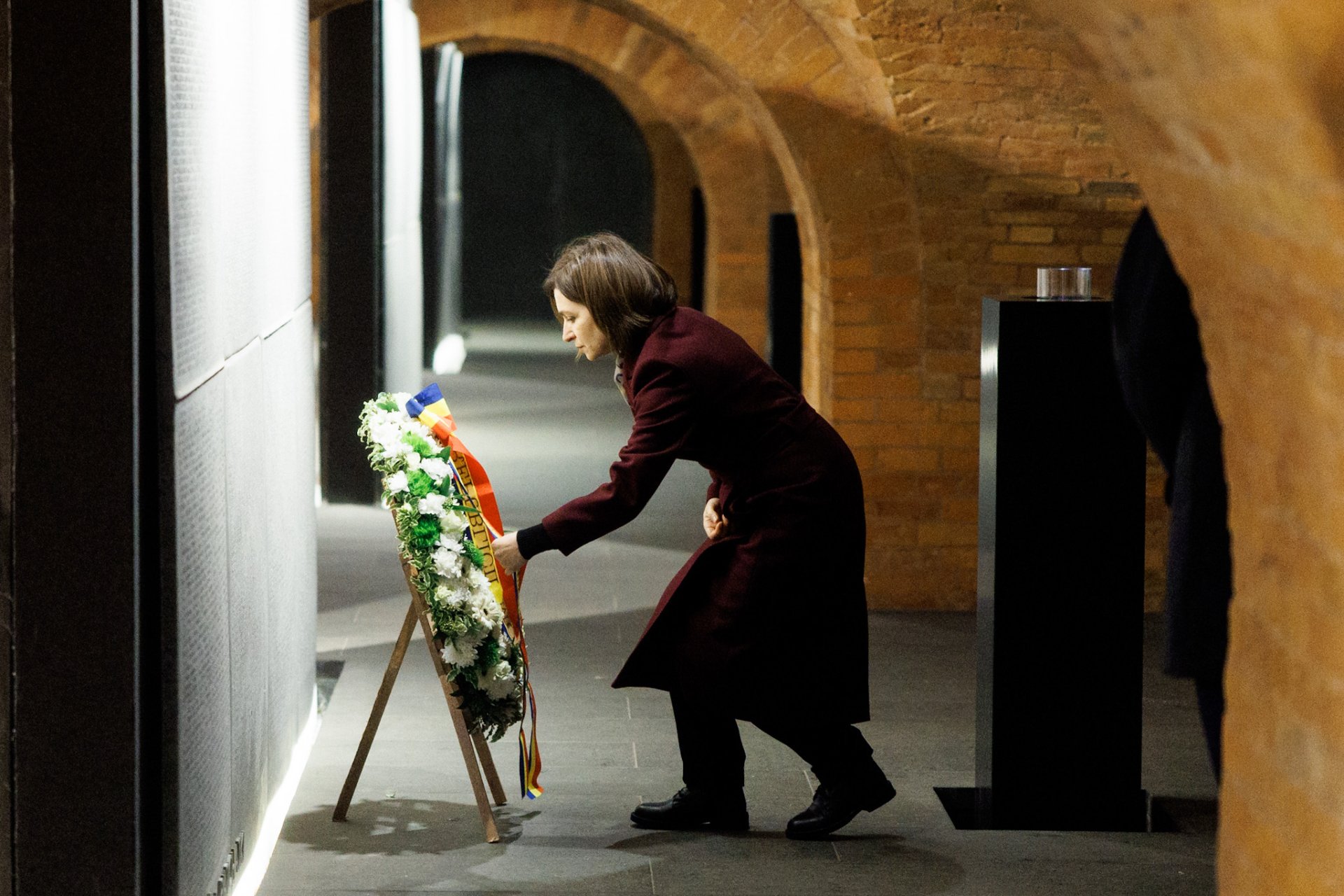
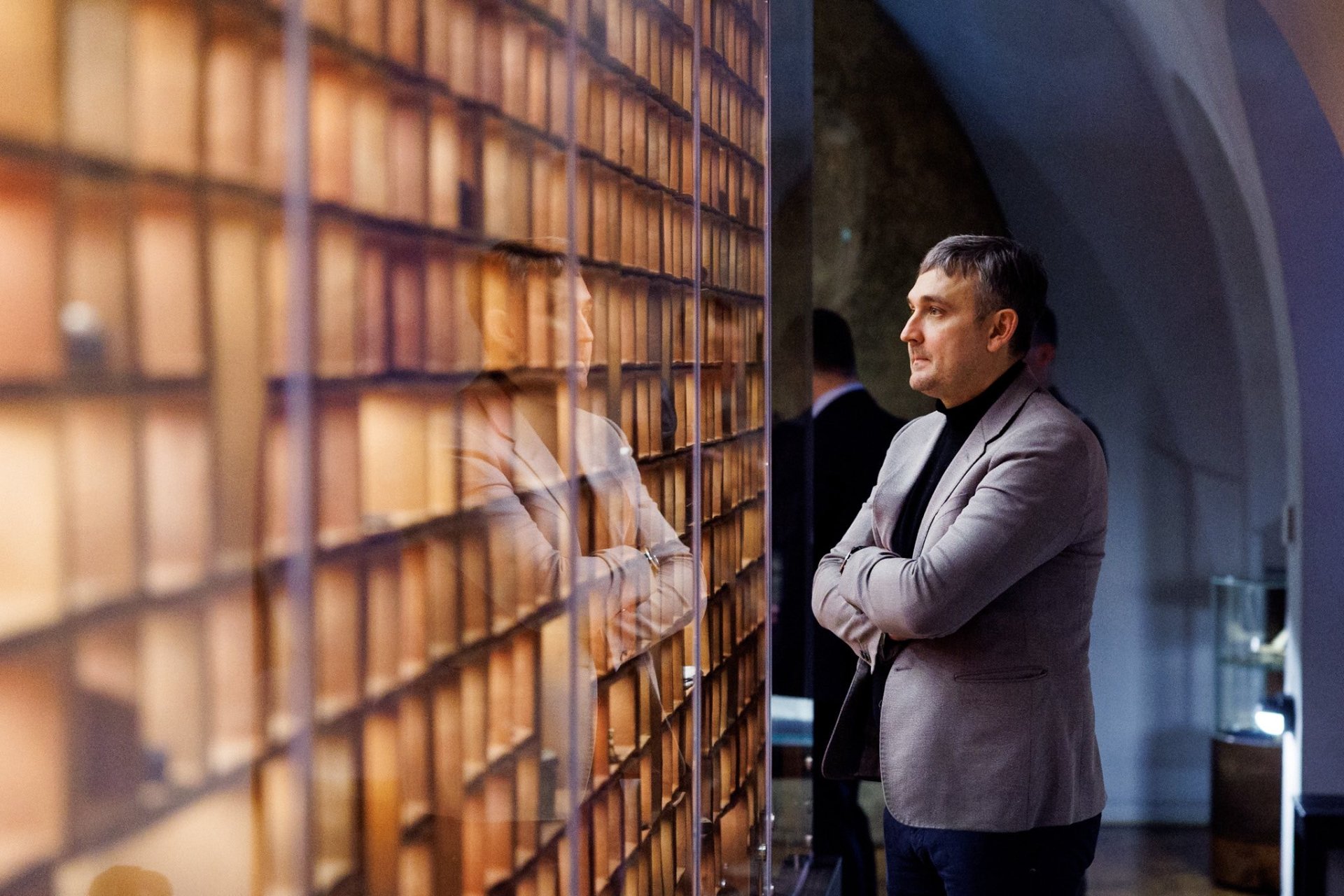
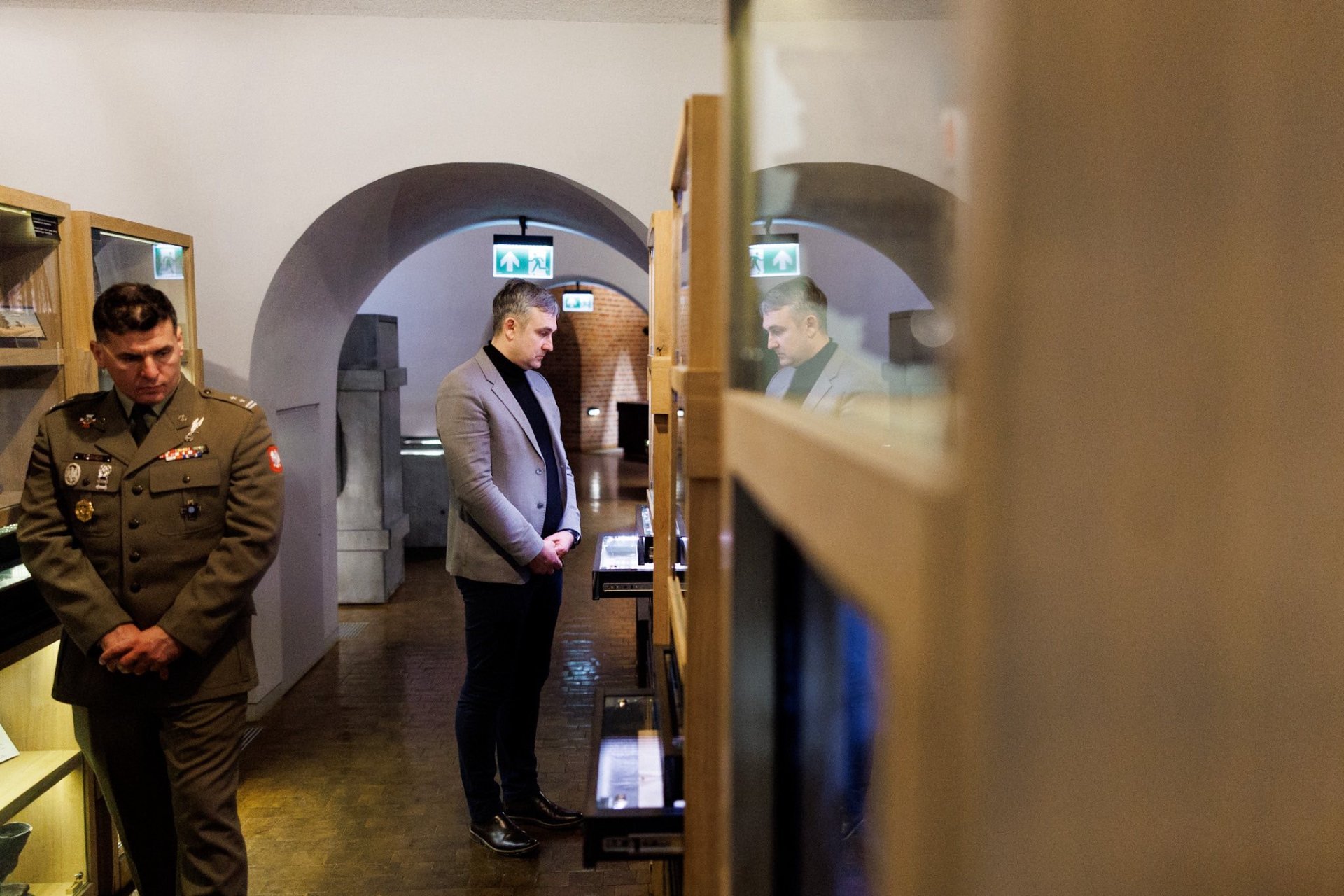
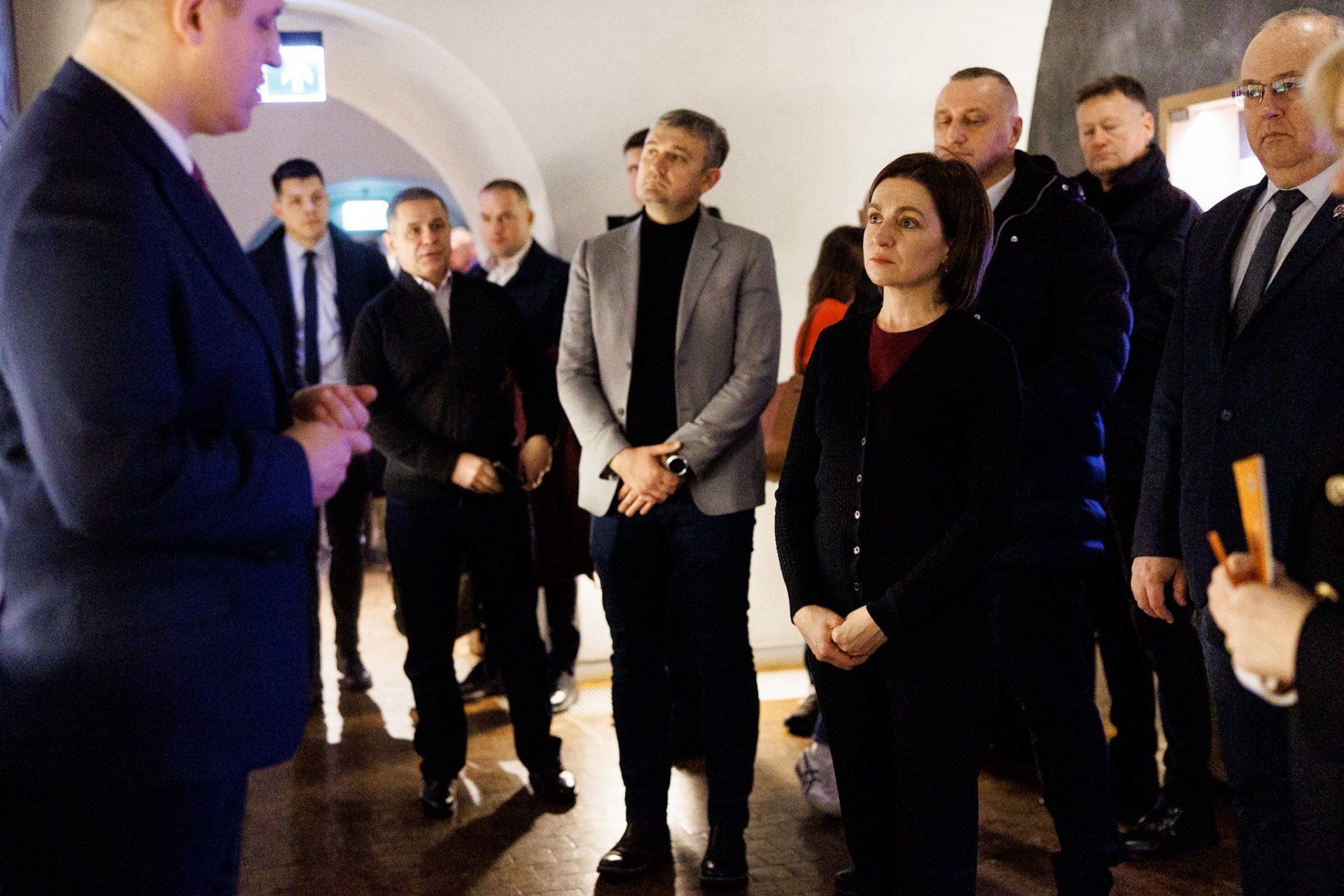
Historical memory and the lessons of the past marked the beginning of the visit of President of the Republic of Moldova Maia Sandu to Poland. Her trip agenda started at Katyn Massacre Museum in Warsaw, a space dedicated to commemorating the more than 22,000 Polish officers and intellectuals killed by the Soviet regime in 1940. The head of state was accompanied by Minister of Culture Cristian Jardan, a member of the official delegation of the Republic of Moldova.

Maia Sandu underlined the symbolic and moral weight of the visit to the Katyn Museum, a space dedicated to the memory of the more than 22,000 Polish officers and intellectuals killed by the Soviet regime in 1940.

"These crimes took place in the aftermath of the Ribbentrop–Molotov Pact, whose consequences we also know well in the Republic of Moldova. It tore destinies apart, destroyed families and left deep wounds in the memory of our peoples. Such museums remind us how important it is to know our past. Knowing history helps us separate the wheat from the chaff, distinguish truth from lies, understand and cherish freedom. When we speak honestly about tragedies, we build a stronger, more resilient society that knows what it must defend. Our histories and tragedies, those of Moldovans and Poles, are often intertwined. That is why, in the Republic of Moldova, we want to learn from Poland how to preserve and promote memory, not to remain in the past, but so that it does not repeat," Maia Sandu wrote on her Facebook page.

Minister of Culture Cristian Jardan highlighted the essential role of the culture of memory in Polish society, emphasizing that Poland has managed to transform the acknowledgment of its past into a foundation of its democratic development.

"During the visit I am paying to Poland, as part of the delegation of President Maia Sandu, I visited Katyn museum, which evokes the massacre of 22,000 Polish officers and intellectuals by the Soviets. The museum also presents the tragedy of the thousands of Poles deported to Siberia after the Soviet Union attacked and occupied part of Poland in September 1939, based on an agreement with Nazi Germany. Our post-war history has many similarities with that of the Poles, and it is our duty not to forget these tragedies in order to build a safe and solid future at home. And Poland’s example is a compelling one," said Cristian Jardan.

The visit to Katyn Museum marks the beginning of the official visit that Maia Sandu is paying to the Republic of Poland on 25–26 January, at the invitation of President Karol Nawrocki. The official delegation also includes Minister of Defence Anatolie Nosatîi. In Warsaw, the head of state is scheduled to hold meetings with President of Poland, with Prime Minister Donald Tusk, as well as with the leadership of the Polish Senate and Sejm, with the agenda of discussions focusing on bilateral cooperation, the European path of the Republic of Moldova, and regional security.
 Facebook
 Instagram
 X/Twitter
 Telegram
Romania supports Moldova's economic integration; Romanian president says Romania to continue to support Moldova's integration into European Union, integration of two economies
Prime Minister at The Economist conference on accelerating EU accession process: Moldova moves forward despite challenges
PAS to have new MP in Parliament
Ben Gurion Airport in Tel Aviv remains closed until 16 April
National airspace overflown by Shahed drone
Perspectives on Moldova's European integration: experts says joint declaration announced today by officials from seven states good political signal
European Union member states' MPs call for speeding up EU accession talks with Moldova; declaration to this effect signed in Chisinau
Moldovan president to meet Moldovans living in Ireland
PHOTO // Republic of Moldova opened Honorary Consulate in Almaty, Kazakhstan
President on 108 years since Union of Bessarabia with Romania
Prime Minister conveys message on anniversary of Bessarabia's Union with Romania
Speaker - 108 years after Union of Bessarabia with Romania
PHOTO // Moldovan foreign affairs minister meets Romanian senators
Moldovan government holds extraordinary meeting to introduce new measures on emergency state period
CNMC: Eenergy sector remains fragile, ending state of emergency requires caution
Foreign Ministry: We condemn violation of airspace. Such actions endanger citizens’ security
Support for export promotion: 16 business associations to receive 14.6 million lei through Bridge Export Program
Over 20 media projects to get funding from media subsidy fund
 National Bank of Moldova
President met with U.S. Senator
Proposals for improving efficiency of ministries discussed at roundtable
Prime Minister visited agricultural business in Unguri village, Ocnița district
Prime Minister visited rescuers and firefighters unit in Ocnița
Weekly meeting of Joint Control Commission of 2 April 2026

Simple motion on public policies implemented by Ministry of Labour and Social Protection failed
Proposals for improving efficiency of ministries discussed at roundtable
PHOTO GALLERY // Premiere at Mihai Eminescu National Theater: “Intrigue and Love,” directed by Alexandru Cozub
Moldova to sign social security agreements with Quebec (Canada), Albania, Croatia and Ireland
Around 622,000 vulnerable families receive energy compensation
Prime Minister visited agricultural business in Unguri village, Ocnița district
Minister of Labor and Social Protection: Deficit of state social insurance budget decreased to 3.6 billion lei in 2026
Prime Minister visited rescuers and firefighters unit in Ocnița
Eastern European plants used in Chinese medicine: book by Wang Yifeng launched in Chișinău
PHOTO GALLERY // About 160 companies gathered at Moldconstruct and Moldenergy exhibitions: innovation and cutting-edge technologies
Weekly meeting of Joint Control Commission of 2 April 2026
Energy and infrastructure – essential pillars in Ukraine’s reconstruction
Specialized international exhibitions Moldconstruct and Moldenergy open at Moldexpo
Deputy Prime Minister for Reintegration meets Ambassador of Romania to Moldova
Speaker about permanent withdrawal from CIS statutory bodies: Moldova has sovereign and independent right to decide which union to be part of
Moldovan government representatives to present to parliamentary factions actions taken during emergency state, proposals on future developments
Receive the latest news directly to your email

Receive the latest news directly to your email