
Moldovan Economy Ministry estimates 2.2-per cent growth of GDP in 2026, followed by gradual medium‑term acceleration
The Economic Development and Digitalization Ministry (MDED) estimates a 2.2-per cent growth in the Gross Domestic Product (GDP) in 2026, followed by a gradual medium-term acceleration to 4.2 per cent in 2029. This trajectory will be supported by the implementation of structural reforms and investment projects envisaged in the EU-backed Growth Plan.

According to MDED, the outlook for 2026 is marked by a high degree of uncertainty, mainly in the context of the conflict in the Middle East, which has led to increases in oil and natural gas prices. These developments boost inflationary pressures at global and regional levels, affecting production costs and macroeconomic balances.

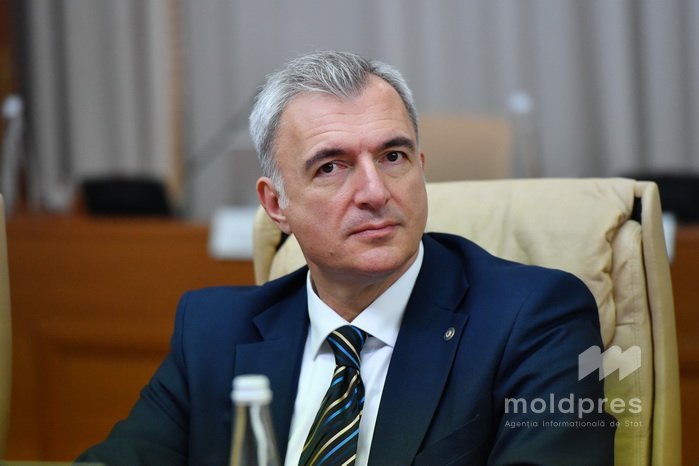
“We certainly did the calculations together with our external partners, the World Bank, the IMF, the European Union. If the war continues, we can expect a forecast of 2.2% for 2026. But we will see. The uncertainty is so high, that we cannot say anything for the moment. So, 2.4 per cent, 2.2 per cent. These are the joint forecasts agreed with our partners,” said Deputy Prime Minister, Economic development and Digitalization Minister Eugeniu Osmochescu after the today’s government meeting.

At the same time, the forecast scenario is underpinned by a string of favorable factors that will support economic activity on the coming period. The implementation of investment projects included in the Growth Plan (projects to modernize the energy sector, rehabilitate and expand road infrastructure, modernize railway infrastructure, investments in water supply and sewerage systems, etc.), as well as measures to stimulate private investment—including through state aid mechanisms in strategic sectors of the processing industry and financing programmes implemented via the Organization for Entrepreneurship Development (ODA)—will support domestic demand, MDED notes.

Also, according to the same source, structural reforms and support measures for the business environment will help mitigate the impact of external shocks and strengthen economic resilience.

Alongside these friendly factors, certain vulnerabilities persist, particularly the ones associated with developments in the region and the Middle East and their possible effects on the national economy, the source added.

In the context, the Economic Development and Digitalization Ministry will continue to monitor domestic and external economic developments and adjust, where necessary, the forecasting framework, in order to ensure a sound basis for economic policies.

According to data from the National Statistics Bureau, Moldova’s economy grew by 3.6 percent in the fourth quarter of 2025. For the entire 2025 year, the Gross Domestic Product increased by 2.4 per cent.
 Facebook
 Instagram
 X/Twitter
 Telegram
Energy cooperation between Moldova and Romania discussed at conference in Chișinău
PHOTO // Investment opportunities of Moldova presented at Economic Diplomatic Club Bucharest; Moldovan ambassador to Romania says Moldova stays open to investments
Romania accelerates strategic Vulcanesti–Chisinau project: “A pillar of Moldova’s energy security and European future”
Moldova to host first edition of International Exhibition, China Expo Auto, Mobility and Agrotech
Agreement signed in Chisinau; Moldova, Iceland to operate direct flights
VIDEO // Over 70% of Moldova's electricity consumption covered by renewable sources; Energy minister: “Less dependence on imports and greater security for citizens”
Governor of National Bank of Moldova says country's economy to continue to grow in 2026, inflation stays major challenge
PHOTO // Moldova to participate in China International Import Expo
Customs Service collected over 871 million lei last week
Moldova showcases investment advantages in Shanghai: 30 major Chinese companies interested in country’s market
Wine of Moldova conquers Chinese market: network of 400 stores, skyscraper promotion campaigns in Shanghai, Shenzhen
Energy Ministry announces emergency disconnections of 400 kV power lines; consumers stay supplied with electricity in Moldova
PHOTO // New opportunities for agricultural cooperation in Italy; Moldovan agriculture minister visits Agri-Food Center in Rome, company in region
PHOTO // Moldovan energy minister participates in Istanbul Natural Resources Summit
Greek tennis player wins Moldova Open Challenger 100
VIDEO // Moldovan parliament speaker conveys message for Children's Day
Moldovan PM says children represent most important future of Moldova
Moldovan parliament's delegation on visit to Brussels for talks on European integration
 National Bank of Moldova
Prime Minister at Great Children’s Choir: We want every child to know they have seat at grown‑ups’ table, their voice matters
President received Romania’s Prime Minister in Chișinău
Last Bell rings in Romanian-language schools on left bank of Dniester
Moldovan president says reform of local public administration communal effort between villages
Moldovan president's speech at Strong Mayoralties - Developed Settlements event

Moldova has over 833,000 children; Public Services Agency says more than 9,000 babies born in first five months of 2026
Moldova marks International Children’s Day: diverse schedule of activities for whole family
Moldovan Central Electoral Commission presents preliminary results of second round of new local elections
PHOTO // President: It is important to keep alive customs and values that bring us together
Local elections: Over 21% of voters cast ballots by 3:00 p.m.
Prime Minister: Dniester unites us more than it divides us
President: Dniester - essential for people’s health and safety of our communities
Moldova continues on path to EU even without formal decision on clusters, says head of state
New local elections: over 2 percent of voters cast ballots by 09:00
Prime Minister at Great Children’s Choir: We want every child to know they have seat at grown‑ups’ table, their voice matters
Citizens expected at polls to participate in second round of new local elections for mayor
VIDEO // Head of State on foreign visits: Moldova must convince EU countries to accept accession
Water, roads and public services: why authorities insist on local reform
President: Negative emotions prevailed after Eurovision
PHOTO GALLERY // Best local entrepreneurs awarded at Moldovan Business Gala
President urges citizens to double-check before transferring money to scammers
Receive the latest news directly to your email

Receive the latest news directly to your email