
Moldova and World Bank signed US$1.7 million grant agreement to prepare modernization of Chișinău’s heating system
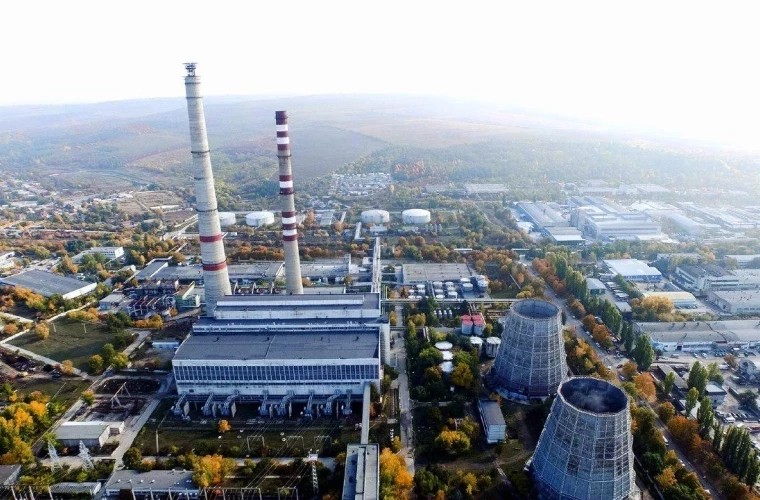
The Ministry of Energy and the International Bank for Reconstruction and Development (IBRD), part of the World Bank Group, have signed a Grant Agreement for a non‑reimbursable financing of up to US$1.7 million to prepare the project for constructing new high‑efficiency thermal and power generation capacities for Termoelectrica company.

The support is provided through the Project Preparation Grant Facility and will finance the development of technical documentation, specialized studies, environmental and social assessments, as well as other activities necessary for preparing the strategic investment included in the Resilient, Efficient, Secure Combined Heat and Power Program (RESHAPE‑Moldova).

The document is based on the conclusions of the feasibility study developed under the Second District Heating Efficiency Improvement Project (DHEIP‑2), financed by the World Bank. The study recommends the development of a new high‑efficiency combined‑cycle cogeneration plant, which will contribute to modernizing the energy infrastructure of the municipality of Chișinău and strengthening the energy security of the Republic of Moldova.

The construction of a new high‑efficiency cogeneration plant with an electric capacity of approximately 250 MW and a thermal capacity of approximately 180 MW will allow the simultaneous production of electricity and heat with lower fuel consumption compared to conventional technologies, which will lead to reduced energy production costs and more efficient use of energy resources.

The new investment will create the conditions for the gradual replacement of outdated generation capacities, increased energy efficiency, reduced fuel consumption, and lower greenhouse gas emissions. At the same time, the project will facilitate the integration of renewable energy sources and contribute to the development of a more resilient and flexible energy system.

Implementation of the grant will be ensured through the Consolidated Unit for the Implementation and Monitoring of Energy Projects (UCIPE), in cooperation with Termoelectrica and the World Bank.

The grant is non‑reimbursable and does not create repayment obligations for the Republic of Moldova. The funds will be used for preparing the investment project, and the financed activities are to be implemented by the end of 2027.
 Facebook
 Instagram
 X/Twitter
 Telegram
PHOTO // Minister: Testing and energization of Vulcănești–Chișinău Power Line set to begin at end of this month
DOC // New incentives for investments in renewable energy and electricity storage
Moldova to be able to develop energy interconnections with EU more quickly: government approves project
Moldovan PM has meeting with representatives of top European bank
PHOTO // Moldova and Romania marked centenary of civil aviation by symbolically recreating Bucharest–Chișinău route
Prime Minister on tax policy draft: We will consider every suggestion, but direction will not change. We must be efficient
National system for preventing and combating money laundering to be aligned with EU standards
€150 million financing to boost competitiveness of agricultural sector
EU Connectivity Agenda Platform launched in Brussels: Moldova strengthens role as regional logistics hub through new infrastructure projects
Moldova's Public Property Agency orders inspection at MoldATSA on compliance with legal framework for salary practices
IBRD to finance studies for new cogeneration plant in Chișinău
Support for export promotion: 250 enterprises to receive assistance in accessing foreign markets
Moldova's Customs Service collects over 837 million lei in last week
MOLDPRES REPORT // China’s cashless economy lesson: how phone becomes efficient anti‑corruption shield, what Moldova can learn from Beijing
Consultations in Chișinău: Officials from Moldova and Greece discuss regional security and deepening bilateral cooperation
Parliament hosts exhibition - Ștefan cel Mare: From History into Eternity
DOC // State Tax Service orders freezing of funds of three persons targeted by international sanctions
Public Property Agency director announces resignation
 National Bank of Moldova
President met with bipartisan delegation of U.S. senators
President met with Deputy Minister of Foreign Affairs of Greece
Prime Minister and European Commissioner discussed accelerating green agenda and advancing the Republic of Moldova on European integration path
President met with European Commissioner for Environment
Prime Minister attends Green Finance and Investment Forum Moldova

Public Property Agency director announces resignation
President met with bipartisan delegation of U.S. senators
President met with Deputy Minister of Foreign Affairs of Greece
Minister of Finance in talks with World Bank Regional Director for Eastern Europe: Macroeconomic outlook and reform priorities on agenda
Vouchers of up to 6,000 lei for another 336 families who purchased new household appliances
PHOTO // EU supports green transition of the Republic of Moldova
1946–1947 Famine could be recognized as crime against humanity in Moldova
Prime Minister and European Commissioner discussed accelerating green agenda and advancing the Republic of Moldova on European integration path
VIDEO // Interactive teaching and learning methods at gymnasium in Micleușeni, Strășeni
President met with European Commissioner for Environment
VIDEO // European Commissioner for Environment, message of support during her first visit to Chișinău
Prime Minister attends Green Finance and Investment Forum Moldova
PHOTO GALLERY // Color, Tradition and Identity on National Day of Traditional Costume
European Commissioner for Environment begins visit to Chișinău
Activity at Vulcănești border post to be temporarily suspended
Government responds to protest over tax reform
Receive the latest news directly to your email

Receive the latest news directly to your email