
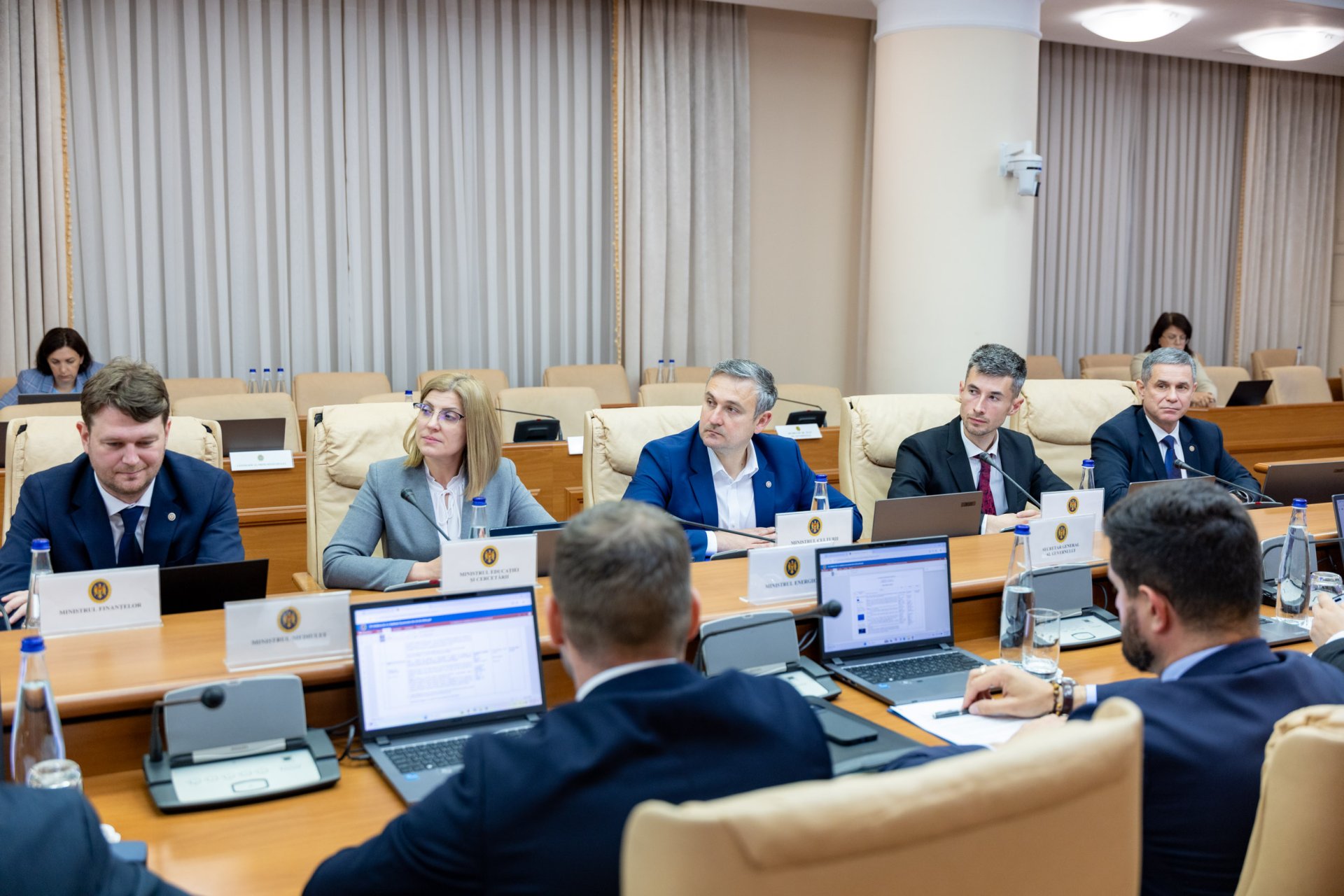
Cultural priorities for next 5 years: Expanding access to cultural services, modernizing infrastructure and increasing resources for heritage development
Expanding access to cultural services, modernizing infrastructure, supporting specialists in the field, developing financing mechanisms, and making more efficient use of heritage are the priorities for the cultural sector over the next five years. The 2026–2030 implementation program for the 2025–2035 National Strategy for Culture and Heritage was approved today by the Government.

The Program aims to strengthen the role of culture in the development of society, protect cultural heritage, and increase the sector’s competitiveness at national and international level. The document is structured around five priority areas: broader and more inclusive cultural participation; protected and accessible heritage; human capital development; sustainable financing; and the internationalization of culture.

Among the planned measures are the modernization of cultural centers, libraries, museums, and art schools; the inventory and restoration of monuments; continuous training for professionals; support for artistic mobility; and the integration of cultural organizations into European and international networks.

Particular attention is given to rural areas, vulnerable communities, and the independent cultural sector. The Program aims to reduce inequalities in access to culture, stimulate local initiatives, develop digital services, and strengthen partnerships between public institutions, local authorities, non-governmental organizations, and independent actors.

At the same time, the approved measures will contribute to the development of creative industries and cultural tourism. By promoting heritage in educational and tourist circuits, the Program seeks to increase the visibility of the Republic of Moldova, attract external funding, and create new opportunities for communities.

The Program was developed by the Ministry of Culture in cooperation with the UNESCO Regional Bureau for Science and Culture in Europe, with financial support from the European Union.
 Facebook
 Instagram
 X/Twitter
 Telegram
Moldovan head of state meets former president of Georgia, awards her Order of the Republic
Government simplifies recognition of study documents and qualifications obtained abroad
President discussed Moldova’s European path and expansion of bilateral cooperation with Austrian parliamentarians
2025 Budget implementation: Government invests in better public services – indexed pensions, expanded social support and access to more medical services
10 hospitals in Chișinău and Bălți to be renovated with EU support
Government approved measures to stabilize fuel market and unblock capacities in electricity networks
Moldovans working in Canada or Ukraine to be eligible for pensions
Head of State received credentials from several ambassadors
Energy security on agenda of Moldovan National Security Council's meeting
EU funds – concrete opportunities for business, investment and development in Moldova
Moldovan PM discusses with Slovakia’s Defence Minister
Head of State signed decree granting citizenship of the Republic of Moldova to Mr Traian Băsescu
Moldovan president summons meeting of National Security Council
Moldova's president signs decree withdrawing citizenship from five individuals
Record number of registrations for Moldova – EU investment conference
Subsidizing agriculture in next 5 years: Greater competitiveness, climate resilience, added value and rural development
EBRD to provide additional financing for rehabilitation of Chișinău–Leușeni road and Chișinău bypass
Home appliances that use less energy, even when switched off – Government aligns national requirements with European standards
Government to fund 30 projects in localities from Security Zone through country reintegration program for 2026
CEC launches web platform for district electoral councils
Cultural priorities for next 5 years: Expanding access to cultural services, modernizing infrastructure and increasing resources for heritage development
 National Bank of Moldova
Home appliances that use less energy, even when switched off – Government aligns national requirements with European standards
Government to fund 30 projects in localities from Security Zone through country reintegration program for 2026
Moldovan president has phone conversation with Swedish PM
Moldovan government's secretary general has meetings with European officials
Moldovan government's secretary general in Brussels says local public administration reform key element of state's modernization process, essential condition for Moldova's European path

Moldova, EU strengthen partnership: 27 million euros for jobs, better social services, protection of vulnerable people
European Commissioner for Enlargement to pay visit to Moldova
Moldovan president has phone conversation with Swedish PM
Moldovan deputy PM for European integration has talks with MEP
Subsidies worth 178 million lei for Moldova's farmers authorized in last May
Moldovan government's secretary general has meetings with European officials
Armenian exports meet EU standards, economy minister says amid Russian trade ban and diversification push
Moldova to establish National Erasmus+ Agency; EU provides 5 million euros in support for candidate countries
European Parliament supports Moldova in European integration process; MEP Siegfried Muresan: "We support the opening of accession negotiations across all clusters"
Russian Embassy’s chargé d’affaires summoned to Moldovan Foreign Affairs Ministry after drone incident in Galati, Romania
POLITICO: Moldova, Ukraine might start official EU accession talks in June
Moldovan president, after Russian attack on Ukraine, says more support for Ukraine, stronger pressure on Russia – both needed now
Seven Moldovan MPs to pay study visit to United States
Moldovan government's secretary general in Brussels says local public administration reform key element of state's modernization process, essential condition for Moldova's European path
Moldova to build up larger natural gas reserves: bill proposed by Ministry of Energy
Prime Minister condemns Russia’s recent attack on Ukraine
Receive the latest news directly to your email

Receive the latest news directly to your email