
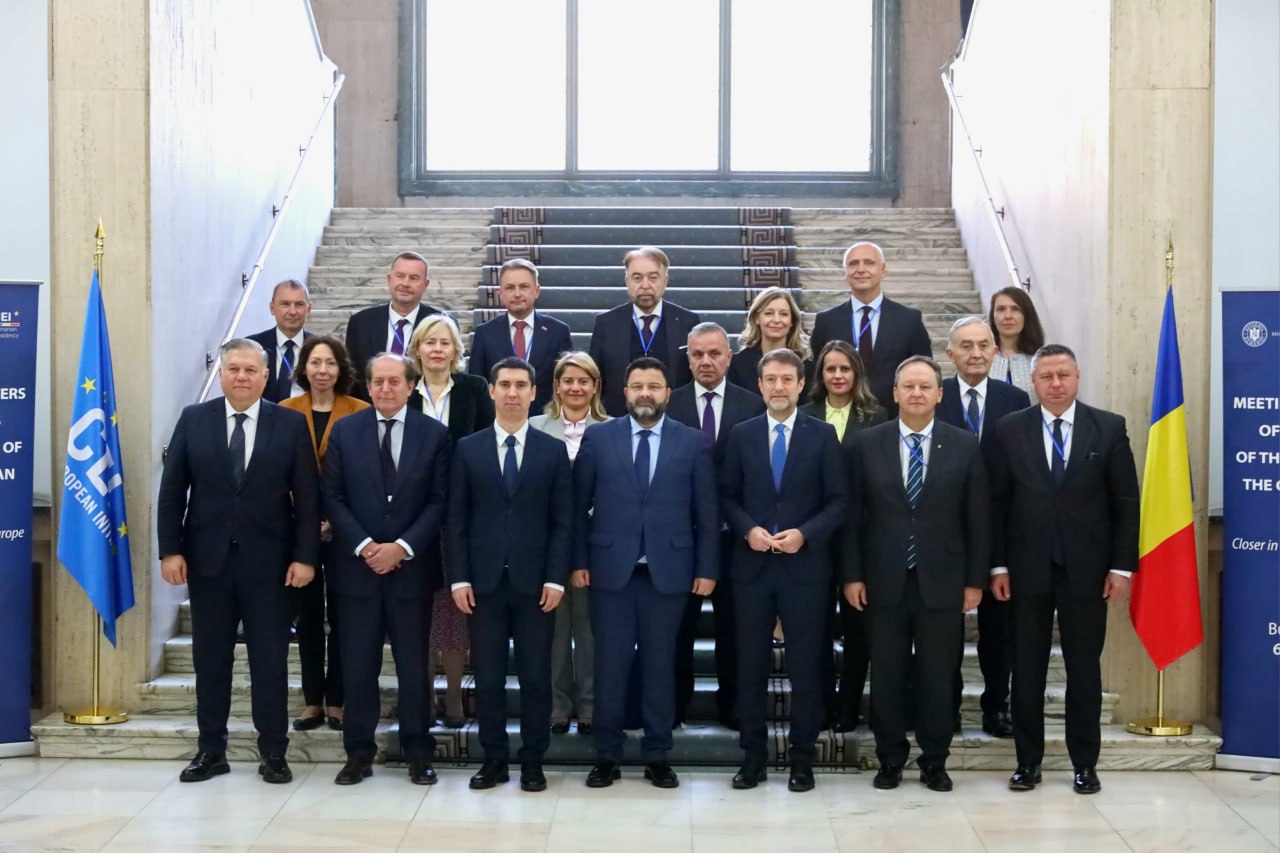
Moldovan foreign affairs minister says Moldova set to open negotiations for final two clusters, counts on support of EU member states
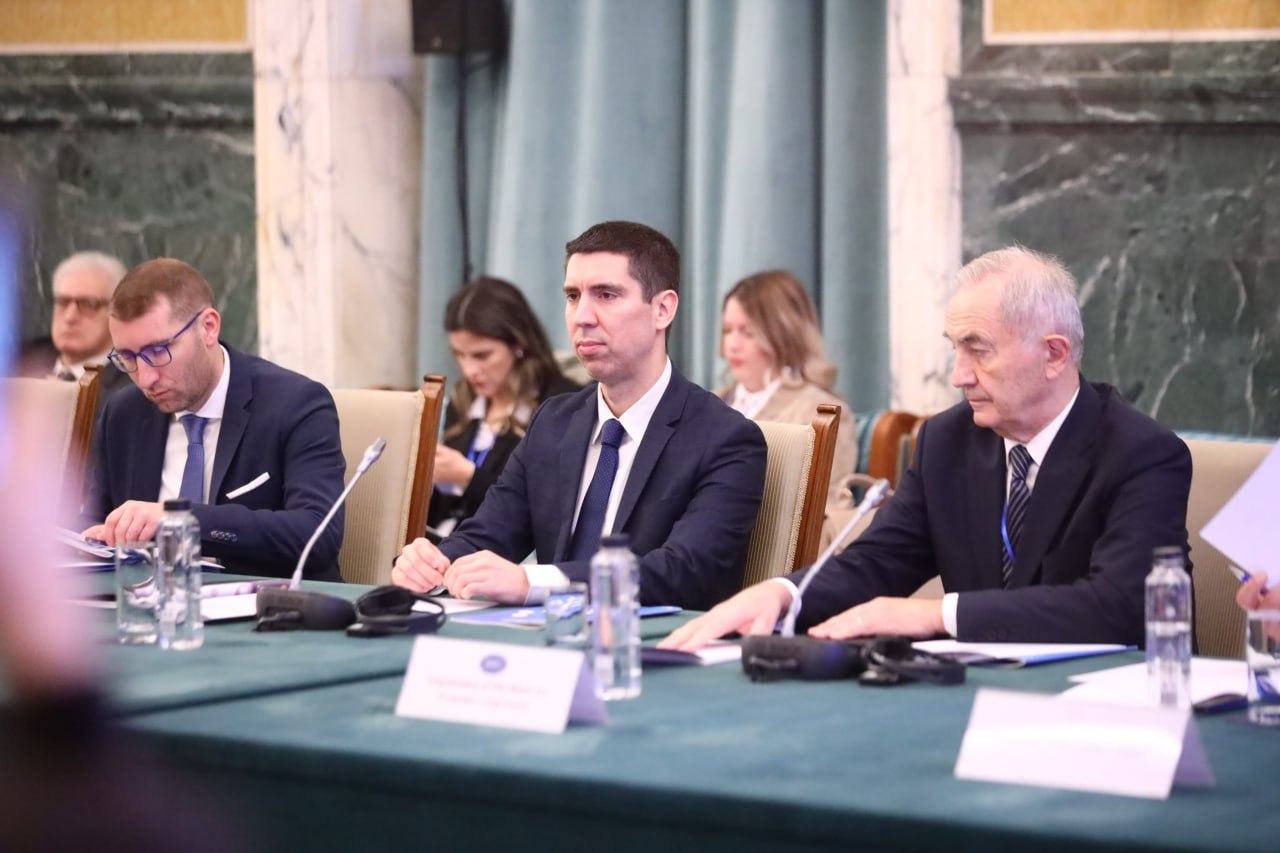
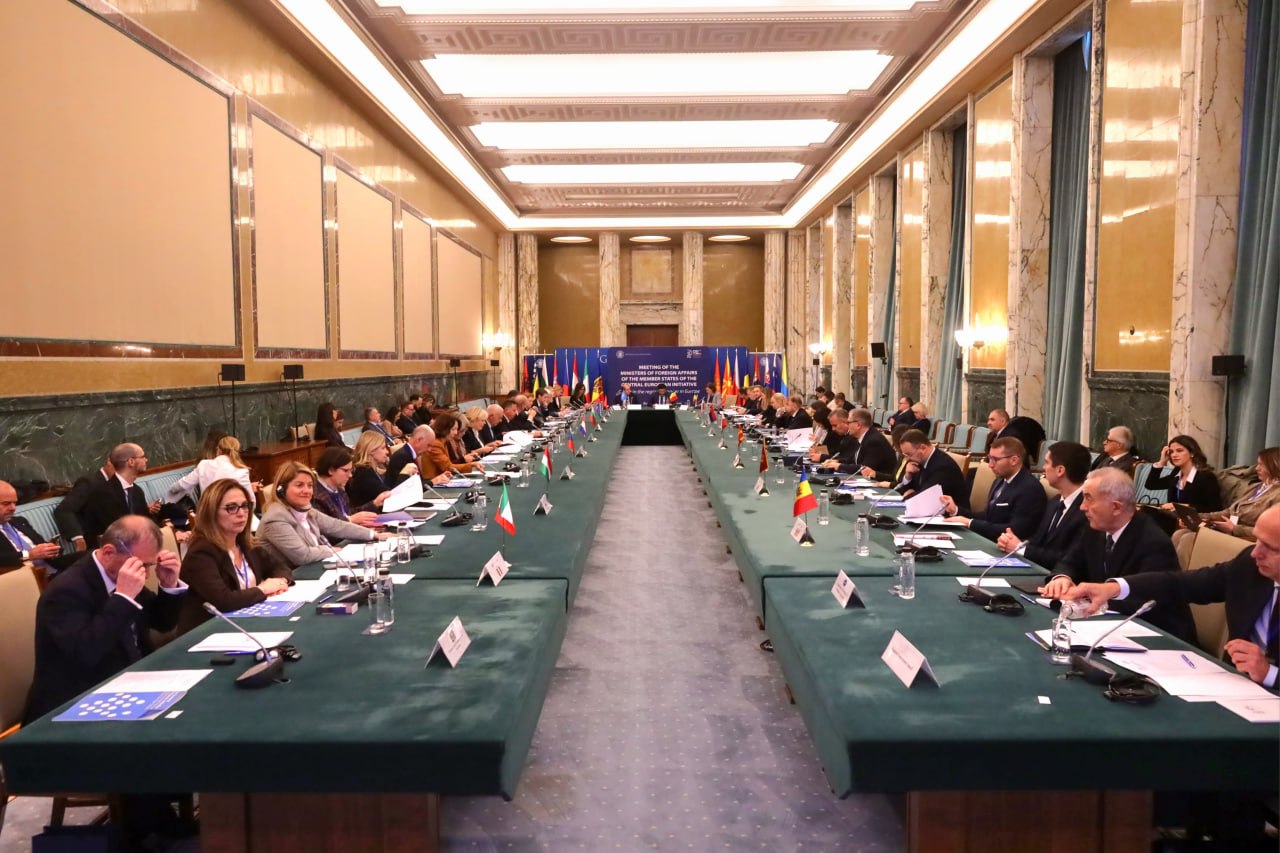
The experience of the member states of the Central European Initiative (CEI) has helped Moldova implement important projects and carry out the reforms necessary for EU accession. Support from CEI partners is essential for the country’s European path. Deputy Prime Minister, Foreign Affairs Minister Mihai Popsoi today made statements to this effect at the annual meeting of the foreign affairs ministers of CEI member states, hosted by Romania, which holds the organization’s rotating presidency in 2026.

The discussions focused on the enlargement of the European Union and support for the European integration of candidate countries, resilience in the face of hybrid threats, the development of connectivity and intensified cooperation among CEI member states.

In his address, Deputy Prime Minister Mihai Popsoi emphasized the importance of regional cooperation for Moldova in its process of accession to the European Union. The official highlighted the role of the CEI in facilitating the exchange of experience, promoting best practices and strengthening the institutional capacities necessary to advance reforms and move closer to European standards.

The Moldovan foreign minister also reaffirmed Moldova’s support for Ukraine and the importance of supporting joint efforts to rebuild the neighboring country.

“The Russian Federation’s war of aggression against Ukraine stays the most serious challenge to regional security. Therefore, supporting Ukraine is an investment in the security and stability of our entire region,” Mihai Popsoi said.

The minister also drew attention to the risks facing Moldova, ranging from drone violations of its airspace to cyberattacks against digital public services. In the context, Mihai Popsoi stressed the need for closer cooperation in the field of cybersecurity and the protection of critical infrastructure. He also welcomed the inclusion in the CEI’s new Action Plan for 2027–2030 of priorities dedicated to the development of digital infrastructure and countering hybrid threats.

Mihai Popsoi also reviewed Moldova’s progress in its accession negotiations with the European Union and advocated for each candidate country to be assessed on the basis of its own merits and results.

“Moldova is set to open negotiations for the final two remaining clusters and is counting on the support of the EU and its member states to advance along its European path. The Central European Initiative has an important role in this process by facilitating dialogue and joint efforts in support of a more stable and connected Europe,” Mihai Popsoi emphasized.

During the meeting, the participating states adopted a joint declaration and approved the CEI’s new Action Plan for 2027–2030, which will guide the organization’s activities in the coming years.

The meeting marked the end of Romania’s term in the rotating presidency of the CEI, a responsibility that will be taken over by Ukraine in 2027.

Moldova became a member of the Central European Initiative on November 8, 1996, and held the organization’s presidency in 2008 and 2023. During its 30 years of membership, the CEI has represented an important platform for regional cooperation, the exchange of expertise, and support for reforms in the context of the European integration.
 Facebook
 Instagram
 X/Twitter
 Telegram
LIVE // Government's activity report for first 100 days
Moldovan PM speaks about visit to Moscow by Transnistria's leader
PHOTO GALLERY // One hundred days of government: Moldovan PM presents results of cabinet’s activity
Moldovan PM tells opposition lawmakers all should row in same direction, country needs solutions, not gimmicks
Moldovan foreign affairs minister pays visit to Bucharest; official to attend annual meeting of Central European Initiative's foreign ministers
Speaker: Moldova made progress in all 33 EU negotiation chapters
Reintegration Bureau: Vadim Krasnoselski to be banned from leaving Moldova for five years
Bill to suspend President not to be on Parliament’s agenda
Special parliamentary session on November 9: European Commissioner to address MPs
CEC and TikTok to cooperate to combat information manipulation in Gagauzia elections
Moldovan Central Electoral Commission accredits five international observers to monitor elections in Gagauzia autonomy
Mayoral elections to be repeated in south Moldova settlement on November 15
Moldovan president says Moldova makes progress in all 33 chapters of negotiations with EU
2026 Enlargement Report // Moldovan PM says country's goal to provisionally close negotiations in early 2028 ambitious, but achievable
Moldovan foreign affairs minister says Moldova set to open negotiations for final two clusters, counts on support of EU member states
EU Commissioner for Enlargement to visit Moldova
Over 450,000 citizens of Moldova affected by cyberattack; Moldovan president says Electronic Governance Agency to notify concerned citizens by email, banks to be informed
Working group led by Moldovan PM to propose solutions for strengthening cybersecurity
 National Bank of Moldova

Moldova's parliamentary factions consulted on legislative package for local public administration's reform
Moldova’s progress in EU accession process examined at meeting of Council of Experts under commission for European integration
National Security Council approves measures to strengthen cybersecurity of Moldova
Press statements made following meeting of Moldova's National Security Council
Additional funding for development of solid waste management infrastructure in several regions of country

Working group led by Moldovan PM to propose solutions for strengthening cybersecurity
Moldovan president comments on ban imposed on unrecognized Transnistria's leader
Moldovan head of state says many of those who signed draft on president's suspension do Moscow’s bidding
LIVE // Government to create working group to strengthen cybersecurity
Expert: Chisinau’s decision regarding Krasnoselski could thwart scenario prepared in Moscow
Chisinau and Bucharest deepen joint infrastructure and energy projects
PHOTO GALLERY // Reception hosted by Azerbaijani Embassy in Chișinău to mark Victory Day: messages of peace and recital of Azerbaijani music
New EcoVoucher Program session: Around 3,000 families to be able to purchase energy-efficient appliances
PHOTO // Republic of Moldova represented for first time with national pavilion at China International Import Expo
Gasoline, diesel to become cheaper over weekend
Additional funding for development of solid waste management infrastructure in several regions of country
Chișinău and Kyiv strengthen cooperation on European integration
Moldova and Romania to implement joint measures to streamline truck traffic at border
Government reacts to PSRM threat of motion
Moldovan spirits win 12 medals at international competition in Brussels
PHOTO GALLERY // Great Emil Loteanu in MOLDPRES’ photo chronicle: rare pictures from film sets at 90th anniversary of birth
Receive the latest news directly to your email

Receive the latest news directly to your email