
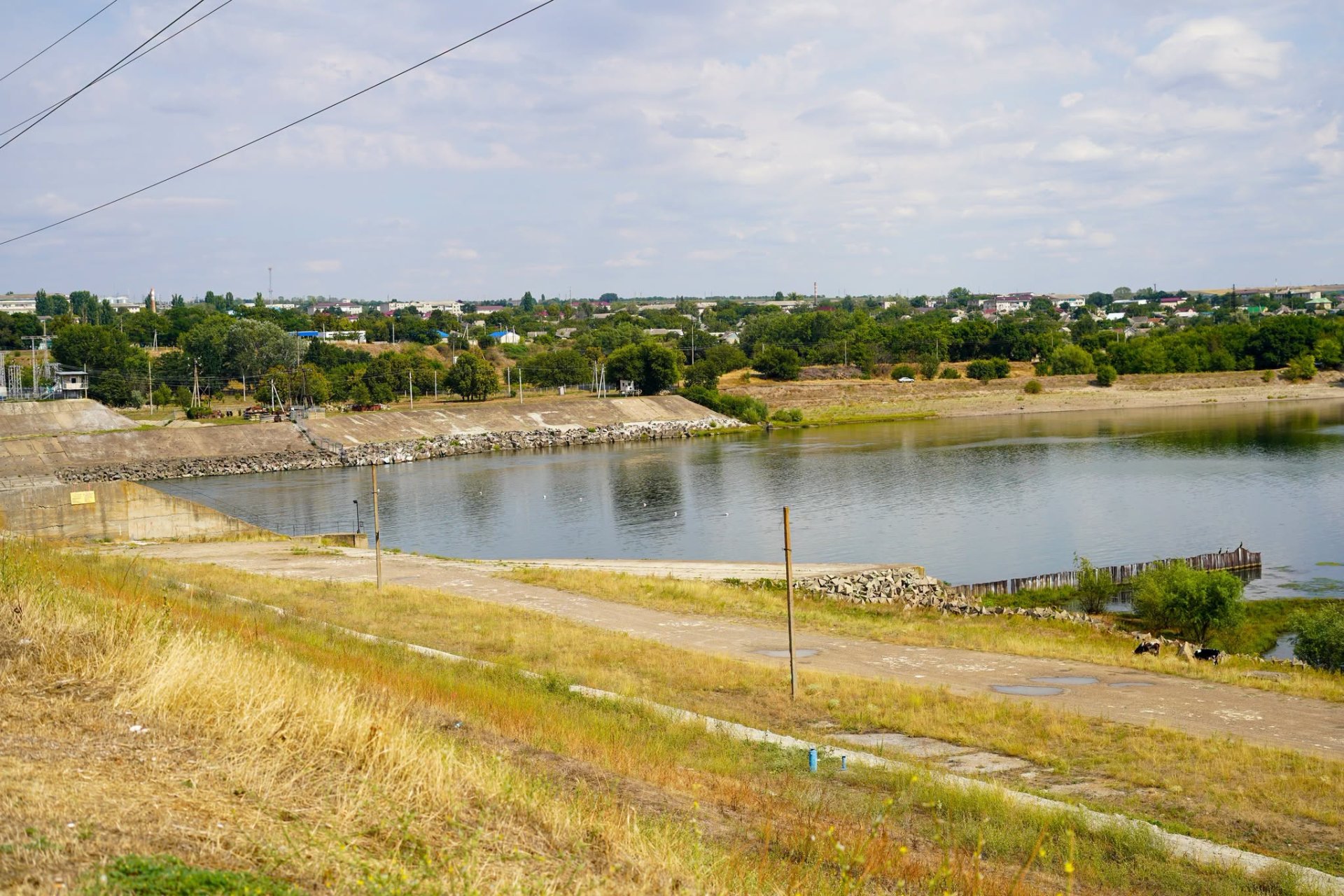
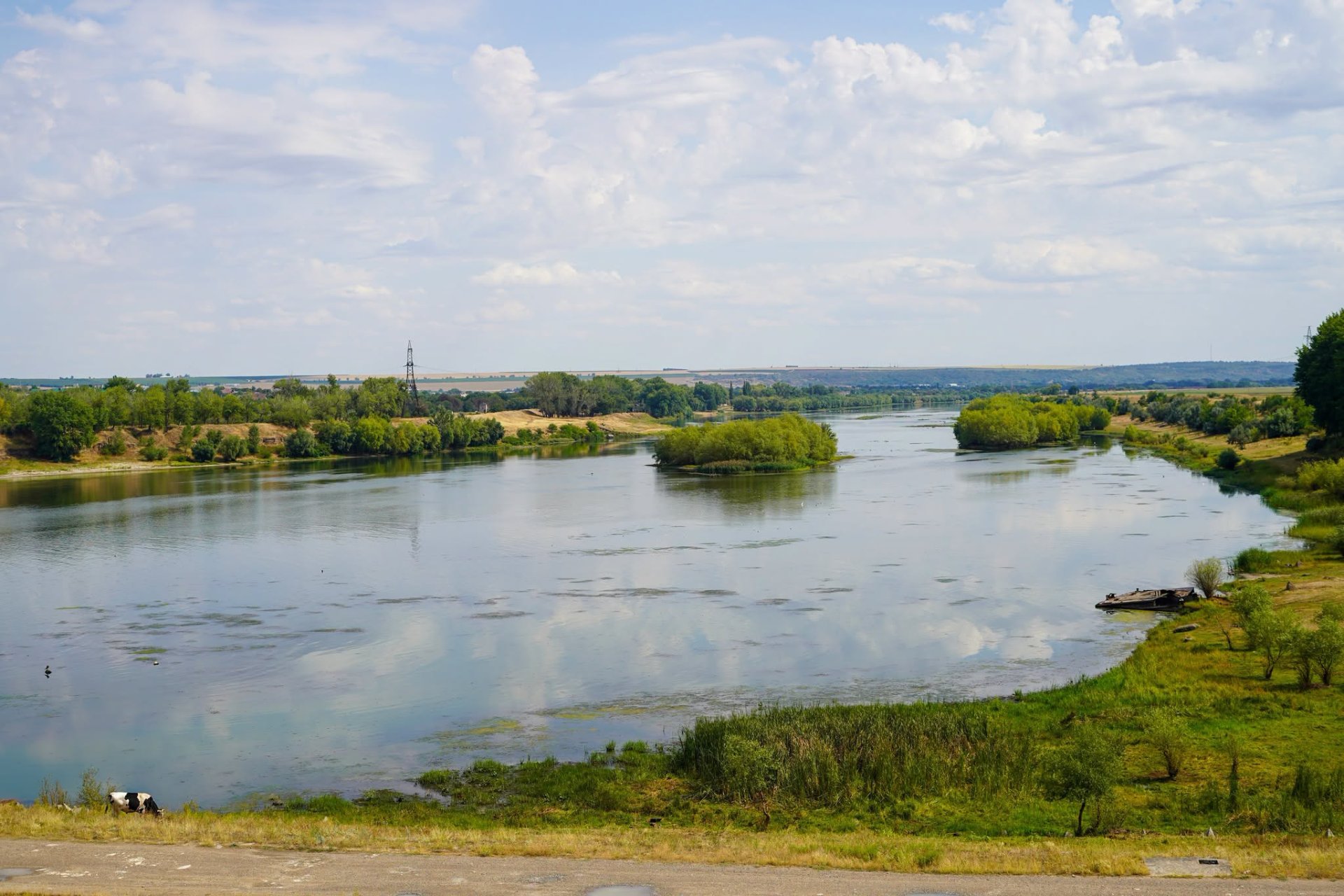
PHOTO // Environment Ministry of Moldova warns water reserves in Novodnistrovsk lake dropping alarmingly
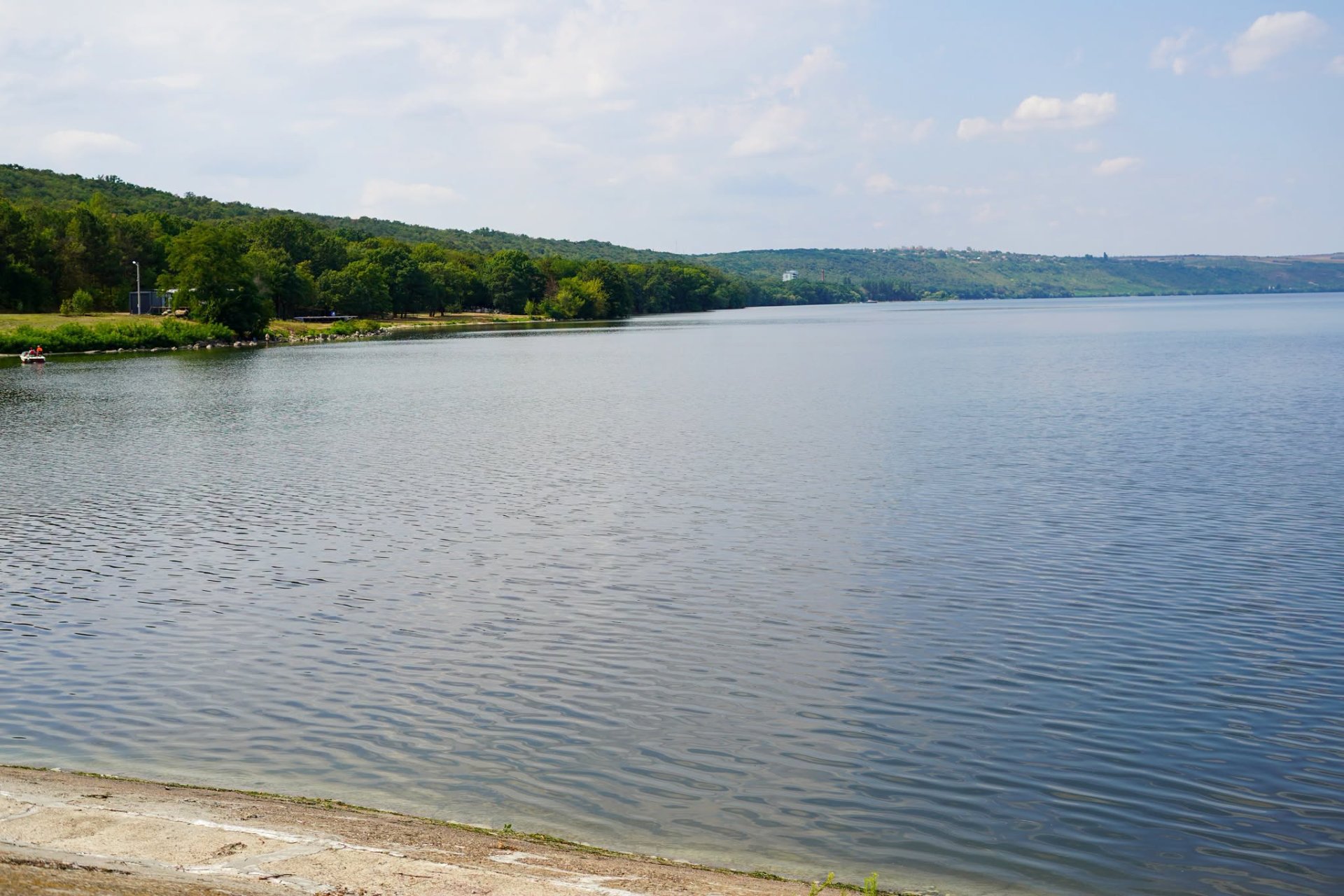
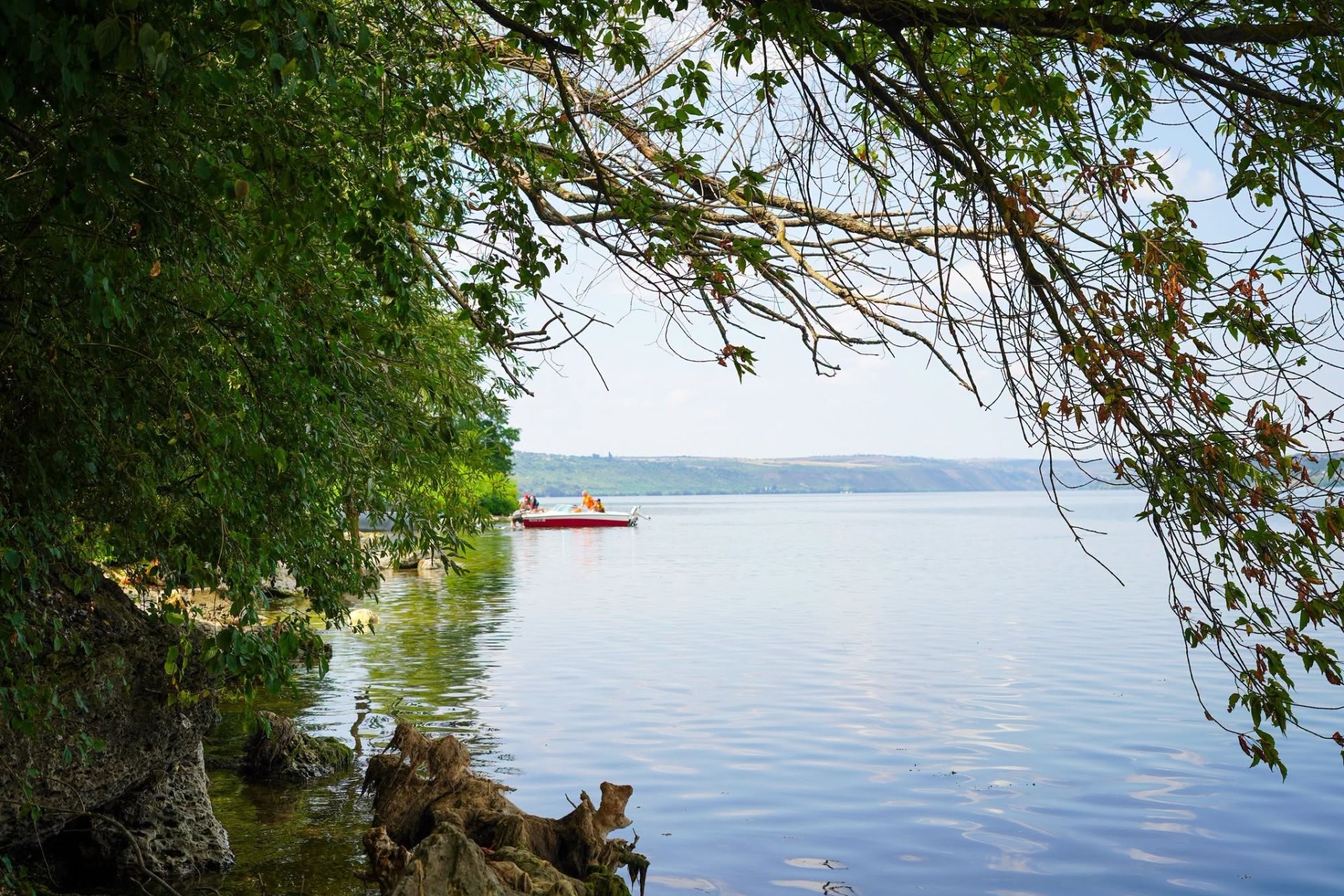
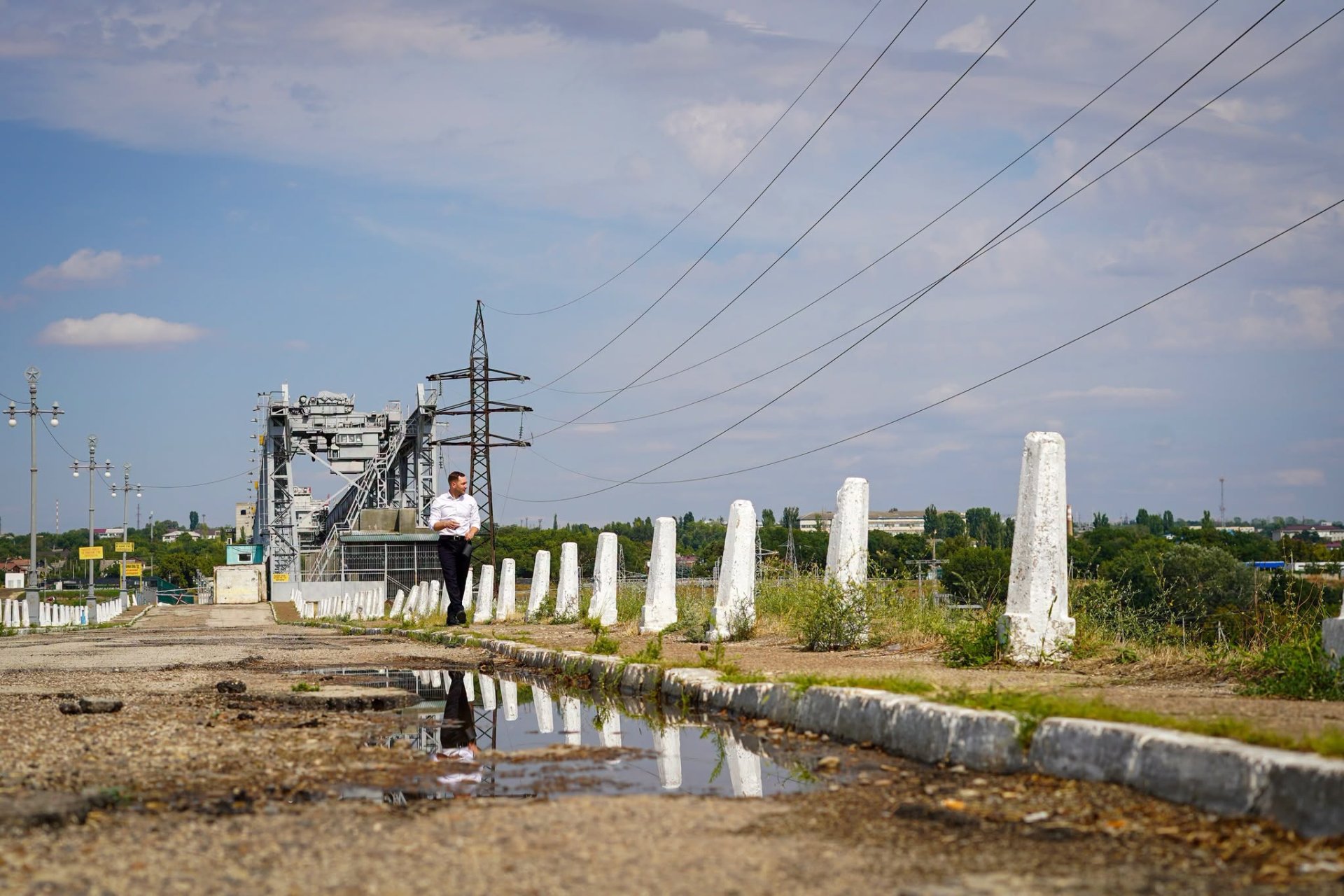
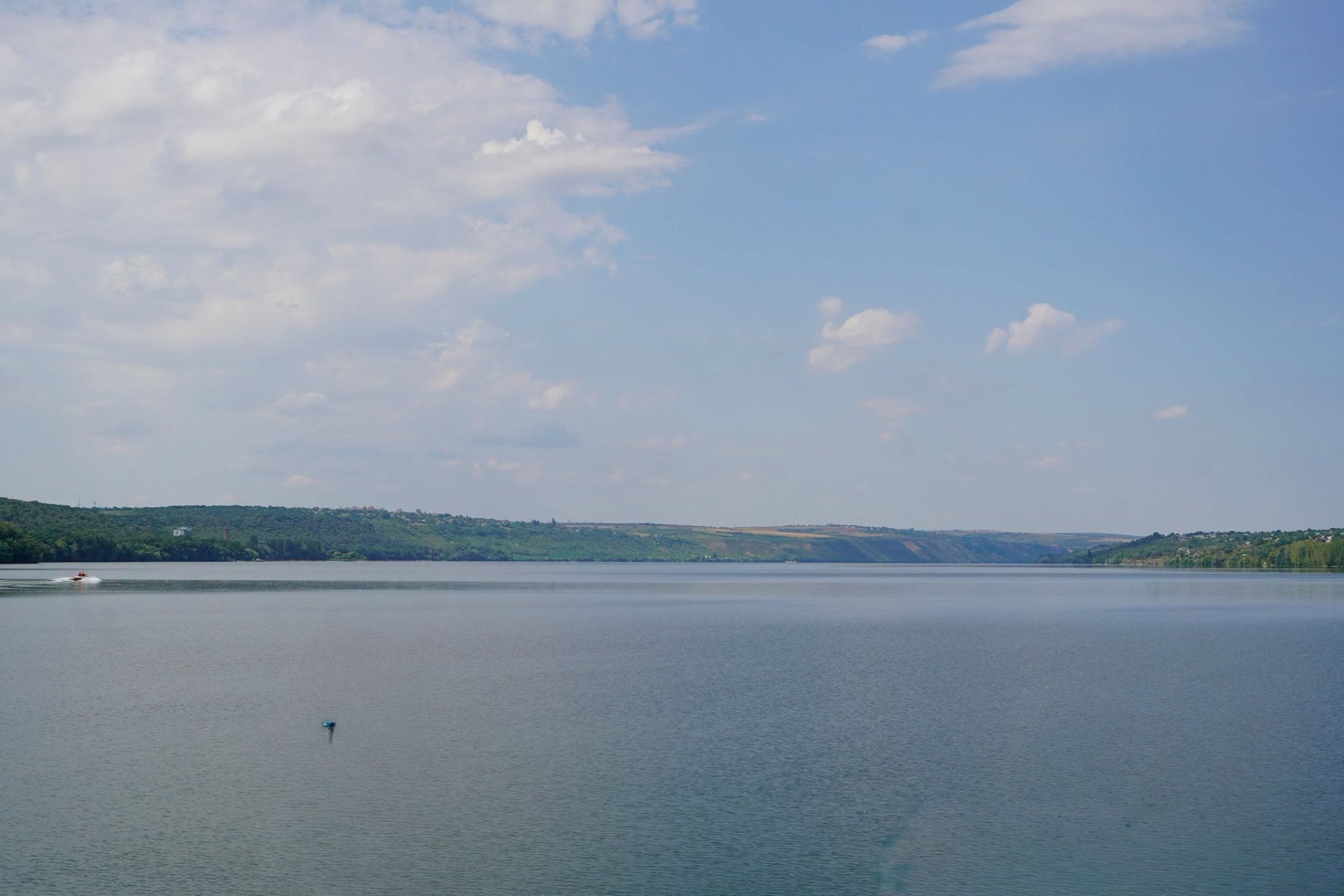
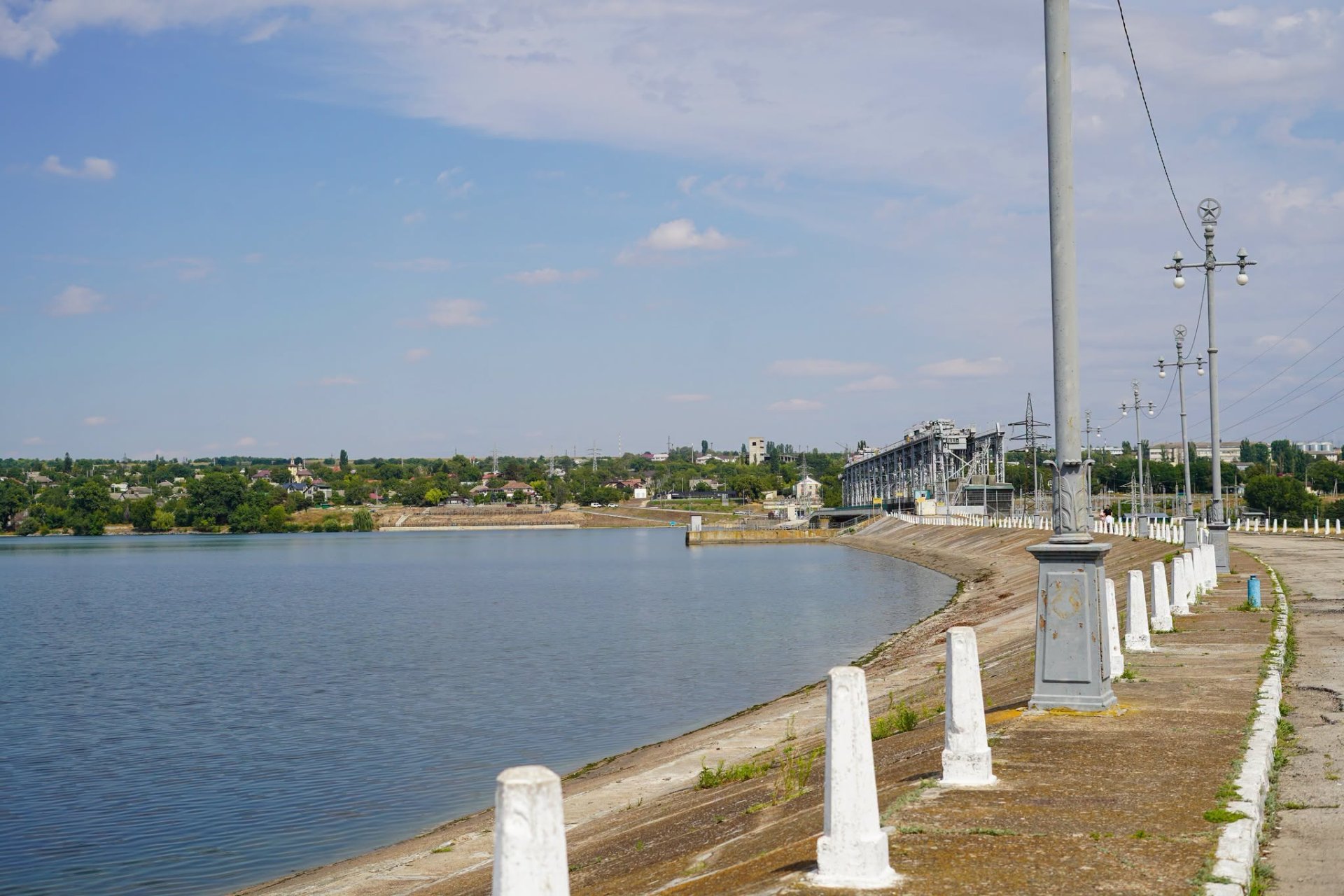
The Environment Ministry warns that the hydrological situation in the Dniester basin remains difficult, even though the water level in Dubasari Lake is currently stable. The institution notes that the stability downstream does not reflect the real situation upstream, where Lake Novodnistrovsk’s water reserves are rapidly decreasing.

According to the Environment Ministry, the level of Lake Novodnistrovsk dropped by one meter during last July, and in August, up to the 25th, it fell by another meter. Operational forecasts show a total decrease of about 1.25–1.30 meters by the end of August.

“At the same time, the natural inflow of water into the Novodnistrovsk reservoir is declining. While at the beginning of August, the inflow was about 38 cubic meters per second, over the last eight days, the daily average has dropped to 22.38 m³/s. On one of the days, the inflow reached only 14 m³/s, a level the Ministry has classified as a new negative historical record. By contrast, in order to maintain a downstream flow of 75–85 m³/s, including for stabilizing the water level in Lake Dubasari, three to four times more water is currently being released from the Novodnistrovsk reservoir than is flowing in. The difference is being covered from previously accumulated reserves,” the environmental authority explains.

The Ministry stresses that Lake Dubasari depends directly on the upstream water inflow and does not have an autonomous strategic reserve capable of ensuring supply for an extended period.

Under these conditions, maintaining the current flow of 75–85 m³/s is becoming increasingly difficult. If the natural water inflow does not increase and Ukraine is forced to reduce discharges, the effects could be felt quickly in Lake Dubăsari and at downstream water intake stations.

A new meeting of the Dniester Commission, with the participation of the Ukrainian side, is scheduled for August 28. The participants in the meeting are to reassess the hydrological balance to identify and solutions for protecting water intakes and the Dniester ecosystem.

The Environment Ministry announces that it is continuously monitoring the situation and calls on local authorities and water operators to check the operation of intake stations and the tightness of networks. Businesses and farmers are urged to reduce non-essential technological consumption and the population is asked to use drinking water strictly for household and domestic needs.

The authorities warn that the situation on the Dniester can evolve rapidly and that water resource management continues to depend both on hydrological conditions and on cooperation between Moldova and Ukraine.
 Facebook
 Instagram
 X/Twitter
 Telegram
About 470 young teachers assigned to work at educational institutions of Moldova
Meteorologists issue yellow heatwave, fire danger warning in Moldova; air temperatures to reach up to 36°C
Modern school minibuses for more educational institutions of Moldova: 38 new vehicles to carry pupils to school
LIVE // 14,000 tons of ammunition stored at Cobasna, gross quantity
UPDATE Increased traffic at Leușeni and Sculeni border crossings eased
Number of people accommodated in tourist facilities in country increased by around 16 percent in first half of year
Border crossing between Ukraine and Moldova attacked by drones
Five former officers convicted for illegal interception of communications of activists, journalists, politicians
MAI: Drone debris of Geran type discovered near Giurgiulești
VIDEO // Environment Ministry advocates for modern waste management centers instead of unauthorized dumpsites
A Book From You – A World for Me campaign launched by UNICEF and Ministry of Education and Research: book donations for kindergartens across country
Two drone incidents recorded near Moldova–Ukraine border in Giurgiulești
UPDATE // Heavy traffic at Leușeni–Albița border crossing point cleared
Drone illegally flew over airspace of Moldova
PHOTO // Environment Ministry of Moldova warns water reserves in Novodnistrovsk lake dropping alarmingly
Moldova to be able to exchange DNA data with other states for investigation of serious crimes
Voted in final reading: Moldova's Electoral Code supplemented with provisions on postal voting, organization of elections in Gagauz autonomy
Yellow Code for heavy rain in Moldova, in force for most of country on August 26
PHOTO // Exhibition dedicated to country's foreign path inaugurated at National Museum of History of Moldova
Currency liberalization: 250,000-euros ceiling without authorization of National Bank of Moldova, foreign currency payments in certain commercial units
Romanian-language TV programmes, domestic content to have a greater share in audiovisual space of Moldova; legislative initiative supported by parliament
 National Bank of Moldova
Head of the Reintegration Policy Bureau has meeting with Ambassador of Belgium to Moldova
Lack of own premises remains main obstacle to development of Romanian-language educational institutions in Transnistrian region
Deputy Prime Minister for Reintegration and Ambassador of Ukraine to Moldova approach current issues on Transnistrian case
Presidents of Romania and Ukraine invited to celebrate 35 years of Moldova’s independence
Moldovan president advocates in Kyiv for strengthening Ukraine’s air defense

Eugeniu Osmochescu accepts position of Minister of Agriculture and Food Industry
Deputy Prime Minister for Reintegration and Ambassador of Ukraine to Moldova approach current issues on Transnistrian case
Former Romanian Economy Minister joins Chişinău Government
VIDEO // President invites citizens to events dedicated to Independence Day
Changes in Moldovan Government: Eugeniu Osmochescu proposed for Agriculture and Claudiu Năsui for Economy
New subscription round via the eVMS.md platform in Moldova; citizens can invest online in government bonds with interest rates up to 7.85 per cent
National Wine Day returns to Chișinău with anniversary edition on October 3–4
Speaker invites citizens to events on 35 years of independence
European gas prices remain high as TTF benchmark reaches 68.19 EUR/MWh
PHOTO // Over 20 medals for Moldova at U-15 and U-17 European Weightlifting Championships in Pristina
UPDATE // Mirnoe-Tabachi border customs post resumes operations
Presidents of Romania and Ukraine invited to celebrate 35 years of Moldova’s independence
Moldovan president advocates in Kyiv for strengthening Ukraine’s air defense
PHOTO GALLERY // Fourth edition of National Teachers' Forum organized in Chisinau
Candidates for position of judge or prosecutor to be allowed to retake exam in Moldova
Moldovan president in Kyiv says more air defense for Ukraine means safer sky for Moldova as well
Receive the latest news directly to your email

Receive the latest news directly to your email