
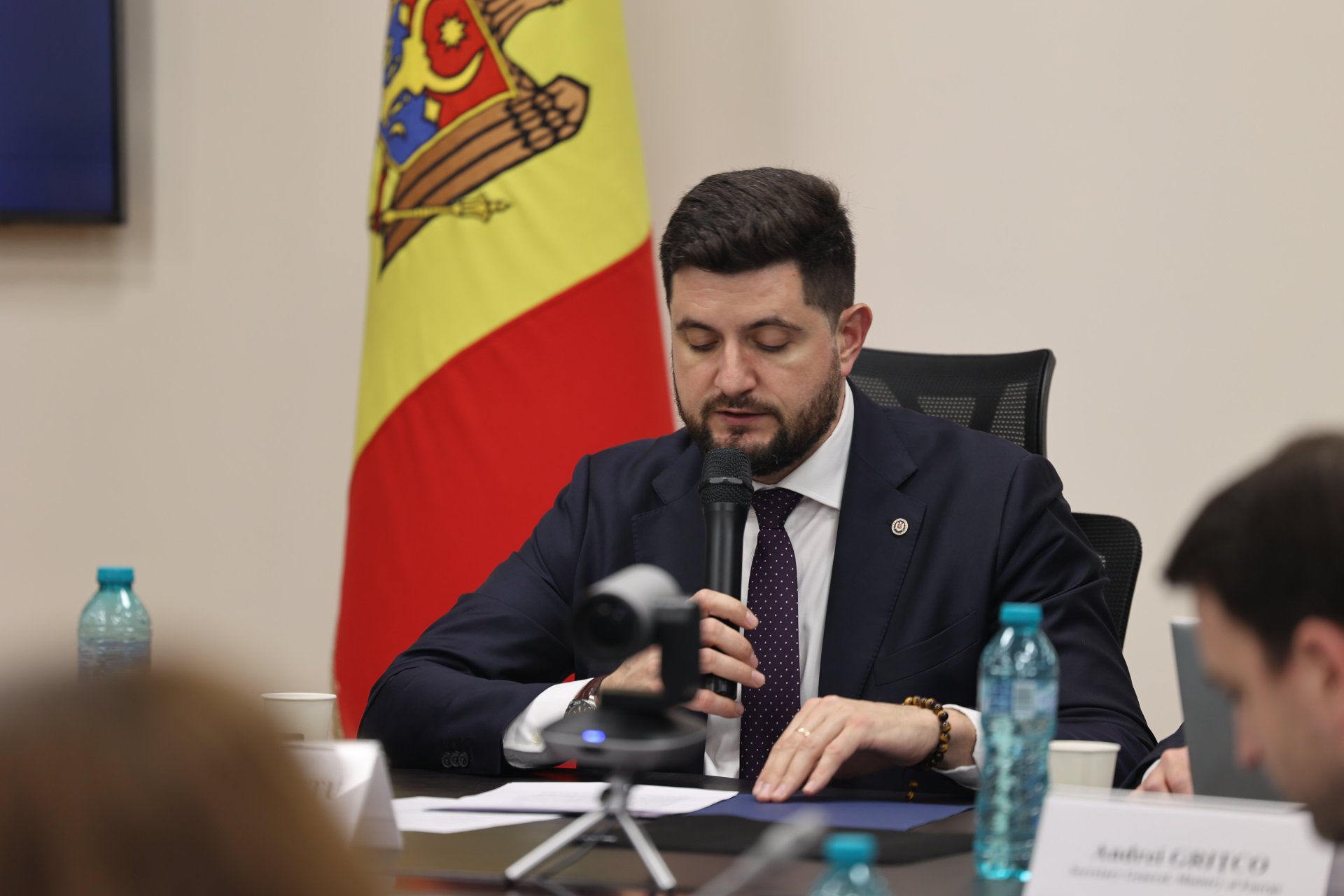
Moldovan energy minister says recent crises pushing country to accelerate reforms, invest more in energy infrastructure
Moldova is firmly continuing the process of modernizing its energy sector and integrating into the European market, despite regional challenges and emerging risks. Recent crises are pushing the country to accelerate reforms, invest more in infrastructure and become more resilient. Energy Minister Dorin Junghietu made statements to this effect, at the first meeting this year of the Sectoral Council for external assistance in the energy field, held in Chisinau today.

“I want to make it quite clear: the progress of Moldova in the energy sector will not be stopped. On the contrary, these crises are pushing us to accelerate reforms, to invest more in infrastructure and to become more resilient. We are moving firmly along the path of integration into the European energy market, developing interconnections and building a safer and more competitive system,” said Dorin Junghietu.

The minister noted that, in recent months, the energy sector had gone through serious trials generated by the regional context. The most recent episode was the disconnection of the Isaccea–Vulcanesti power line, which became the target of Russian attacks.

“This incident showed us how vulnerable we can be and how important solidarity and cooperation are. It was a resilience test for our entire interconnected region,” said Dorin Junghietu at the beginning of the meeting.

An important focus of the discussions was the reforms’ agenda, essential for the process of accession to the European Union. According to the Energy Ministry, the energy sector plays a central role in this effort and progress is already visible: 12 reforms have been implemented, contributing to securing 189 million euros in funding from the European Commission under the Reform and Growth Facility.

Developments in the field of renewable energy, where Moldova is recording significant results, were also presented. At the end of 2025, renewable energy covered 24.5 per cent of electricity consumption and the installed capacity exceeded almost 980 MW. In parallel, the authorities are preparing to open bids for a new investment stage, through a tender for 170 MW of wind power plants, which will integrate, for the first time, energy storage solutions.

Another pillar of energy security discussed at the meeting with development partners was the development of storage capacities, essential for system stability. Presently, some of these capacities are already operational, while others are to be commissioned in the immediate future, as a much larger long-term need is emerging for balancing the grid.

At the same time, the main needs of the Energy Ministry for the coming period were highlighted during the meeting. Thus, the need to develop a feasibility study for the Balti–Dnestrovsk power line was underlined, as well as the need to modernize existing networks to align with European ENTSO-E standards.

In the natural gas and petroleum products sectors, priorities include conducting studies on existing storage capacities, inventorying gas networks and assessing the technical condition of infrastructure, with a view to integrating renewable gases and aligning with the requirements of European legislation.

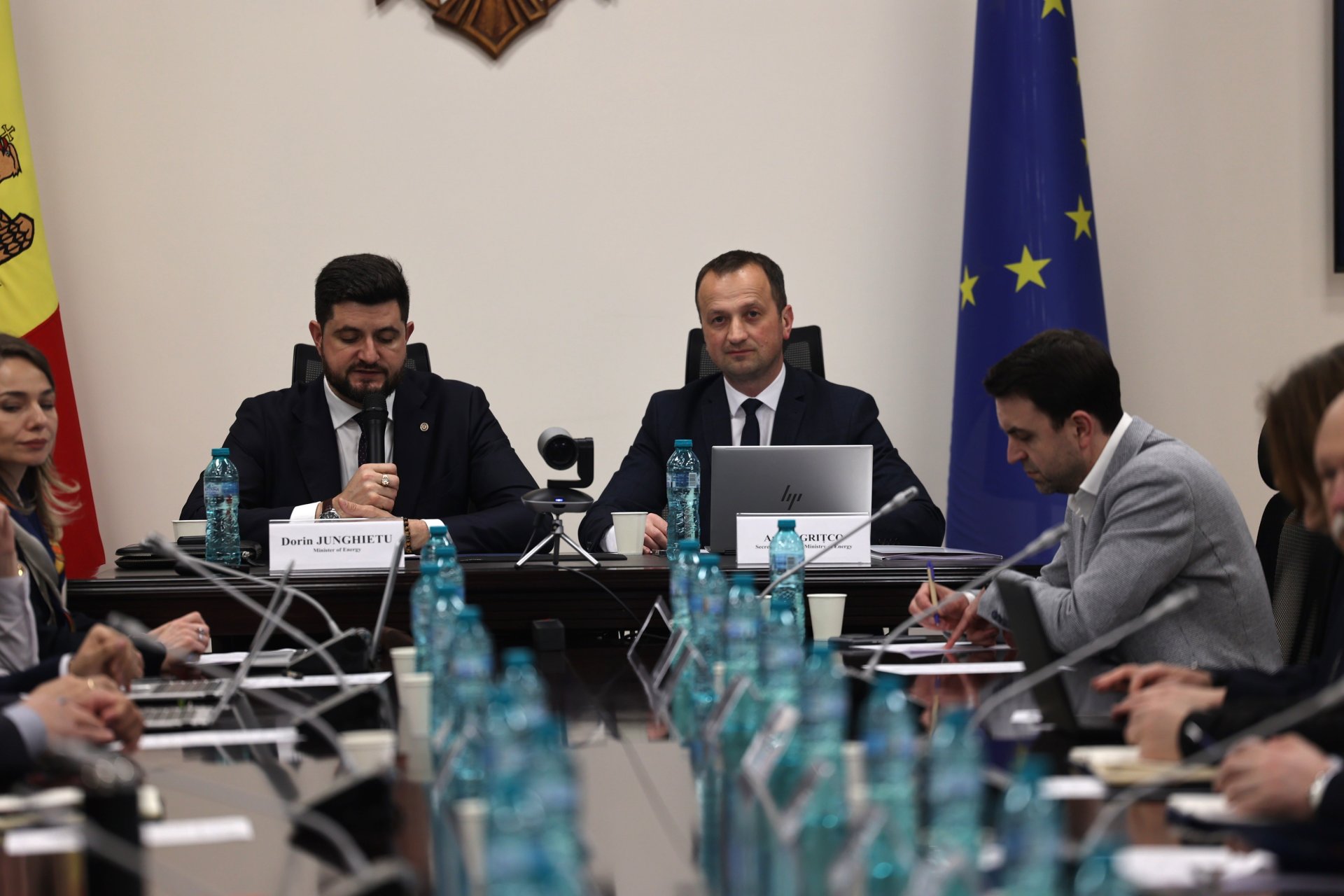
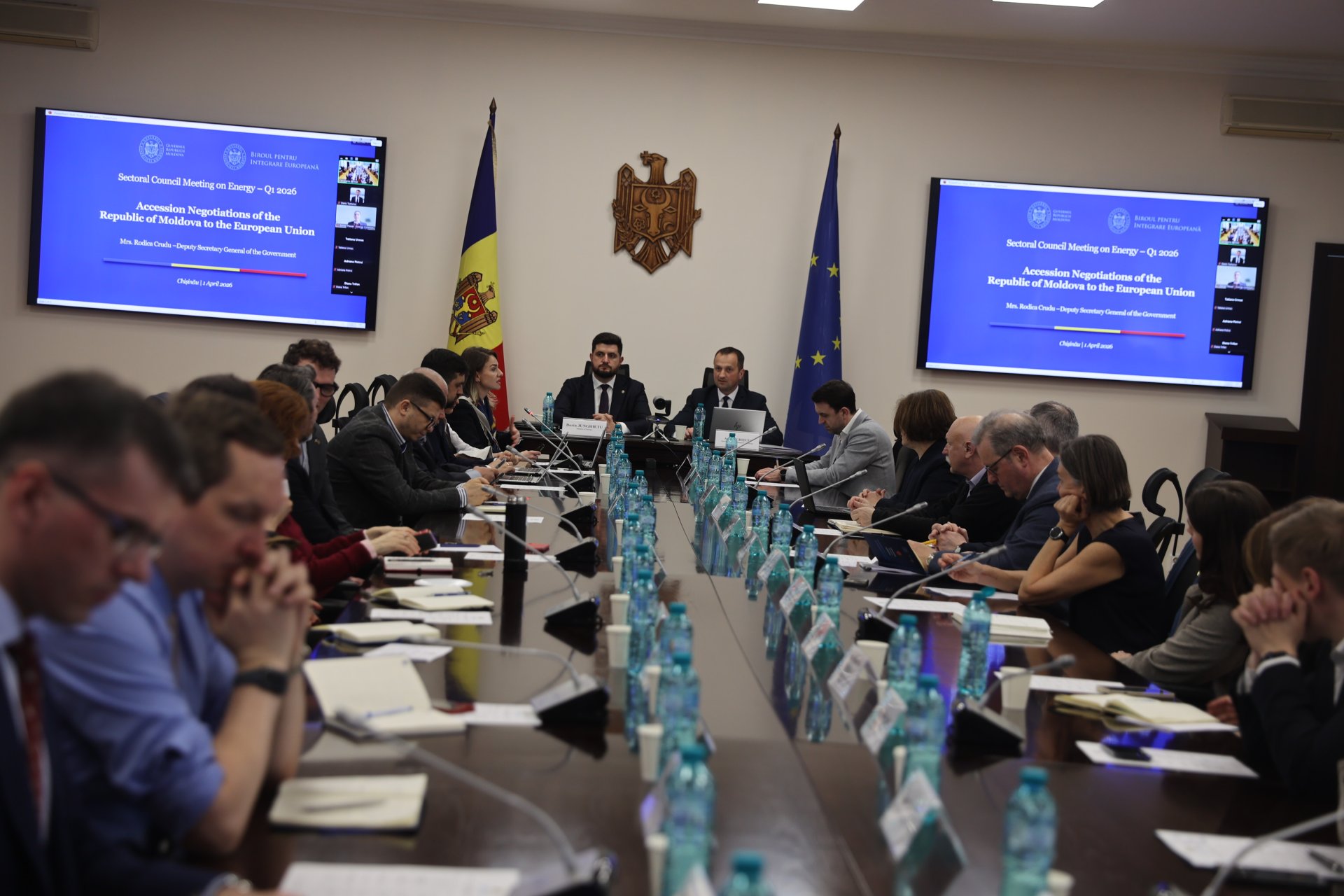
The event brought together representatives of national institutions and development partners, including the Energy Community Secretariat, the UN Economic Commission for Europe, United Nations Development Programme (UNDP), the World Bank, as well as companies from the energy sector. The event provided a common framework for coordinating efforts, aligning strategies and setting development priorities.
 Facebook
 Instagram
 X/Twitter
 Telegram
VIDEO // Energy minister says solidarity of European partners helps country overcome energy crises
Moldova again avoids power cuts through emergency measures, regional cooperation
Farmers from 14 districts to receive irrigation grants
Over 2,200 tons of gasoline and diesel imported into Moldova on Thursday
DOC // Official Journal publishes amendment to fuel price-setting mechanism during state of emergency
DOC // Amendment to methodology for calculating tariffs in road transport published in Official Journal
ANTA: All regular passenger routes resumed
CNMC warns of risk of temporary disconnections during peak hours
Collaboration memorandum with Slovak Investment and Trade Development Agency signed in Bratislava
Moldova may face difficulties in ensuring electricity supply
Moldovan president delivers message at Economic Forum in Bratislava
VIDEO // Moldovan deputy PM says more than half of regular passenger routes not being operated at present
Mechanism of setting prices for fuels to be changed in Moldova during emergency state period
VIDEO // Road transport fares temporarily adjusted by government decision in Moldova
Moldovan Economy Ministry estimates 2.2-per cent growth of GDP in 2026, followed by gradual medium‑term acceleration
Moldovan energy minister says recent crises pushing country to accelerate reforms, invest more in energy infrastructure
PHOTO, VIDEO // Moldovan president in Latvian parliament says supporting Moldova’s accession, defending Latvia's democracy represent same act of resistance
Governor of National Bank of Moldova in Bucharest says Moldova becoming engine of economic growth in southeast Europe
Foreign affairs minister meets Turkey’s Ambassador to Moldova
Moldovan energy minister says available financial resources must be primarily directed towards modernization, expansion of electricity grids
VIDEO // Chisinau to host three international rugby matches
 National Bank of Moldova
Moldovan government's secretary general says reform of local public administration one of most important reforms for Moldova
Moldovan president in Riga says Latvia knows what it means to regain your freedom, that is why its voice matters
President Maia Sandu’s speech in the Parliament of Latvia
Deputy PM for reintegration has meeting with Ambassador of Sweden to Moldova
Moldovan President’s speech at joint press conference with President of the Republic of Latvia

Moldovan energy minister says available financial resources must be primarily directed towards modernization, expansion of electricity grids
VIDEO // Chisinau to host three international rugby matches
New rules for master’s programmes in Moldova: students expelled for serious misconduct to no longer be able to be reinstated
Administrative reform continues in Moldova: new rules for settlements' amalgamation
Authorities of Moldova lift state of alert on Dniester River, continue cleaning polluted riverbanks
Child support payments made mandatory in Moldova: harsher sanctions for defaulting parents
Student scholarships to be increased as of 1 September
PHOTO // President in Riga: European Moldova cannot be destabilized and cannot be used as pressure point against continent
Competitions for hospital leadership: Ministry of Health seeks managers for 20 institutions
Energy Minister announces estimated repair costs for Isaccea–Vulcănești Line
Fuel stocks could increase in coming period
Over 51,000 medical leave certificates issued digitally in first month after portal’s launch
Moldovan President’s speech at joint press conference with President of the Republic of Latvia
New rules to protect health of workers exposed to occupational risks
Stricter rules against terrorism: Moldova joins new European protocol
Cases of violence to be monitored uniformly at national level for early prevention and more effective intervention
Receive the latest news directly to your email

Receive the latest news directly to your email