
Water supply in Bălți, Soroca, Sîngerei and Florești restored
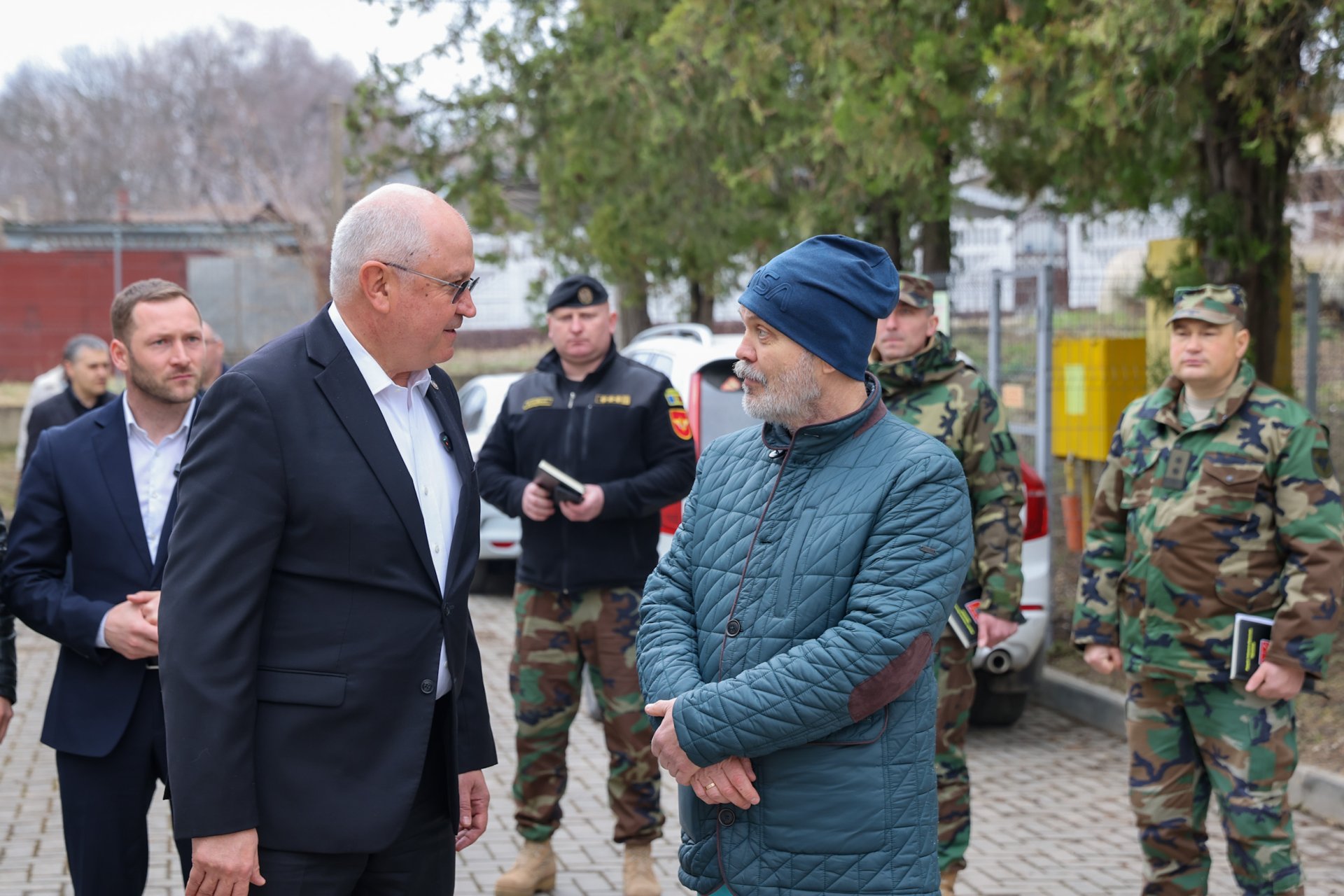
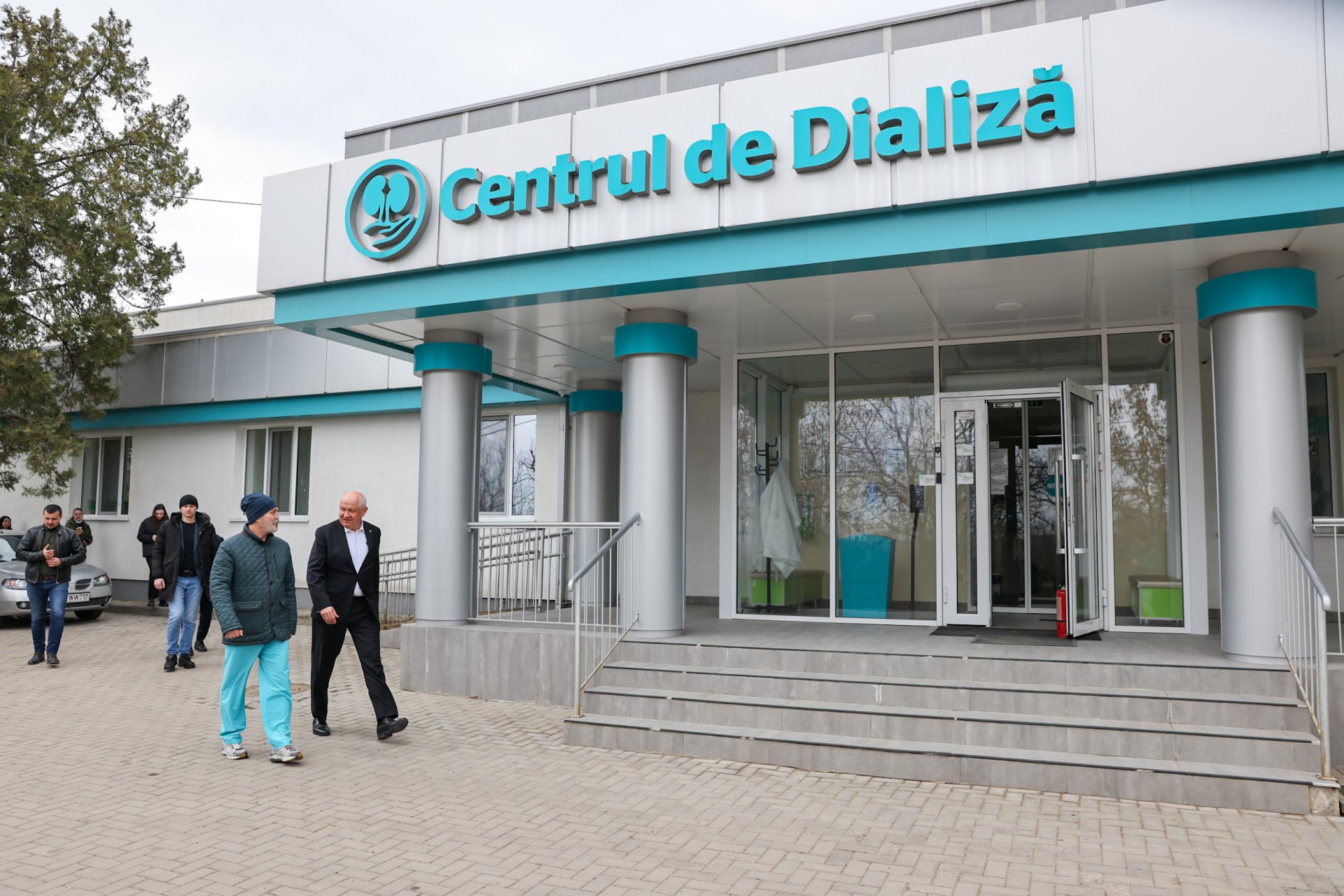
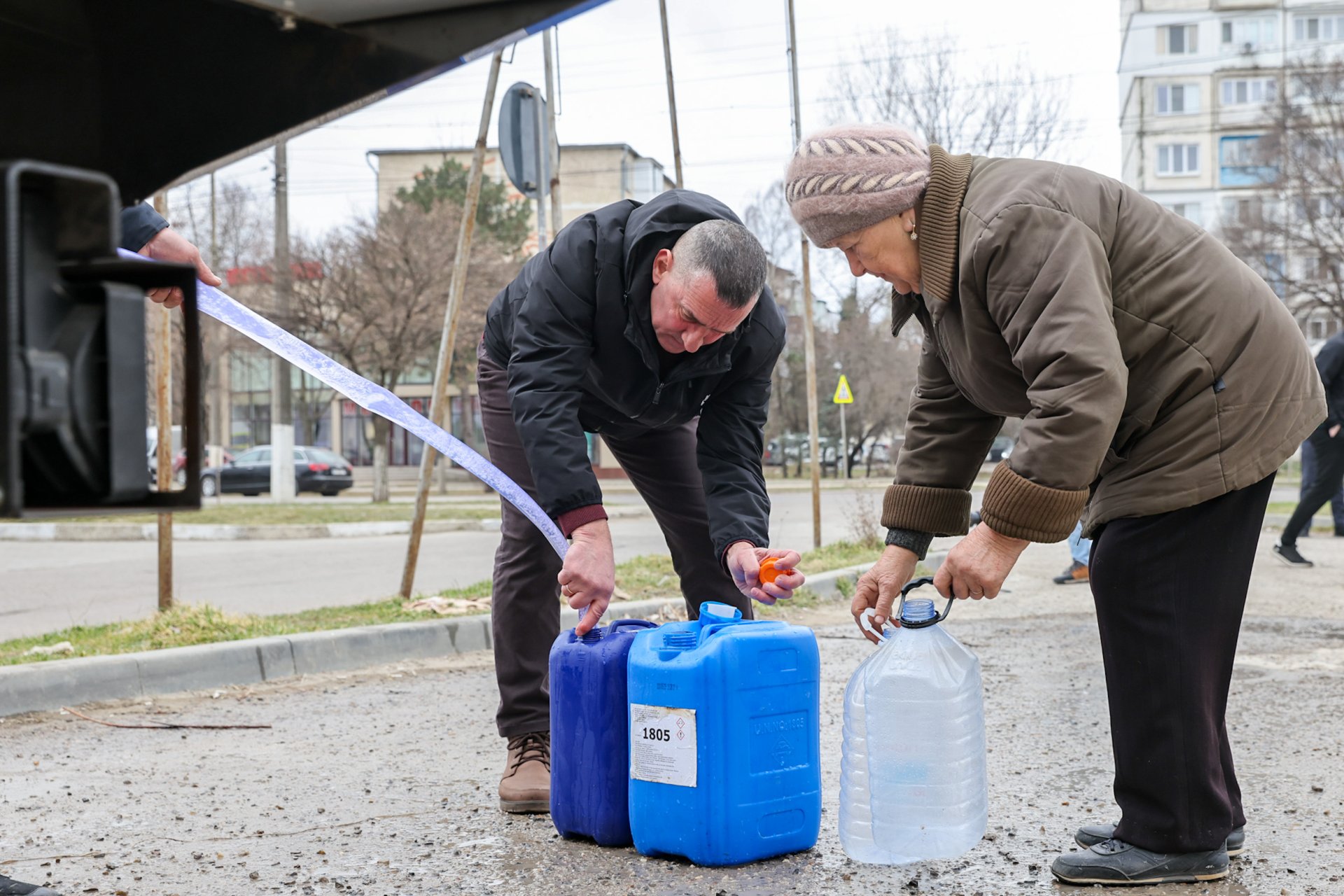
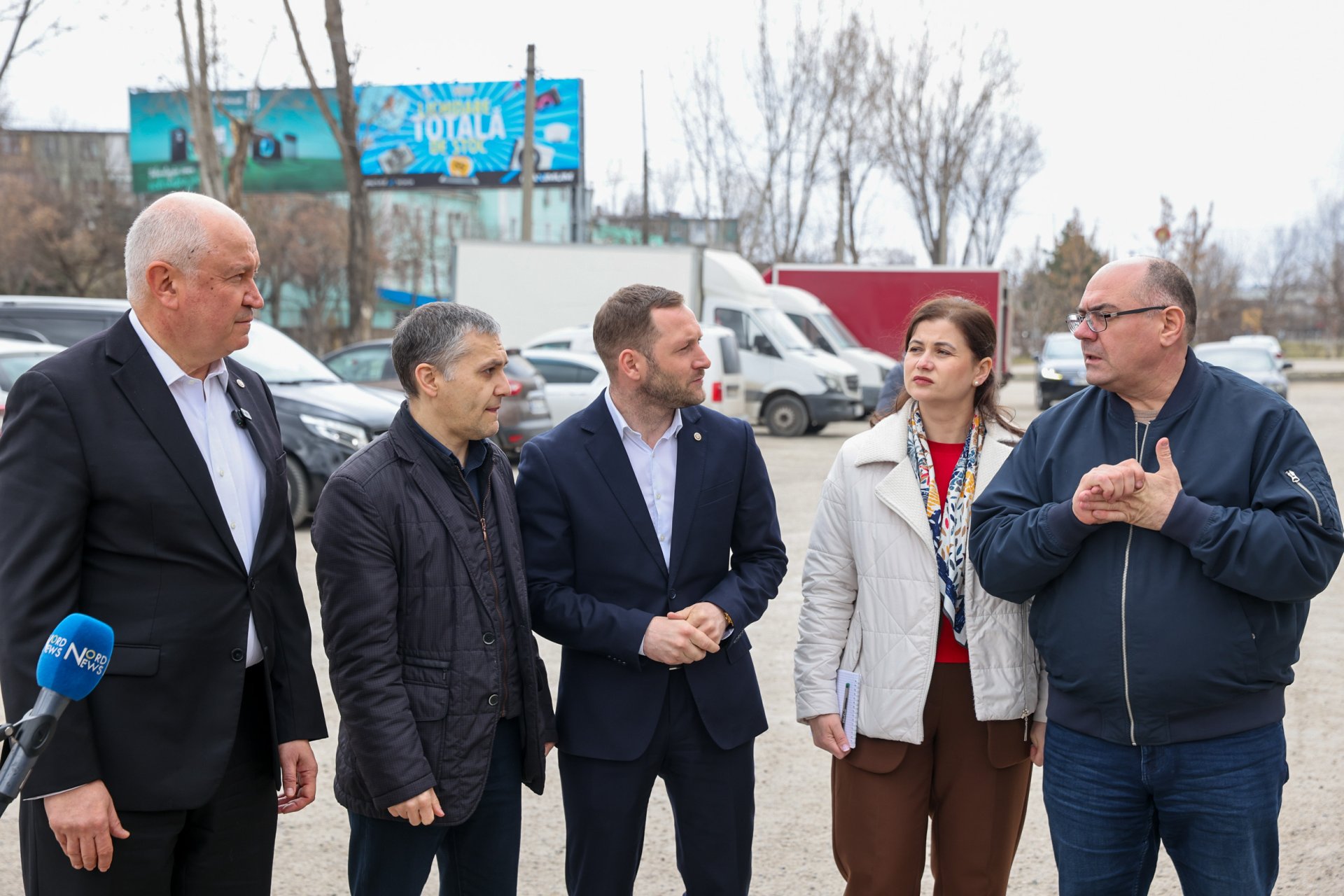
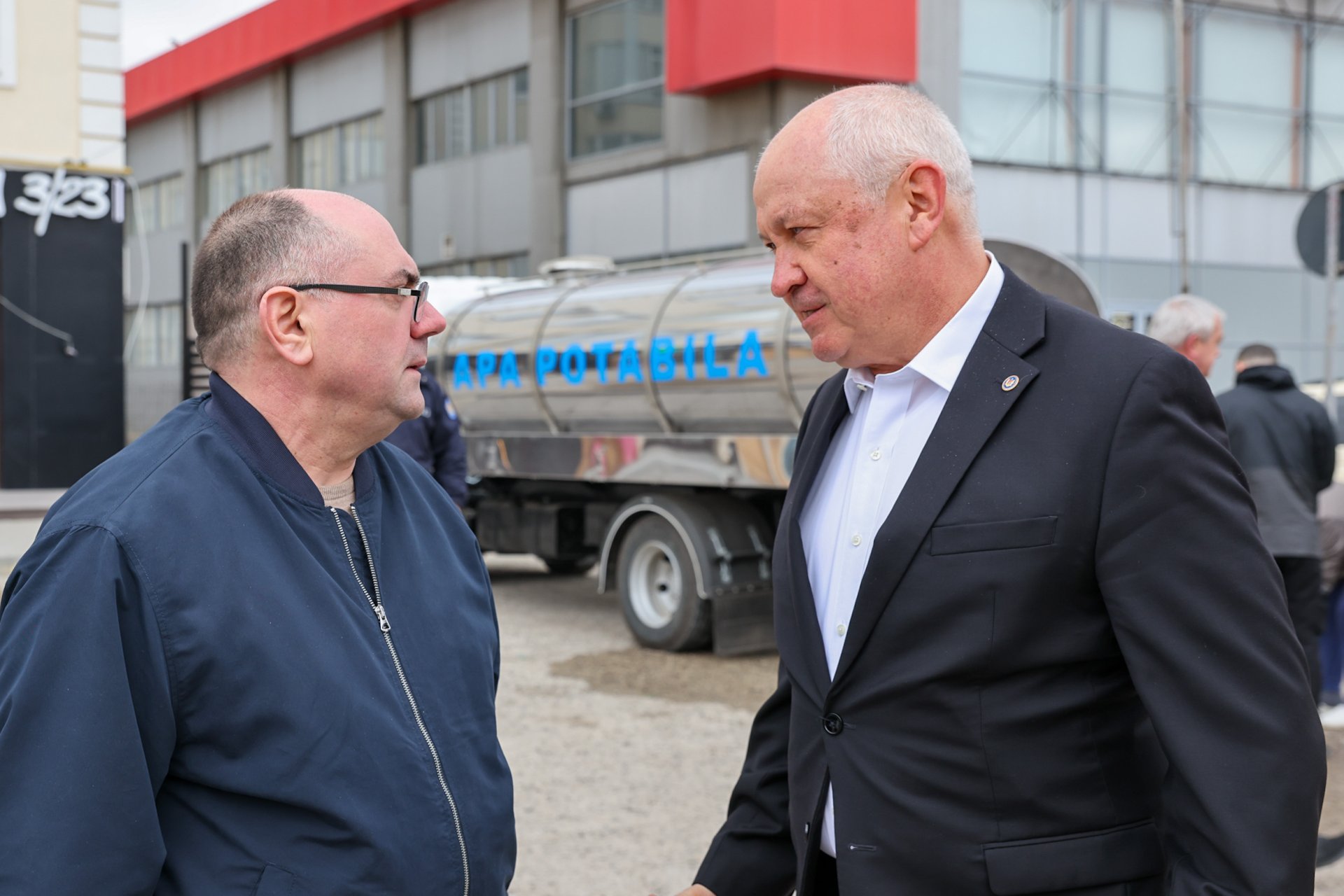
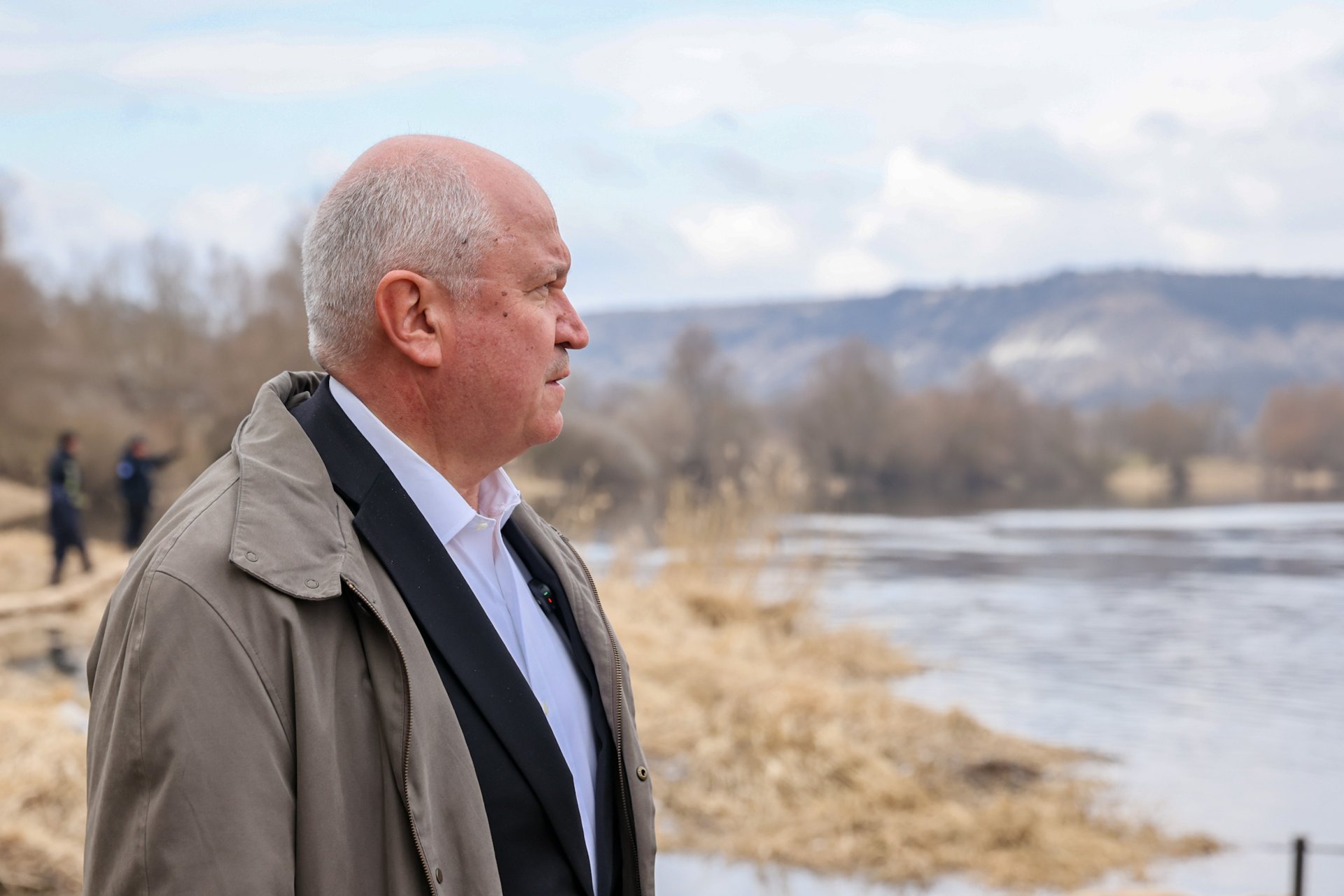
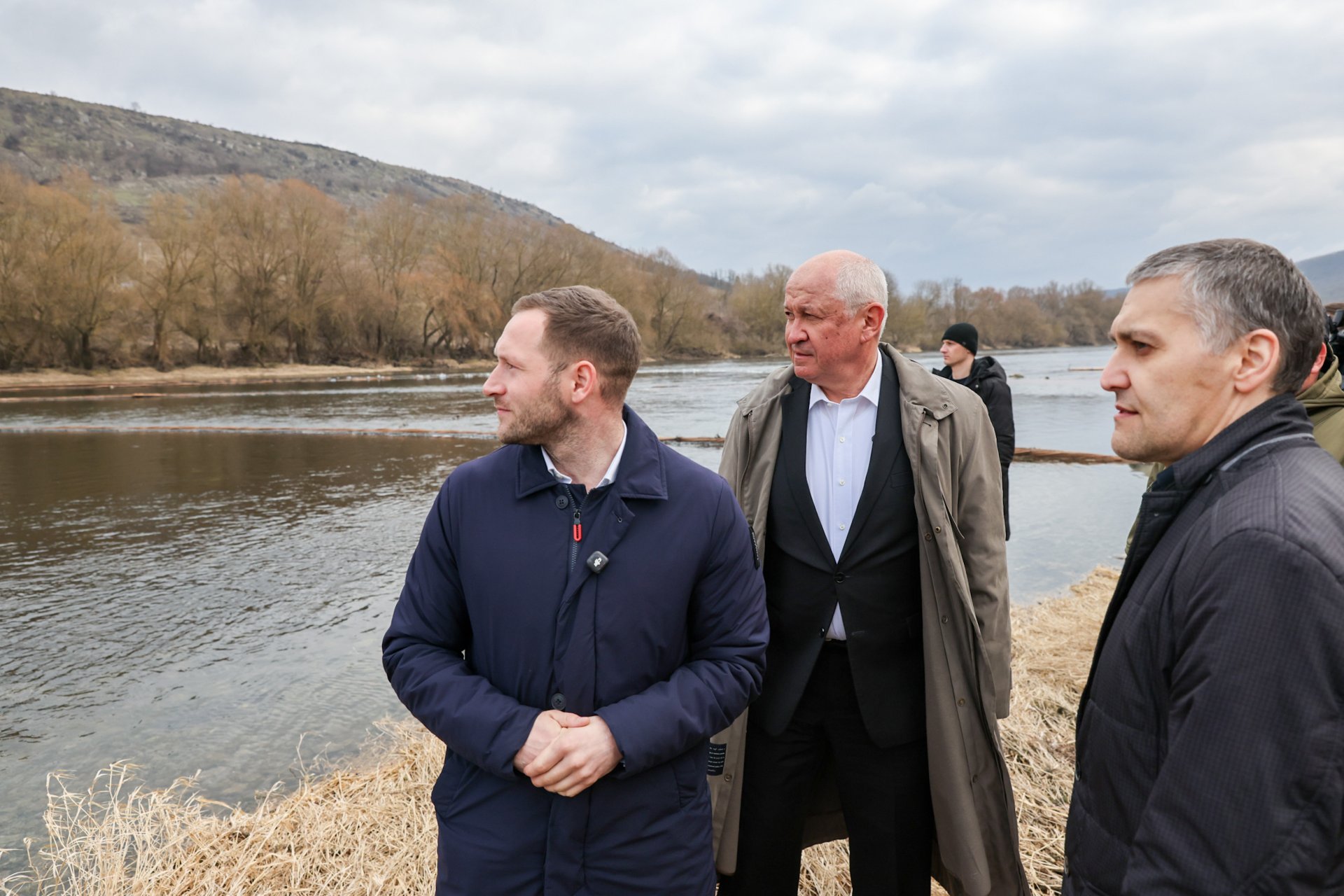
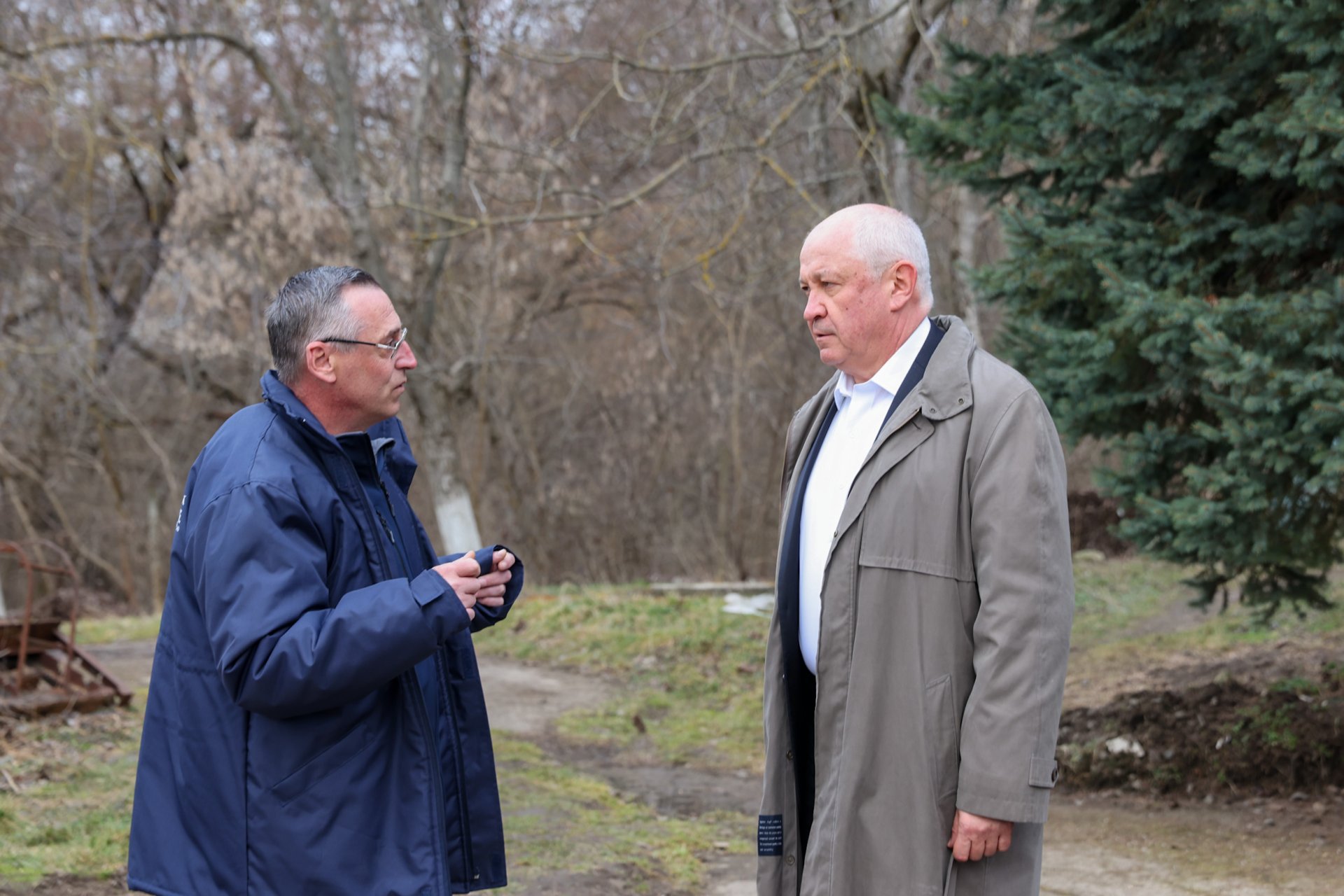
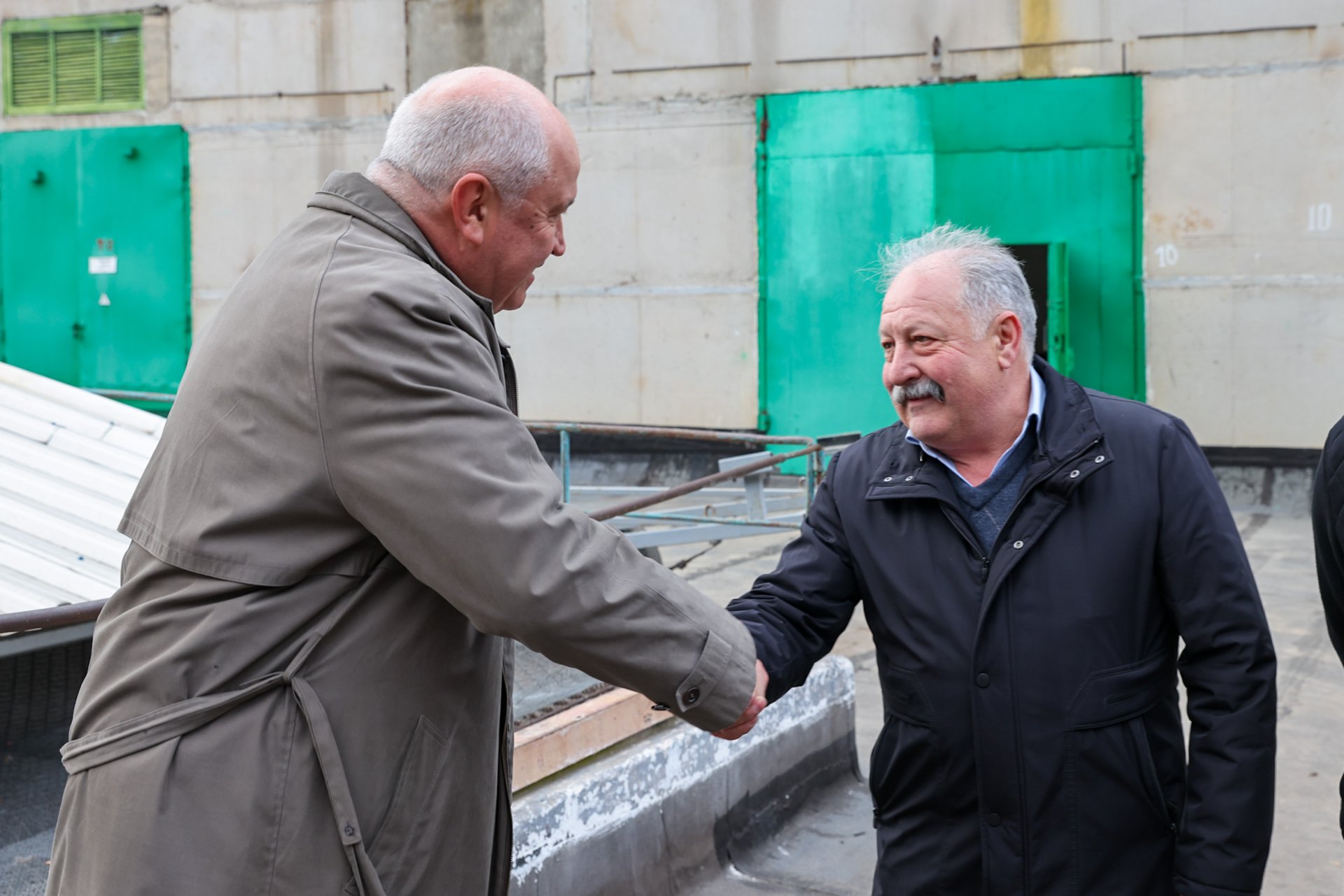
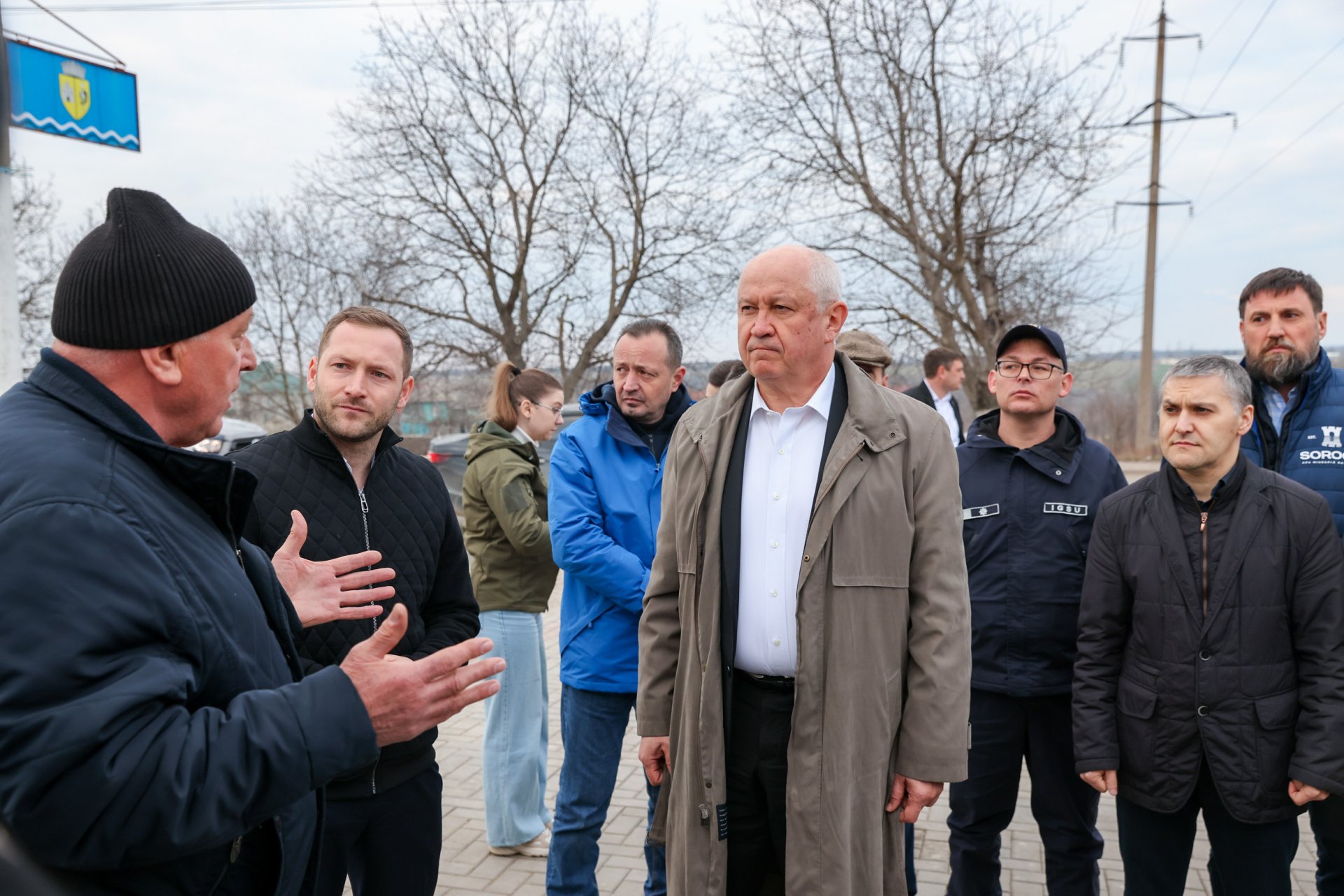
Prime Minister Alexandru Munteanu visited the municipality of Bălți and the districts of Soroca and Dondușeni, where he discussed with local public authorities, representatives of medical and social institutions, as well as citizens, about the measures taken by the authorities to ensure residents have access to water. After several days of interruptions following the pollution of the Dniester River, the municipality of Bălți and the districts of Soroca, Sîngerei and Florești were reconnected to the water supply system yesterday.

The decision to resume water supply in the north of the country was taken after the collected tests confirmed that the water is within safe limits for consumption. During the first 48 hours, the supplied water may be used only for household purposes and is not safe for drinking or food preparation.

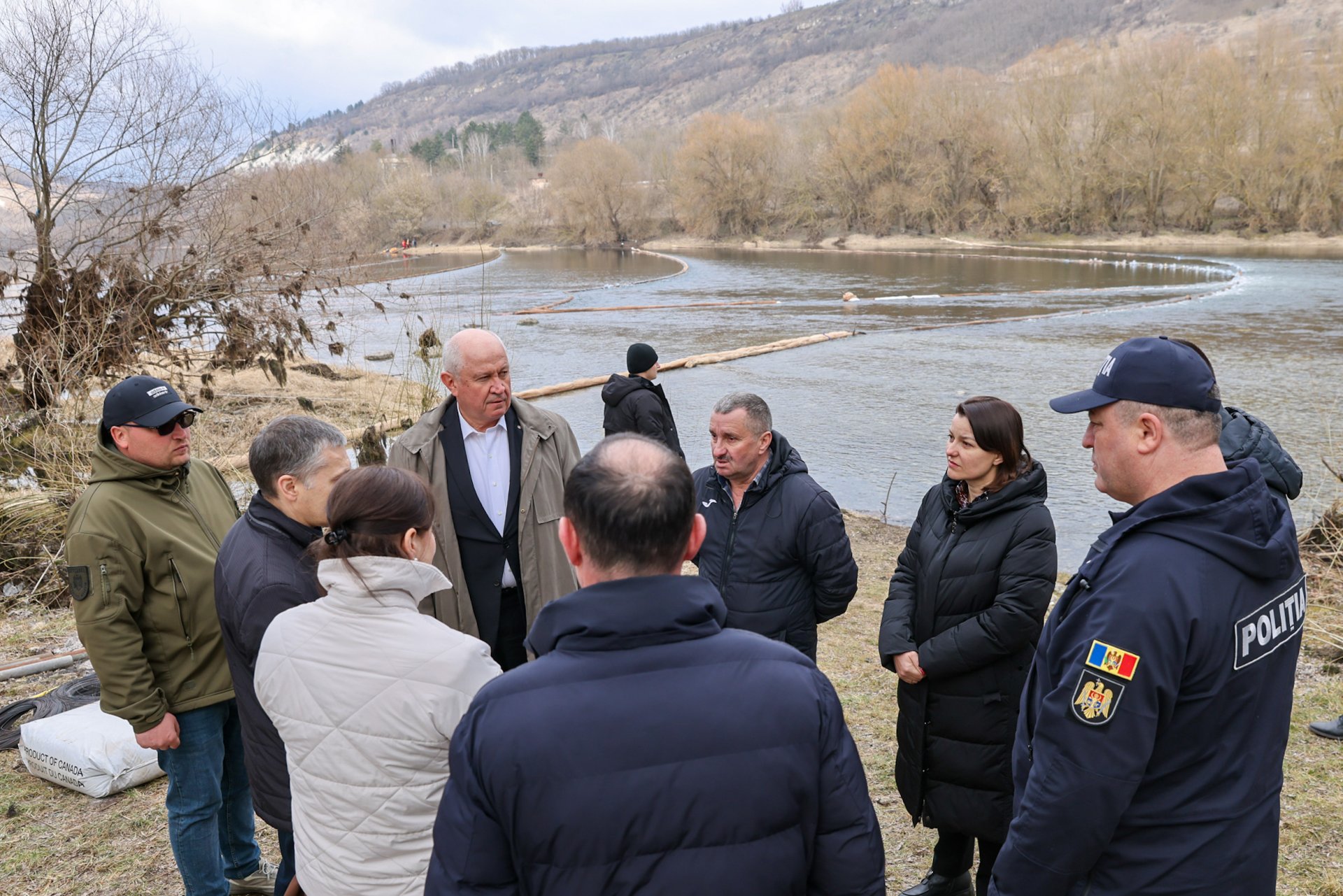
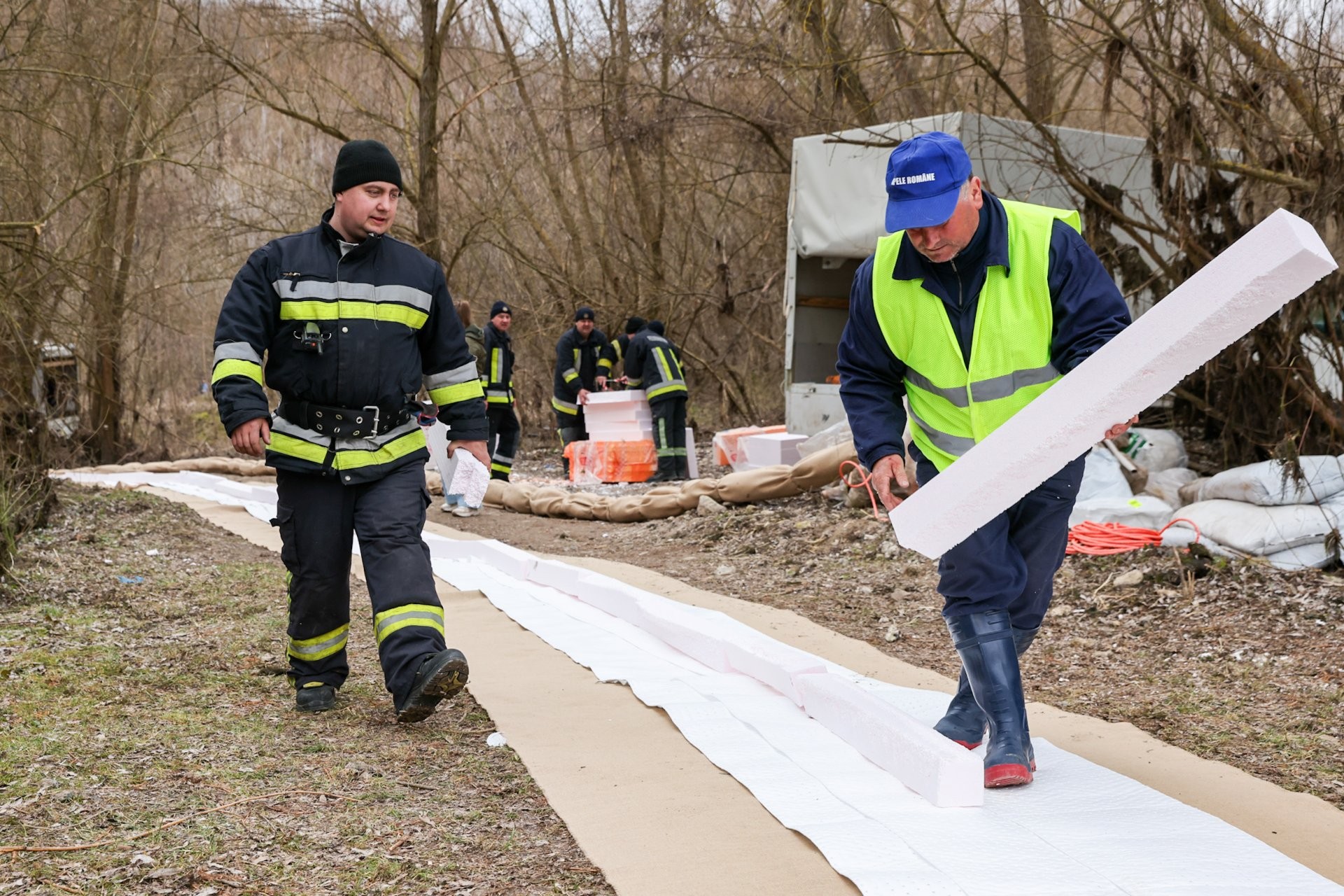
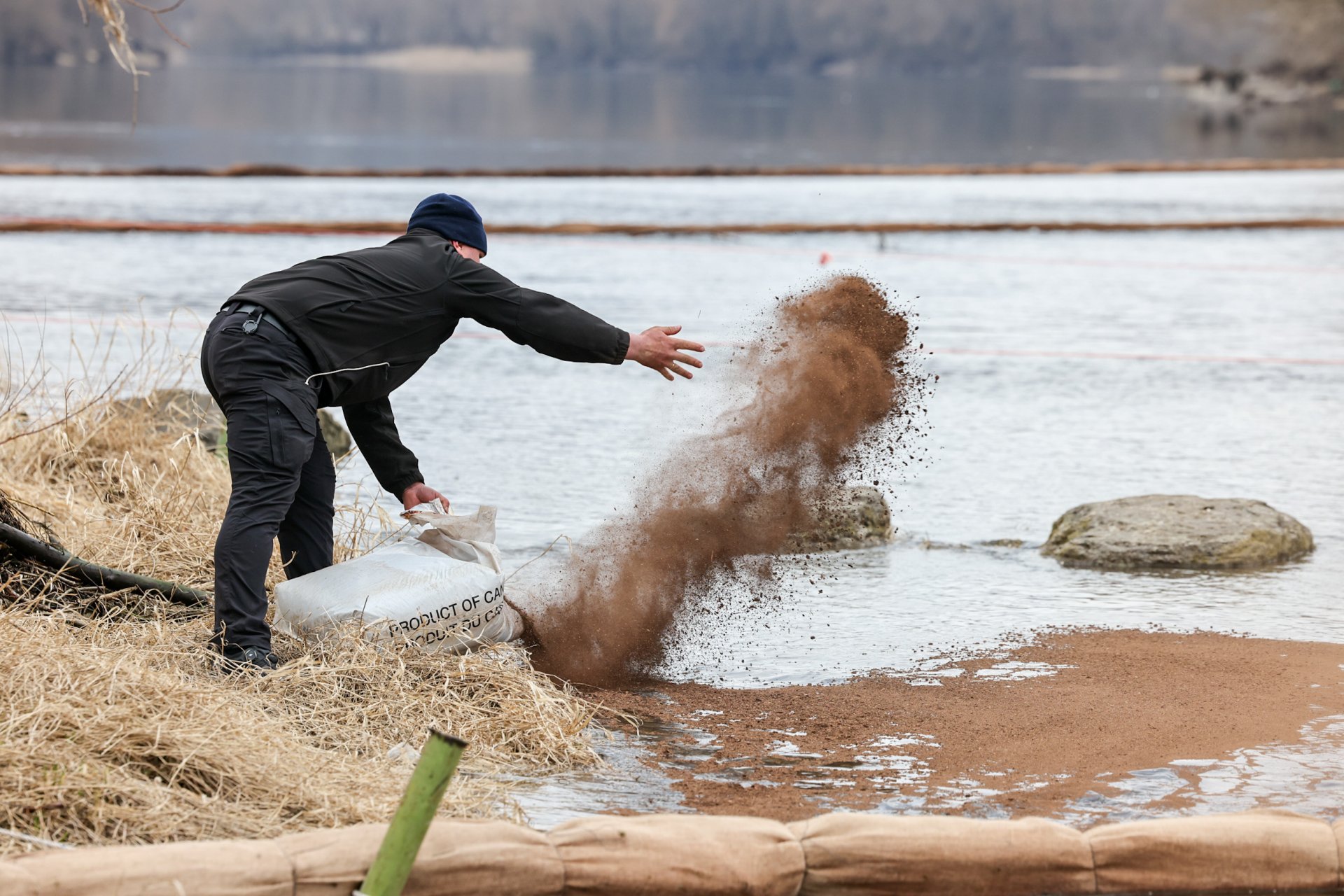
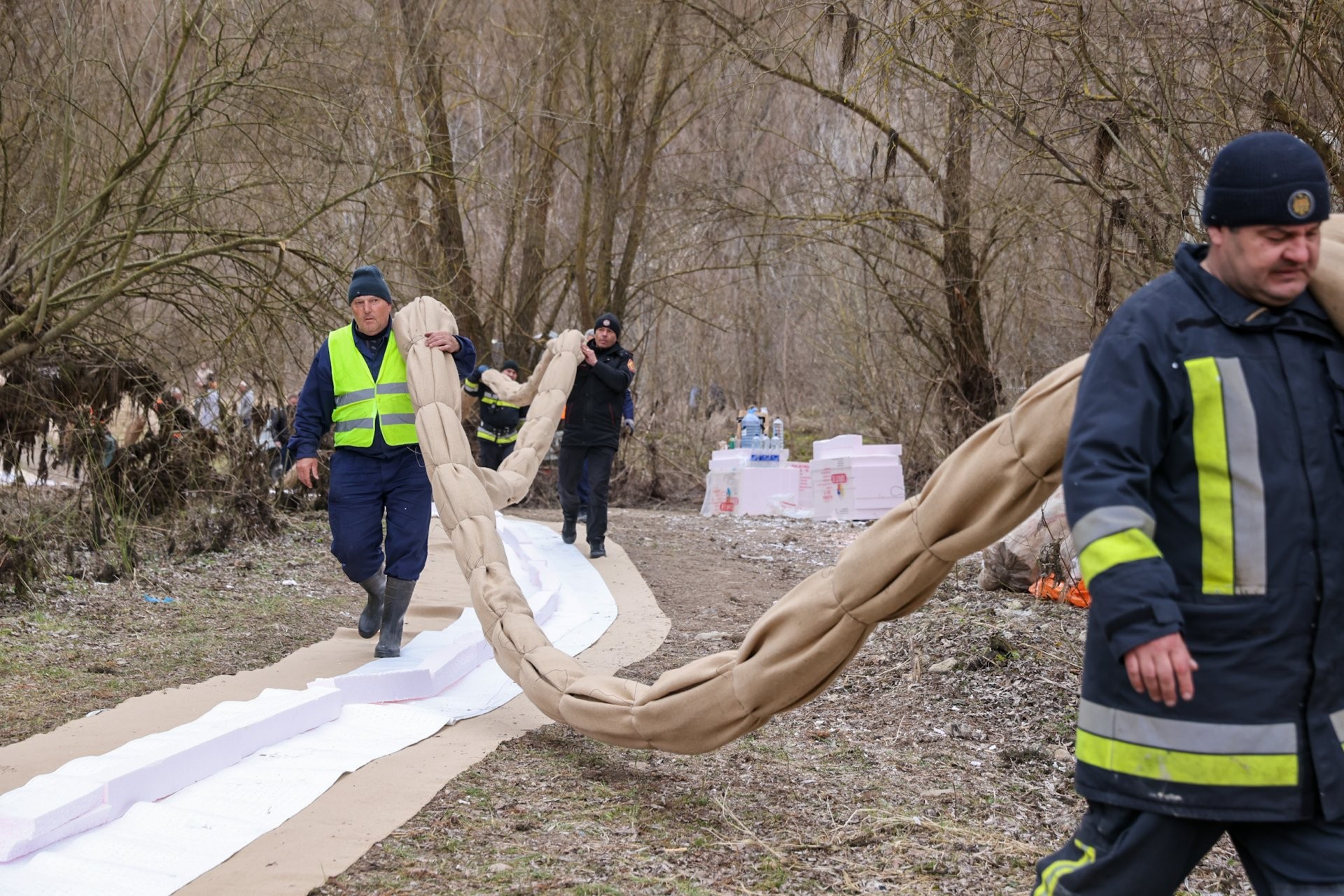
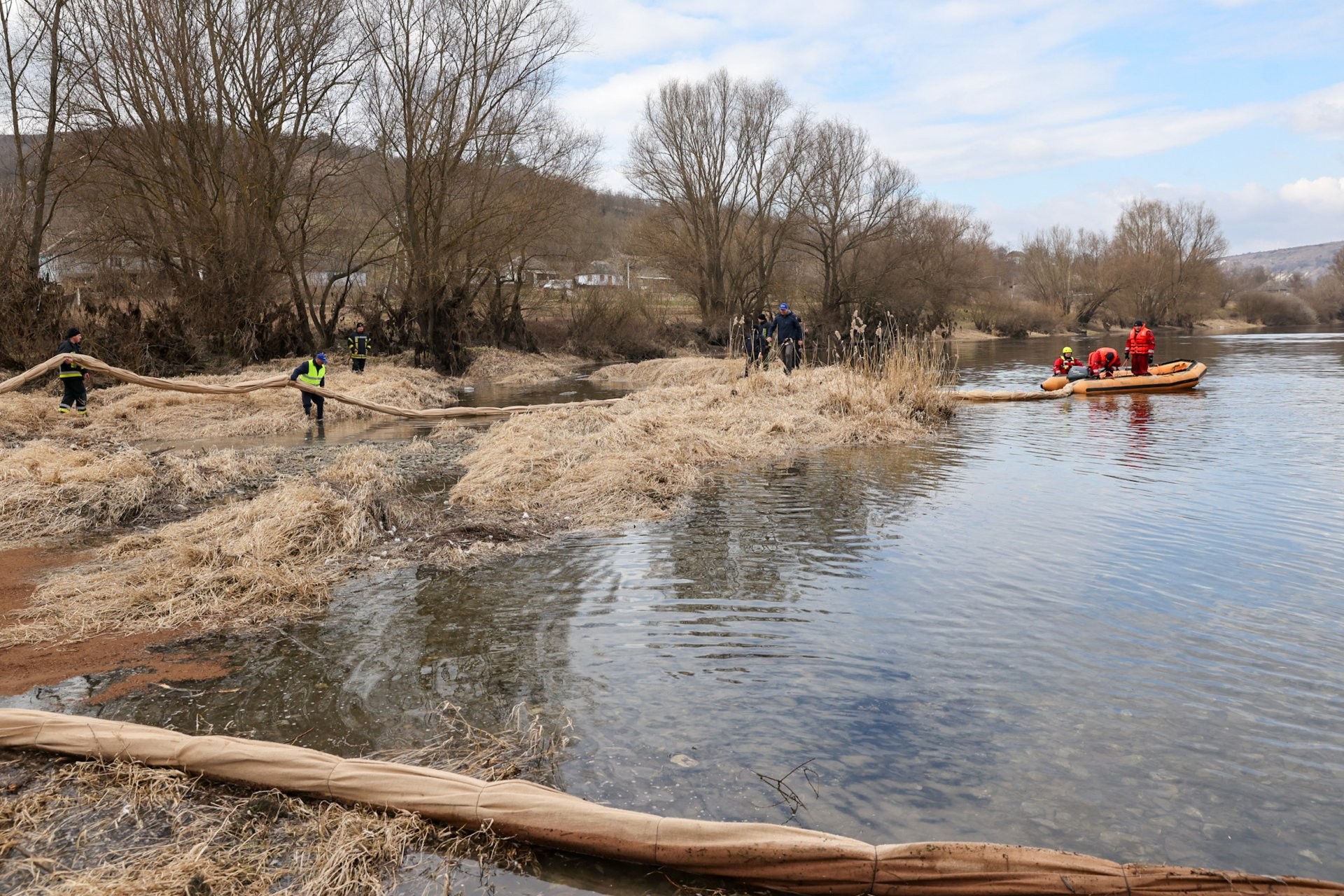
During his visit to the north of the country, the prime minister went to the locality of Arionești, where 7 dams for capturing pollutants have already been installed. The official highlighted the work of the teams that labored intensively to restore the water supply and thanked people for their patience during these difficult days.

“People’s health has been and remains our priority. The interventions at the Cosăuți station and in the localities have yielded results. The installed filters remain in operation, and the teams remain on the ground for continuous monitoring and rapid intervention, if necessary,” underlined Munteanu.

The pollution of the Dniester River by fuel leaks was caused by the attack of the Russian Federation on the Ukrainian hydropower plant in Novodnestrovsk. On 16 March 2026, the Government declared environmental state of alert on the Dniester River basin for 15 days.

The interventions to stop the downstream transport of fuel were carried out through a consolidated effort of the Army, rescuers from the General Inspectorate for Emergency Situations (IGSU), carabineers, employees of the Agency for Material Reserves, and the National Crisis Management Center (CNMC), in order to ensure a coordinated and rapid response in the affected localities. Important support was also provided by teams from Romania, and the Ukrainian side intervened on their bank of the Dniester.

The teams worked non-stop in the field, using all available resources, to restore the water supply. Several absorbent dams were installed on the Dniester River: 2 dams in the village of Cureșnița, Soroca district; 4 dams to secure Cosăuți water intake station, Soroca district; the water intake station for Chișinău was secured with 2 absorbent dams installed by the Ministry of Environment and 2 by Apă Canal; 2 dams in Coșnița and 7 dams in Arionești, Dondușeni district. Work continues in the field – another dam is being installed at Dubăsari reservoir.

At Cosăuți water treatment station, a new filtration system with granular activated carbon was installed to secure the water treatment process that supplies the districts of Florești, Sîngerei, Soroca and the municipality of Bălți.

The water quality has been constantly monitored, with water samples taken on site using a mobile laboratory. Since 16 March, 7 artesian wells have been put into operation in Soroca, in Florești wells pumping groundwater have been used, and in Sîngerei most localities were already using their own wells.

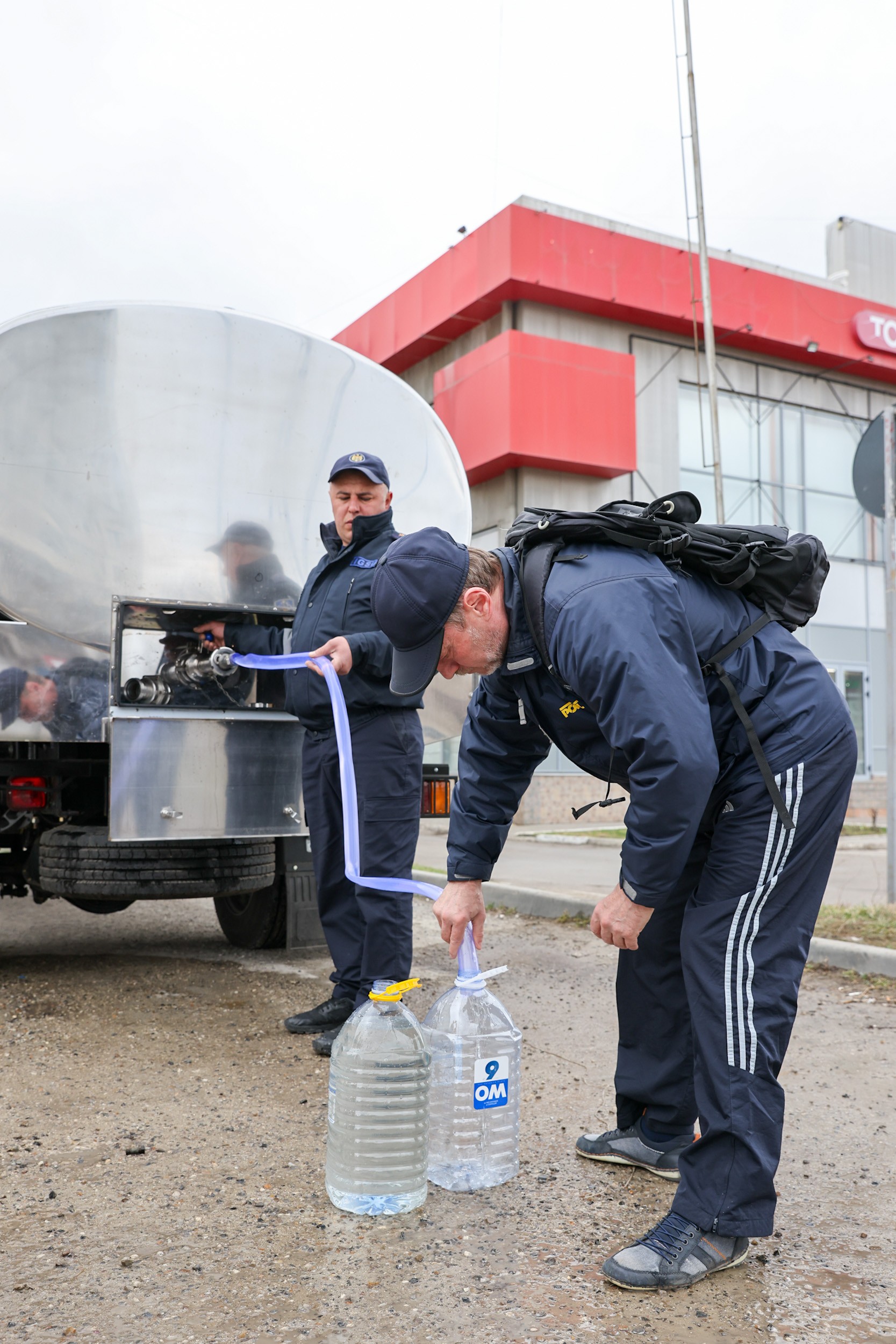
The Government has provided support to the local administration in Bălți, mobilizing over 300 employees from law enforcement and emergency structures to ensure the population’s access to water. To cover current needs, more than 150 tons of drinking and technical water have been made available to local residents.
 Facebook
 Instagram
 X/Twitter
 Telegram
Higher-quality medicines on market in Moldova
Strengthening professional capacities of inspectors from Moldova's control bodies in context of integration into European Union
Moldovan PM participates in Moldova–France Business Forum
Moldovan parliament speaker meets European Commissioner for Enlargement in Brussels: 189 million euros for Moldova
Moldova to receive second Growth Plan installment – 189 million euros
First meeting of Chisinau, Tiraspol working groups on road transport's development, road infrastructure held in 2026
Deputy Prime Minister meets with United Nations Resident Coordinator in Moldova
Moldovan President meets with Greek Minister of Culture
Moldovan PM, IMF executive director have discussion on Fund's positive report on Moldova
Speaker paid working visit to Strășeni district and discussed local development projects
Moldovan government establishes environmental alert status for Dniester River basin; PM says authorities take this decision to prevent any risk to population’s health
Moldovan PM attends event on commemoration of heroes fallen in Cosnita during Transnistria War
Moldovan deputy PM has meetings with senior European Union officials in Brussels
Speaker attends reception dedicated to Japan’s National Day
Parliament ratified agreement with Ukraine on repatriation of unaccompanied children
Consultations on local public administration reform held in all districts of country and Gagauzia: Over 4,500 mayors and citizens participated
DOC // Moldova aligned with new EU sanctions against Russia
President: In cognitive war, consolidation of democracy also depends on citizens’ ability to resist manipulation
Environment Minister expected to report to Parliament amid Dniester River pollution
Moldovan President met with UK Minister of State
Secretary General of Council of Europe: Democracy that cannot protect digital space will not be able to protect citizens
 National Bank of Moldova
Consultations on local public administration reform held in all districts of country and Gagauzia: Over 4,500 mayors and citizens participated
Moldovan President met with UK Minister of State
Moldovan government's secretary general participates in European Social Charter Conference
Moldovan deputy PM has meeting with Chargé d’Affaires of United States in Moldova
Moldova's delegation participates in meeting of Joint Control Commission in Bender

Moldovans working in Ukraine to be able to receive pensions and other social benefits
Water supply in Bălți, Soroca, Sîngerei and Florești restored
Environment Minister: Residents in country's north to have tap water again, but with restrictions for drinking use
PM visits north Moldova settlement
Moldovan government's secretary general participates in European Social Charter Conference
Measures to protect Dniester: new pollutant collection system set in north Moldova settlement
Meeting in Chisinau // Romanian political analyst says European Social Charter brought from legal sphere into core of geopolitical debates
Moldovan deputy PM has meeting with Chargé d’Affaires of United States in Moldova
Prosecutors from all over Moldova to meet at General Assembly on March 20: priorities for 2026 on agenda
PHOTO // Moldovan PM, on visit to Balti city, says authorities recommend use of water only for household purposes in next 48 hours
Moldova–NATO cooperation discussed in Chisinau
Moldovan deputy PM in Washington says World Bank's assistance crucial for Moldova's European integration
Moldova's delegation participates in meeting of Joint Control Commission in Bender
Water supply restored in north Moldova today as of 13:00
Holiday vouchers now available also for rural guesthouses of Moldova
Citizens wishing to take out loan can find out total cost
Receive the latest news directly to your email

Receive the latest news directly to your email