
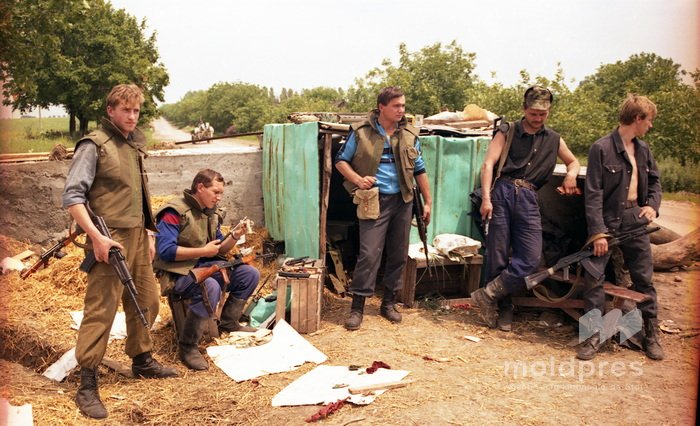
1992 - Războiul care nu se uită // Povestea unui polițist de pe Nistru: „Intrau cu mașina blindată în sat și împușcau”
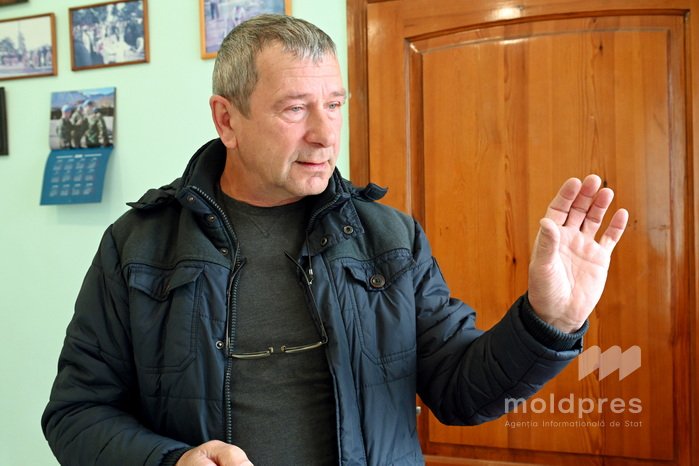
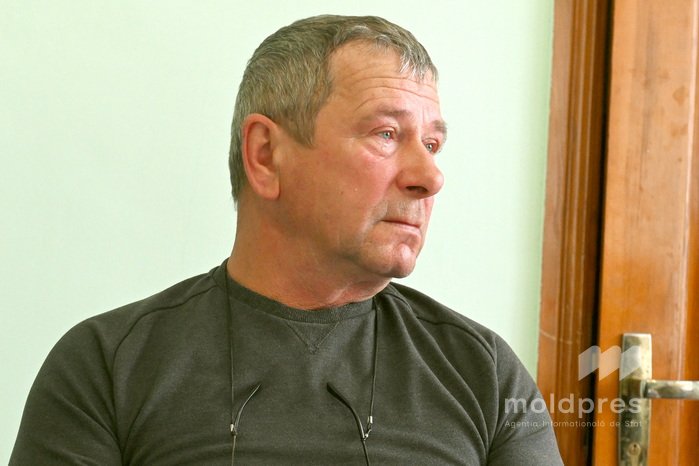
Could the 1992 war on the Dniester have been avoided? “I don’t think so,” says Mihai Rotari, a former policeman of the Dubasari Police Commissariat. “The tensions had started much earlier,” recalls the veteran about the saddest period of his life, lived at a young age: he was only 31. “We never even left the war zone,” Mihai Rotari continues, his face relaxing for a moment.

“We are in a frozen conflict zone; on the other side, we’re guarded by peacekeeping forces; on this side, there are the forces from the east – border guards, customs officers,” says the veteran, who at that time was the first head of the police post in Cosnita.

The policeman who had come to the village to ensure public order had overnight become a fierce defender of Moldova and of fundamental human rights. At that time, Moldova did not yet have a well‑trained and properly equipped army.

The memories overwhelmed him. The 35 years of Moldova’s independence unrolled like a film in his stories; the emotions and images of that harsh reality of 1992 could be felt and seen in his eyes, often flooded with tears…

Mihai Rotari joined law-enforcement bodies in 1981. He was a policeman at the Dubasari Police Commissariat; the only one in the Transnistrian region that did not fall into the hands of the separatists, although they were attacked, kidnapped and intimidated.

“They set up their own militia in Dubasari; it had district officers, patrol‑sentries, a guard unit. They would receive reports from citizens, and so would we. But we were limited in our interventions, they followed us, and if the service car was caught responding to a call, it would be damaged, overturned. At one point, I realized I could no longer fulfill my duties, policemen were being hunted down, some were caught and beaten…,” says Mihai Rotari.

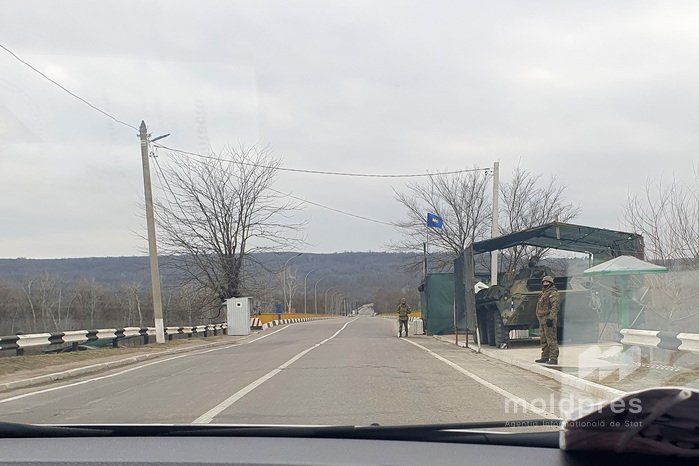
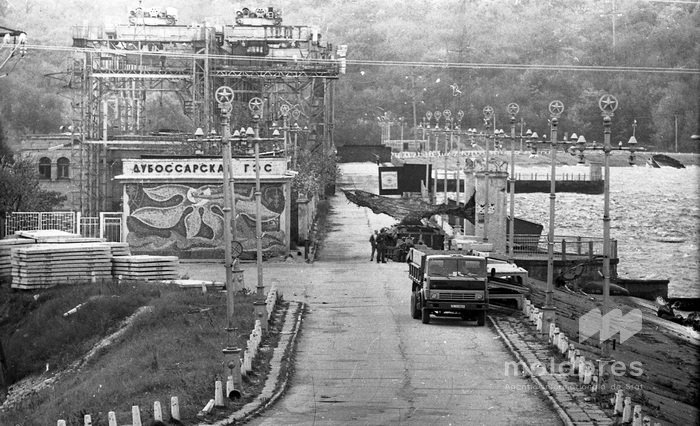
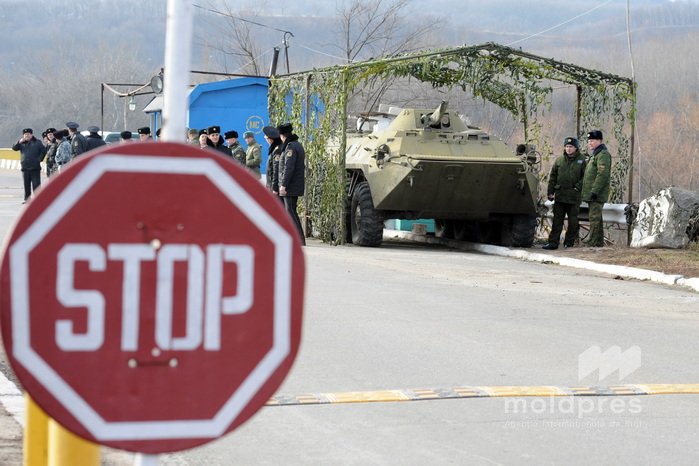
It was then that the forces hostile to the state of the Republic of Moldova installed a checkpoint on the Dubasari bridge, which is still working today, known as Post No. 9.

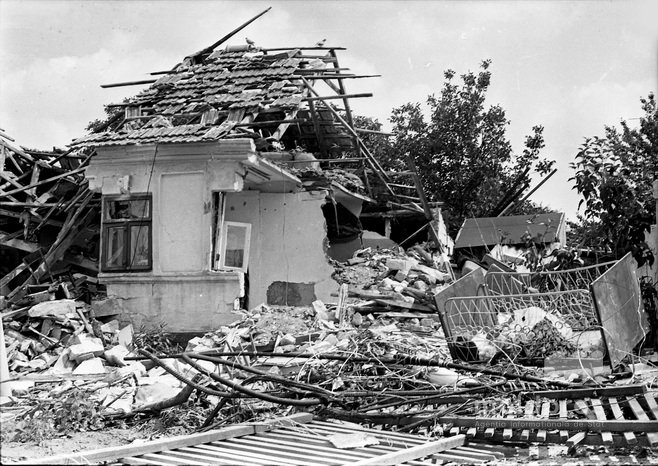
“They were monitoring and ‘hunting’ people. They were armed, paramilitary forces, so to speak, special forces to hold this side. There were many cases when they would drive an armored vehicle into the village and shoot, destroying fences and people’s houses. We had found a way and somehow managed to stop them from shooting,” the veteran recalls.

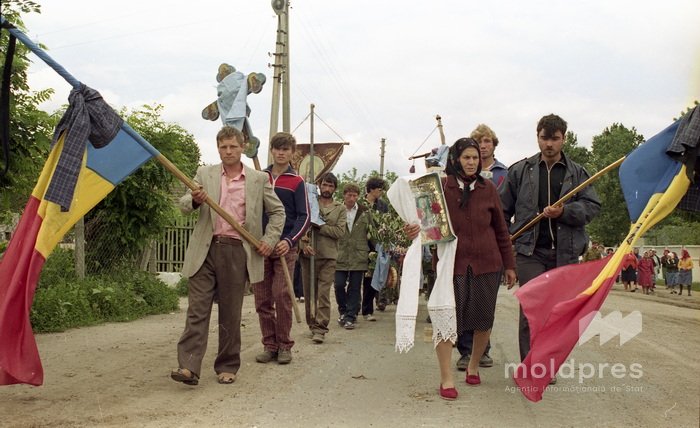
The most tragic event in the community’s history followed. On the night of March 13–14, 1992, secessionist forces attacked the Cosnita Police Post, intending to stage a provocation.

“It was the police post commanded by Ghenadie Vasilita, made up of six people. They had gone to the canning factory to check another police post located there. At that moment, they were attacked by guards who were prepared. That was the first time we heard about night‑vision devices, used by the guards. My driver, Nicolae Sotnicenco, was killed then, targeted through a scope; it was a precision shot. Ghenadie Vasilita was wounded, Nicolae Cibotari was wounded and remained in a wheelchair for life, and two other policemen were taken prisoner. The purpose was to take the police car and drive it to the entrance to Cosnita, at the intersection with the Dubasari–Grigoriopol–Rabnita–Tiraspol road. There they wanted to stage a provocation, to make it look as if we had attacked them, so they were merely responding. But they couldn’t start the car because the police vehicles were set up, so that no one else could take them. They couldn’t start it and overturned it. That’s where we found Nicolae Cibotari and Nicolae Sotnicenco, dead,” recalls Mihai Rotari, his voice trembling.

He paused, a few tears running down his cheek. The pain still consumes his soul today.

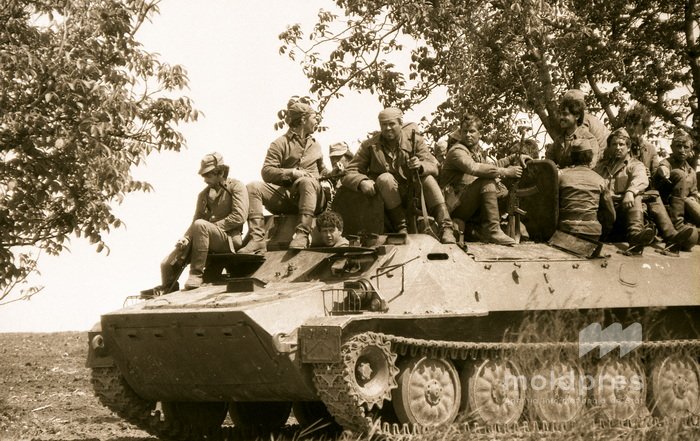
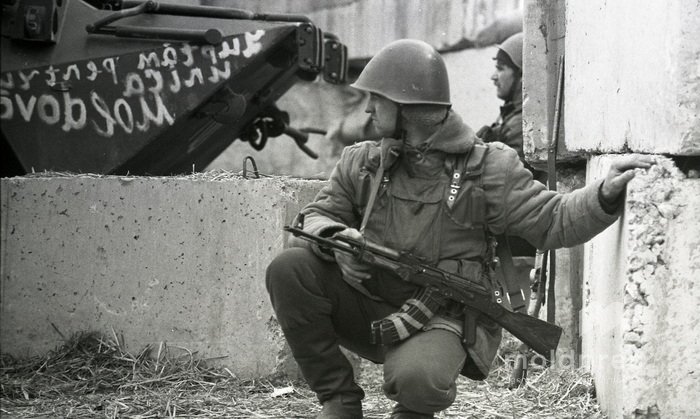
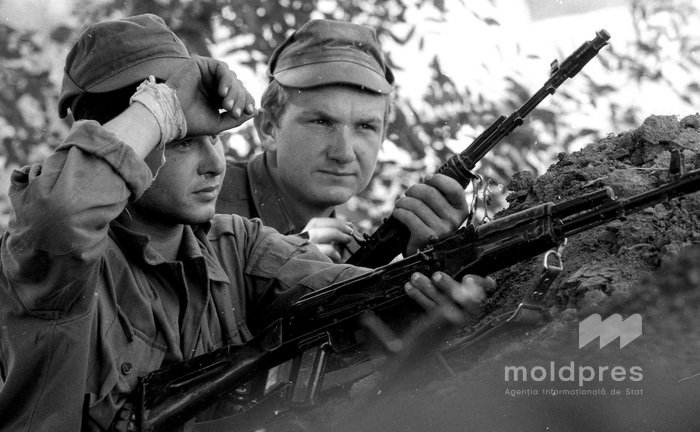
“On March 14, we launched a large‑scale liberation operation, we crossed the Dniester with two APCs, and by evening we had destroyed them, we attacked them all. Then we received help from Battalion No. 1 and No. 6, and police commissariats from Nisporeni and Hancesti began sending forces. We formed the front line, created the first platoons and posts and started to move forward, poorly equipped at first, with little weaponry; the people in power at that time did not really believe in us. We created the Cosnita Plateau. The fighting was brutal. The military actions were supported by the Ministry of Internal Affairs; there was no talk at all of armed forces, because they did not exist. Only on May 19 did a military commander arrive who knew what a combat position was and how to set it up. We lost 34 men,” said Mihai Rotari.

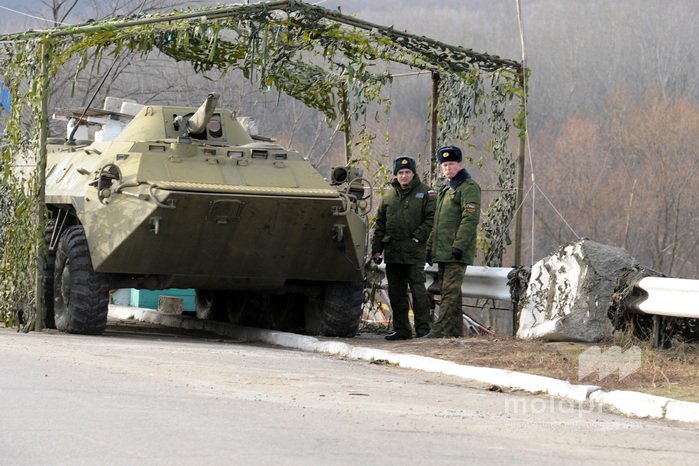
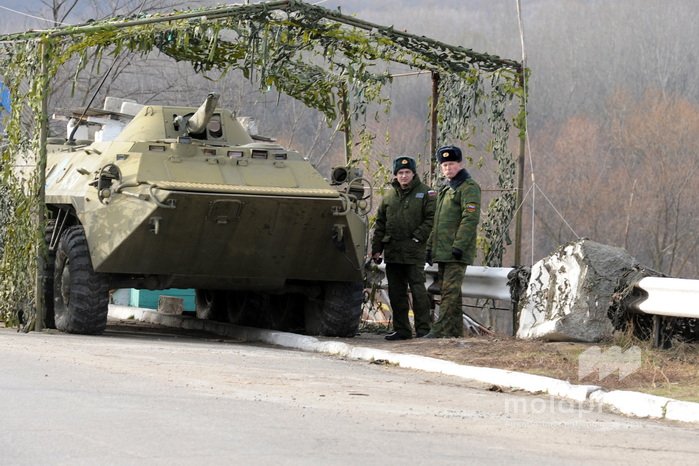
The people of Cosnita fear a new war. Surrounded by military and customs posts, they look with fear at the Russian peacekeepers with loaded magazines.

“We never even left the war zone; we are in a frozen conflict zone. On the other side, we are guarded by peacekeeping forces, on this side, there are forces from the east – border guards, customs officers. Only the Russian peacekeeping forces are allowed to carry loaded assault rifles; wherever you see a loaded magazine on a rifle, that’s a Russian. They have also fired on a Polish car and on a German car; locals of ours have died. They shot Pisari, who was from Parata, allegedly because he did not stop at the signs placed there. Everyone relies on the Snegur–Yeltsin agreement, but so many years have passed; review those agreements, we say we want reintegration, we want to unite the two banks, but how can we unite them, if we are still sitting here with checkpoints that shouldn’t exist? Come here at four in the morning and see how many cars go to Chisinau; all of Transnistria goes to work. No one attacks them. Does this particular checkpoint really have to be stuck here?” the veteran asks, referring to Post No. 9, abusively installed in 1992 and re‑established in the same place under the 1992 Agreement.

“For 34 years we’ve had a Security Zone. The deployment of peacekeeping forces along the security perimeter is part of the understanding between Moldova and Russia. But we also have Post No. 9 here; look, in all this time couldn’t this checkpoint have been moved and relocated where they consider their territory to be? The post was reinstated here after the 1992 agreement, placed at the Cosnita bridgehead,” the veteran explains.

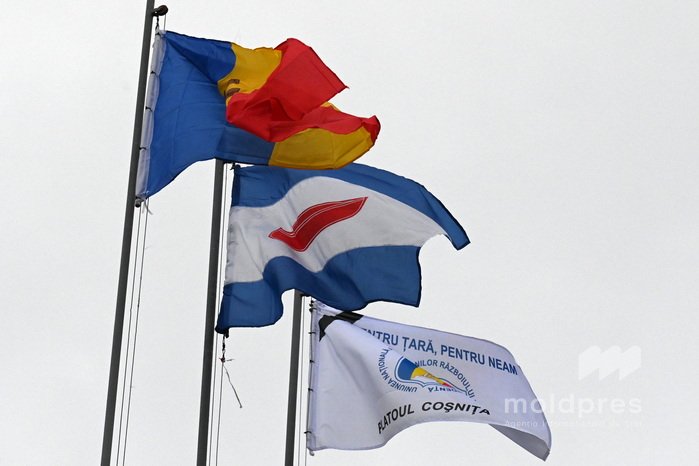
Mihai Rotari is president of the “Cosnita Plateau” Dniester War Veterans Association. All these years, he has watched over the peace and quiet of the residents. Always thinking of the people, the veteran says that building a bridge over the Dniester would be welcome:

“For so many years… the Dniester freezes… at Cocieri, build a bridge. It’s an isolated village when the ferry isn’t running. They have to pass 13 checkpoints before they reach Chișinău.”

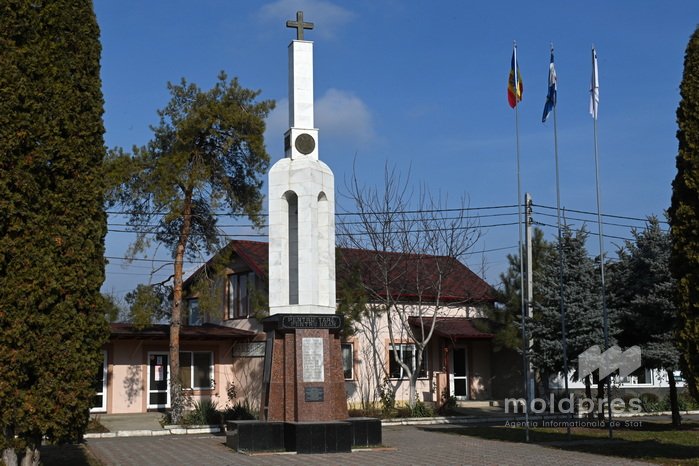
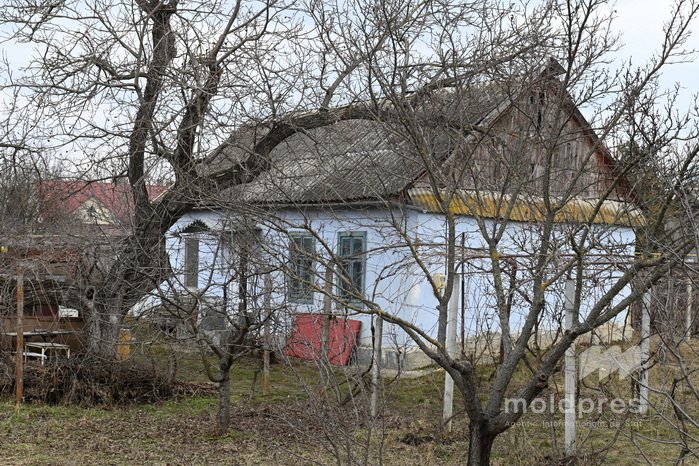
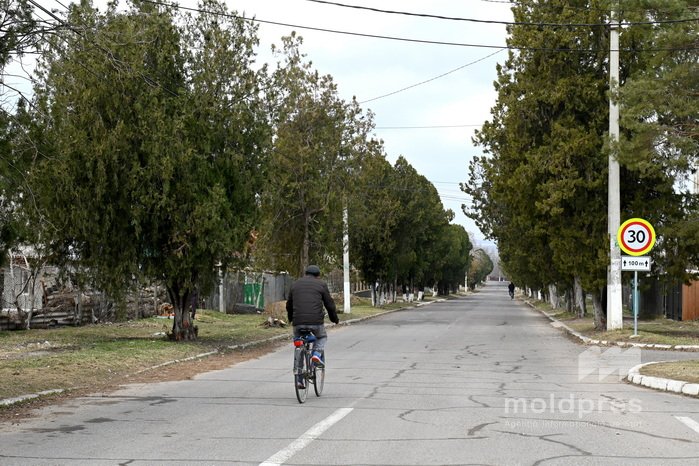
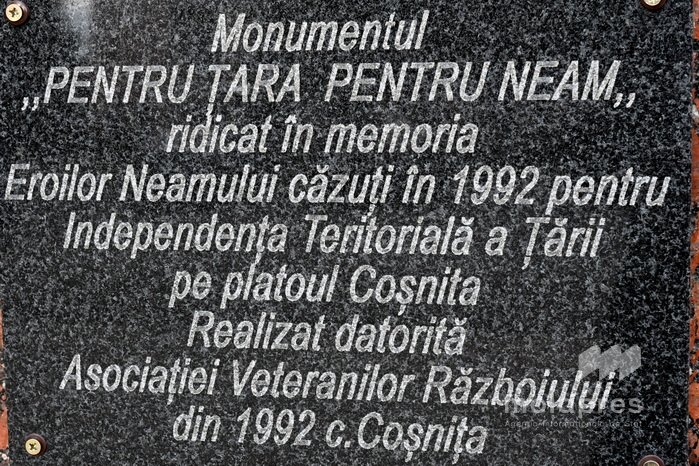
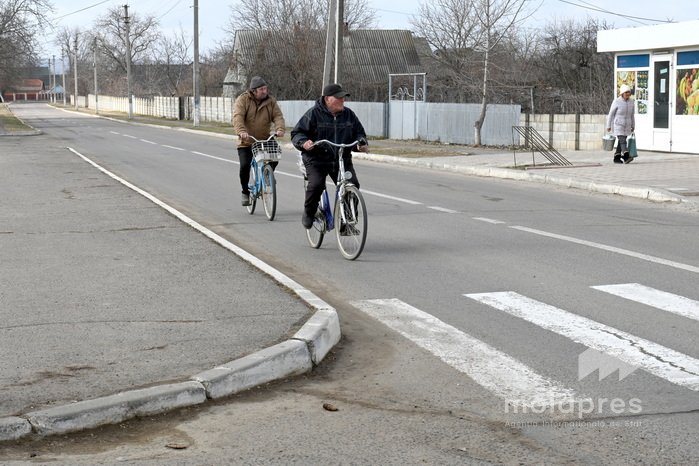
At first glance, Cosnita is a village of hardworking people: clean streets, well‑kept homesteads. In the center of the village, a monument in memory of the heroes who fell in the War for the Independence of Moldova stands.

“In Cosnita people stayed; we have nowhere else to go. Many once worked in Dubasari, they have children married on the other side. The latest elections showed that the Transnistrian side voted for EU accession, and both in the parliamentary and in the presidential elections there was a manifestation of pro‑European will. The majority are for European integration, they have children abroad, in EU member states, people have started to travel. They have seen the prosperity of the European Union,” says the veteran.

On March 14, a large‑scale event will be held in Cosnita in memory of the heroes who fell in the 1992 attack.
 Facebook
 Instagram
 X/Twitter
 Telegram
DOC // President appoints 16 judges to several courts across country
Moldovan labour minister announces set of measures to prevent minors from leaving home
Moldovan defense minister says Moldova directly threatened as long as Russia continues war in Ukraine
Moldova to conclude air services agreement with Bosnia & Herzegovina
Travel alert for Belgium: air traffic to be disrupted due to national strike
Government approves new regulation for Environmental Inspectorate
Prosecutors appealed court ruling in case of Vladimir Plahotniuc
VIDEO // Children with disabilities to receive annual payment of 3,000 lei
PHOTO // Journalists from several European countries visit Moldova to explore economic potential and cultural values
President congratulates Gagauzia residents on Hederlez holiday
PHOTO // Moldova hosts Study in Europe events for first time
USMF "Nicolae Testemițanu" to organize SimOlympic simulation Olympiad
Reform of local public administration: nine mayoralties in north Moldova district rule to merge; incentives of 85 million lei provided by authorities
Moldova to take over Japanese models for emergency management
PHOTO GALLERY // European Town inaugurated in heart of Moldovan capital on Europe Day
European Town inaugurated on Great National Assembly Square of Chisinau on Europe Day – celebration of peace, unity, diversity
EUROPE DAY // Italian Ambassador in Chisinau: “We are honored to stand by you at this crucial moment for Moldova’s future”
Moldovan president at conference says defending truth part of democratic resilience, national security
Russia exploits memory of World War II to justify aggression; Ukrainian Ambassador to Moldova says Ukraine fighting for freedom
EUROPE DAY // Latvia urges Moldovans to take over Latvian experience on road to EU, inspired by Moldovan departed poet's poetry in fight for freedom
Scientific conference “9 MAY: Remembrance, Reconciliation and European Unity.” held in Moldova; head of state says European future of Moldova means assuming the past, choosing truth over propaganda
 National Bank of Moldova
Moldovan president at conference says defending truth part of democratic resilience, national security
Seventy-six years of European unity, solidarity, 20 years of marking Europe Day in Moldova
Moldovan president's speech at national scientific conference “9 MAY: Commemoration, Reconciliation and European Unity”
Moldovan leadership lays flowers at Eternity Memorial Complex
Reforms, security, Moldova’s European path on agenda of meeting between Moldovan president and European Commission's vice-president

Moldovan president's speech at national scientific conference “9 MAY: Commemoration, Reconciliation and European Unity”
Moldovan leadership lays flowers at Eternity Memorial Complex
VIDEO // European Council President says Moldova’s future in EU, many efforts made to turn this into reality
VIDEO // EU Ambassador to Moldova: “On Europe Day, we proudly say: Europe is you – Republic of Moldova”
PHOTO // Moldovan PM says Russia has not learned its lesson, Moldova heading to the EU, which brings prosperity, peace
9 May in Chisinau // Moldovan president says Moldova commemorates people who lost their lives to restore peace on continent, European Union strongest peace project
Victory Day, Europe Day marked through string of events in Moldovan capital
PHOTO // First two courtyards modernized under European Courtyard government programme inaugurated in Moldovan capital
PHOTO // Moldova hosts José Antonio Viñas Caravan for the first time
PHOTO // Logos team from central Moldova town wins EuroQuiz Moldova 2026 competition
CET-Nord joint stock company of Moldova announces tender for installation of electricity storage system at Balti-based combined heat and power plant
Exports of Moldovan fruits to EU grow steadily: apples, sweet cherries record largest increases
Reforms, security, Moldova’s European path on agenda of meeting between Moldovan president and European Commission's vice-president
Moldovan head of state to host president of Cyprus in Chisinau on Europe Day
VIDEO // Moldovan foreign affairs minister comments on case involving former ambassador to India
Kaja Kallas on May 9: We all have different pasts, but we must focus on our common future. That is what Europe Day means
Receive the latest news directly to your email

Receive the latest news directly to your email