
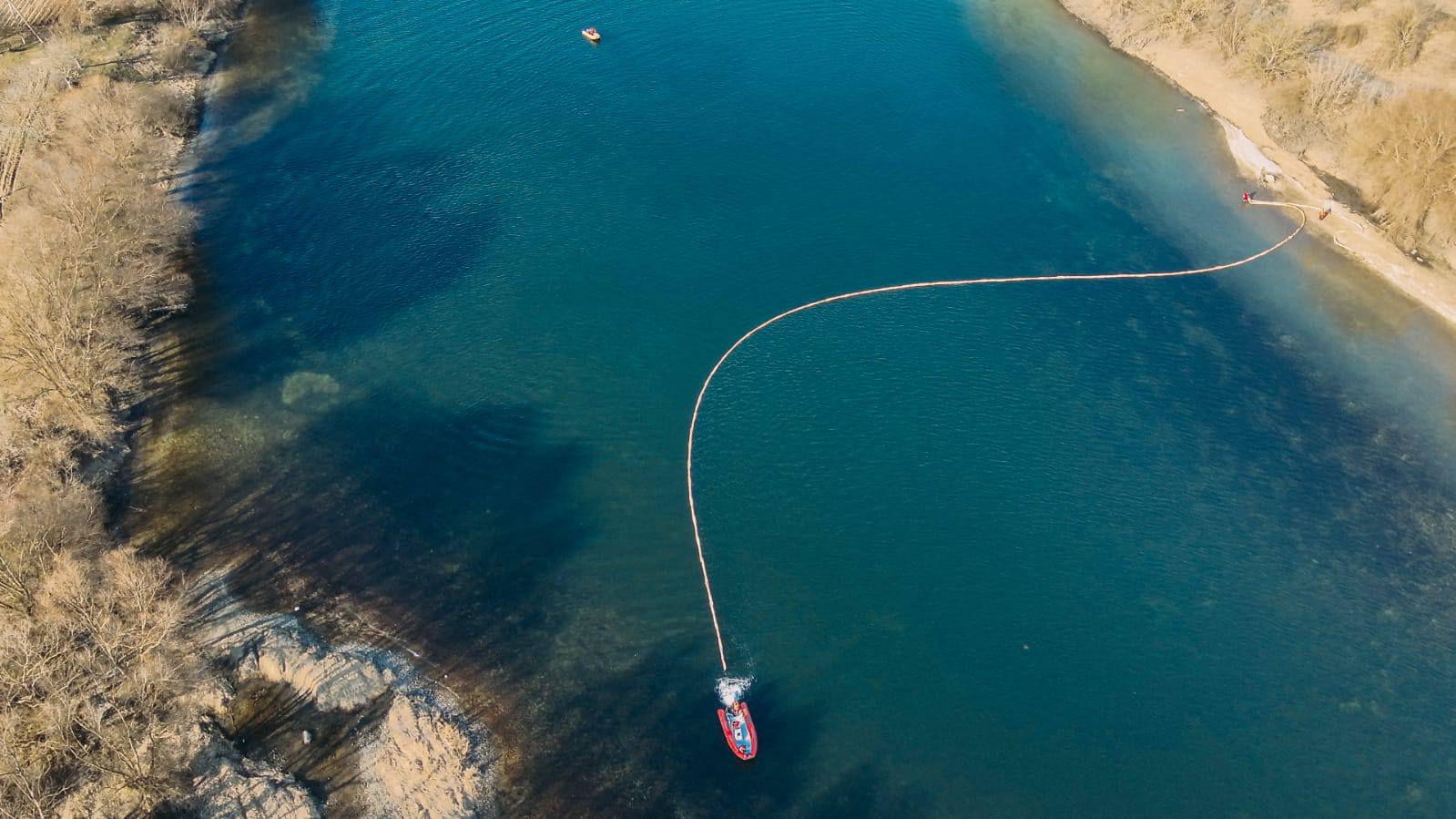
Government officially declared state of environmental alert on Dniester: Decision on emergency measures for 15 days published in Official Journal
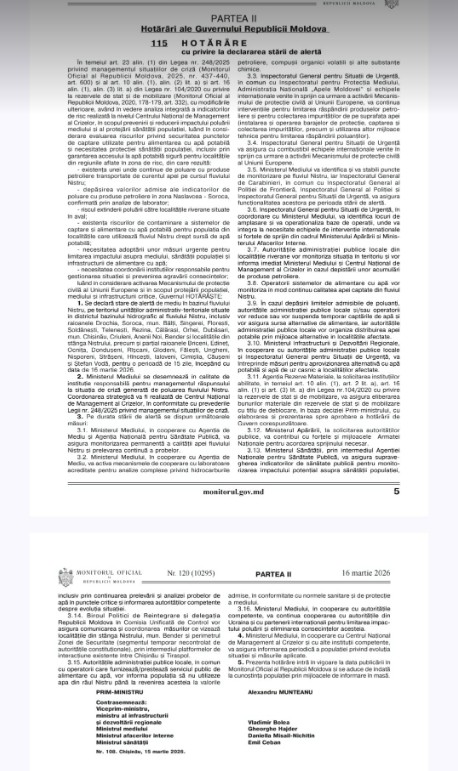
The decision on emergency measures for 15 days was published in today’s issue of the Official Journal and has entered into force.

According to the document, as of 16 March, a state of environmental alert is declared in the Dniester River basin, on the territory of the administrative-territorial units located in the Dniester River basin district, including the districts of Drochia, Soroca, the municipality of Bălți, Sîngerei, Florești, Șoldănești, Telenești, Rezina, Călărași, Orhei, Dubăsari, Chișinău, Criuleni, Anenii Noi, Bender and the localities on the left bank of the Dniester, as well as partially in the districts of Briceni, Edineț, Ocnița, Dondușeni, Rîșcani, Glodeni, Fălești, Ungheni, Nisporeni, Strășeni, Hîncești, Ialoveni, Cimișlia, Căușeni and Ștefan Vodă, for a period of 15 days starting from 16 March 2026.

According to the document, the Ministry of Environment has been designated as the institution responsible for managing the response to the crisis situation generated by the pollution of the Dniester River. Strategic coordination will be carried out by the National Crisis Management Center, in accordance with the provisions of Law No. 248/2025 on crisis management. Thus, for the duration of the state of alert, the following measures are ordered: the Ministry of Environment, in cooperation with the Environment Agency and the National Agency for Public Health, will ensure the continuous monitoring of the water quality of the Dniester River and the ongoing collection of samples.

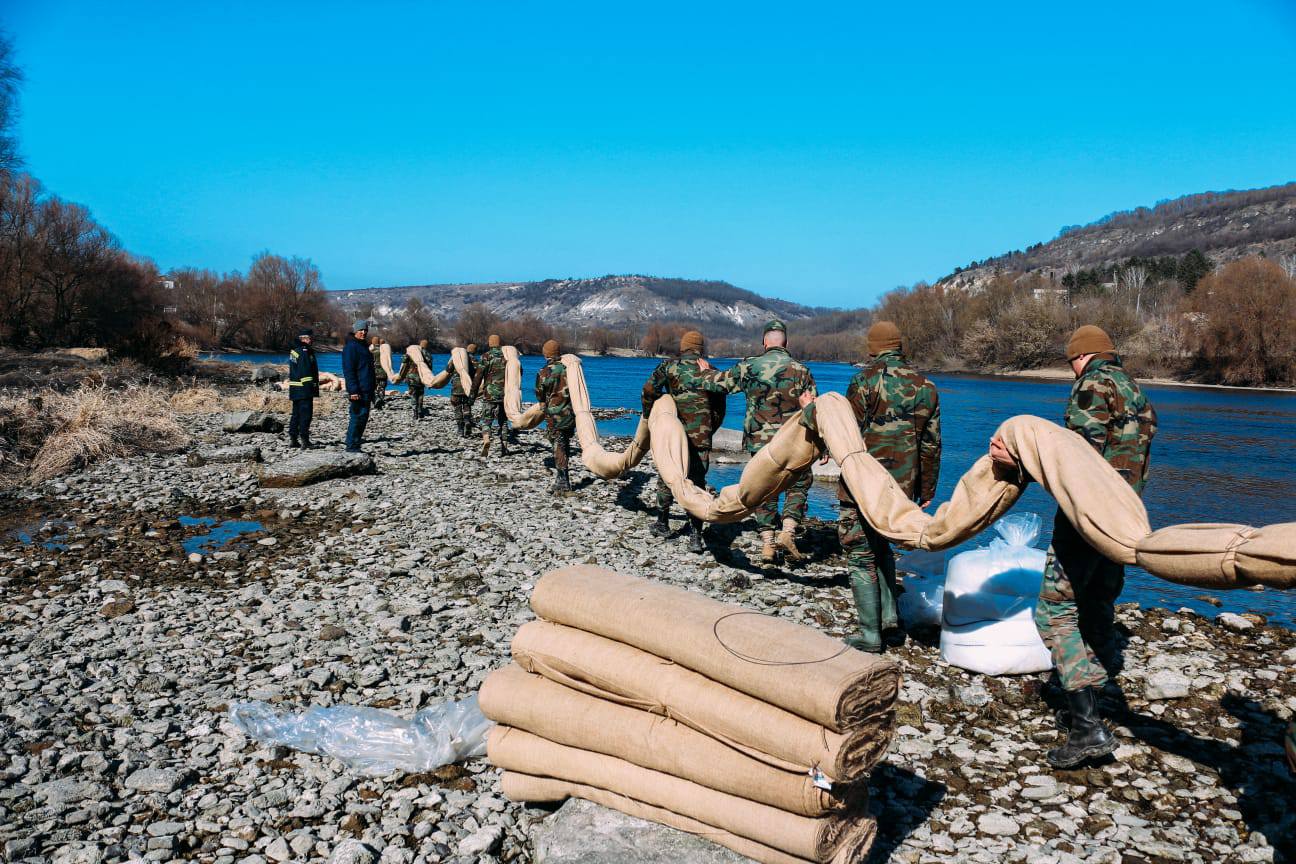
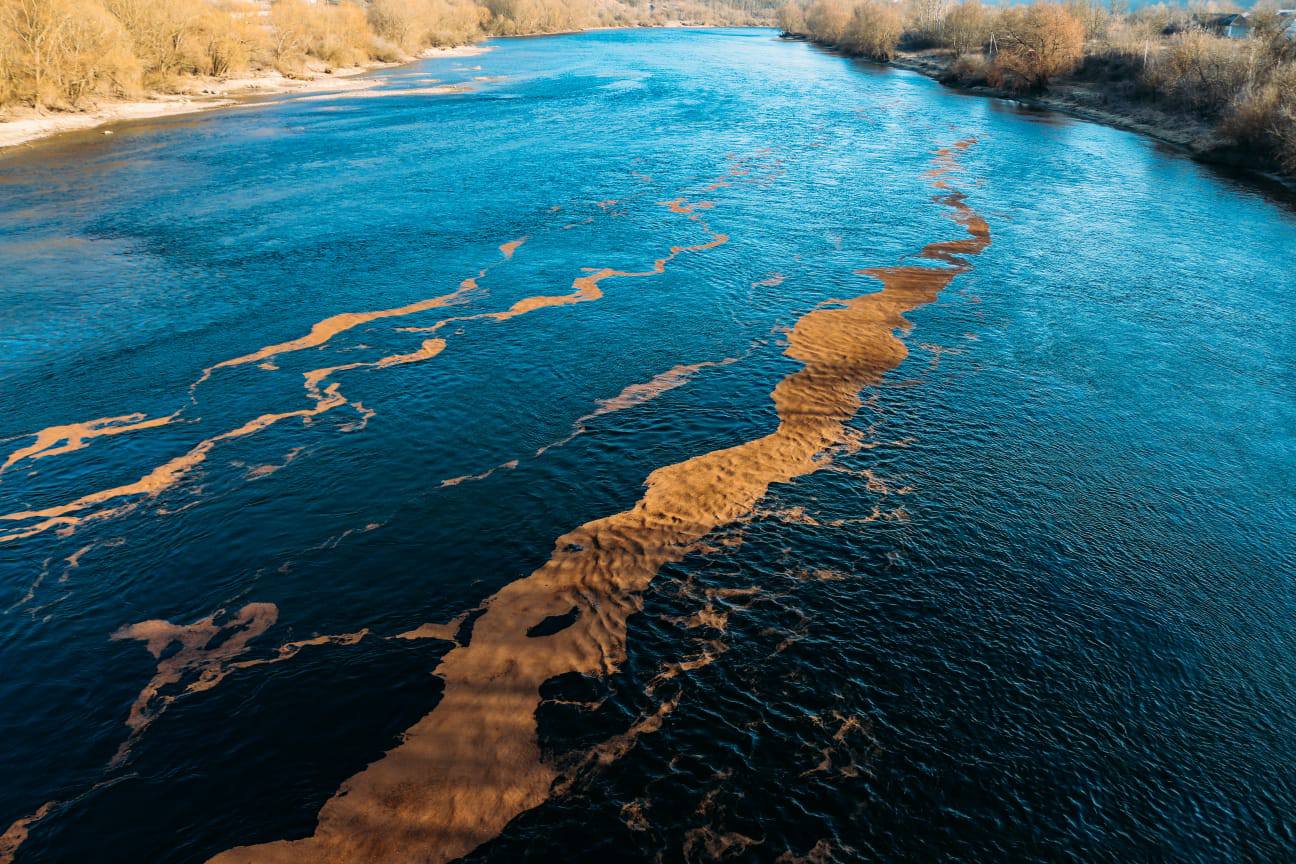
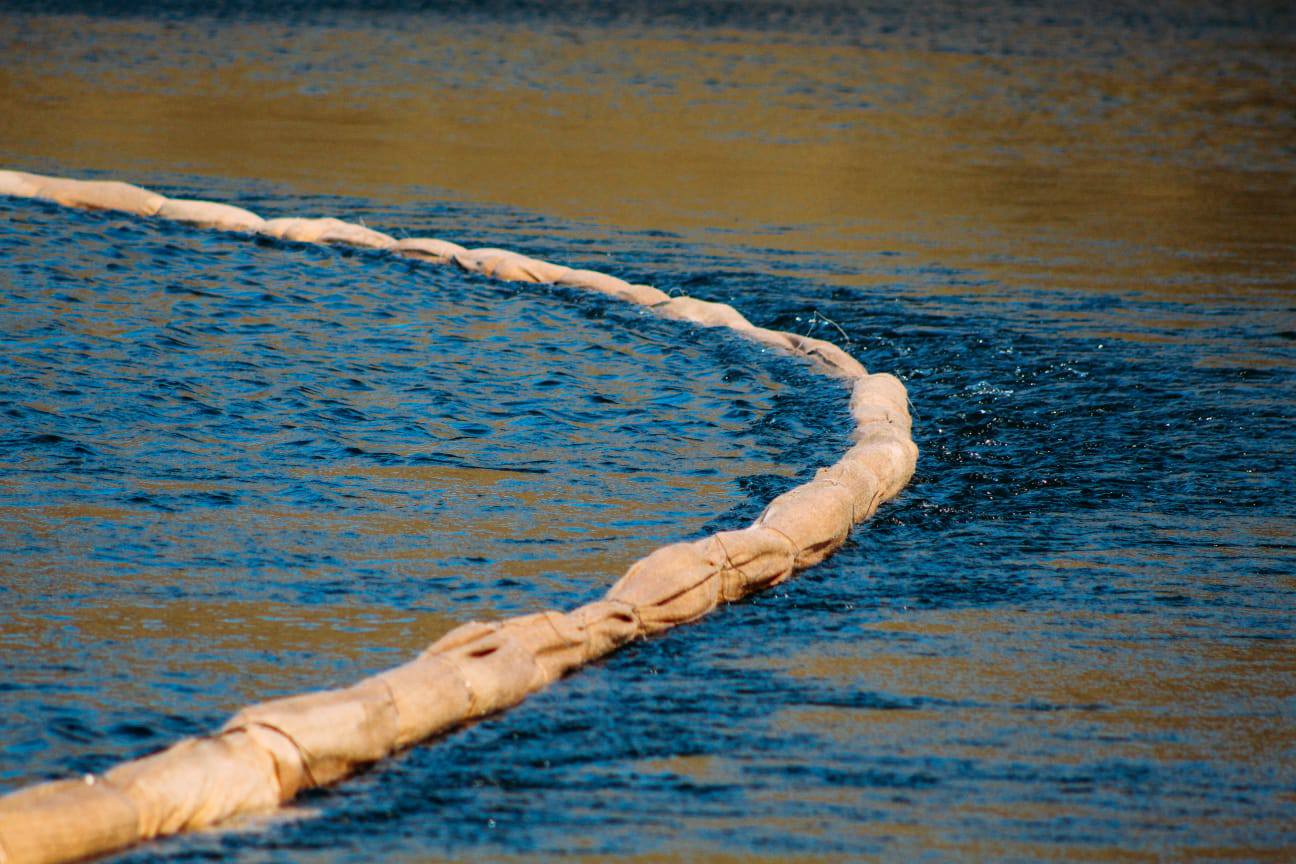
The Ministry of Environment, in cooperation with the Environment Agency, will activate cooperation mechanisms with accredited laboratories for complex analyses of hydrocarbons, volatile organic compounds, and other chemical substances. The General Inspectorate for Emergency Situations, together with the Environmental Protection Inspectorate, the National Administration “Apele Moldovei” and international teams that have come in support following the activation of the European Union Civil Protection Mechanism, will continue interventions to limit the spread of petroleum products and to collect impurities from the water surface (installation and operation of protective booms, capture and collection of impurities, as well as the use of other technical means to limit the spread of pollutants).

The General Inspectorate for Emergency Situations will provide fuel to the international teams that have come in support following the activation of the European Union Civil Protection Mechanism.

The Ministry of Environment will identify and establish monitoring points on the Dniester River, and the General Inspectorate of Carabineer, together with the General Inspectorate of the Border Police, the General Police Inspectorate and the General Inspectorate for Emergency Situations, will ensure their functionality throughout the state of alert.

The General Inspectorate for Emergency Situations, in coordination with the Ministry of Environment, will identify locations and operationalize operation bases, where, if necessary, it will integrate international intervention teams and support forces from the Ministry of Defence and the Ministry of Internal Affairs.

Local public authorities in riparian localities will monitor the situation in their territory and will immediately inform the Ministry of Environment and the National Crisis Management Center in case accumulations of petroleum products are detected.

Operators of water supply systems will continuously monitor the quality of water abstracted from the Dniester River. In case of exceeding the admissible limits of pollutants, local public authorities and/or operators will reduce or temporarily suspend water abstractions and will ensure alternative supply sources. At the same time, local public authorities will organize the distribution of drinking water by alternative means in the affected localities.

The Ministry of Infrastructure and Regional Development, in cooperation with local public authorities and the General Inspectorate for Emergency Situations, will take measures to ensure alternative supplies of drinking water and household water to the affected localities. The Material Reserves Agency, at the request of the empowered institutions, based on Article 10(1), Article 2(a), Article 16(1) and (3)(a) of Law No. 104/2020 on state and mobilization reserves, will ensure the release of material goods from state and mobilization reserves as an emergency unlocking measure, on the basis of the decision of the prime minister, with the drafting and submission for approval of the corresponding Government decision.

The Ministry of Defence, at the request of public authorities, will contribute forces and means of the National Army to provide the necessary support.

The Ministry of Health, through the National Agency for Public Health, will ensure the surveillance of public health indicators to monitor the potential impact on the population’s health, including by continuing the collection and analysis of water samples at critical points and informing the competent authorities about the evolution of the situation.

The Bureau for Reintegration Policies and the delegation of the Republic of Moldova to the Joint Control Commission will ensure communication and coordination of measures targeting the localities on the left bank of the Dniester, the municipality of Bender and the perimeter of the Security Zone (the segment temporarily not controlled by the constitutional authorities), through the existing interaction platforms between Chișinău and Tiraspol. Local public authorities, together with operators that provide or deliver the public water supply service, will inform the population not to use water from the Dniester River until it returns to admissible values, in accordance with sanitary and environmental protection standards.

The Ministry of Environment, in cooperation with the competent authorities, will continue cooperation with the Ukrainian authorities and international partners to limit the impact of the pollution and eliminate its consequences. The Ministry of Environment, in cooperation with the National Crisis Management Center and other competent institutions, will also ensure the periodic informing of the population regarding the evolution of the situation and the measures applied.

This decision enters into force upon the publication in the Official Journal of the Republic of Moldova.

The Dniester River was affected by contamination with a petroleum substance following an attack on a hydropower plant in Ukraine by Russian forces on 7 March. The pollutant was discharged into the watercourse and began moving towards the territory of the Republic of Moldova, endangering aquatic ecosystems and water sources for riparian communities.

The Moldovan authorities reacted immediately, mobilizing intervention teams and implementing complex measures to limit and monitor the pollution. These measures included the installation of filters and barriers to capture petroleum substances, continuous monitoring of water quality and coordination with local authorities and emergency services to prevent the spread of contamination. The impact on aquatic fauna and flora, as well as risks to drinking water, was also assessed. In managing the situation, Romania provided technical and logistical support, helping to strengthen barriers and filtration systems, as well as to monitor water quality on transboundary watercourses.

Romanian and Moldovan teams, as well as those from Ukraine, cooperate continuously to limit the immediate effects on the environment, protect the population and prevent long-term impacts on riparian ecosystems and agriculture.

Prime Minister Alexandru Munteanu requested, through the Ministry of Internal Affairs, the activation of the European Union Civil Protection Mechanism to ensure additional resources for managing the situation. In parallel, the Ministry of Defence deployed military personnel, equipment and technical units to support operations for protecting the river and riparian areas.

The authorities continue to permanently monitor water quality and coordinate actions with local services and environmental agencies to prevent the spread of pollution and to protect both the environment and the population that depends on the waters of the Dniester. This situation highlights the importance of cross-border cooperation and rapid response in the face of threats to the environment and water resources.
 Facebook
 Instagram
 X/Twitter
 Telegram
Public irrigation systems from two settlements of Moldova to be rehabilitated under Integrated Agriculture and Irrigation Development Programme
PHOTO // Journalists from 90 countries create global communication network within programme in Beijing dedicated to media interconnectivity
Moldovan PM conveys message to all families on International Day of Families
DOC // Anti-plagiarism standards in universities, published in Moldova's Official Journal: new rules for bachelor’s, master’s theses
Moldovan PM conveys message on International Day of Families
Moldova and Czech Republic deepen defense partnership
PHOTO // Moldova to receive 60 million euros to modernize irrigation systems
Moldovan Judges' Evaluation Commission completes evaluation of all judges with leadership positions
Moldovan parliamentary commission for national security and defense to consider case of minor dead in military unit in Cahul
Parliament terminates another agreement with CIS
Drivers with vehicles registered abroad to be fined more easily in Moldova
Civil society invited to consultations with Parliament on decision-making process
Speaker urged Moldovans to support Satoshi in Eurovision final
Speaker invited citizens to event dedicated to International Day of Families
Moldova relies on Germany’s support to speed up European integration
President begins visit to Strasbourg
Moldovan deputy PM says more investment agreements to be announced at Moldova–EU investment conference
Promo-LEX organization of Moldova reports serious violations in case of a young detainee on left bank of Dniester
 National Bank of Moldova
Valeriu Chiveri: Transnistrian settlement and European integration must be treated as two distinct processes
Germany reconfirms support for European path of Moldova
Speaker at meeting with Germany’s Minister of State for Europe: Your support is very important for our EU accession process
President pays visits to European Parliament, Netherlands
President on working visit to Tallinn: Estonia - reliable friend and supporter of Moldova’s European path, from which we have much to learn

Vlad Turcanu resigns as head of Teleradio-Moldova Company amid Eurovision 2026 scandal: “The vote cast is my responsibility”
International Museum Day marked in Moldova with special cultural programmes
MOLDPRES INTERVIEW // Director Lucia Țurcan: Center of Excellence in Construction aligns with European standards – ERASMUS+ projects, modern technologies and more practical training for students
Germany reconfirms support for European path of Moldova
Speaker at meeting with Germany’s Minister of State for Europe: Your support is very important for our EU accession process
PHOTO REPORT: China through eyes of MOLDPRES // One world, one family: How Chinese celebrate family, women, social cohesion in modern era
Deputy Prime Minister pays visit to Germany
Around 19 thousand tons of gasoline and diesel imported last week into Moldova
Russia’s accredited ambassador summoned to Foreign Ministry
Parliament of Moldova holds annual forum with civil society and external partners
President pays visits to European Parliament, Netherlands
Preliminary results of 17 May local elections // First-round victories in six localities and tight race in Orhei municipality
BTA: Bulgaria's Dara Wins Eurovision 2026
General Police Inspectorate recorded 12 incidents and alleged violations during new local elections
Polling stations have closed. Over 24,600 citizens took part in new local elections and local referendums
New local elections: Around 30% of voters turned out by 6:00 p.m.
Receive the latest news directly to your email

Receive the latest news directly to your email