
Training for future teachers to be reformed in Moldova: practical experience from first year, master’s degree tailored to specialization
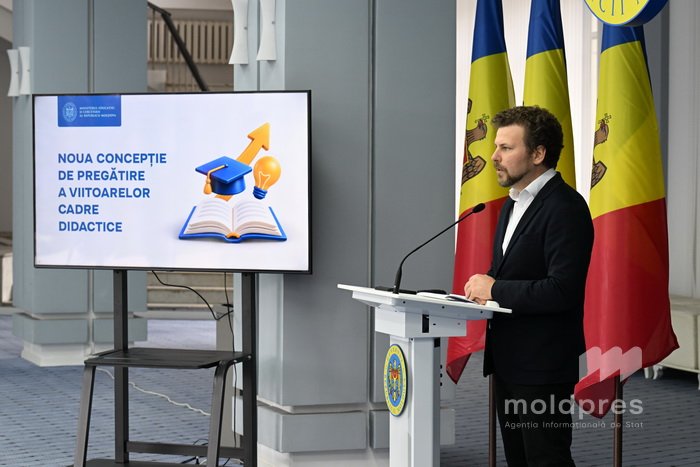
University training programmes for future teachers, primary school teachers and educators will be reorganized, in order to place greater emphasis on pedagogical practice and on developing the skills needed in schools and kindergartens. The reform is expected to be implemented in September 2027 for students admitted in that academic year, following the completion of public consultations scheduled for the end of this year. Education and Research Minister Dan Perciun today made statements to this effect at a news conference.
The changes concern both the content of study programmes and the way future teachers will complete their practical training and progress from undergraduate to master’s studies. According to the authorities, the goal is for graduates to gain a better command of the subjects they will teach and to be able to adapt teaching methods to students’ needs.
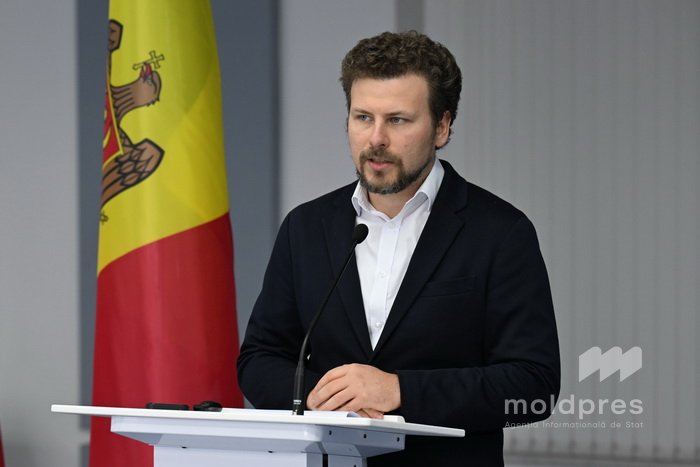
“This is a major change in the way our teachers are trained, inspired and developed in consultation both with our colleagues from Austria, where we visited some time ago with rectors and deans of education faculties to learn from their experience in teacher training, and, of course, by Estonia’s valuable experience as well. Another element that must also be mentioned concerns better integration between undergraduate and master’s studies, so that there is clear continuity between what a young person learned during their undergraduate studies and the further development of those subject-specific skills within the master’s programme. We want to restrict the options available to a young graduate in pedagogy when choosing a master’s programme, with the aim of ensuring that the master’s degree complements, deepens and develops new skills that were not covered during the undergraduate programme, while remaining focused on the subject,” said Education and Research Minister Dan Perciun.
One of the central elements of the reform is the reorganization of pedagogical practice. The authorities intend to designate a limited number of schools that will become practice bases, where students will benefit from specialized guidance and better conditions for developing professional skills.
“It is equally important to ensure that this young person’s practical experience is a quality one, so that when they go to a school, things happen properly and they acquire the necessary skills. For this purpose, we will have a limited number of schools with the status of pedagogical practice bases, so that we can ensure the quality of this experience and the genuine development of pedagogical skills. We will designate them by ministerial order and invest additional resources in them. Teachers who supervise a student during practice will also be remunerated and receive additional financial support, but more importantly, they will be trained to understand how to work with these young people and support them during their first steps in a teaching career, while they are still university students,” Dan Perciun said.
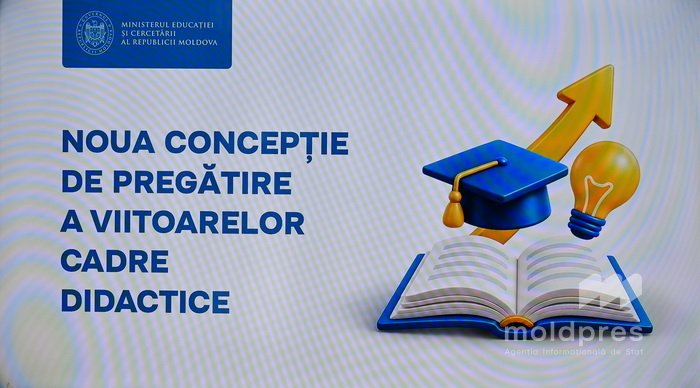
The reform concept also provides for the revision of study plans, the updating of course content and better coordination between undergraduate and master’s programs, following a 3+2-year model. The final assessment of future teachers is to be organized in three stages, while pedagogical practice will begin in the first year of university.Viorica Andritchi, who, together with the National Institute for Education and Leadership, is responsible for developing the reform concept, says that the changes are based on the skills a teacher needs in their day-to-day work.
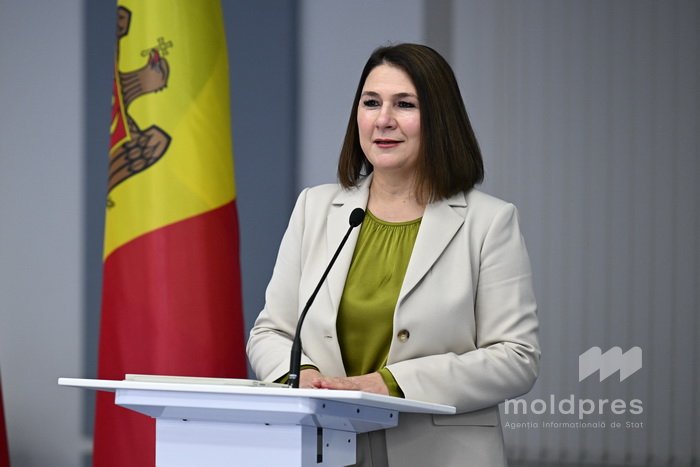
“When we talk about teachers’ training, we can refer to curricula, credits, exams, and theses, but beyond all this, it is important to ask ourselves a question. What kind of teacher do we want to enter tomorrow the classroom where my child is learning? It was around this question that we built our concept for the initial training of teachers. We want to have well-trained teachers who know their subject well, but who can also help students understand that subject, adapt their teaching method to each child’s needs, analyze their own teaching practice and continuously improve it,” Viorica Andritchi said.
The reform follows measures aimed at attracting young people with strong academic results to teacher-training programmes. In 2026, scholarships for students enrolled in these programmes exceeded 4,000 lei, while the minimum admission average was raised from 6.5 to 7.Public consultations on the new concept are expected to conclude at the end of 2026, while the changes are scheduled to be implemented in September 2027 for students who begin their university studies at that time.


 Facebook
 Instagram
 X/Twitter
 Telegram
PM, on capital's City Day, says almost five billion lei allocated to Chisinau in 2026
Moldovan president conveys message on Chisinau’s City Day
PHOTO // General Carabineer Inspectorate provided with 16 vehicles and modern equipment with EU support
STISC warns of spear-phishing campaign targeting Government institutions
PHOTO // First monument commemorating Roma victims of Holocaust to be erected in Cosăuți, Soroca
Seven hospitals to receive new equipment for storing blood products
One in four pupils involved in bullying or physical aggression situations; Moldovan authorities develop action plan to prevent, manage violence cases in schools
Moldovan parliament speaker says young people must study in modern conditions, be able to build future at home
Investments in training specialists; PM says well-learned trades bring better salaries in Moldova
Eighty million euros invested in vocational schools of Moldova: 47 buildings to be renovated
Government launches Moldova Prepared Program to train citizens to cope with crisis situations
Director of Center for Contemporary Art dies in accident in Vaslui county
Ministry of Education honors participants with best results at Great National Dictation
MFA: Moldovan citizens not among victims of attack on airport in Riyadh, Saudi Arabia
UPDATE // Unmanned aircraft crashes, explodes in field in northern district of Moldova
PHOTO // Third contingent of Moldova's National Army deployed to peacekeeping operation in Bosnia & Herzegovina
PHOTO // Students participating in Moldova Model United Nations project visit Foreign Affairs Ministry
VIDEO // Moldova explores opportunities to import liquefied natural gas from United States
Moldovan government denies “manipulations” regarding plans to establish drone factory in Chisinau
PHOTO // Railway of Moldova enterprise tests new Chisinau–Revaca–Sangera railway route
Moldova, Armenia to strengthen parliamentary cooperation
 National Bank of Moldova
Moldovan PM, Ambassador of State of Qatar discuss investments, expanding bilateral economic cooperation
Moldovan parliament speaker in Rome has meetings with counterparts from Norway, Lithuania, Armenia
Moldovan parliament's secretary general participates in meeting of secretaries general of parliaments of Council of Europe member states
Speaker held talks with counterparts from Italy, France and Türkiye
Moldovan PM attends event on launch of Moldova AI Hub

Moldovan parliament speaker in Rome has meetings with counterparts from Norway, Lithuania, Armenia
Moldova, Armenia to strengthen parliamentary cooperation
Air Operations Center of National Army: number of airspace violations reaches 100 in Moldova
Air Operations Center of National Army: number of airspace violations reaches 100 in Moldova
VIDEO // Shepherds' family of Moldova sets national record with 30.7-kilogram cheese
Moldovan parliament's secretary general participates in meeting of secretaries general of parliaments of Council of Europe member states
PHOTO GALLERY // 30.7-kilogram cheese set national record at Moldexpo
PHOTO // Moldovan Radu Budan finishes second in 5,000-kilometer ultramarathon in New York
Moldovan, Lithuanian Speakers discuss support for country's European integration
Government launches in-depth assessment of Yandex Go’s activities in Moldova
Speaker welcomed Norway’s decision to turn mission in Chișinău into full-fledged embassy
DOC // Official Journal publishes decision on modernization of 25 technical vocational education institutions
Gagauzia enters electoral campaign for 15 November elections
DOC // New magistrate at Strășeni District Court. Decree appointing Vadim Gribincea published in Official Journal
Speaker held talks with counterparts from Italy, France and Türkiye
MOLDPRES INTERVIEW // Spanish Ambassador: Moldova’s resilience - matter of European security
Receive the latest news directly to your email

Receive the latest news directly to your email