
DOC // SIS and AIM report debunks myths about real amount of ammunition in Cobasna
Cobasna ammunition depot is estimated to hold about 14,000 gross tons of armament (including packaging and crates), while the net quantity of explosive substance is only 2,800 tons, a volume much smaller than previously circulated. The figures were presented today by the Intelligence and Security Service (SIS) and the Military Intelligence Agency (AIM) and were included in the report “Cobasna: Separating a Myth from Reality,” made public by the two institutions. The report emphasizes that the Cobasna depot is a risk, but a limited and controlled one, and does not represent “an existential threat to the region, as it has been repeatedly presented for geopolitical purposes”.

The document focuses on the technical and security assessment of the Cobasna ammunition depot, including data on ammunition stocks, the specific features of the storage infrastructure, identified risk scenarios, and recommended measures for managing them. The data presented dismantle previously circulated scenarios according to which the quantity of munitions stored in Cobasna is much larger, with risks for the entire region.

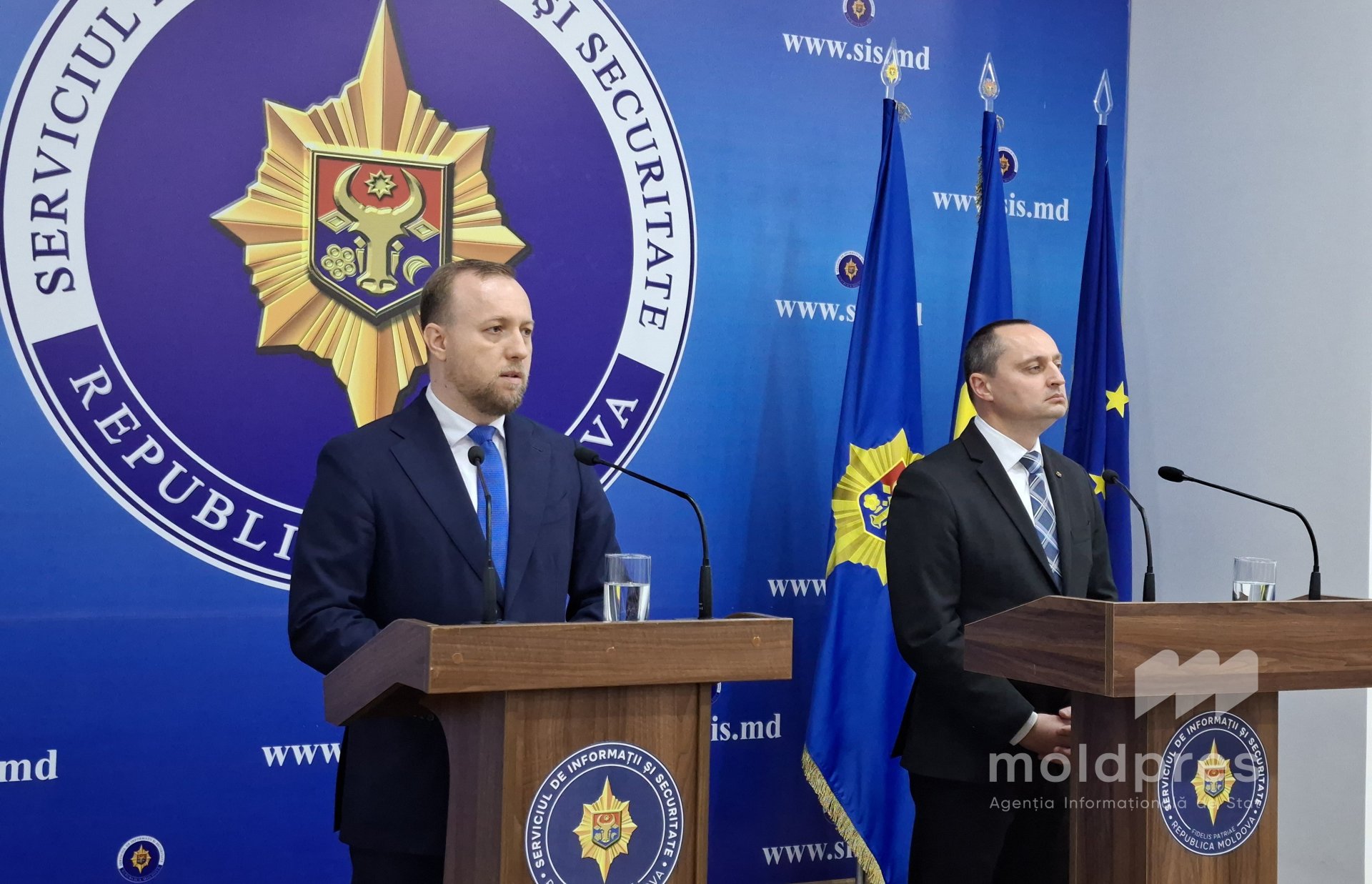
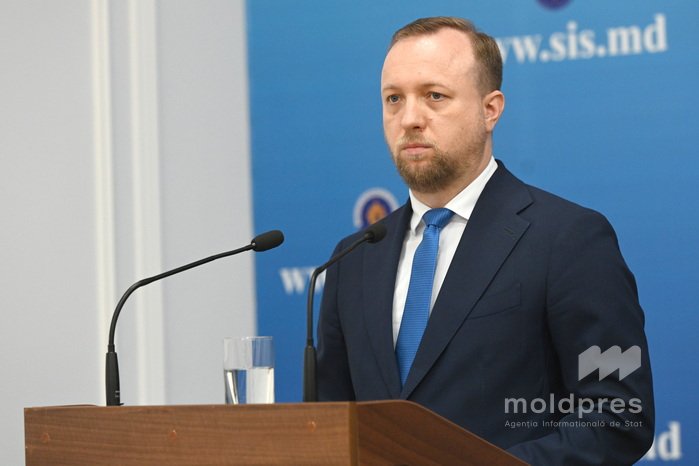
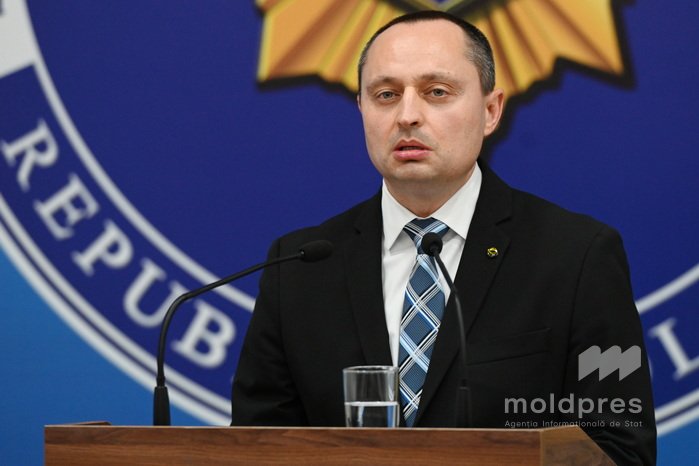
SIS Director Alexandru Musteața stated at a press conference that for more than two decades, the Cobasna ammunition depot has been turned in the public space into a subject of fear. In this context, the report made public today presents technical storage data, characteristics of the ammunition, engineering calculations, and characteristics of the terrain which, according to the SIS director, “debunk false narratives and describe the real consequences of a potential explosion.”

“The Cobasna depot has often been presented by some exponents of the separatist regime on the left bank of the Dniester, by persons from the leadership of the Russian Federation, as well as by certain domestic voices, as a potential catastrophe of regional proportions. This report presents technical storage data, ammunition characteristics, engineering calculations, and terrain particularities that dismantle these false narratives and describe the real consequences of a potential explosion. Our institutions decided to respond to these claims not with more statements, but with concrete data. We have assembled information from official OSCE Mission reports, satellite images, open sources, as well as from secret human sources and the analysis of communications and electronic signals. We compared the situation at Cobasna with similar incidents at ammunition depots in Bulgaria, the Czech Republic, Ukraine, and the Russian Federation in recent years. We applied the United Nations methodology for estimating damage caused by explosions, the Human Safeguard tool, and we double-checked these calculations with independent engineering simulations carried out by explosive ordnance experts of the National Army,” explained Musteața.

AIM Director Radu Cîșleanu said that the data in the report show that, at present, the Cobasna complex still holds around 14,000 gross tons of ammunition, of which only approximately 2,800 tons represent the actual explosive load.

“We estimate that at present, the complex still holds around 14,000 gross tons of ammunition. It is essential, however, to distinguish between the gross mass of ammunition and the effective quantity of explosive material. Of the approximately 14,000 tons in existence, we estimate that only around 2,800 tons represent the actual explosive load. The rest of the stock consists of metal casings, packaging, inert components and training munitions without explosive charges. This difference is important. The total weight of a projectile or a missile includes numerous structural components. In the case of artillery shells, the explosive charge usually represents about 14–17% of the total mass. For aerial bombs, the proportion can reach about 30–40% of their weight,” said Radu Cîșleanu.

The Cobasna ammunition depot, created by Soviet authorities in the 1940s, is currently under de facto control of the Russian Federation, via the Operational Group of Russian Forces illegally stationed in the Transnistrian region of the Republic of Moldova, explained the AIM director. At the 1999 OSCE Istanbul Summit, the Russian Federation committed to withdrawing its troops and munitions from the territory of the Republic of Moldova, but this commitment has not been fulfilled.

“The only progress concerned the partial evacuation and destruction of ammunition stocks. Between 2001 and 2004, under OSCE monitoring, approximately 22,000 tons of ammunition were evacuated or destroyed. Subsequently, the process was blocked by the Russian side. The last OSCE assessments and visits from that period indicated that in 2006 about 20,000 tons of ammunition were still stored at Cobasna. Our analysis shows that over roughly 20 years, part of these stocks has been consumed during training activities and exercises carried out by Russian troops and separatist force structures,” underlined Radu Cîșleanu.

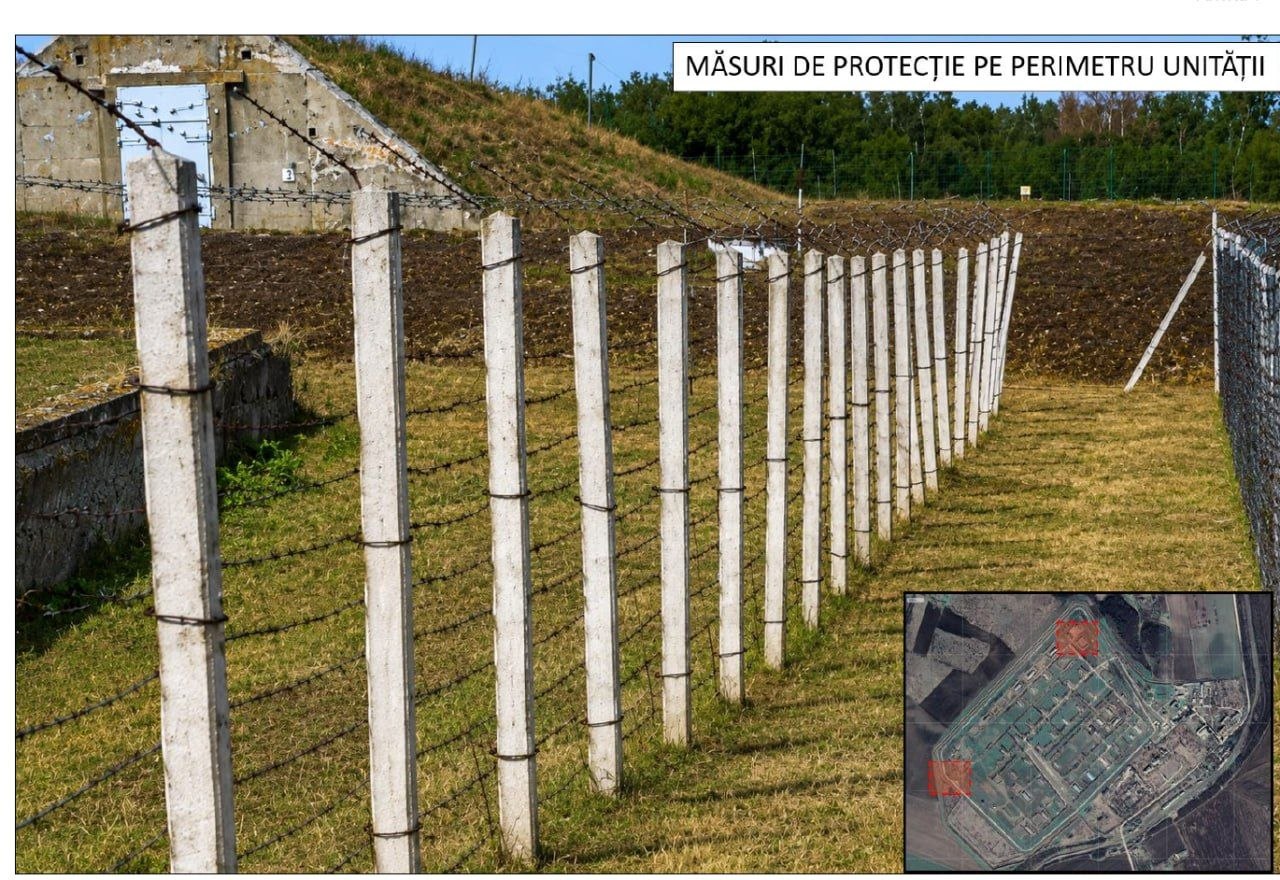
A second key element included in the report concerns how the ammunition at Cobasna is stored.

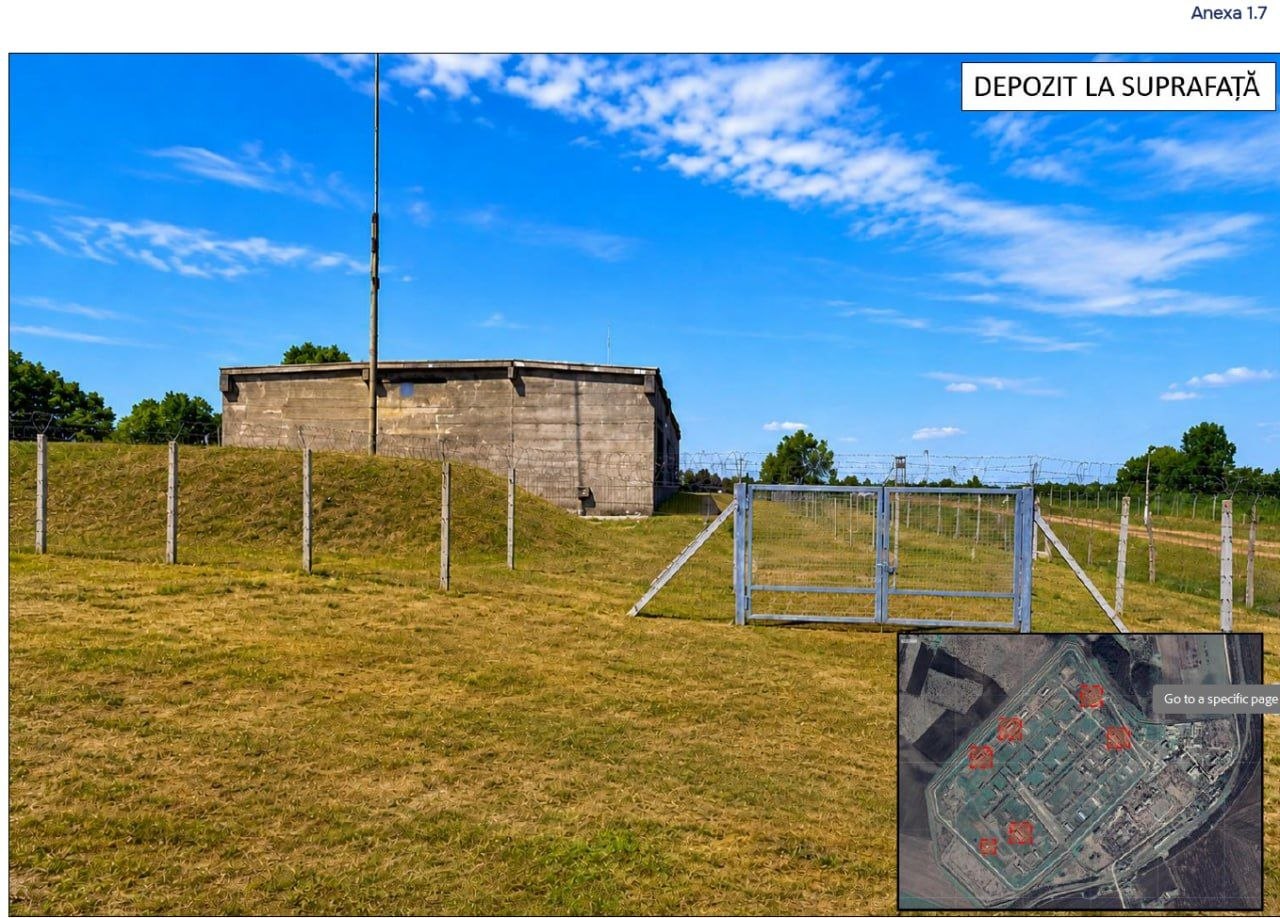
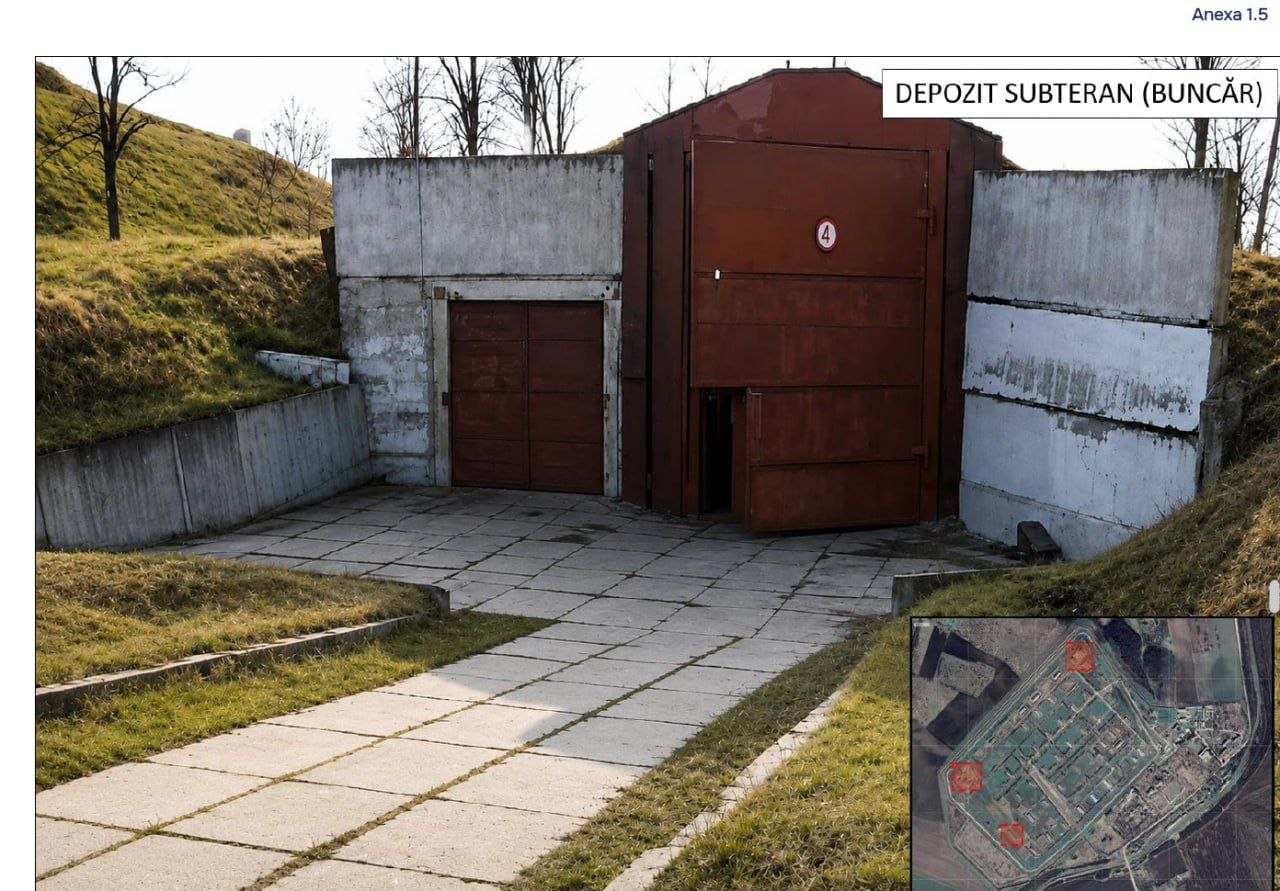
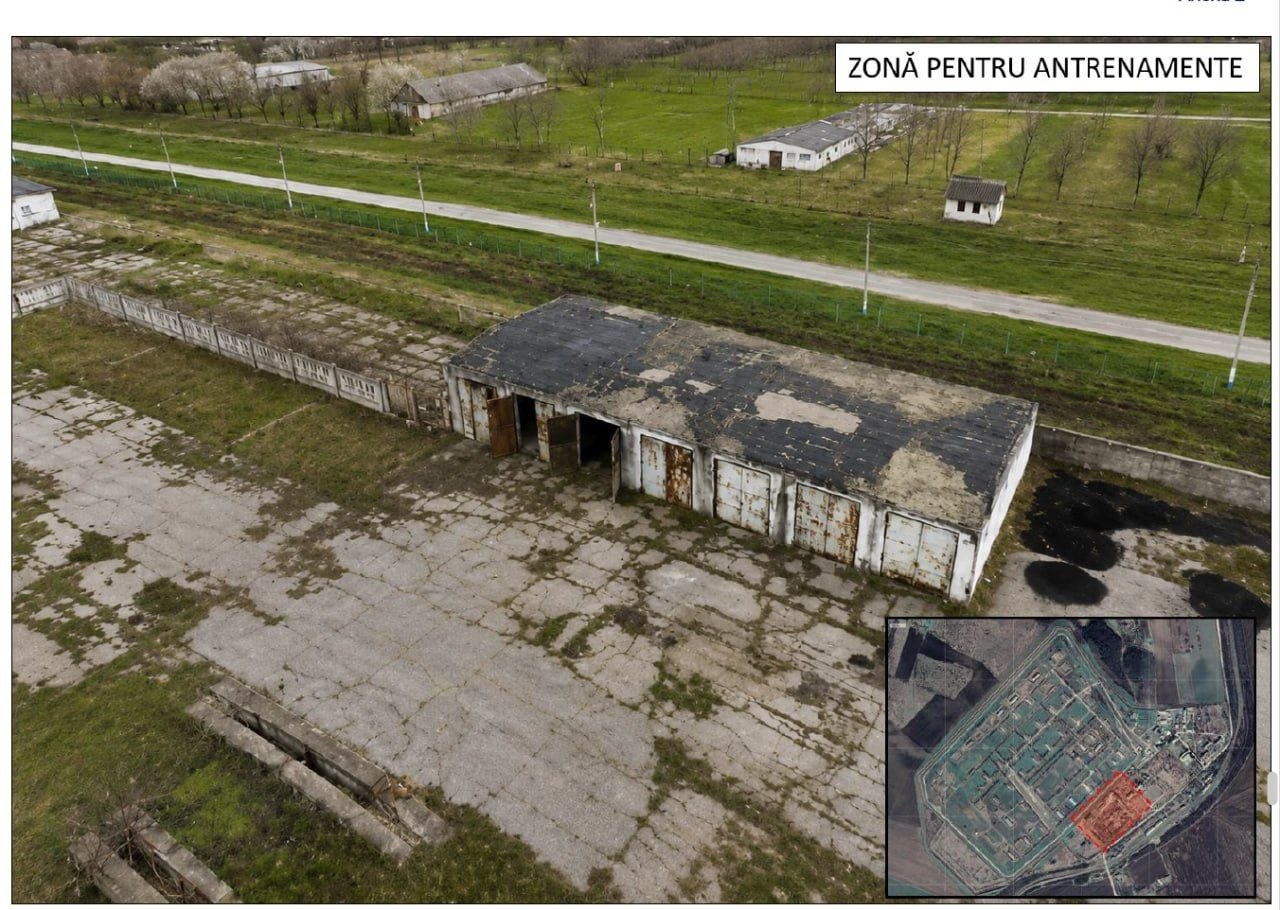
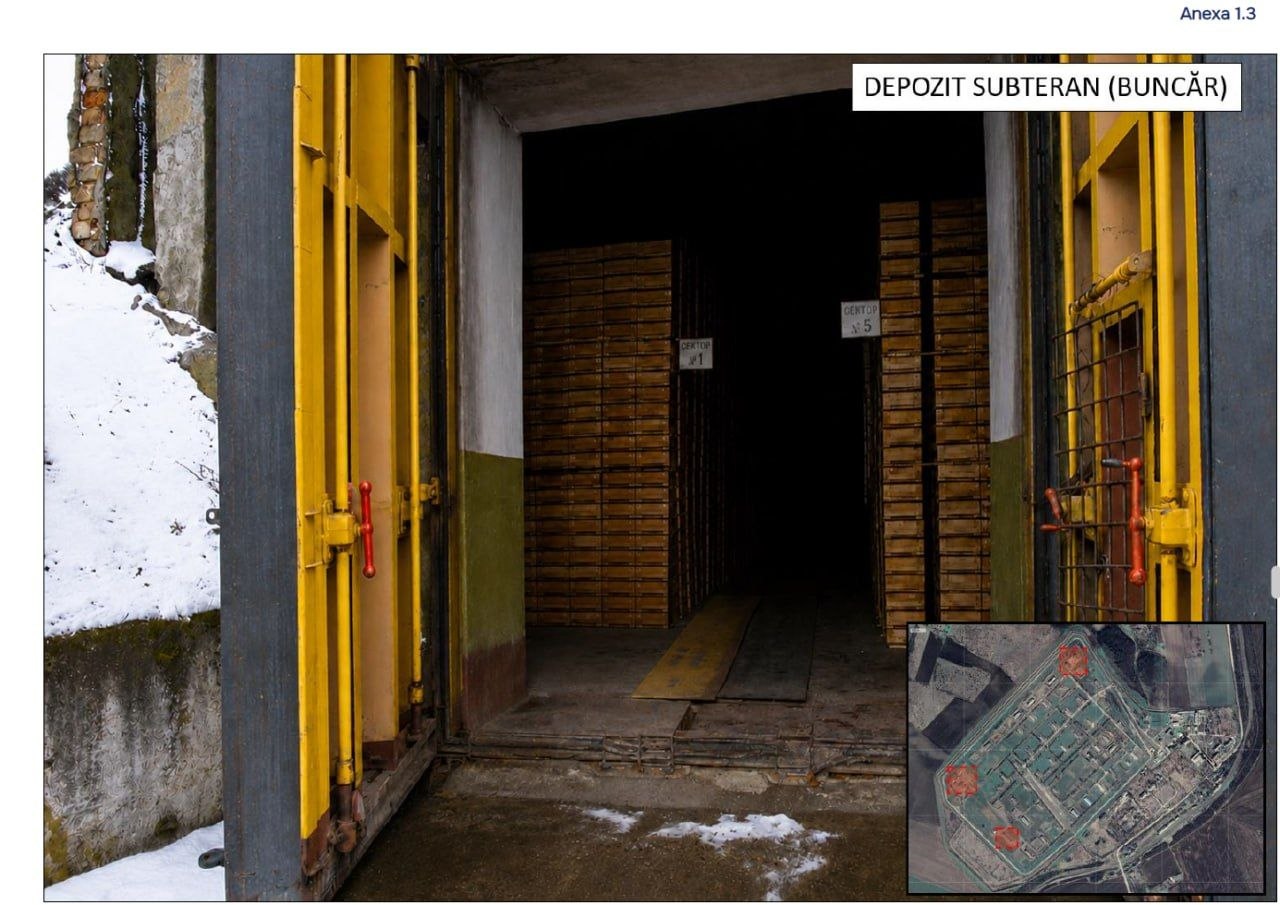
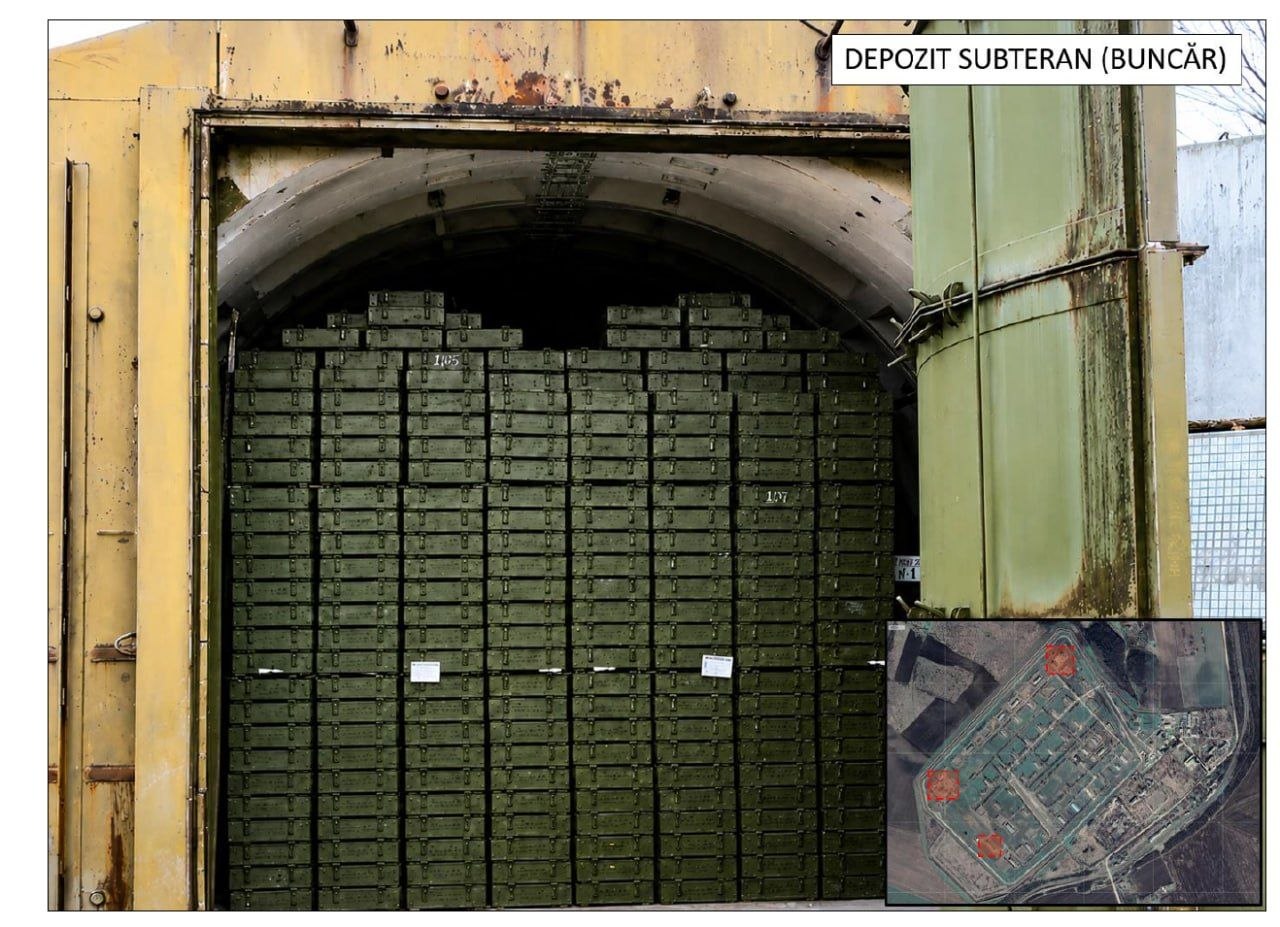
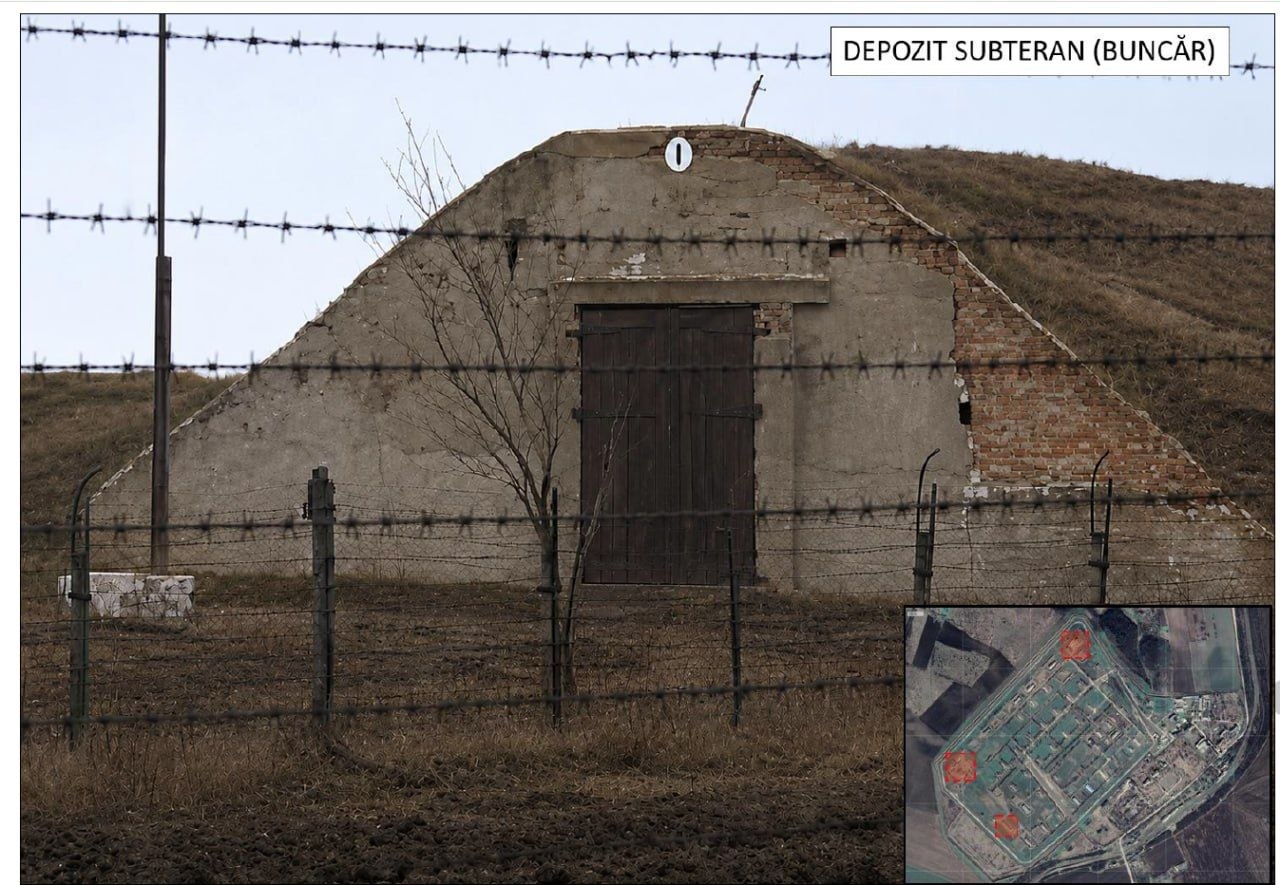
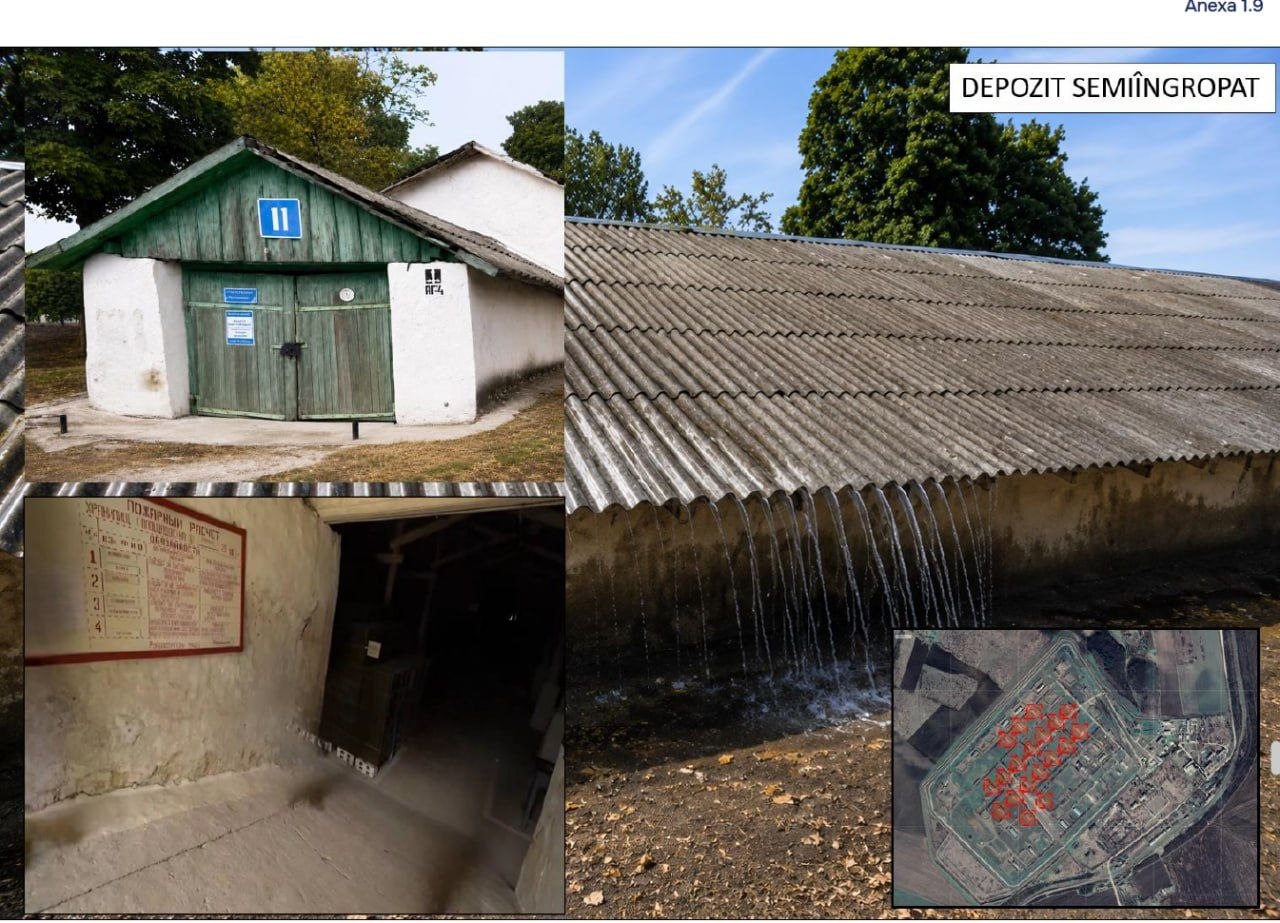
Radu Cîșleanu explained that the stocks at Cobasna are not concentrated in a single structure. They are distributed across 42 distinct depots, spread over an area of more than 1 square kilometer, at distances of approximately 80–200 meters from each other.

According to the official, this dispersal, together with the compartmentalization of the infrastructure and the protection offered by the natural relief of the area, significantly reduces the likelihood of a simultaneous detonation of the entire depot.

Under these conditions, Radu Cîșleanu emphasized that “the risk associated with the Cobasna depot must be treated with utmost seriousness, but it must be assessed based on the real technical characteristics of the stocks and infrastructure, not through scenarios that assume the instantaneous and simultaneous detonation of the entire quantity of ammunition.”

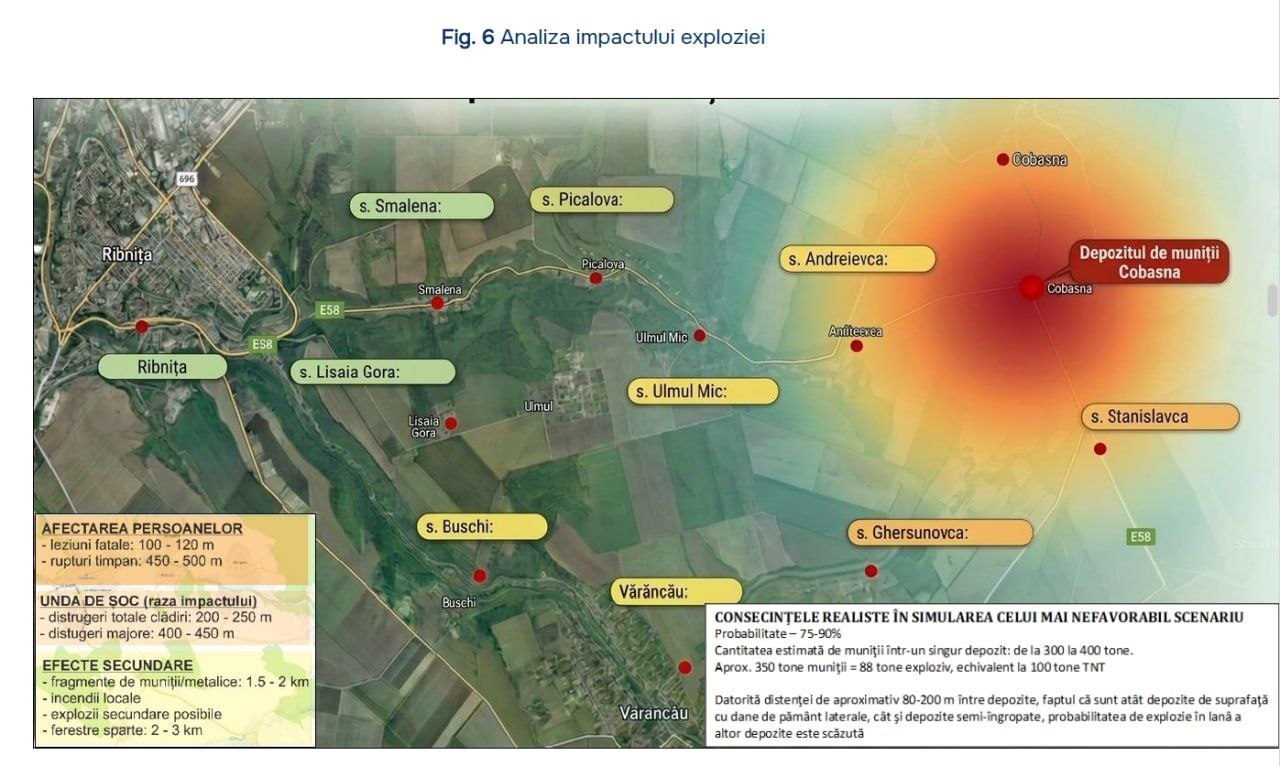
“Therefore, the realistic scenario of a major incident at Cobasna is not that of a single explosion of regional proportions. More likely, it would be a phenomenon of successive detonations, fires and localized explosions, as the fire spreads to certain areas of the complex. Similar incidents in Bulgaria, the Czech Republic, Ukraine and the Russian Federation fully support this type of evolution. Our simulations indicate that the direct effects of the explosion of a single depot would be concentrated within a radius of approximately 2 km from the epicenter. This distance roughly corresponds to the distance between the technical area of the complex and the nearest locality. In other words, the risk associated with the Cobasna depot must be treated with utmost seriousness, but it must be assessed based on the real technical characteristics of the stocks and infrastructure, not through scenarios that assume the instantaneous and simultaneous detonation of the entire quantity of ammunition,” concluded Radu Cîșleanu.

During the press conference, the SIS director countered claims circulated in the public space according to which “an explosion at Cobasna could have the force of a nuclear bomb, comparable to Hiroshima.”

“This claim comes from a 2005 study, widely cited by Russian news agencies, which evoked an earthquake of about 7.5 on the Richter scale. Our report clearly shows why this comparison is false. It confuses the total mass of stored ammunition with the actual amount of active explosive. A bomb like the one dropped on Hiroshima is equivalent to 15,000 tons of TNT, about 1,500 times more powerful than the most powerful conventional munition present at Cobasna. For this scenario to be real, 1,500 conventional bombs of 10 tons each would have to detonate simultaneously in the same place. This is technically impossible at Cobasna, considering what is stored there and in what quantities,” said Alexandru Musteața.

He stressed that the report presented today clearly states that the Cobasna depot is a risk, but a limited and controlled one.

“It is not an existential threat to the region, as it has been repeatedly presented for geopolitical purposes. We are publishing this report in full, with all technical annexes, maps and simulations used. Precisely so that anyone—journalists, independent experts, international partners—can verify our conclusions for themselves,” the official pointed out.

He reiterated the message that “the Russian Federation must withdraw its troops from the Republic of Moldova immediately, unconditionally and peacefully, because their presence is not only illegal, but also unjustified.”

“Cobasna has, for more than 20 years, been an instrument of pressure used against the Republic of Moldova. Our response is not to ignore the risk, but to explain it correctly, with verifiable parameters. The Russian Federation must withdraw its troops immediately, unconditionally and peacefully from the Republic of Moldova, because their presence is not only illegal, but also unjustified,” concluded Alexandru Musteața.
 Facebook
 Instagram
 X/Twitter
 Telegram
Prime Minister calls for greater stringency in planning officials’ visits abroad
Moldova to have new ambassador to Portugal
Parliamentary committees held 290 meetings in first ordinary session of 2026
DOC // Republic of Moldova establishes unified national mechanism for identifying and monitoring risks to national security
Latvia’s Foreign Minister: Moldova - very well prepared for EU accession. We are awaiting opening of next clusters
Parliament convened in 30 sessions, passed 177 normative acts in first ordinary session of this year
Explosion in Crocmaz. Foreign Ministry condemns incident and recalls Ambassador of the Republic of Moldova to Moscow for consultations
Ambassador: Moldova and Ukraine achieved unprecedented progress in European integration
President about Crocmaz explosion: Russia - one waging war of aggression in Ukraine and bears full responsibility for danger brought to our people’s homes
Ukraine and Moldova mark 35 years of independence
Joseph Burkhalter confirmed by U.S. Senate as next ambassador to Moldova
PHOTO // Moldova and Ukraine strengthen customs cooperation for border security and European integration
VIDEO // Over 450 town halls decided to merge voluntarily and will receive investment funds
Deputy Prime Minister at Diaspora Forum: Each of you is an ambassador of our country and contributes to promoting image of Moldova
Moldovan PM has talks with BPO company representatives: predictability, better conditions for business development
Modern school minibuses for more educational institutions of Moldova: 38 new vehicles to carry pupils to school
DOC // SIS and AIM report debunks myths about real amount of ammunition in Cobasna
LIVE // 14,000 tons of ammunition stored at Cobasna, gross quantity
UPDATE Increased traffic at Leușeni and Sculeni border crossings eased
ANRE approves new natural gas rates for end consumers
DOC // NBM to put into circulation two coins on 35th anniversary of proclamation of Independence of the Republic of Moldova
 National Bank of Moldova
Moldovan PM has talks with BPO company representatives: predictability, better conditions for business development
Prime Minister and UNDP Representative approach cooperation priorities
Over 120 officials, staff trained on integrity standards and access to public interest information
Prime Minister to young people of diaspora: Stay connected to Moldova – great advantage for you
Working visit by Government State Secretary for Reintegration to educational institutions in Coșnița

CFM: Moldovan farmers have priority for grain transport by rail
Five former officers convicted for illegal interception of communications of activists, journalists, politicians
Over 120 officials, staff trained on integrity standards and access to public interest information
ARMENPRESS: Armenia to provide medical treatment for Gaza children
MAI: Drone debris of Geran type discovered near Giurgiulești
VIDEO // Energy Minister: Situation regarding fuel supply continues to improve
President condemns Russian attacks on Ukraine: Much greater pressure must be brought to bear on Russia to put end to these actions
Prime Minister to young people of diaspora: Stay connected to Moldova – great advantage for you
Parliament convenes in extraordinary session: standing bureau approves agenda of meetings
VIDEO // Environment Ministry advocates for modern waste management centers instead of unauthorized dumpsites
A Book From You – A World for Me campaign launched by UNICEF and Ministry of Education and Research: book donations for kindergartens across country
Two drone incidents recorded near Moldova–Ukraine border in Giurgiulești
UPDATE // Heavy traffic at Leușeni–Albița border crossing point cleared
Working visit by Government State Secretary for Reintegration to educational institutions in Coșnița
Drone illegally flew over airspace of Moldova
Economic working groups held new meeting
Receive the latest news directly to your email

Receive the latest news directly to your email