
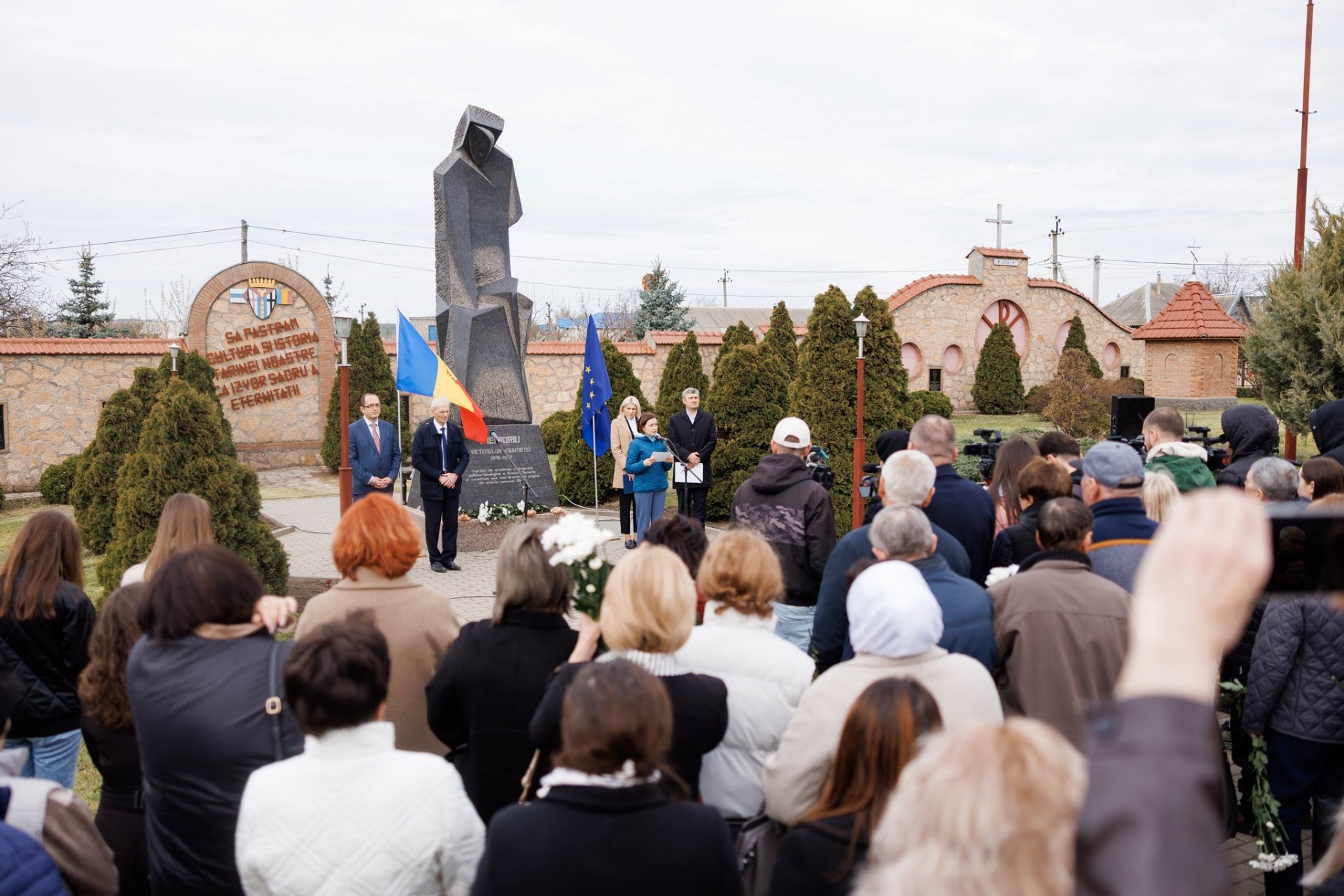
PHOTO // Victims of 1946–1947 famine commemorated in Mingir
The victims of 1946–1947 famine were commemorated today in the village of Mingir, Hîncești district, where a local monument and commemorative plaques dedicated to the victims of those times’ horrors were inaugurated. Head of State Maia Sandu attended the event and stated that the famine is one of the greatest tragedies our nation has gone through, and that it is the responsibility of each of us to keep alive the truth about those times, “because when the truth is told, even after decades, it brings justice”.

The commemorative program began in the morning at the Mingir village cemetery, where a religious service was held to bless the local monument and the commemorative plaques dedicated to the victims of the man-made famine of 1946–1947. The monument is erected in memory of the inhabitants of Mingir, where at least 1,421 people who died in those years and were buried in mass graves have been identified so far.

Activities continued at the Mingir Memorial Complex. Those present observed a minute of silence and then laid flowers as a sign of respect and gratitude for the victims.

President Maia Sandu said that the famine was one of the greatest tragedies our people has gone through.

“Today we have gathered here to remember one of the greatest tragedies our nation has gone through. The famine of 1946–1947 affected hundreds of thousands of people and led to the loss of 200,000 lives, figures that horrify us even today, but which cannot fully capture the trauma suffered by parents and children, young and old. All communities of our country suffered, without distinction, especially since it was Moldova that was the most affected in the entire Soviet Union. In the wake of this calamity, families were torn apart, children orphaned, entire villages overwhelmed by grief, villages like Mingir. Here, around 1,400 people died, almost half of the local population. The commemorative plaques blessed today in the cemetery restore the dignity of people who were denied it when their lives were cut short too early. Because, in those years, death had become so omnipresent that those who passed away were taken to the grave in haste, without a cross, without a religious service,” the Head of State noted.

Maia Sandu said that the famine started with a drought, but it was turned into a large-scale tragedy by the criminal decisions of the Stalinist regime.

“Even when the land yielded nothing, people were forced to give everything they had, and even what they no longer had, down to the last crumb. Harvests, reserves, seeds, everything was taken away, without mercy, without soul. The Stalinist regime cynically used hunger to trample on human dignity, pushing people to the brink of survival and many far beyond it,” Maia Sandu said.

The President stressed that these lessons cannot be left only in books; they must be explained so that future generations understand how precious and fragile freedom is and what can happen if it is lost. In this context, the Head of State supported the idea of creating a Famine Museum in Mingir.

“We speak about this watershed moment in our history for those who are no longer with us, for their suffering, but also for those who suffered, survived, and carried for decades the consequences of those losses and of the famine’s impact on their health. And we do it for our children and grandchildren, so that they understand how precious and how fragile freedom is, and what can happen once freedom is lost. And because these lessons cannot be left only in books, but must be lived and understood, it is entirely fitting that here, in Mingir, there should be a Famine Museum, a place where people can learn, can understand, and can feel what happened. Because this community bore the burden of those years of suffering perhaps more than any other locality in our country,” Maia Sandu said.

The Head of State emphasized that it is the responsibility of each of us to keep alive the truth about those times.

“Today we are faced with a war over truth. And there are voices, including in Moldova, that glorify the Soviet past, the Stalinist past, and who refuse to call the aggressor by name, whether we speak about the past or the present. This is, in fact, another form of aggression against those who endured hunger and humiliation. An aggression against those who, although they survived, could not speak openly about the torment they went through, being forced to remain silent for decades or to recall those moments of horror only in whispers. That is why today, when we have the privilege of being able to speak without fear, we must speak for those who can no longer do so. Only in this way can we ensure that lies will not replace the truth. And it is the responsibility of each of us to keep this truth alive,” Maia Sandu said.

The President added that the truth about the famine years is not easy, but it is necessary, because when the truth is told, even after decades, it brings justice.

“The truth helps us understand what happened and, above all, why it happened. It helps us not to forget, it helps us not to repeat. And above all, the truth sets us free,” Maia Sandu concluded.

Present at the event, Minister of Culture Cristian Jardan said that 80 years after this great tragedy, the commemoration of the famine is, in essence, a form of respect for those who were deprived of food, of safety, and of the right to a normal life by the Stalinist-Soviet totalitarian regime, which sought in this way to suppress freedom and ideologically subjugate the entire population of this region, regardless of ethnicity.

“The famine of 80 years ago has a special meaning for us. For very many families, it is part of their personal biography. Behind the documents, the figures, and the studies there are human lives, affected localities, such as Mingir with its over 1,400 victims, innocent people who died because they were intentionally left without food reserves. Their only fault was probably that they loved their nation, language, and tradition. The famine meant the loss of human lives, but also the degradation of basic living conditions and the establishment of a fear and shame that continued to exist long after the tragedy ended,” the Minister of Culture said.

He added that he learned about the famine from his grandmother, who shared with him harrowing testimonies about those times.

According to him, research shows that the impact of the famine on the territory of our current country was ten times more severe than in Russia and five times more severe than in Ukraine.

“These figures demonstrate unequivocally that it was not just about the consequences of a dry year. The drought in 1946 worsened the situation, but documents also show the role of political decisions as a form of repression. It was not the first time there was drought on this land, but never before had people died in such a way. For this reason, the commemoration and preservation of the memory of the famine is a matter of public interest, because the way a society understands its historical traumas influences how it builds its present and especially its future. Any attempt to downplay the gravity of this tragedy, to treat it superficially or to extract it from its historical context, as unfortunately happens, creates a new injustice toward the famine’s victims, but also toward the younger generations who must understand what happened on this land and why these events are so important,” the official emphasized.

He stated that the authorities will promote and support a special law for the protection of the victims of the man-made famine. The President of Hîncești district, Nicoleta Moroșanu, pointed out that “we have the sacred duty to know our historical truth and to pass on to new generations the horror of those times, which must not be forgotten.”

“Today we have gathered here not only to mark a date in the calendar, but to keep alive the memory of one of the most painful tragedies in our history – the man-made famine of 1946–1947. It is a deep wound in the conscience of our nation, a tragedy that was not caused by nature, but by human will, by a system that ignored people’s dignity, life, and suffering. Tens of thousands of souls were lost, and in their wake remained shattered families, broken destinies, and a heavy silence imposed for decades. Today we have the moral duty to break this silence,” the district president said.

Nicoleta Moroșanu mentioned that her own family was marked by the horrors of those times.

Under these circumstances, the creation of the Famine Museum here in Mingir, Hîncești district, is the way we say that we have not forgotten and will not allow such a tragedy to be repeated, the President of Hîncești district said.

“It is a pledge to those who suffered and to the generations to come. We stand ready to contribute both financially and with our knowledge and experience so that this museum may be created here, in the heart of Hîncești district. Those who died during the famine deserve to have their story carried forward,” Nicoleta Moroșanu emphasized.

The Mayor of Mingir commune, Ilie Chițanu, said that the locality was not spared the horrors of those times, which led to the loss of 1,421 people from the village.

“Their names have been documented, recorded, and inscribed on 16 commemorative plaques installed at the memorial in the village cemetery,” Ilie Chițanu said.

The mayor added that the local authorities decided to allocate financial resources for the opening of the memorial, as well as for the creation of a museum dedicated to the man-made famine of 1946–1947.

“The intention is for it to become not only an exhibition space, but an educational center, especially for young generations, so they can draw conclusions about what famine means and what its consequences are. It is intended as a center for historical information and, at the same time, as a space for social empathy, reconciliation, and strengthening of the people, both the inhabitants of the village and those from outside who will present or visit this museum,” Ilie Chițanu explained.

Also present at the event, the President of the Association of Former Deportees and Political Prisoners, Alexandru Postica, said that the year 2026 has a special significance, marking the commemoration of two historic dates: the beginning of the famine and the 85th anniversary of the first mass wave of deportations of Bessarabians.

“Unlike the deportations, hunger was kept silent, possibly intentionally, precisely because of the very large number of people who died of starvation. Unlike those who were taken to Siberia, the number of people who died here in the country – we can say they were subjected to political repression in their own land – is tens, perhaps even hundreds of times higher than the initial number. The total number of victims of Stalinist terror certainly exceeds 25% of the entire population of the Republic of Moldova, at that time part of Romania, which was occupied by the Soviet Union,” Alexandru Postica said.

In the second part of the day, at the Mingir House of Culture, the concept of the Famine Museum will be presented, followed by the scientific conference “The Famine of 1946–1947: Historical Research and Memorial Evocations,” where historians and researchers will present testimonies and analyses that contribute to preserving collective memory and to understanding this dramatic episode in our history.

The victims of one of the most tragic pages in our nation’s history – the famine of 1946–1947 – are commemorated annually on the third Saturday of April. This was one of the greatest humanitarian catastrophes to hit the territory of today’s Republic of Moldova in the 20th century. The famine was not an inevitable natural disaster, but a tragedy aggravated by the authoritarian and repressive policies of the Soviet regime.

According to data provided by the National Archives Agency, in just a few months more than 123,000 people died of hunger, representing about 5% of the population of the Moldavian SSR. Proportionally, Soviet Moldova was the most affected region in the entire Soviet Union, with a mortality rate ten times higher than in Russia and five times higher than in Ukraine.
 Facebook
 Instagram
 X/Twitter
 Telegram
PHOTO GALLERY // Orthodox Christians celebrate Resurrection of the Lord: traditions, faith that unite generations
VIDEO // EU Ambassador to Moldova says people on Eastern holidays return to things that matter most: family, traditions
Moldovan PM conveys message on Easter
VIDEO // Moldovan parliament speaker says may Light of Resurrection brings us peace, courage, new hope
Moldovan president congratulates citizens on Resurrection of the Lord
Orthodox Christians celebrate Holy Easter; Orthodox priest says peace should be sought in hearts, Light of Resurrection should be shared with everyone”
Holy Light from Jerusalem brought to Moldova
PHOTO GALLERY // Old Orhei on Easter Eve
Direct train from Kyiv to Chisinau Airport launched in test mode
VIDEO // Moldovan government's secretary general says Easter fills villages, all Moldova with life, warmth
Ungheni municipality, 18 other settlements unite in voluntary amalgamation; Ungheni mayor says largest cluster in Moldova takes shape
Bomb threat reported at Chisinau Airport proves to be hoax; terminal resumes operations
Moldovan health specialists recommend rational consumption of food products during Easter holidays
Bomb threat at Chisinau Airport; passengers, airport staff evacuated
New hearings in prosecutors' evaluation process in Moldova: four sessions scheduled for late April
Moldova's General Police Inspectorate launched internal investigation into police officer who drew up report in name of deceased person
Dialogue between Moldova's central and local authorities in Comrat
Number of fraud attempts rising in Moldova: over 500 attempts reported to 112 in just one week
New local elections: 40 polling stations to be open in 12 localities of Moldova
Progress achieved by Moldova in implementing structural reforms discussed with World Bank Vice President for Europe and Central Asia
VIDEO // Chisinau–Tiraspol dialogue continues; deputy PM reiterates commitment to reintegration, European integration
 National Bank of Moldova
Dialogue between Moldova's central and local authorities in Comrat
Head of State at commemoration of victims of 1946–1947 famine: When truth is told, even after decades, it brings justice
President’s message at commemoration event for victims of 1946–1947 famine
Moldovan PM pays tribute to maestro Gheorghe Urschi
Moldova consolidates mechanism for implementing international sanctions with EU's support

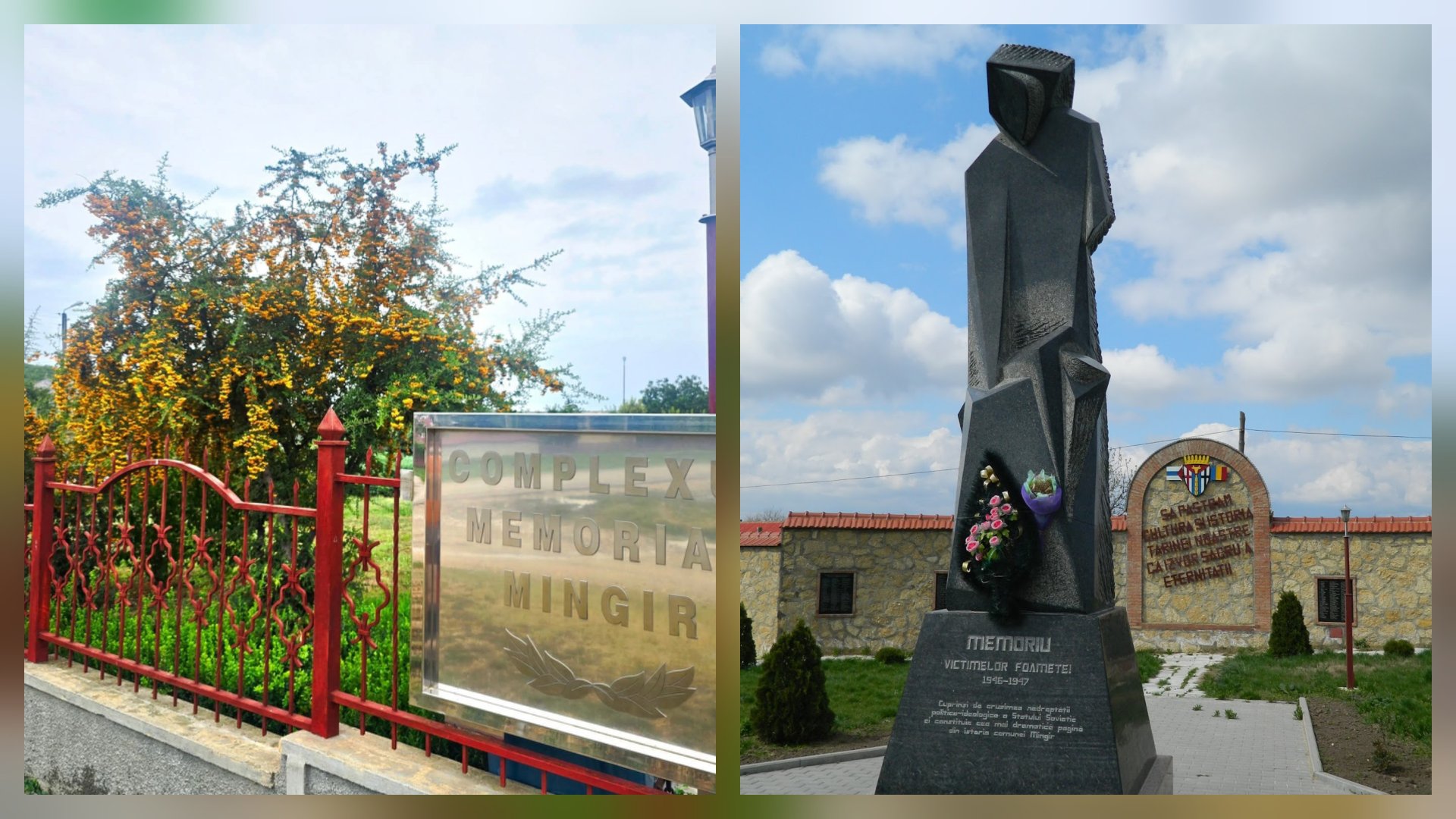
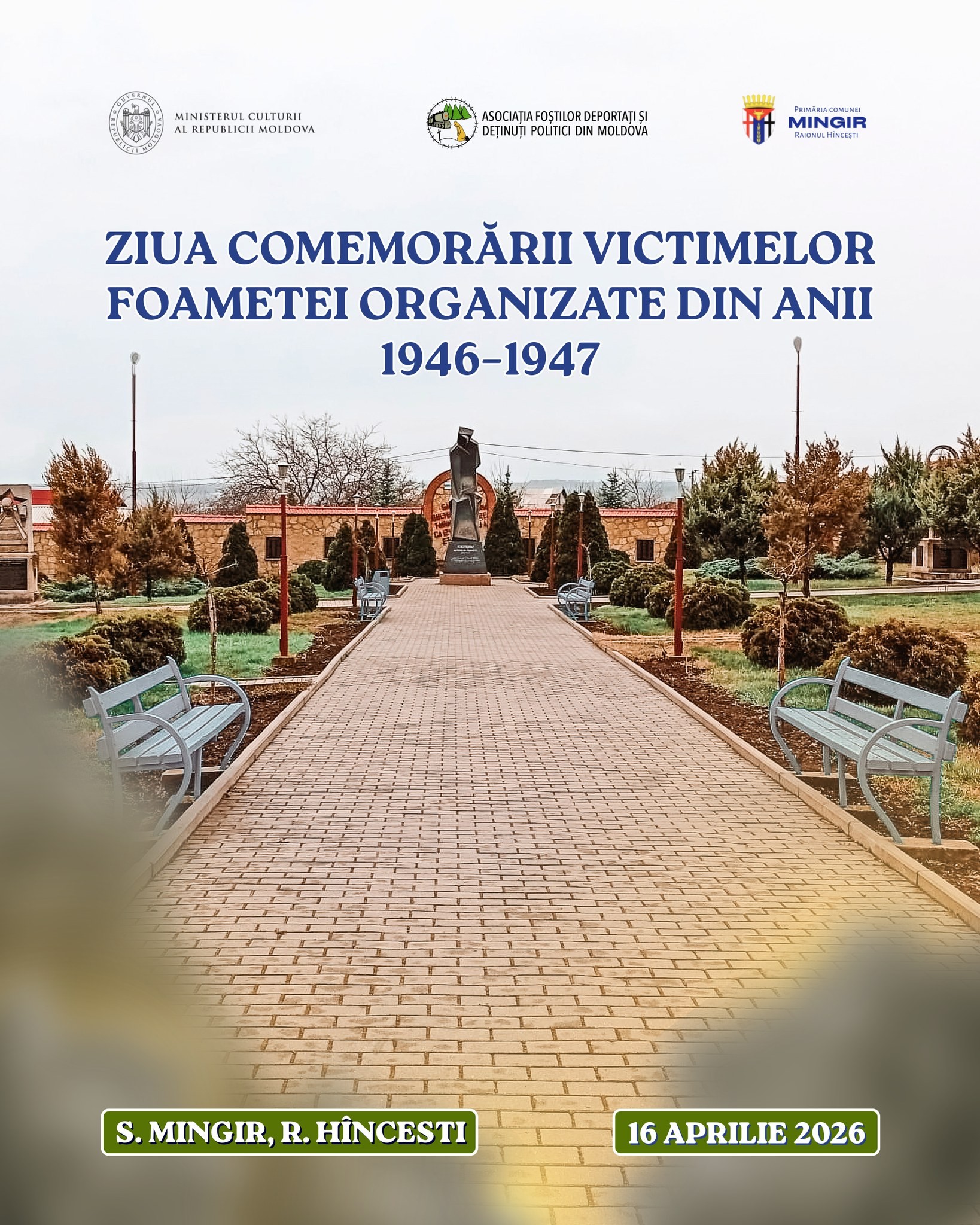
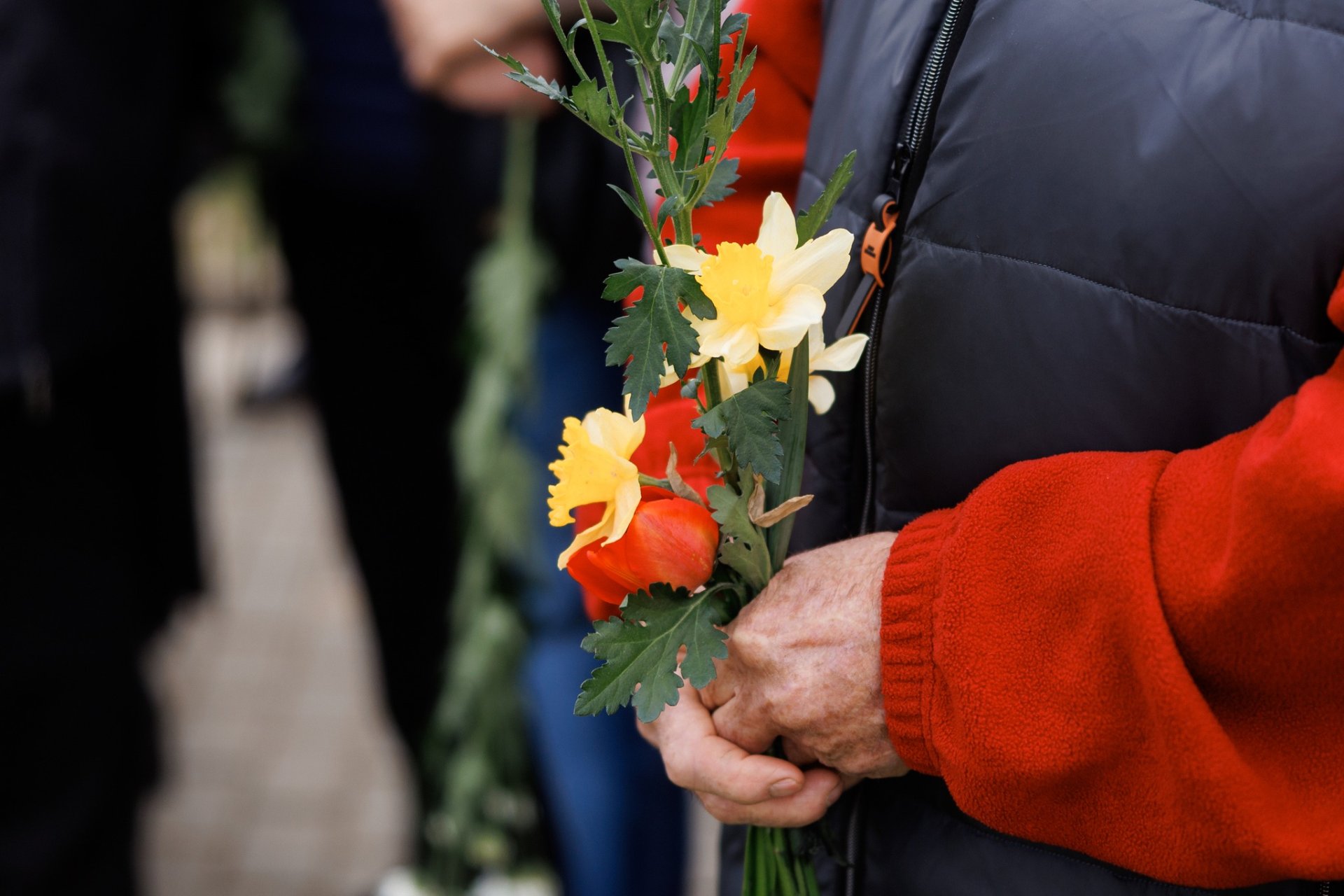
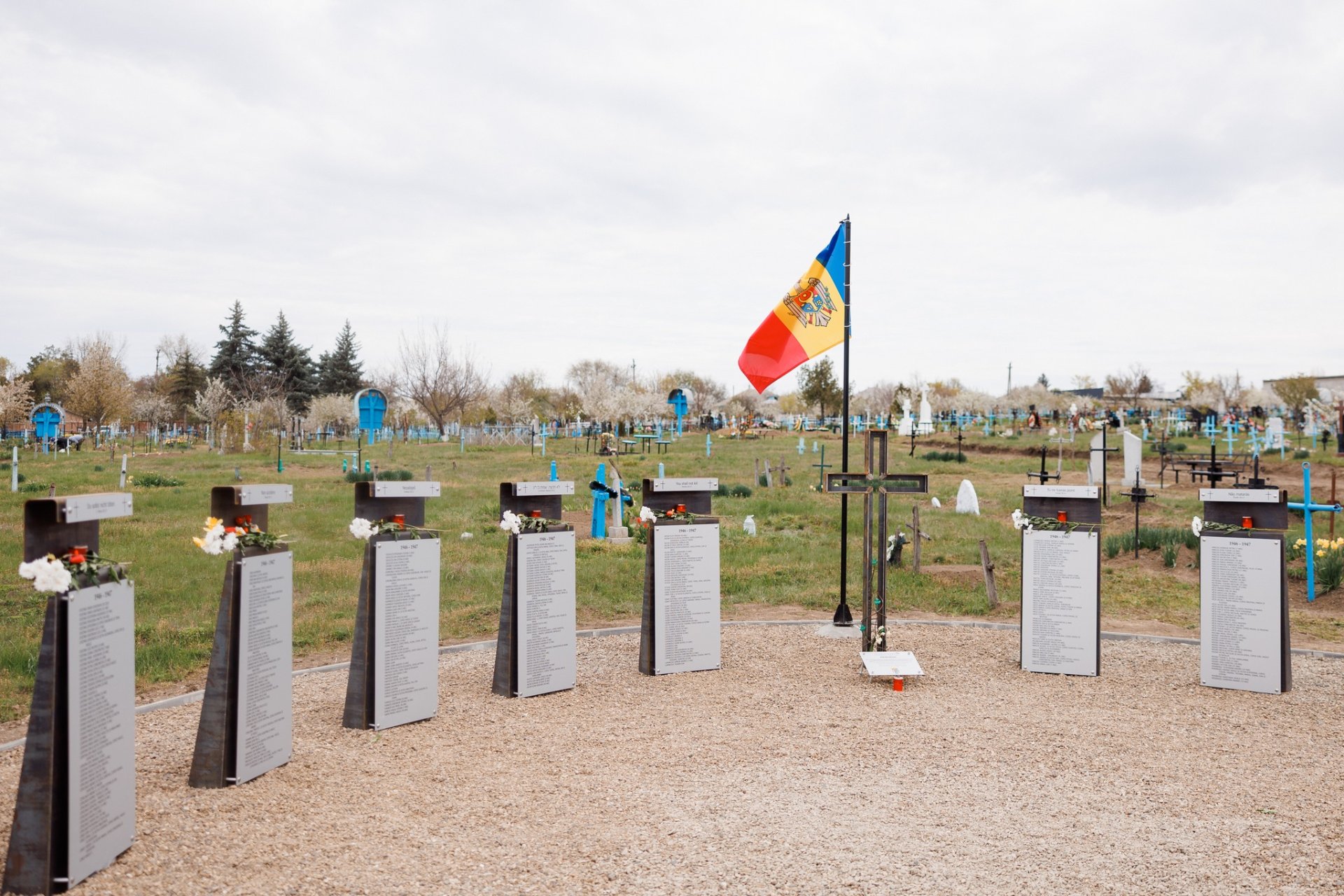

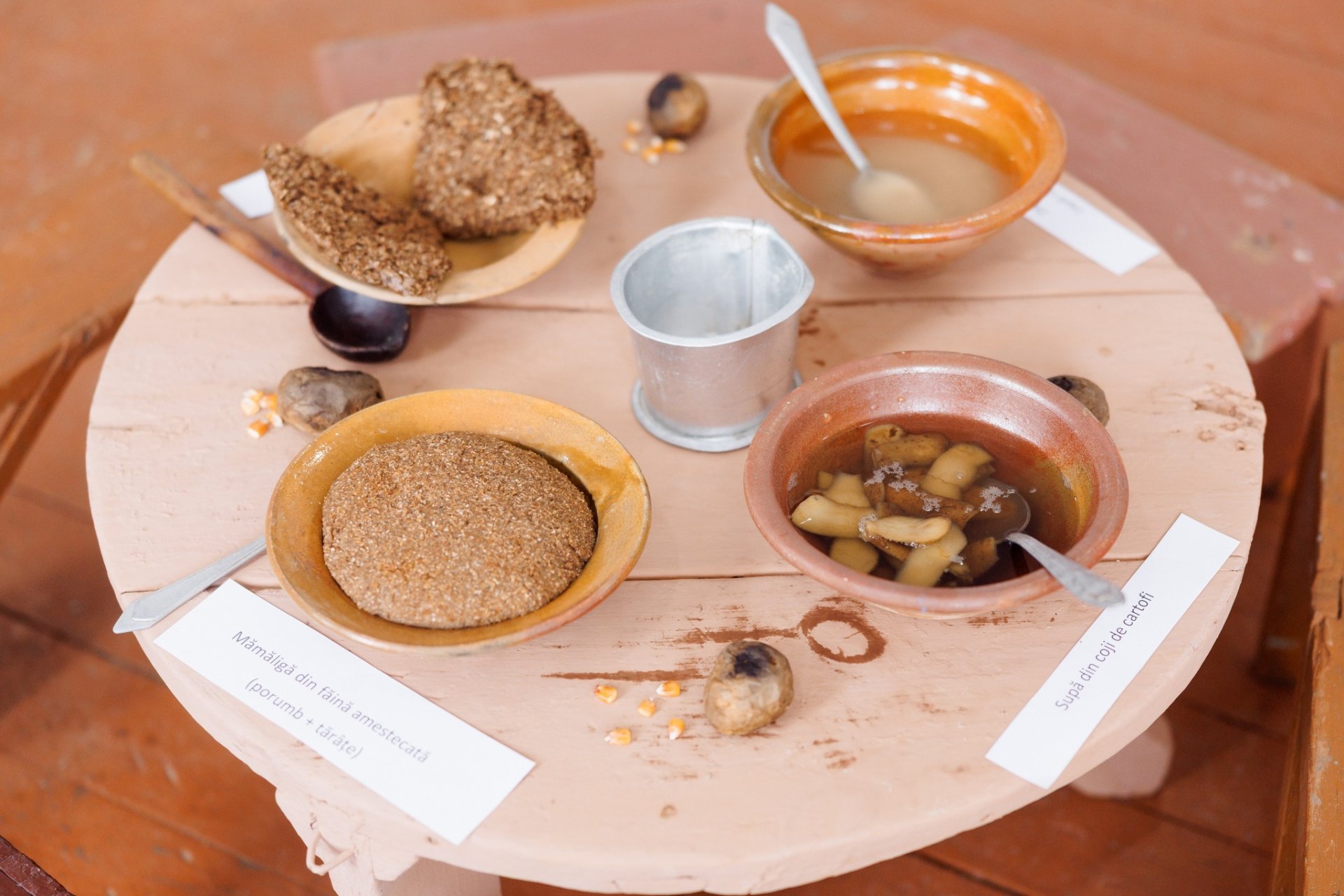
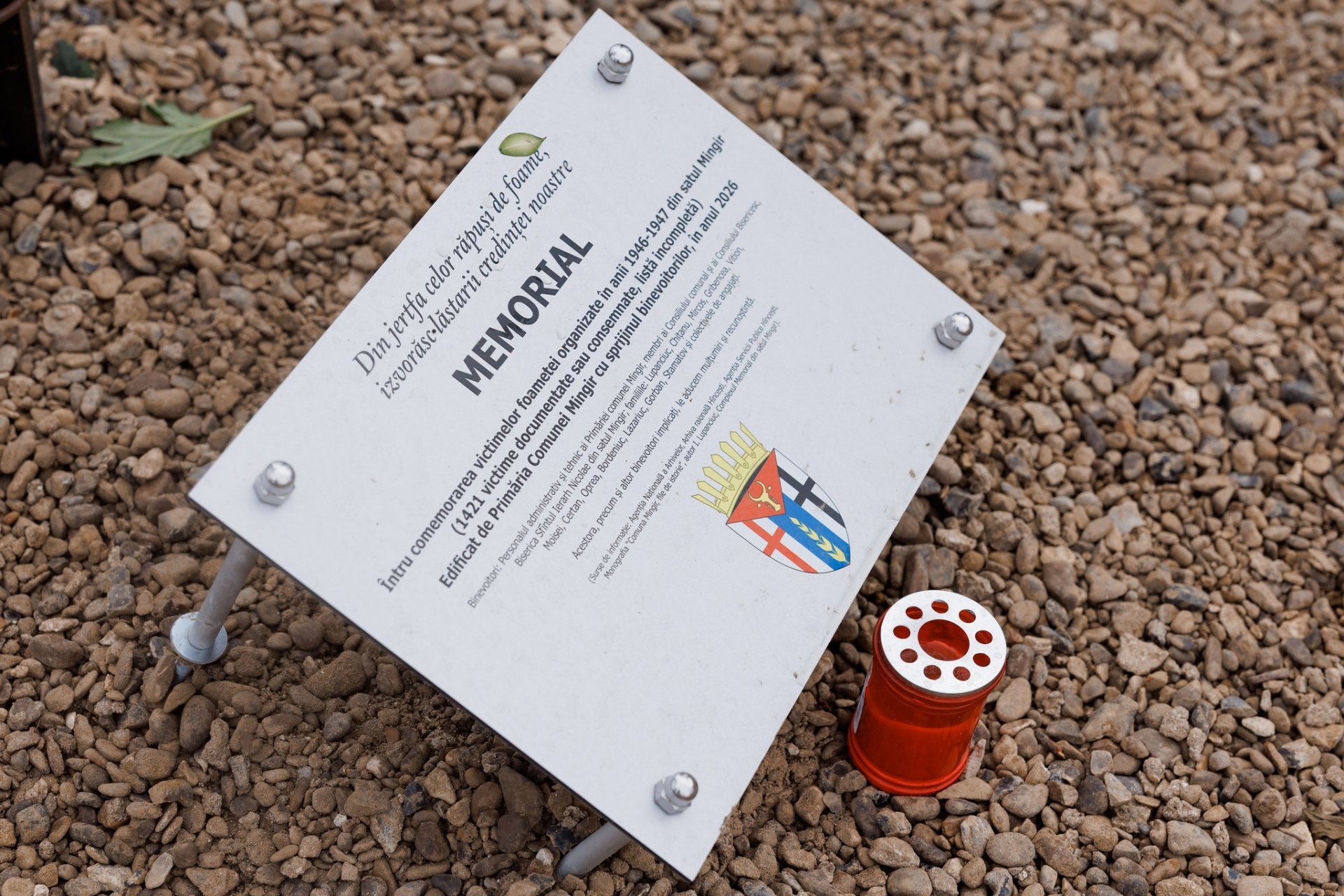
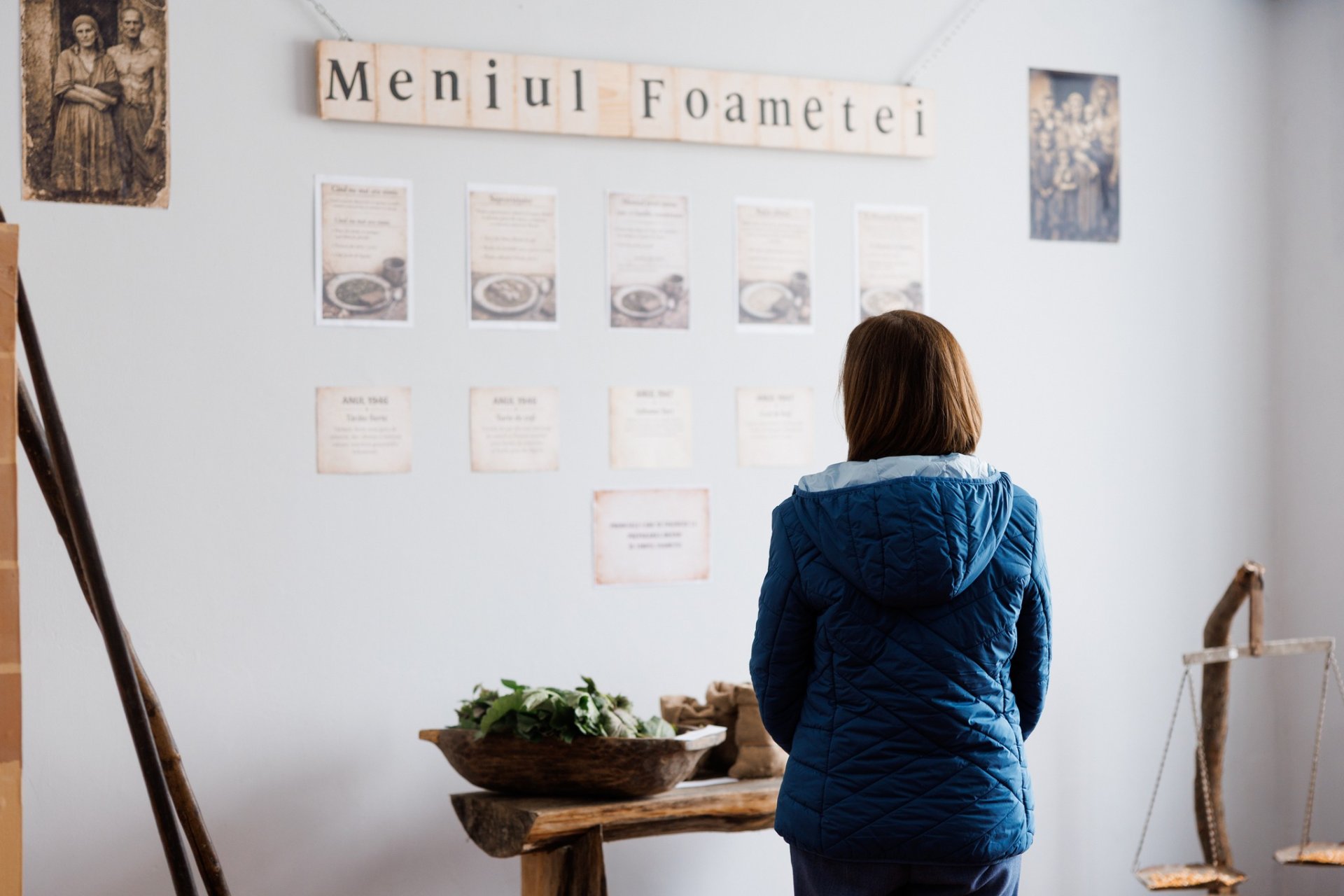

PHOTO // Dniester River under constant monitoring thanks to European states that provided Ministry of Environment with intervention equipment
PHOTO // Victims of 1946–1947 famine commemorated in Mingir
General Prosecutor’s Office announces legislative initiatives to strengthen preventing and combating domestic violence, developed following analysis of recent cases, including that of Ludmila Vartic
PHOTO // Moldova could become strategic hub for U.S. business
New local elections: CEC announces number of candidates and referendum participants
CSP gives green light: Acting Prosecutor General passes external evaluation
Silver and bronze medals for Moldova at World Sambo Cup
ARMENPRESS: Armenia to restrict drone, private flights during EU summit
Romanian Embassy in Moldova says creation of Relations with Romania Service strengthens bilateral cooperation
Improved access for people with disabilities in Moldova: 30 ramps to be installed in public institutions hosting polling stations
VIDEO // Moldovan government transfers land needed to continue work on bridge across Prut river at Ungheni, connecting Moldova and Romania
Ana Racu elected vice-chair of UN Committee Against Torture
Victims of the organized famine from 1946–1947 to be commemorated in central Moldova settlement
Moldova strengthens economic diplomacy under coordination of Foreign Affairs Ministry
Moldovan PM pays tribute to maestro Gheorghe Urschi
PHOTO GALLERY // Well-known artist of Moldova escorted on path of eternity, amid thunderous applause
Receive the latest news directly to your email

Receive the latest news directly to your email