
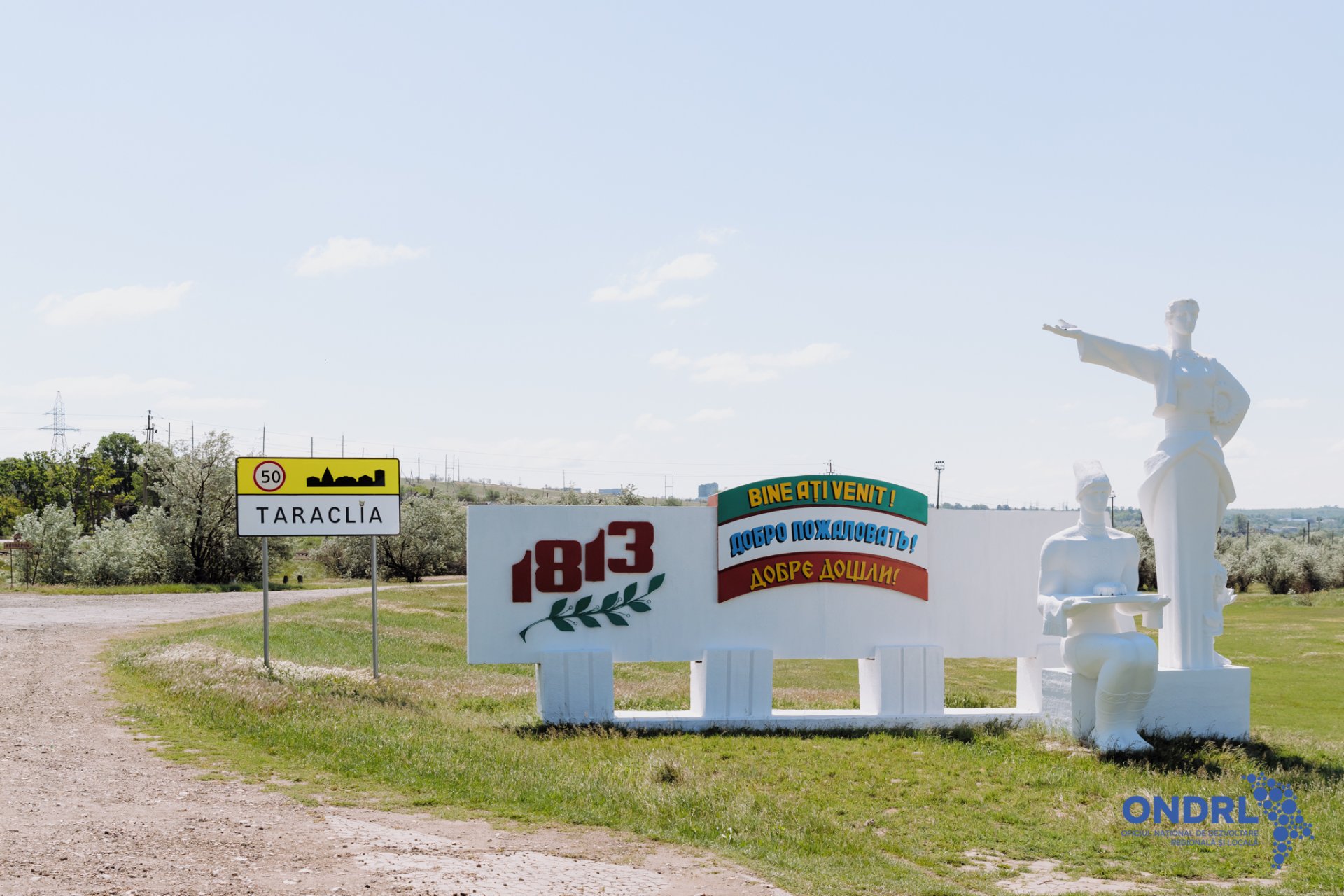
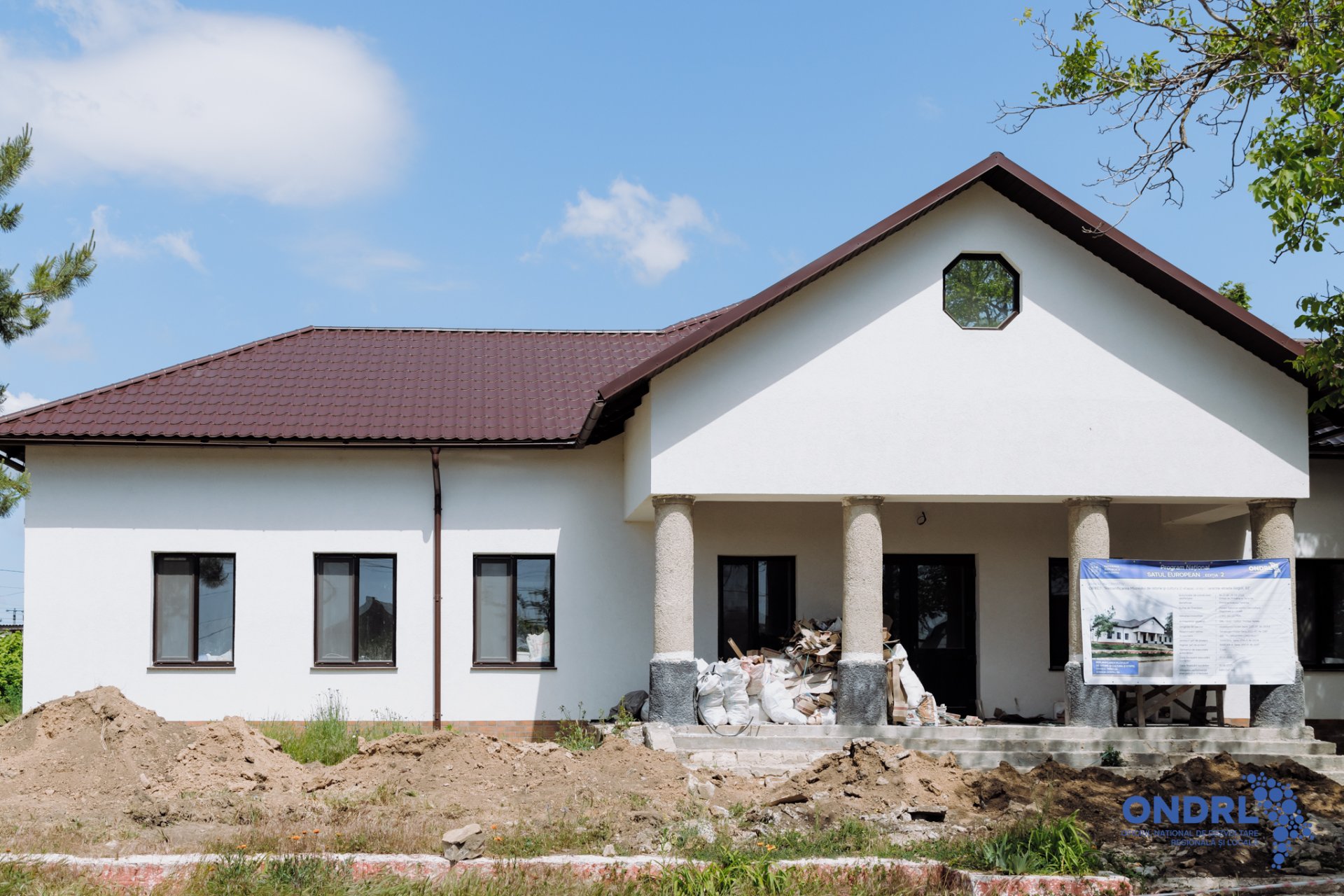
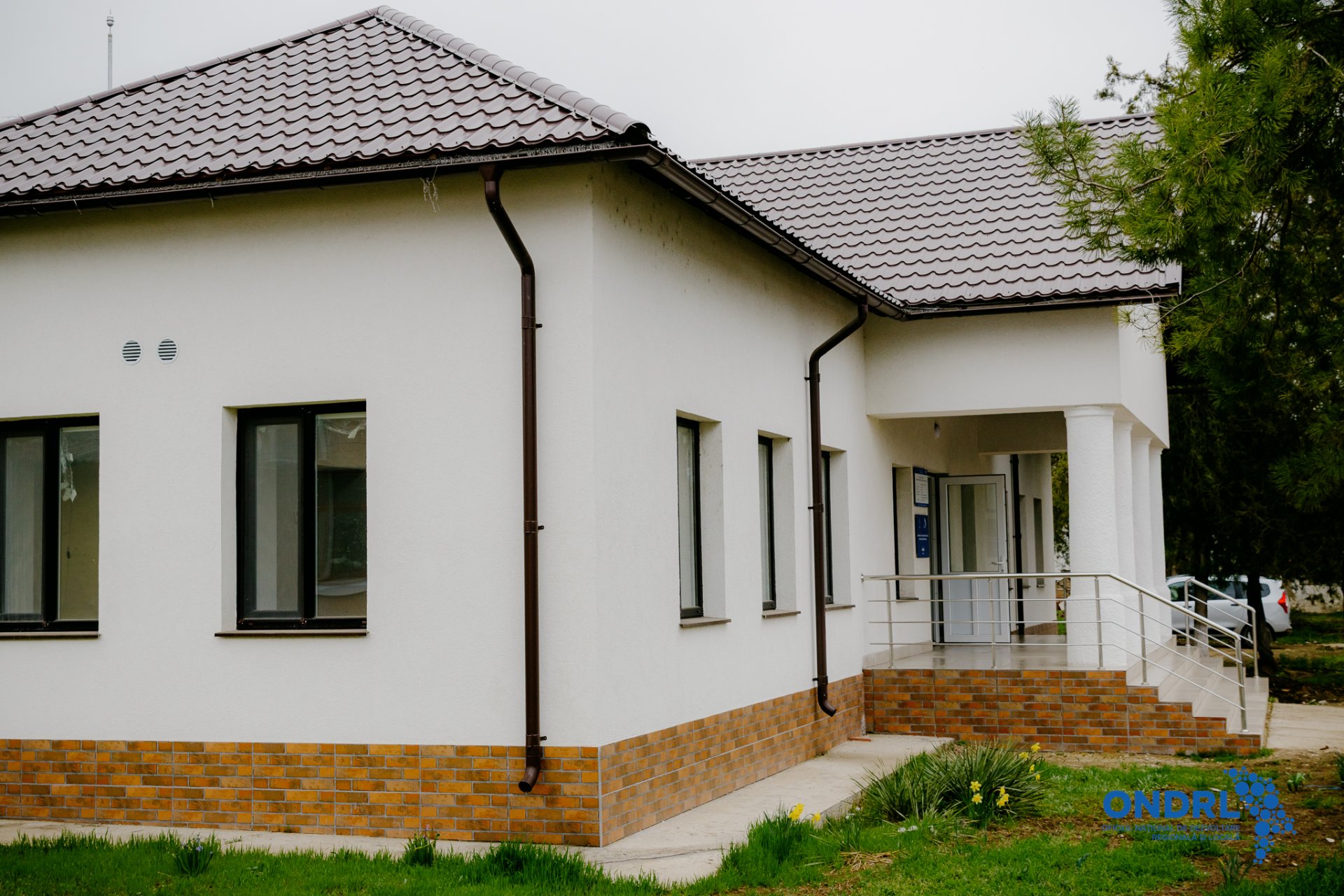
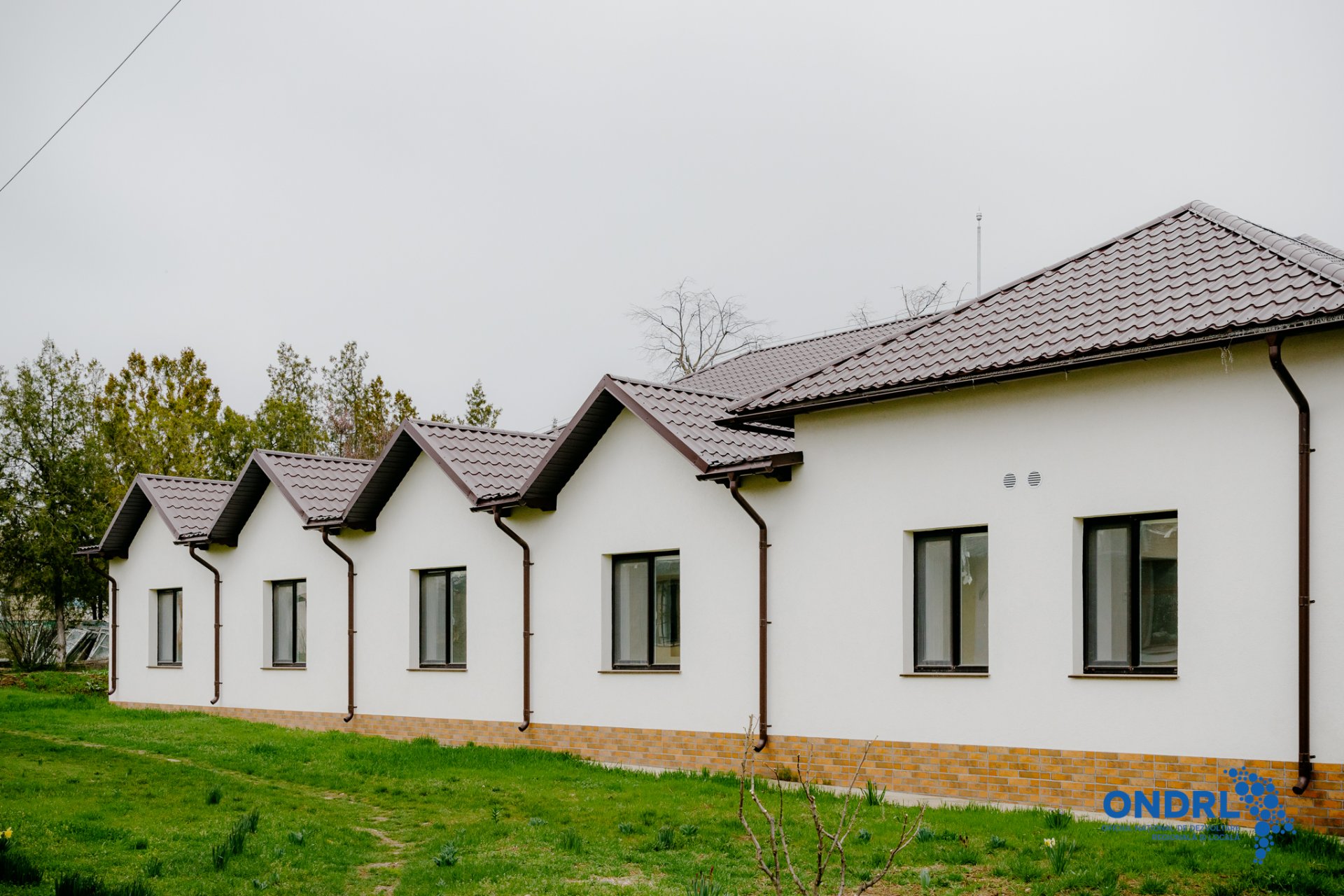
PHOTO // Taraclia-based Museum of History and Culture renovated through European Village programme with investments of over 7 million lei
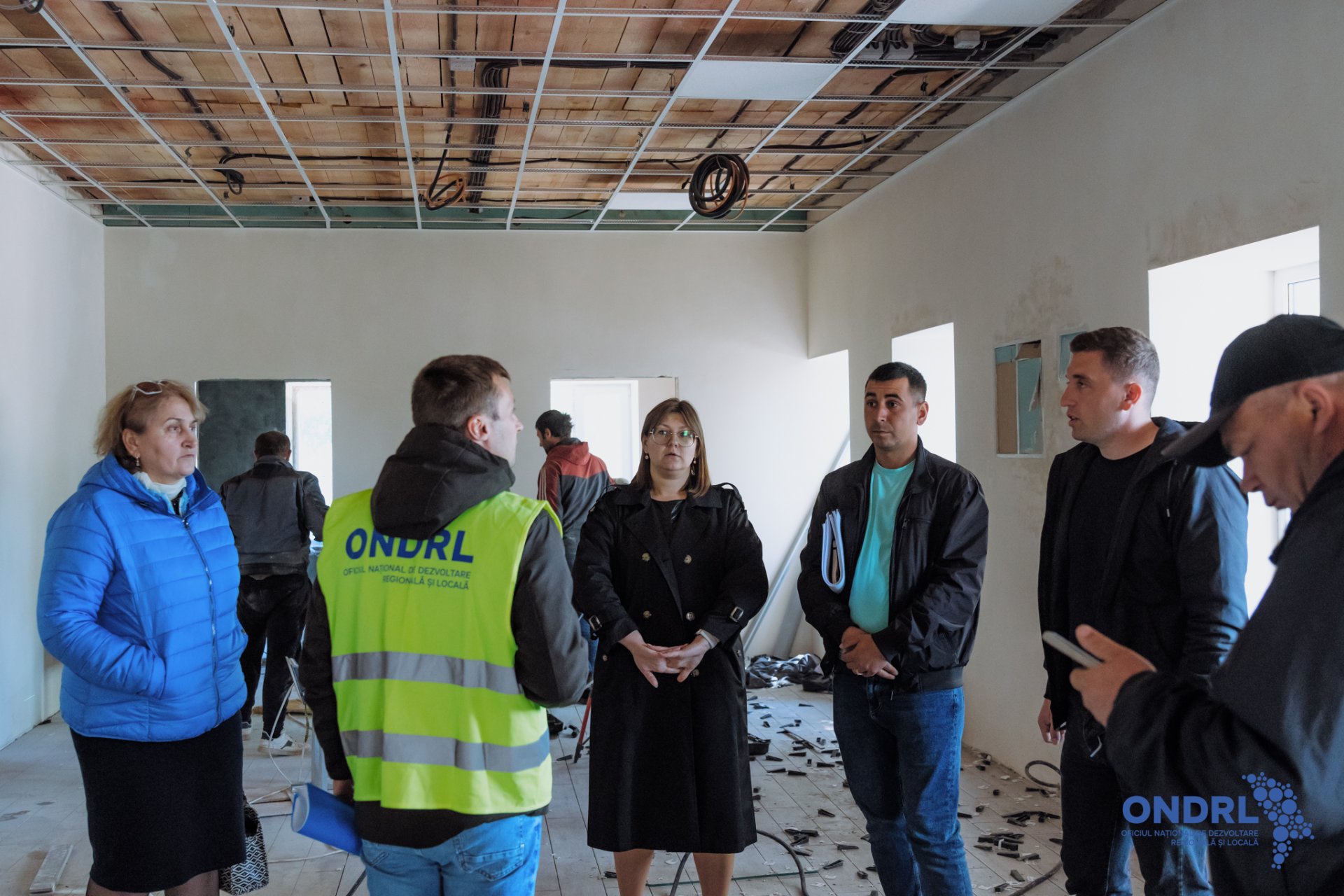
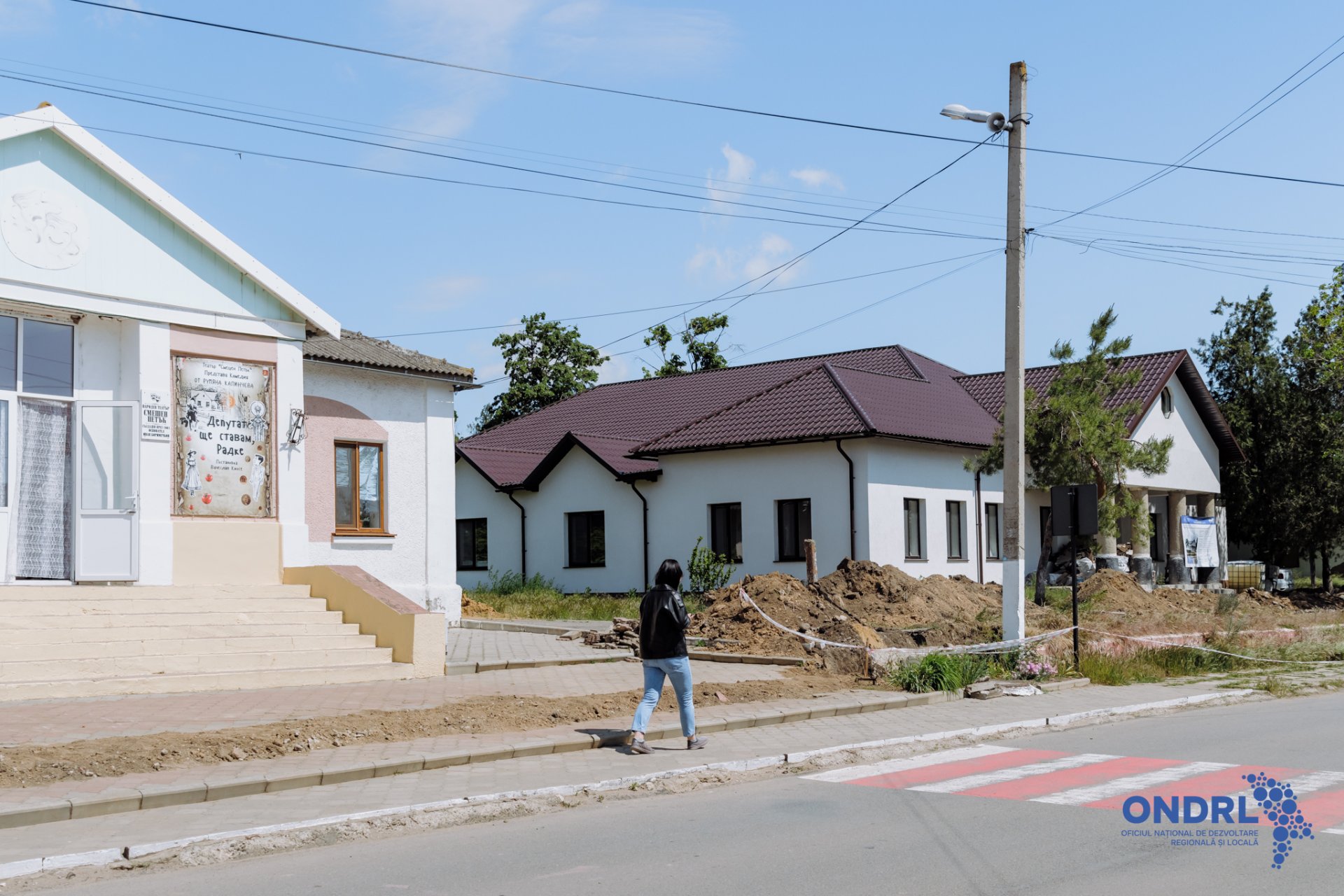
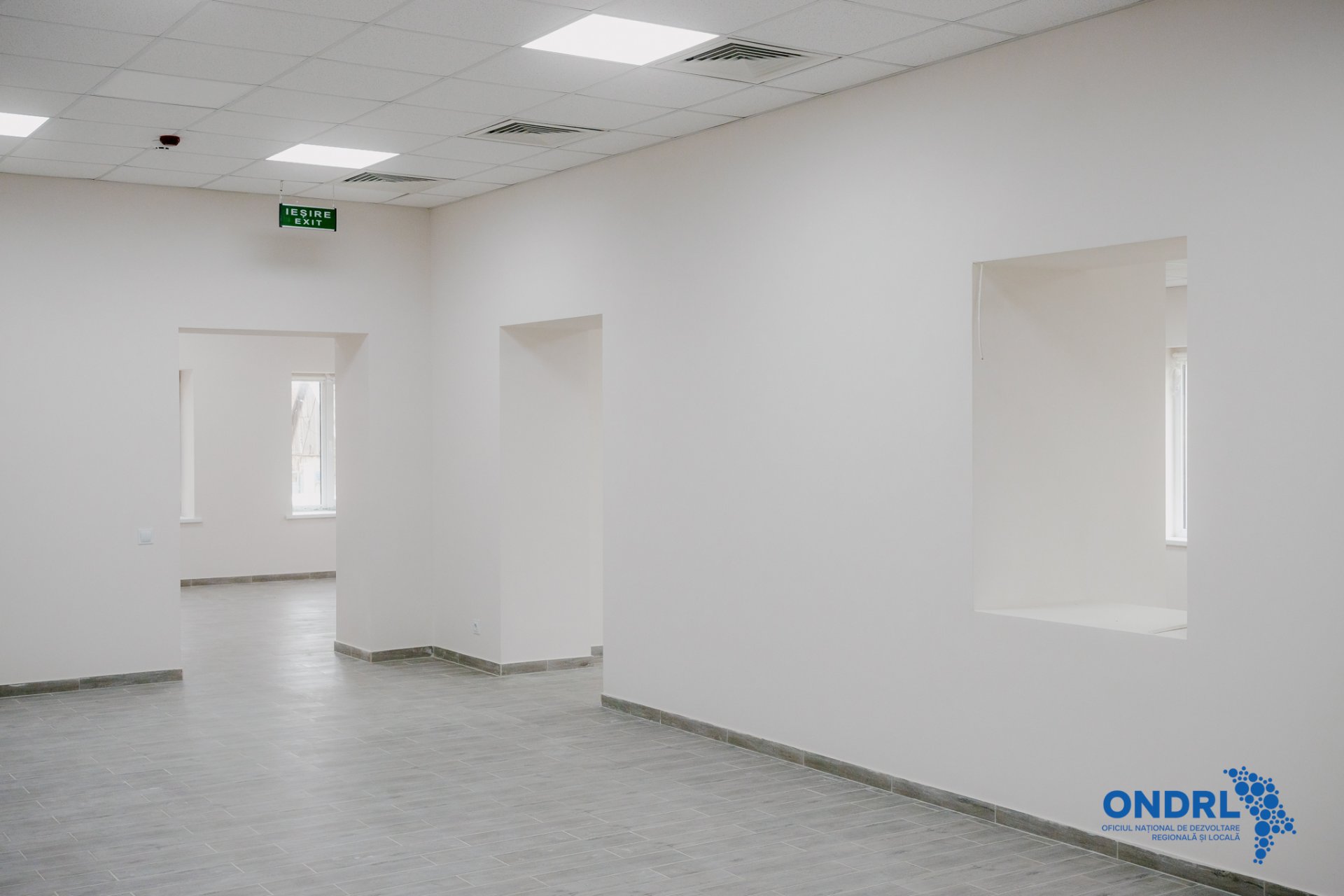
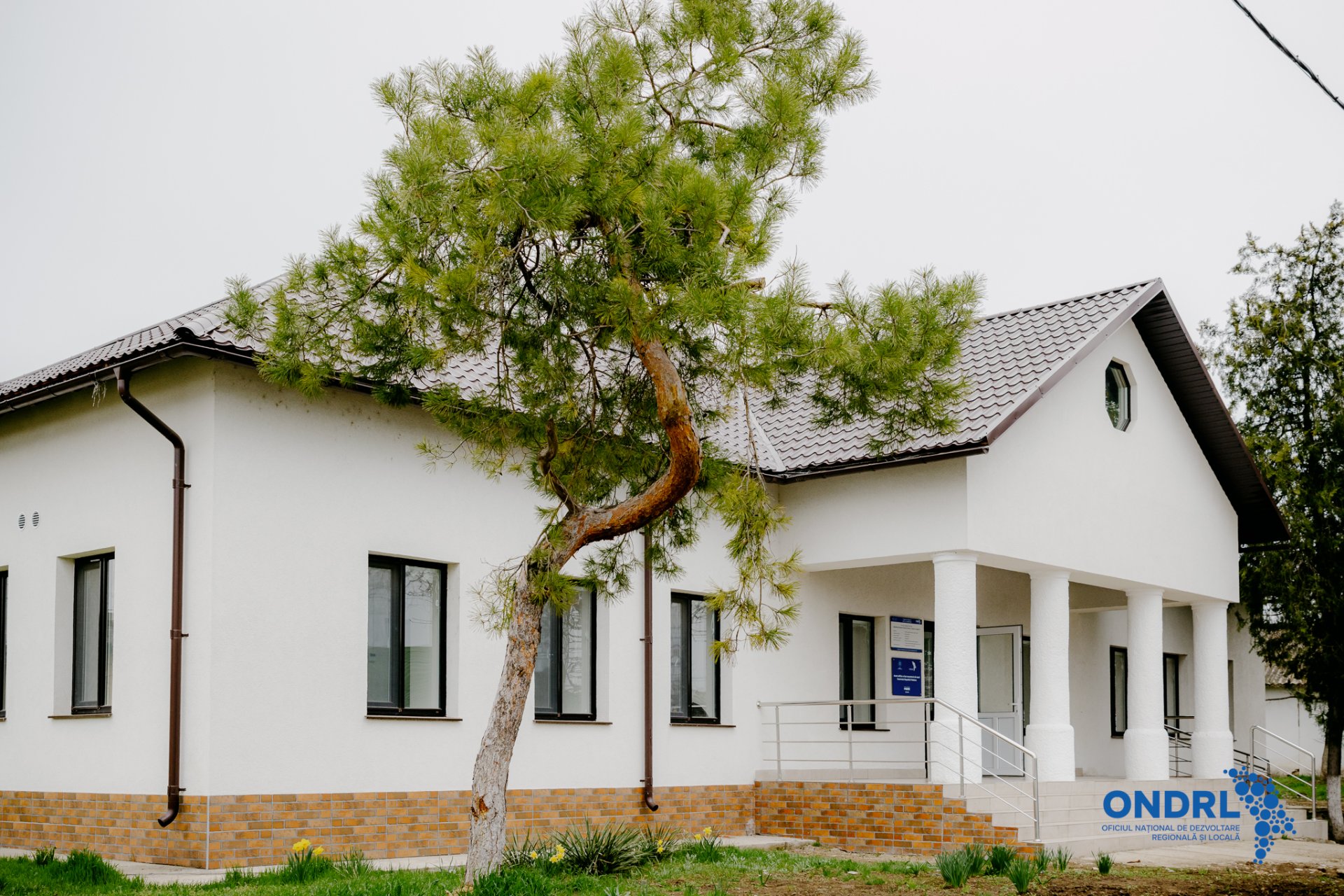
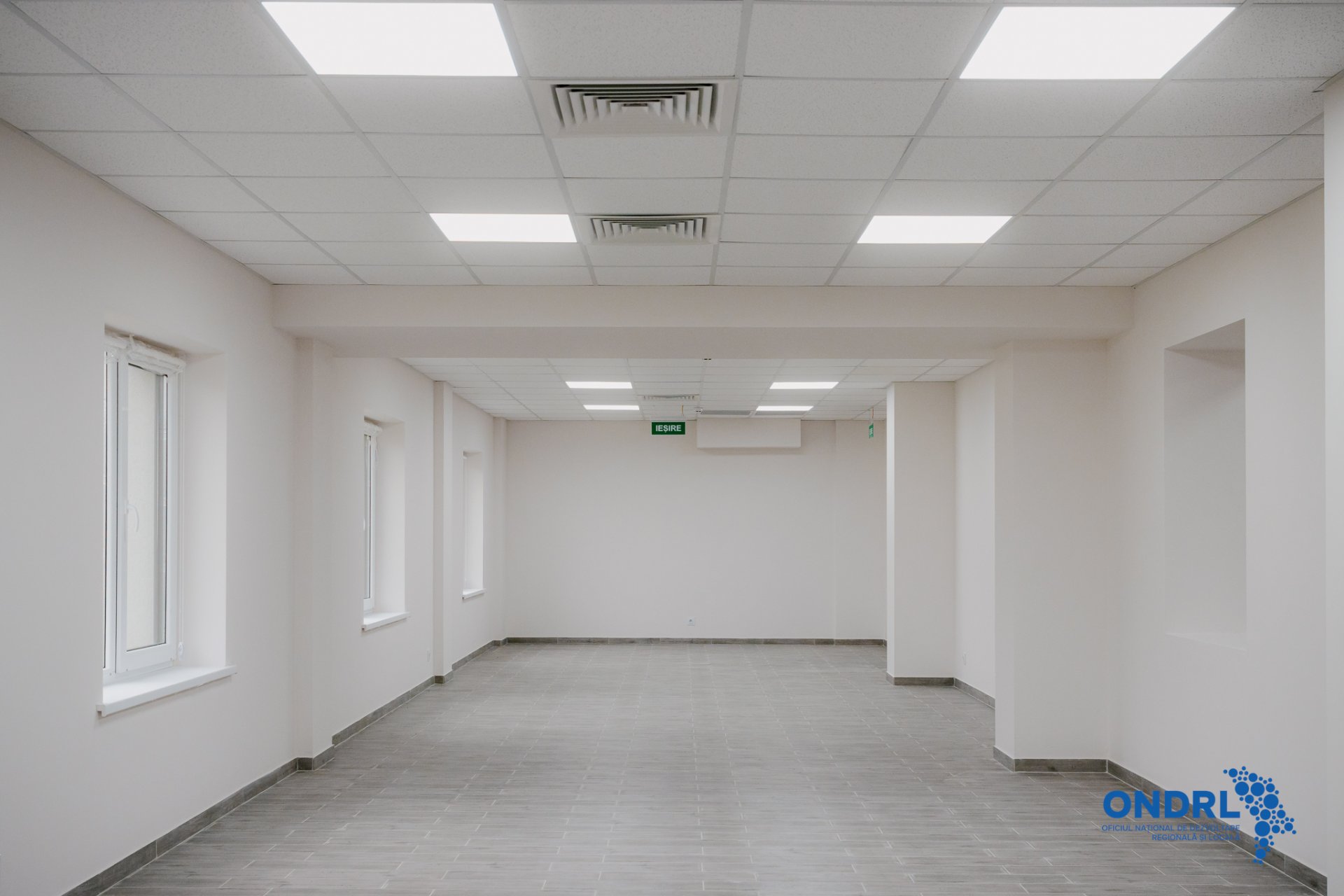
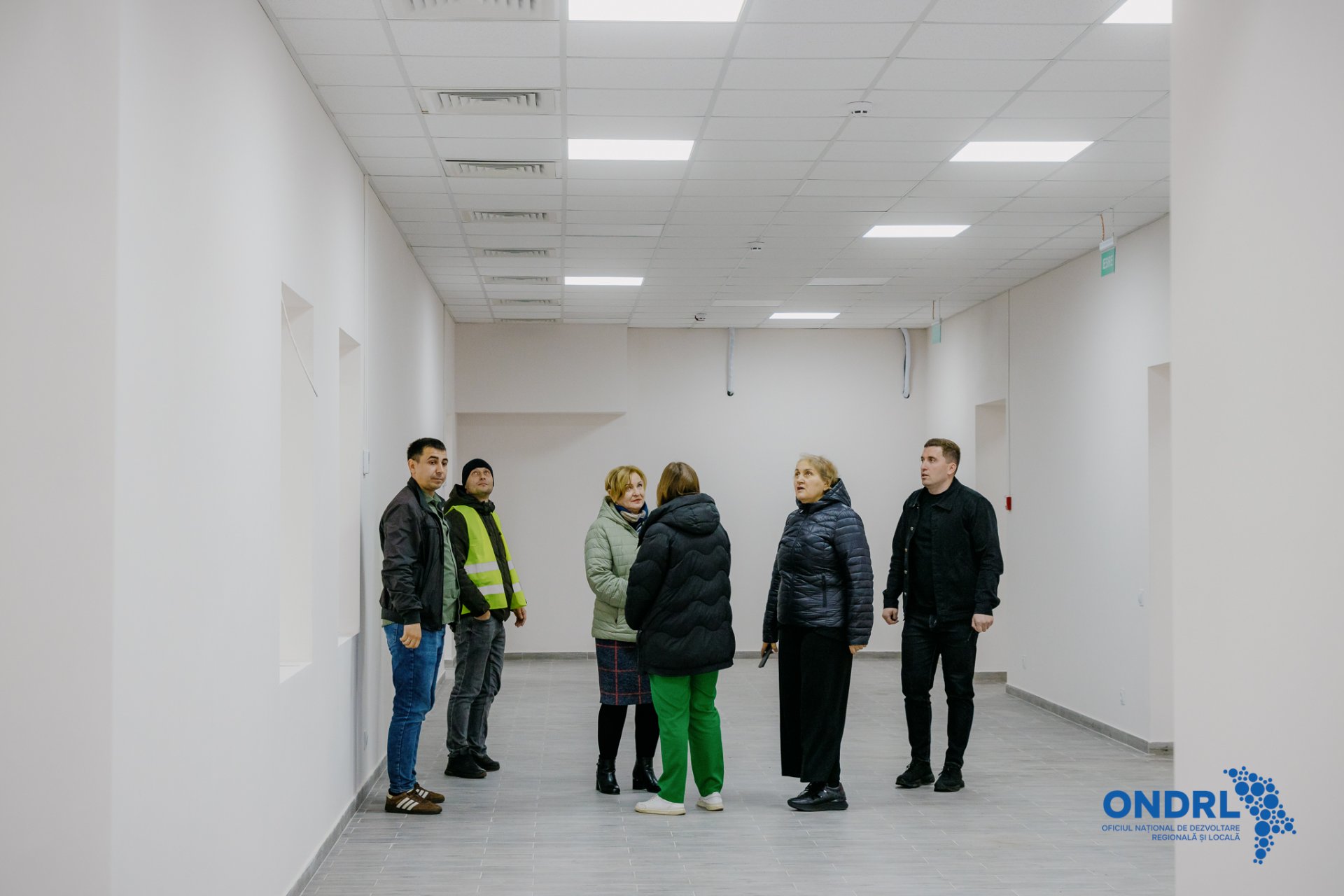
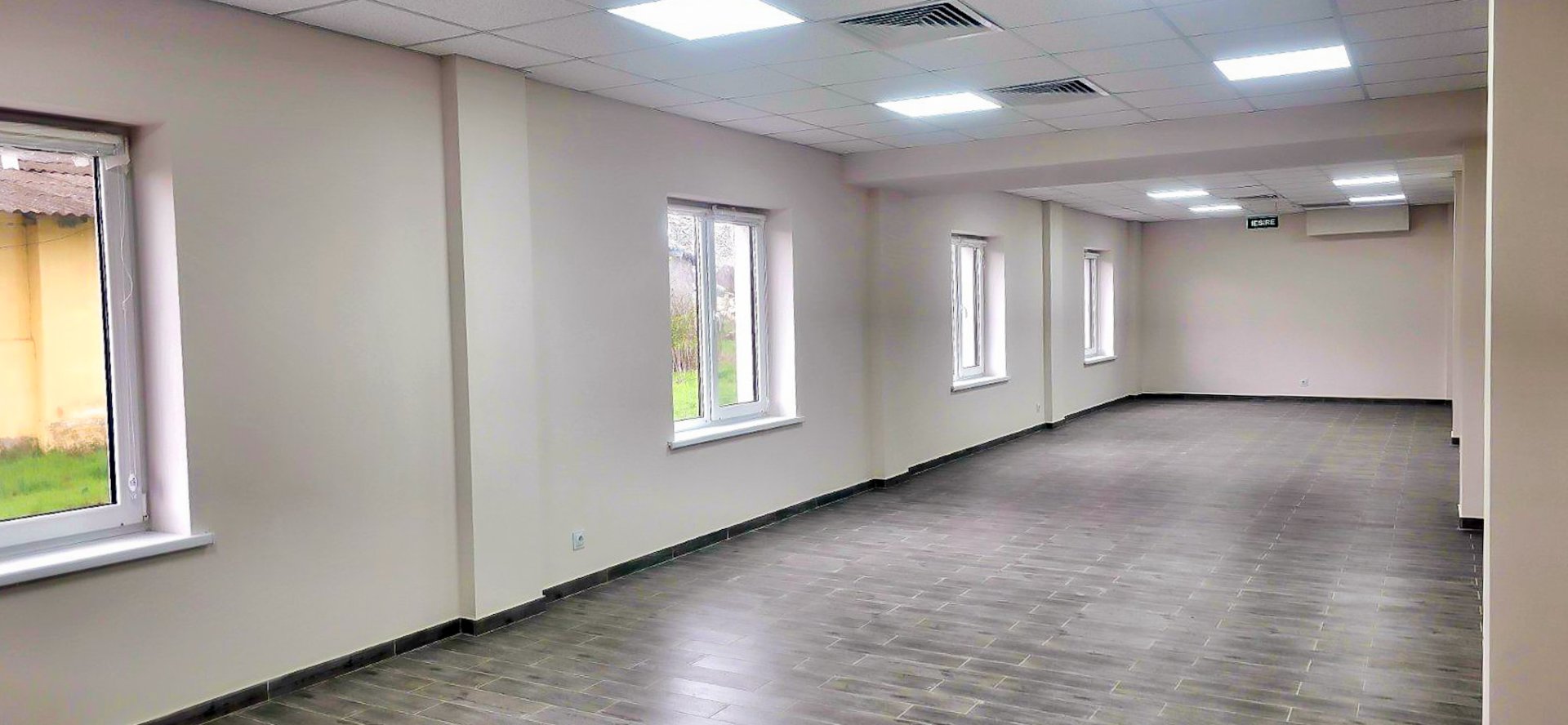
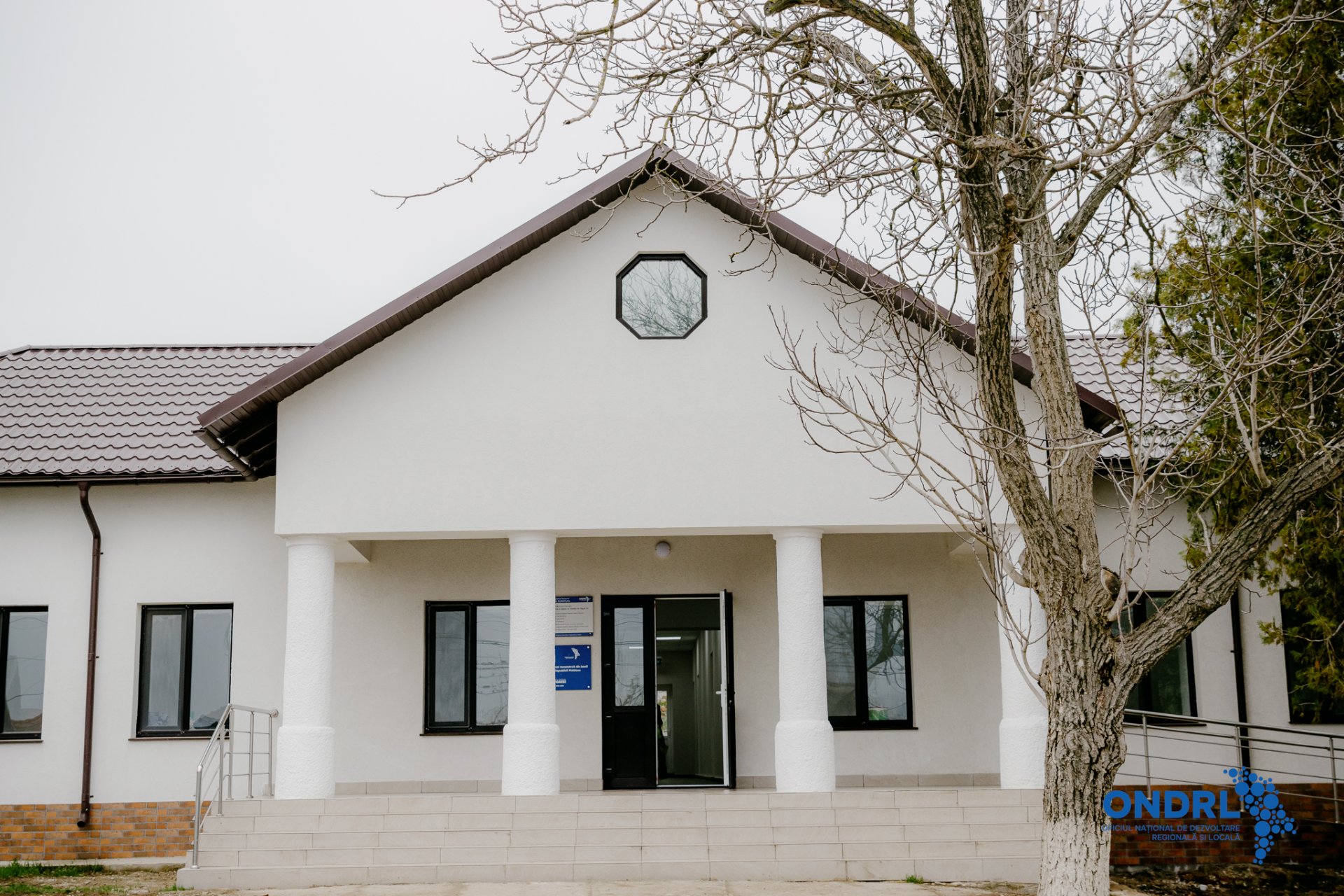
The Museum of History and Culture from Taraclia has been renovated under the National Programme European Village, with government investments of over 7.1 million lei. The project was carried out in two stages and focused on saving and modernizing one of the most important cultural institutions of the Bessarabian Bulgarian community.

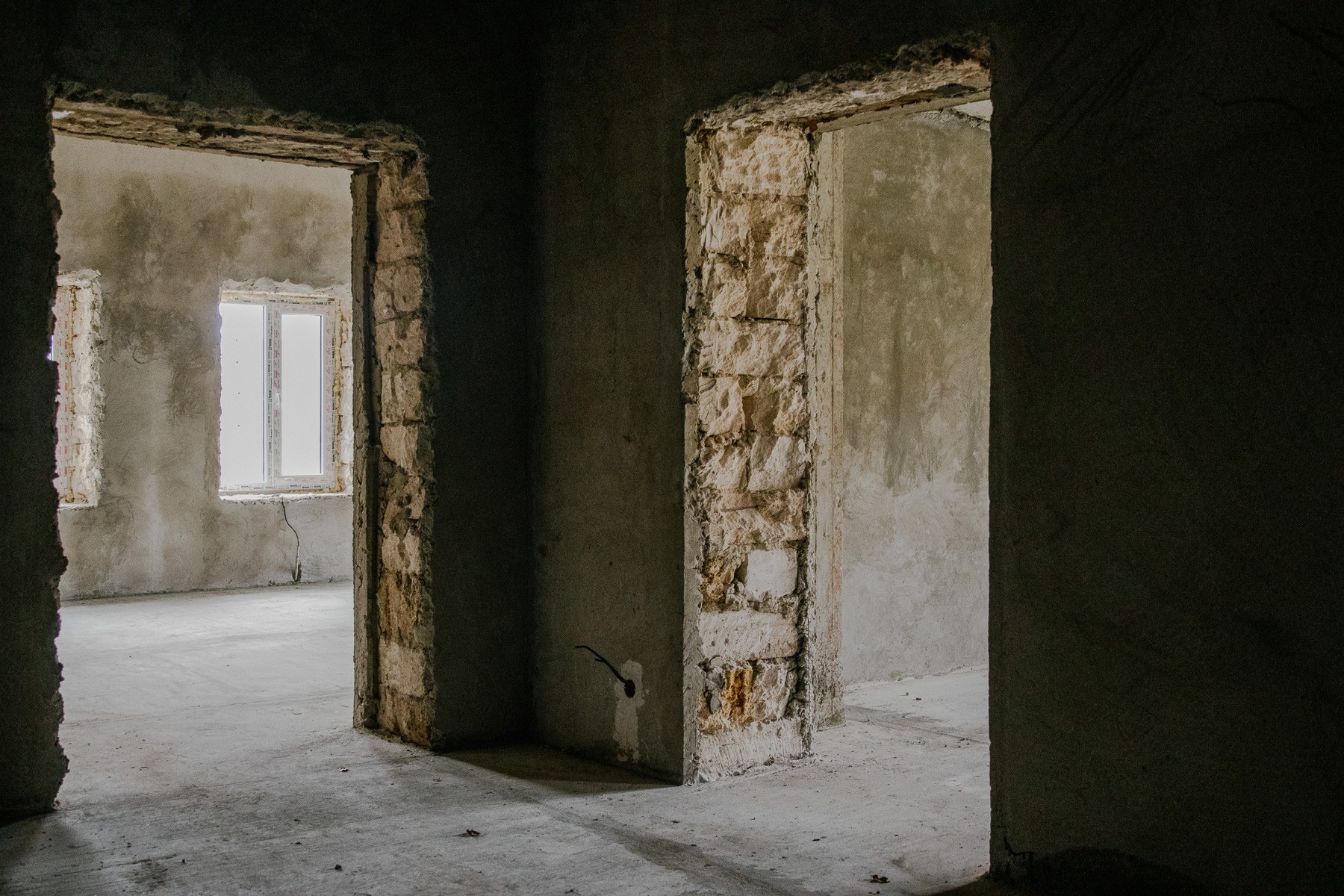
The museum’s building, constructed around 50 years ago, was in an advanced state of deterioration. The damaged roof and affected walls endangered both the institution’s activity and the preservation of its cultural heritage. Without intervention, there was a risk for the museum to be closed and valuable exhibits to be lost.

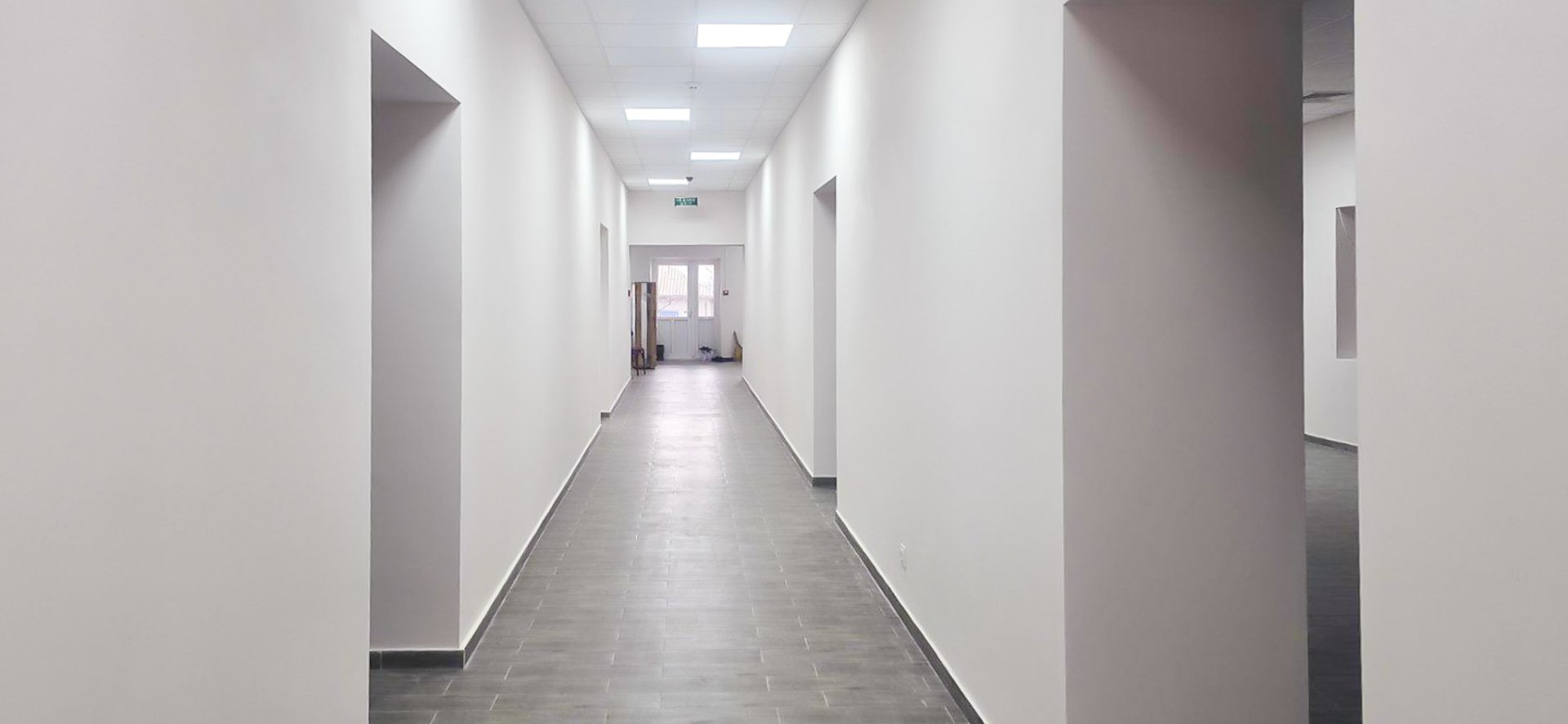
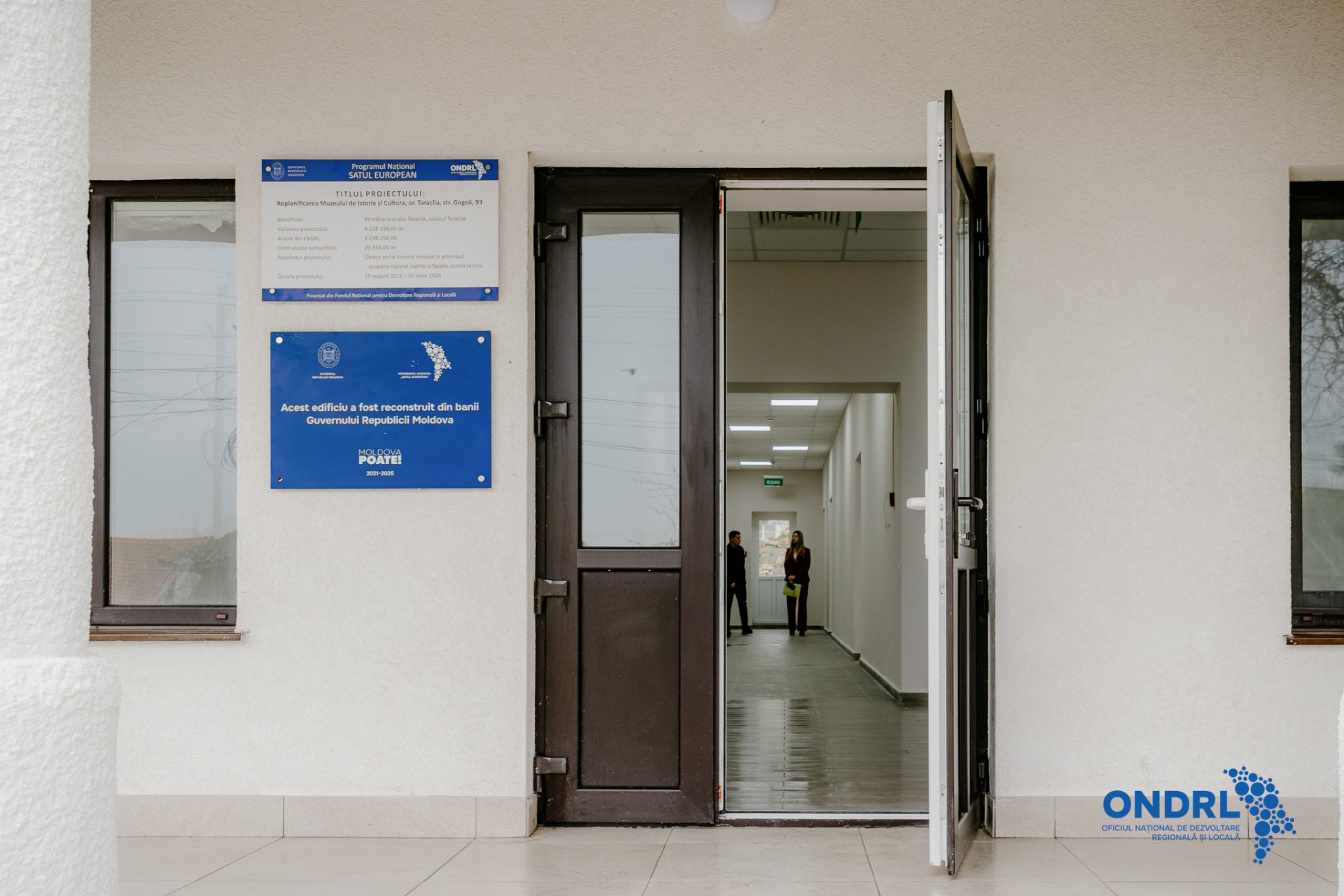
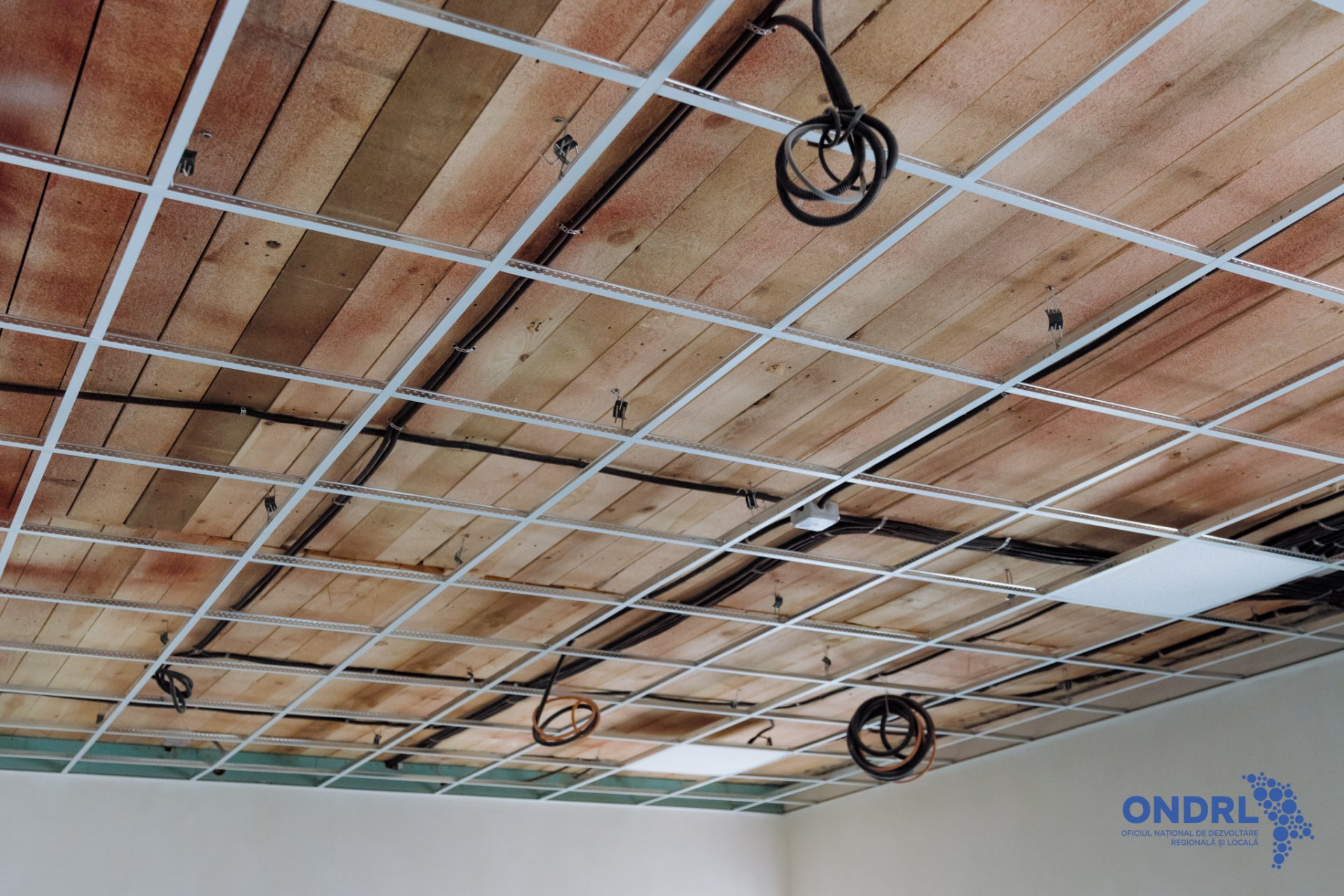
In 2022, local authorities submitted a project under the first edition of the European Village programme, getting funding for the first rehabilitation stage. It included essential works to stabilize the building: repairing 670 square meters of interior walls, insulating 380 square meters of exterior walls, renovating the roof over an area of 930 square meters, and installing 66 LED lighting fixtures. Around 4.2 million lei from the state budget, through the National Fund for Regional and Local Development, were allocated for these interventions.

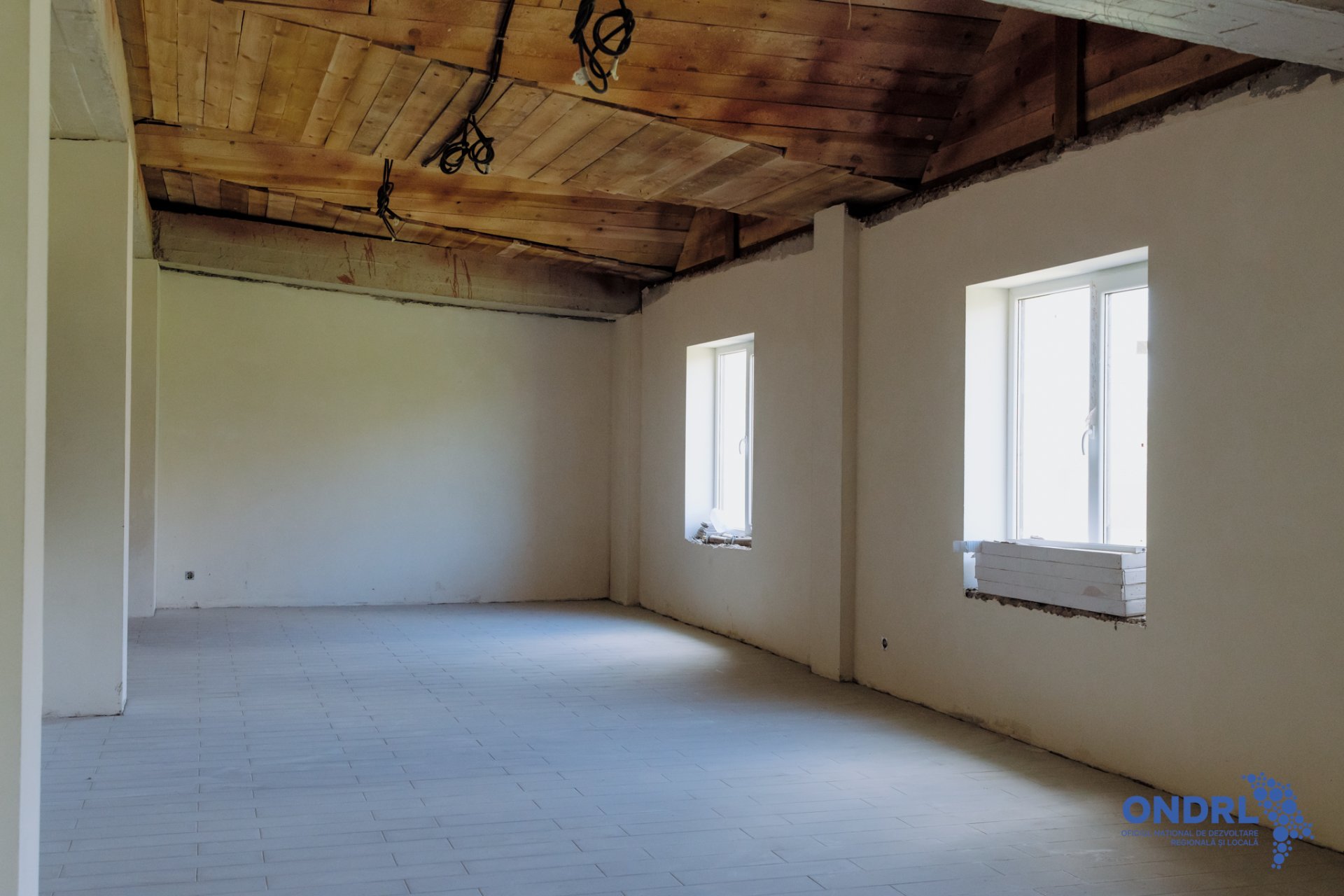
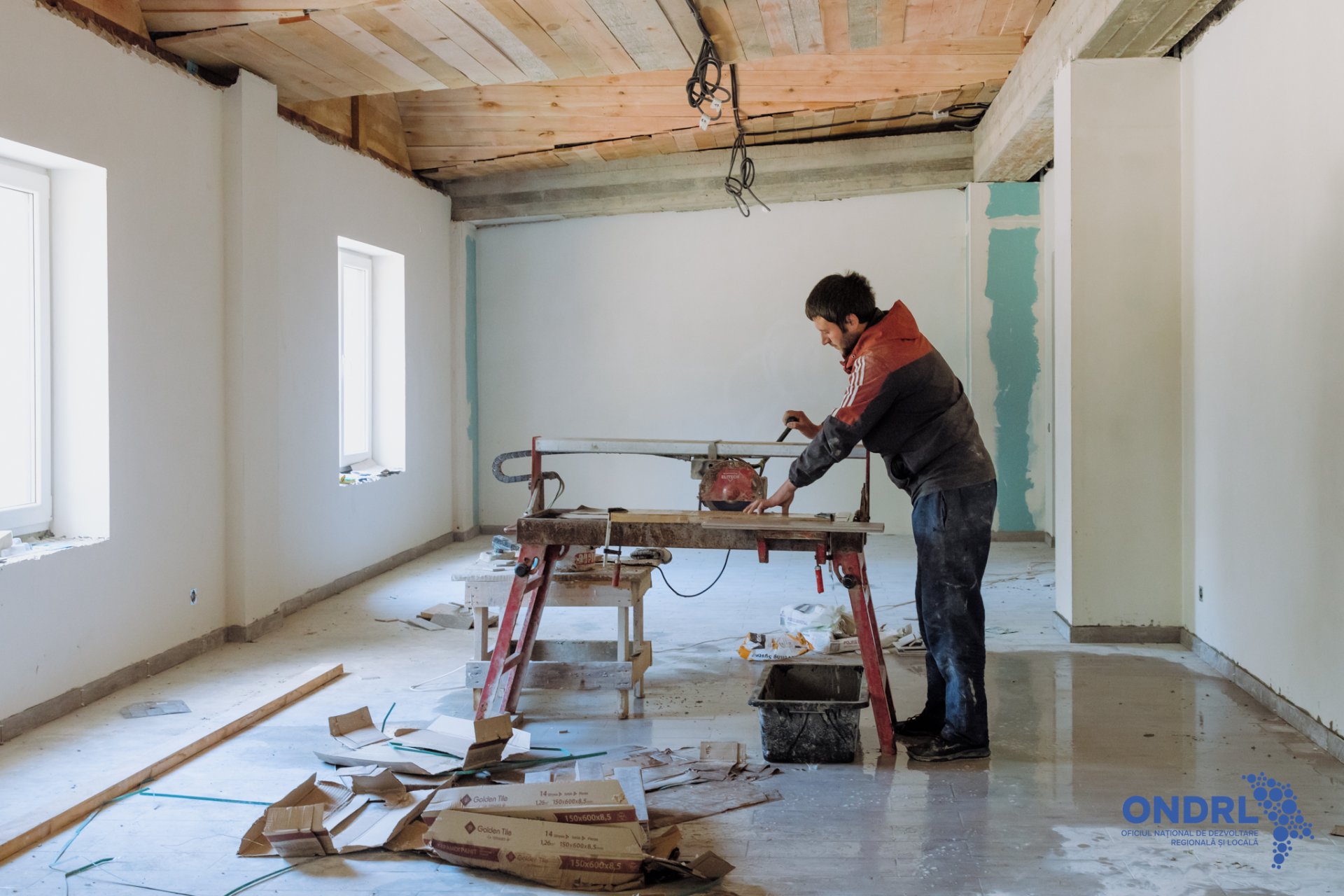
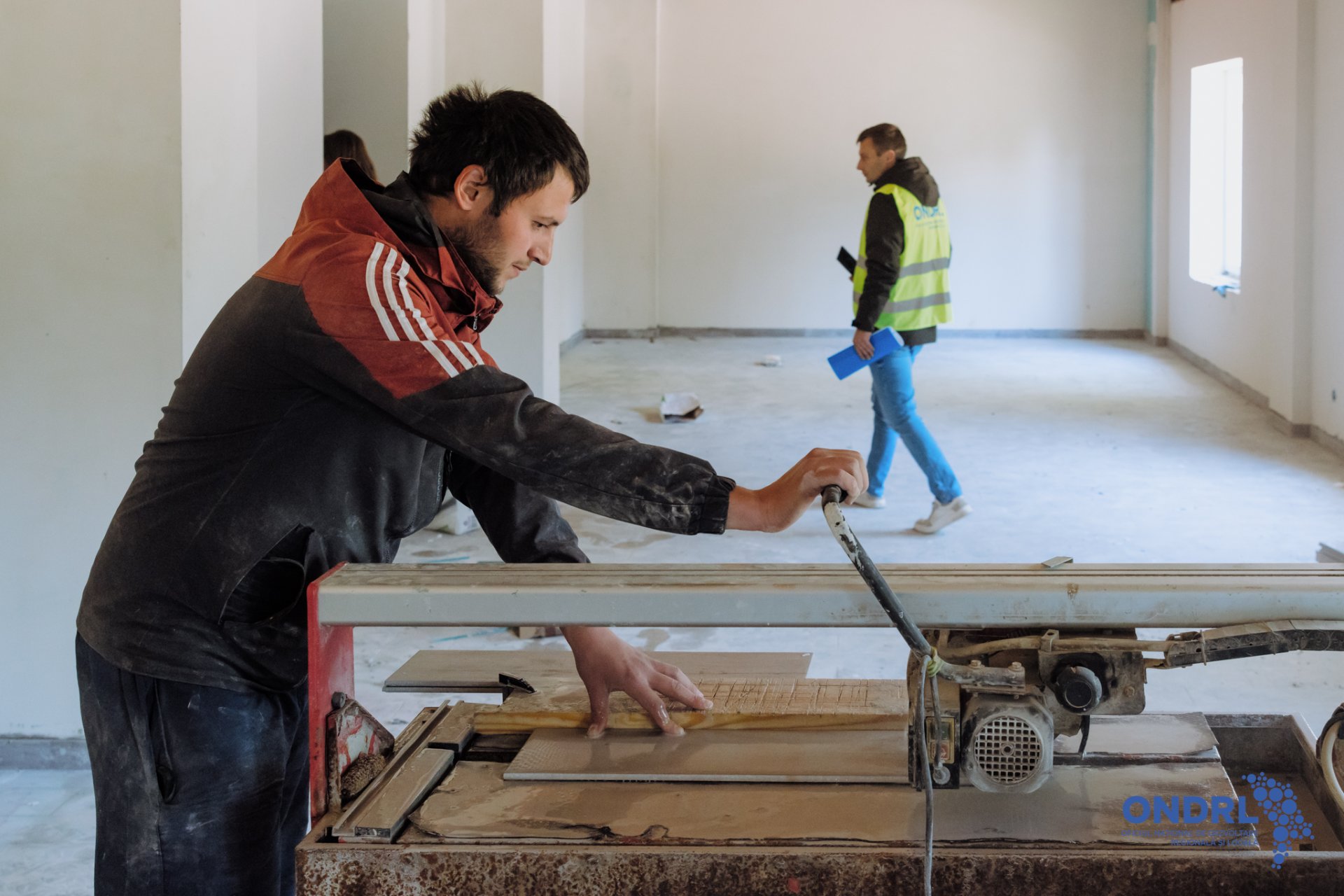
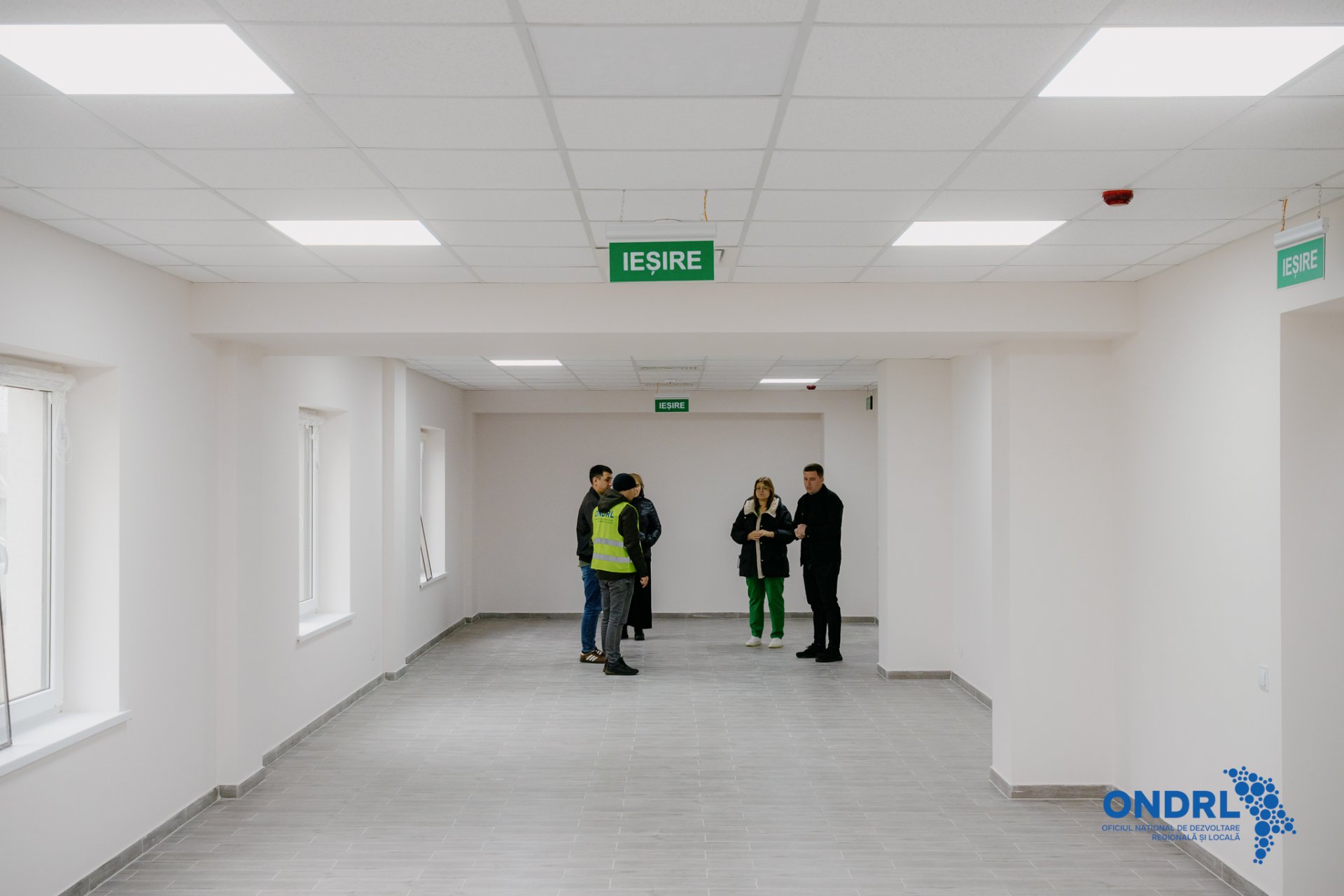
The works continued in the second stage, funded under the second edition of the European Village programme. This involved a comprehensive rehabilitation of the building, including the renovation of walls and ceilings, modernization of the heating system and engineering networks, as well as the implementation of energy efficiency solutions. Modern technologies for displaying exhibits were also introduced, storage conditions for collections were improved and visitor-friendly spaces were created. More than 2.92 million lei was allocated for this stage.

Following the works, the museum was not only saved, but also transformed into an active cultural center. The institution will host educational and cultural activities, including workshops on traditional crafts, clay modeling, souvenir making and sessions dedicated to local traditions. Culinary workshops and activities promoting traditional dances will also be organized.

Besides the modernization of the infrastructure, a tourist route of the city was developed based on the museum, meant to attract visitors and highlight local heritage. A cinema hall was also opened inside the institution, where archival films and historical documentaries about Taraclia and Moldova will be screened.

The deputy mayor of Taraclia, Marta Chemencedji, emphasized the importance of the investments made.

“We are immensely grateful to the government of Moldova and the Ministry of Infrastructure and Regional Development for their support in rehabilitating the Taraclia Museum. This funding has allowed us to save and modernize one of the city’s most emblematic cultural institutions. For the community of Taraclia, the museum is not just a building, but a place where the identity and traditions of the Bessarabian Bulgarians are preserved. Over the years, the deterioration of the building has endangered both the institution’s activity and the valuable heritage it houses. For this reason, the intervention was absolutely necessary. The implementation of the projects would not have been possible without the support of the specialists from the National Office for Regional and Local Development (ONDRL), to whom we extend our sincere thanks. Whenever we encountered difficulties, we benefited from professional support and guidance, which helped us successfully complete all works planned,” says Marta Chemencedji.

The deputy mayor of Taraclia also says that the city has managed to create a modern, energy-efficient space adapted to current requirements.

“The museum will become an active center for cultural and educational activities, where city residents, especially young people, will be able to discover and appreciate local traditions. We want this museum to be not only a place for preserving the past, but also a point of attraction for tourists and a driver of cultural development for the entire region. Through these investments, we contribute to the preservation of heritage and to passing it on to future generations,” notes Marta Chemencedji.

The new modern space will directly benefit the museum staff, local artistic groups, as well as approximately 5,000 tourists who visit the city annually. Taraclia has a population of about 12,500 inhabitants, of whom around 4,000 are children.
 Facebook
 Instagram
 X/Twitter
 Telegram
DOR government programme of Moldova: children, young people from Diaspora can submit participation files till April 22
PHOTO GALLERY // Orthodox Christians celebrate Resurrection of the Lord: traditions, faith that unite generations
VIDEO // EU Ambassador to Moldova says people on Eastern holidays return to things that matter most: family, traditions
Moldovan PM conveys message on Easter
VIDEO // Moldovan parliament speaker says may Light of Resurrection brings us peace, courage, new hope
Moldovan president congratulates citizens on Resurrection of the Lord
Orthodox Christians celebrate Holy Easter; Orthodox priest says peace should be sought in hearts, Light of Resurrection should be shared with everyone”
Holy Light from Jerusalem brought to Moldova
PHOTO GALLERY // Old Orhei on Easter Eve
Direct train from Kyiv to Chisinau Airport launched in test mode
VIDEO // Moldovan government's secretary general says Easter fills villages, all Moldova with life, warmth
Ungheni municipality, 18 other settlements unite in voluntary amalgamation; Ungheni mayor says largest cluster in Moldova takes shape
Bomb threat reported at Chisinau Airport proves to be hoax; terminal resumes operations
Moldovan health specialists recommend rational consumption of food products during Easter holidays
PHOTO // Taraclia-based Museum of History and Culture renovated through European Village programme with investments of over 7 million lei
Governor of National Bank of Moldova attends constituency meeting of IMF, World Bank: inflationary pressures, financial stability on agenda
New hearings in prosecutors' evaluation process in Moldova: four sessions scheduled for late April
Moldova's General Police Inspectorate launched internal investigation into police officer who drew up report in name of deceased person
Dialogue between Moldova's central and local authorities in Comrat
Number of fraud attempts rising in Moldova: over 500 attempts reported to 112 in just one week
New local elections: 40 polling stations to be open in 12 localities of Moldova
 National Bank of Moldova
Political representatives in process of negotiations for Transnistrian settlement convene at second working meeting of 2026
Dialogue between Moldova's central and local authorities in Comrat
Head of State at commemoration of victims of 1946–1947 famine: When truth is told, even after decades, it brings justice
President’s message at commemoration event for victims of 1946–1947 famine
Moldovan PM pays tribute to maestro Gheorghe Urschi

Head of State at commemoration of victims of 1946–1947 famine: When truth is told, even after decades, it brings justice
President’s message at commemoration event for victims of 1946–1947 famine
President condemns Russian attacks and calls for additional sanctions against Russia: War will stop only when Russia stops
PHOTO // Dniester River under constant monitoring thanks to European states that provided Ministry of Environment with intervention equipment
PHOTO // Victims of 1946–1947 famine commemorated in Mingir
General Prosecutor’s Office announces legislative initiatives to strengthen preventing and combating domestic violence, developed following analysis of recent cases, including that of Ludmila Vartic
PHOTO // Moldova could become strategic hub for U.S. business
New local elections: CEC announces number of candidates and referendum participants
CSP gives green light: Acting Prosecutor General passes external evaluation
Silver and bronze medals for Moldova at World Sambo Cup
ARMENPRESS: Armenia to restrict drone, private flights during EU summit
Romanian Embassy in Moldova says creation of Relations with Romania Service strengthens bilateral cooperation
Improved access for people with disabilities in Moldova: 30 ramps to be installed in public institutions hosting polling stations
VIDEO // Moldovan government transfers land needed to continue work on bridge across Prut river at Ungheni, connecting Moldova and Romania
Ana Racu elected vice-chair of UN Committee Against Torture
Victims of the organized famine from 1946–1947 to be commemorated in central Moldova settlement
Receive the latest news directly to your email

Receive the latest news directly to your email