
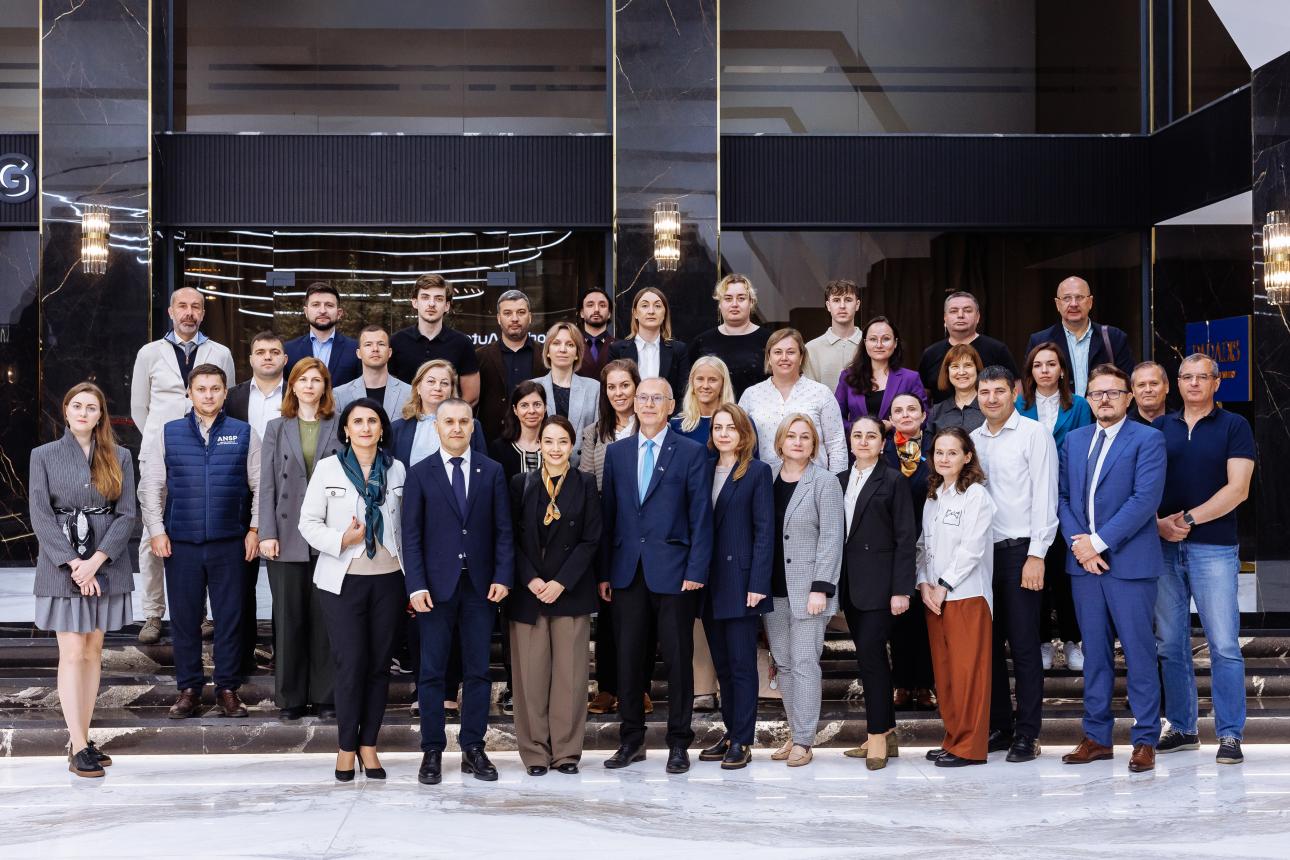
International post-disaster needs assessment mechanism launched in Chișinău following Dniester river pollution crisis
The National Crisis Management Centre (NCMC) has initiated the Post-Disaster Needs Assessment (PDNA) process following the pollution crisis of the Dniester River with petroleum products in the spring of 2026. In this way, the Republic of Moldova is moving towards a model in which the impact of crises is rigorously assessed and lessons learned are transformed into long-term resilience measures.

PDNA is a structured post-crisis assessment mechanism that involves evaluating the impact of disasters and major crises, estimating damages and losses, as well as identifying recovery needs and measures to strengthen resilience.

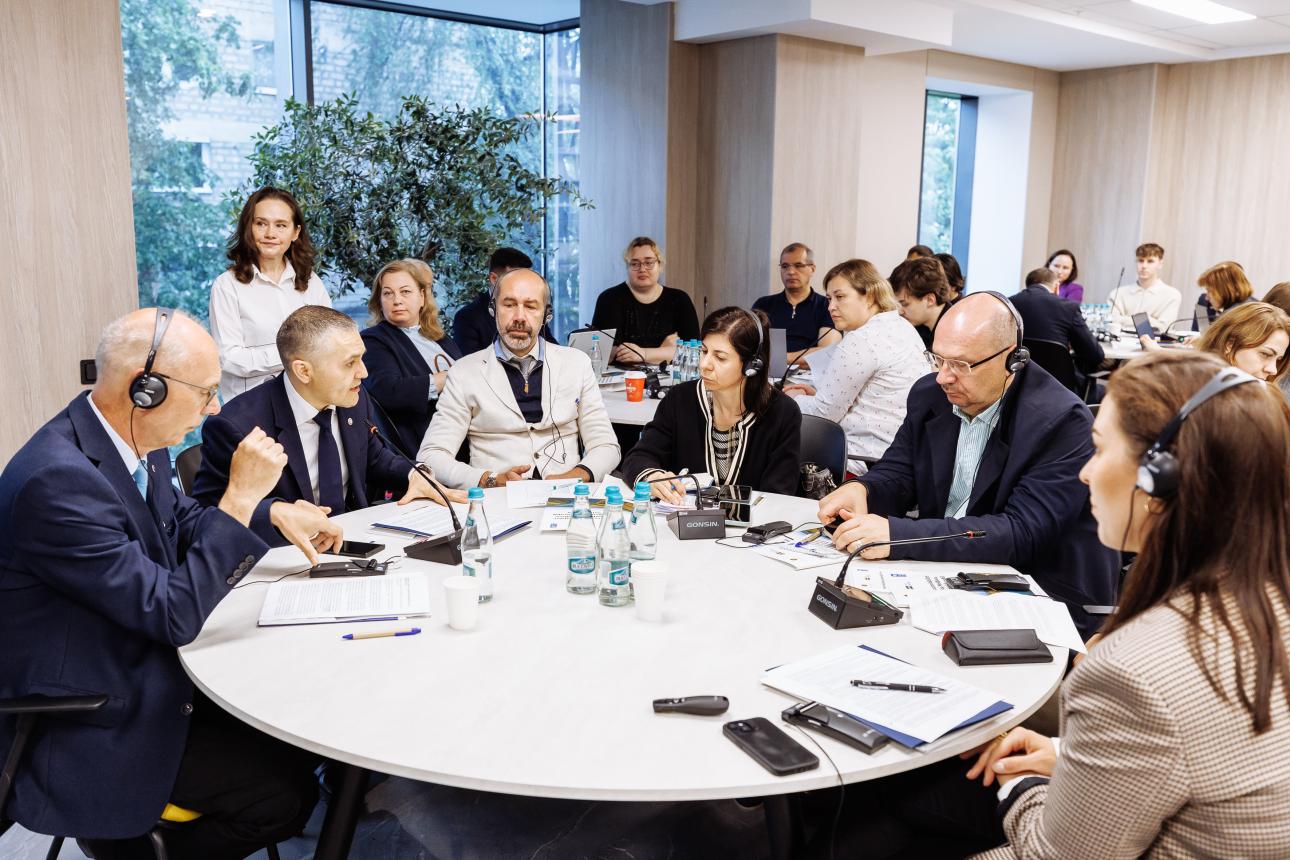
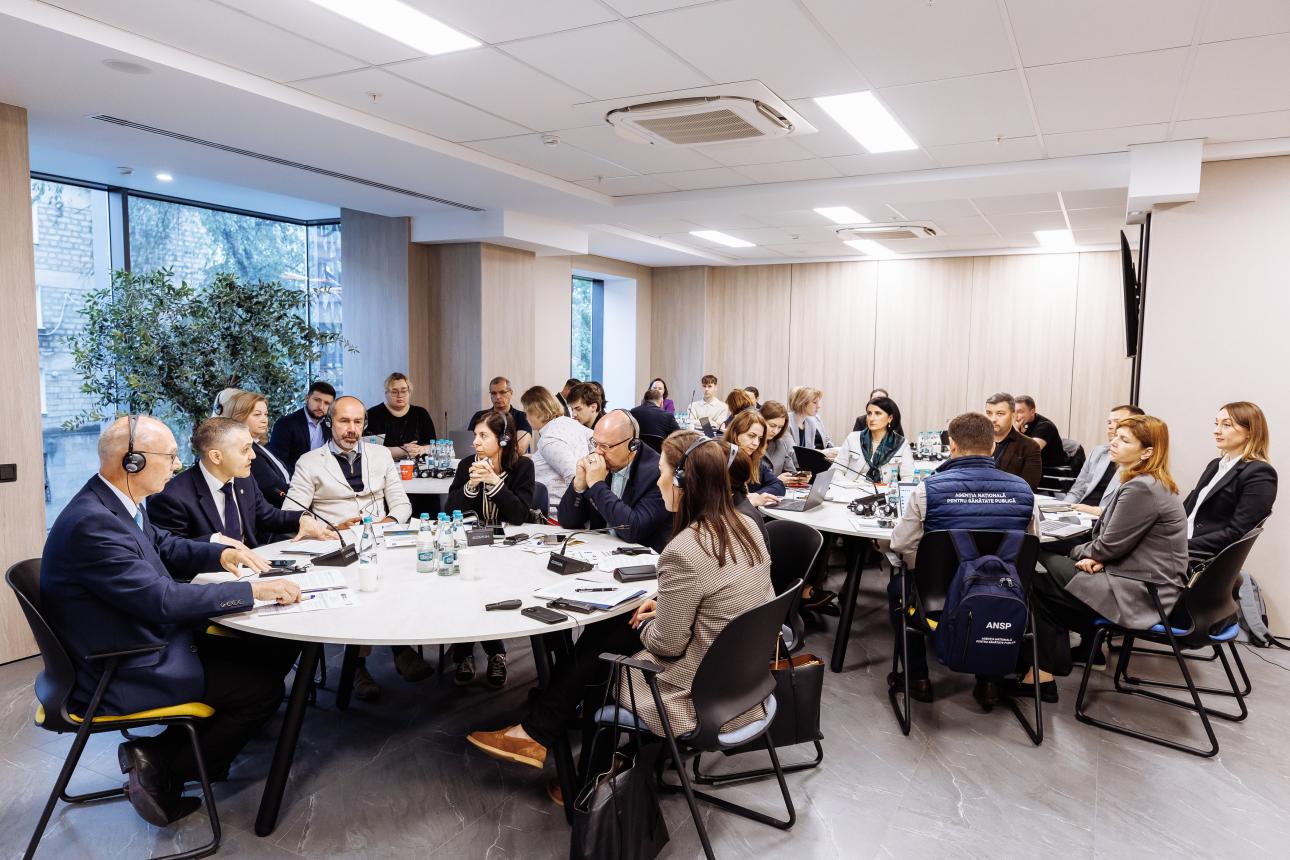
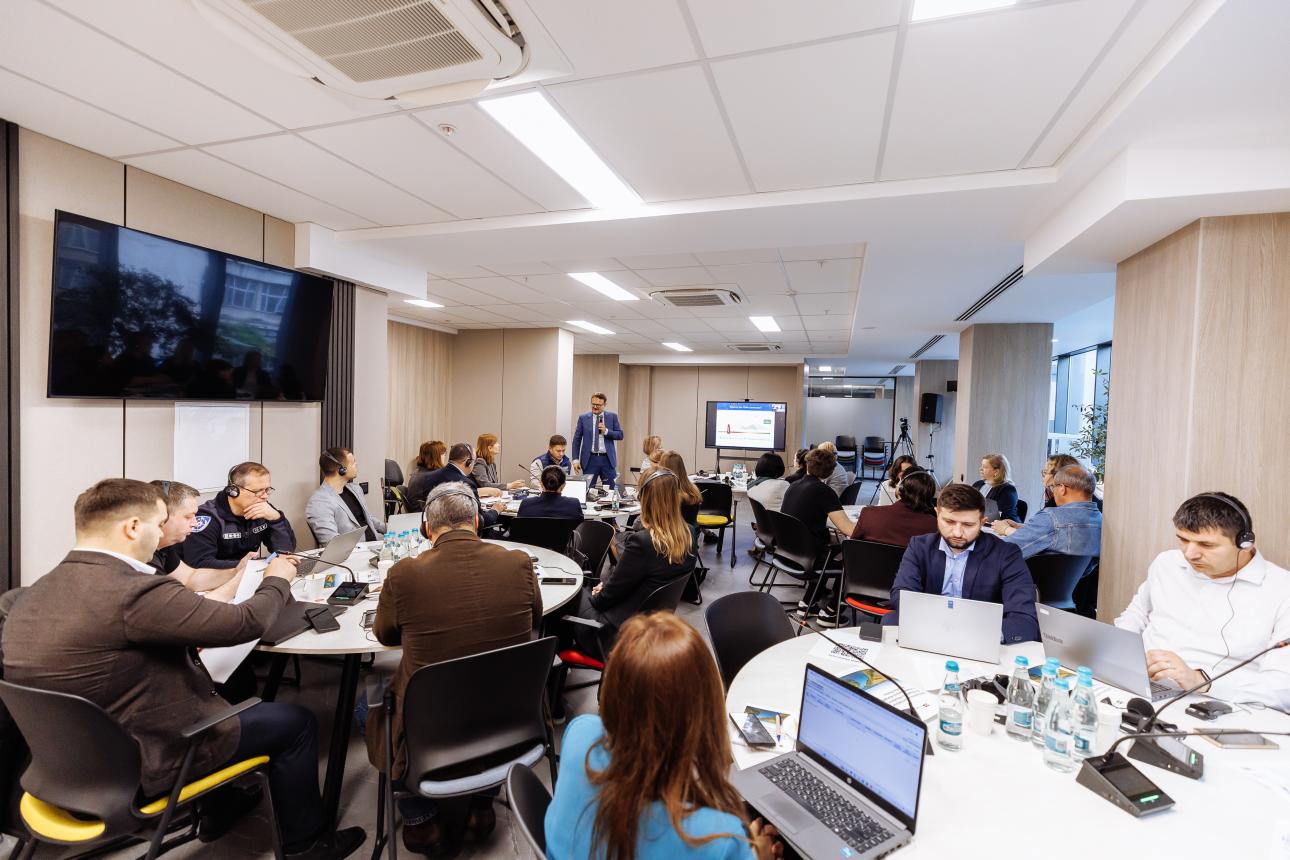
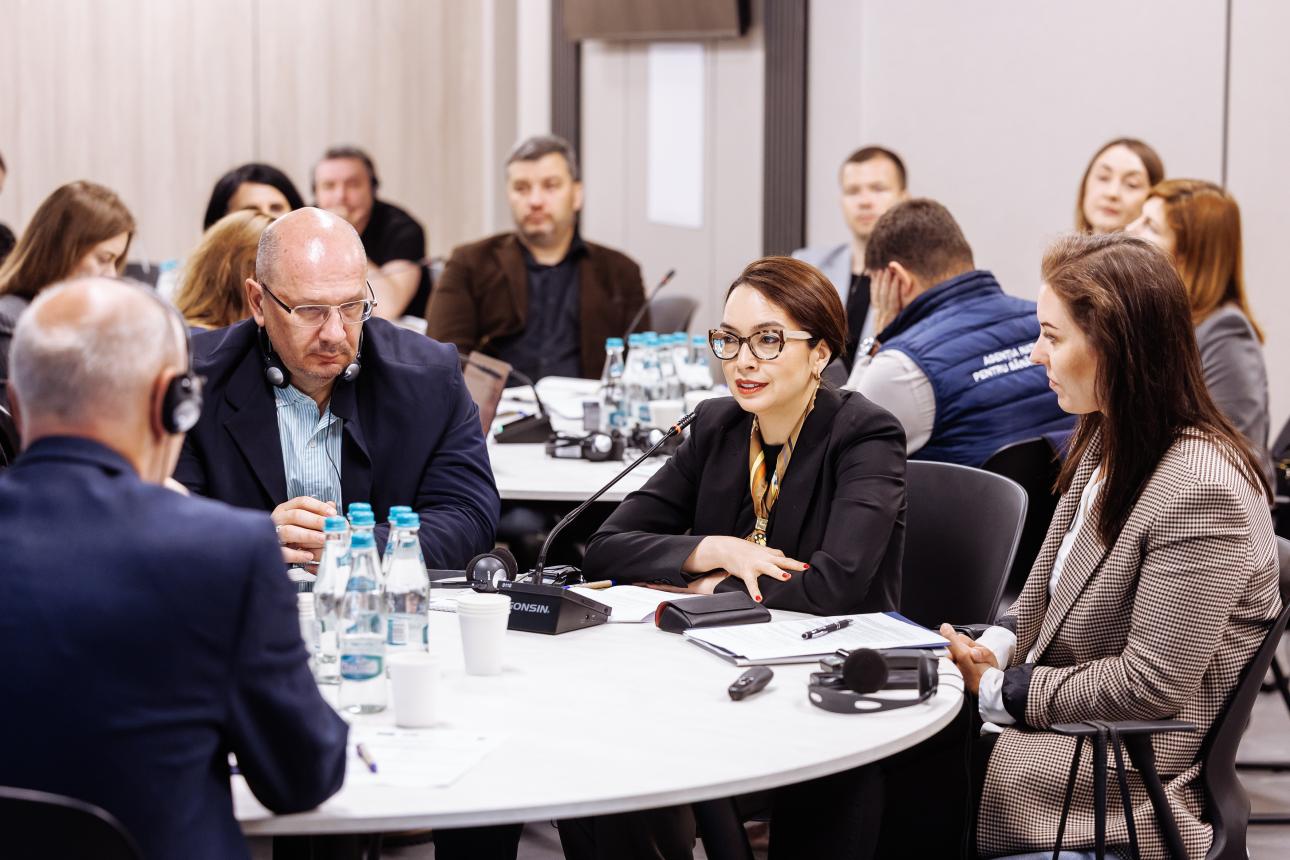
The mechanism is being launched in partnership with the Delegation of the European Union to the Republic of Moldova, the United Nations Development Programme (UNDP), and other UN entities. The process is coordinated at the national level by the NCMC and involves a working group of approximately 40 members, bringing together representatives of 18 specialized authorities and institutions, as well as around 10 international experts. The working group is divided by sectoral areas, including: environment; water, sanitation and health; agriculture; disaster risk reduction; human, gender and livelihoods impact; macroeconomic impact.

The assessment will take place throughout June 2026 through a structured process of data collection and analysis.

“Beyond analysing the current situation, the exercise also has a role in systemic learning: testing the way of working; aligning methodologies between institutions and partners; identifying practices that can be replicated and applied in future crisis situations; as well as improving national response and recovery capacity,” the NCMC said.

At the same time, according to the institution, the conclusions of the exercise will help define a national vision for strengthening the resilience of critical infrastructure associated with water resources, with the objective of reducing vulnerabilities and increasing the capacity for prevention, preparedness, and response to risks that may affect aquatic systems and nearby communities.

The launch of the mechanism marks the second activation of the PDNA process in the Republic of Moldova. The first such assessment was carried out in 2010, following severe floods that affected several localities in the country. After a period of more than 15 years, the Republic of Moldova is reactivating this strategic instrument to analyse the impact of a complex crisis and to underpin the necessary measures for recovery and prevention of future risks.

The contamination of the Dniester River with petroleum substances occurred in March this year, after a Russian attack on a hydropower plant in Ukraine. As a result of the incident, the pollutant entered the river’s course and began moving towards the territory of the Republic of Moldova. Under these circumstances, the authorities in Chișinău mobilized intervention teams and initiated measures to monitor and limit the pollution, including the installation of filters and barriers to capture petroleum substances.
 Facebook
 Instagram
 X/Twitter
 Telegram
Yellow Code for heavy rain, thunderstorms in Moldova on June 2
VIDEO // Moldovan parliament speaker conveys message for Children's Day
Moldovan PM says children represent most important future of Moldova
Moldovan president launches children’s reading competition for June 1
Increased support for families in Moldova: birth allowance reaches 21,866 lei
Moldova has over 833,000 children; Public Services Agency says more than 9,000 babies born in first five months of 2026
Moldova marks International Children’s Day: diverse schedule of activities for whole family
PHOTO // President: It is important to keep alive customs and values that bring us together
Prime Minister: Dniester unites us more than it divides us
President: Dniester - essential for people’s health and safety of our communities
Water, roads and public services: why authorities insist on local reform
President urges citizens to double-check before transferring money to scammers
PHOTO GALLERY // Largest exhibition dedicated to children opened at Moldexpo
MOLDPRES REPORT // Solar energy, batteries and electric transport: green technologies developed in China that could be of interest to Moldova
International post-disaster needs assessment mechanism launched in Chișinău following Dniester river pollution crisis
EU Commissioner in talks with Prime Minister and Deputy Prime Ministers
Right to fair trial – most frequently reported problem by Moldovan citizens in 2025: Ombudsman’s report presented in parliament
Moldovan parliament sets up inquiry committee on phone, online scams: damages exceeding 270 million lei
 National Bank of Moldova
Over 1 billion euros in new investment partnerships, financing announced for Moldova
Topical issues addressed at meeting of Joint Control Commission
Moldovan president, European Commissioner for Enlargement discuss reforms, next steps in accession process
Moldova strengthens institutional capacity to counter hybrid threats with support of EU Partnership Mission in Moldova
President’s speech at joint press conference with European Commissioner for Enlargement

Moldovan parliament speaker says each day of delay of elections in Gagauzia works against autonomy
Digital solutions for schools of Moldova: 140 institutions equipped with 700 interactive boards, computers
Moldova hosts 4th international conference on noncommunicable diseases
Voted in parliament: Moldovan citizens who worked legally in Canada to be able to receive social benefits
Moldovans working in Ukraine to be able to receive pensions, other social benefits
Moldova hosts Kettlebell World Championship
Over 1 billion euros in new investment partnerships, financing announced for Moldova
Labour legislation aligned with European standards: citizens of Moldova to be able to receive unemployment benefits in EU countries
VIDEO // ARBOM offers 80 tickets for Moldova - Bulgaria match to supporters from Taraclia
Moldovan head of state says Russia’s interference constant, efforts must be made to counter it
Moldova secures additional funding for connection to European Road Network
ARMENPRESS: EU to provide additional support to Armenia amid Russian import restrictions
Moldova attracts over 1 billion euros in investments through new strategic partnerships announced at first Moldova–EU Investment Conference
Topical issues addressed at meeting of Joint Control Commission
Moldovan president, European Commissioner for Enlargement discuss reforms, next steps in accession process
EU Commissioner for Enlargement says Moldova on first position in its preparations for European Union membership
Receive the latest news directly to your email

Receive the latest news directly to your email