
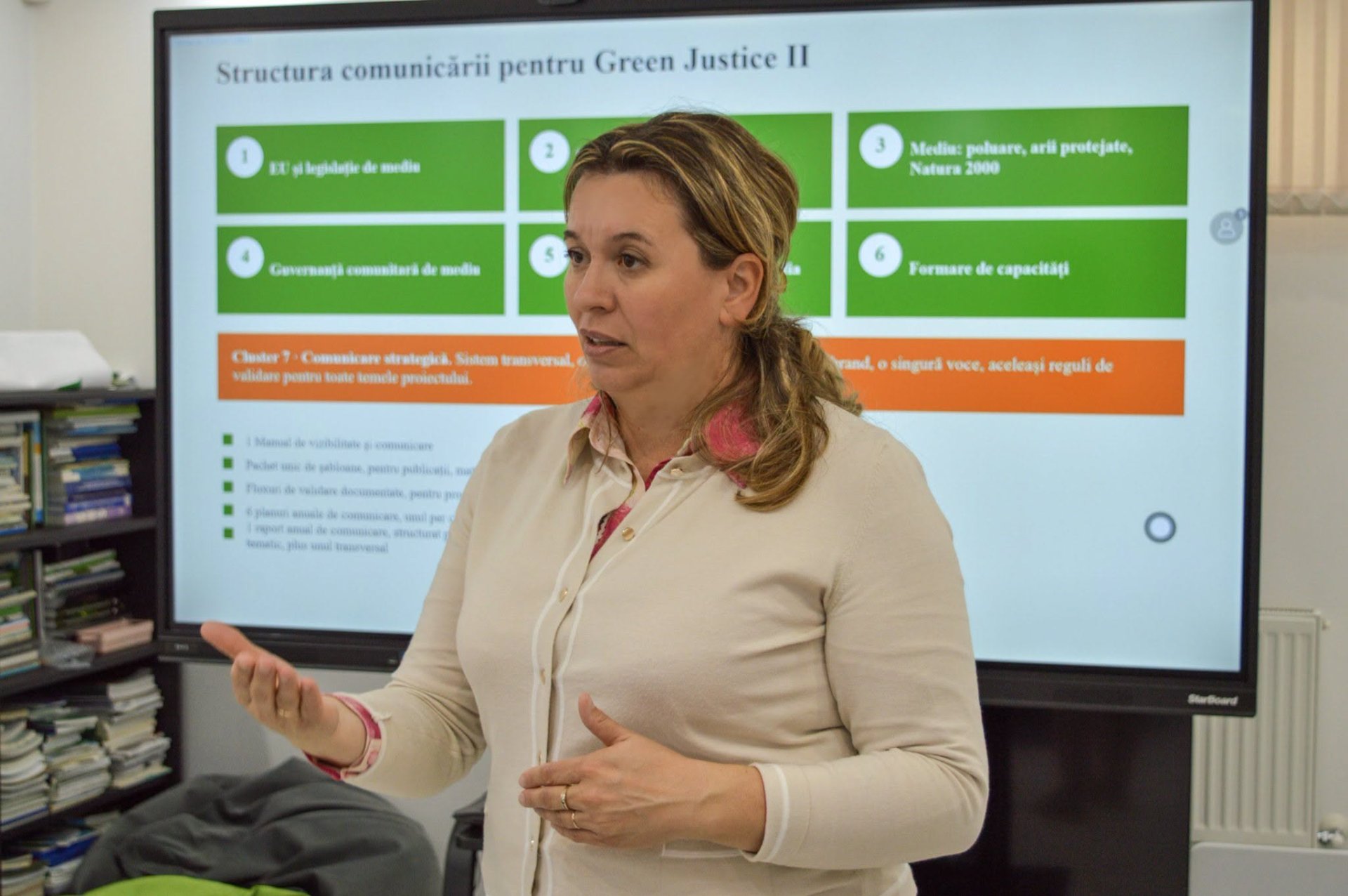
PHOTO // Experience of Green Justice project could underpin new environmental justice initiative in Moldova
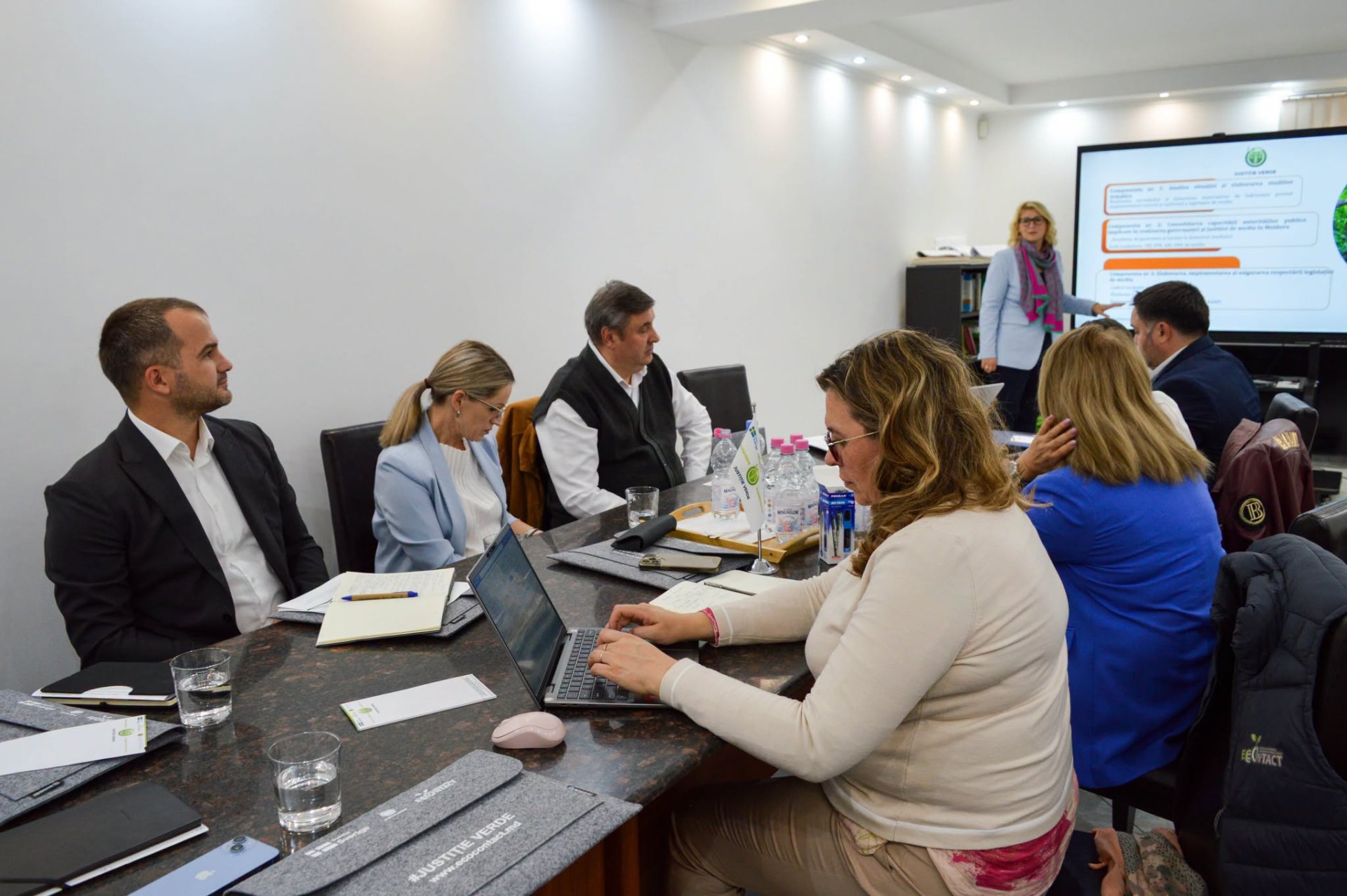
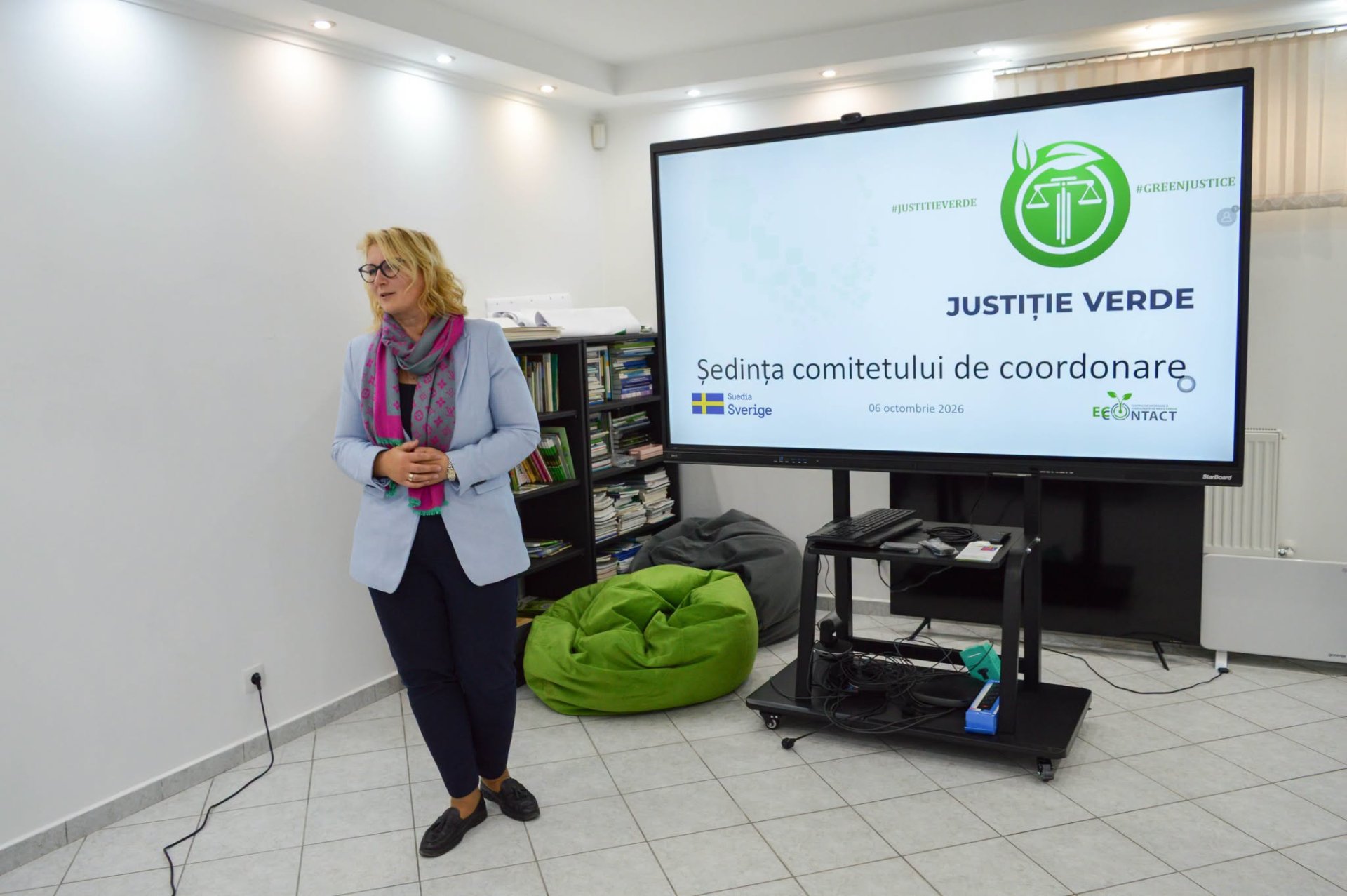
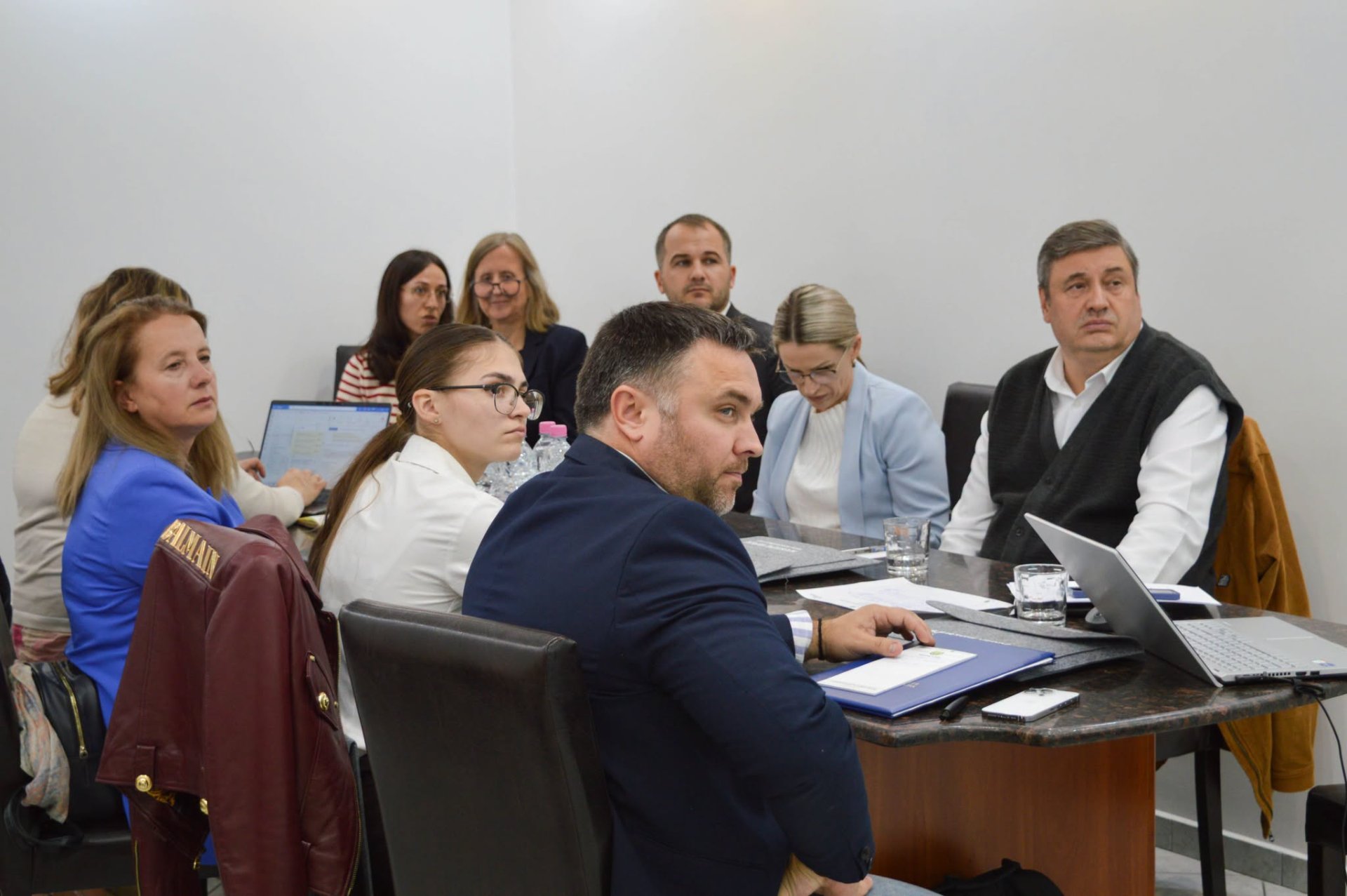
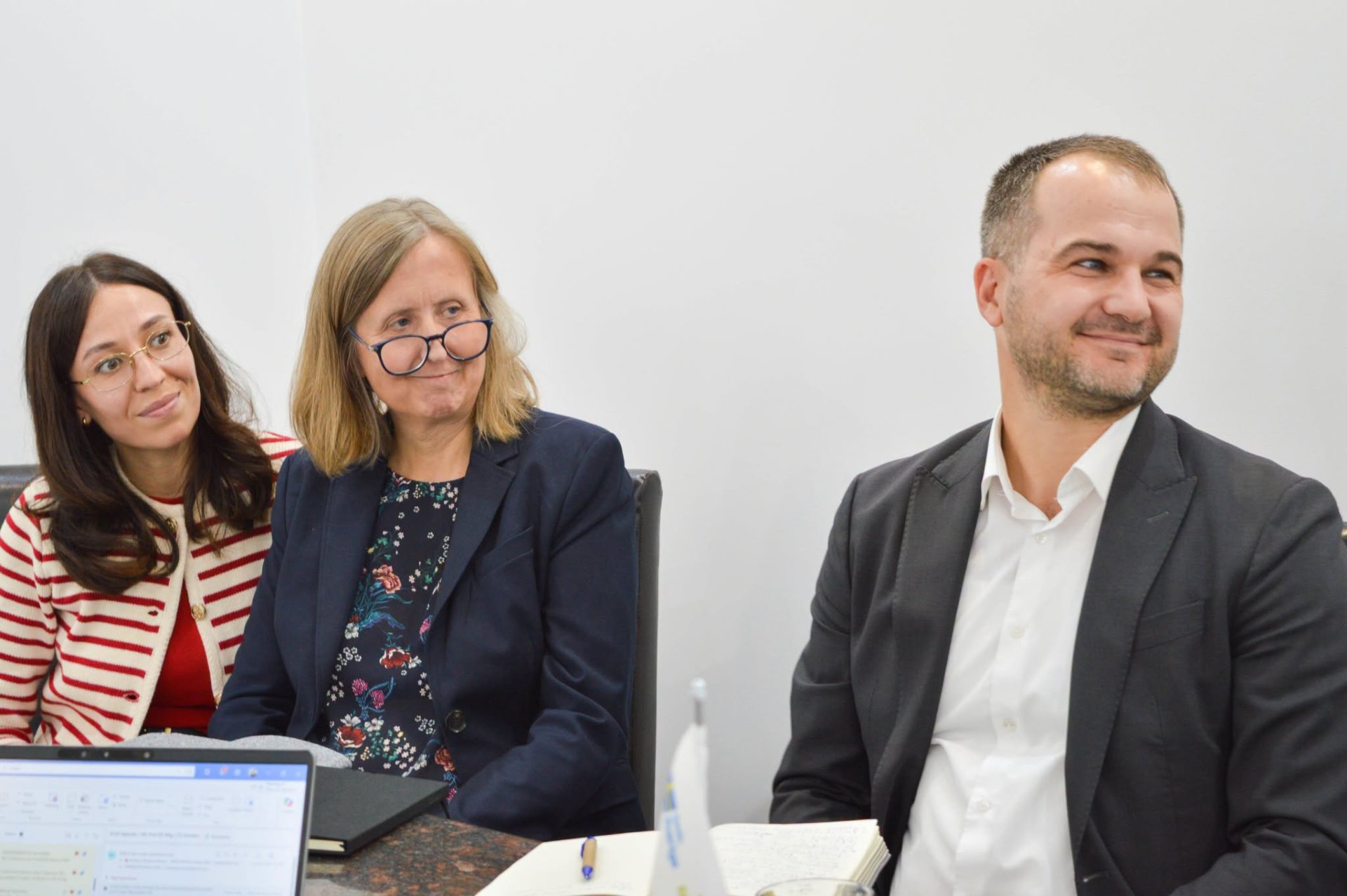
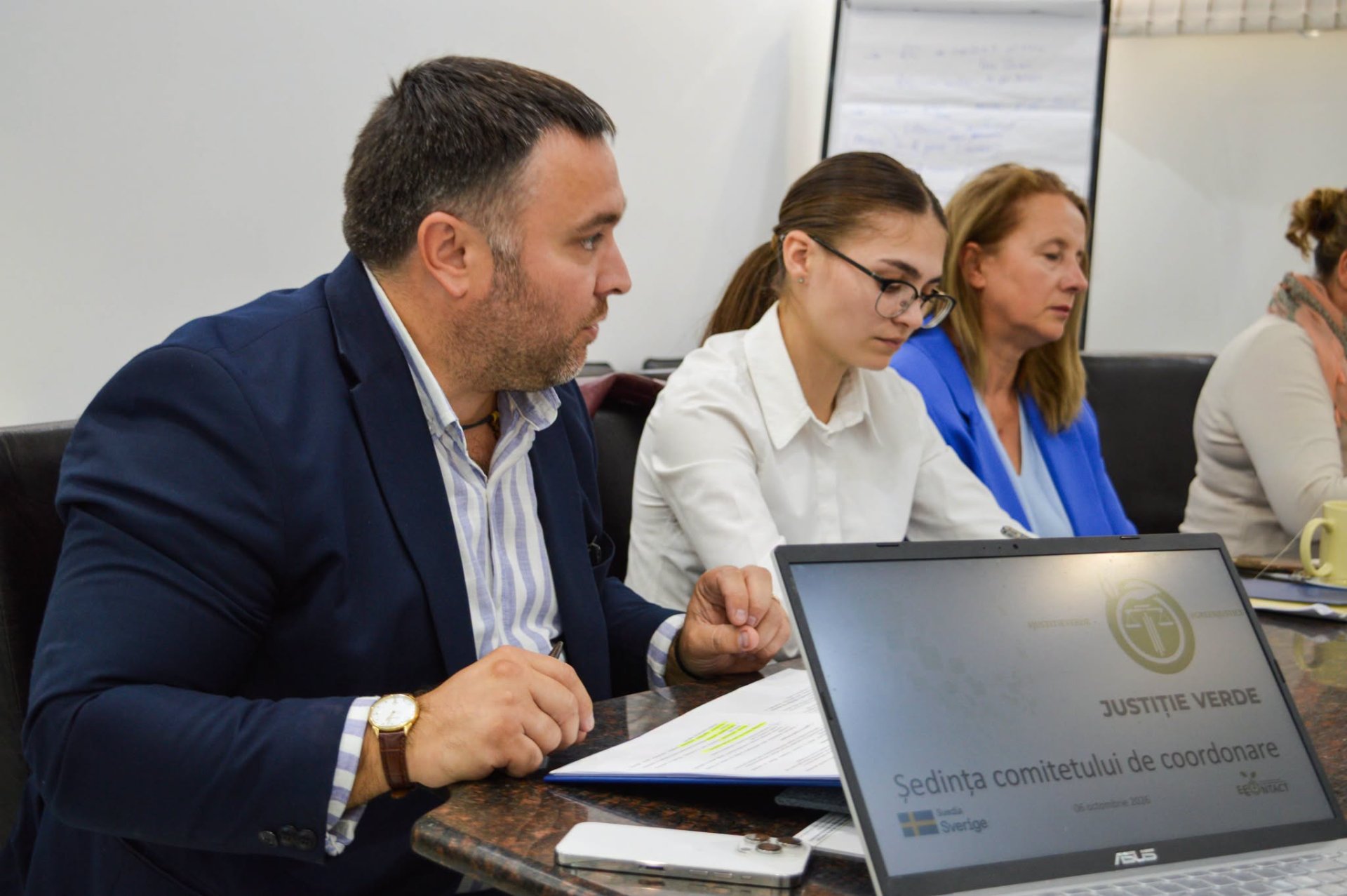
The project, Green Justice for a Protected Environment and Sustainable Communities in Moldova, has contributed to strengthening the enforcement of environmental legislation, providing legal assistance to authorities and citizens, and implementing 28 community projects. The initiative’s results were presented on October 6, during the final meeting of the Steering Committee.

The project was implemented by the NGO EcoContact, in partnership with the Environment Ministry, with financial support from Sweden, on the period September 2021 - December 2026.

Members of the Steering Committee praised the legal assistance provided to environmental authorities, local public administrations and citizens, as well as the results of the community projects and journalistic materials produced through the grant programmes.

“The presence of representatives from various institutions on a common platform reaffirms the multidimensional nature of the project and the importance of an integrated approach to ensuring compliance with environmental legislation,” said Petru Tataru, Secretary General of the Ministry of Environment and chair of the Steering Committee.

Maria Tropp, Head of the Development Cooperation Section at the Embassy of Sweden in Moldova, emphasized that the project was part of Sweden’s cooperation strategy with Moldova and praised the collaboration among the institutions involved throughout its implementation.

An important component of the project focused on transposing European Union legislation into the national environmental regulatory framework. The NGO EcoContact provided assistance in drafting and reviewing regulatory acts, and training sessions were organized for justice professionals and representatives of environmental authorities to support the enforcement of legislation.

At the same time, local public administrations received support in developing local environmental protection regulations.

Within the Local Environmental Platforms, representatives of mayor’s offices, environmental inspectors, police officers, prosecutors, and civil society organizations examined specific issues reported by communities. Participants established the responsibilities of the institutions involved and monitored how the complaints were resolved.

Citizens also benefited from legal consultations and support in addressing the competent institutions. These services were provided through the Aarhus Environmental Information and Consultation Center of the NGO EcoContact.

Through the small grants programme, 28 projects were funded in such areas as water source protection, waste management, energy efficiency, environmental education and access to environmental justice.

As part of the projects, beneficiary organizations rehabilitated wells, developed springs, distributed containers for separate waste collection and planted trees. Residents were involved in training activities, as well as in identifying and resolving environmental problems in their own communities.

Another component of the project focused on environmental journalism. Grants awarded to journalists supported the production of investigations, reports, and debates on pollution, waste management, and access to drinking water.

Journalists documented the identified problems and requested explanations from the responsible institutions. According to the organizers, in some cases, the investigations were followed by interventions from the authorities to address the reported issues.

During the final meeting, the Steering Committee encouraged the NGO EcoContact to discuss with potential partners the possibility of developing a new environmental justice project, building on the experience gained during the implementation period.

Potential areas for further development include cooperation among authorities, civil society, and the media; the provision of legal assistance to local public administrations; and the monitoring and reporting of measures taken by institutions in response to citizens’ complaints or problems documented by journalists.

The project, Green Justice for a Protected Environment and Sustainable Communities in Moldova, is implemented by the NGO EcoContact, in partnership with the Environment Ministry, with financial support from Sweden, and will end in December 2026.
 Facebook
 Instagram
 X/Twitter
 Telegram
Severe weather warning in Spain; Embassy of Moldova issues recommendations for citizens
PHOTO // Moldova sets Guinness world record with world's largest human grapevine
Drones entering Moldova’s airspace left craters, debris across extensive areas
Bomb threat at Chisinau-based Eugen Doga Airport unconfirmed; passengers' access to terminal resumed
Bomb threat alert at Eugen Doga International Airport – Chisinau: passengers, staff evacuated
National Army detects six unauthorized flights in Moldova’s airspace on October 3
VIDEO // Drone fragments detected in more settlements of Moldova; police investigate explosions reported
More drones fly over airspace of Moldova
Bomb alert at Eugen Doga International Airport – Chisinau proves to be hoax; Airport operations resumed
Moldovan police officers to receive training in modern forensic techniques in Turkey
Bomb threat at Eugen Doga International Airport – Chisinau; passengers evacuated
DOC // Two honorary consuls of Moldova awarded Order of Honour
Environment Ministry announces stabilization of Dniester water level near Cosăuți station
Over 60 calls to 112 concerning drones, unidentified aircrafts recorded in Moldova in past two months
United States, Moldova strengthen cooperation on cybersecurity
VIDEO // Deputy PM for reintegration says Moldova's advancement along European integration path to create sustainable, much more attractive framework for country's reintegration
Moldovan foreign affairs minister meets new Ambassador of the Netherlands; EU integration developments on agenda
PM invites European companies to invest in Moldova
 National Bank of Moldova
Strengthening cooperation, exchange of best practices between parliamentary secretariats of Moldova, Romania in support of country’s EU accession process
Moldovan Presidency publishes register of gifts received in July–September 2026, which remain in institution’s assets or may be repurchased
Parliament speaker, U.S. Ambassador discuss strengthening Moldovan-American partnership
People with severe disabilities since childhood to be able to combine disability and survivor’s pensions
All persons with disabilities since childhood to be eligible to receive disability and survivors’ pensions

VIDEO // Deputy PM for reintegration says Moldova's advancement along European integration path to create sustainable, much more attractive framework for country's reintegration
ARMENPRESS: UN Human Rights Council unanimously adopts Armenia-initiated resolution
Moldovan foreign affairs minister meets new Ambassador of the Netherlands; EU integration developments on agenda
PM invites European companies to invest in Moldova
PHOTO // First national open educational resources platform launched in Moldova
Moldovan health minister says there is no risk of escalation, in connection with suspected case of pneumonic plague in Russia
Republic of Moldova to present negotiating positions for EU accession Clusters 2 and 3
Moldovan companies promote fruit at Fruit Attraction 2026 in Madrid
Environment Minister: Country’s water intake stations must be adapted to new realities
People with severe disabilities since childhood to be able to combine disability and survivor’s pensions
All persons with disabilities since childhood to be eligible to receive disability and survivors’ pensions
Government simplifies procedures for construction of Strășeni–Gutinaș power line
VIDEO // Prime Minister: Brussels wants Moldova to move forward, and reforms linked to Growth Plan designed to bring country closer to EU
Moldova to receive EU accession roadmap by year-end
Deputy Prime Minister for Reintegration discussed priorities of Moldova’s reintegration process with representatives of international partners
More accessible public transport, safer streets and better-organized parking: new rules for urban mobility approved by Government
Receive the latest news directly to your email

Receive the latest news directly to your email