
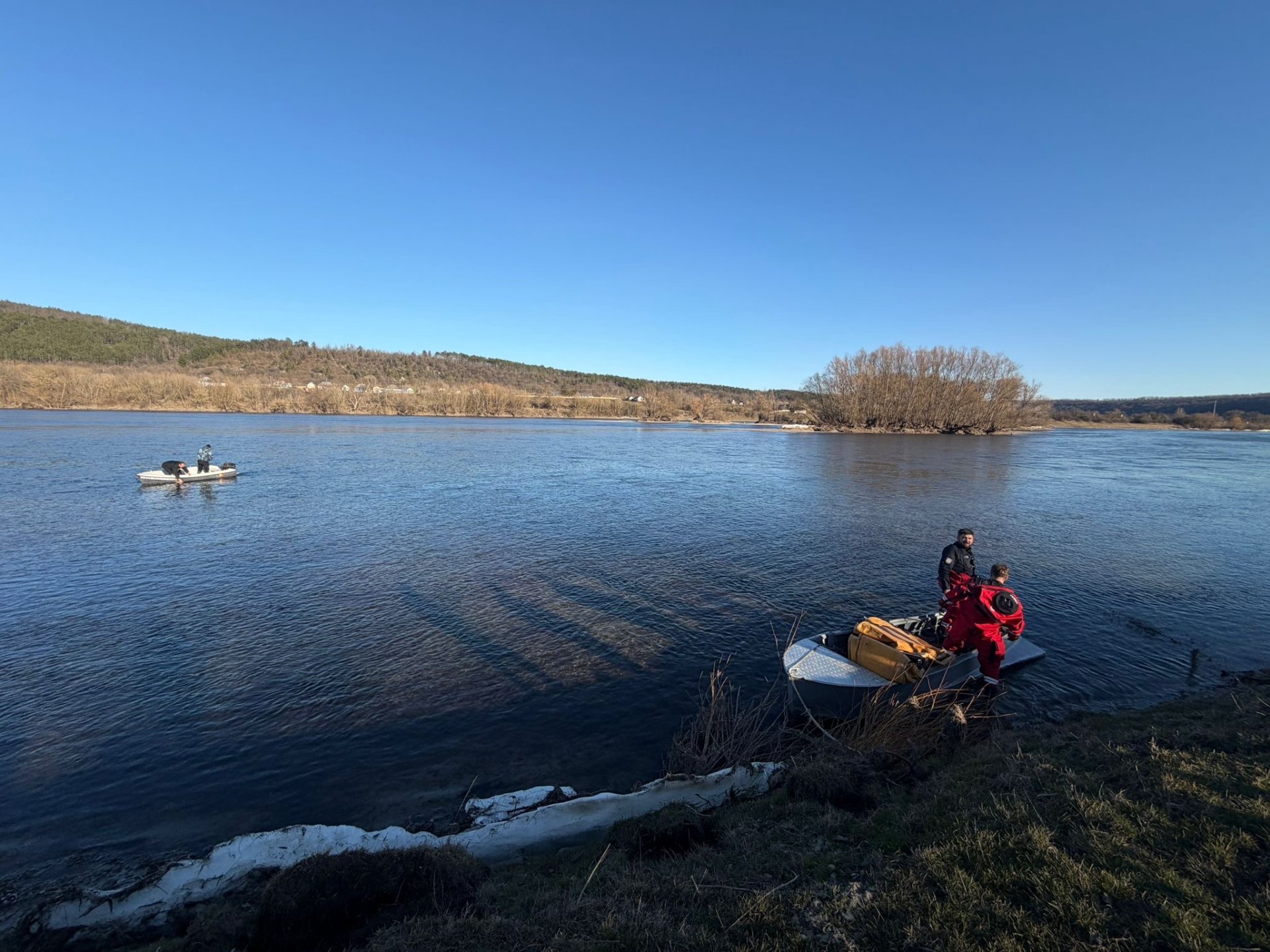
VIDEO // Moldovan PM announces installation of additional filters on Dniester River: “Citizens' safety stays our priority''
The authorities have announced the installation of additional filters on the Dniester River, and straw bales are being used in the water – an effective method for retaining oil substances. At the same time, a mobile laboratory is collecting field samples every six hours, in order to constantly monitor water quality. Prime Minister Alexandru Munteanu today presented information on the matter. He is in Soroca together with Environment Minister Gheorghe Hajder, to monitor the situation on the ground.

The PM stressed that teams from the General Inspectorate for Emergency Situations (IGSU), the National Army, Apele Moldovei (Moldova’s Waters) and the Environment Agency are intervening, in order to limit the impact on citizens.

“While Russia continues to attack the neighboring state, our international partners are standing by us. The Environment Ministry is coordinating actions on the side of  Moldova. The Ukrainian side is intervening on their bank of the Dniester, and teams from Romania are already in the field and contributing to the installation of additional filters. In addition, we will access the instruments of the EU Civil Protection Mechanism. We thank everyone for their prompt support and solidarity. The safety of citizens stays our priority. I urge you to get information only from official sources,” said Alexandru Munteanu.

The authorities of Moldova today raised the alert level in the northern part of the country, after laboratory tests indicated that the admissible limits of certain pollutants in the water of the Dniester River had been exceeded. Environment Minister Gheorghe Hajder made statements to this effect. He said that the situation was being constantly monitored and additional measures are being implemented to protect the population.

At the same time, the National Crisis Management Center today ruled to create a joint crisis cell, with specialists from national institutions and experts from neighboring countries, in the context of the pollution of Dniester’s waters.

The problem arose following a Russian attack on a hydropower plant in Ukraine. As a result, an oil substance reached the waters of the Dniester and continues to move downstream.
 Facebook
 Instagram
 X/Twitter
 Telegram
Crisis Cell: Several Moldovan citizens evacuated from Dubai via route organized by Romanian authorities
Authorities in Moldova and Ukraine coordinate actions to manage incident on Dniester River
VIDEO // Authorities intervene on Dniester early morning: filters installed and new water analyses
USMF "Nicolae Testemițanu" to launch bachelor’s program in Medical Cosmetics and Cosmetic Product Technology
GMI warns about fake website offering paid extension of temporary protection for displaced people from Ukraine
VIDEO // Pollution of Dniester under control: water supply restored in more north Moldova settlements; environment minister says there is no risk for Chisinau
VIDEO // Emergency intervention on Dniester: Moldovan environment minister monitors on site installation of barriers against oil slicks
Medical first in Moldova: living donor liver transplant performed using laparoscopic technique
VIDEO // Environment Minister: We installing capture filters to prevent pollution of Dniester
Crisis Cell - 40 citizens returned to country on Dubai–Chișinău flight
Drivers of vehicles registered in other states to be sanctioned for traffic violations on roads in Moldova
Environmental authorities of Moldova monitor oily patches noticed on Dniester River upstream from Naslavcea
Moldovan prosecutors' evaluation commission summons more prosecutors for hearings in March
Crisis Cell: 30 Moldovan citizens evacuated from United Arab Emirates
VIDEO // Moldovan PM announces installation of additional filters on Dniester River: “Citizens' safety stays our priority''
Moldovans who worked legally in Canada, Moldova to be able to receive pensions from both states
Moldovan PM asks authorities, budgetary institutions to implement strict control of expenditures
DOC // Fishing temporarily banned on Naslavcea–Dubasari sector of Dniester River
Moldovan deputy parliament speaker participates in 70th session of UN Commission on the Status of Women
VIDEO // Second protective boom set on Dniester; Moldovan environment minister says teams ready to intervene, if oil slicks appear
VIDEO // Construction works at Chisinau, Vulcanesti substations advance: major equipment delivered, set
 National Bank of Moldova
Moldovan deputy PM has meetings with senior European Union officials in Brussels
Speaker attends reception dedicated to Japan’s National Day
Moldovan government's secretary general country needs stronger mayoralties for communities' development
Moldovan PM meets two entrepreneurs developing successful businesses in Causeni
Moldovan PM visits two major projects completed in Causeni with government's support

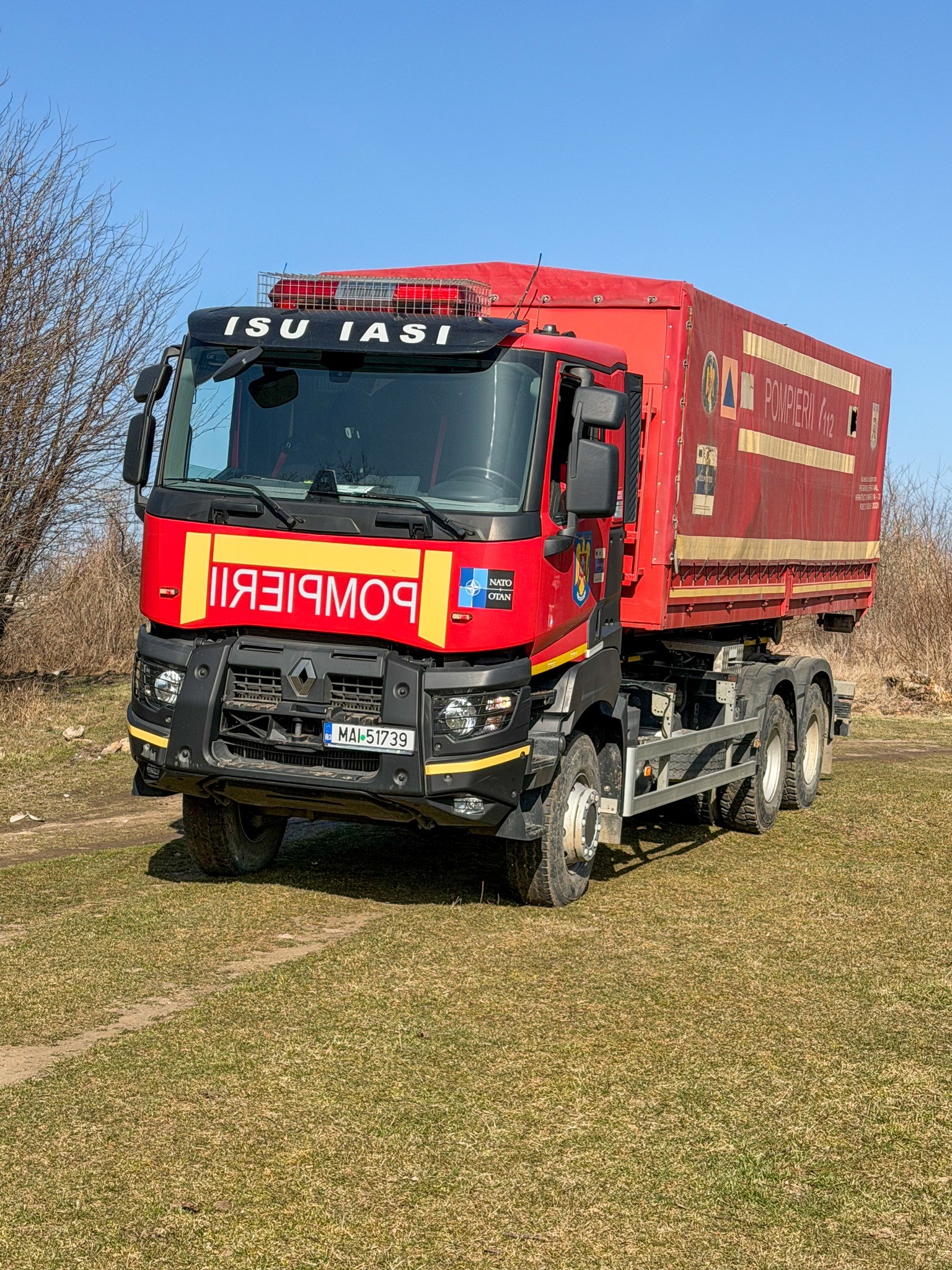
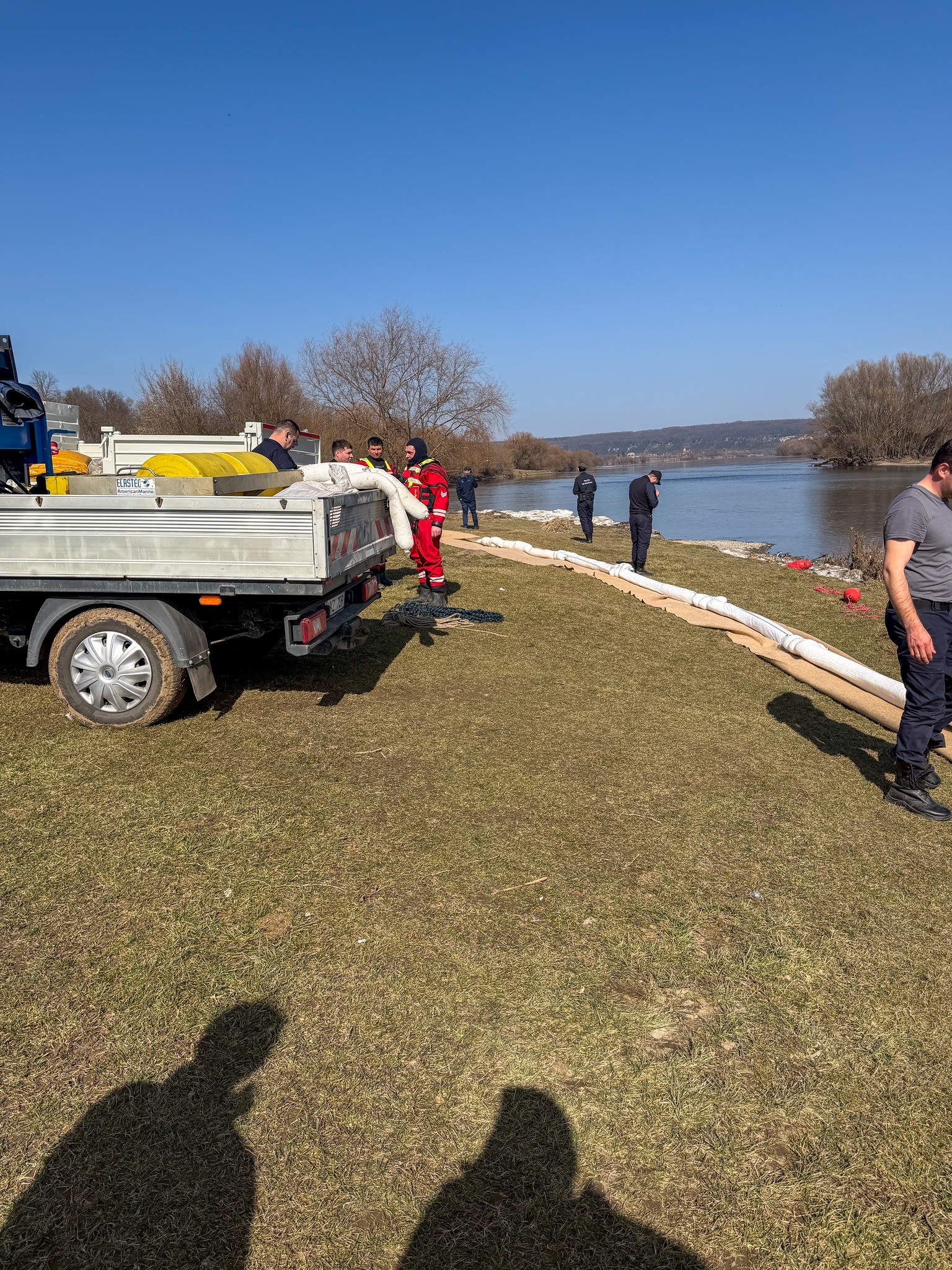

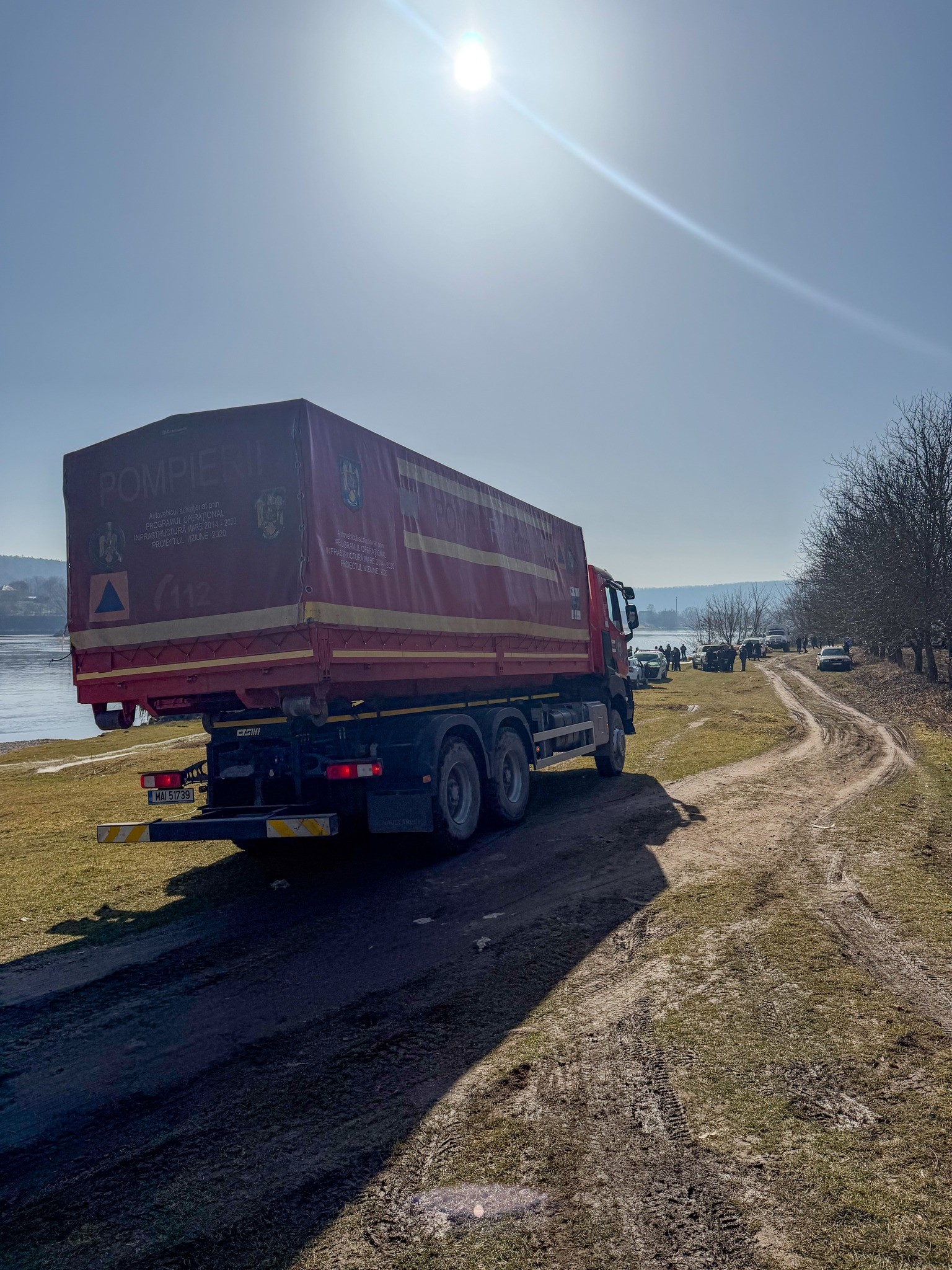
Servicemen intervene in north Moldova district to manage pollution of Dniester River
Romania pledges experience sharing, support for Moldova’s EU accession
Moldovan PM announces requesting of activation of EU Civil Protection Mechanism, in context of situation on Dniester
Romanian Language Day to be marked in Ukraine; Moldovan president says Romanian language unites people on both banks of Prut, all the way to Chernivtsi
Moldovan Interior Ministry, Education Ministry launch joint action plan to prevent drug use, trafficking among pupils, young people
CNMC decided to create joint crisis cell with specialists from national institutions and experts from neighboring countries in context of water pollution in Dniester
VIDEO // Authorities raise alert level after Dniester River water pollution: laboratory tests show exceeding of permitted limits
Parliament backs Moldova’s withdrawal from Treaty protecting fossil fuel investments
Foreign Ministry: 28 Moldovan citizens requested consular assistance in Middle East
VIDEO // Citizens can check in real time gasoline and diesel prices and stocks of fuel stations across country
Moldova aligns with global standards: joining Agroecology Coalition opens path toward modern and resilient agriculture
Ministry of Energy: On 12 March, fuel imports through Giurgiulești Port increased significantly
Speaker attends reception dedicated to Japan’s National Day
Deputy Prime Minister attends Moldova–Switzerland Business Forum
European Integration Office marks two years since creation
Wrestler Mihaela Samoil wins bronze medal at European Championship
Receive the latest news directly to your email

Receive the latest news directly to your email