
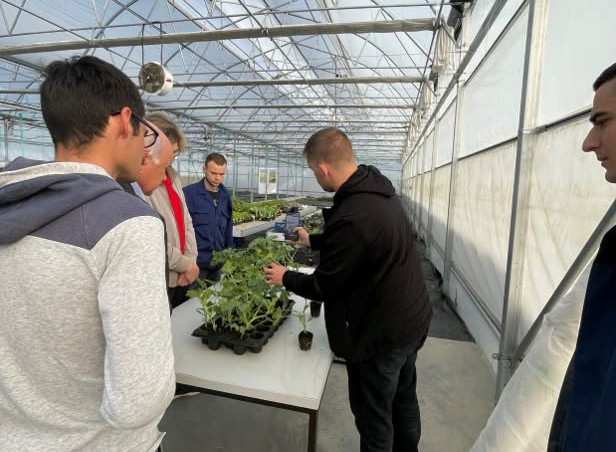
PHOTO // From grafted watermelon to smart agriculture: how Moldova's Technical University trains specialists for agriculture of future
At a time when drought and climate change are putting increasing pressure on agriculture in Moldova, applied research is becoming essential. One example comes from the Faculty of Agricultural, Forestry and Environmental Sciences of the Technical University of Moldova (UTM), where students are testing technologies that could make crops more resistant to water stress.

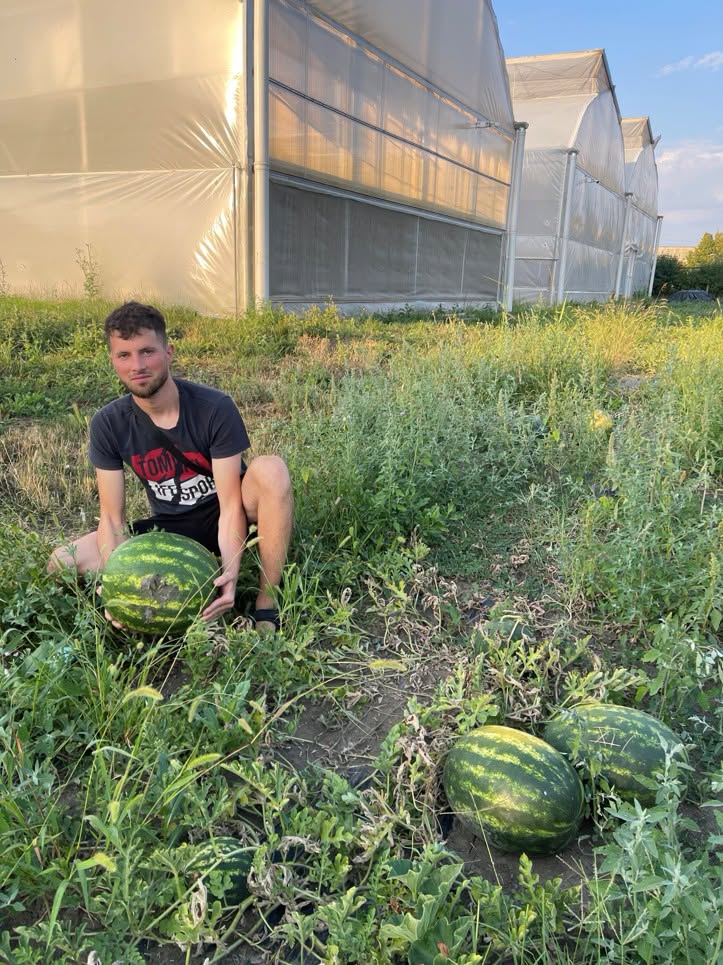
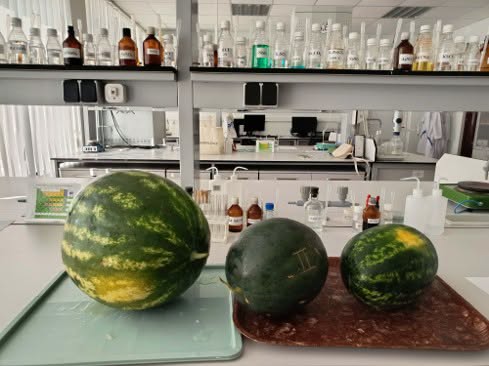
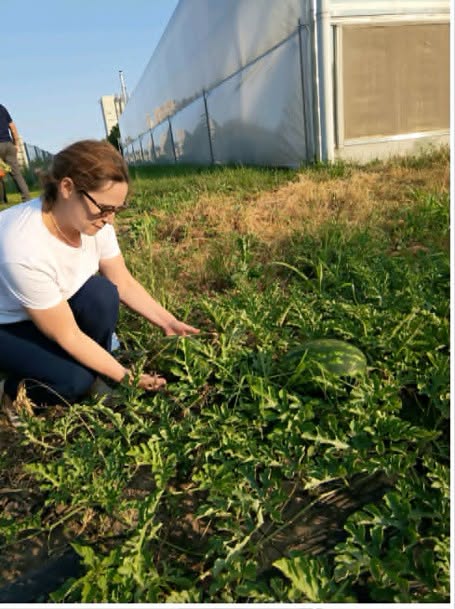
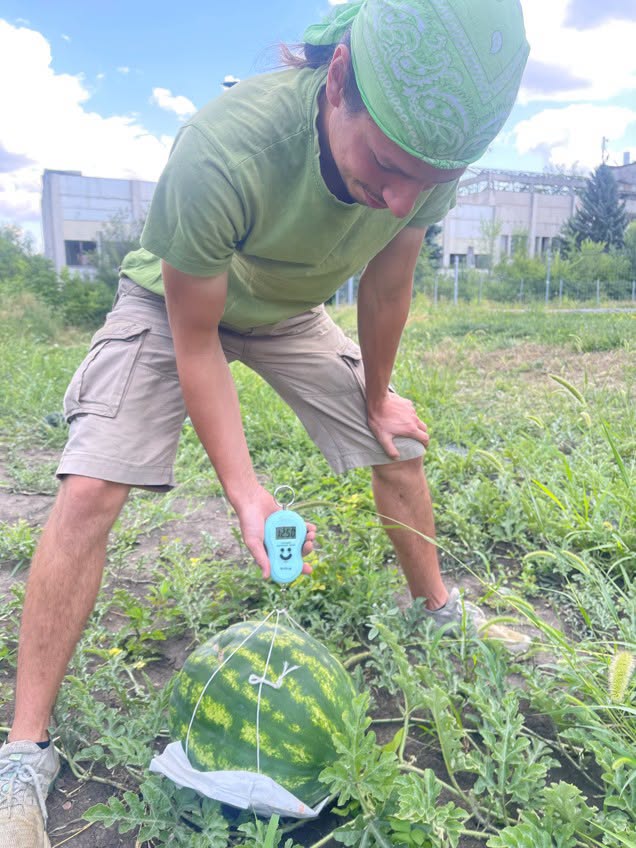
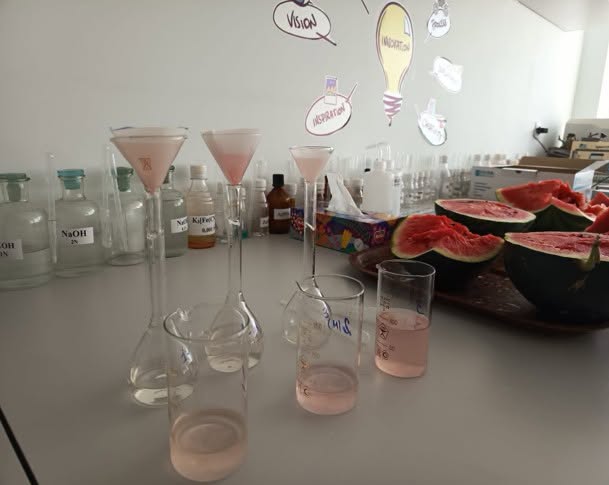
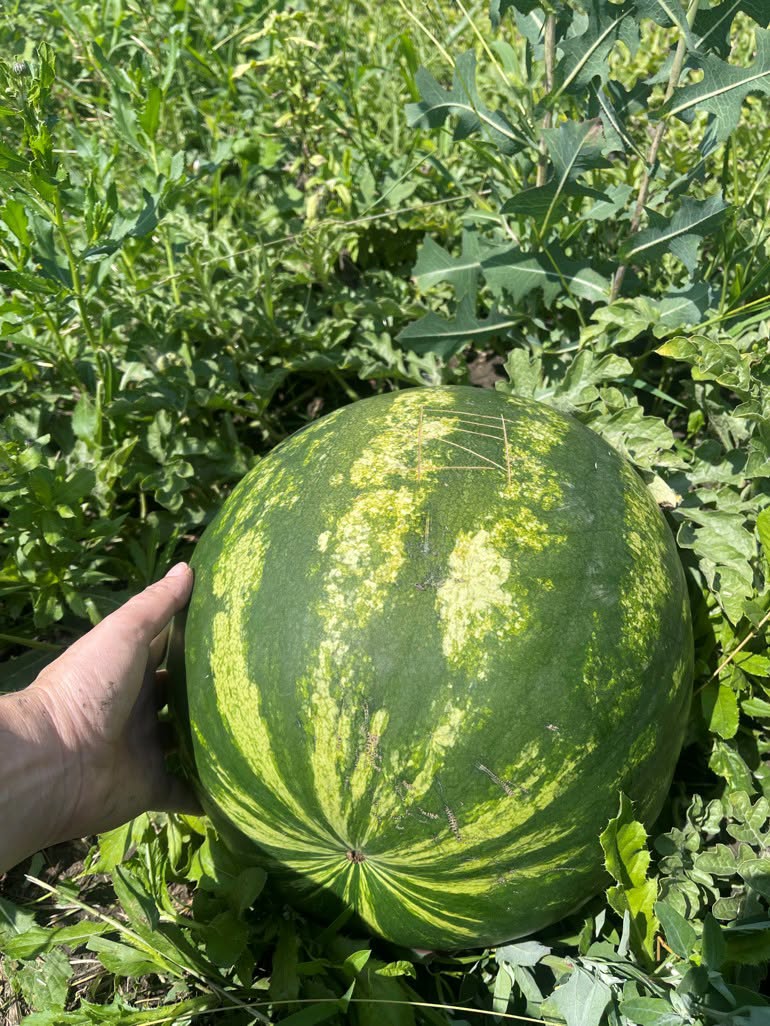
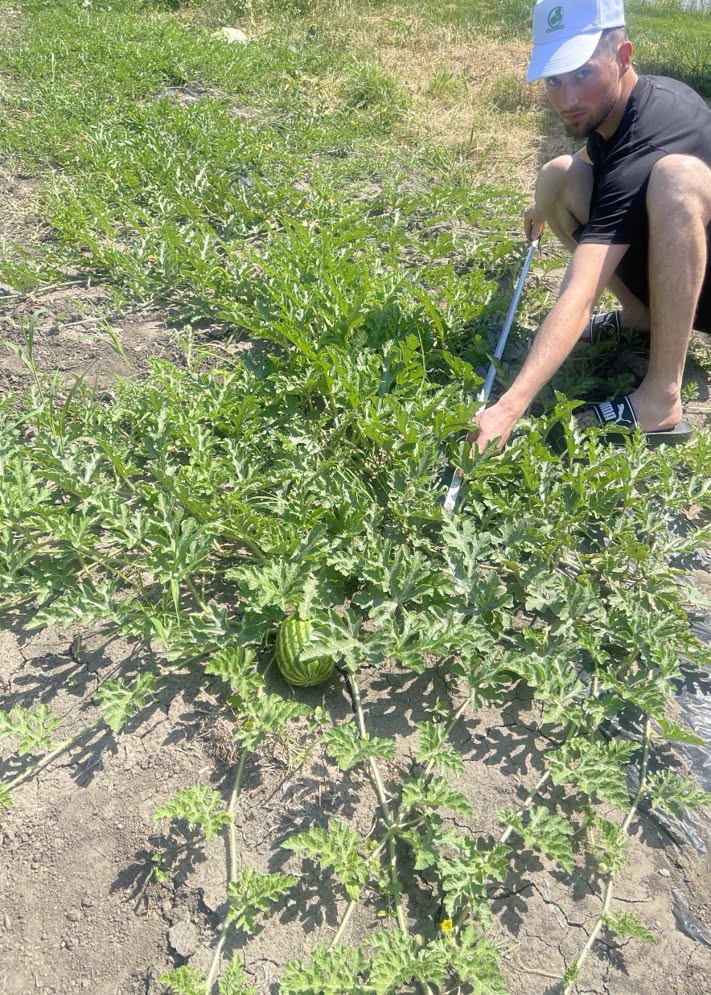
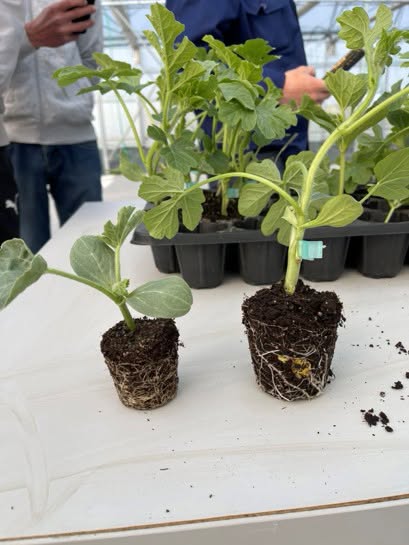
A recent experiment carried out by the faculty focuses on grafted watermelon, compared with non‑grafted plants. The students monitored plants’ development from the earliest growth stages through fruit formation and ripening.

According to the institution, the results were encouraging: grafted plants produced more fruits, showed vigorous development and the fruits were uniform and well formed. More importantly, the plants performed well under water stress conditions, without additional irrigation or fertilization during the vegetation period.

The experiment also has an important practical component for the agriculture affected by drought. Grafting can help enhance the resilience of horticultural crops and improve water use efficiency and the results achieved by the students provide a starting point for further research.

A faculty with tradition, but oriented toward the agriculture of the future

The faculty is presented as one of the oldest university structures in the agricultural field of the country, with 90 years of history. Presently, students’ training combines traditional disciplines with research, modern technologies and current agricultural challenges.

The educational offer includes bachelor’s programmes, such as Agronomy, Horticulture, Viticulture and Oenology, Plants’ Protection, Animal Science, Agri‑food Product Safety, Agribusiness and Rural Development, Forestry and Public Gardens, Ecology and Agricultural Biotechnologies. The official UTM list also includes the programme, Crop Breeding and Genetics.

For the 2026 academic year, UTM has also introduced a new bachelor’s programme – Smart Agriculture – which shows the direction in which specialists’ training is evolving: more technology, data and modern solutions applied in agriculture.

At the master’s level, students can continue their specialization in such fields as horticultural sciences, integrated protection of plants and agroecosystems, agroecology, conservation agriculture, food safety, animal husbandry management and apiculture and biotechnologies in animals’ reproduction.

From the laboratory straight into agriculture

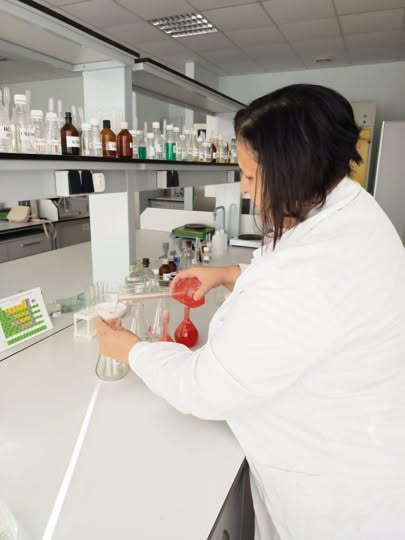
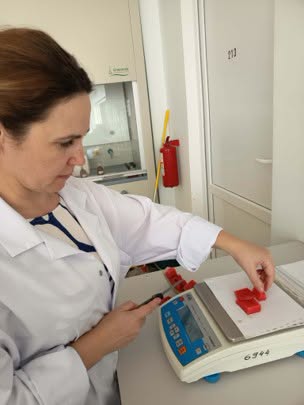
An important advantage of the faculty is its strong focus on practical training and applied research. Students have access to agricultural fields, teaching and experimental farms and laboratories where they can test technologies and cultivation methods. The faculty is also developing partnerships with universities from abroad, including through the Erasmus programme, which enables mobility for students and teaching staff.

Research conducted by the academic staff covers such topics as the use of biofertilizers and microelements, increasing plants’ resistance and productivity, technologies for producing grapevine planting material, sustainable management of agroecosystems and identifying plants’ genotypes better adapted to climate change.

According to information provided by the institution, the faculty has more than 60 teaching staff members and its research activities are closely linked to the needs of agricultural producers and companies in the sector.

In a sector where drought, soil degradation and climate change are becoming increasingly serious challenges, the faculty is striving to move agriculture from the realm of tradition alone into the one of research, technology and adaptation.

And the experiment with grafted watermelon is a simple but relevant example: an idea born from students’ curiosity can, through research and testing, become a solution for farmers who will have to produce more with increasingly limited water resources.
 Facebook
 Instagram
 X/Twitter
 Telegram
Bălți–Dnestrovsk power line put back into operation
Moldova increased renewable energy capacity by nearly 94 MW in first half of year
NBM: annual inflation rate to follow upward trend until end of year, then decline
DOC // Moldova secures €150 million in funding for Livada Moldovei II project
Ministry of Infrastructure provides clarification on transit of Ukrainian goods
Energocom fully purchased gas needed for upcoming cold season
Local Product exhibition to open on 28 August at Moldexpo: two national records and over 300 participating companies
Moldova offers Ukraine 50% railway transit discount to attract millions of euros to CFM
Ceiling for foreign exchange operations without NBM authorization to be increased to 100,000 euros
VIDEO // Moldova ready to facilitate transit of Ukrainian grain
Prime Minister orders changes to tax procedures after entrepreneur misses tax relief due to late filing
Moldelectrica to be reorganized: decision approved by Government
DOC // Moldova ratified Cape Town Agreement on fishing vessel safety
PHOTO // Ungheni Bridge over Prut takes shape: physical progress of works reaches 55%
Shahed-type drone detected in Moldova's airspace today morning
PHOTO // From grafted watermelon to smart agriculture: how Moldova's Technical University trains specialists for agriculture of future
PHOTO GALLERY // Final rehearsal on Great National Assembly Square for Military Parade: over 2,000 service members march in center of Chisinau
VIDEO // General rehearsals for Military Parade due in Moldova on August 27; Law-enforcement personnel train on Great National Assembly Square
Moldova's government to recommend introducing licensing regime for imports of cereals; PM says cabinet tries to protect Moldovan producers, exporters
Moldovan PM has talks with Ambassador of Kazakhstan
Moldovan PM, Japanese Ambassador discuss Moldova-Japan partnership
 National Bank of Moldova
Moldovan PM has talks with Ambassador of Kazakhstan
Moldovan PM, Japanese Ambassador discuss Moldova-Japan partnership
Moldovan PM has talks with BPO company representatives: predictability, better conditions for business development
Prime Minister and UNDP Representative approach cooperation priorities
Over 120 officials, staff trained on integrity standards and access to public interest information

ARMENPRESS: Archaeologists discover new inscription at Great Hermitage of Tatev
Moldovan energy minister inspects works at Chisinau Electrical Substation: faults detected in auxiliary equipment may cause delays
About 470 young teachers assigned to work at educational institutions of Moldova
Moldovan PM has talks with BPO company representatives: predictability, better conditions for business development
Meteorologists issue yellow heatwave, fire danger warning in Moldova; air temperatures to reach up to 36°C
Modern school minibuses for more educational institutions of Moldova: 38 new vehicles to carry pupils to school
DOC // SIS and AIM report debunks myths about real amount of ammunition in Cobasna
LIVE // 14,000 tons of ammunition stored at Cobasna, gross quantity
UPDATE Increased traffic at Leușeni and Sculeni border crossings eased
ANRE approves new natural gas rates for end consumers
DOC // NBM to put into circulation two coins on 35th anniversary of proclamation of Independence of the Republic of Moldova
Number of people accommodated in tourist facilities in country increased by around 16 percent in first half of year
Border crossing between Ukraine and Moldova attacked by drones
Prime Minister and UNDP Representative approach cooperation priorities
CFM: Moldovan farmers have priority for grain transport by rail
Five former officers convicted for illegal interception of communications of activists, journalists, politicians
Receive the latest news directly to your email

Receive the latest news directly to your email