
Moldovan PM says situation on Dniester must not be turned into subject of political speculation
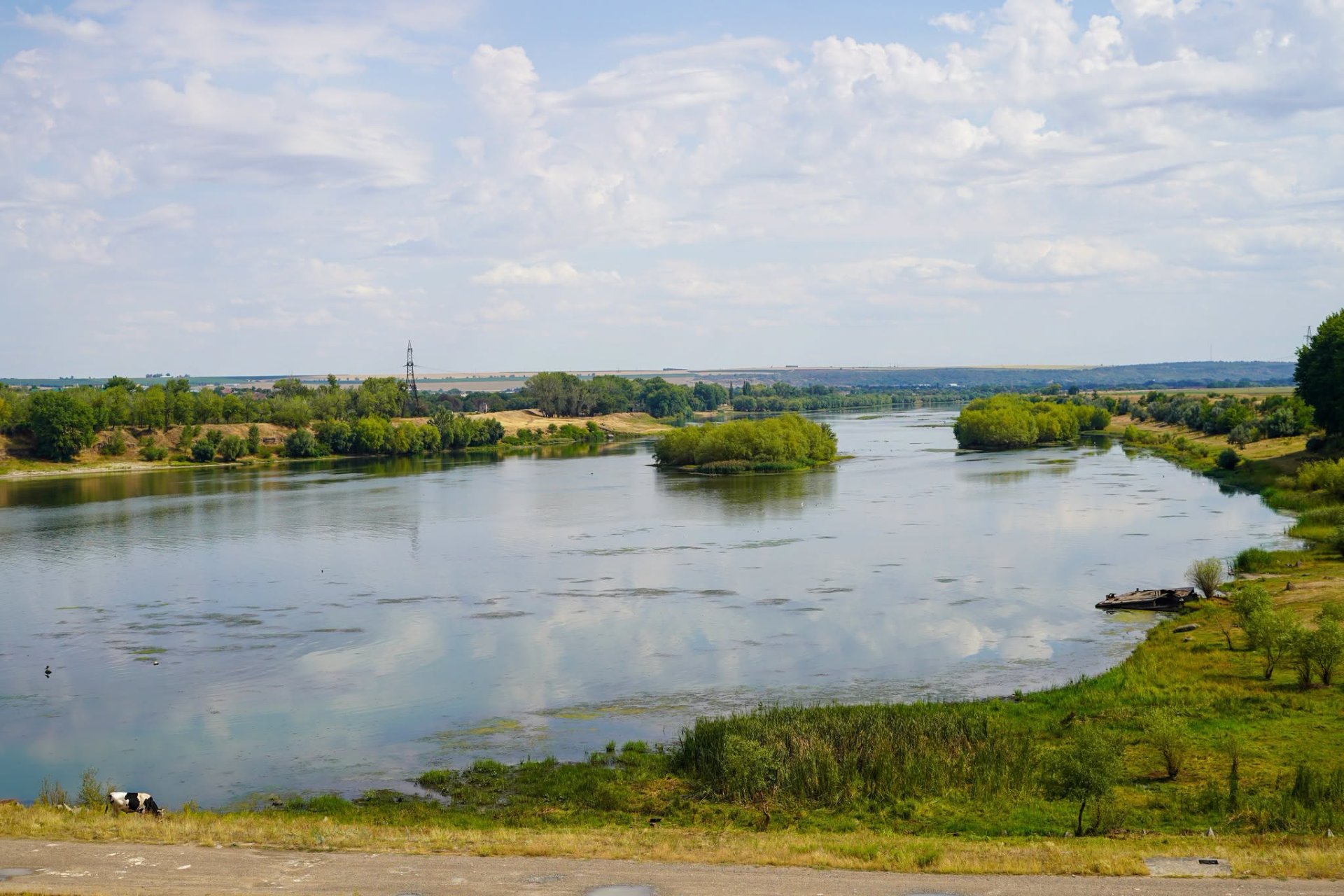
The hydrological situation in the Dniester basin is complicated and must be addressed responsibly, without being turned into a subject of political speculation, Prime Minister Vasile Tofan says. The PM drew attention in parliament to the low water level of the Novodnestrovsk Reservoir and the risks triggered by this situation.

“This is far too important a subject to debate in a speculative manner and turn into all kinds of political gimmicks,” Vasile Tofan said today during a parliament meeting.

The prime minister noted that, recently, reduced volumes of water had flowed into the Novodnestrovsk Reservoir, because of a precipitation deficit in the Carpathian region.

“You can see that lately only 22 m³/s of water has been flowing in there because there was very little snow in the Carpathians. As a result, the reservoir has fallen from a normal level of 120 meters to 111 meters,” Tofan said.

According to the PM, the drop in the reservoir’s water level is also creating technological risks. “To understand the technological risks, they already begin at 112 meters,” the official said.

Vasile Tofan also warned about the consequences of the situation for settlements in the region. “I will tell you more: the level they have reached now places the city of Khotyn in very great danger,” the prime minister said.

The Environment Ministry noted that, during the first 20 days of September, the average inflow into the Novodnestrovsk Reservoir had been approximately 23 m³/s, while downstream discharges remained at 60 m³/s. On this period, approximately 40.3 million cubic meters of water entered the reservoir, while the volume released was about 103.7 million cubic meters.

In early September, the water level in the reservoir was 111.83 meters, while on September 20, it was estimated at approximately 111.15 meters, representing a decrease of about 68 centimeters over 20 days. The Environment Ministry explained that the situation was prompted mainly by reduced water flows upstream and a precipitation deficit in the upper Dniester basin.
 Facebook
 Instagram
 X/Twitter
 Telegram
Moldovan Border Police monitor situation after explosion nearby border with Ukraine; no fragments found in Moldova
Moldova to host International Competition for Search and Rescue Dogs for the first time
PHOTO // Fragments that may have come from drone found on land near Colonița
PHOTO // Ștefan cel Mare Academy inaugurates drone operator training laboratory
Five youth centers to receive €500,000 for equipment and technical support
PHOTO // Fire Shield 2026 exercise concludes
DOC // New rules for recognition of professional qualifications obtained abroad
Palanca border crossing point temporarily suspended due to communication network failure
Unidentified drone briefly crossed airspace of Moldova
Moldova prepares to implement European Child Guarantee
Moldovan justice minister says justice reform enters new stage in context of EU accession process
Environment minister says Moldova to reduce Dniester’s flow, to conserve water reserves
Moldova's National Anticorruption Center, Italy’s Financial Guard to exchange information to combat economic, financial crime
Moldova to launch e-Consulate system, to modernize delivery of consular services for Diaspora citizens
Moldovan-American sectoral cooperation discussed at Moldova's Defense Ministry
Moldovan energy minister gives explanations on how Transnistrian region to be supplied with energy resources during next cold season
Moldovan PM says situation on Dniester must not be turned into subject of political speculation
Moldovan PM presents draft law establishing state of emergency in parliament
Moldovan government negotiates direct contracts with major gas producers; PM makes clarifications
Moldovan PM says over 620,000 households might benefit from energy compensation during this season
LIVE // Moldovan PM in parliament: government calls for establishing state of emergency in energy, hydrological sectors
 National Bank of Moldova
Moldovan PM's speech at parliament's plenary meeting on establishment of emergency state
Moldovan president, delegation of Czech senators discuss Moldova’s European path, bilateral cooperation
Government improves financing mechanism for regional and local development projects
National railway infrastructure program for 2026–2030 approved by Government: Railway to be modernized and passenger transport expanded
Crime victims to gain easier access to support and compensation

Moldovan president, delegation of Czech senators discuss Moldova’s European path, bilateral cooperation
Moldova establishes diplomatic relations with Togo
Energocom company's leadership rules to give up part of salary payments, postpone string of investments, with estimated savings of 17.5 million lei
Moldova's Foreign Minister discusses expanding bilateral cooperation with Chilean and Tunisian counterparts in New York
Czech Senator: Moldova belongs at European table and is part of European project
Environment Minister on Dniester situation: Water reserves three times lower than discharges, situation worsened
Energy Minister on declaring state of emergency: We must be prepared to act quickly
Council of Europe Office to UN inaugurated in New York
Government improves financing mechanism for regional and local development projects
National railway infrastructure program for 2026–2030 approved by Government: Railway to be modernized and passenger transport expanded
Crime victims to gain easier access to support and compensation
Chisinau's Triumphal Arch to be restored
Government begins reorganization of central public administration to reduce expenditures
Serghei Diaconu on state of emergency: Any scheme in procurement procedures applied in crisis situations ruled out
Moldova and India expand cooperation: investments, exports and new agreements on bilateral agenda
Number of families eligible for energy compensation to increase
Receive the latest news directly to your email

Receive the latest news directly to your email