
From stone quarry to medals: China forges its own path in wine world, while recognizing excellence of Moldovan production
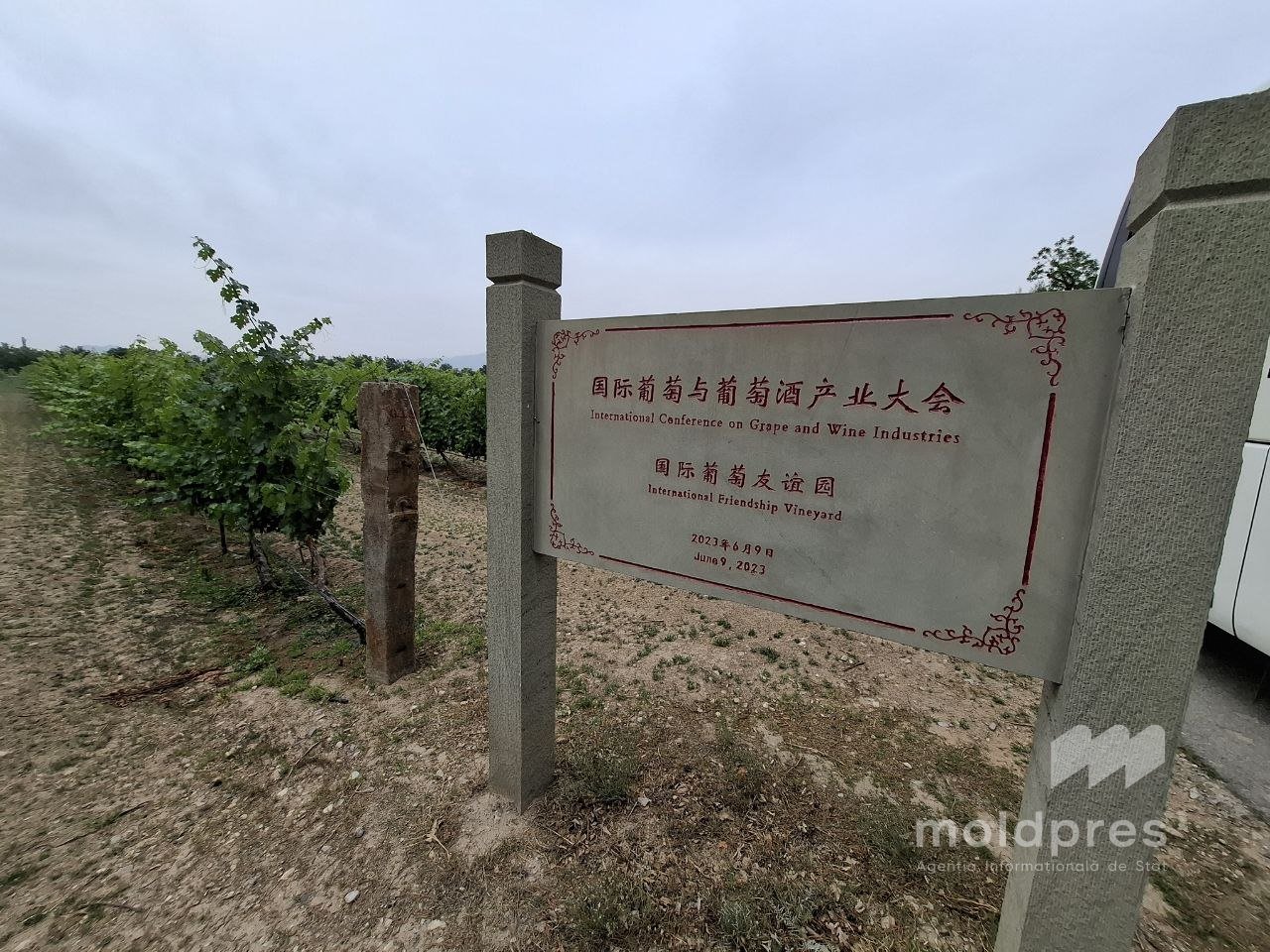
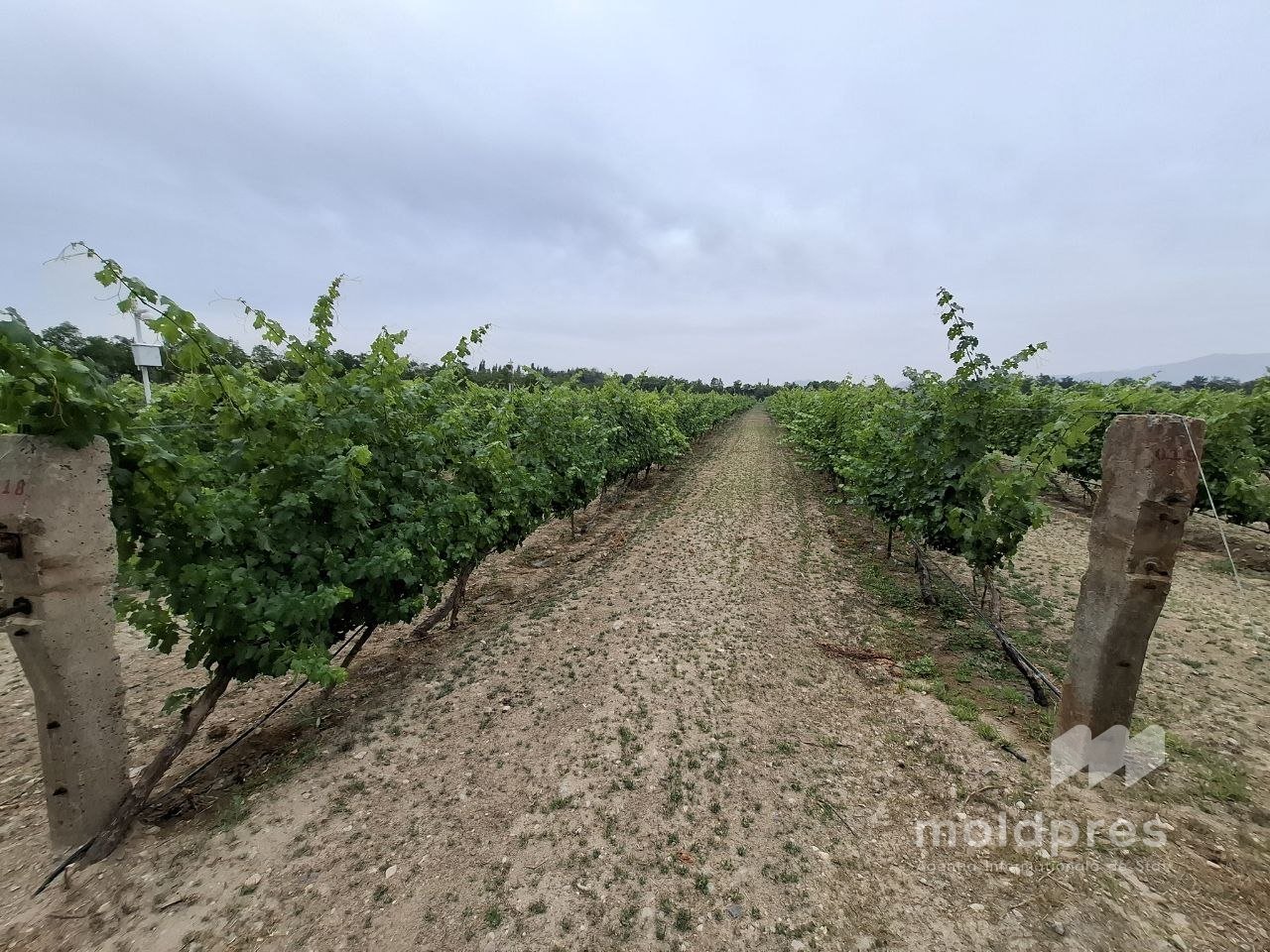
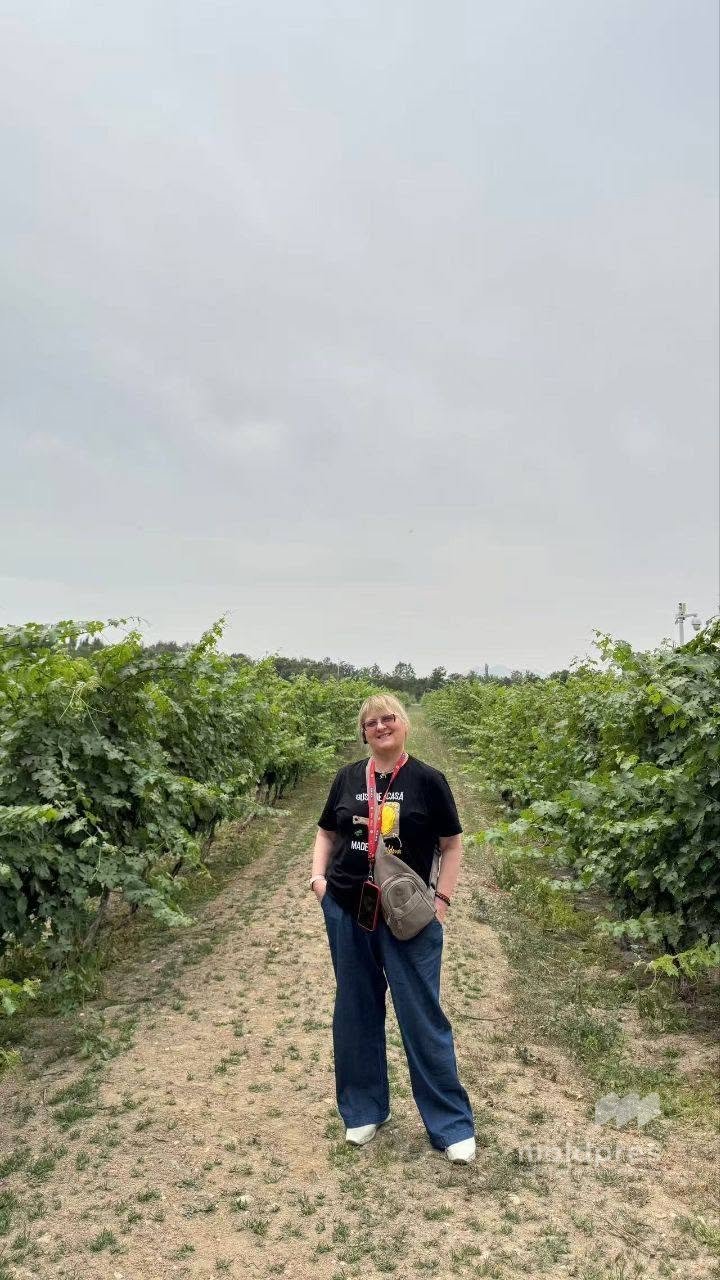
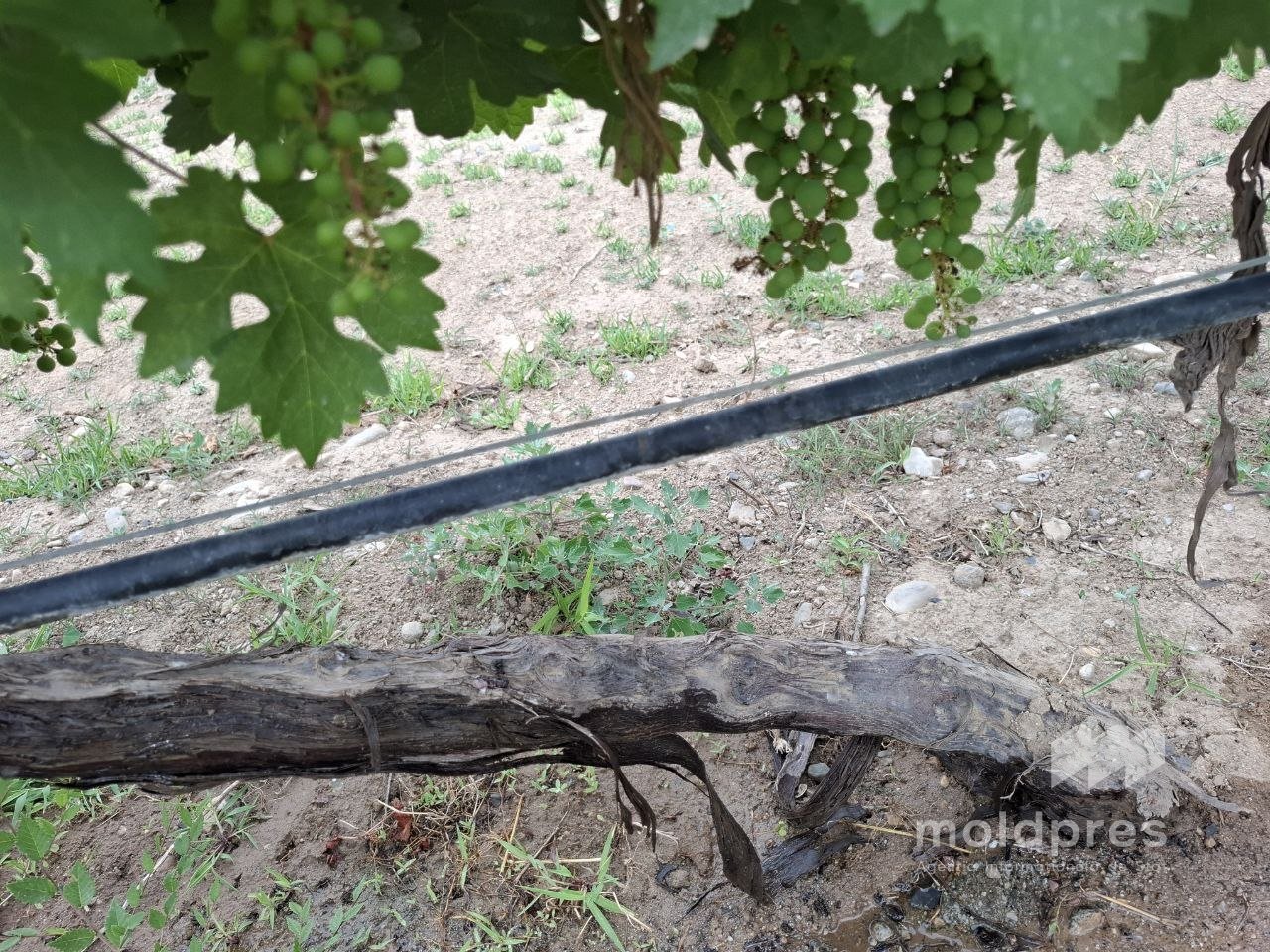
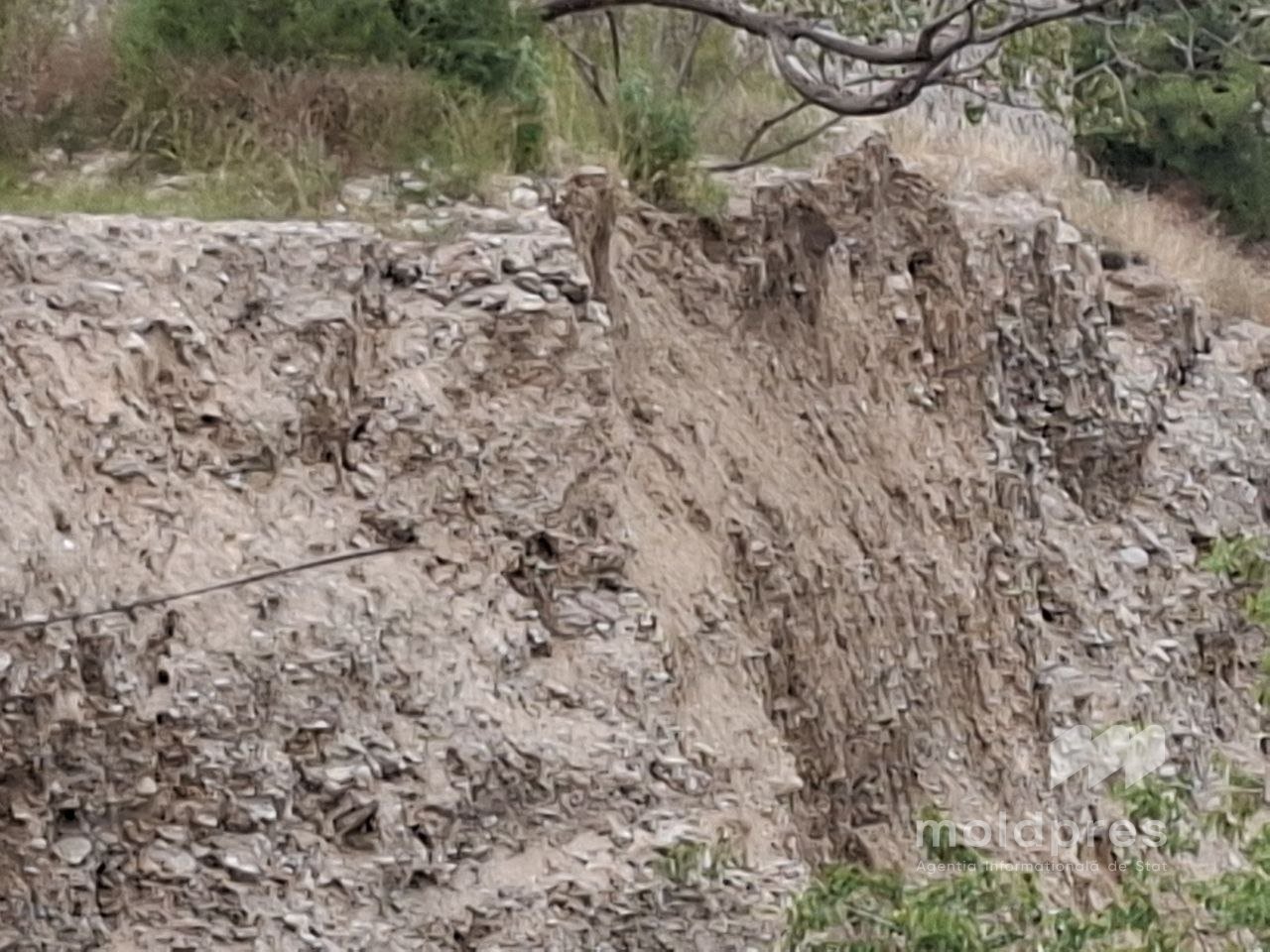
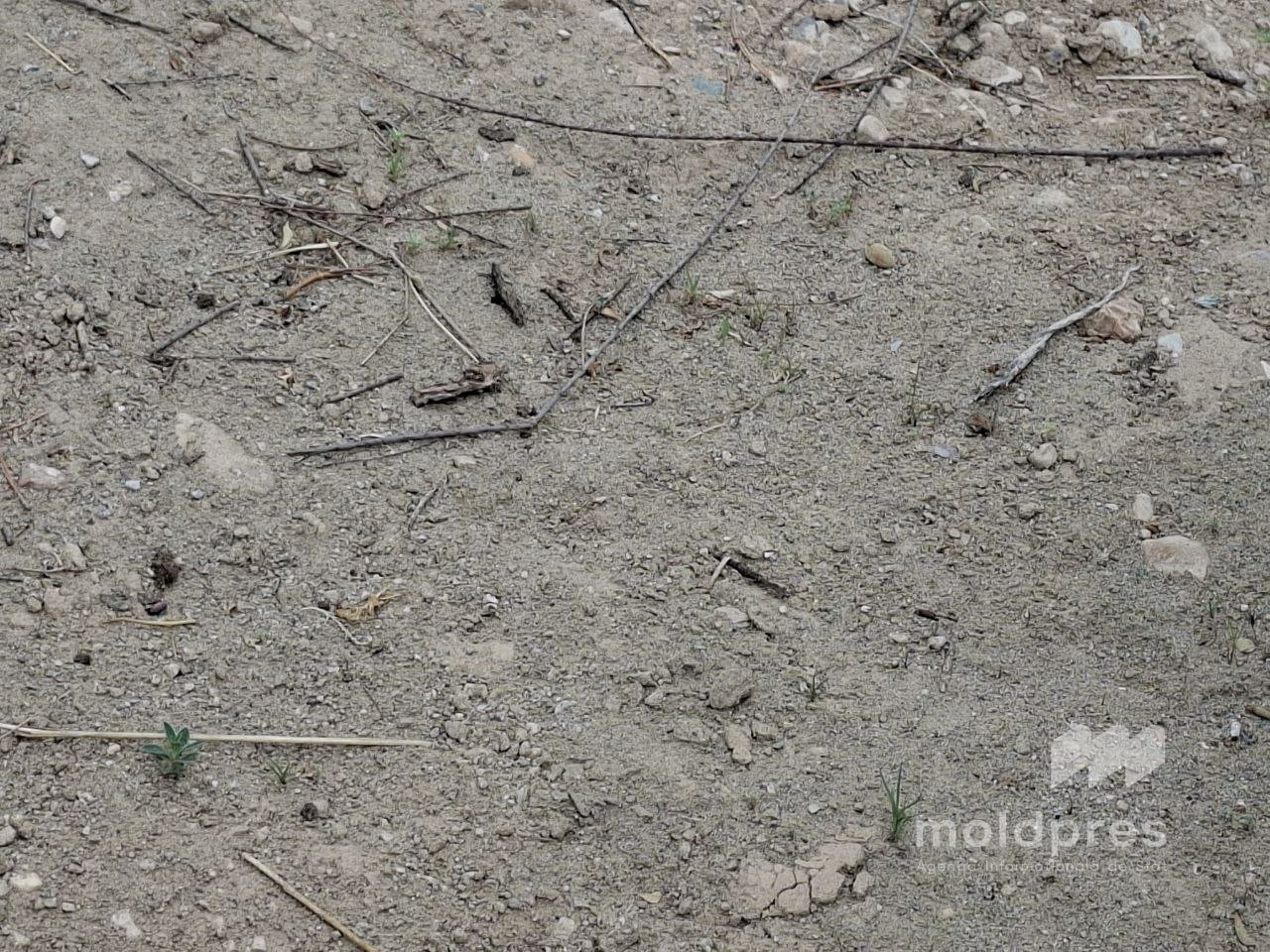
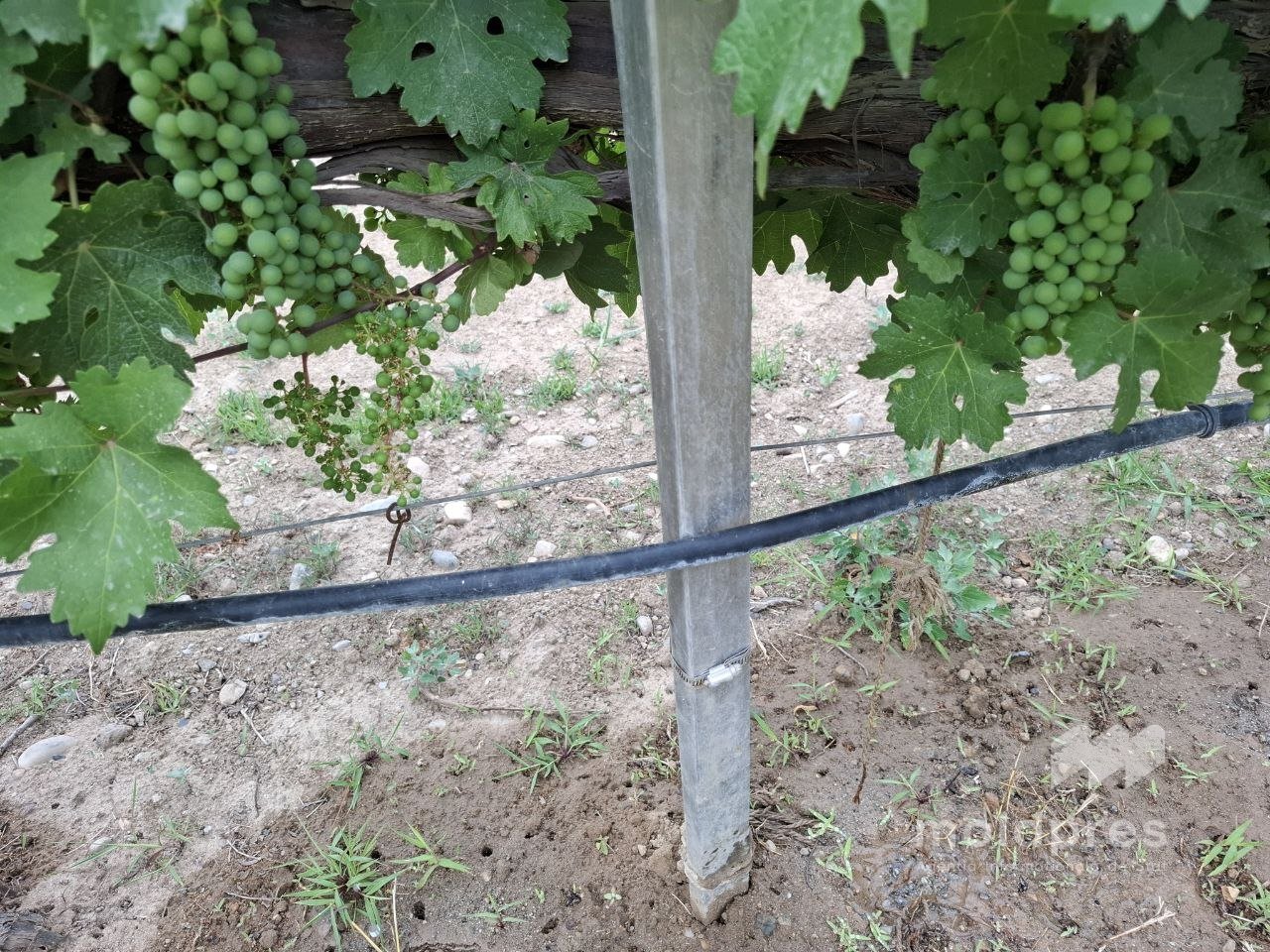
At the eastern foothills of the Helan Mountains in Ningxia Hui, China, in an arid region where the stony soil seems inhospitable, vigorous vines grow and produce high-quality wines. It is astonishing to see vines growing practically in gravel, in such an arid area. The rocky soil ensures perfect drainage, while the large temperature differences between day and night (up to 15°C) give the grapes intense aromas and balanced acidity.

Zhihui Yuanshi – a lesson in sustainability

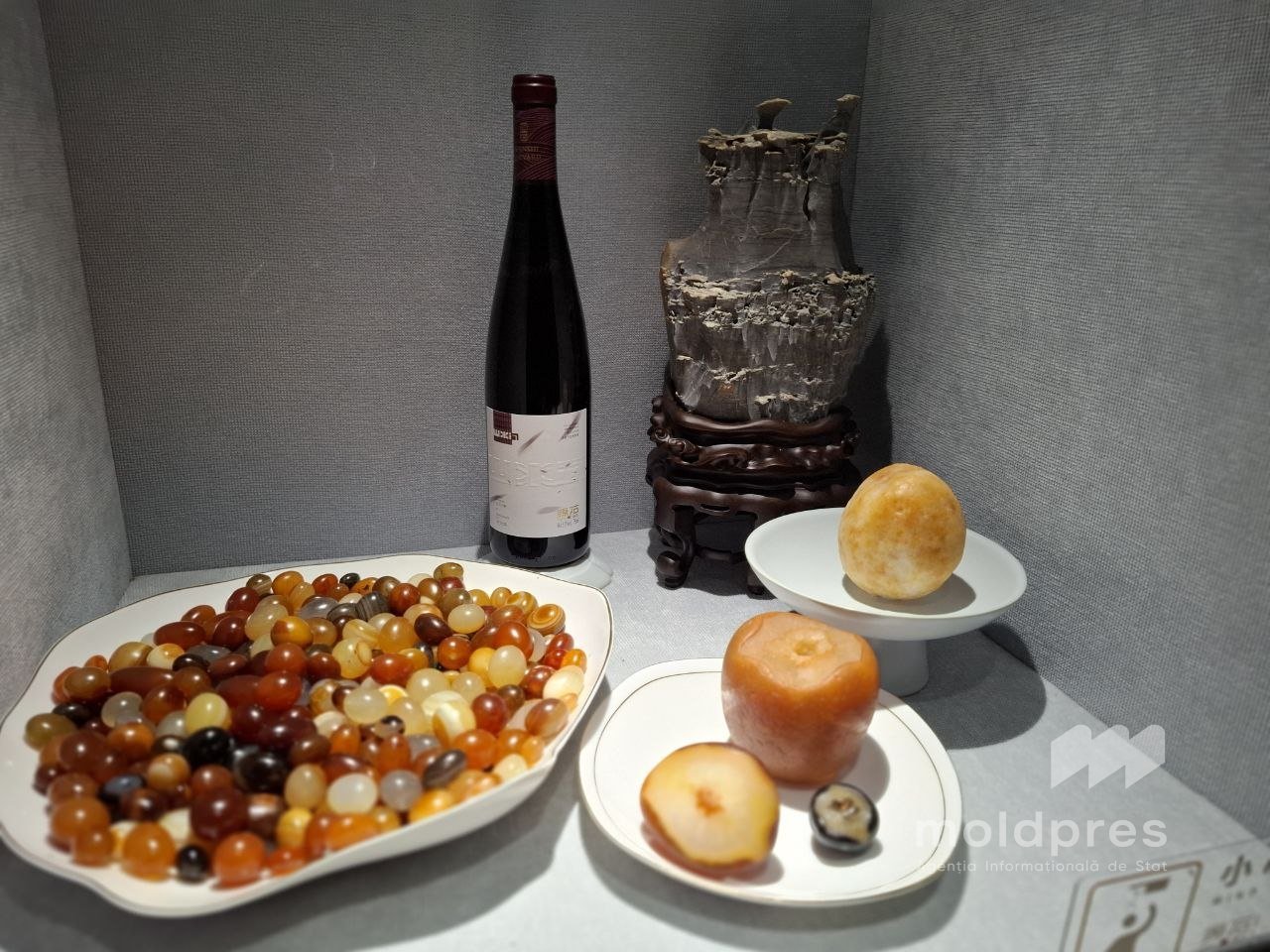
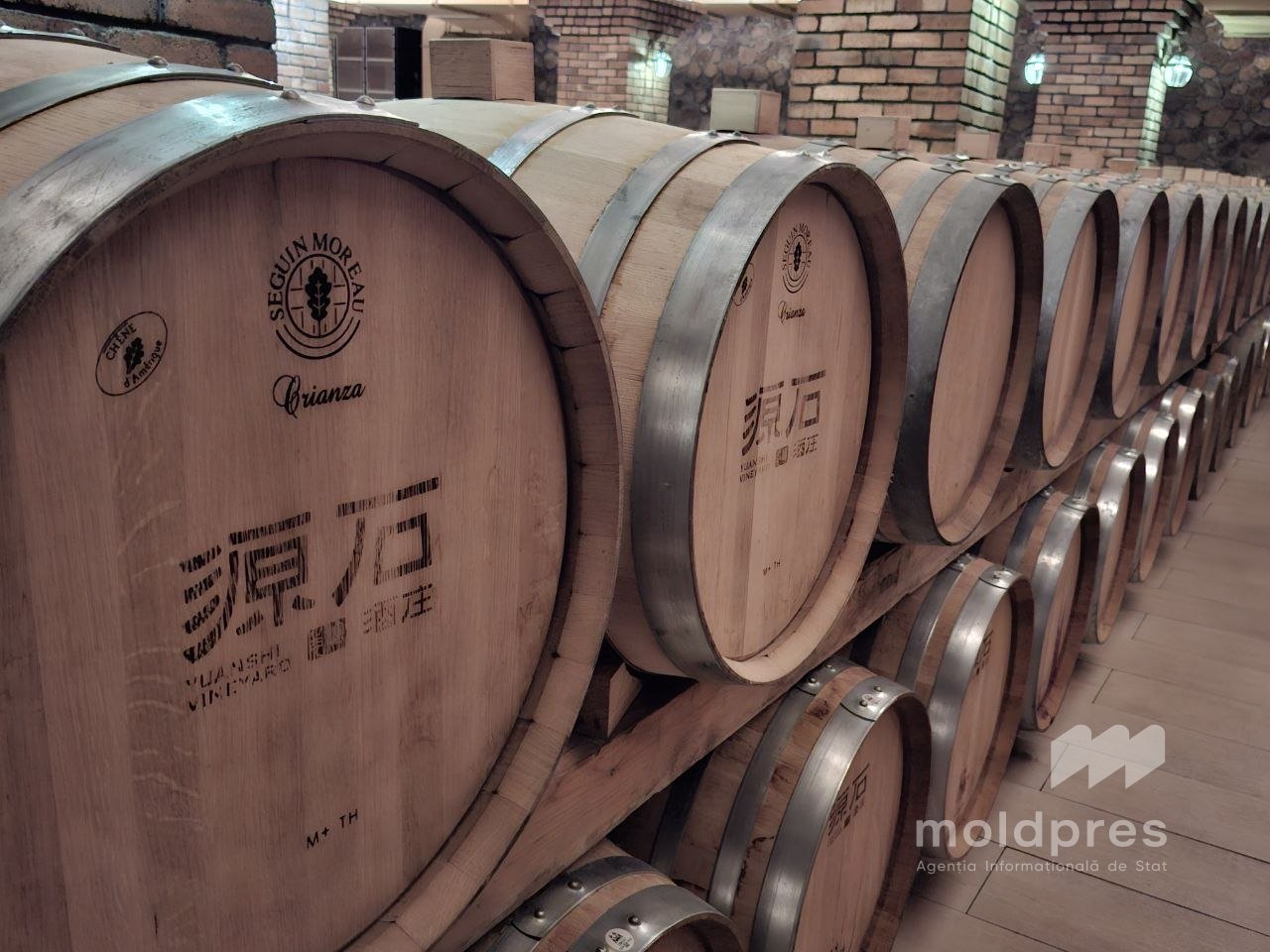
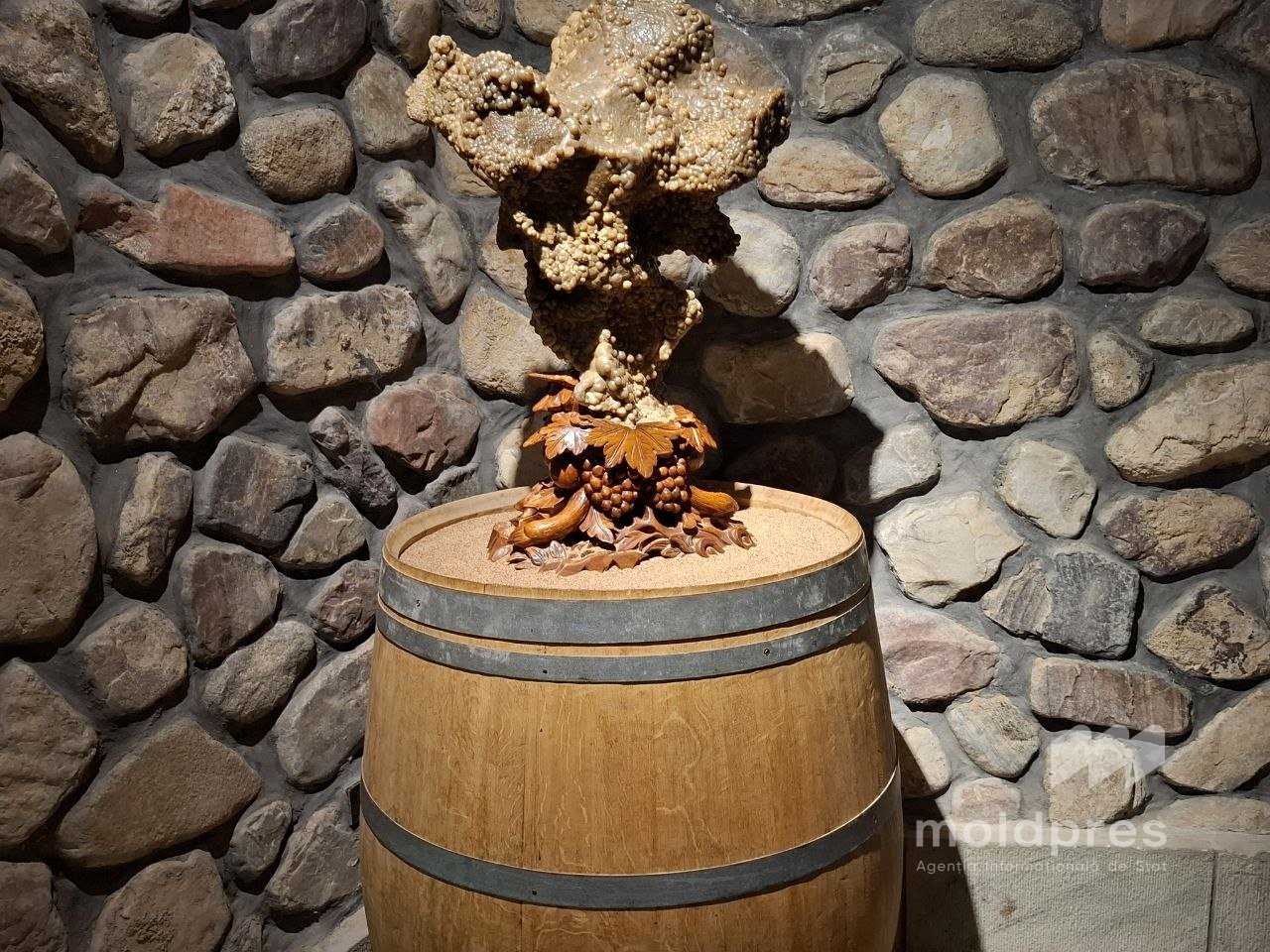
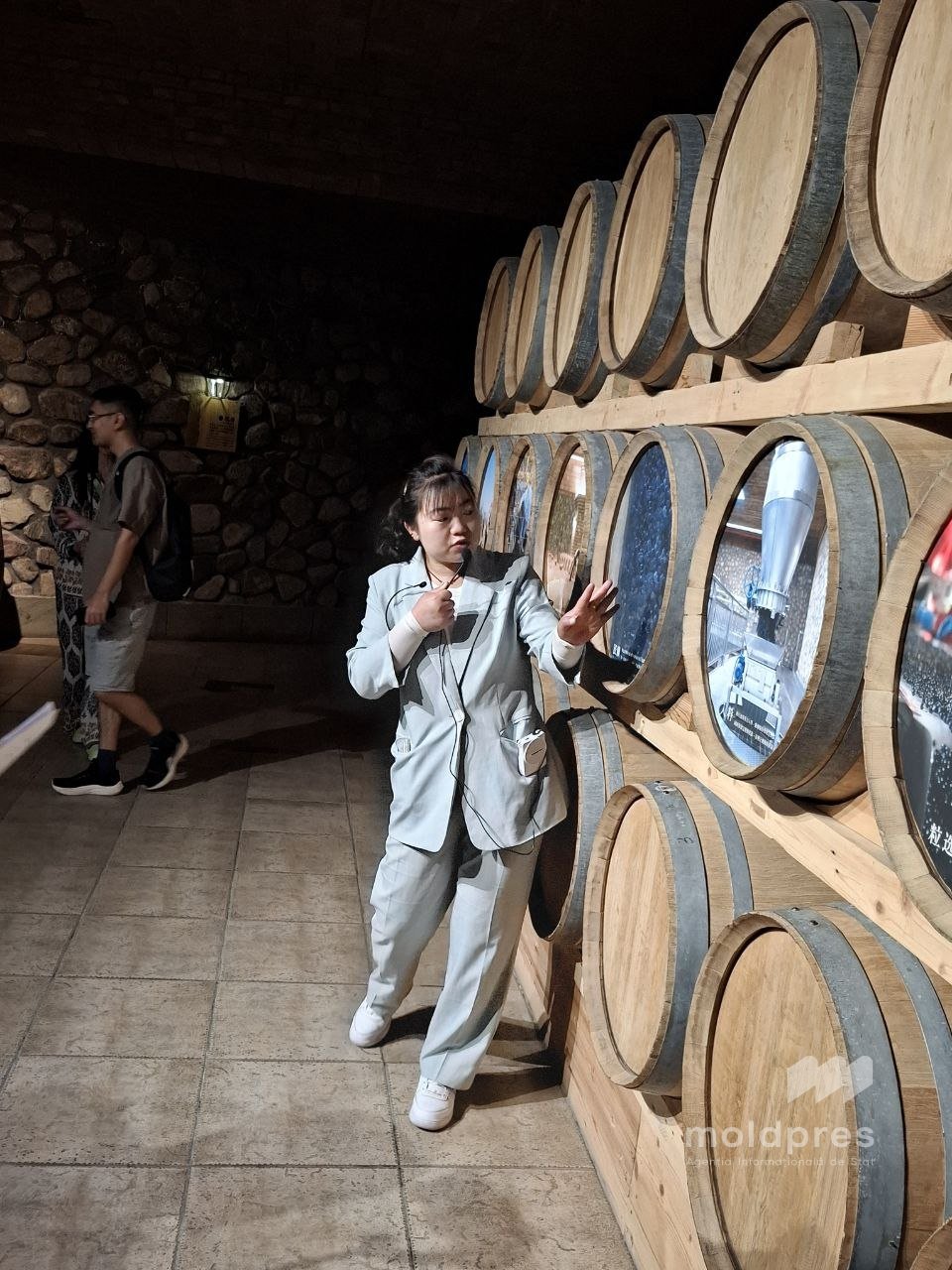
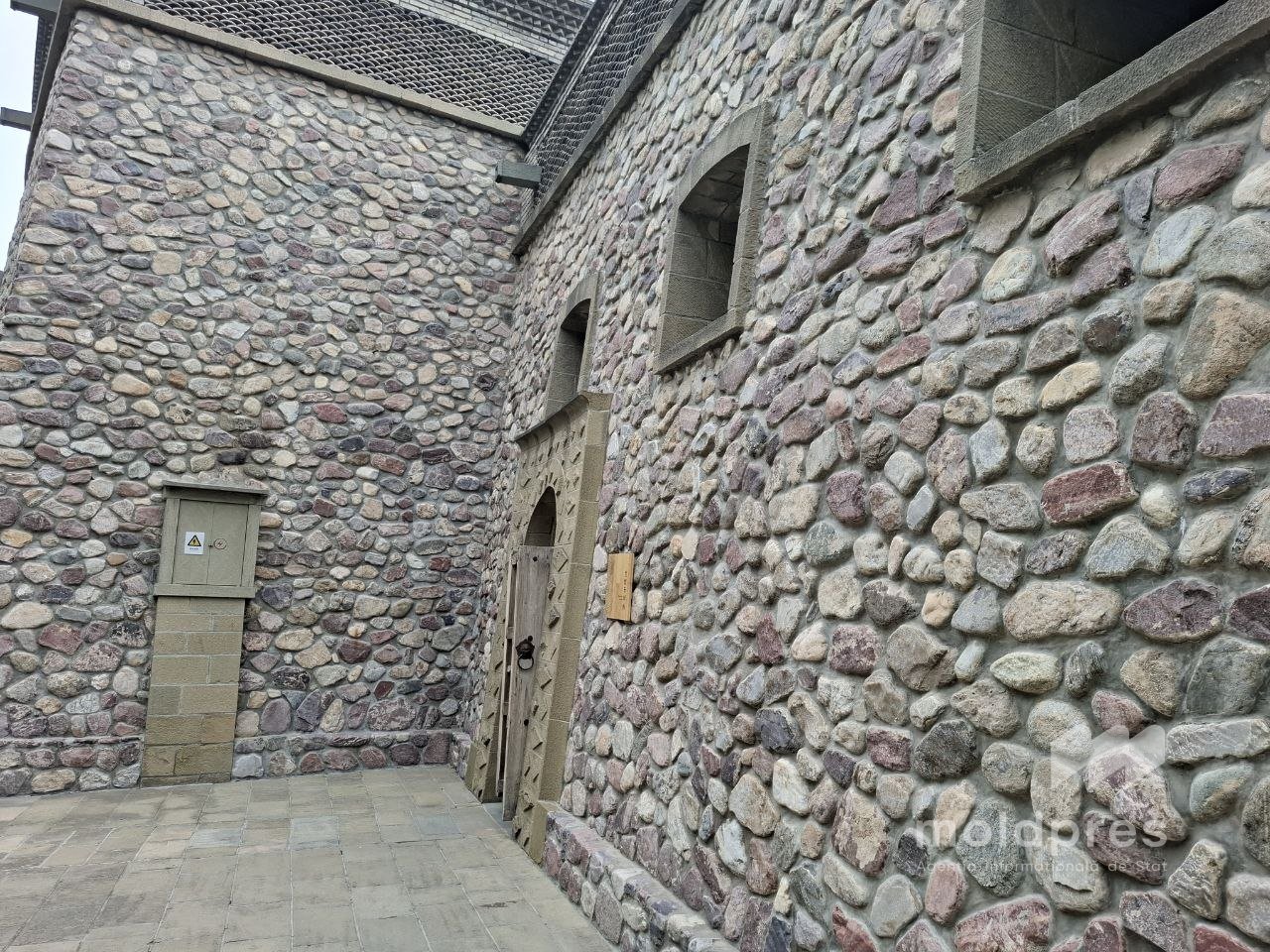
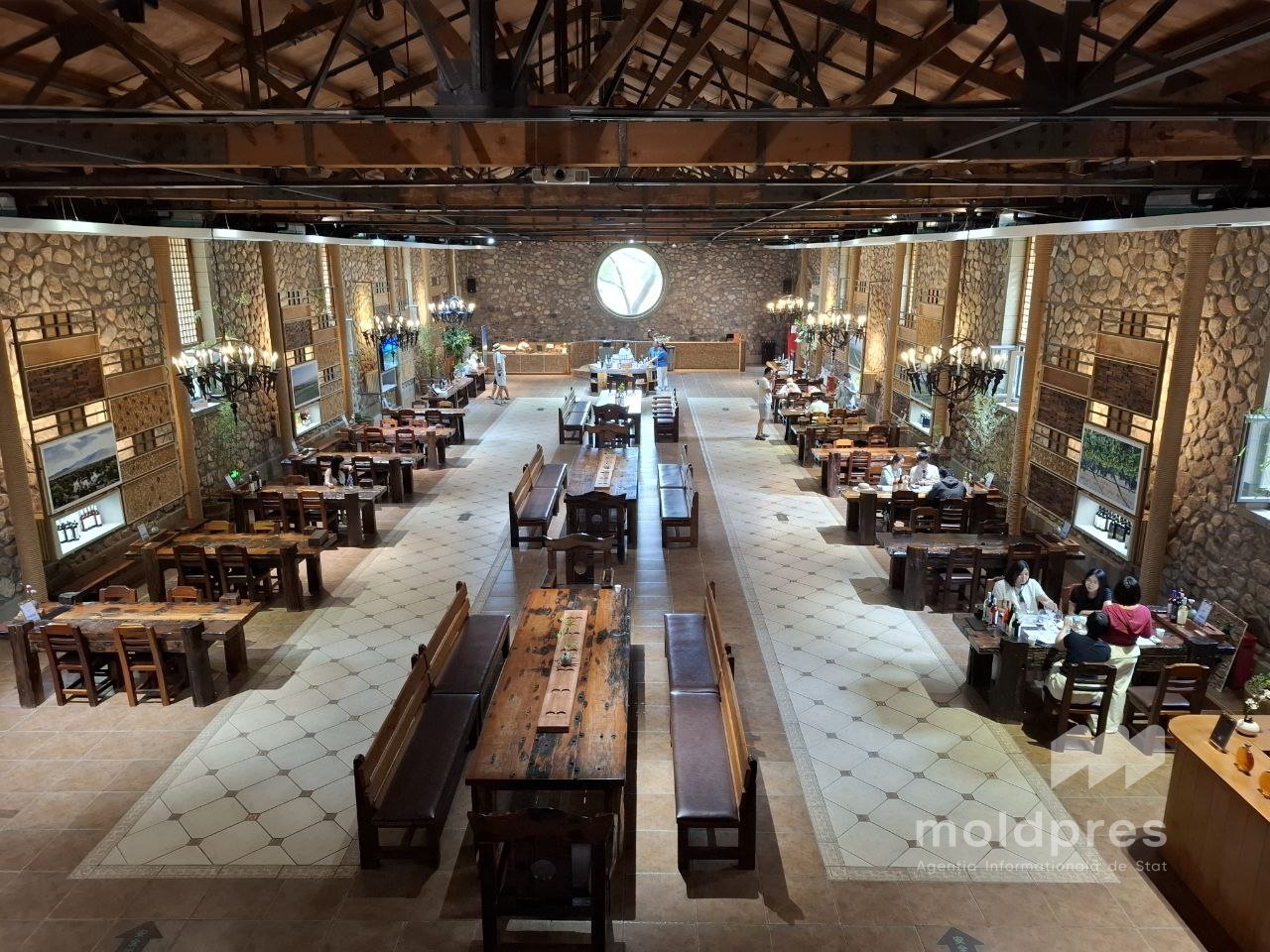
Zhihui Yuanshi winery, classified as a level-two winery in the local system, is a model of ecological reconversion. The land it occupies was, until recently, an abandoned stone quarry. The owners invested in environmental restoration: they created artificial lakes, planted stabilizing vegetation, and integrated the recovered stones into traditional Chinese architecture. Today, the place is a living ecosystem, combining premium viticulture with eco-tourism.

Jade Vineyard – boutique elegance

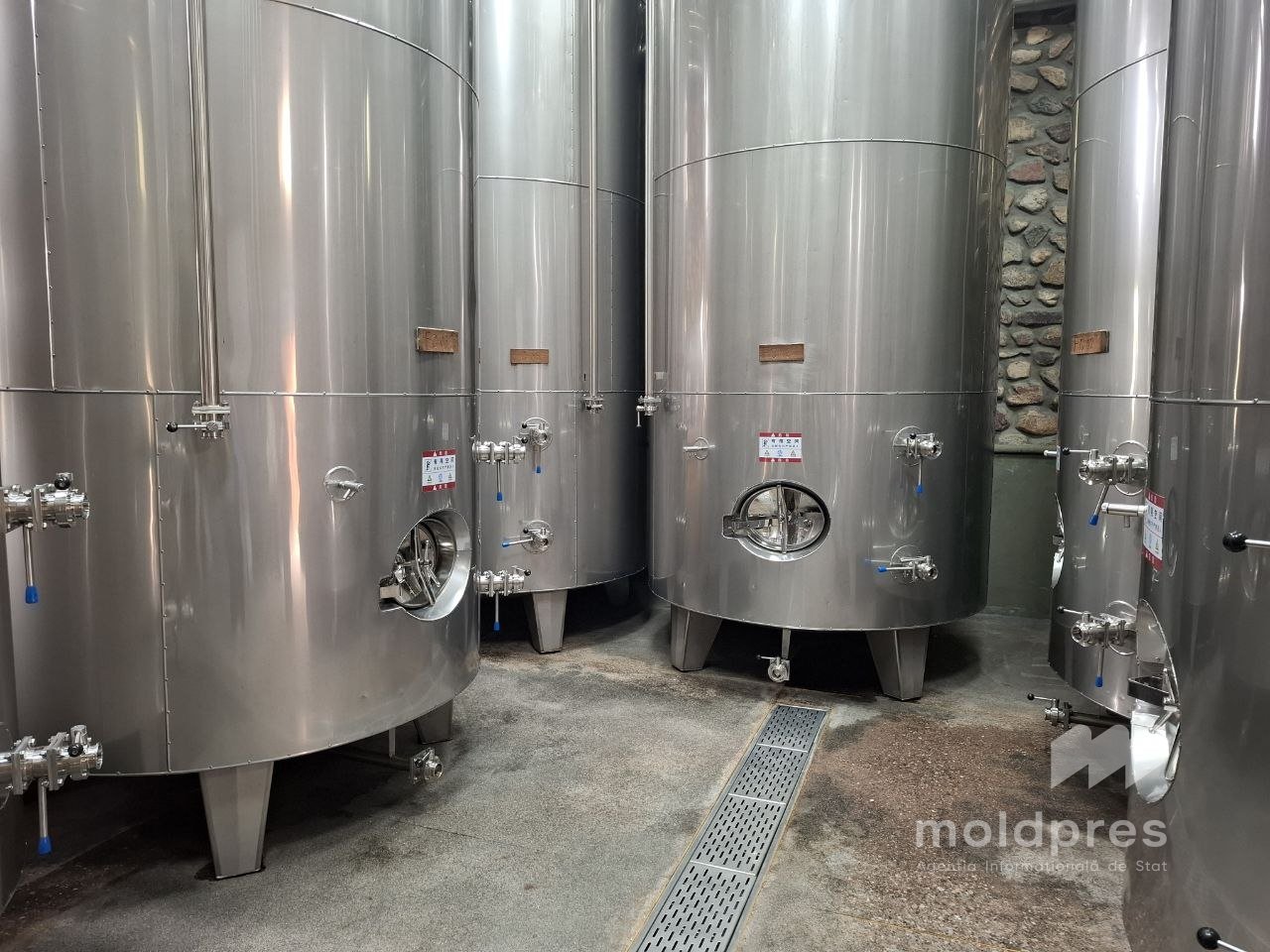
Jade Vineyard, founded in 2013 by Emma Ding, a former banking specialist, is one of the most highly regarded boutique wineries in China. Located at over 1,100 meters above sea level, the vineyard benefits from the protection of the Helan Mountains and from controlled irrigation provided by the Yellow River. The winery mainly produces Cabernet Sauvignon, Merlot, and Bordeaux-style blends, with a strong focus on quality – around 70–80 thousand bottles a year.

Unlike many other Asian wineries, Jade Vineyard relies exclusively on Chinese specialists. Local oenologists say that the experience accumulated in recent years has allowed China to develop its own viticultural style, adapted to the extreme climatic conditions of Ningxia.

One of the biggest challenges remains winter. Temperatures frequently drop below minus 20–25 degrees Celsius, and every autumn brings a difficult operation: workers manually bury the vine stocks under the soil to protect them from Siberian frosts, then unearth them in spring.

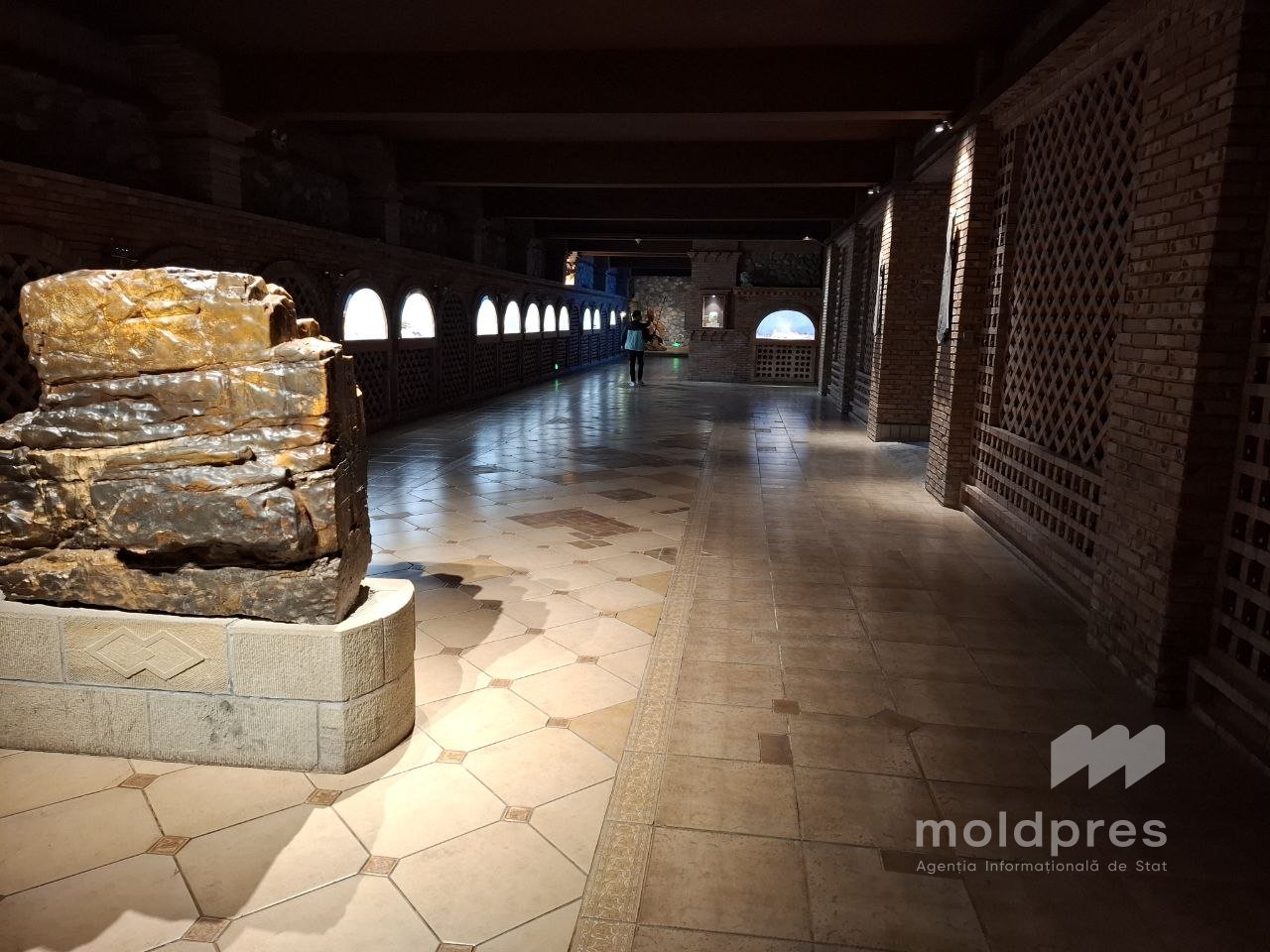
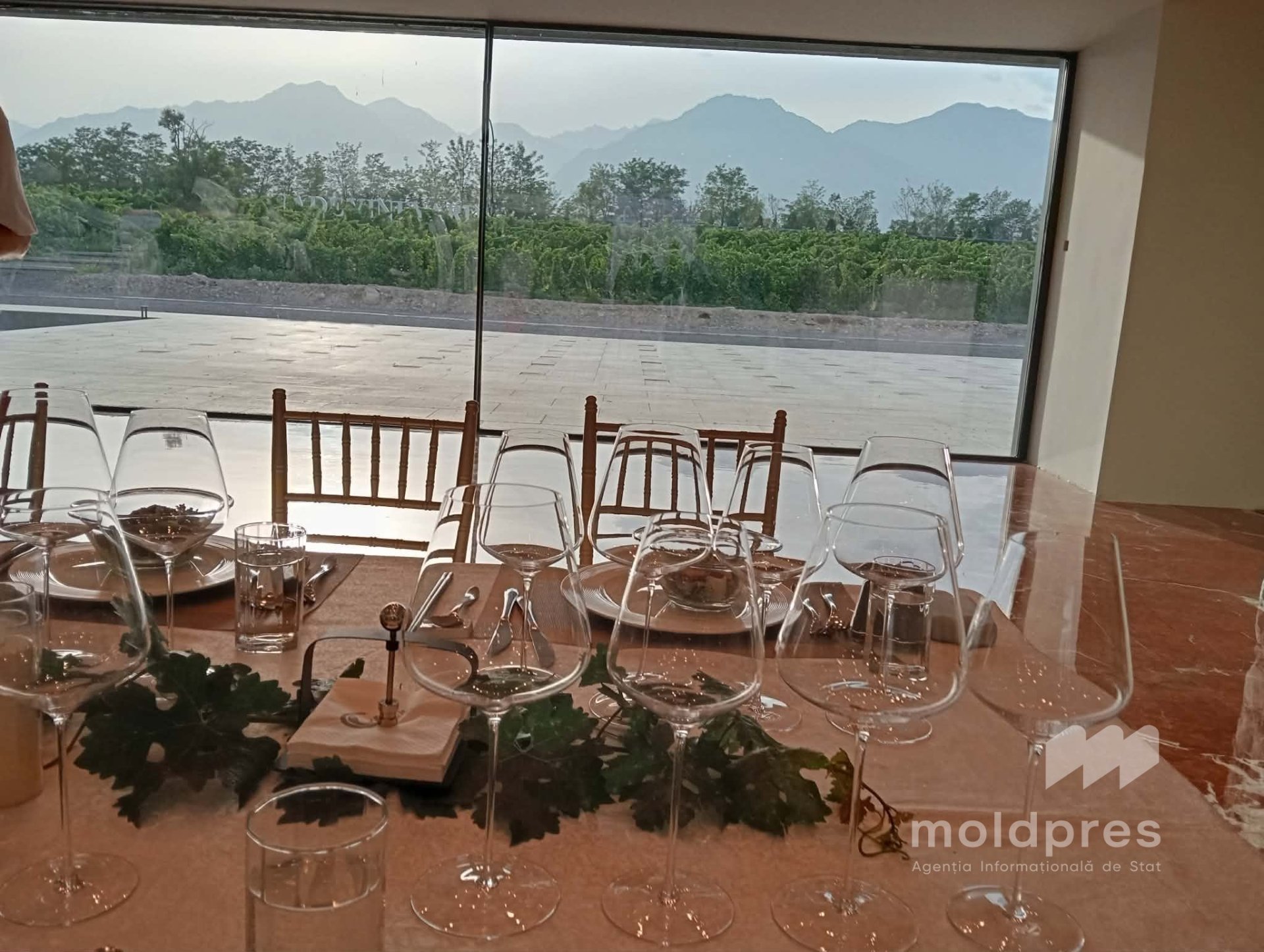
The winery’s minimalist château, built from stone quarried directly from the vineyard, resembles a modern art gallery more than a classic winery. Inside, the abstract works of founder Emma Ding are on display, and on the upper floor there is even a professional concert hall.

Their wines, such as “Messenger” Reserve and “Hyacinth”, have won medals at prestigious international competitions, including the Decanter World Wine Awards.

Moldovan wine – appreciated in China

The leaders of both wineries emphasized that Chinese specialists are very familiar with Moldovan wine and appreciate it at the highest level for its quality, excellent price–quality ratio, and centuries-old tradition.

“Moldova has a very strong wine culture and quality wines. Specialists in the field know Moldovan wines and appreciate them,” the winery representatives said.

Moldova has a visible presence on the Chinese market. Moldovan wines, especially red wines from international varieties (Cabernet Sauvignon, Merlot) and indigenous ones (Fetească Neagră, Rară Neagră), are valued for their balance, complexity, and authenticity.

“We pay particular attention to promoting Moldovan wines. Wine is one of the emblematic products of the Republic of Moldova and has considerable potential on the Chinese market. In this regard, we constantly ask the authorities and Chinese partners for support in ensuring the participation of domestic producers in exhibitions, international fairs, and promotional events. Although in recent years wine exports to China have registered a decline, we believe there are real premises for a revival of this sector,” estimated Petru Frunze, the new Ambassador of the Republic of Moldova to China, in an interview to the State News Agency MOLDPRES.

Wine consumption culture in China

Although China has traditionally been a country of tea, wine consumption has grown spectacularly in recent years. The Chinese especially prefer red wines – considered more “noble” and associated with social status. Cabernet Sauvignon and Bordeaux blends dominate preferences, but there is growing interest in white and sparkling wines as well.

Consumption is expanding rapidly in major cities (Shanghai, Beijing, Shenzhen), where wine is associated with a modern lifestyle, business, and luxury gifts. The young generation and the urban middle class are increasingly discovering European wines, including those from Moldova.

Ningxia demonstrates that with vision, smart investments, and respect for nature, even an arid territory can become a competitive producer on the international wine market. It is a valuable lesson both for China and for Moldova – a traditional producer with huge potential on the rapidly developing Asian market.
 Facebook
 Instagram
 X/Twitter
 Telegram
Natural gas price in European exchanges stays high, amid regional situation
Investing in government securities: Ministry of Finance launches new subscription round
PHOTO // PM, after visiting companies in southern region, says products made in Moldova competitive
Moldovan energy minister explains why security stocks cannot be used to reduce gas prices
Over 20 companies from Moldova present products in Baia Mare, Romania
VIDEO // Prime Minister about privatization of Zarea Hotel: Our goal - to generate as much money as possible for state budget, while also making good use of important property in central Chișinău
VIDEO // More than 218 million lei directed toward objectives of Convergence Fund, although mechanism has not yet begun operating
Moldova strengthens public finances in line with European standards with Slovenia’s support
Mircea Esanu leaves Public Services Agency to lead Moldova Project
VIDEO // Moldova to have single structure for implementing strategic projects
EBRD lends €344 million to upgrade Moldova’s strategic road corridors
Giant grapevine to be set up in PMAN for National Wine Day
VIDEO // This year’s National Wine Day to bring together more than 110 producers in central Chișinău
DOC // Law on crypto-asset market published in Official Journal and enters into force
Farmers’ registry launched in Moldova: less bureaucracy, easier access to funding
Polish Ambassador awarded Order of Honor at end of term
Moldova International Exchange initiates admission process for capital market
European Commissioner at Moldova Business Week 2026: Whoever invests in Moldova today is investing in European success story
 National Bank of Moldova
Moldovan PM has phone conversation with Austrian chancellor
Deputy PM for reintegration has meeting with Ambassador of Kingdom of Netherlands to Moldova
“Parliament through children’s eyes”: pupils of Moldova express vision of democracy through art
Polish Ambassador awarded Order of Honor at end of term
Prime Minister to Moldova Business Week 2026 participants: Moldova can win through speed, agility and trust


Moldova International Exchange initiates admission process for capital market
PHOTO GALLERY //11th edition of Moldova Business Week starts in Chisinau
European Commissioner at Moldova Business Week 2026: Whoever invests in Moldova today is investing in European success story
VIDEO // Speaker - one year after parliamentary elections: We have made faster progress than ever on path to joining European Union
Prime Minister to Moldova Business Week 2026 participants: Moldova can win through speed, agility and trust
Moldova Business Week 2026 starts in Chișinău
Severe hydrological conditions also affect Prut river
Chișinău and Bălți residents to pay more for heating
Chișinău International Airport launches app for more accessible travel
New natural gas tariffs for final consumers approved by ANRE
Foreign Minister: 868 Moldovan citizens in Canada benefited from consular services through the “Embassy Comes Closer to You” Program
Moldovan parliamentary delegation to attend PACE autumn session
Nearly 500 children took up President’s reading challenge
Moldovan athlete becomes world champion, marking historic first for para-judo in Moldova
Prime Minister meets with UN Secretary-General
Deputy Prime Minister to visit Canada: talks on strengthening bilateral relations and developing economic partnerships
Receive the latest news directly to your email

Receive the latest news directly to your email